
1880s
Showing 229 works across all media from the 1880s

The Brothers Karamazov
Old Karamazov is murdered and each of his three sons had reason. Around the crime Dostoevsky stages the fiercest argument fiction has ever made about God and the suffering of children.
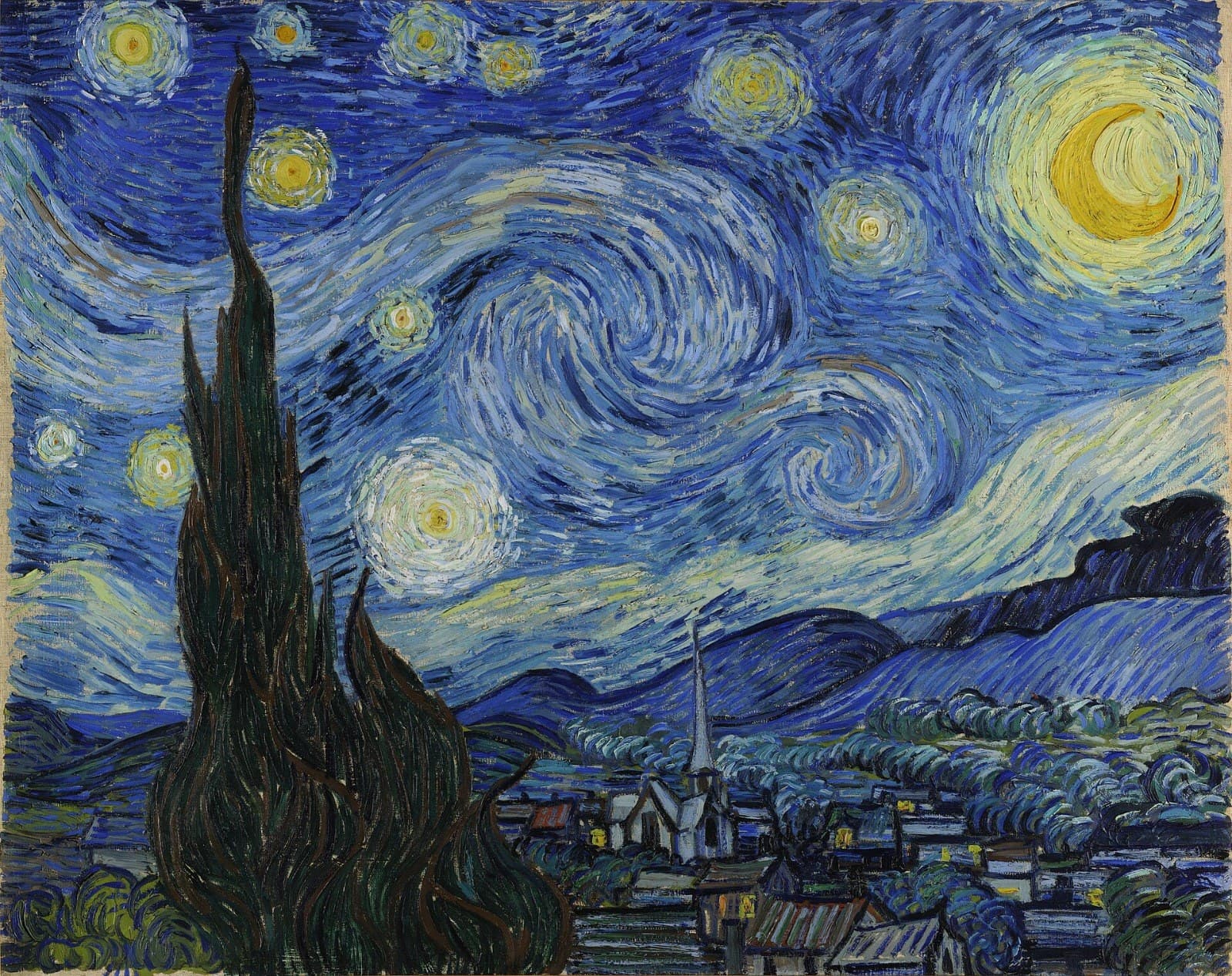
Starry Night
Van Gogh painted the churning sky and its eleven stars from a window of the asylum at Saint-Rémy, partly from memory.

Adventures of Huckleberry Finn
Huck runs off down the Mississippi with Jim, who is escaping slavery, and the moment he decides he would rather go to hell than turn him in is the hinge of American fiction.
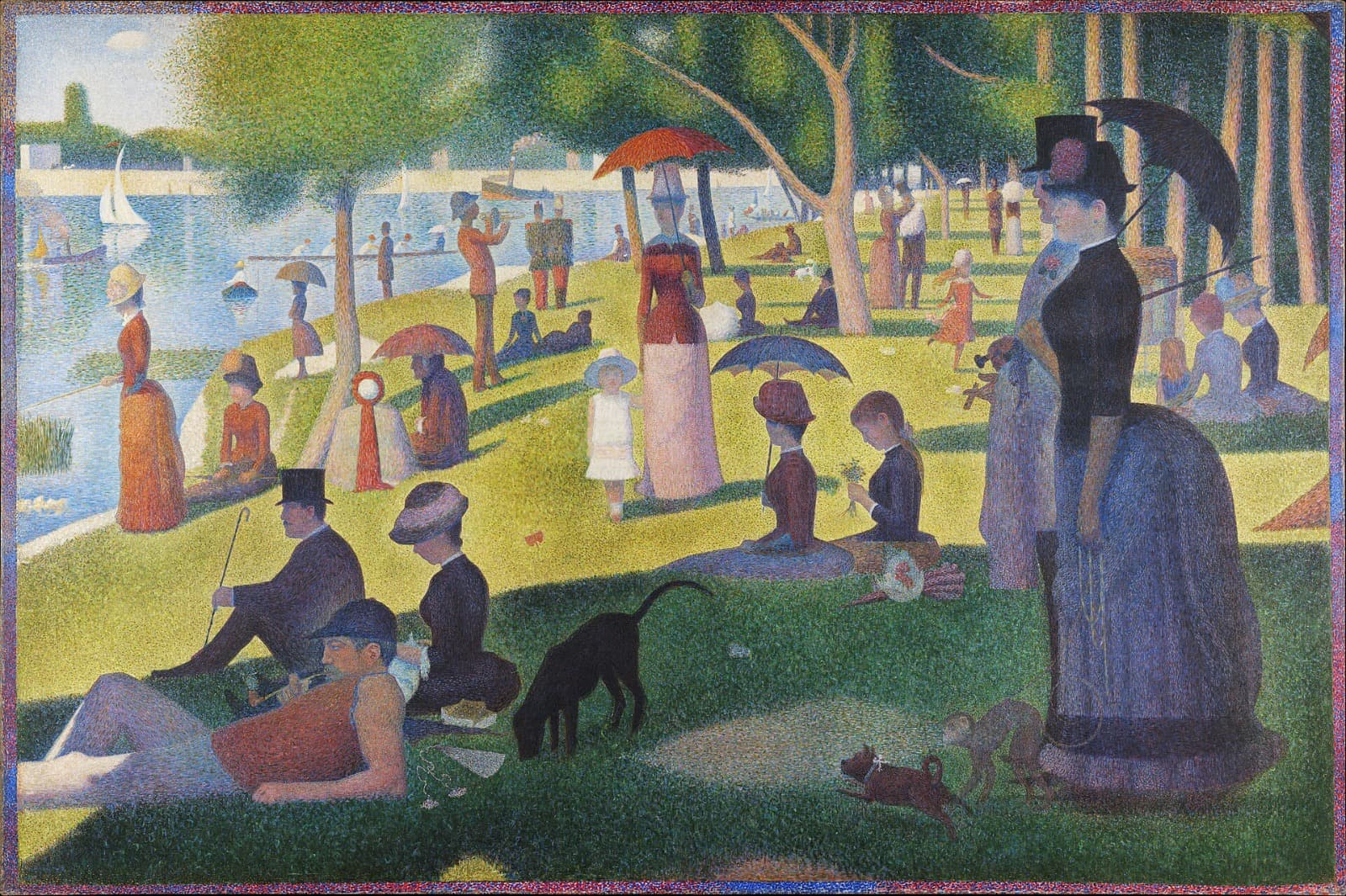
A Sunday Afternoon on the Island of La Grande Jatte
Seurat spent two years building this riverbank out of tiny dots of unmixed color, applying optical theory to a crowd standing oddly still.

A Bar at the Folies-Bergere
Manet worked from a real barmaid named Suzon and put her reflection in the wrong place, which people have been arguing about ever since.

The Essential Emily Dickinson
Dickinson wrote nearly eighteen hundred poems in a Massachusetts bedroom, on death, God, and her own mind, and remade the English lyric. Begin with "Because I could not stop for Death."

Luncheon of the Boating Party
Fourteen of Renoir's friends linger over the wreckage of lunch above the Seine, his future wife among them, cooing at a dog on the table.

Beyond Good and Evil
Philosophers smuggle their own prejudices in as truth, Nietzsche says, and the morality they defend was invented by the weak. He writes in short bursts aimed straight at the reader.
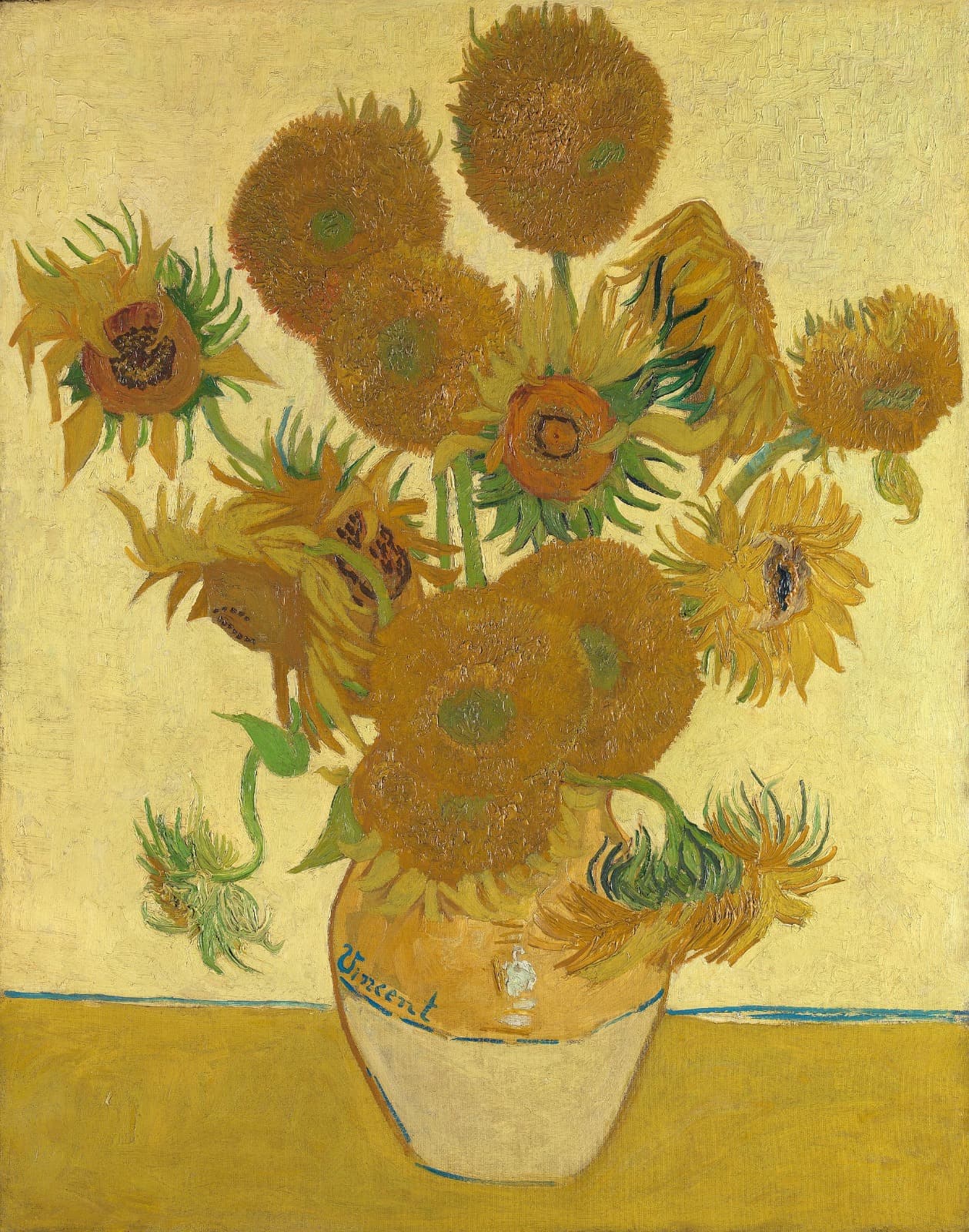
Sunflowers
Some blooms burst with petals and others have gone to seed, all yellow on yellow, painted to decorate the house where Gauguin was to come.

Portrait of a Lady
Isabel Archer, an American with opinions and a sudden fortune, turns down good proposals and marries badly in Italy. James stays so close inside her mind that her mistakes feel like your own.
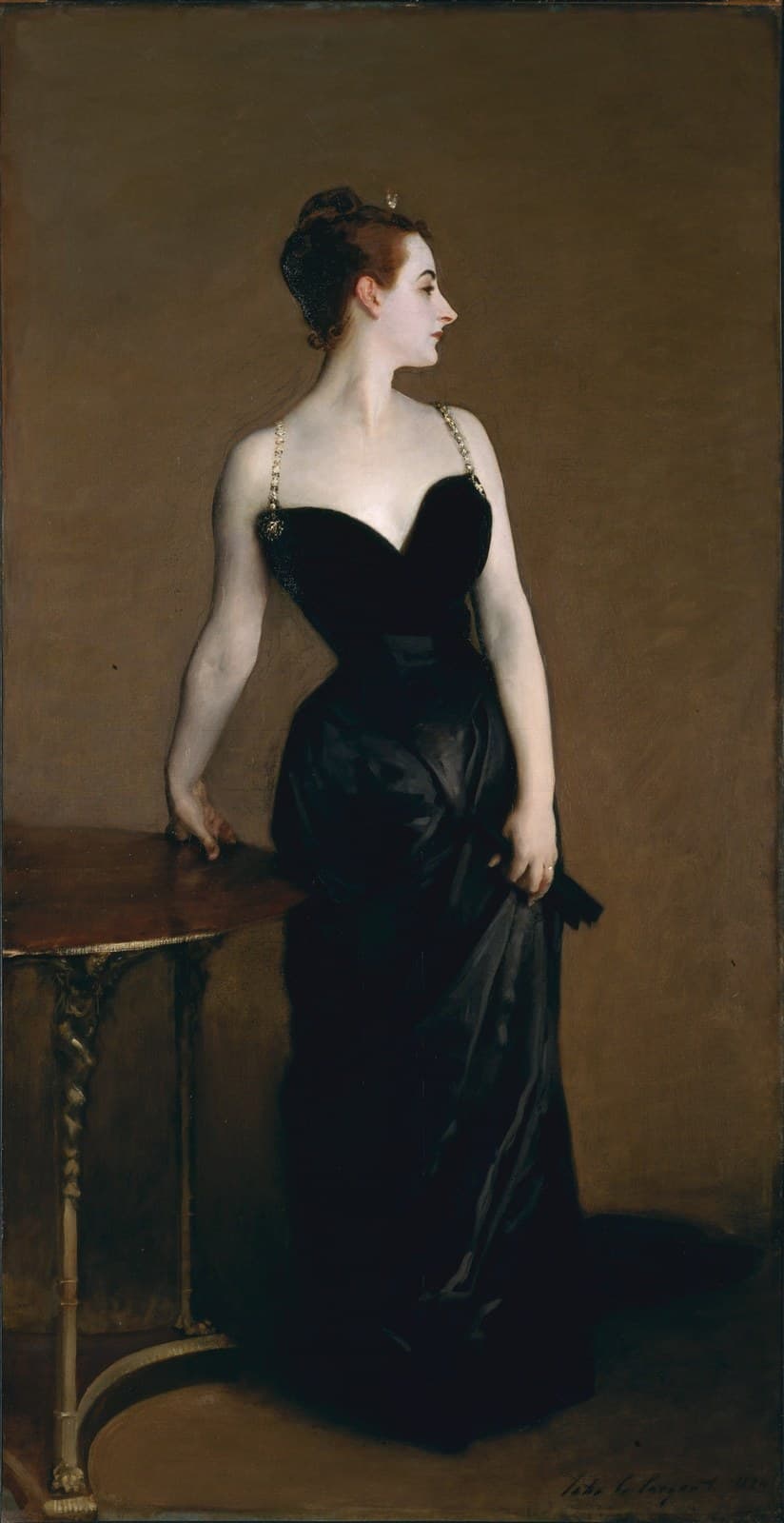
Madame X
The strap fell off her shoulder in the 1884 version, Paris was scandalized, her family demanded it come down, and Sargent repainted the strap.
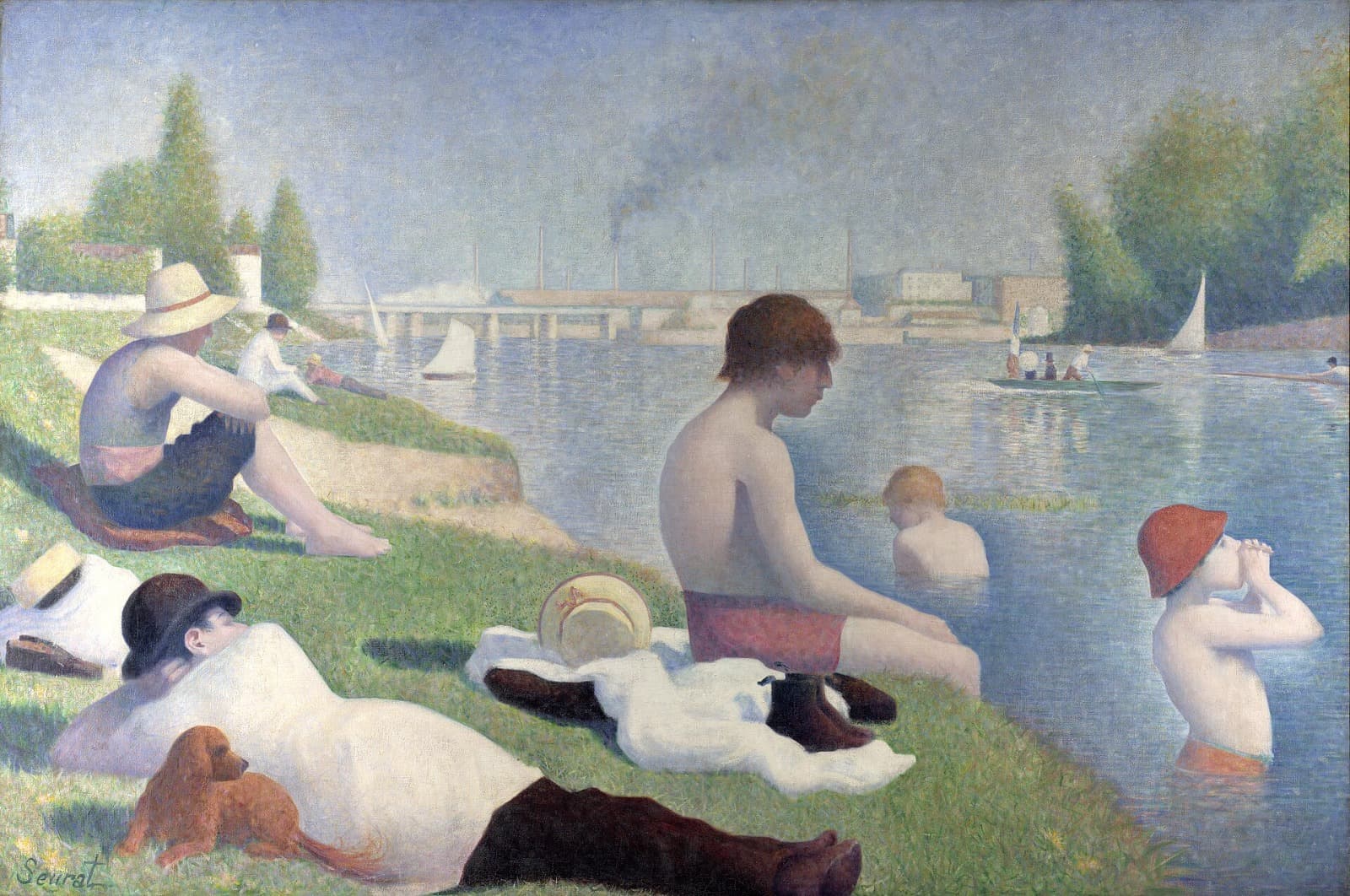
Bathers at Asnieres
Working men bathe on the bank while factory chimneys smoke across the river, the figures given the weight of a classical frieze.

Self-Portrait (van Gogh)
The background ripples around his head like a current in the same blue-green as his suit, and his beard burns red against it.
East is East and West is West, and never the twain shall meet.

Cafe Terrace at Night
Van Gogh set up outside and painted the terrace on the spot after dark, pleased that he had used no black at all.

The Night Cafe
Van Gogh wanted a room where a man could ruin himself or go mad, and got it with red walls and a green ceiling.

Wheat Field with Cypresses
Van Gogh loved the cypress and compared it to an Egyptian obelisk, then set one flaming up the right side of a Provençal field.
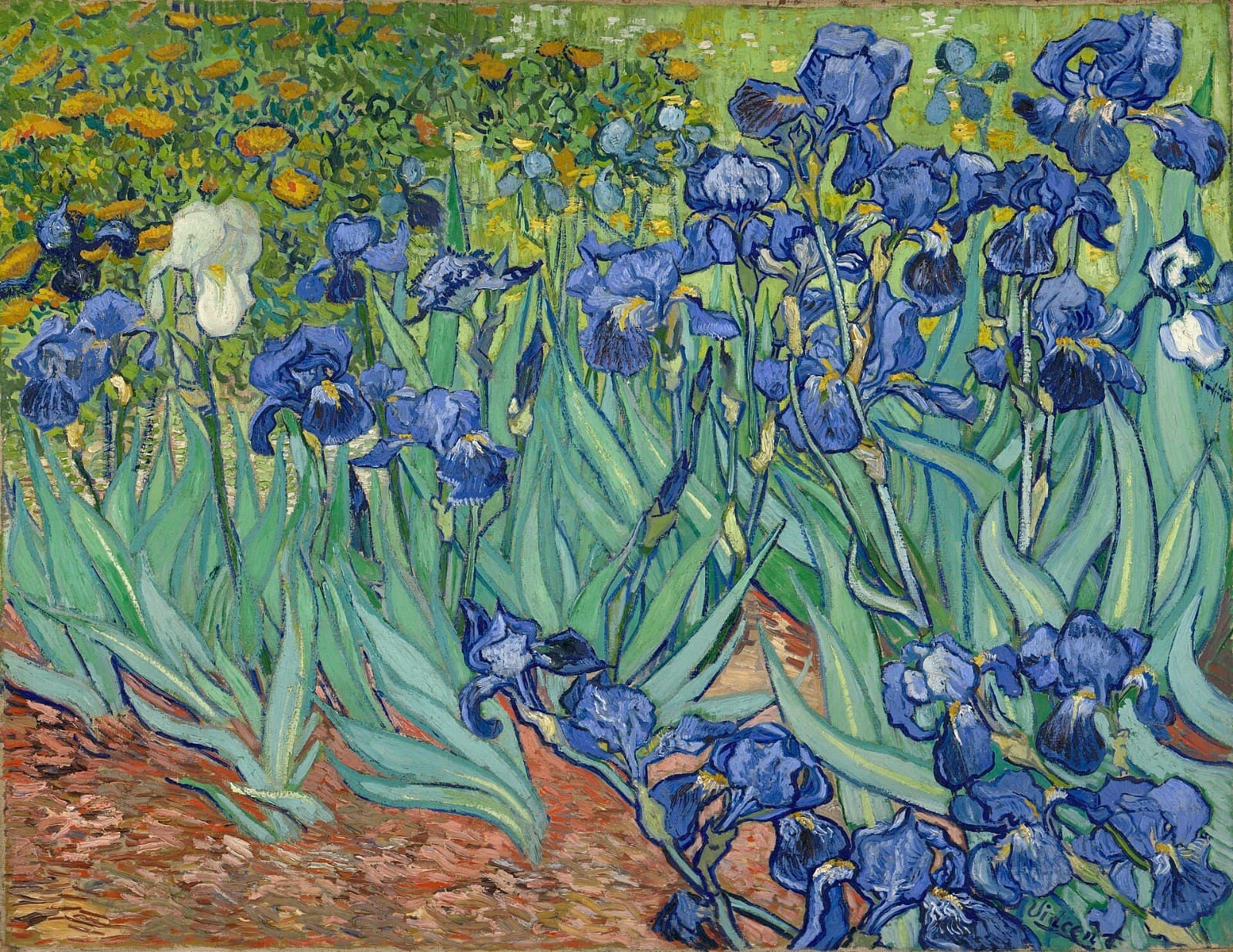
Irises
One white iris stands alone among a whole bed of blue-violet ones, the blades twisting and crowding right up to the edge of the canvas.
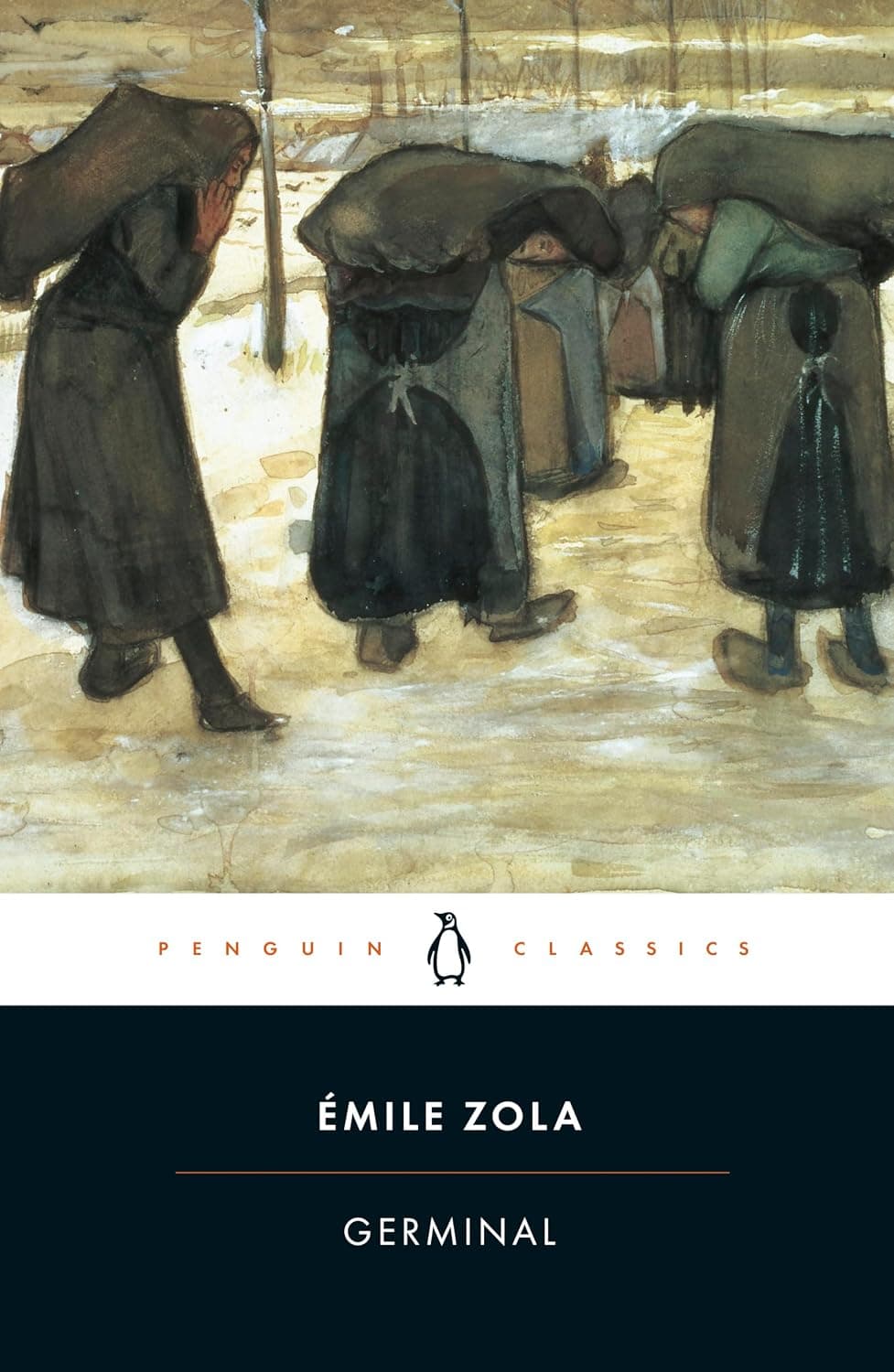
Germinal
Etienne Lantier takes work in a French coal pit and talks the starving miners into striking. Zola went down a real mine to write this, and you feel the rock overhead.

The Death of Ivan Ilyich
Nothing in fiction gets nearer to dying. Ivan Ilyich knocks his side hanging a curtain, and his family and his doctors keep up the pretense while a peasant servant tells the truth.
This is hardest of all: to close the open hand out of love, and keep modest as a giver.

On the Genealogy of Morals
Guilt began as unpaid debt, Nietzsche argues, and conscience is cruelty turned inward for want of anyone else to hurt. Three essays dig up where good and evil came from.

Personal Memoirs of Ulysses S. Grant
Dying of throat cancer and ruined by a swindler, Grant set down the Mexican War and the Civil War in short exact sentences that never boast. He finished days before his death.

Two Sisters (On the Terrace)
A basket of colored wool sits in the front, the Seine glitters behind, and the whole thing is about how good an afternoon can be.
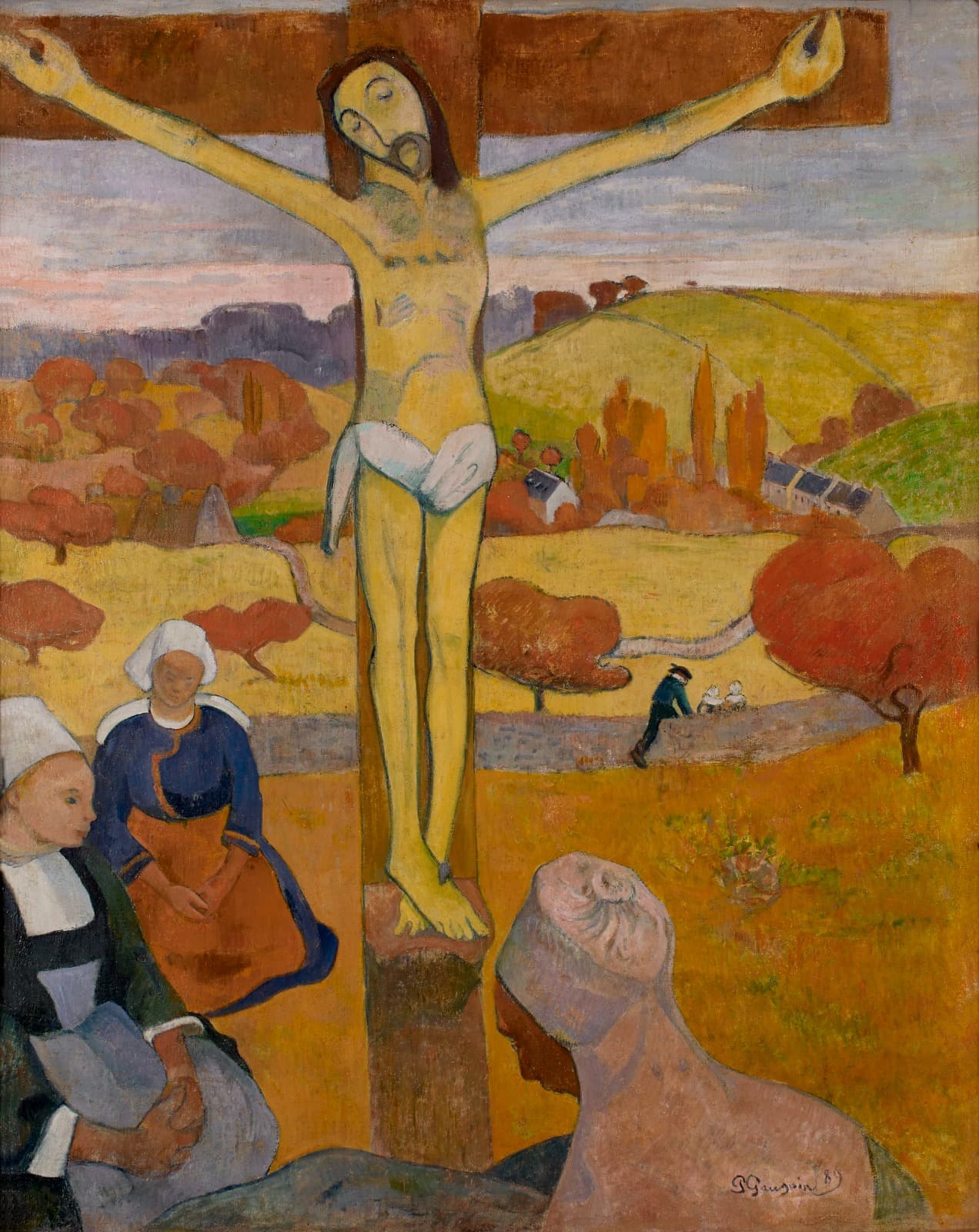
Yellow Christ
Three Breton women in white caps kneel at a wooden cross in an autumn field, everything flattened into blocks of color like stained glass.

Starry Night Over the Rhone
Gaslights along the Arles quay drop long quivering reflections into the water, the Great Bear overhead, a couple walking arm in arm below.

The Potato Eaters
Van Gogh made the faces deliberately coarse and the browns deliberately muddy, wanting it clear that these people had dug the meal themselves.

Symphony No. 4
The finale is thirty variations over an eight-bar bass line lifted from Bach. At the private play-through one friend begged him to scrap the finale.