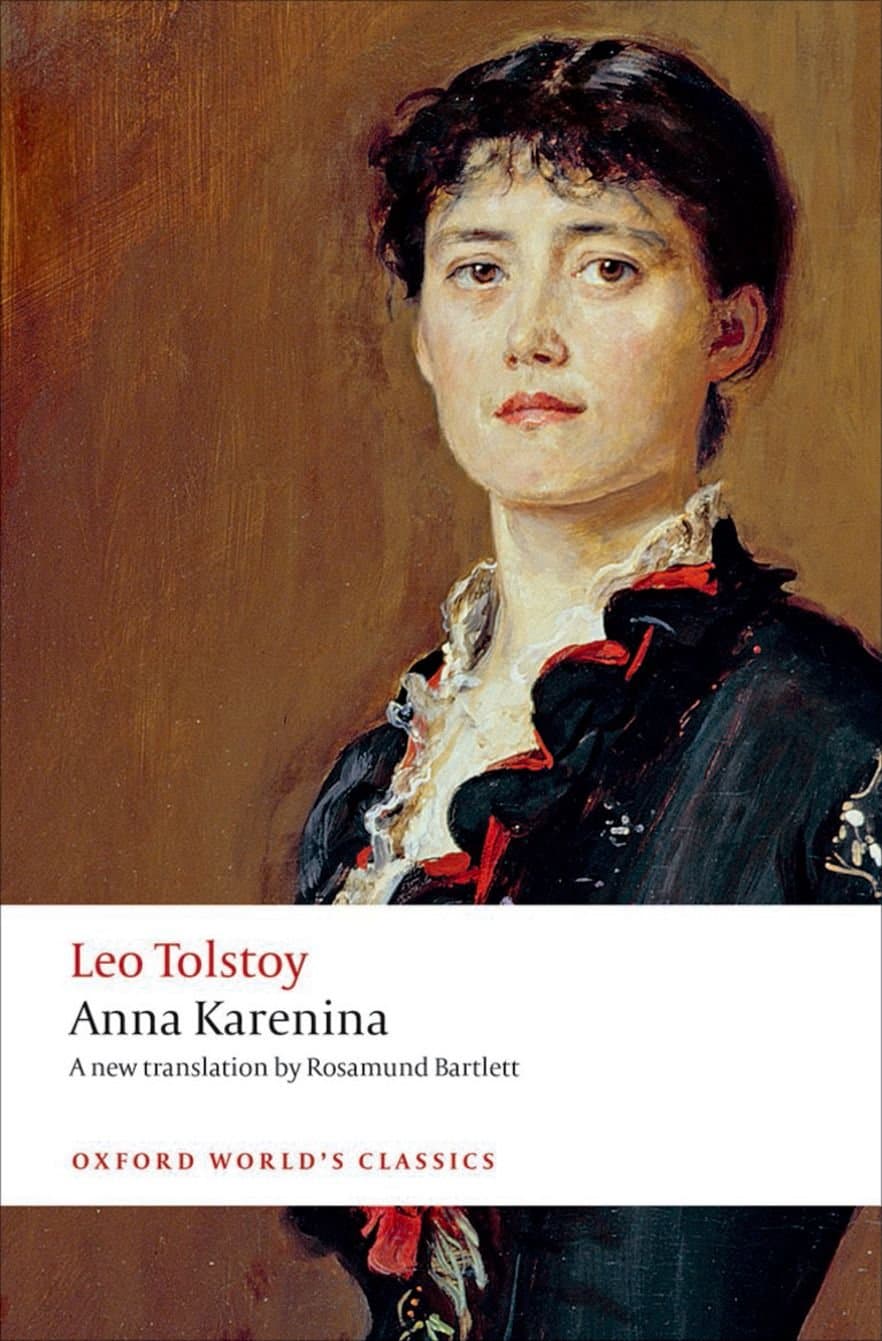
Anna Karenina
1877 · 896 pages
Anna leaves her husband for a young officer while, in the other half of the book, Levin farms and marries and worries about God. Tolstoy gives both lives the same total sympathy.
★ 9.6
 skopia
Anna leaves her husband for a young officer while, in the other half of the book, Levin farms and marries and worries about God. Tolstoy gives both lives the same total sympathy.
Dorothea Brooke marries a dry scholar for the wrong reasons and a gifted doctor lets small compromises close around him. Eliot knows more about how people actually fail than any English novelist.
Happy families are all alike; every unhappy family is unhappy in its own way.
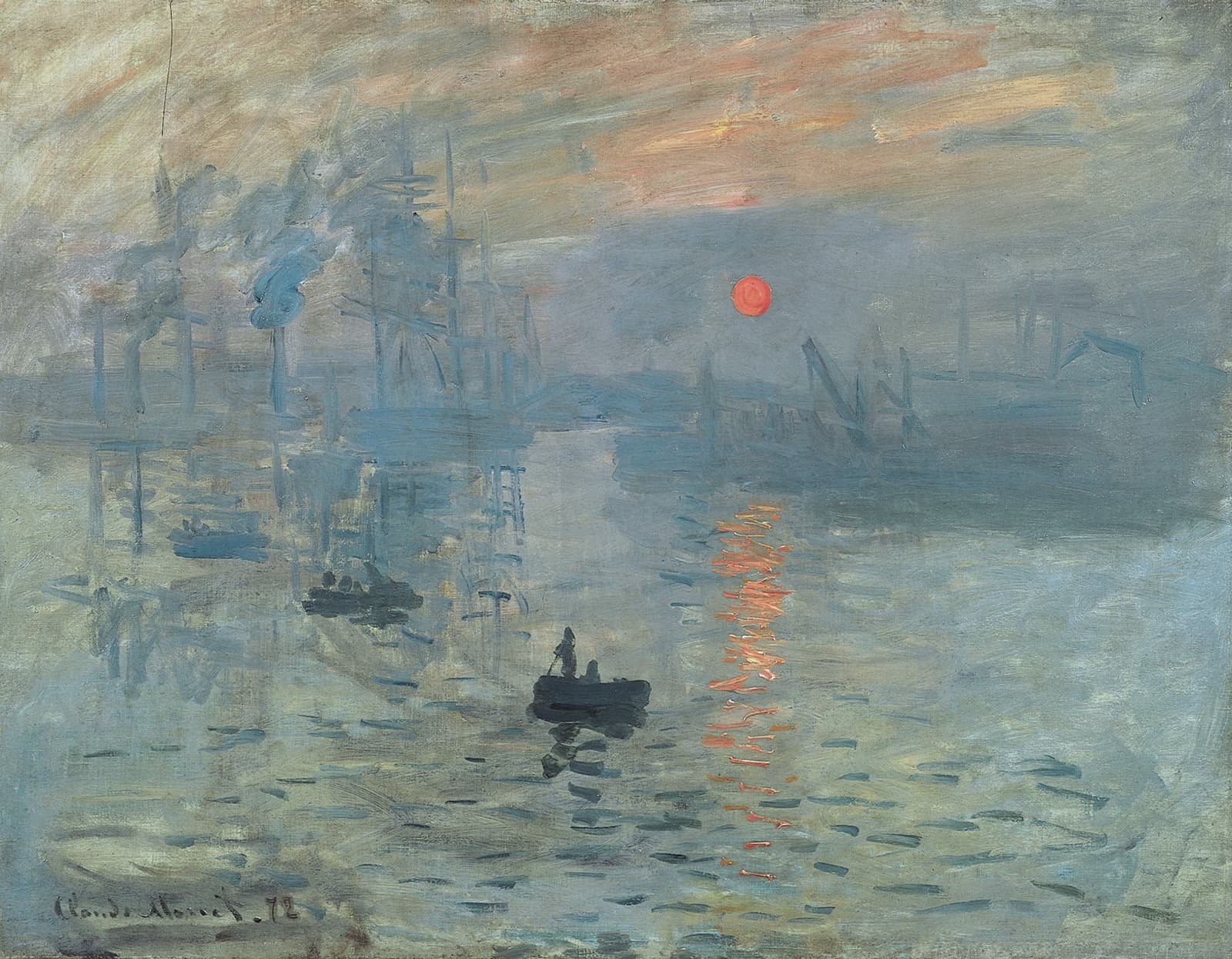
A critic seized on the word in the title to mock the whole group, and the insult ended up naming the movement.

Sunlight comes through the trees in patches over a Montmartre dance floor, a big ambitious canvas given over entirely to a Sunday afternoon.
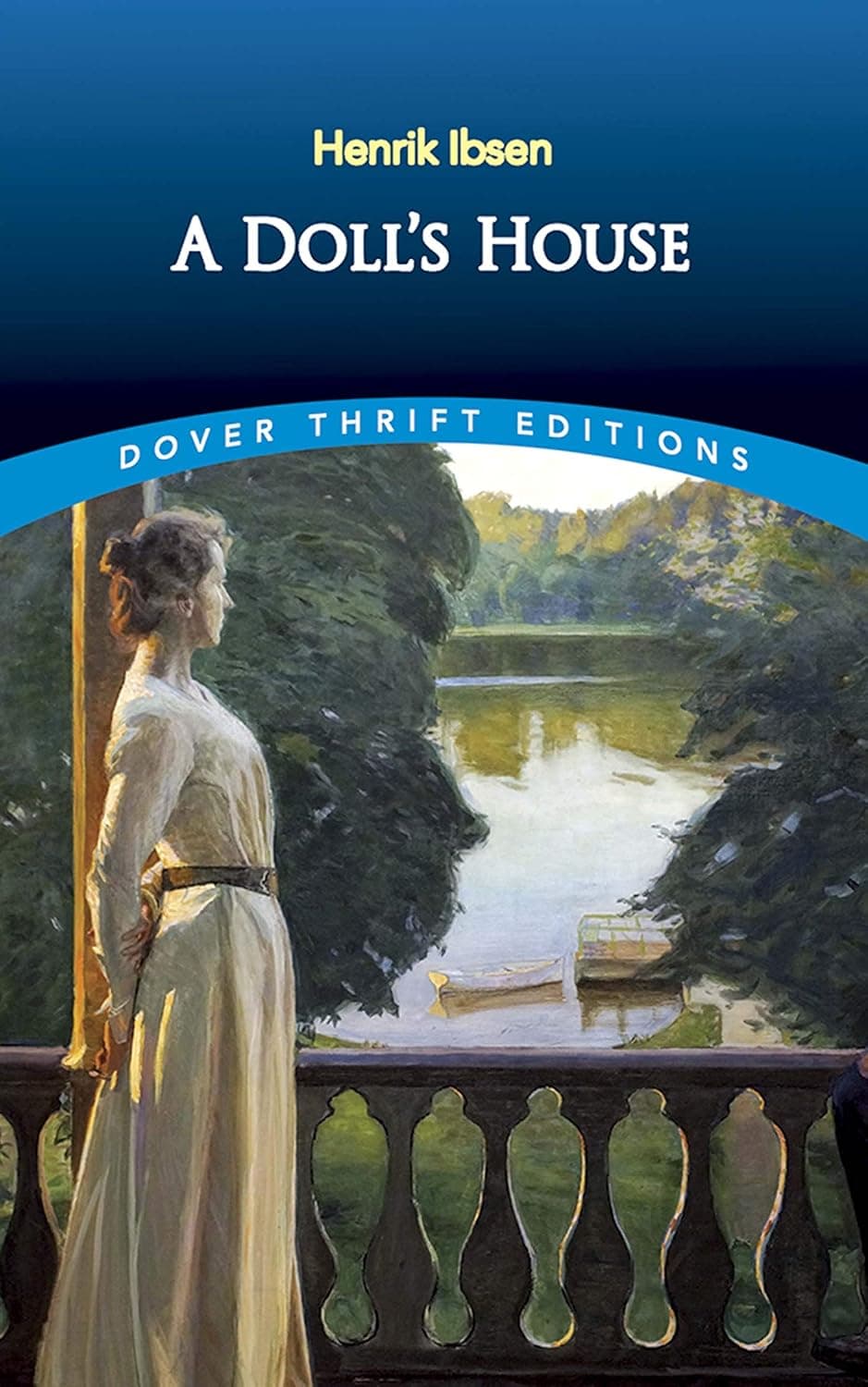
Nora Helmer forged a signature to save her husband's life and has been paying the debt in secret ever since. The play ends on a closing door that modern theater still hears.

Whistler called it Arrangement in Grey and Black and insisted it was about tone, not feeling. The sitter was his mother, and nobody was fooled.
America, if eligible at all to downfall and ruin, is eligible within herself, not without.

Umbrellas cross the wet cobbles of Haussmann's new boulevards, composed with a photographic exactness his Impressionist friends had no use for.
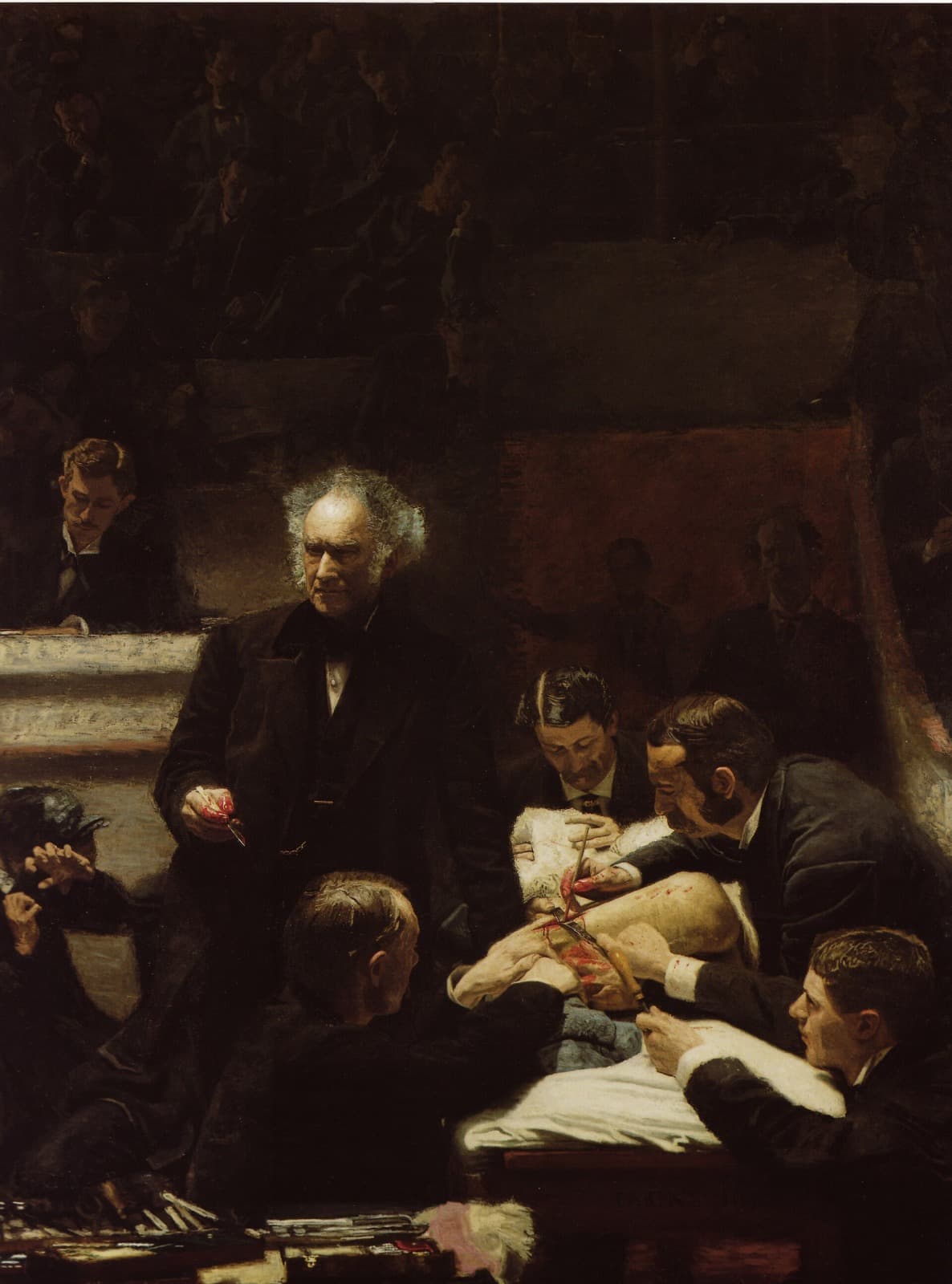
The surgeon turns from the open incision to lecture, scalpel still bloody, while a woman at the side covers her eyes. Philadelphia was appalled.

Pyotr Verkhovensky assembles a revolutionary cell of five in a provincial Russian town and binds them together by having them murder one of their own. Dostoevsky saw the whole twentieth century coming.
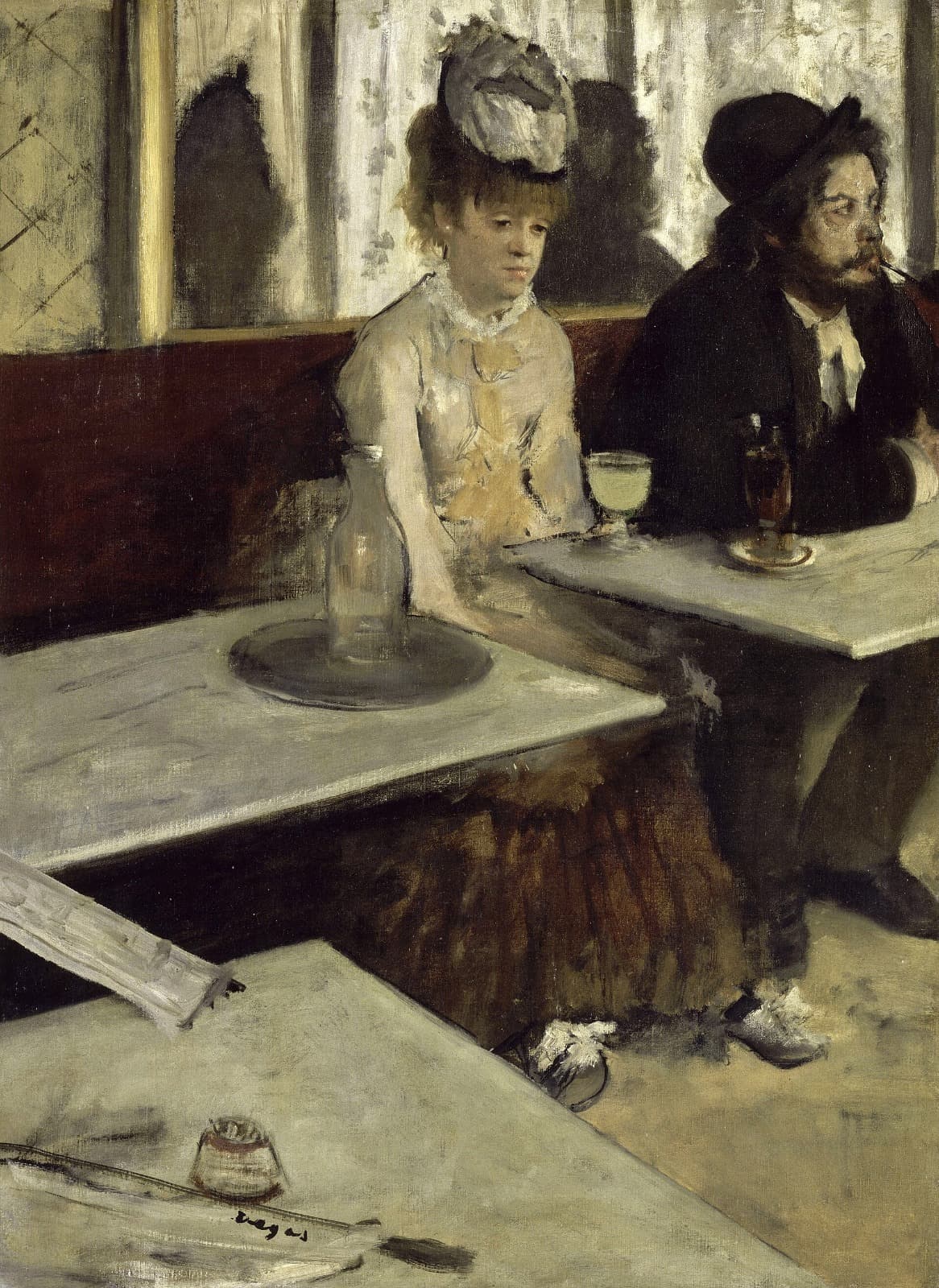
Two people sit shoulder to shoulder at a cafe table staring at nothing, pushed off to one side behind a run of empty tables.

Mussorgsky wrote it for piano after a memorial show of a friend's drawings, and several of the pictures it describes have since been lost.

A man and three boys heel a catboat over into open water, painted in the centennial year and read ever since as the country's optimism.

Three men want Bathsheba Everdene, who runs her own farm: a shepherd, a neighbor she unhinges with a joke valentine, and a soldier. Hardy stages a storm you will not forget.
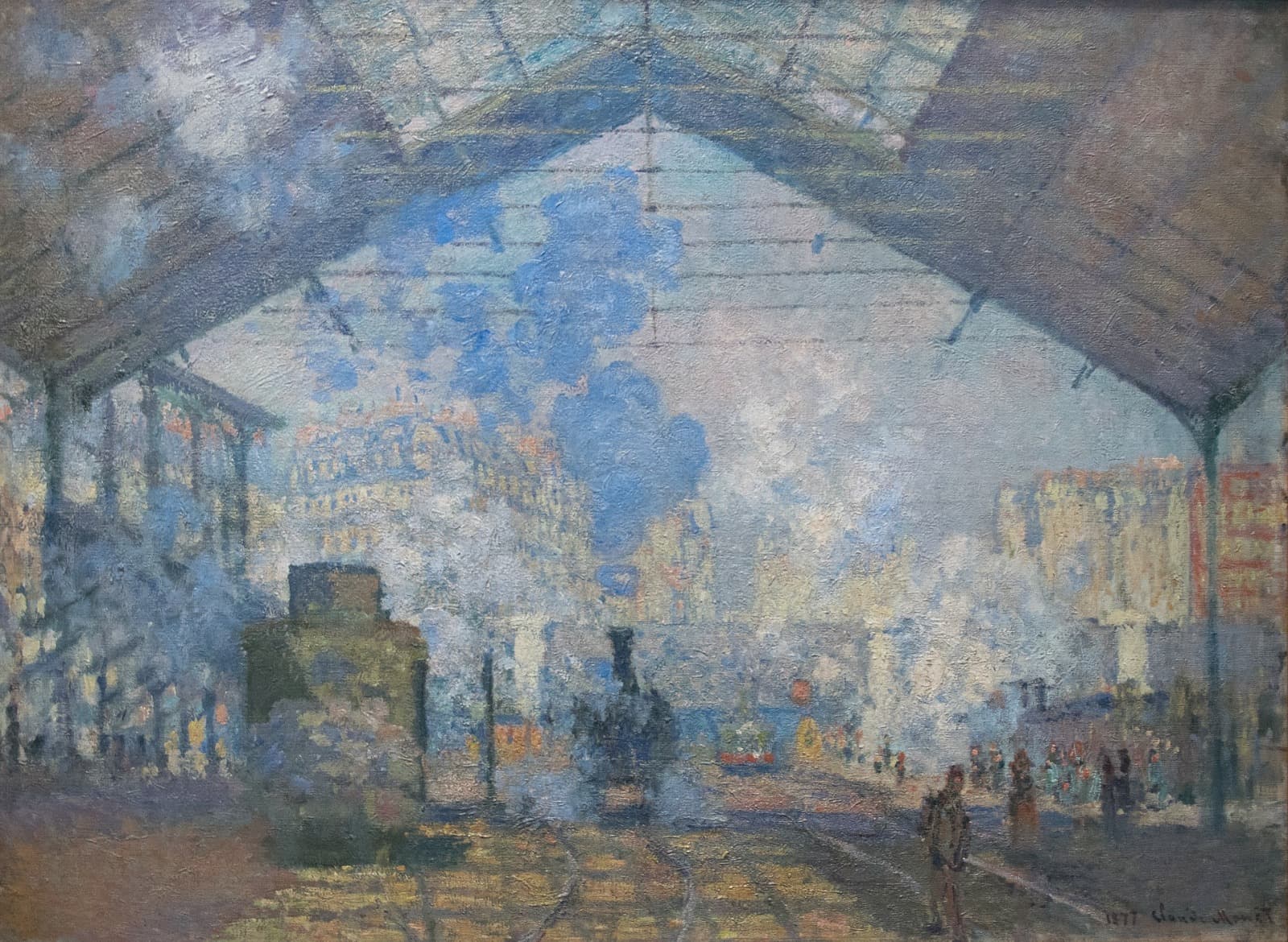
Monet set his easel up inside the station and painted the steam until the roof and the city beyond it had dissolved into it.

Nine sections of prose delirium in which Rimbaud, eighteen years old, arraigns his ancestry, his damnation, and his own attempt to derange the senses into vision. Modernism starts in this voice.

Greek tragedy came from a collision of two forces, Nietzsche argues: Apollo's clear forms against Dionysus's music and intoxication. Socrates killed it by insisting the world could be explained rather than endured.
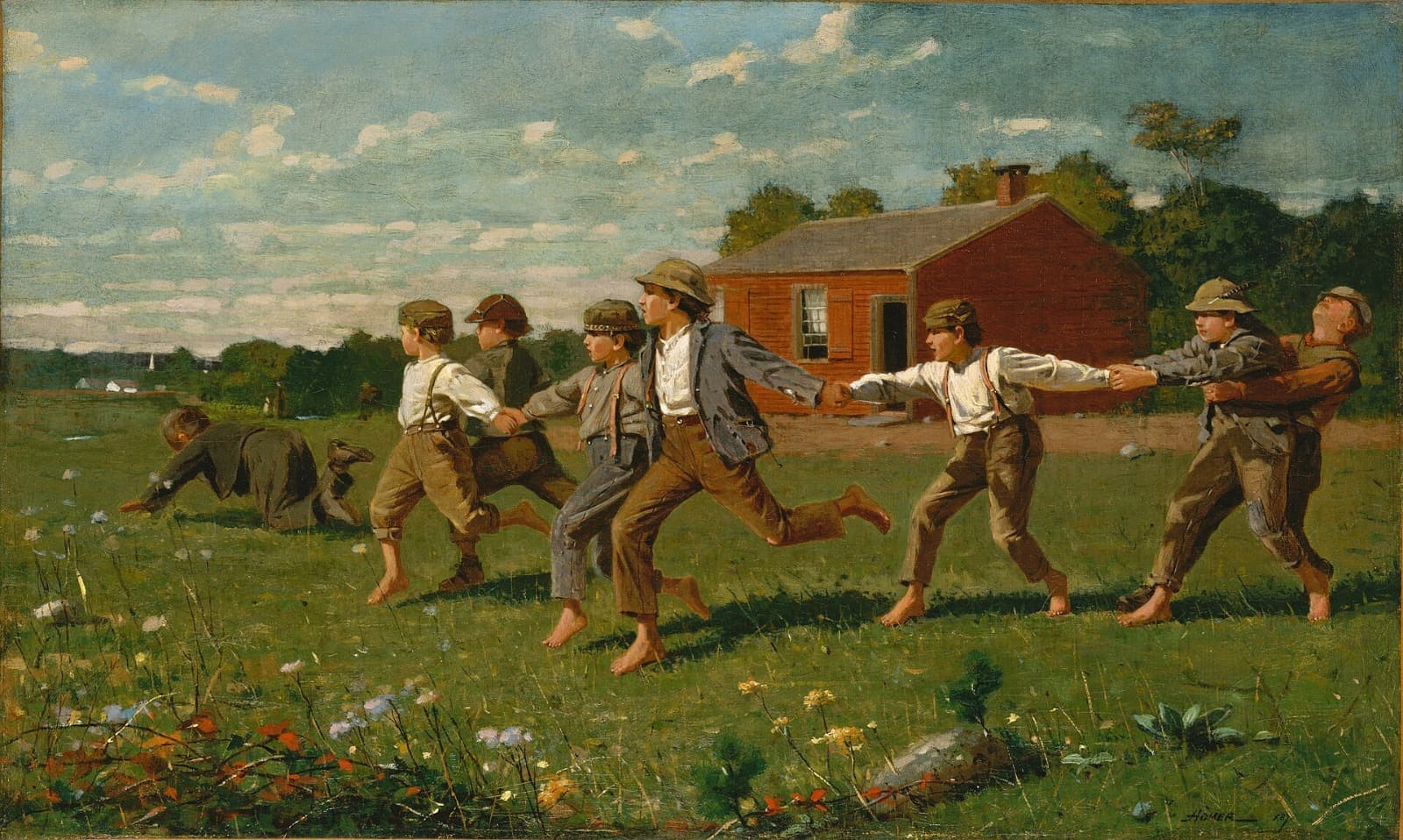
Barefoot boys crack the whip outside a red schoolhouse and the last one is already stumbling. Painted just after the Civil War.

Tom cons the neighborhood boys into whitewashing his aunt's fence, then witnesses a graveyard murder and attends his own funeral. Twain gave America the childhood it has claimed to remember ever since.
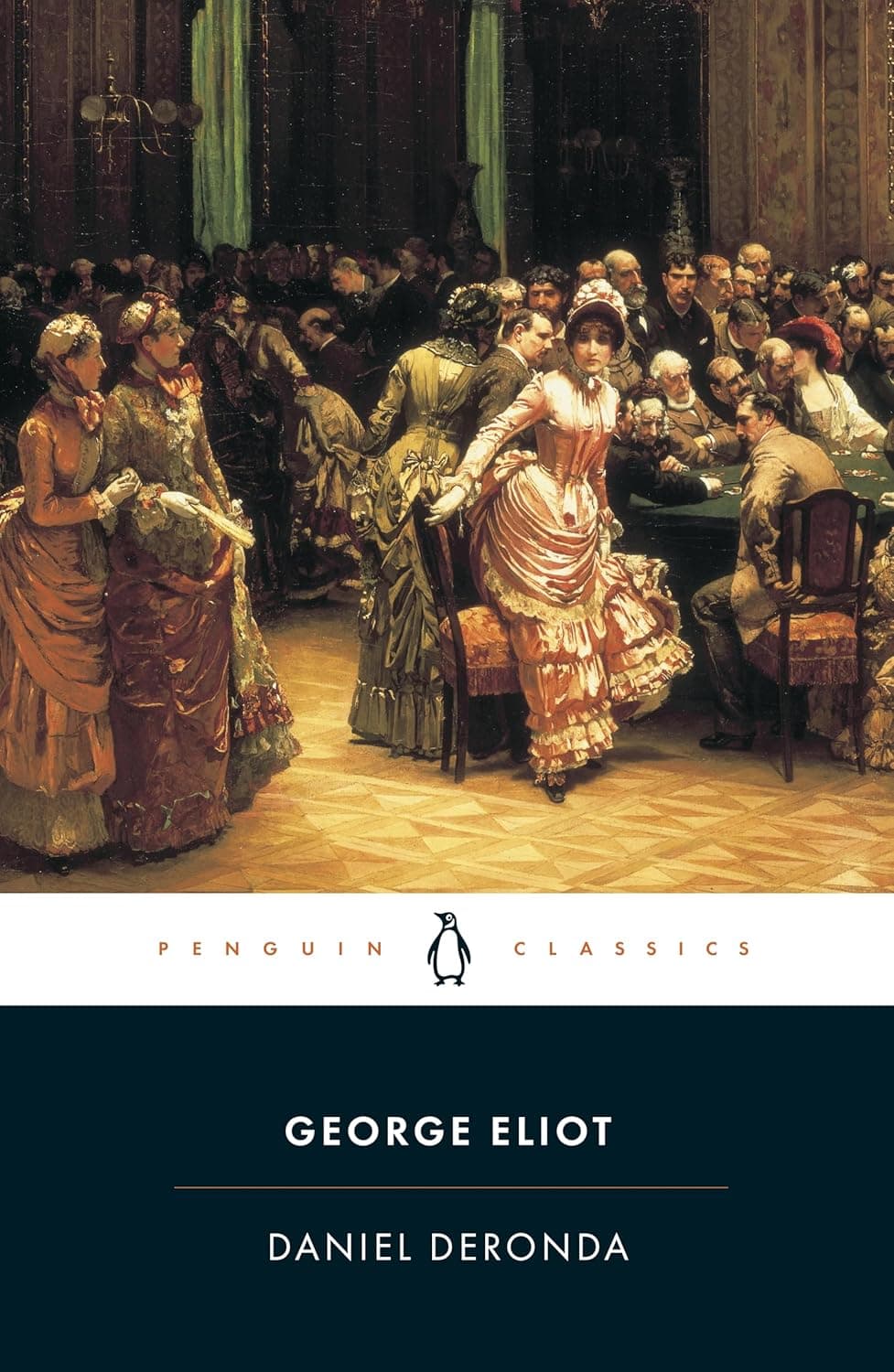
Gwendolen Harleth sells herself into marriage with a cold, cruel man, and beside her Eliot sets an Englishman finding out he is a Jew. Early Zionists dated their conviction to this book.
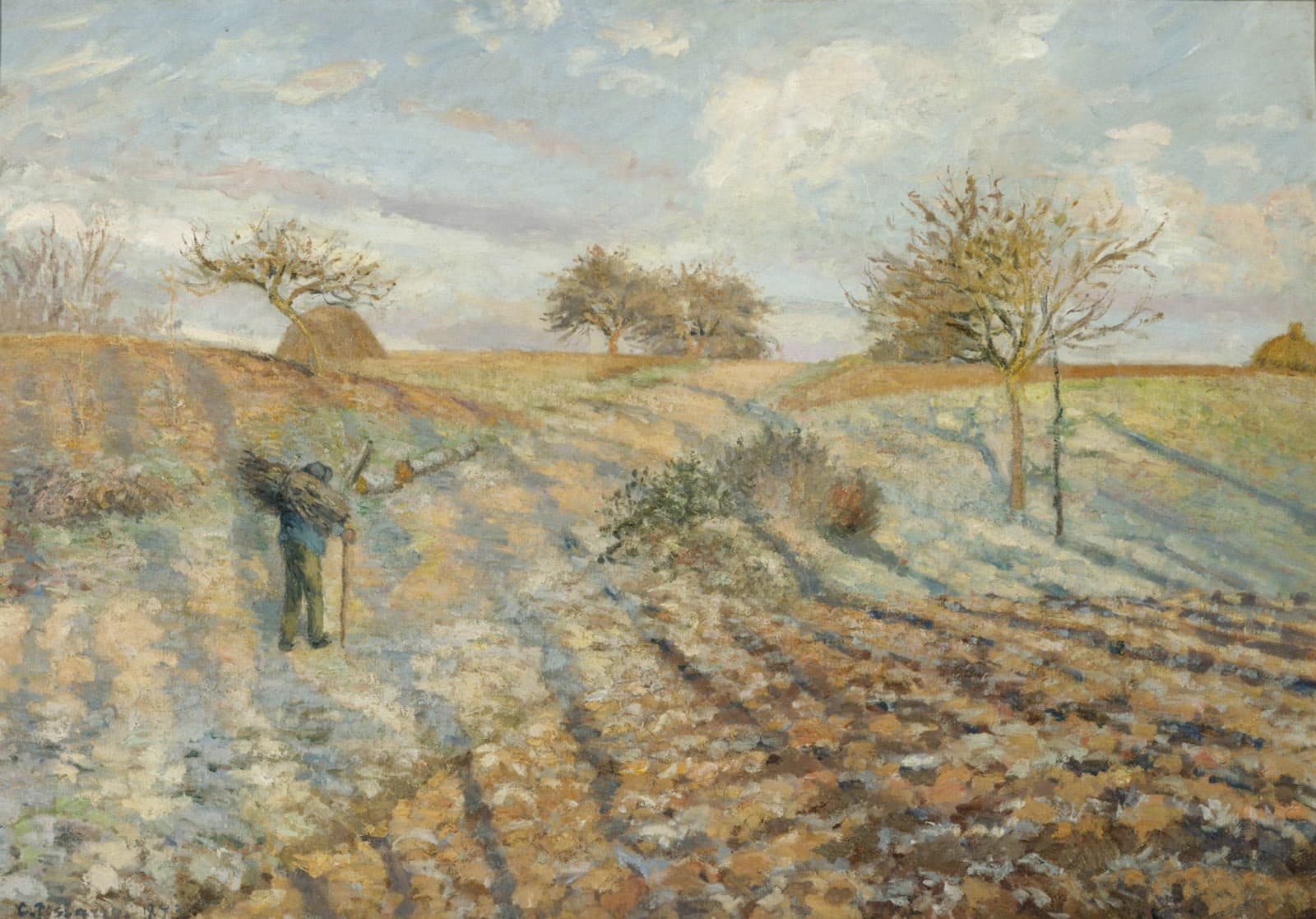
Critics at the first Impressionist show in 1874 said it looked like palette scrapings. The furrows are streaked with blue, violet and gold.

The monster ramming ships proves to be an electric submarine whose captain has renounced every nation above. Submarine builders read it as boys, and the first nuclear boat took the Nautilus name.
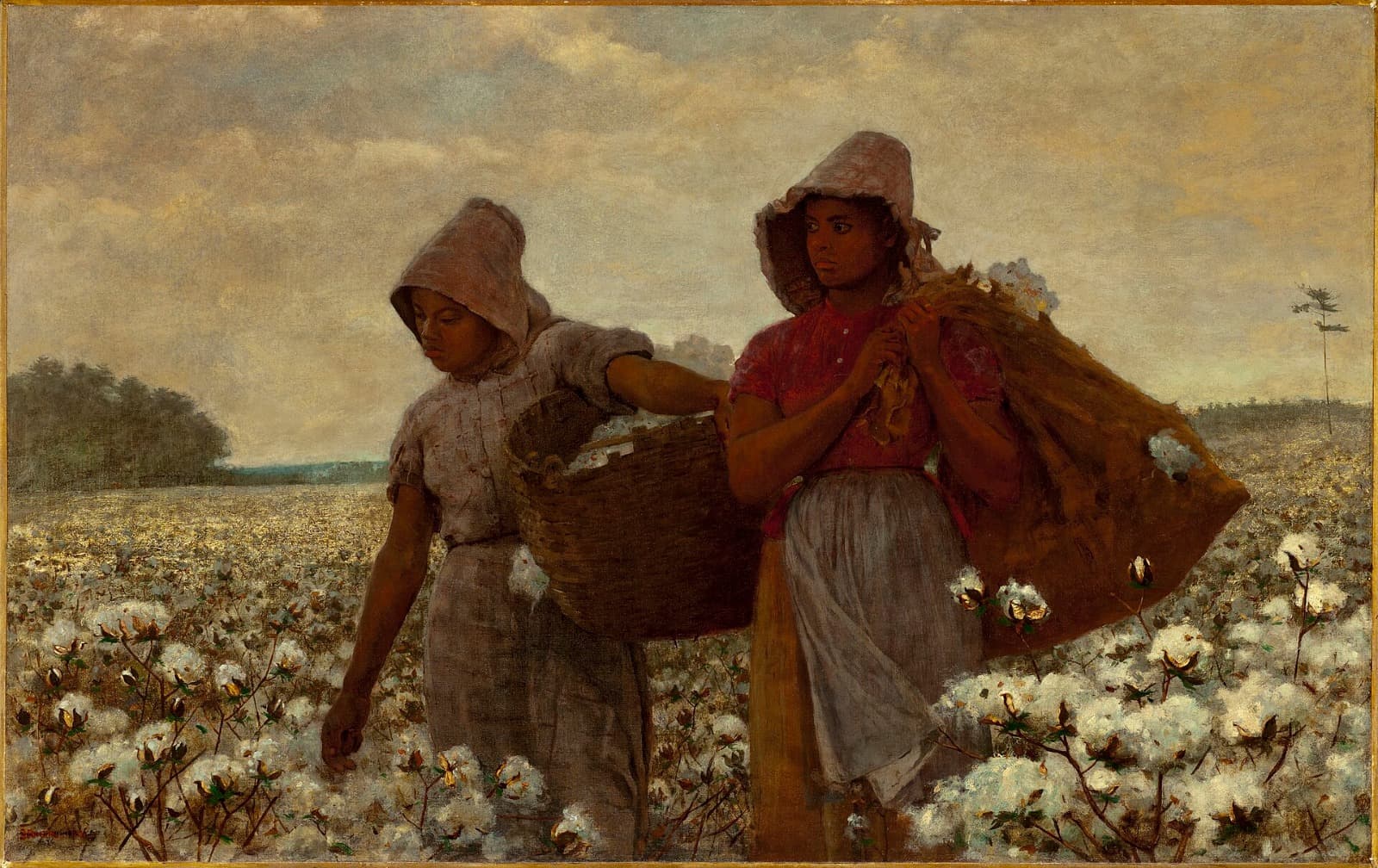
Two young Black women in a cotton field a decade after emancipation, given a gravity American painting had not extended to field labor.

Félicité serves one Norman household for half a century, loses everyone she loves, and fastens her faith to a stuffed parrot. Flaubert grants her a dignity the world never did.
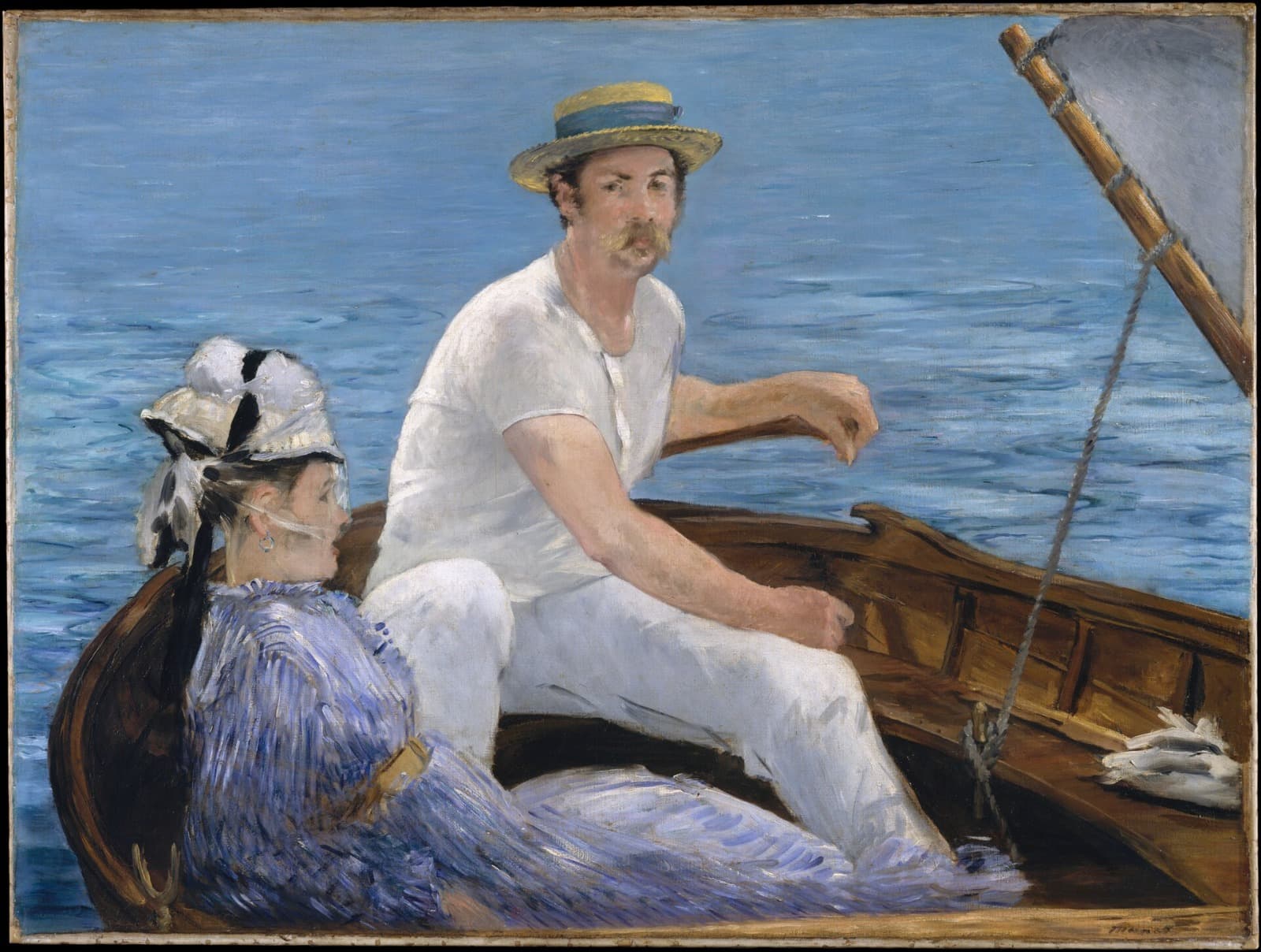
Manet painted this beside Monet at Argenteuil and let the blue water climb all the way to the top edge of the canvas.
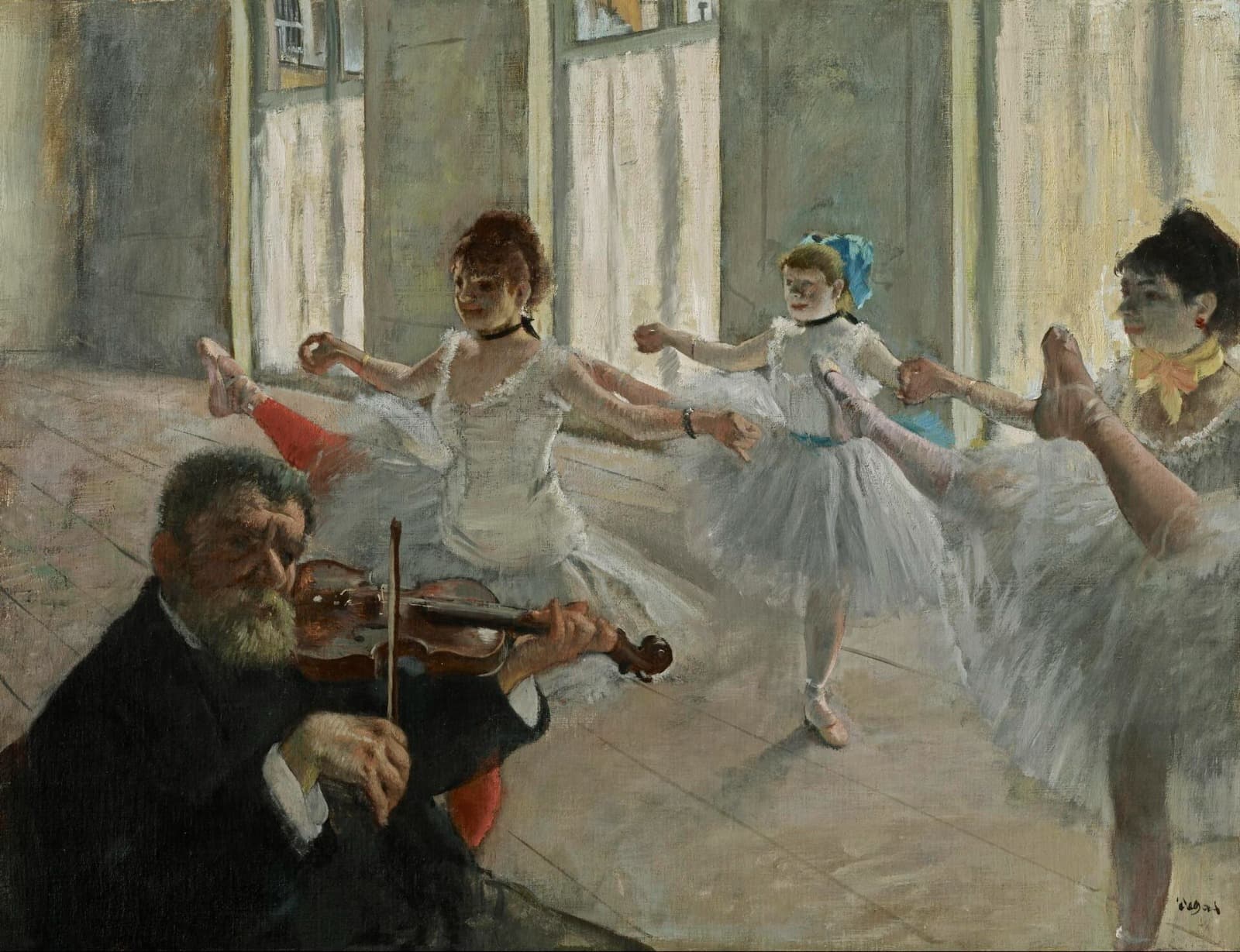
Dancers stretch while a spiral staircase cuts the corner and the frame slices figures off. Degas cared about the practice, not the performance.

She stands in a garden in a blue dress holding a watering can, and Renoir spends the rest of the canvas on light.
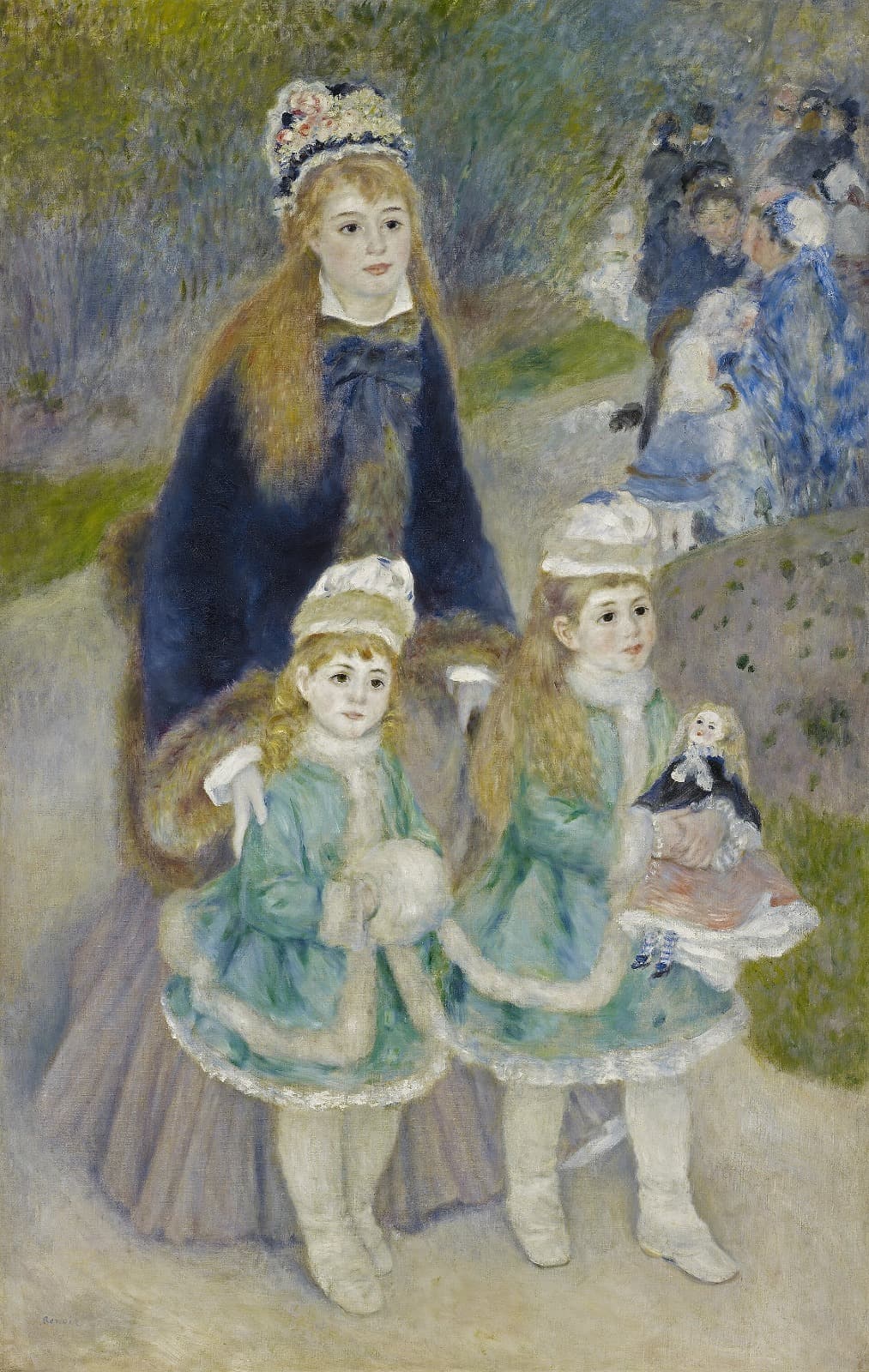
Two girls walking under trees, the elder leading the younger, everything blurred into one shimmer of dappled light and pale dress.

Phileas Fogg wagers half his fortune that steamships and railways have shrunk the world to eighty days, and leaves that evening. Seventeen years later the reporter Nellie Bly ran the route in seventy-two.
If it was so, it might be; and if it were so, it would be; but as it isn't, it ain't. That's logic.

A horse narrates his own life, passed down from a gentleman's stable to the London cab ranks. Sewell wrote to make drivers feel the head-wrenching bearing rein, and England stopped using it.

A woman in a white corset seen from behind, painted so loosely the picture seems to stop just before the image settles.

Degas turned from dancers to financiers, catching heads bent close over documents in the crush of the Paris exchange.
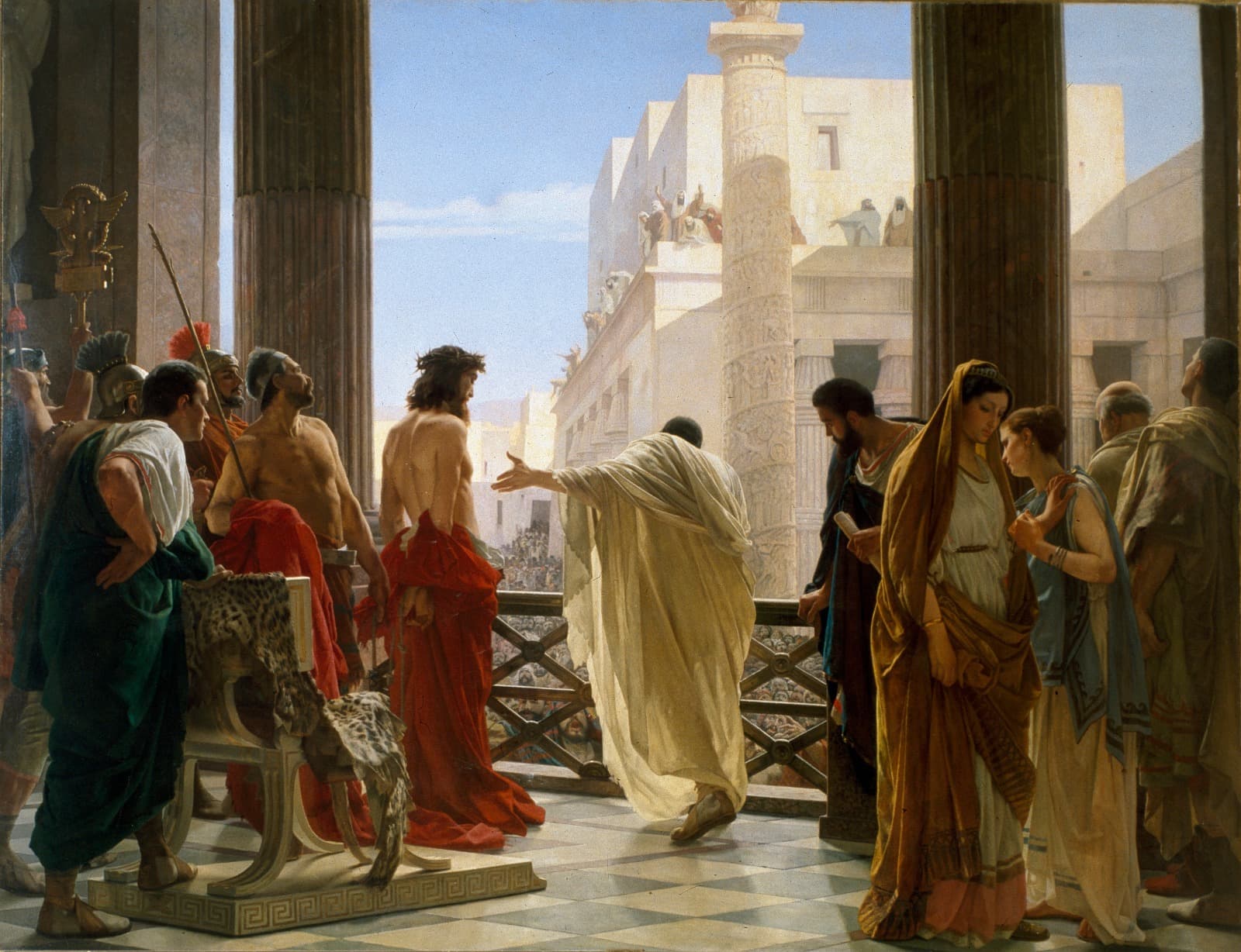
We are standing behind Pilate, looking out over his shoulder at the crowd, which puts us among the officials rather than the mob.
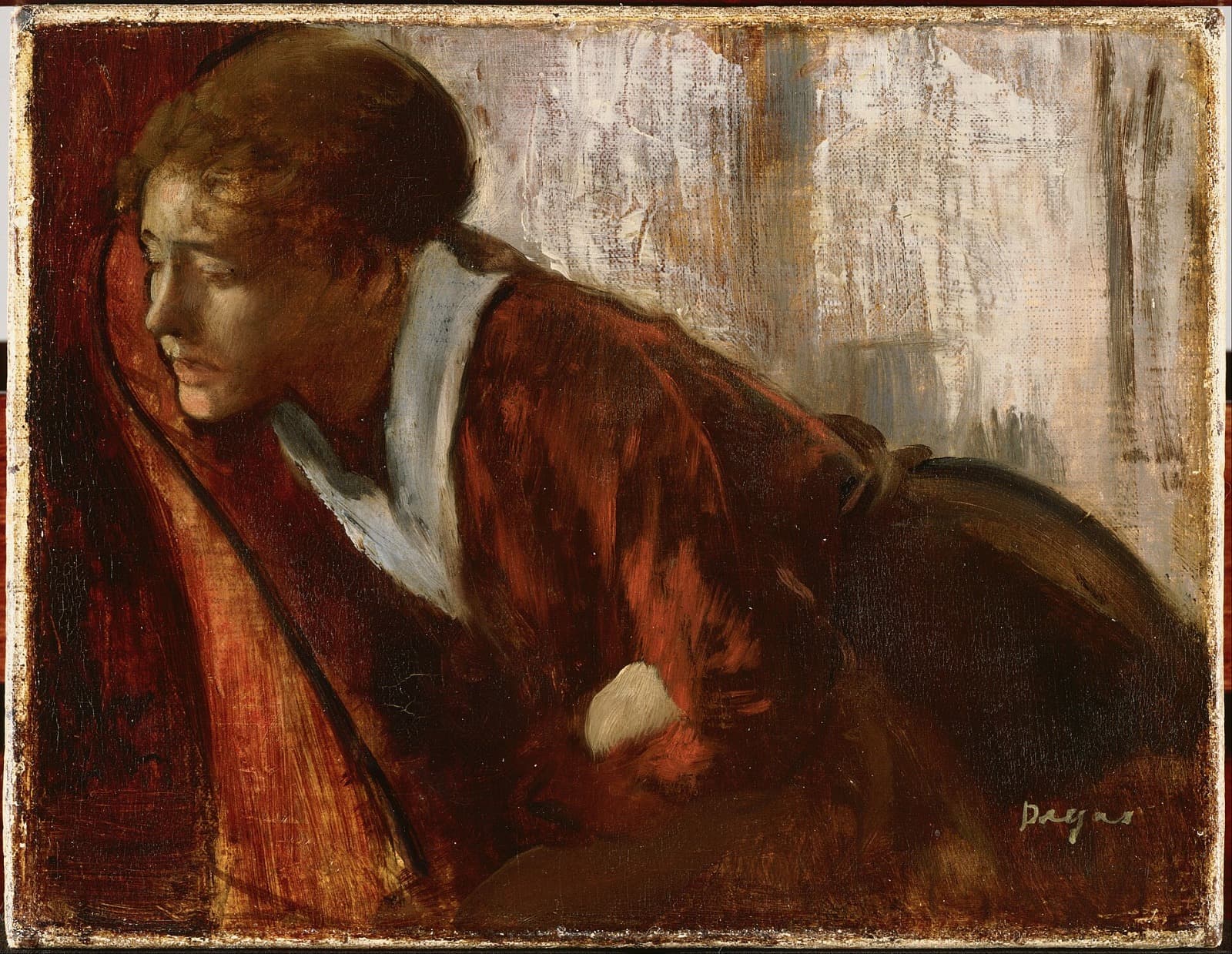
A woman slumped back on a sofa, and Degas reads the whole state of mind off the slope of her shoulders.