
Bal du Moulin de la Galette
1876 · Musee d'Orsay, Paris
Sunlight comes through the trees in patches over a Montmartre dance floor, a big ambitious canvas given over entirely to a Sunday afternoon.
★ 8.5
 skopia
Sunlight comes through the trees in patches over a Montmartre dance floor, a big ambitious canvas given over entirely to a Sunday afternoon.
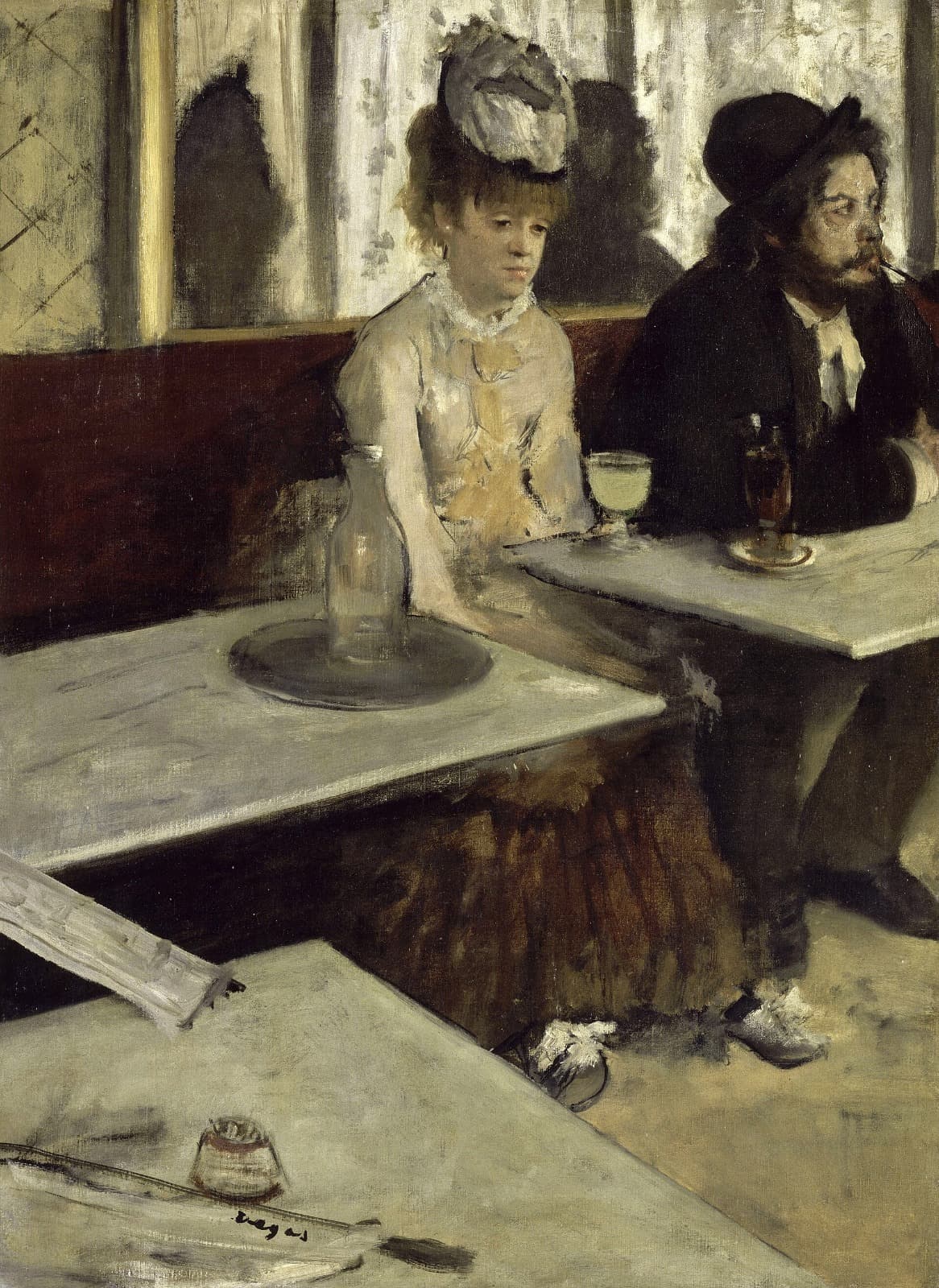
Two people sit shoulder to shoulder at a cafe table staring at nothing, pushed off to one side behind a run of empty tables.

A man and three boys heel a catboat over into open water, painted in the centennial year and read ever since as the country's optimism.

Tom cons the neighborhood boys into whitewashing his aunt's fence, then witnesses a graveyard murder and attends his own funeral. Twain gave America the childhood it has claimed to remember ever since.
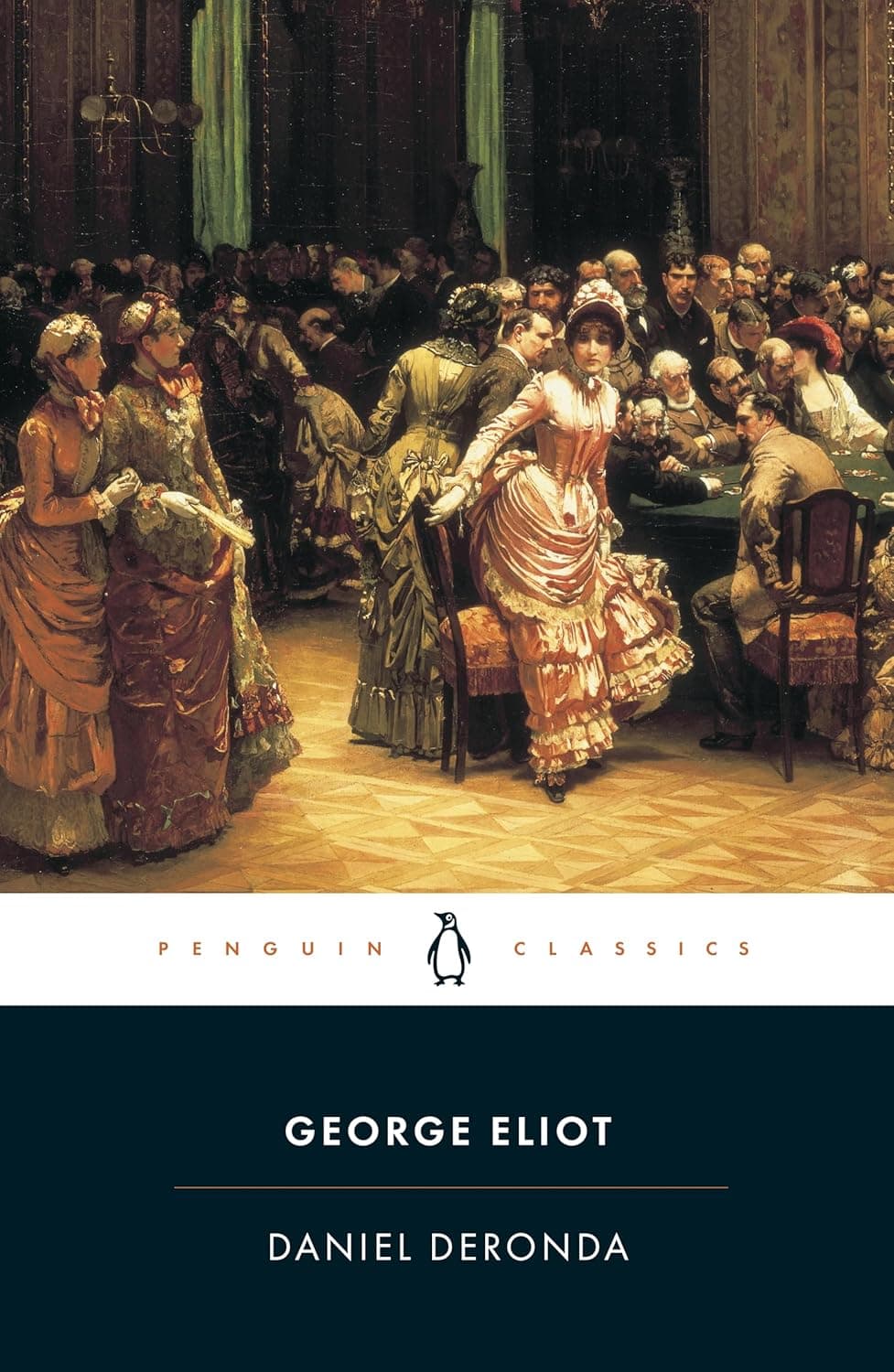
Gwendolen Harleth sells herself into marriage with a cold, cruel man, and beside her Eliot sets an Englishman finding out he is a Jew. Early Zionists dated their conviction to this book.
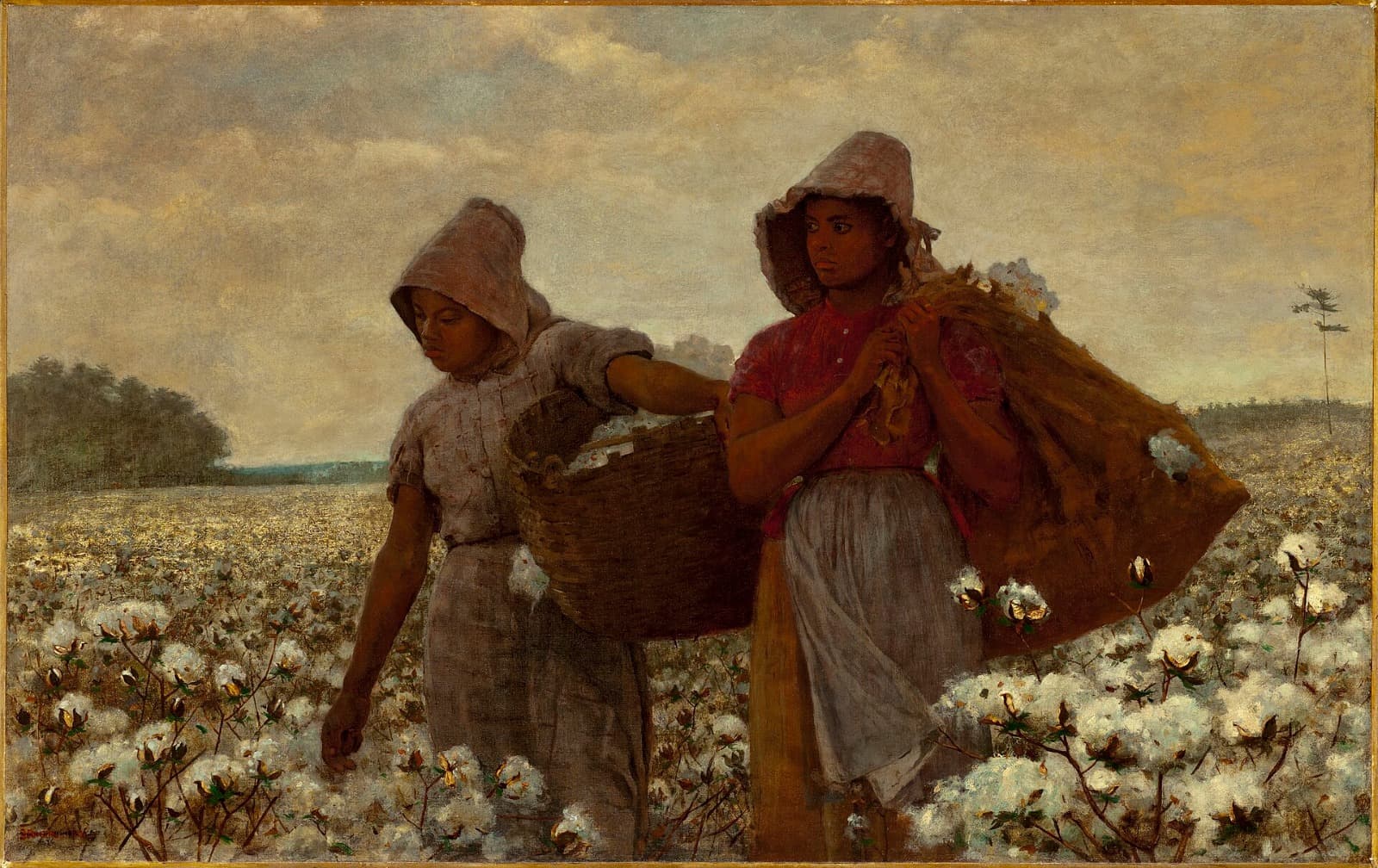
Two young Black women in a cotton field a decade after emancipation, given a gravity American painting had not extended to field labor.

She stands in a garden in a blue dress holding a watering can, and Renoir spends the rest of the canvas on light.
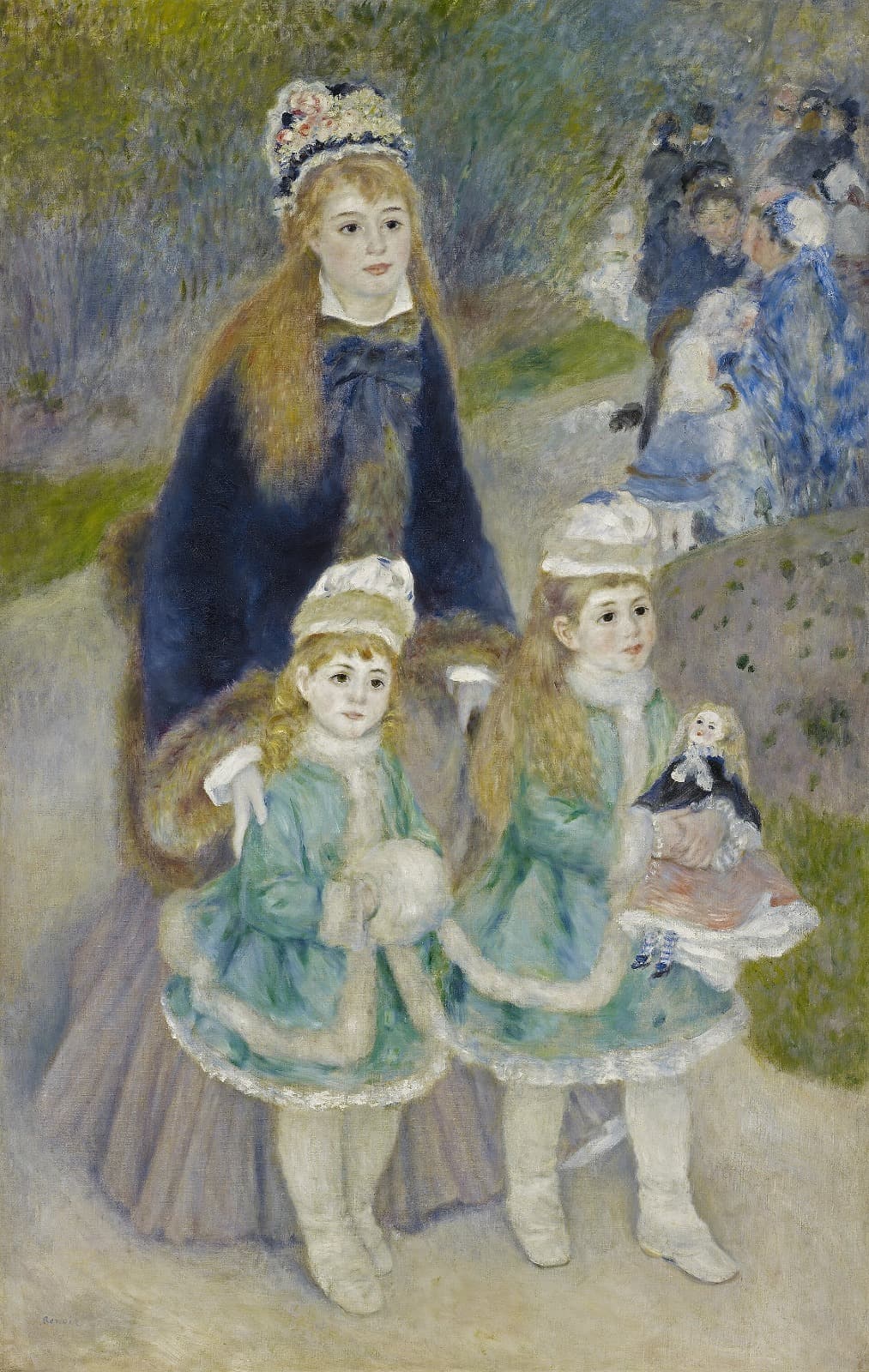
Two girls walking under trees, the elder leading the younger, everything blurred into one shimmer of dappled light and pale dress.

A woman in a white corset seen from behind, painted so loosely the picture seems to stop just before the image settles.