War and Peace
1869 · 1392 pages
Five families carried through Napoleon's invasion of Russia, with battle, marriage, farming, and a theory of history held in one design. You finish it knowing these people better than your own friends.
★ 9.8
 skopia
Five families carried through Napoleon's invasion of Russia, with battle, marriage, farming, and a theory of history held in one design. You finish it knowing these people better than your own friends.

Raskolnikov murders a pawnbroker to prove he stands above ordinary morality, then comes apart as a magistrate circles him. It reads like a thriller and works like a confession.
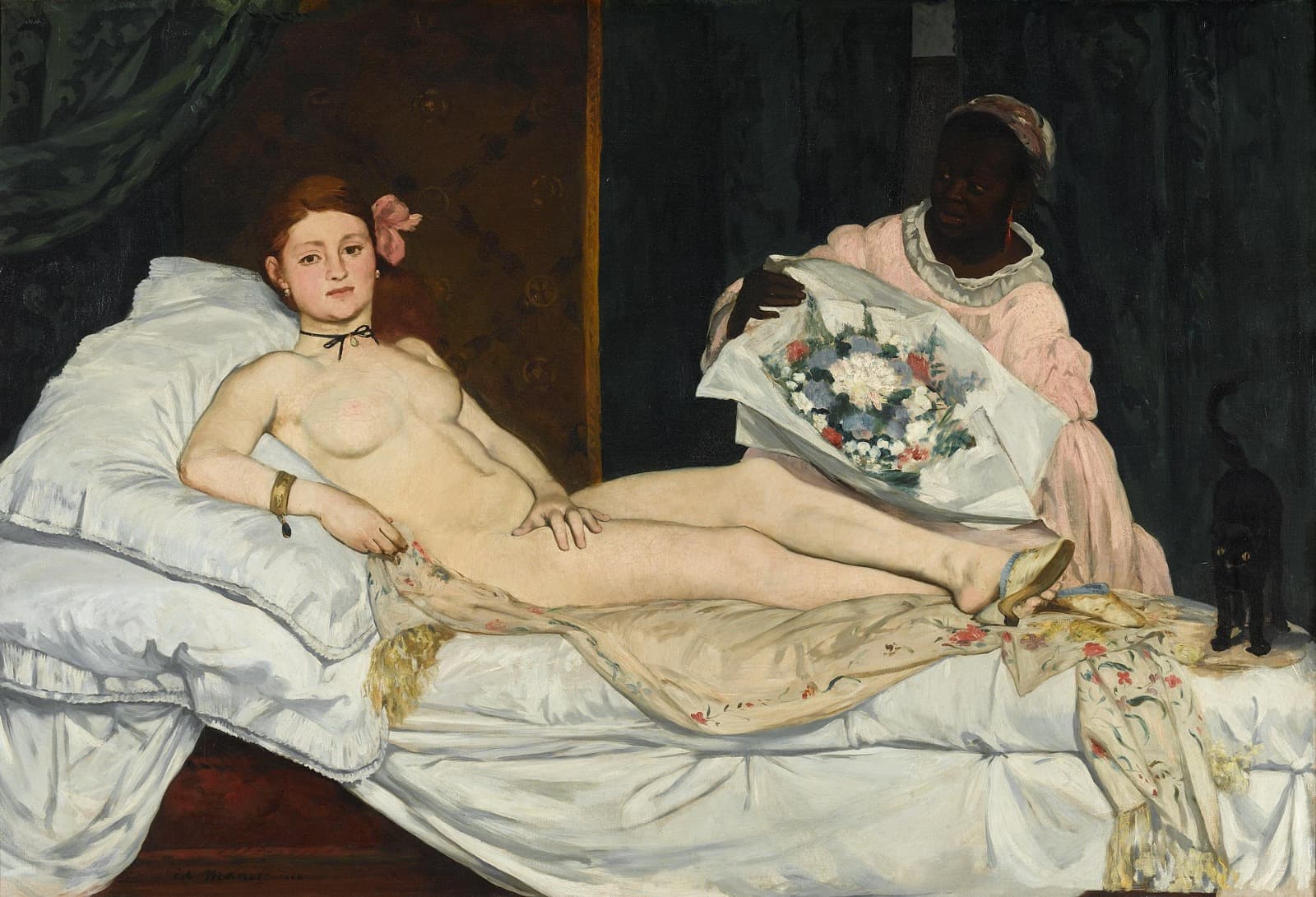
Manet took the pose from Titian's Venus of Urbino and gave it to a prostitute who looks straight back. The 1865 Salon was scandalized.

A naked woman picnics with two clothed men and looks calmly out at us. The Salon refused it, so it hung with the rejects.

Pip, a blacksmith's boy, is handed a fortune by an unknown benefactor and turns snob. Miss Havisham waits in her rotted wedding dress, and Dickens makes the shame of low birth unbearable.
Jean Valjean serves nineteen years for stealing bread, breaks parole, and is hunted the rest of his life by a relentless policeman. Around them Hugo builds the century's great argument for mercy.

Seventy-seven rehearsals in Vienna ended with the opera abandoned as unperformable. It waited six years for a stage willing to try it.

Holed up in a shabby Petersburg room, a spiteful clerk talks at you, insisting people will wreck their own lives to prove they are free. Every alienated narrator since speaks in his voice.

Alice follows a rabbit down a hole into a country where logic runs sideways, ruled by a queen who wants everyone beheaded. Carroll freed children's books from having to teach anything.
Prince Myshkin returns to Russia from a Swiss clinic, epileptic and incapable of guile, and Petersburg cannot decide whether to adore him or use him. The world takes a genuinely good man apart.
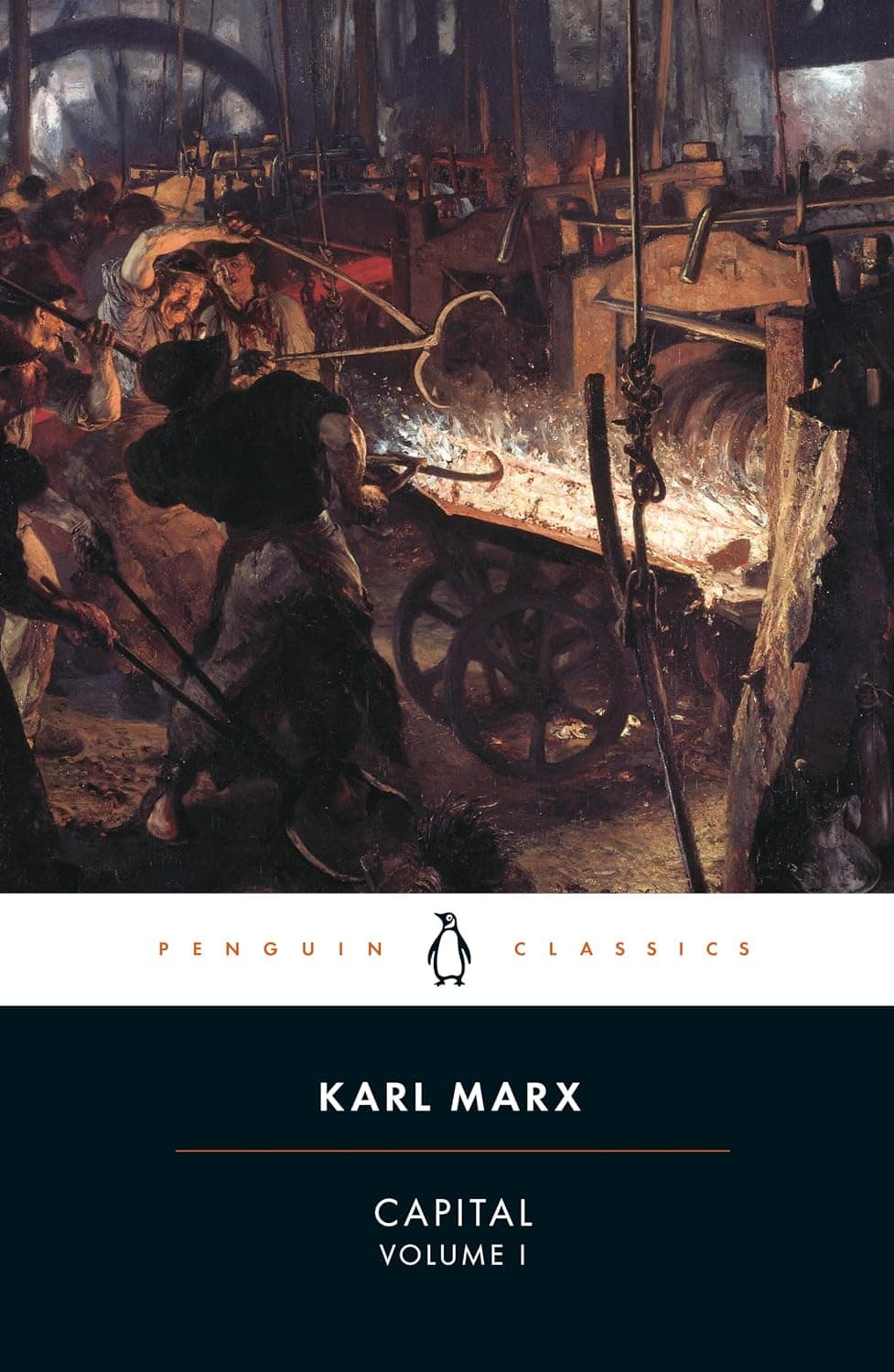
Workers create more value than their wages return, Marx argues, and that gap is profit. No economic book has reshaped politics more, and the chapter on the working day still burns.

Burckhardt invented cultural history by looking past popes and battles at how Renaissance Italians lived, finding the moment people began to think of themselves as individuals. We still see the period his way.

Monet and Renoir set up side by side at this riverside resort and worked out the quick broken stroke that became Impressionism.
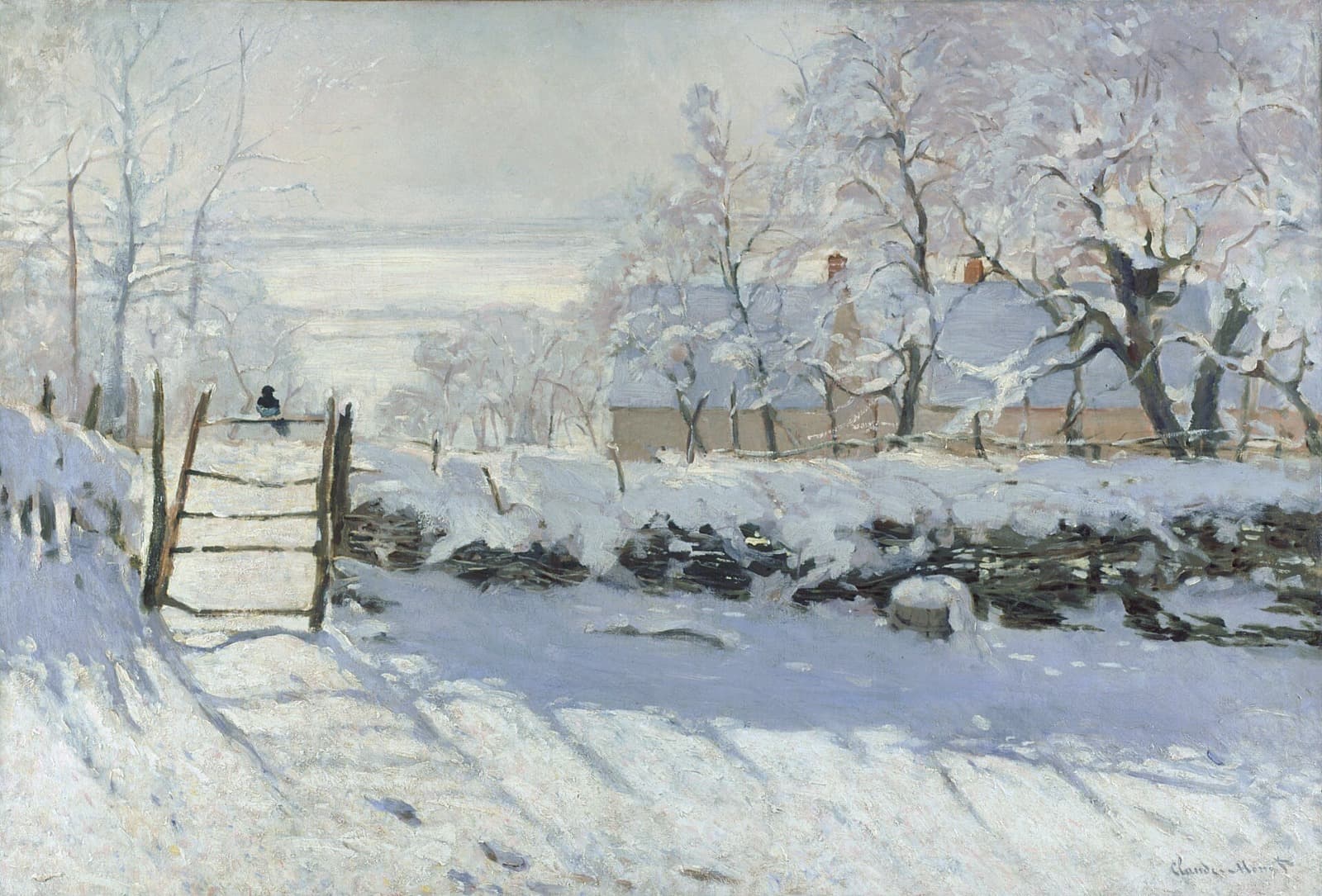
A single magpie on a gate in deep snow, the shadows tinged blue and violet rather than grey. The Salon turned it down.
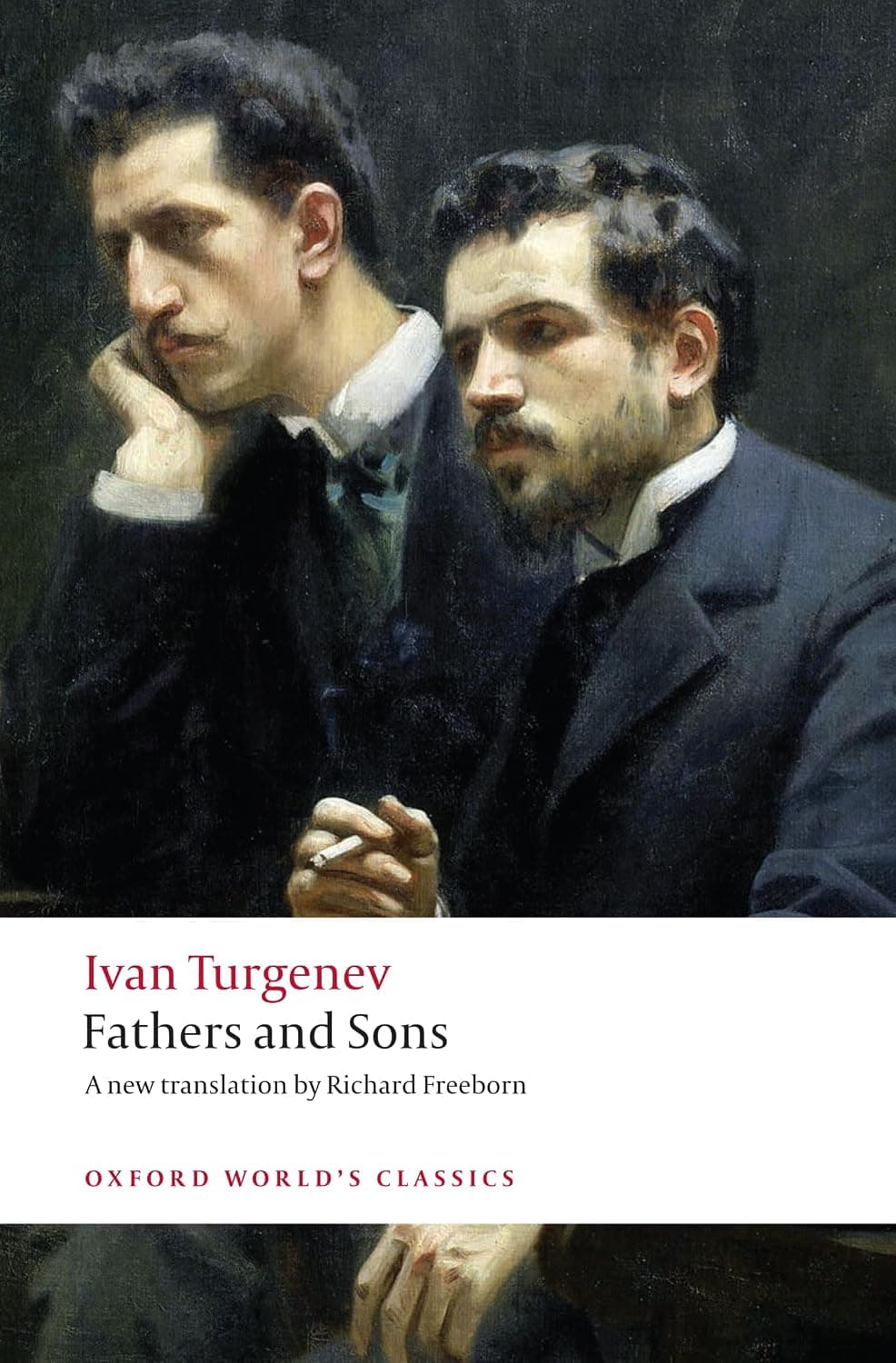
Home from university, Arkady brings his friend Bazarov, who believes in nothing but science and refuses to respect anyone. Turgenev made the word nihilist famous and named a quarrel every family keeps having.
No one is useless in this world who lightens the burden of it for any one else.

Frédéric Moreau spends his youth in Paris loving a married woman he will never have and drifting through the 1848 revolution. Flaubert made wasted life a permanent subject for the novel.
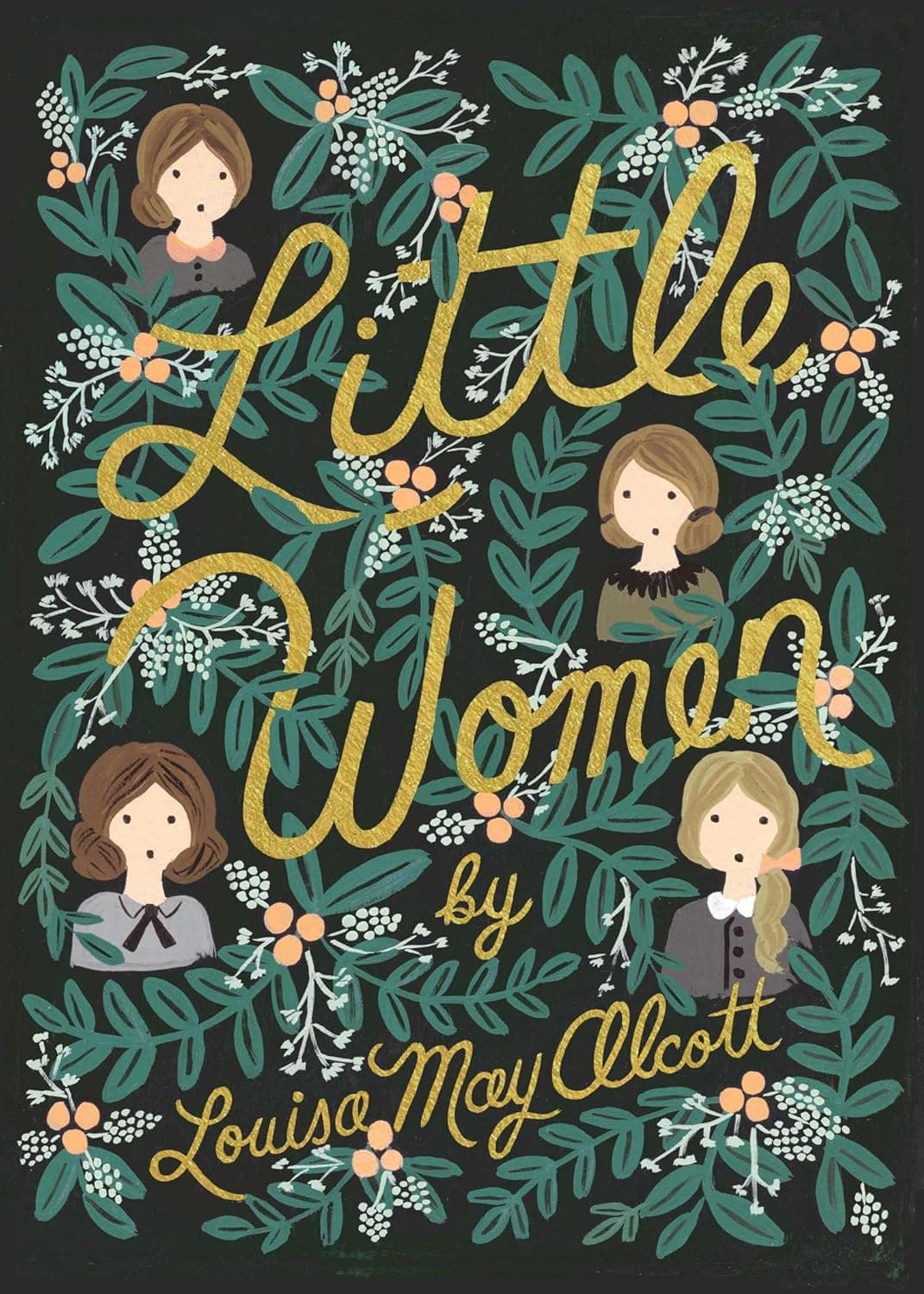
Four sisters grow up poor in a Massachusetts town while their father serves in the Civil War. Jo March wants to write, and readers have measured their own ambition against hers ever since.

Too explicit to exhibit for over a century, it stayed in private hands behind curtains and screens. No myth, no excuse, just the body.

The legal subordination of one sex to the other is wrong in itself and a hindrance to human improvement. Mill wrote that when a married Englishwoman could own nothing and had no vote.

Seven years in a crawlspace three feet high, watching her children through a peephole. Jacobs named what men's slave narratives left out: the owner who pursued her from her teens.

Bierstadt went west with a survey expedition and came home with peaks lit like an opera set, which is what the country wanted.
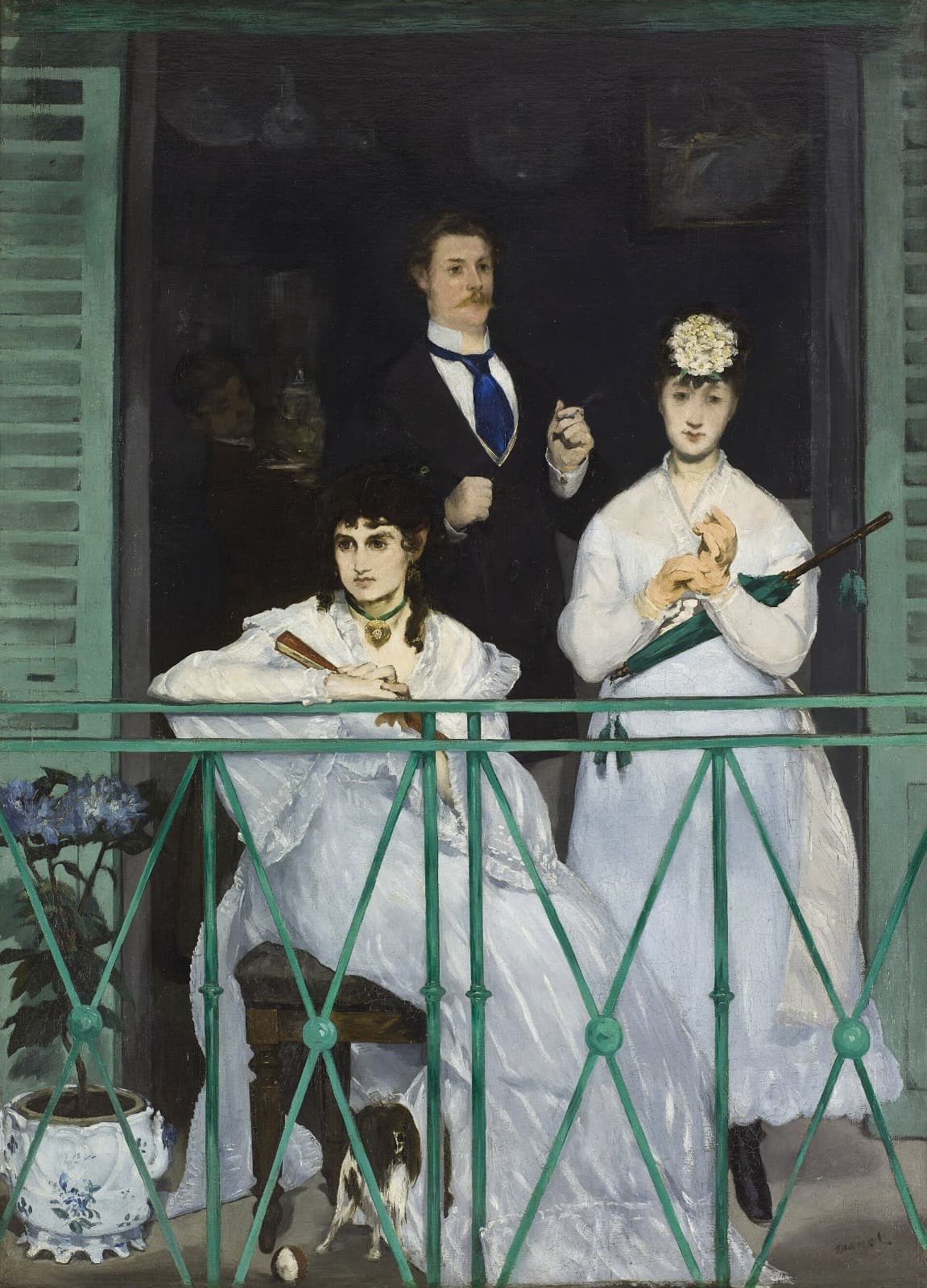
Three people at a green railing all looking different ways and none at each other. Berthe Morisot is the one seated and dreaming.

Not a single figure anywhere in it. Church painted this burning sky in 1860, and people have read the Civil War into it since.

Ugolino bites his own knuckles while his sons starve against his legs, from the passage in Dante where he is tempted to eat them.

A Union jacket lies discarded in the corner while the man who wore it swings a scythe through wheat, which is the whole point.
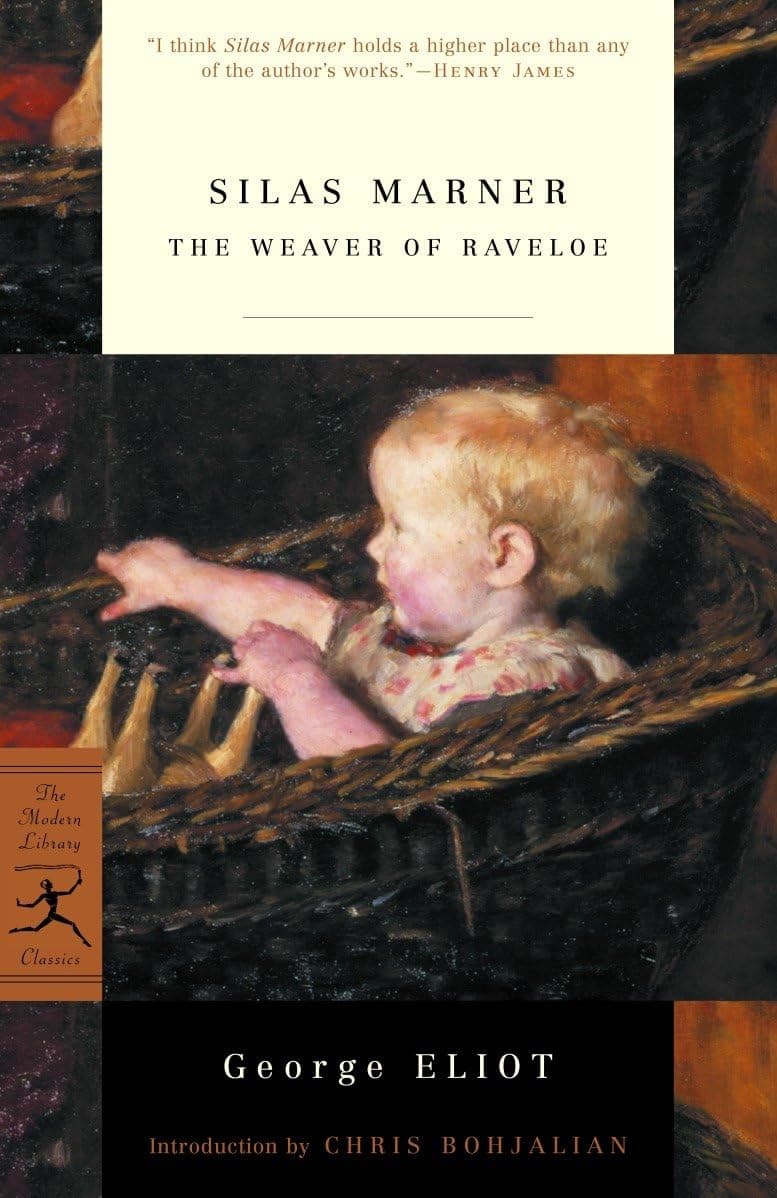
Robbed of gold he hoarded for fifteen years, a lonely weaver finds a golden-haired child on his hearth. Eliot turns a village fable into a full account of how a person is repaired.

Walking home from Hampstead at night, a drawing master meets a woman all in white escaped from an asylum. Collins tells it as sworn testimony, and Victorian England bought Woman in White perfume.
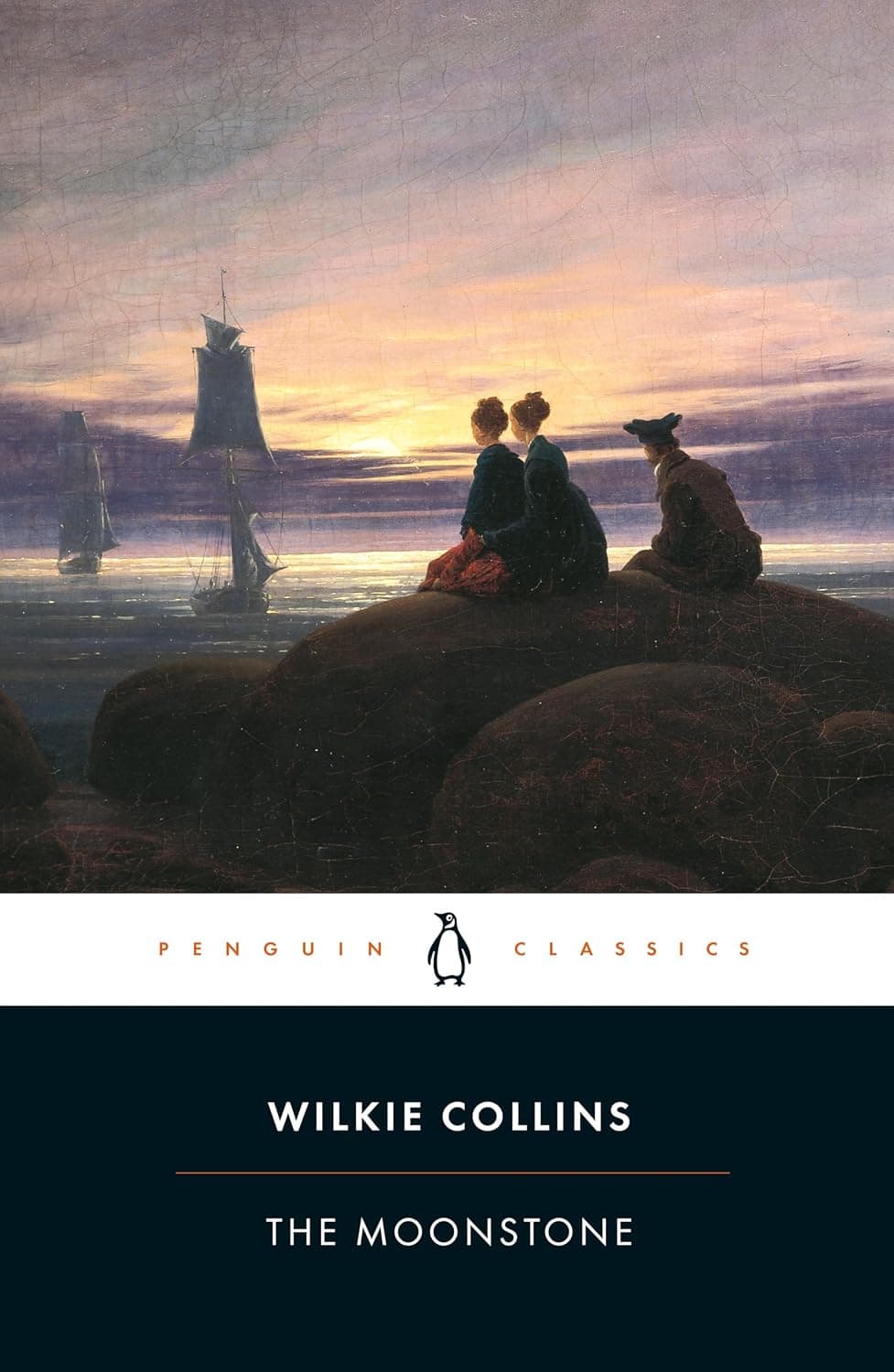
T.S. Eliot called it the first and best of modern English detective novels. A diamond looted from an Indian shrine arrives as a birthday present and vanishes that night.

Monet's own father sits among the gladioli on a terrace, and the young painter tips the space up in flat bands like a Japanese print.
Man is a creature that can get used to anything, and I think that is the best definition of him.

Spartan girls taunt the boys into wrestling, and Degas made the bodies awkward rather than ideal, which is not how history painting was done.
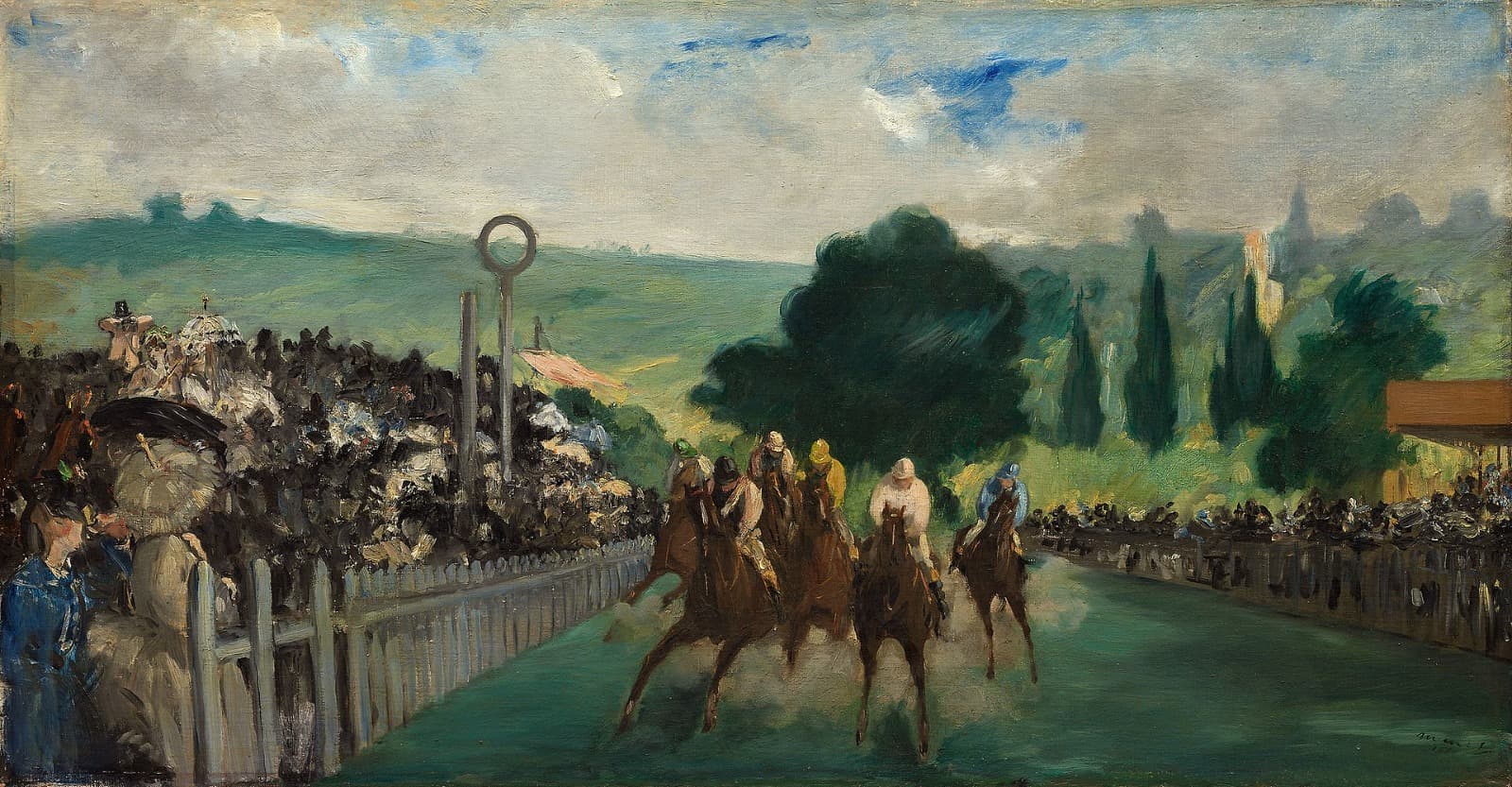
The horses come straight at you instead of across the frame, which nobody painting racehorses had bothered to try.

Courbet took the nude to the Salon with her hair loose, her body relaxed, and a parrot on her hand instead of a myth.

A Union officer faces three captured Confederates and the two halves of the country study each other. Homer had covered the war as an illustrator.
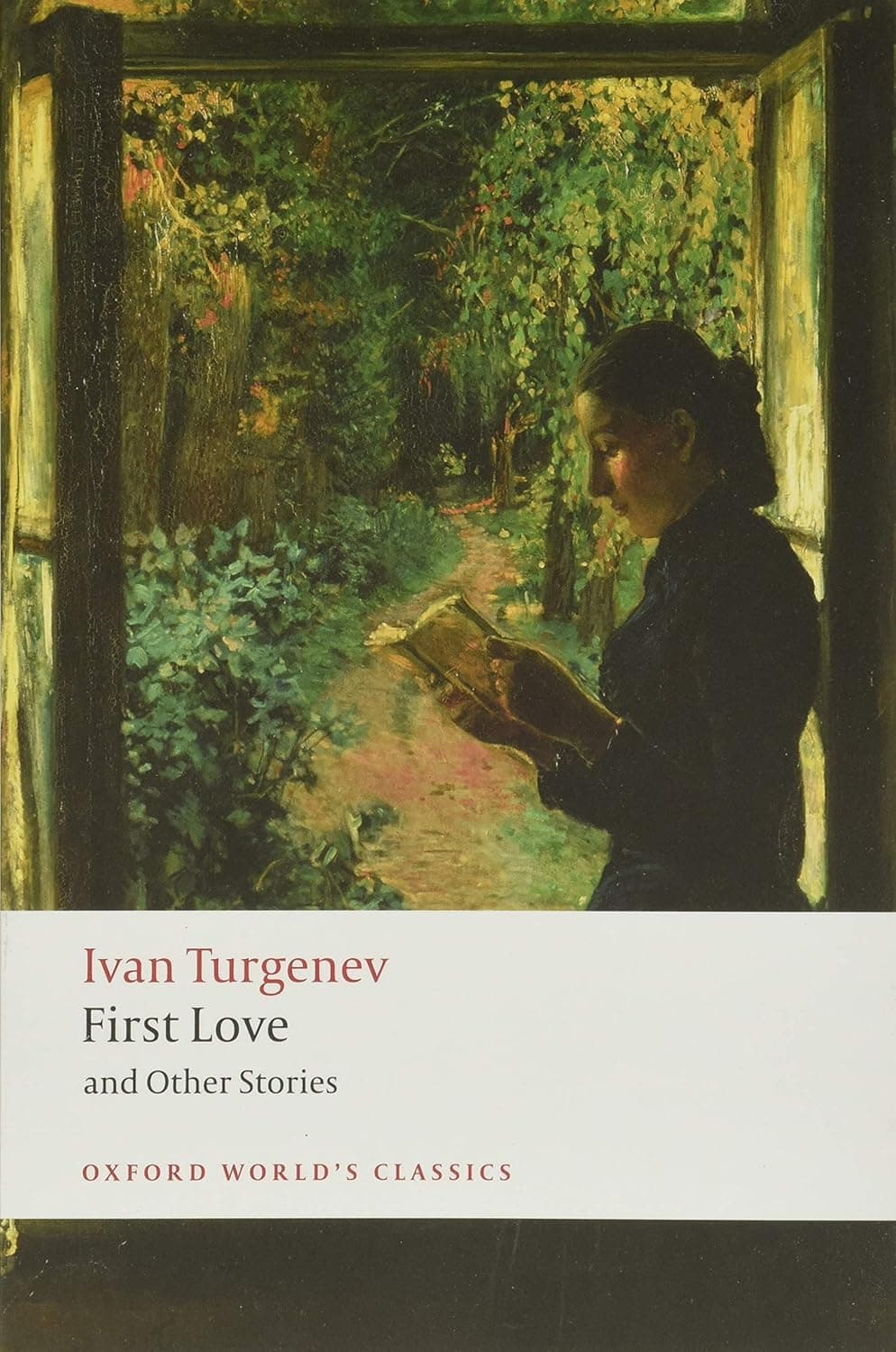
Turgenev said this was the only work of his that still gave him pleasure. Vladimir, sixteen, loves the princess next door, twenty-one, and her secret lover is nobody he can fight.

Sick of Moscow, a young nobleman soldiers in the Caucasus and sets about living like the Cossacks he admires, wanting a girl promised to one of them. Turgenev called it his favorite Tolstoy.
Our chief want in life is, somebody who shall make us do what we can.

Plain village houses on a hillside, built in solid earthy blocks. Pissarro refused to prettify the countryside and gave it structural weight instead.
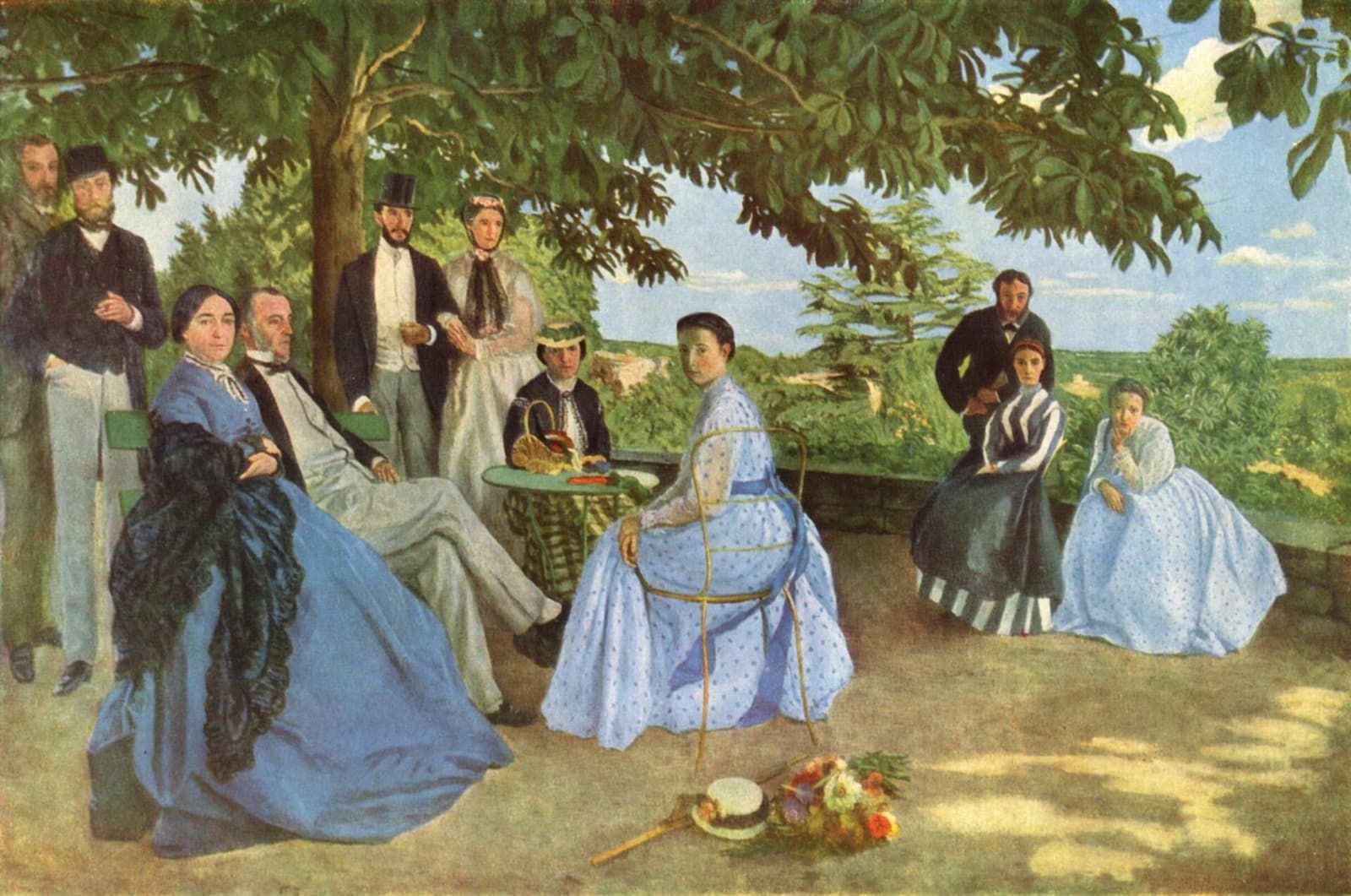
Eleven of the painter's family on a shaded terrace near Montpellier. Bazille was killed in the Franco-Prussian War at twenty-eight.
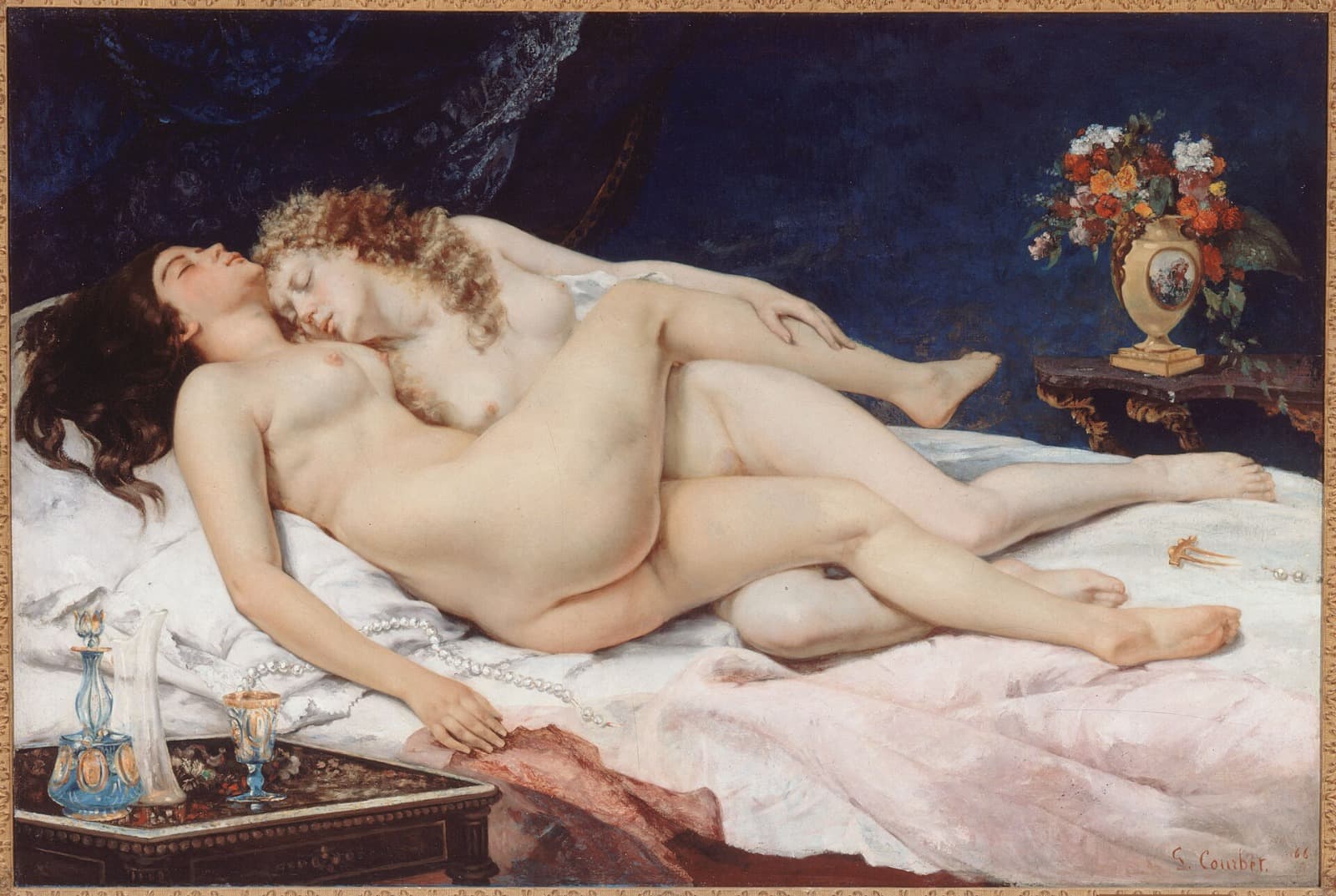
Two women asleep and entwined, painted on private commission and therefore out of reach of the Salon and its proprieties.