
The Third of May 1808
1814 · El Prado, Madrid
A lantern lights a man in a white shirt throwing his arms wide before the firing squad. Goya painted it six years later.
★ 9.4
 skopia
A lantern lights a man in a white shirt throwing his arms wide before the firing squad. Goya painted it six years later.

Survivors of a real shipwreck pile toward a speck of sail on the horizon. Géricault studied corpses and asylum patients before he began.

A man stands on a summit with his back to us, looking out over fog, so that we end up looking at what he sees.
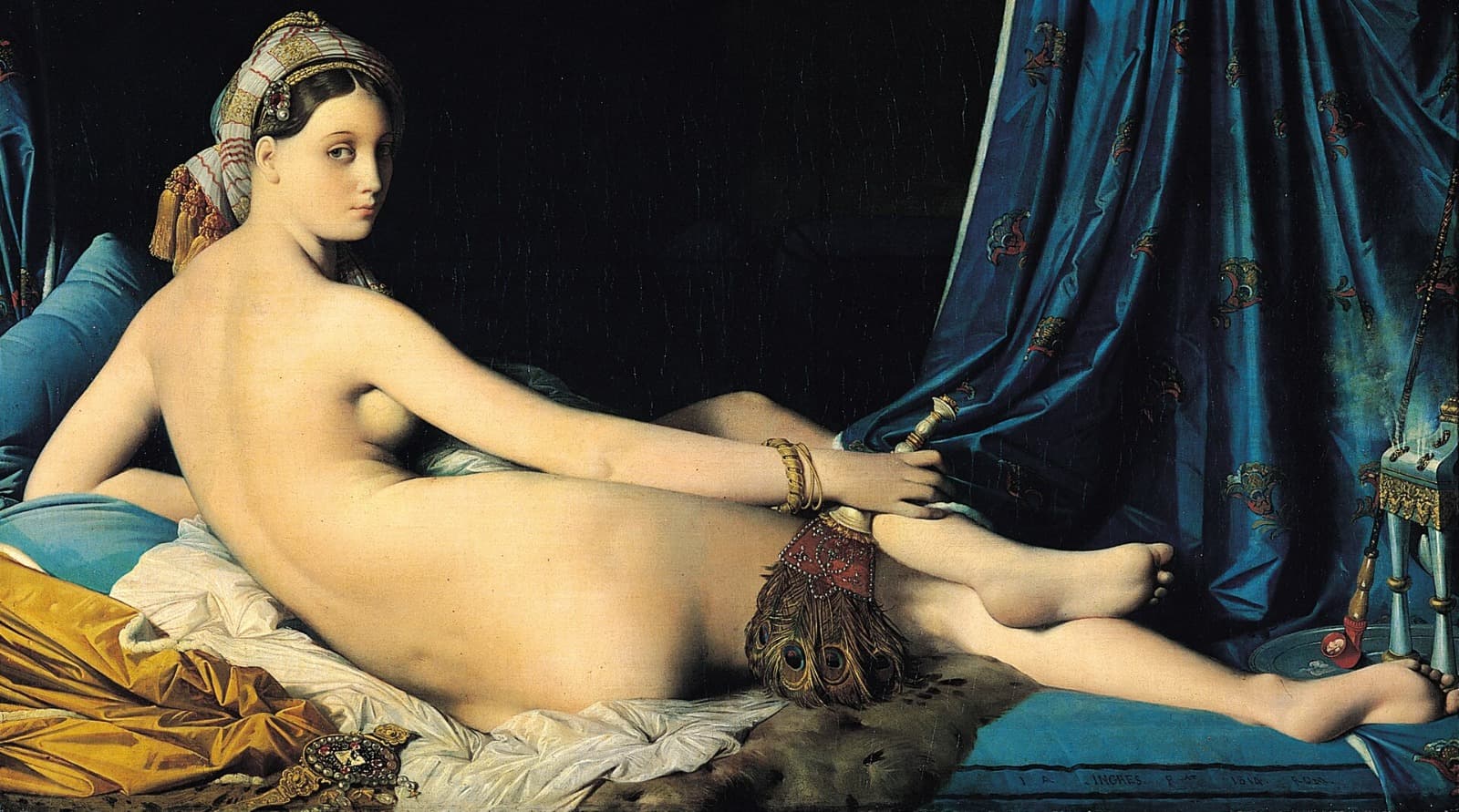
Ingres stretched her spine past anything anatomy allows, and critics joked she had three vertebrae too many. He was chasing line, not truth.

Three figures at the lip of a white chalk drop, painted around the time of his marriage, the eye pulled out to sea and straight down.
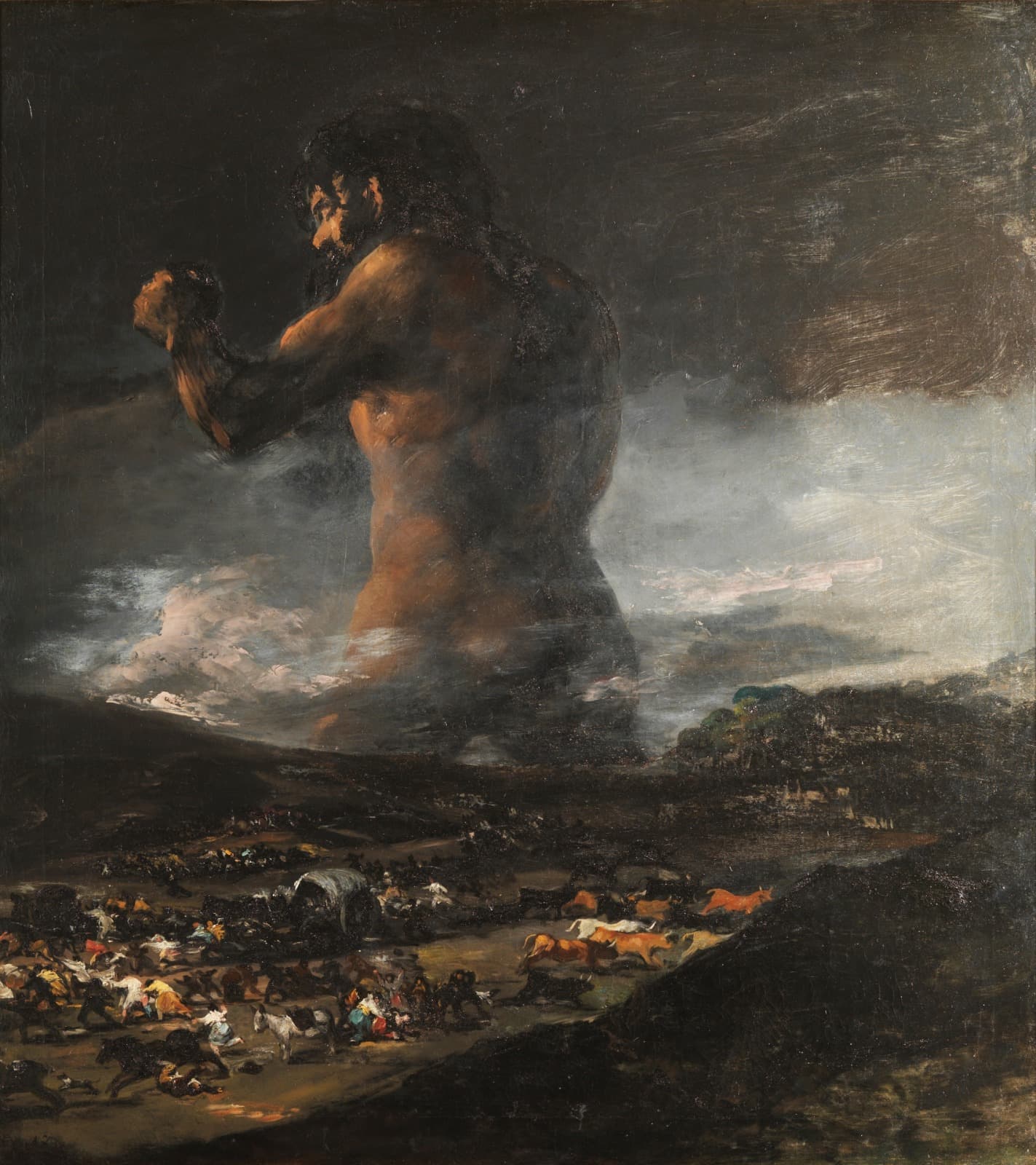
A giant stands with his head in the clouds while everything below scatters. Whether Goya actually painted it is now disputed.

Trumbull knew many of the men and painted their faces from life, which is why this version ended up on the two-dollar bill.

Two women in white smile out from the railing while two men in dark cloaks stand behind them in the shadow, watching.

Overbeck and the Nazarenes lived almost as monks in Rome and painted deliberately like the Italians before Raphael. This is the program.