good kid, m.A.A.d city
2012
Subtitled a short film, and the story runs in order across one day. The interludes are voicemails from his parents asking where the van is.
★ 8.6
 skopia
Subtitled a short film, and the story runs in order across one day. The interludes are voicemails from his parents asking where the van is.
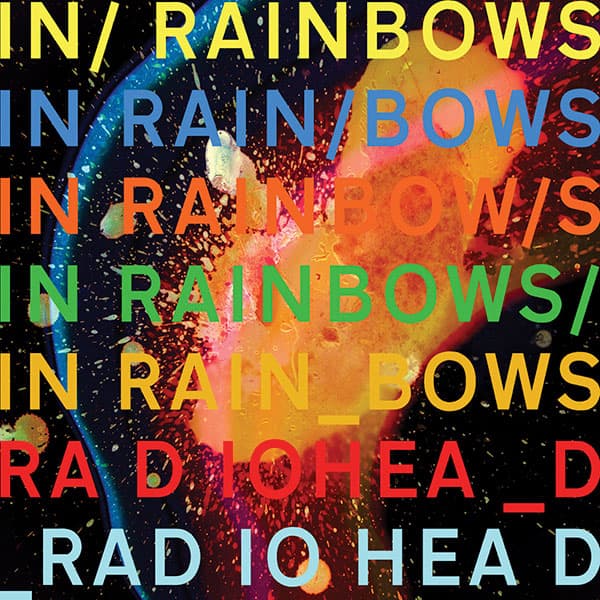
They put it online and let people pay whatever they wanted, including nothing. Some of the songs had been played live for ten years.
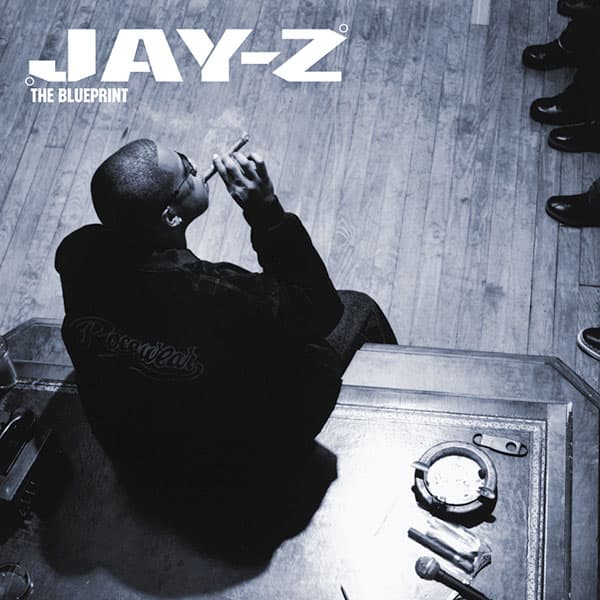
It was recorded in about two weeks and released on the eleventh of September 2001. Kanye West sped the soul samples up to chipmunk pitch.
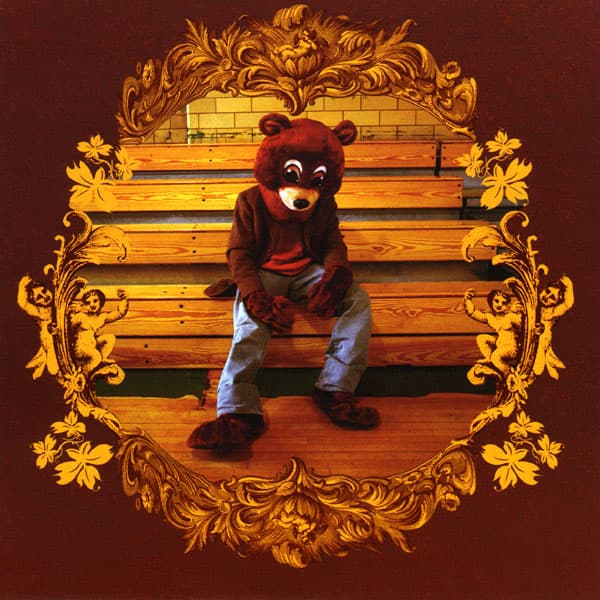
Kanye recorded one of the songs with his jaw wired shut after a car crash, which is exactly what it sounds like.
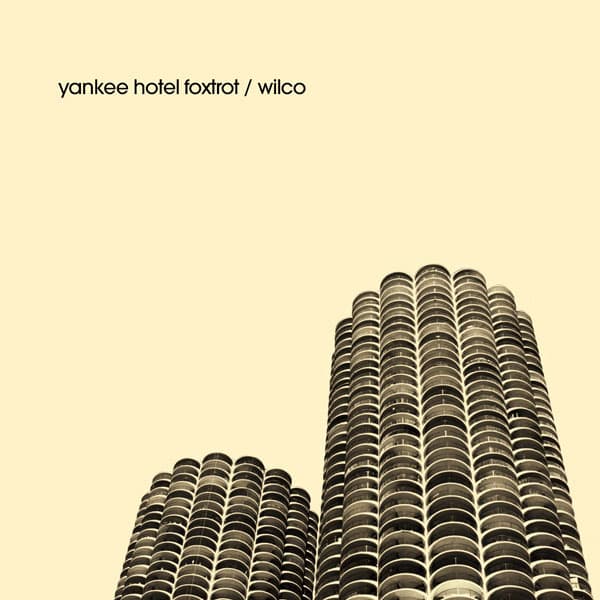
Reprise refused it, so the band bought the tapes back, streamed the record free, and then sold it to another label owned by the same company.
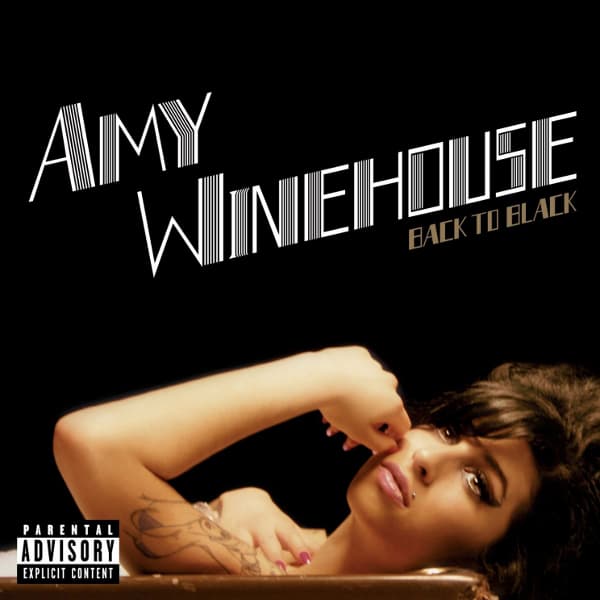
Producer Mark Ronson had a Brooklyn soul band play it live to tape like a sixties session. Winehouse wrote about the man she kept leaving.
Days before it came out, Ocean published an open letter about falling in love with a man, and then let the record speak.

It is really two solo albums in one box, and the two of them barely appear on each other's halves.
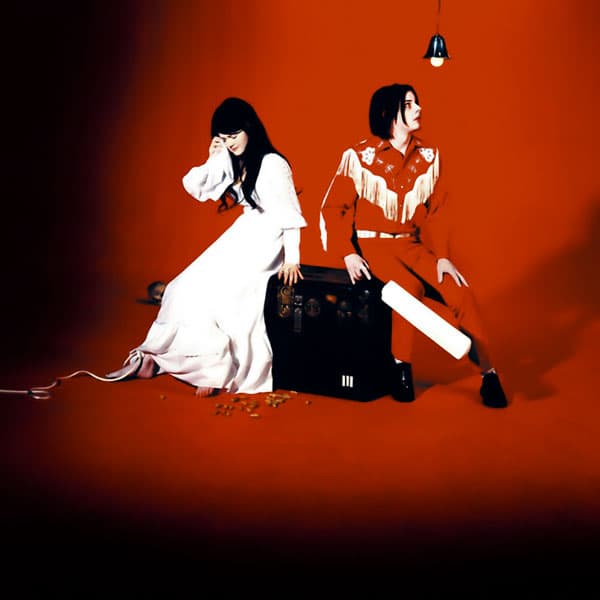
Recorded in eight days on equipment made before 1963, with no computers. The bassline everyone knows is a guitar pushed down an octave.
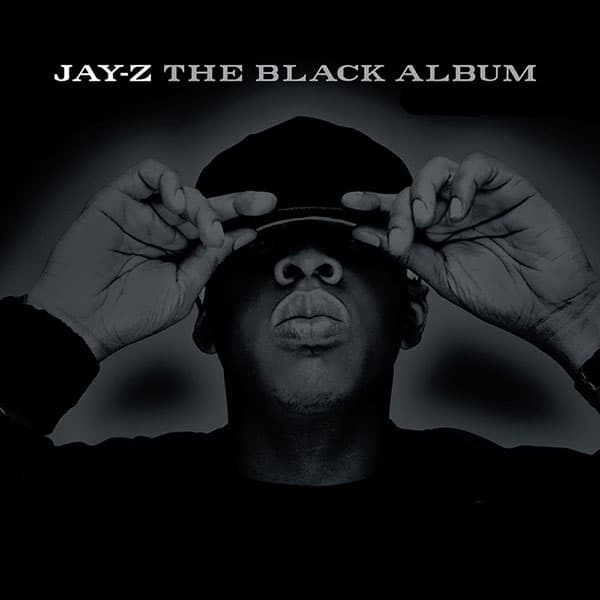
Every track has a different producer, which he did on purpose. He announced his retirement, held a farewell concert, and came back three years later.
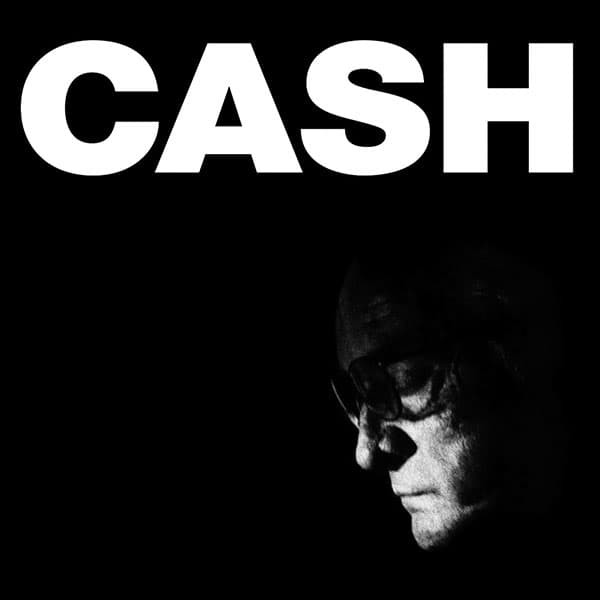
Trent Reznor said that after hearing Cash sing Hurt, the song no longer felt like his. Cash died the following year.
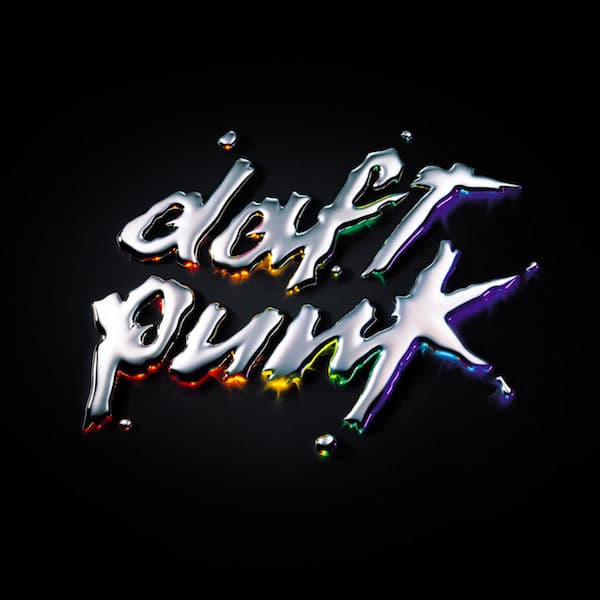
Daft Punk set out to make the music they had loved at ten years old, and had the whole album animated as a film.
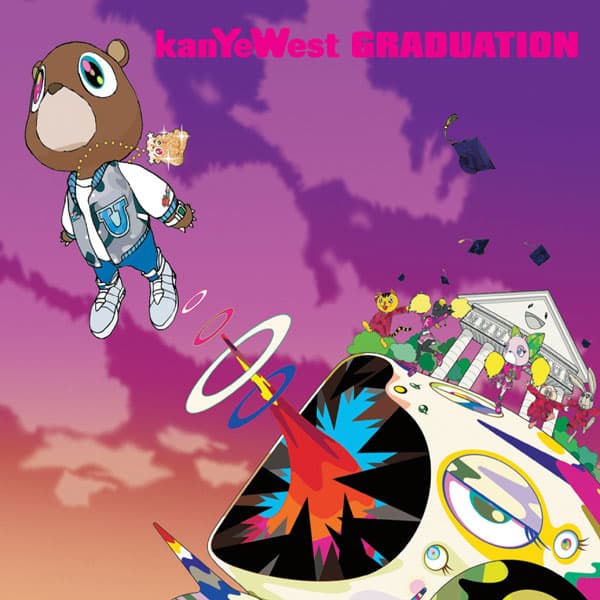
It came out the same day as a 50 Cent album, and the two turned it into a public sales contest. Kanye won by a distance.
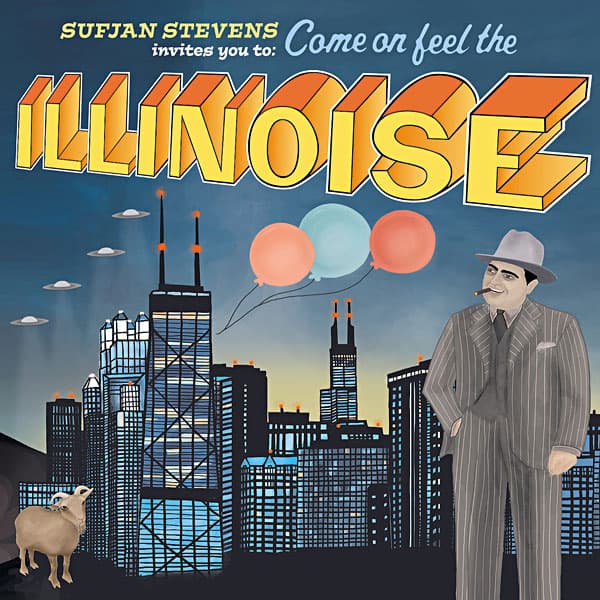
Stevens announced he would make one of these for all fifty states, then made two and stopped. One song is about John Wayne Gacy.
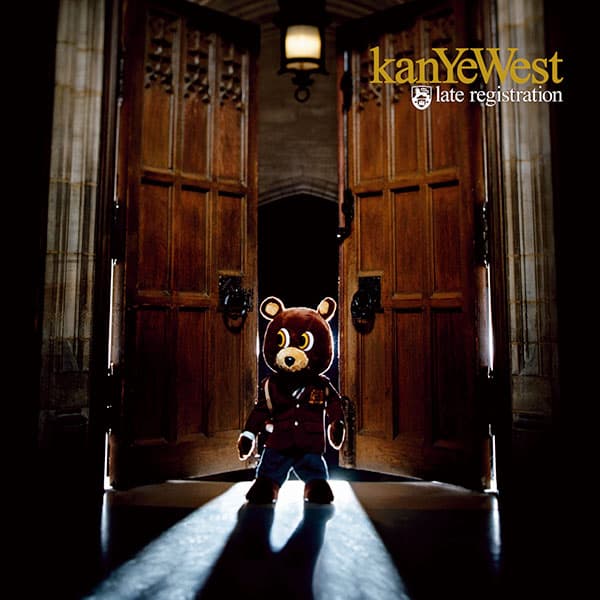
Kanye brought in Jon Brion, a film composer who had never worked on a rap record, and put a string section behind everything.
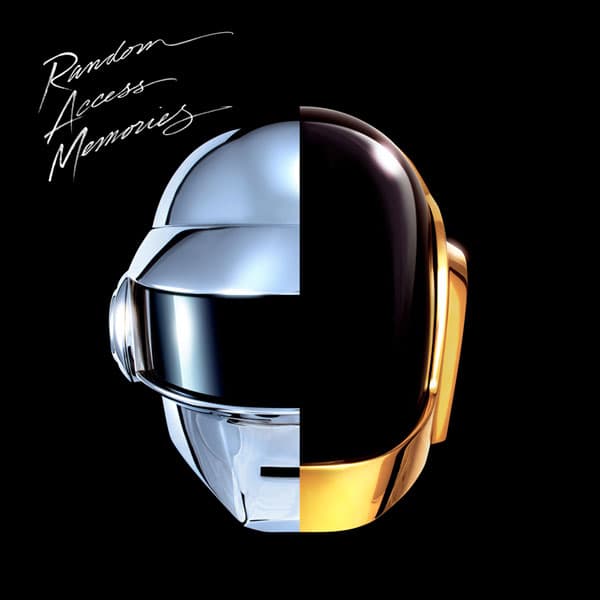
They put the drum machines away and hired session players who had made the records they grew up on. Giorgio Moroder narrates his own life.
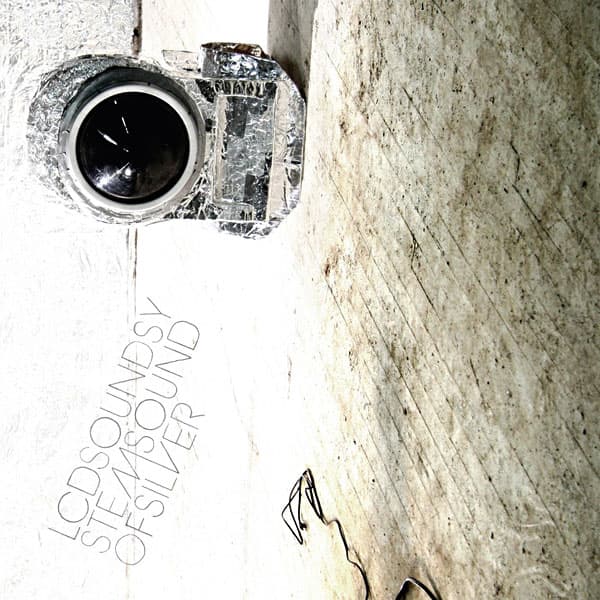
All My Friends is one piano figure repeated for seven and a half minutes while everything else is built up around it.
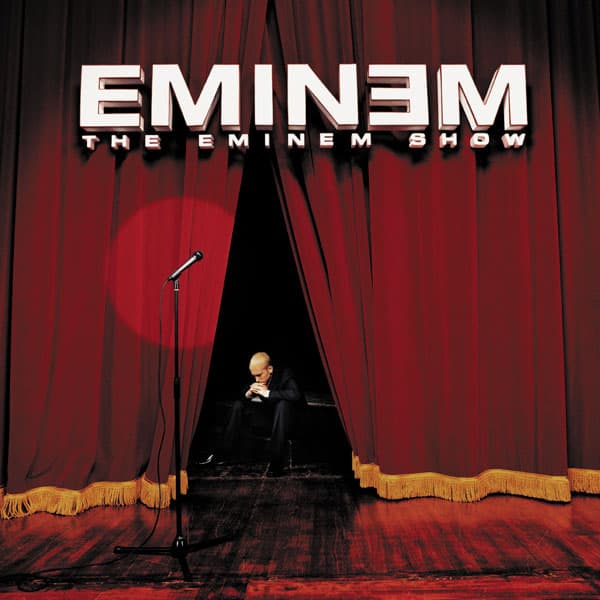
Eminem produced most of this himself rather than handing it to Dr. Dre, and it leaked so widely that the release was moved forward.
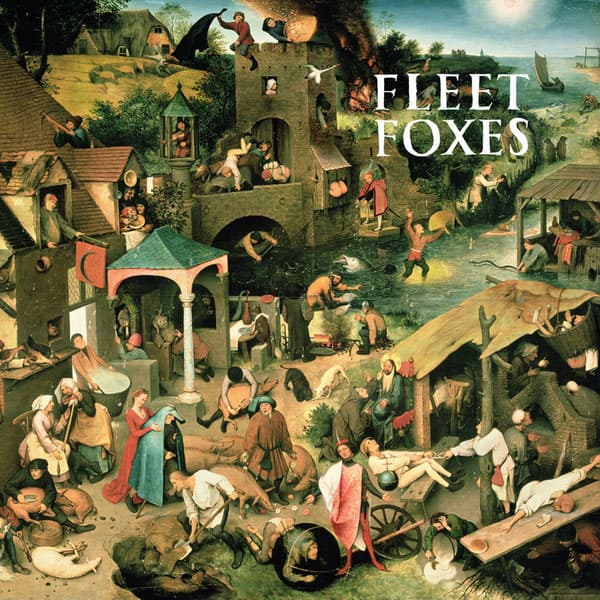
The singer Robin Pecknold layers the harmonies so thickly, and drowns them in so much reverb, that it sounds recorded in a stone church.

Justin Vernon spent three winter months alone in his father's hunting cabin, recovering from a breakup and glandular fever, stacking his falsetto in layers.

50 Cent had been shot nine times two years earlier, and the bullet still in his jaw is part of why he sounds like that.
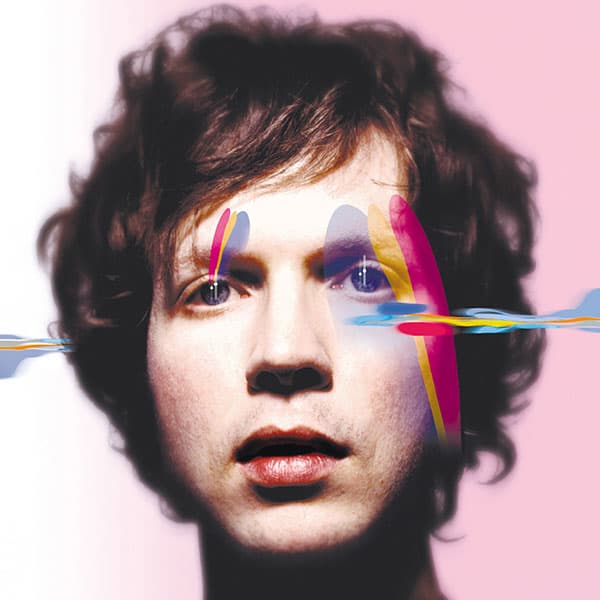
Beck wrote it after a nine-year relationship ended and recorded it in about two weeks. His father wrote the string arrangements.
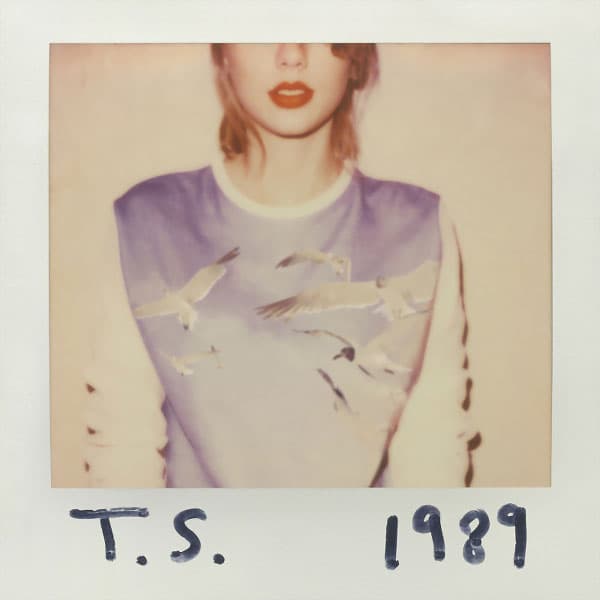
Swift named the record for the year she was born and dropped country entirely, writing straight synth-pop for the first time.

The piano figure in Clocks turned up so late in the sessions that it nearly missed the record. Everything here is built to fill arenas.
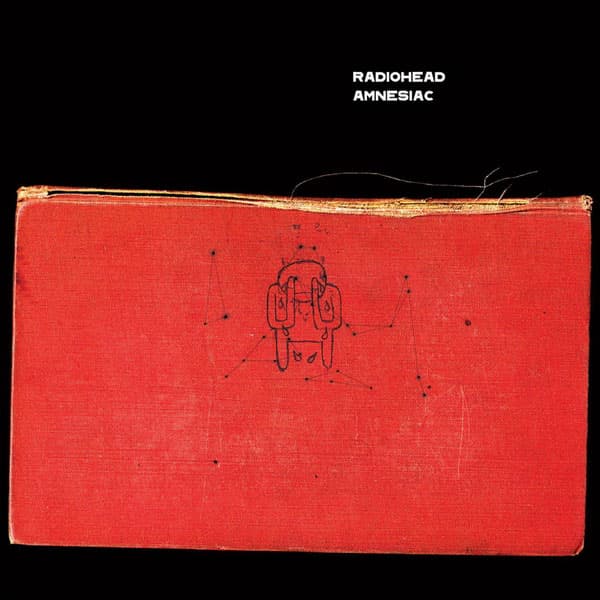
Recorded at the same sessions as Kid A and held back eight months. The band spent years insisting it was not a collection of leftovers.
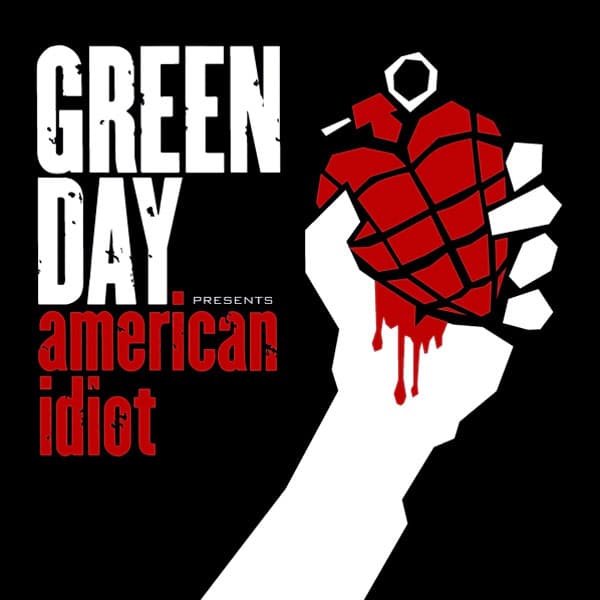
Someone stole the master tapes for the album they had just finished, so Green Day started over and wrote a punk rock opera instead.

Every song is named after a place, and some of the places do not exist. The cabin has been replaced by horns and pedal steel.

Guitarist and producer Dave Sitek moved the band out of Brooklyn to a house in Malibu, and the record came back funkier and less claustrophobic.
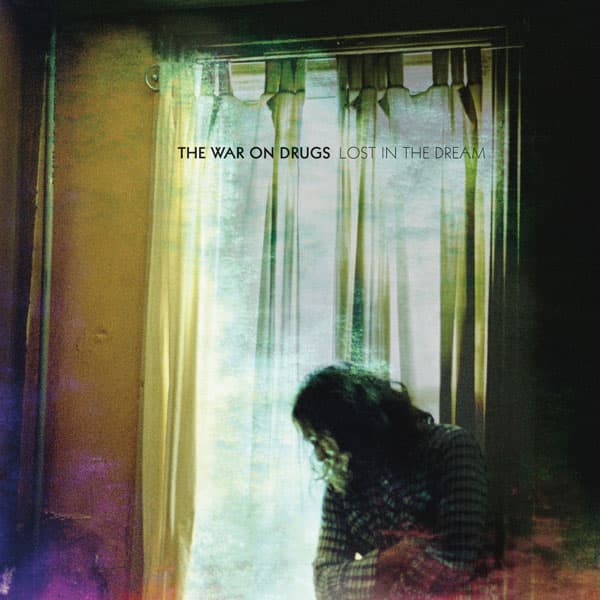
Adam Granduciel spent two years and a dozen studios on it, mostly rerecording parts he had already finished, in the grip of severe anxiety.
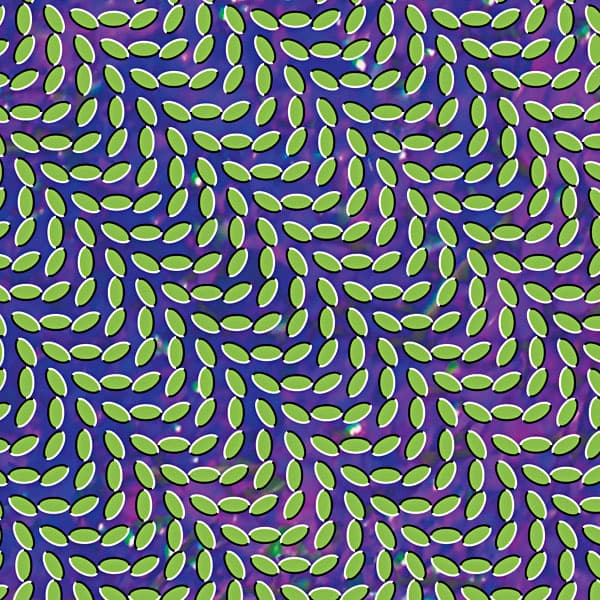
There is no guitar anywhere on it, which for a rock band was the point. It is named after a Maryland concert amphitheatre.
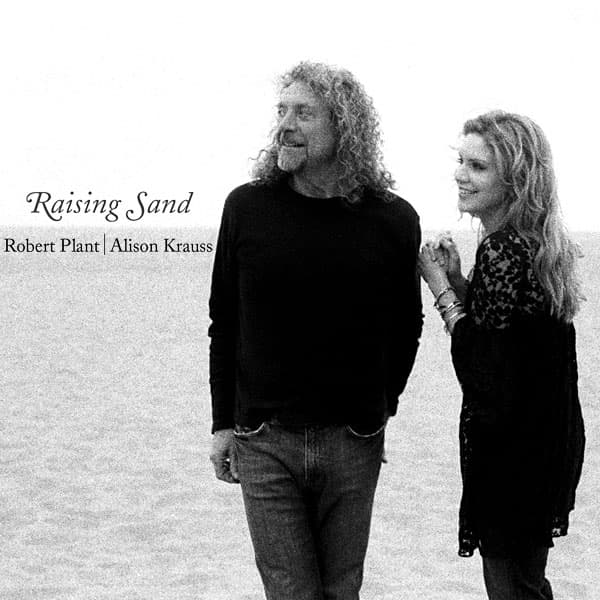
T Bone Burnett chose every song and neither singer had heard most of them. Plant sings underneath Krauss rather than over her.
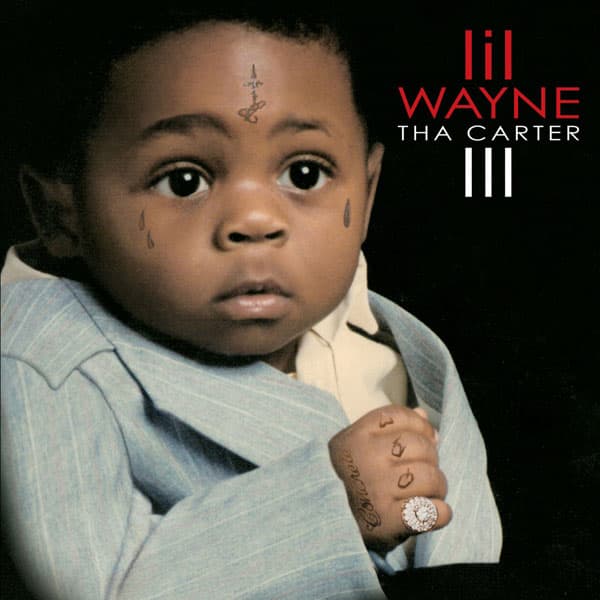
So much of it leaked in advance that he recorded a second album's worth. The A Milli beat is one chopped-up vocal repeated endlessly.
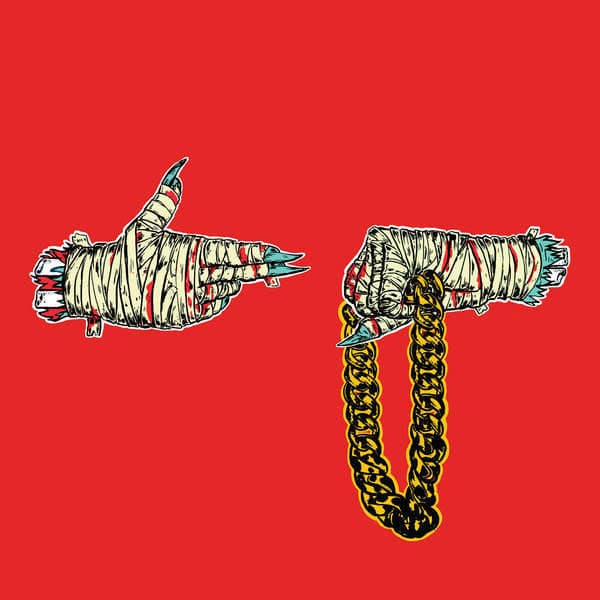
They gave it away free online, as they had the first one, and Killer Mike's verse about being stopped by police arrived weeks before Ferguson.
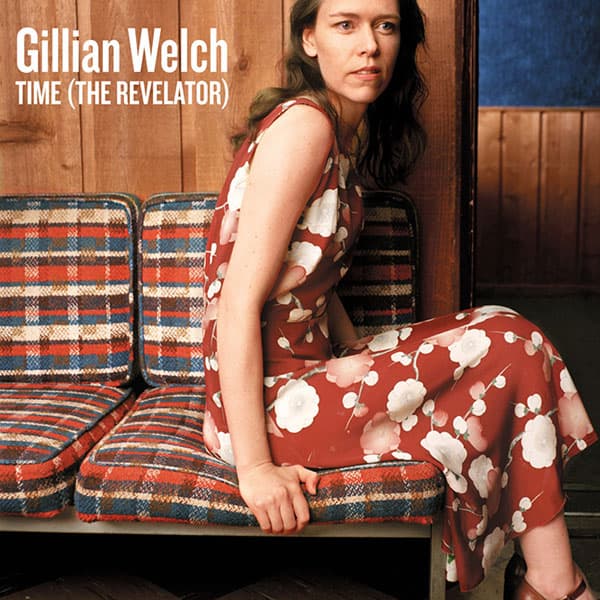
There are only two people on it, Welch and David Rawlings, recorded live in an old Nashville studio with a single pair of microphones.
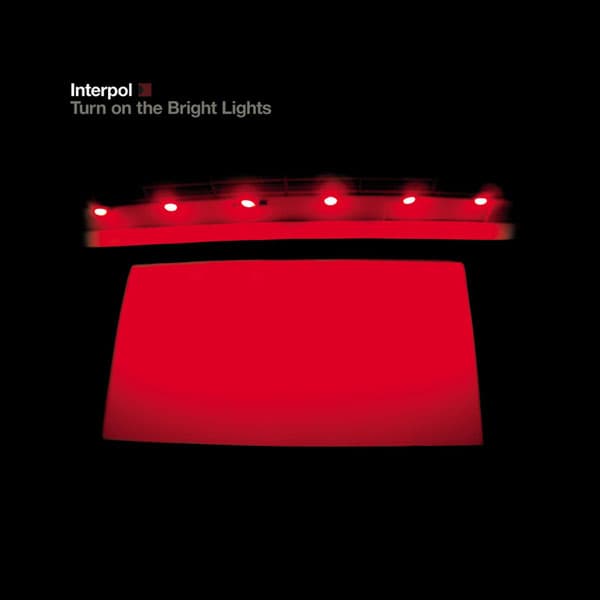
The bass lines run as counter-melodies rather than following the guitars, which is why so much of it sounds like two songs at once.

The band's early demos spread on burned CDs and file-sharing sites, passed around by fans rather than the band, long before any label appeared.
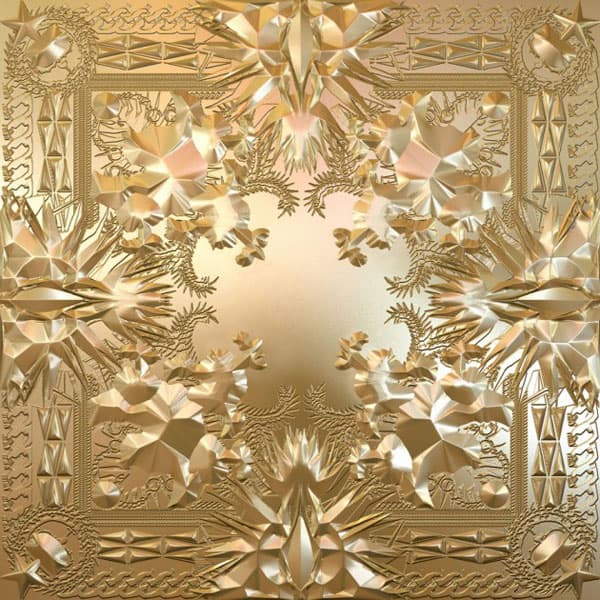
They recorded much of it in hotel suites around the world to stop it leaking, and the gold sleeve was designed by a Givenchy designer.

The producer Timbaland built most of the tracks in two halves, so the songs change shape halfway through instead of repeating a chorus.
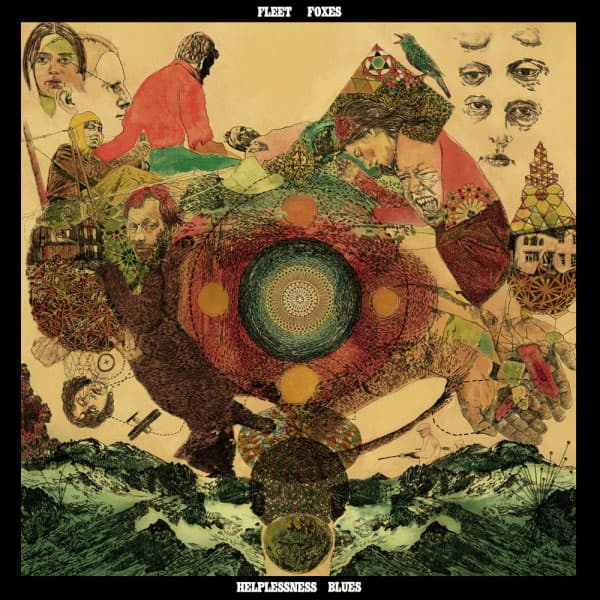
Singer Robin Pecknold scrapped a finished version and started over. The title song is about not wanting to be anyone special.
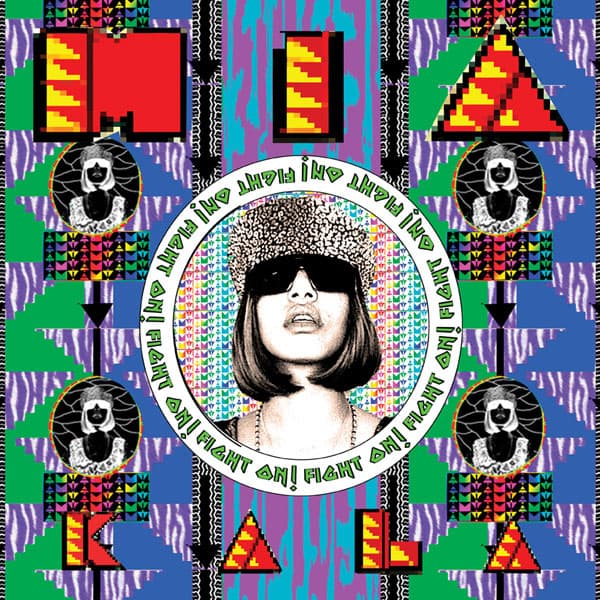
Denied a visa to work in America, she recorded it instead in India, Trinidad, Liberia and Australia, with whoever was in the room.

Recorded in a converted church in upstate New York, and built almost entirely from an organ, a drum machine and a slide guitar.
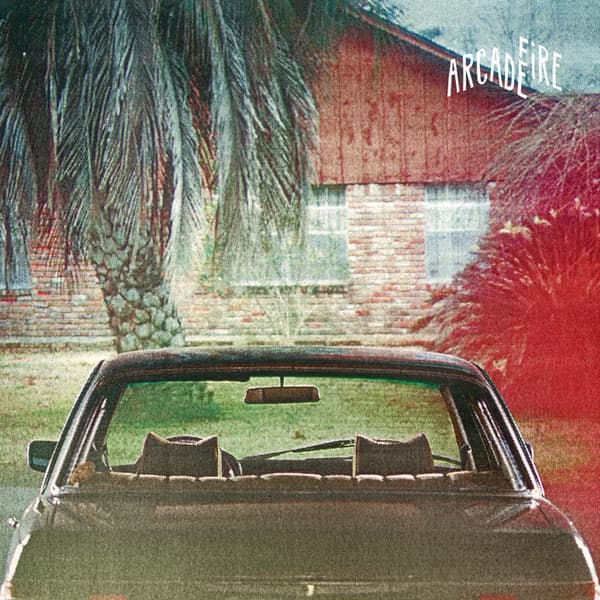
Win Butler and his brother grew up outside Houston, and the record is built around driving through places like it as teenagers.
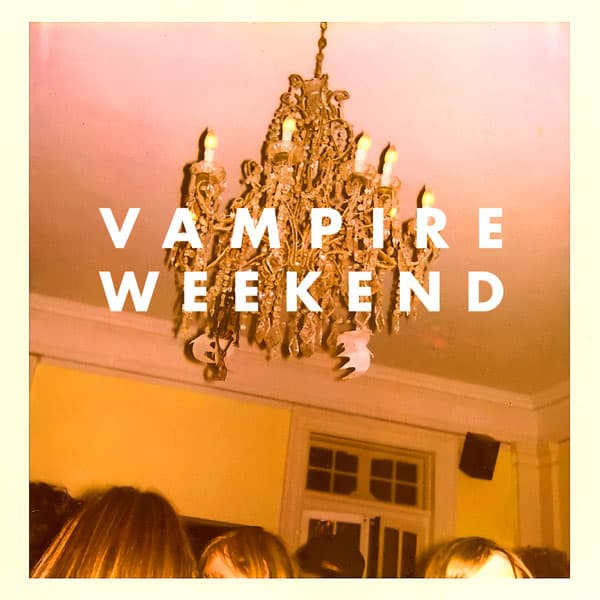
Four Columbia students made it in dorm rooms and a church basement, and spent years answering for borrowing from African guitar records.

Two sets of brothers make up the band around the singer, and his brother filmed a documentary about following them on tour.
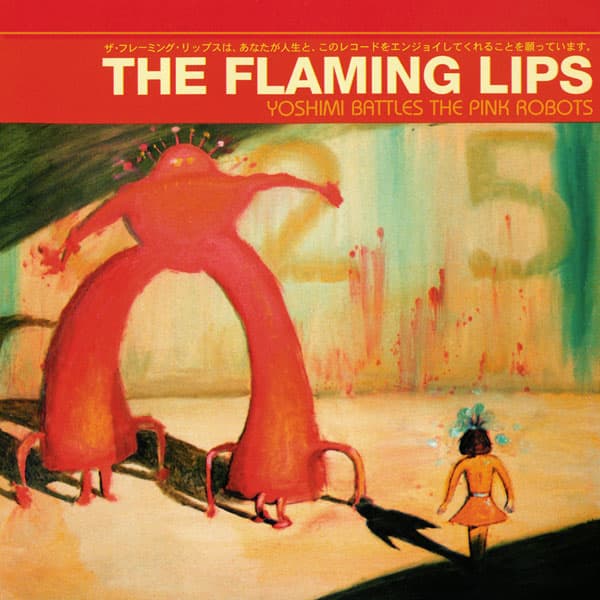
Yoshimi is a real person, a Japanese drummer, and the screams on the record are recordings she made and sent them.
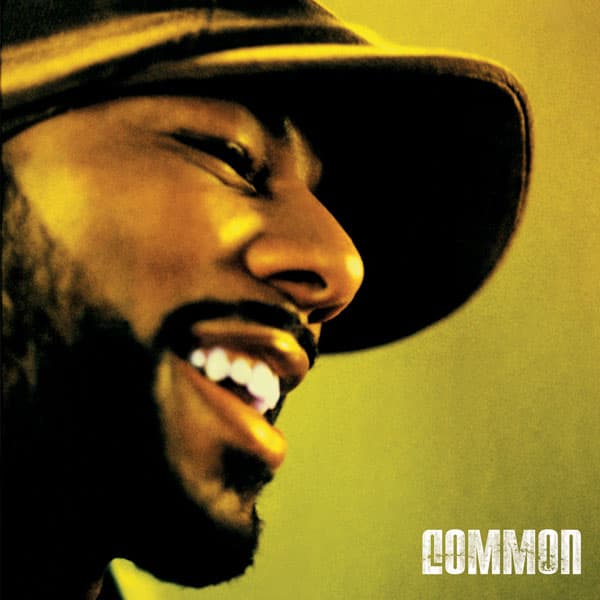
Kanye West produced most of it and J Dilla the rest, and Common's father closes the record talking over the last track.
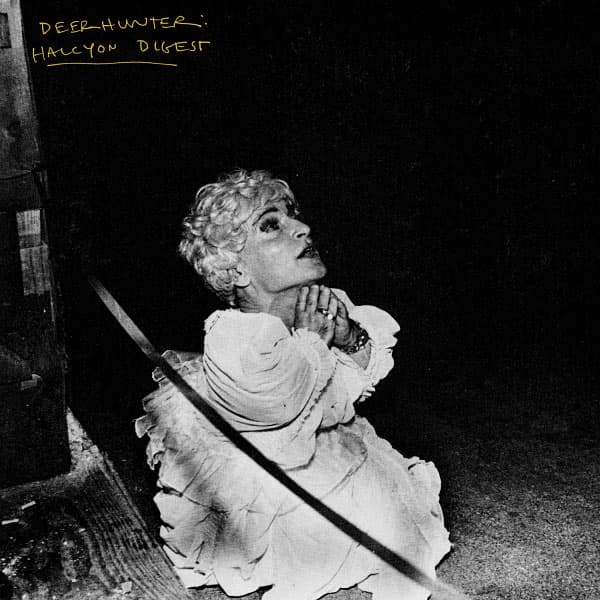
Bradford Cox, the singer, wrote the last song for a friend who had just died, and it ends by simply stopping partway through.
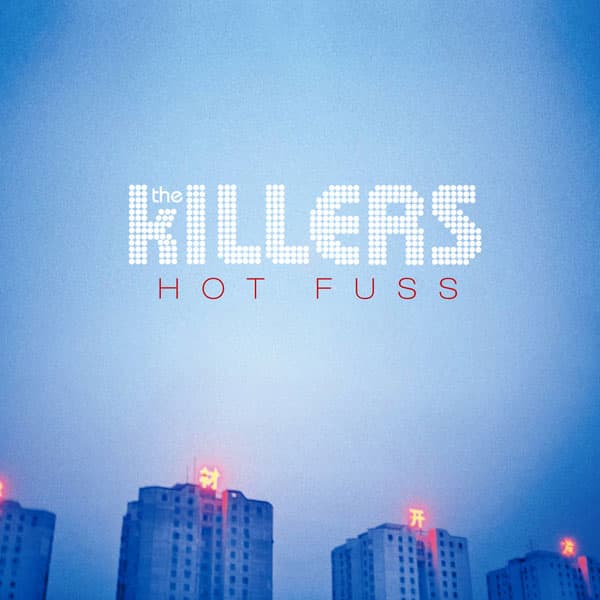
Mr. Brightside was the first song Brandon Flowers and Dave Keuning ever wrote together, and they never managed to write a bigger one.

Conor Oberst, who is Bright Eyes, put this out on the same day as an entirely electronic companion album. Emmylou Harris sings on three songs.
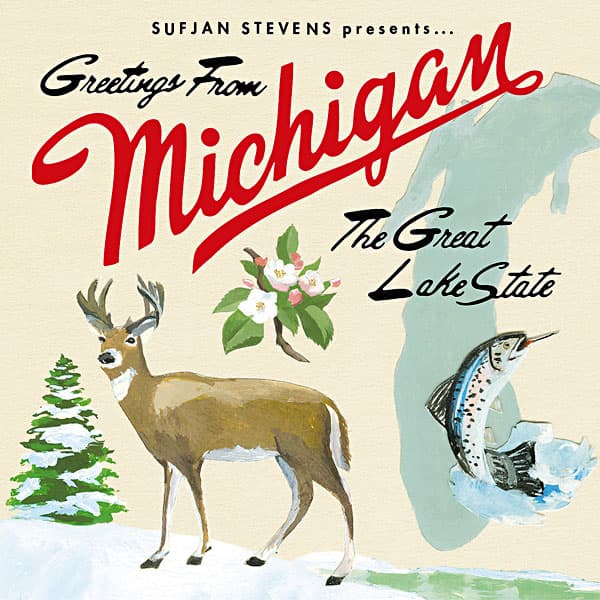
The first of the fifty state albums, with Stevens playing most of the instruments himself and naming songs after towns nobody writes about.
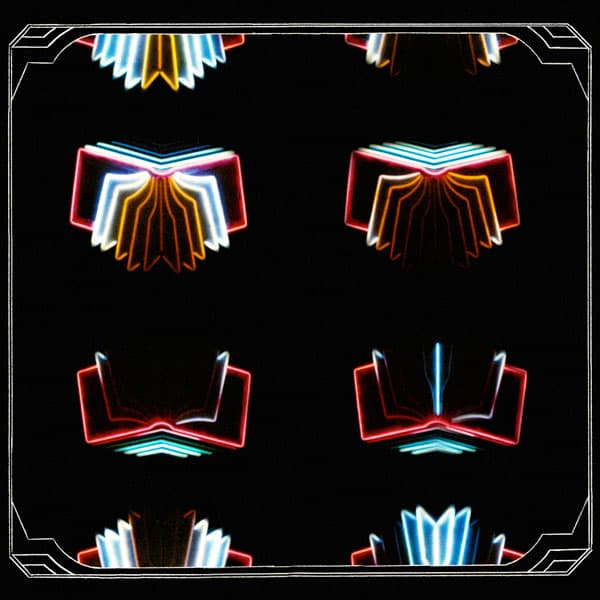
They bought a church in Quebec and recorded in it, using the pipe organ, a military choir and a Hungarian orchestra.
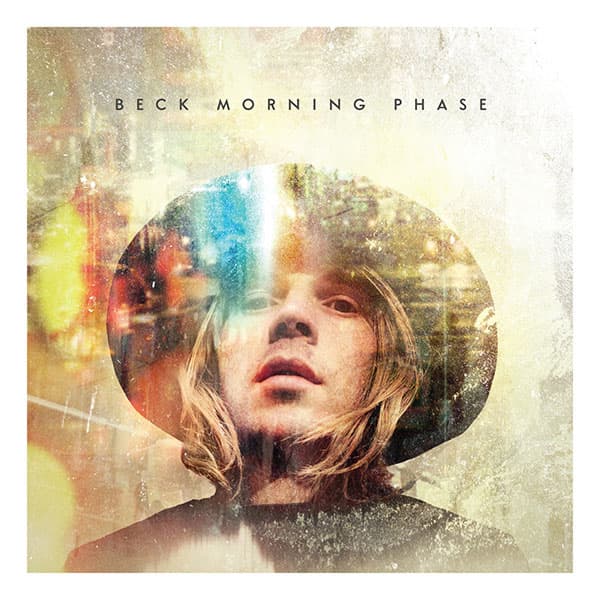
Beck's father wrote the string arrangements, as he had on Sea Change. It won Album of the Year and Kanye West objected onstage.
Lorde was sixteen, recording after school in an Auckland studio, and the tracks are built from almost nothing but voice, bass and finger snaps.
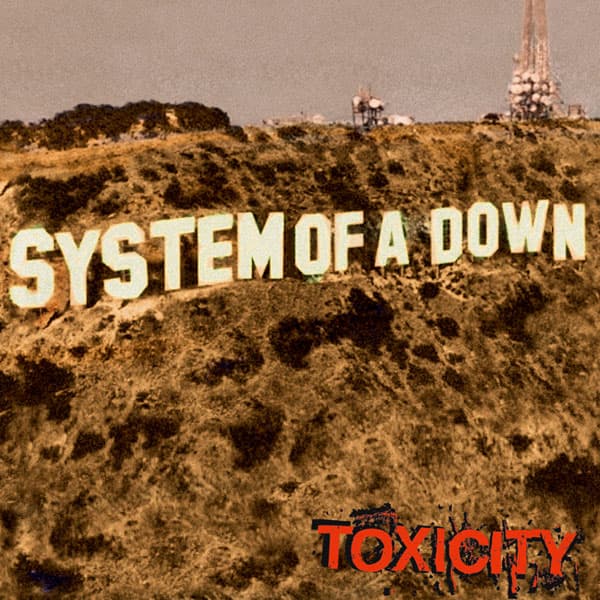
Serj Tankian and Daron Malakian sing over each other constantly, one shouting while the other croons, often within the same bar.

One line repeats for eight minutes on the title track, with an instrument added at a time until the whole band is playing at once.
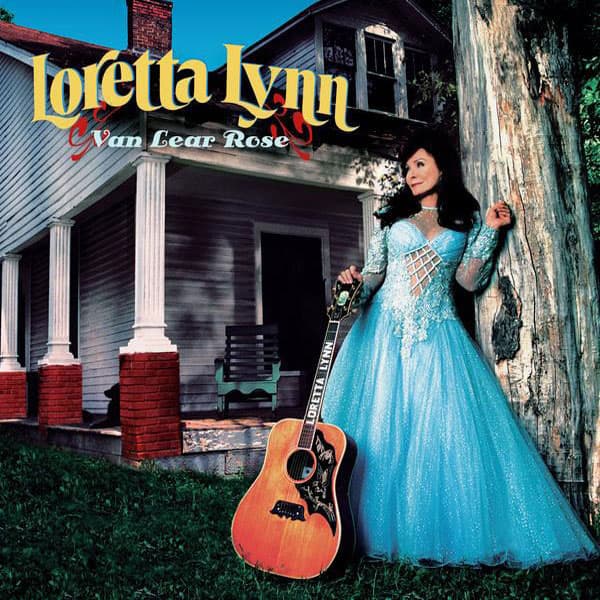
Lynn wrote every song herself, which she had not done for decades, and Jack White recorded it in an old house in East Nashville.

Recorded in Memphis in about three days. Michel Gondry animated the video for Fell in Love with a Girl entirely out of Lego bricks.
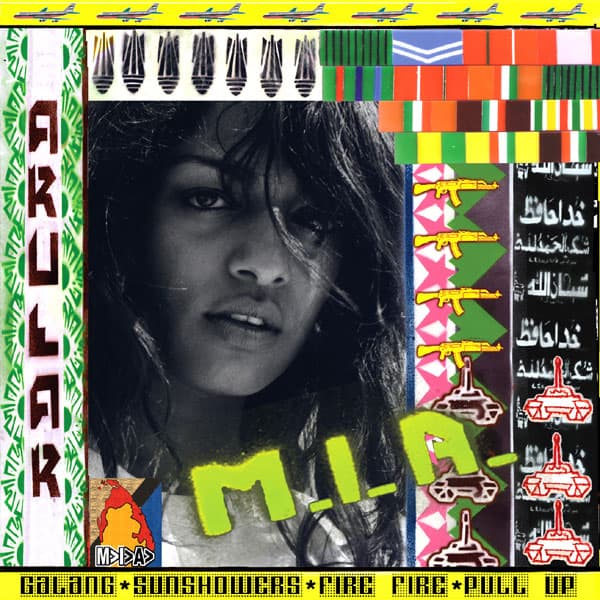
Named after her father, a Tamil militant she barely knew, and built largely on a cheap secondhand sequencer in a London flat.
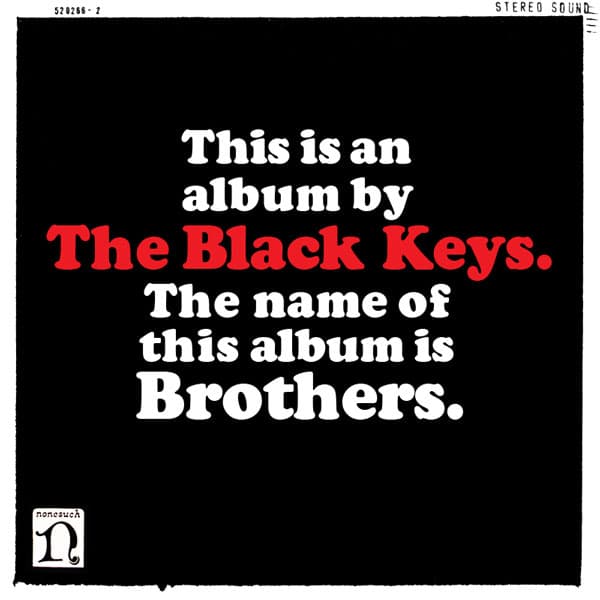
The Black Keys took two people and a lot of noise to Muscle Shoals, and came out with the record that filled the arenas.
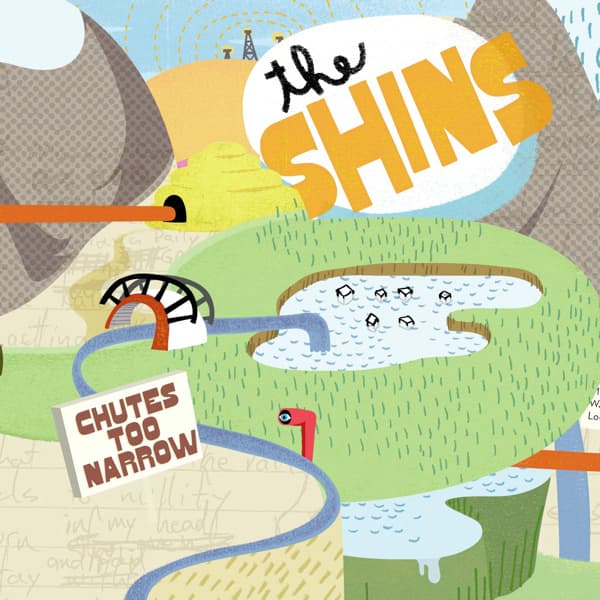
James Mercer, who essentially is the Shins, recorded most of it in his own basement. A film later put an earlier song in front of everybody.

A twenty-two-year-old on a jazz label made a very quiet record, and it sold twenty-seven million copies and swept the Grammys.
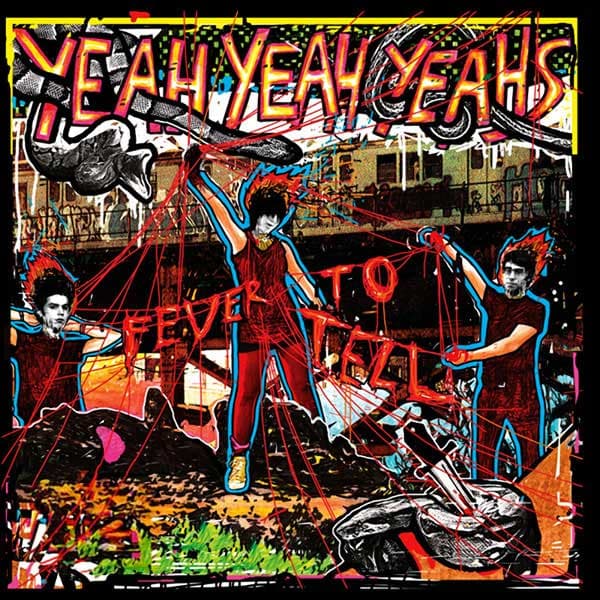
There is no bass player, just Nick Zinner's guitar and Brian Chase's drums under Karen O's yelping. Maps was written about missing someone.

An earlier version leaked online and fans mailed apples to her label demanding its release. She rerecorded almost all of it anyway.
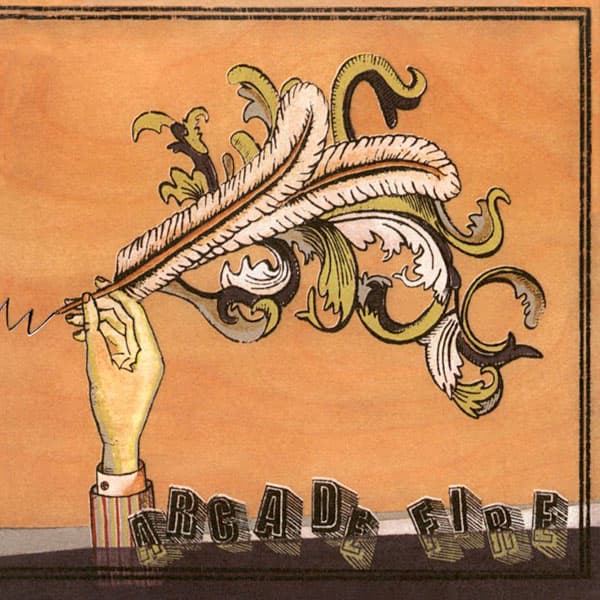
Three of the band lost close relatives while they were making it, which is where the title came from. Everything is played as though shouted.

Bono wrote Sometimes You Can't Make It on Your Own about his father, and sang it at his funeral before the record was finished.
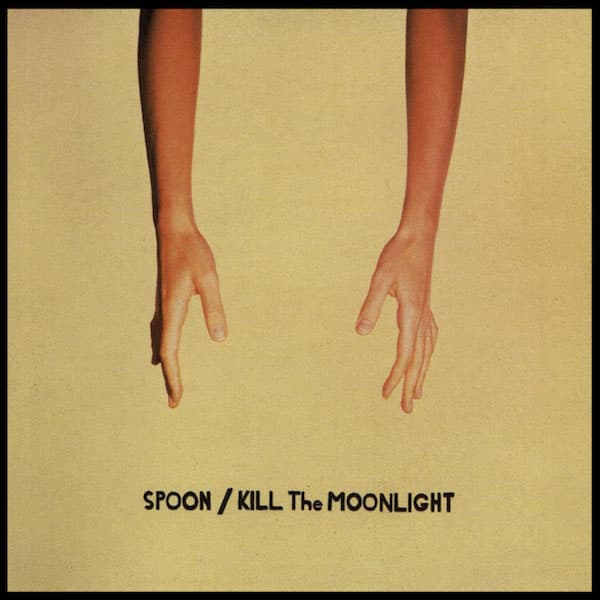
Spoon leave most of the space empty, so a tambourine or a single piano note does the work a guitar solo usually would.
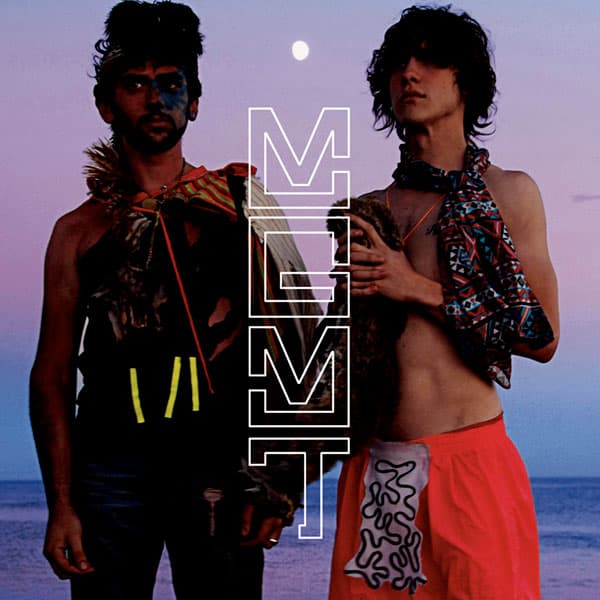
They wrote the hits partly as a joke about wanting to be famous, and then the joke worked and made them famous.
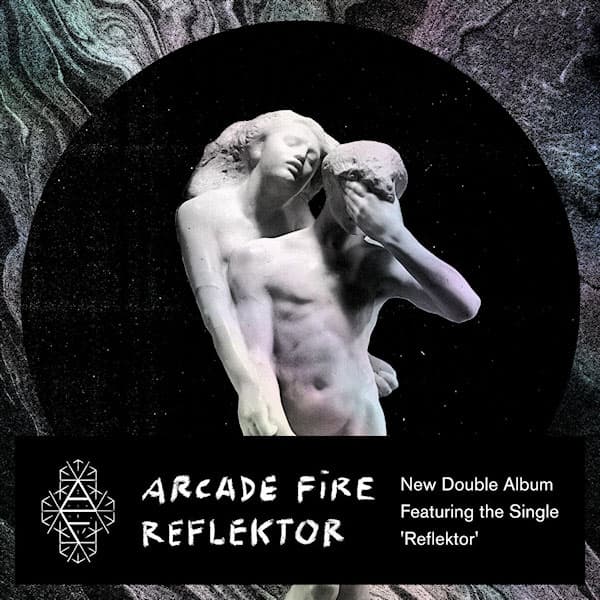
They recorded part of it in Jamaica with James Murphy of LCD Soundsystem producing, and David Bowie sings on the title track.
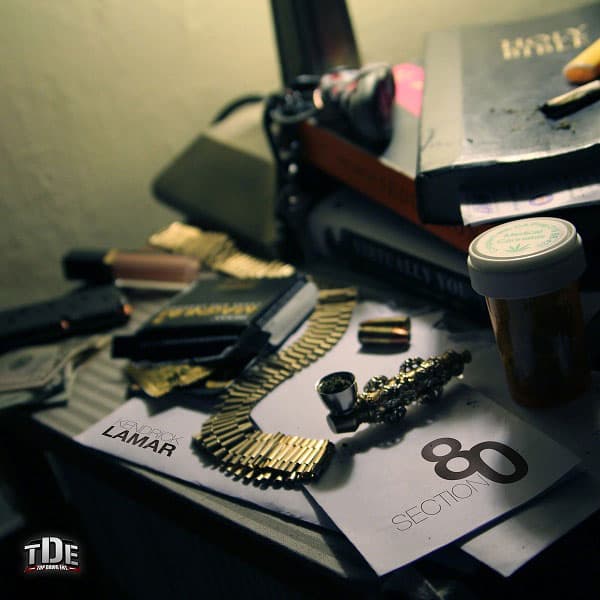
He put it out himself with no label, about the generation born under Reagan, a year before anyone outside Los Angeles knew his name.
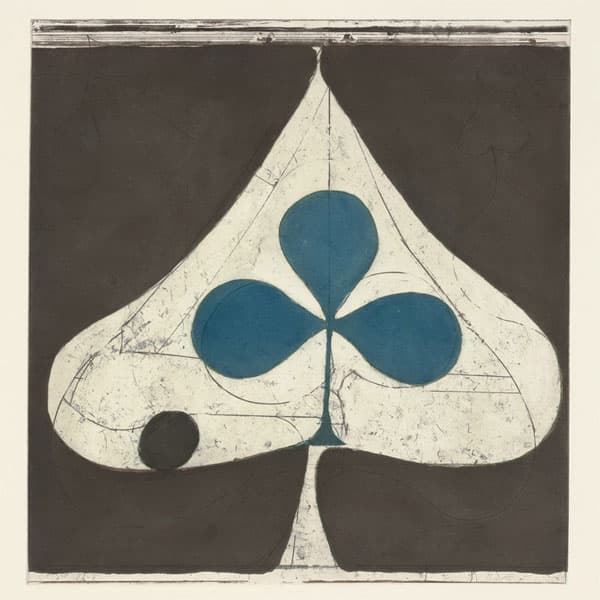
They threw away a year's work and began again. All four of them write, which is why nothing quite resolves the way you expect.
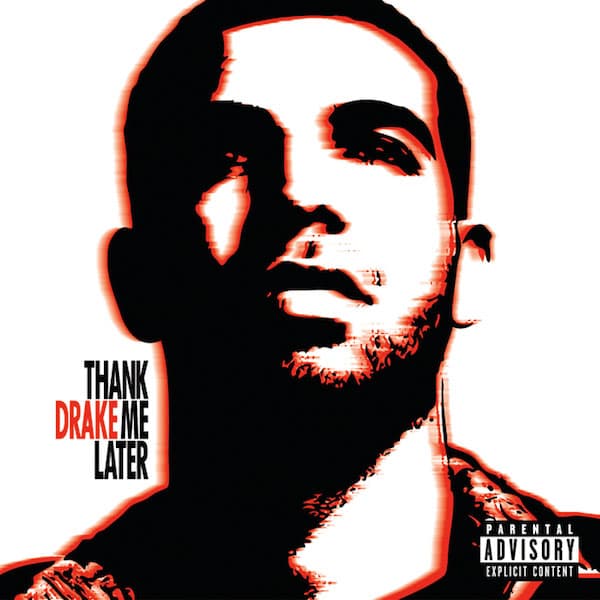
Drake had been a teenage actor on a Canadian school drama, and made a record that raps and sings without marking where one stops.
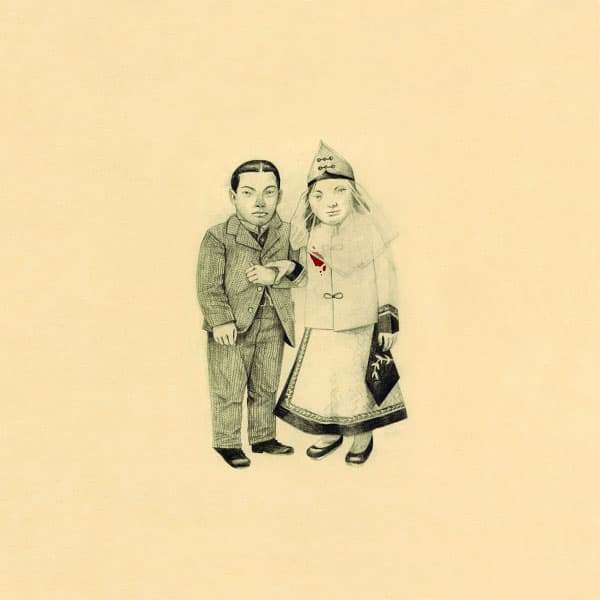
The title song is in three parts, and they are scattered across the record out of order. The story is a Japanese folk tale.
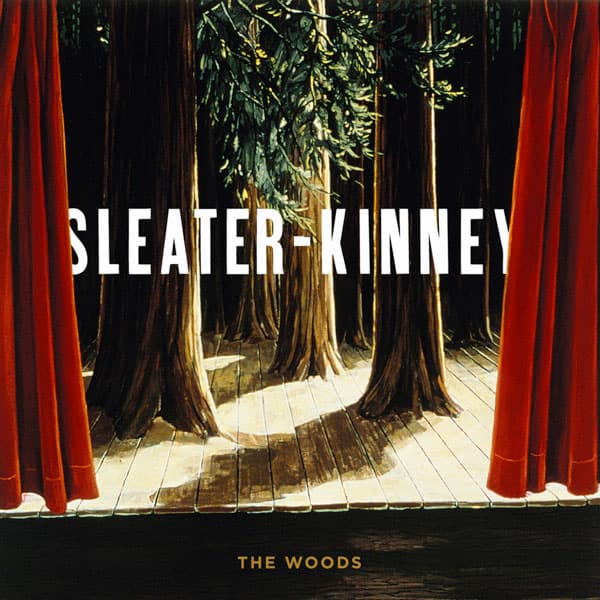
Sleater-Kinney have no bass player, only two guitars and drums, and here producer Dave Fridmann pushed the levels until everything distorts.
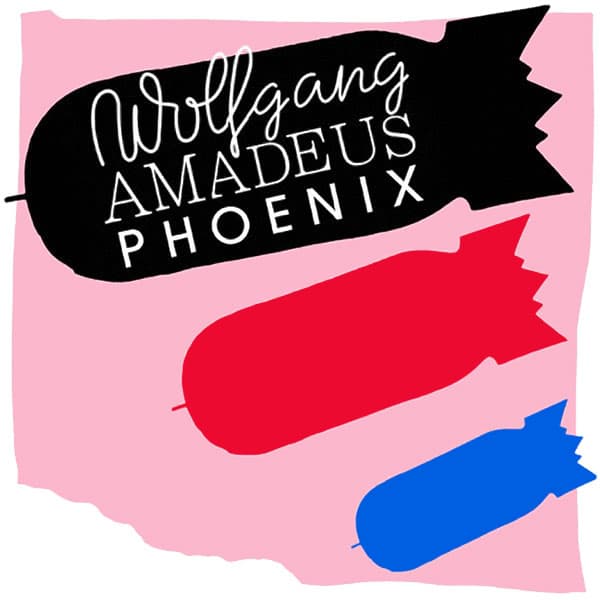
The band come from Versailles and had spent ten years making records almost nobody outside France bought before this one arrived.
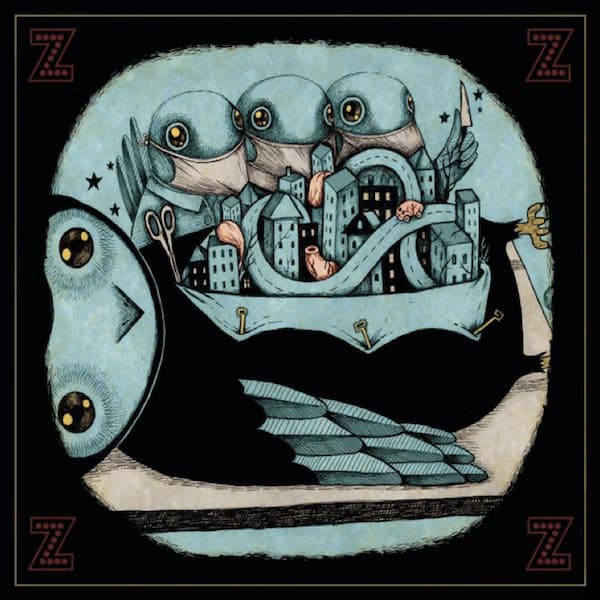
Jim James recorded the earlier albums in a grain silo on his grandfather's farm for the echo. This is the first made in a real studio.
Mark Kozelek uses real names throughout, and the deaths in it are real deaths in his family. Almost nothing is dressed up as metaphor.
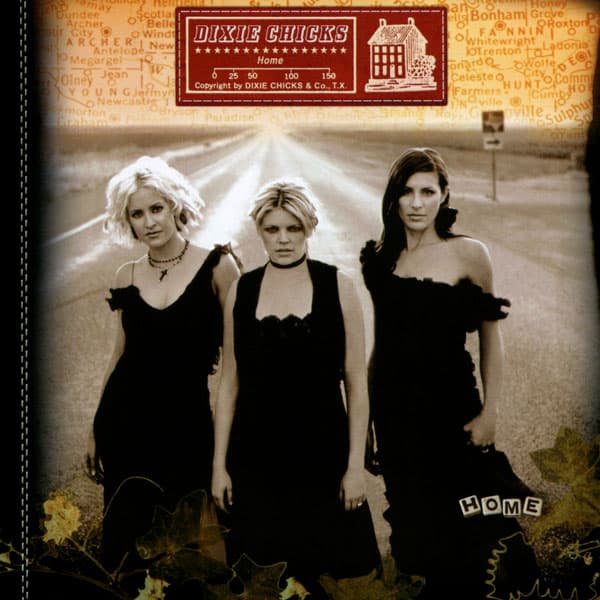
They made it after suing their own record label, on acoustic instruments, with no drums on most of it. It sold six million anyway.
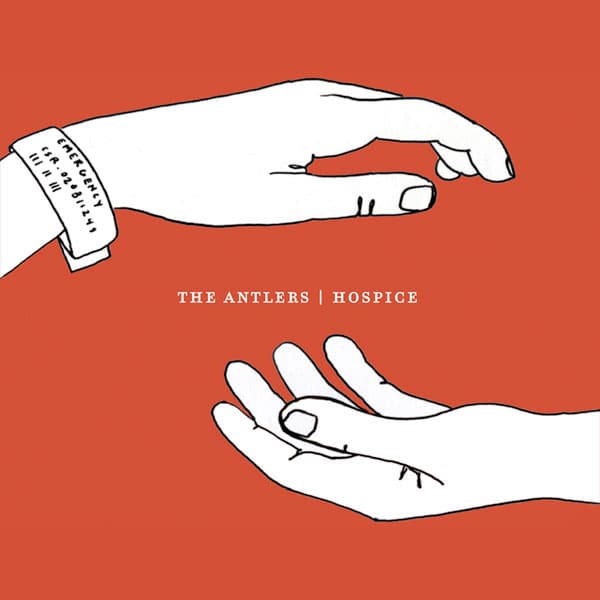
A song cycle set in a hospice ward, about a worker and a dying patient, that most listeners take as being about something else entirely.
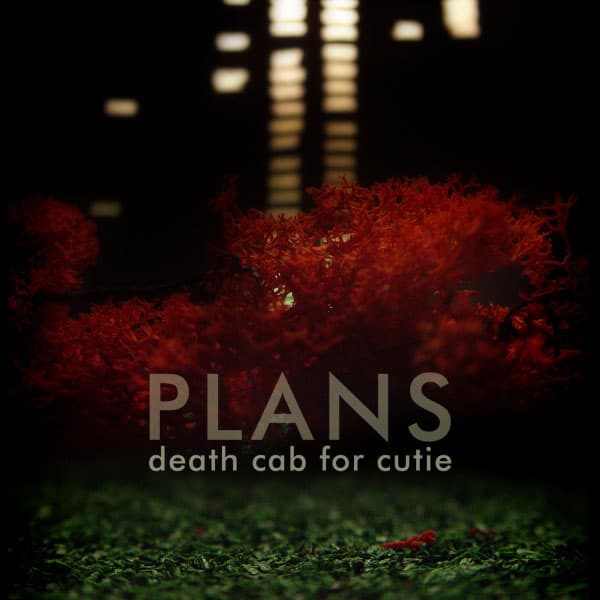
I Will Follow You into the Dark was recorded live in a hallway with one microphone, which is why you can hear the room.
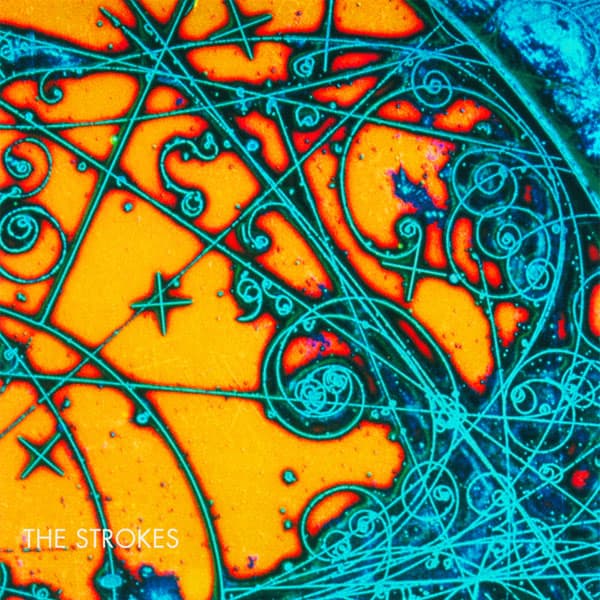
Singer Julian Casablancas sang through a guitar amplifier to get that flattened, distant voice, and the whole thing was recorded in a basement.
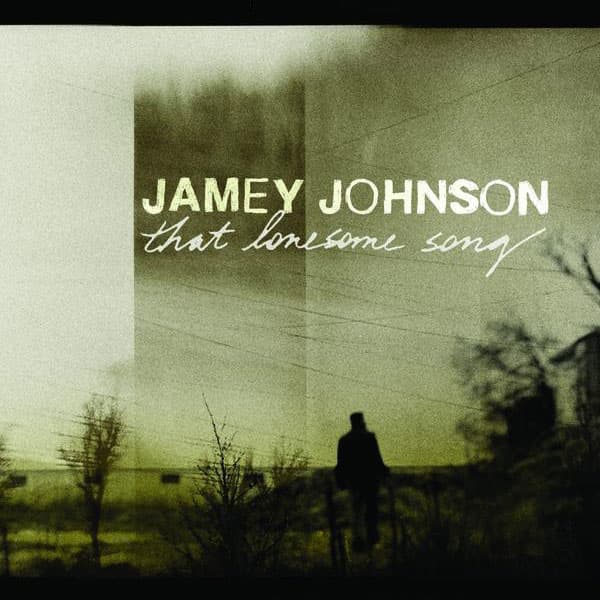
Johnson had been dropped by his label. He recorded it himself and put it online before any label would touch it again.
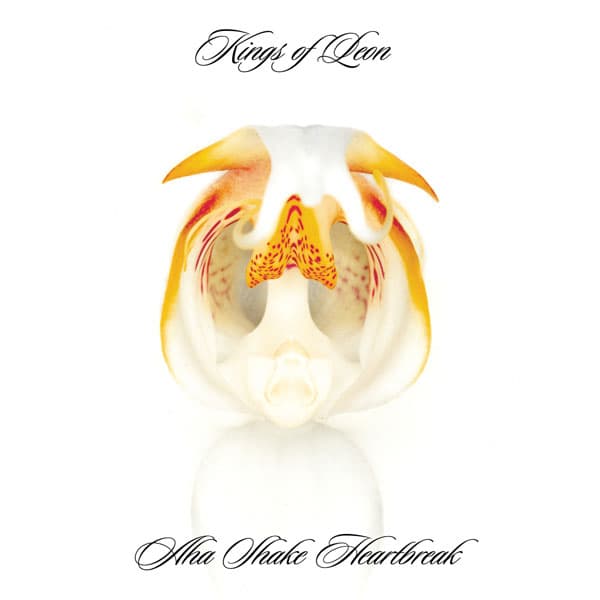
Three brothers and a cousin, raised on a Pentecostal preaching circuit, playing scrappy Southern garage rock. Britain loved it years before America noticed.

Rostam Batmanglij pitched the vocals up and down until they sound like other people, which is why the record keeps slipping out of focus.
The band said they wanted to make records girls could dance to, and rehearsed in a derelict Glasgow warehouse they had taken over.