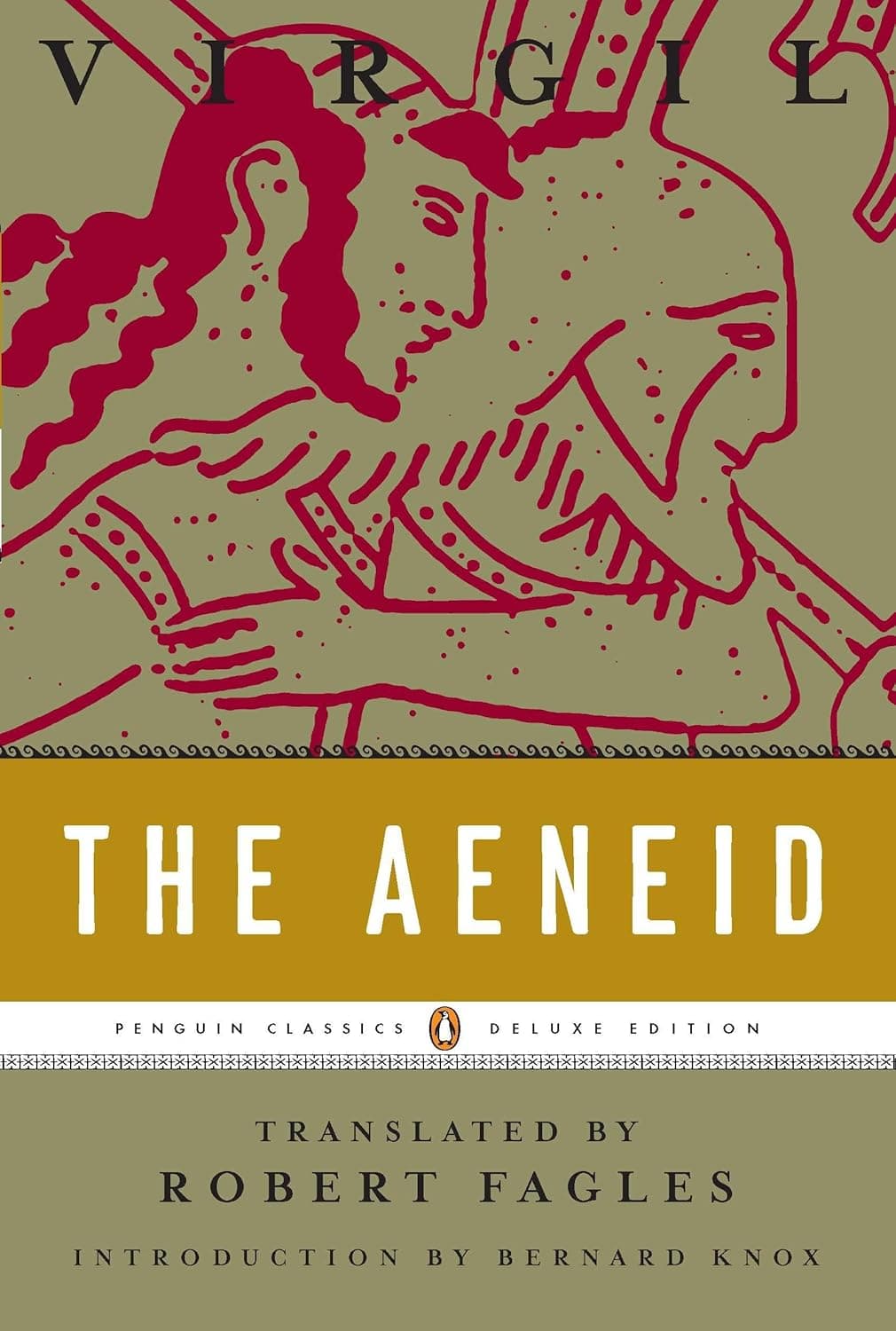
Aeneid
19 BC · 484 pages
Aeneas carries his father out of burning Troy and is sent to found Rome, abandoning the queen who loves him. Duty wins, and Dido's grief is the greatest passage in Latin poetry.
★ 9.5
 skopia
Aeneas carries his father out of burning Troy and is sent to found Rome, abandoning the queen who loves him. Duty wins, and Dido's grief is the greatest passage in Latin poetry.
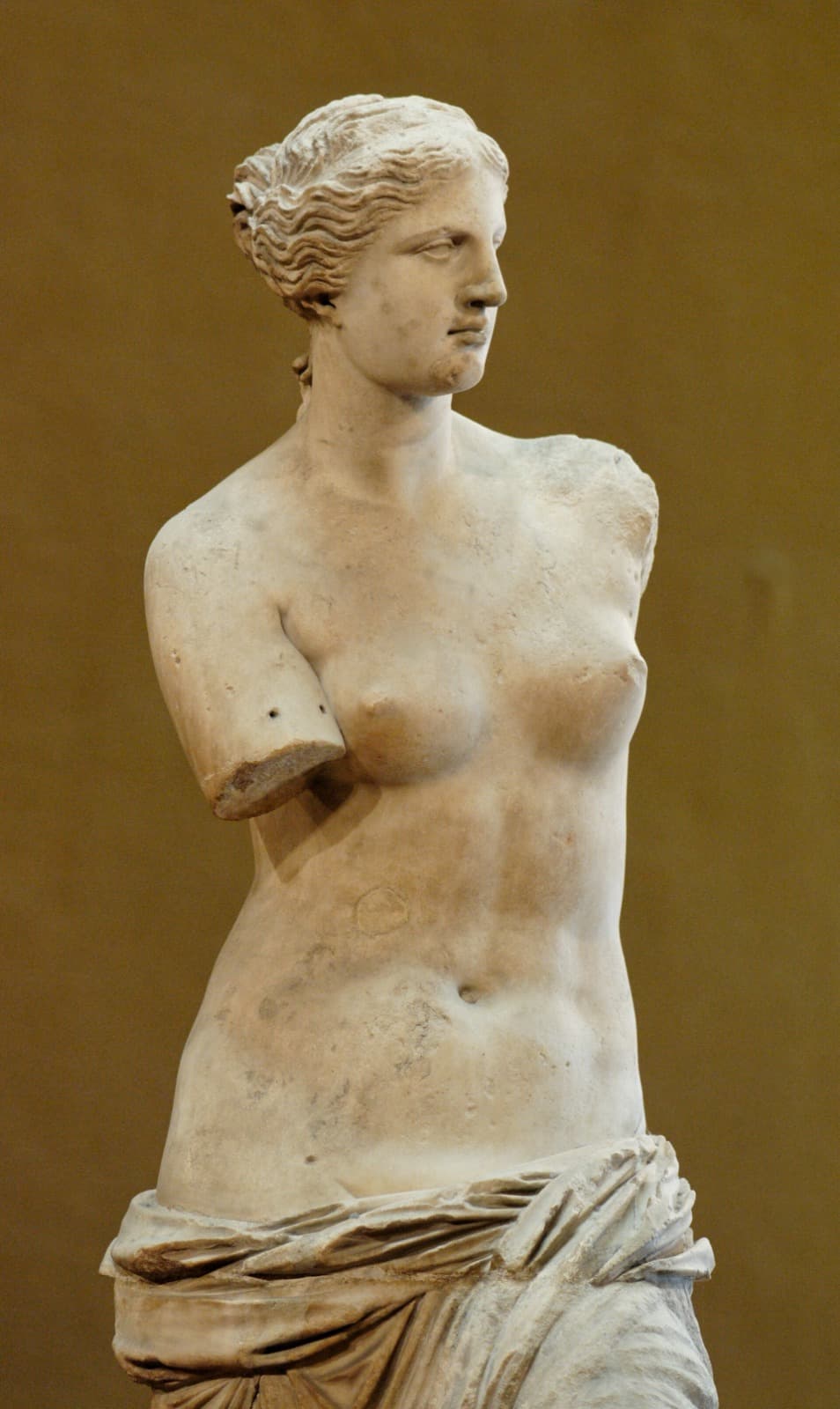
A farmer on Melos dug her up in 1820, already armless, and scholars still argue over whether she held an apple, a mirror, or her drapery.

Life-size figures act out an initiation into the cult of Dionysus around three walls, buried by Vesuvius and dug out nearly intact.

Everything is atoms falling through empty space, Lucretius argues in Latin verse, your soul included, and it dies when your body does. He wrote the poem to cure his readers of fearing death.

Castrated rather than executed for defending a general, Sima Qian lived to finish his history: twenty-five centuries of China told through emperors, assassins, and merchants. The portraits are alive on the page.
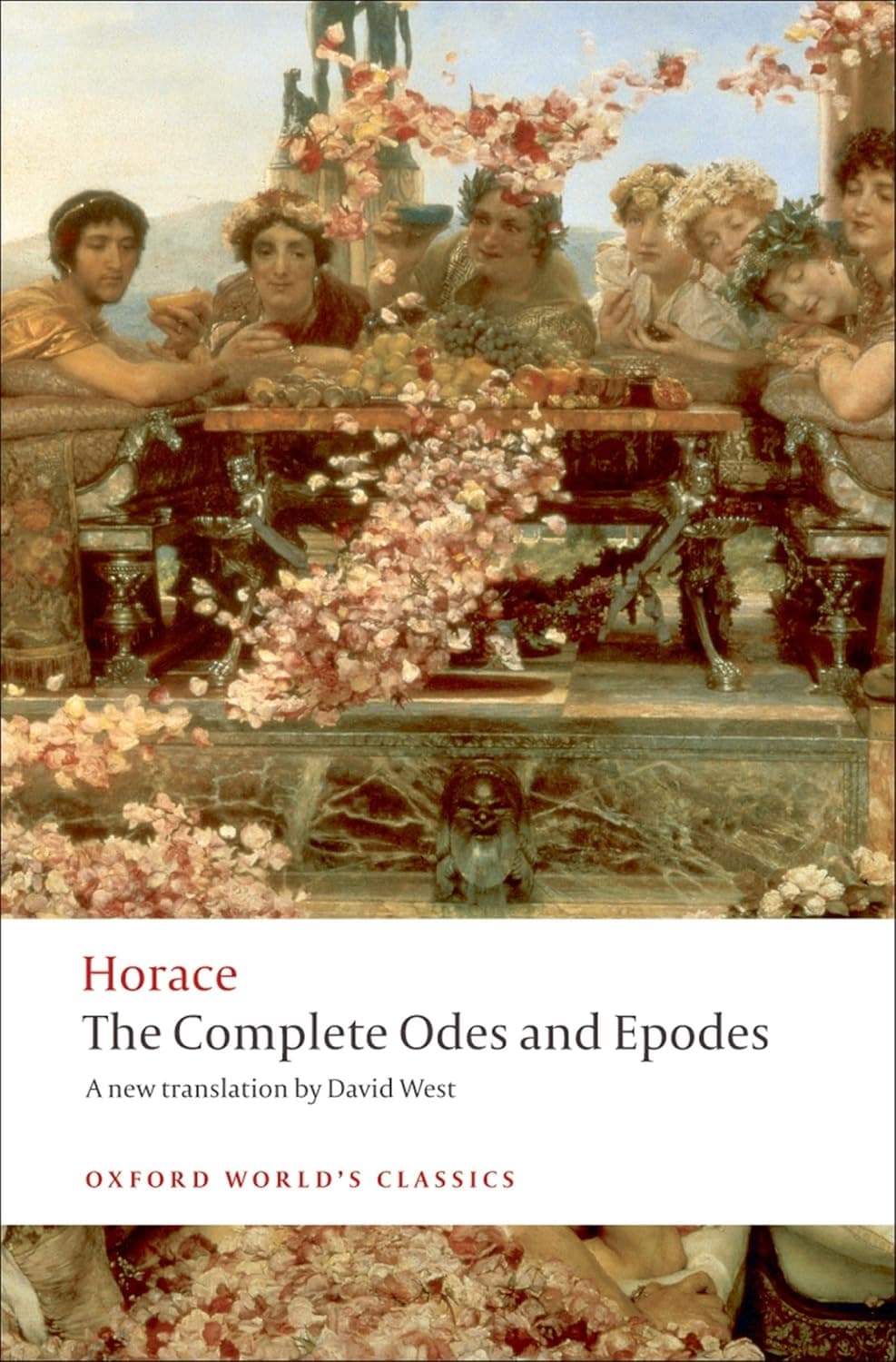
Horace compresses wine, friendship, and the certainty of death into stanzas of exact and unhurried form, the summit of Latin lyric. Carpe diem is his line, and in context it is not cheerful.
Latin love poetry begins with Catullus, counting kisses by the thousand for the aristocrat he calls Lesbia and then admitting he hates and loves her at once. The obscenity still stings.
Cicero tells his son what a decent person owes everyone: keep your word, harm nobody, and stop believing a shameful act can pay. Real Roman cases of profit against honesty carry the argument.
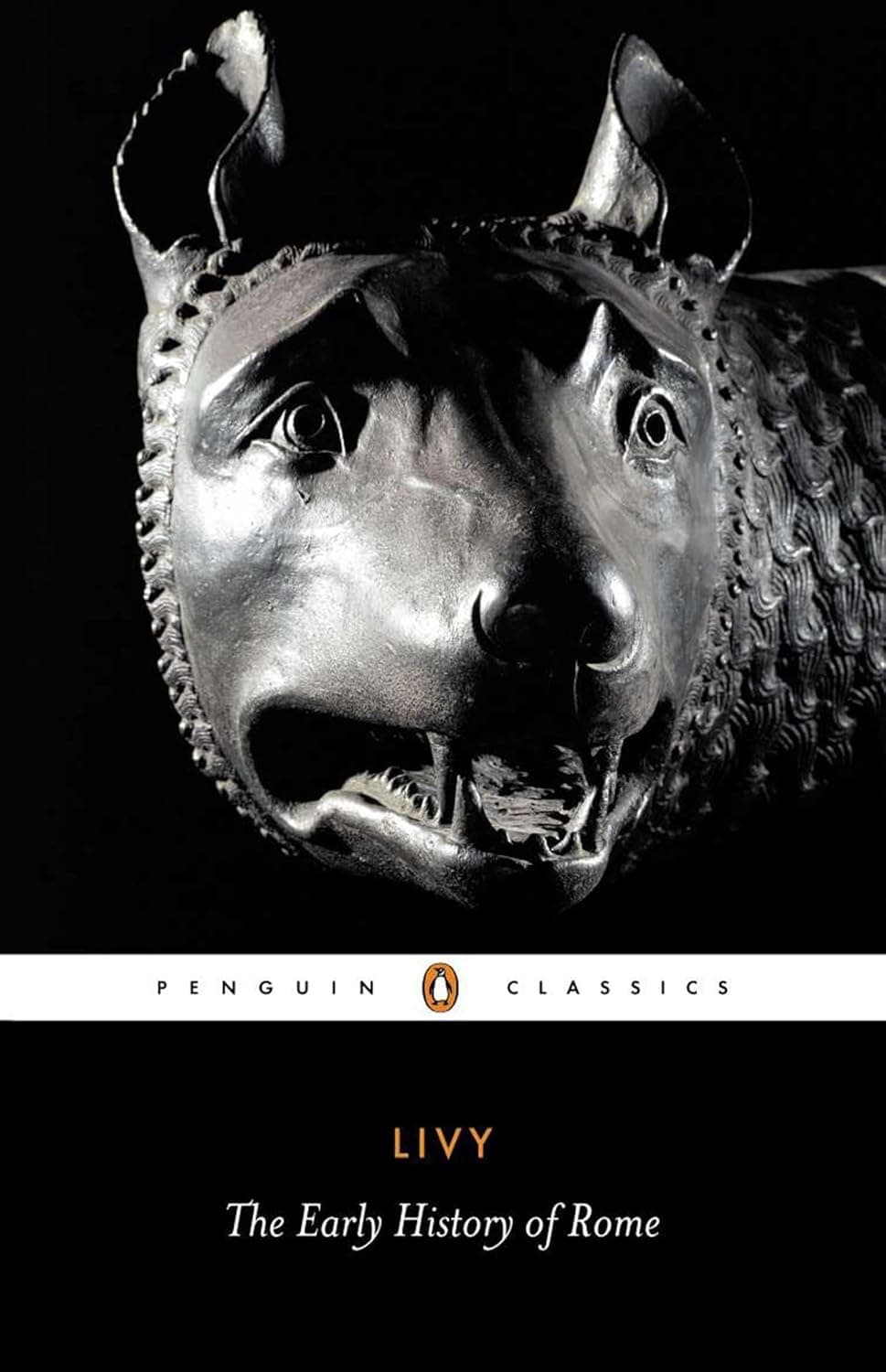
Livy tells Rome's story from the wolf and the twins onward, pausing on the people whose conduct he believes made the city. These are the legends Europe retold for two thousand years.
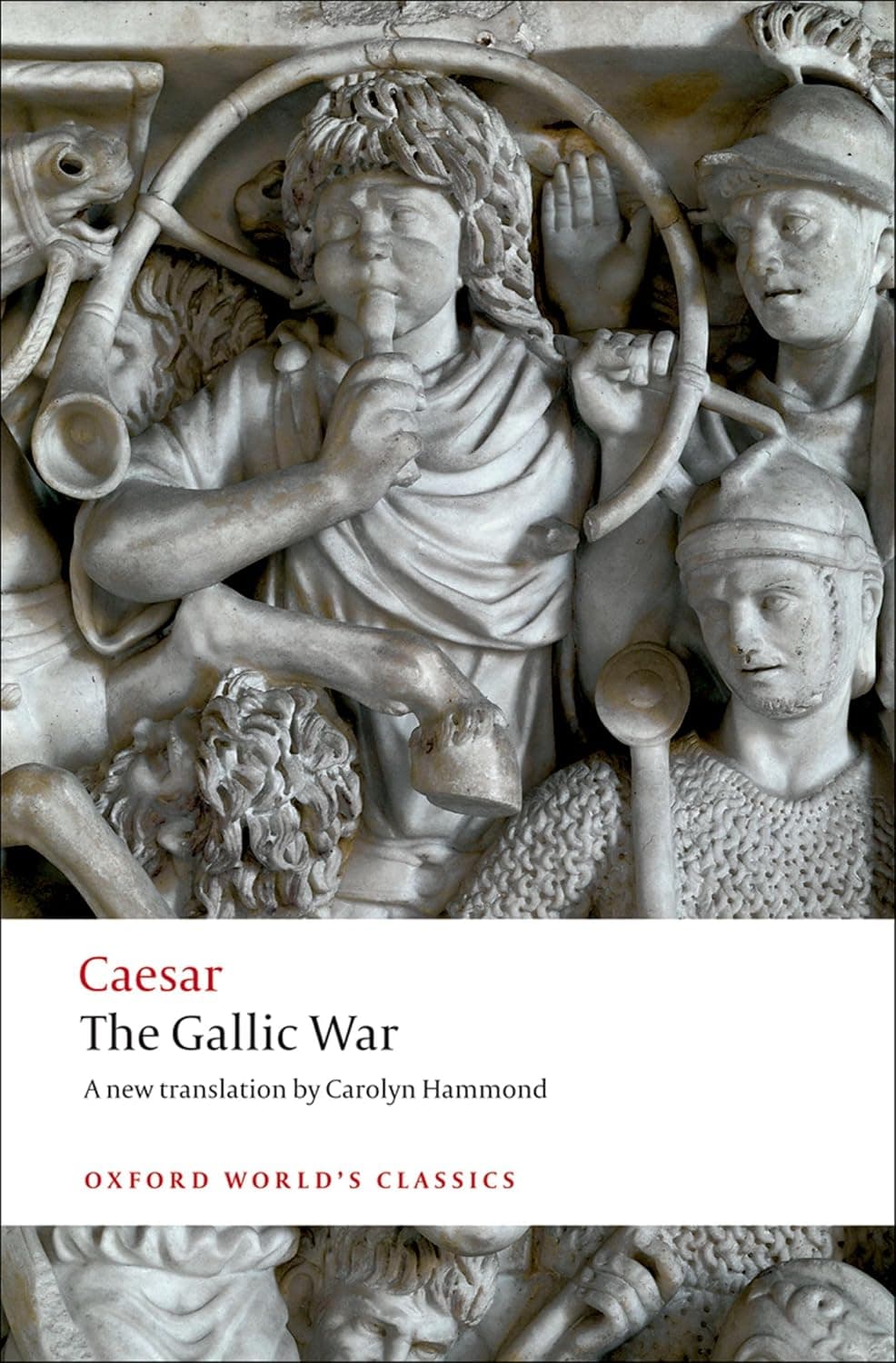
Caesar reports his own conquest of Gaul in the third person, equally calm about bridge building and massacre. The Latin is so clean that students still learn the language on it.