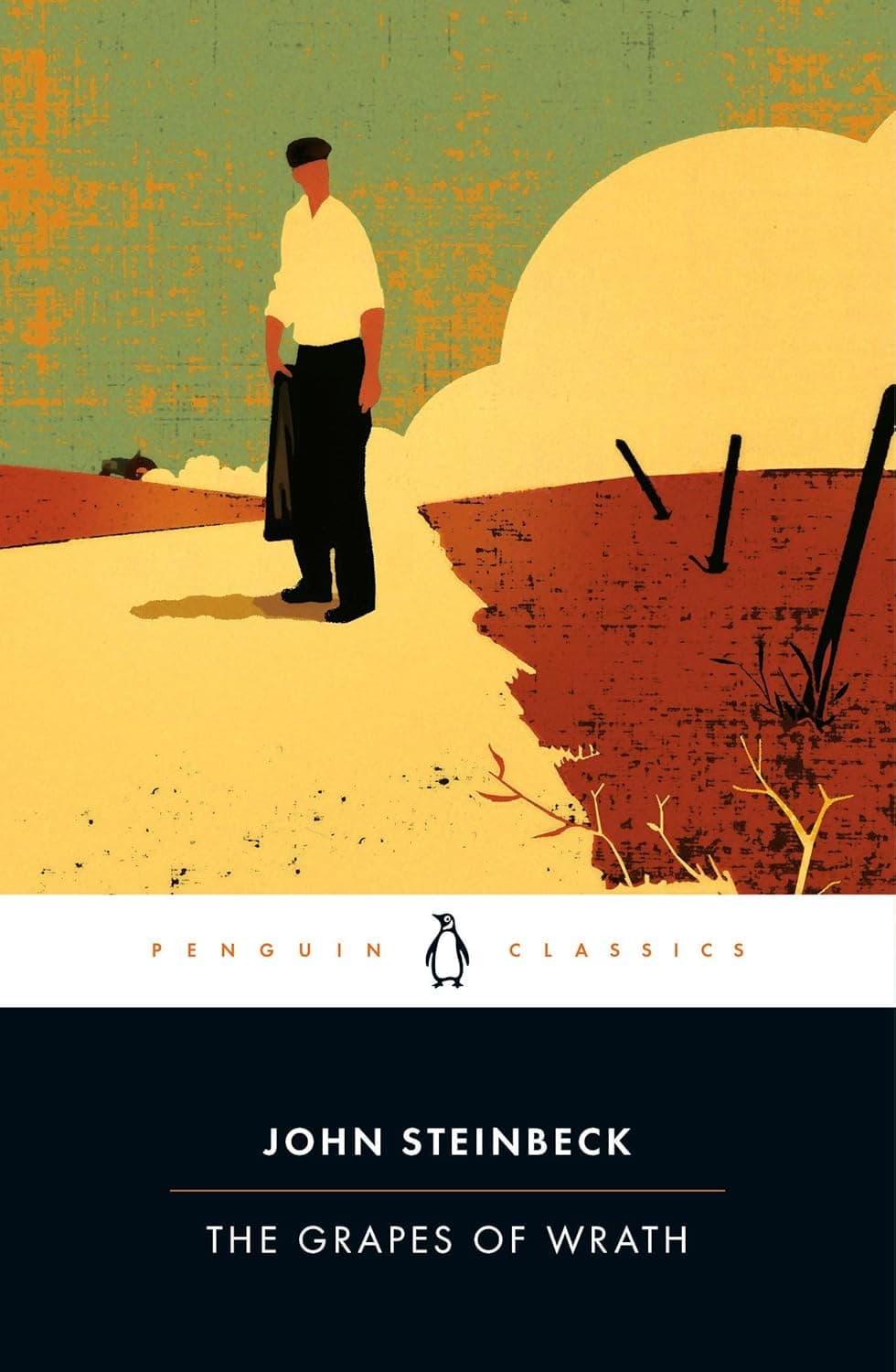
The Grapes of Wrath
1939 · 464 pages
The Joads lose their Oklahoma farm and drive west to California, where the promised work is a lie. Steinbeck's fury at what was done to them still comes off the page.
★ 9.0
 skopia
The Joads lose their Oklahoma farm and drive west to California, where the promised work is a lie. Steinbeck's fury at what was done to them still comes off the page.
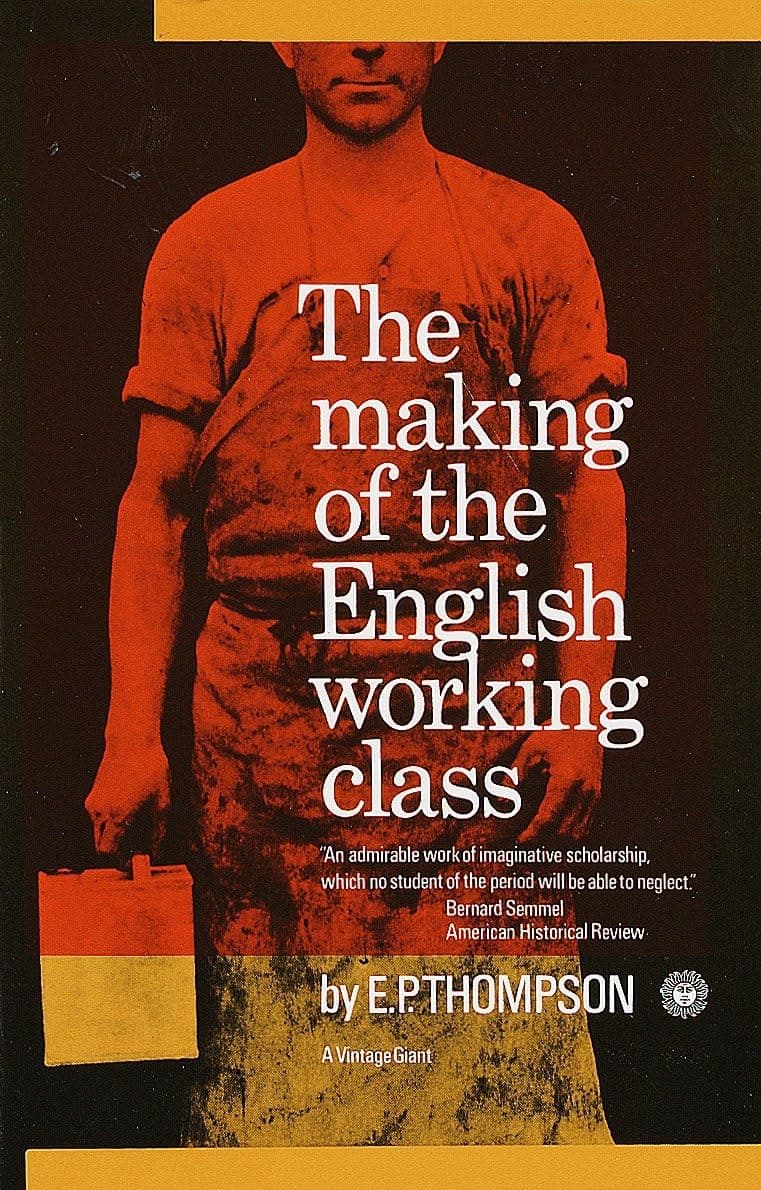
Thompson follows English weavers, artisans, and radicals from the 1780s to the 1830s and shows them making themselves into a class. He wrote to rescue them from the enormous condescension of posterity.
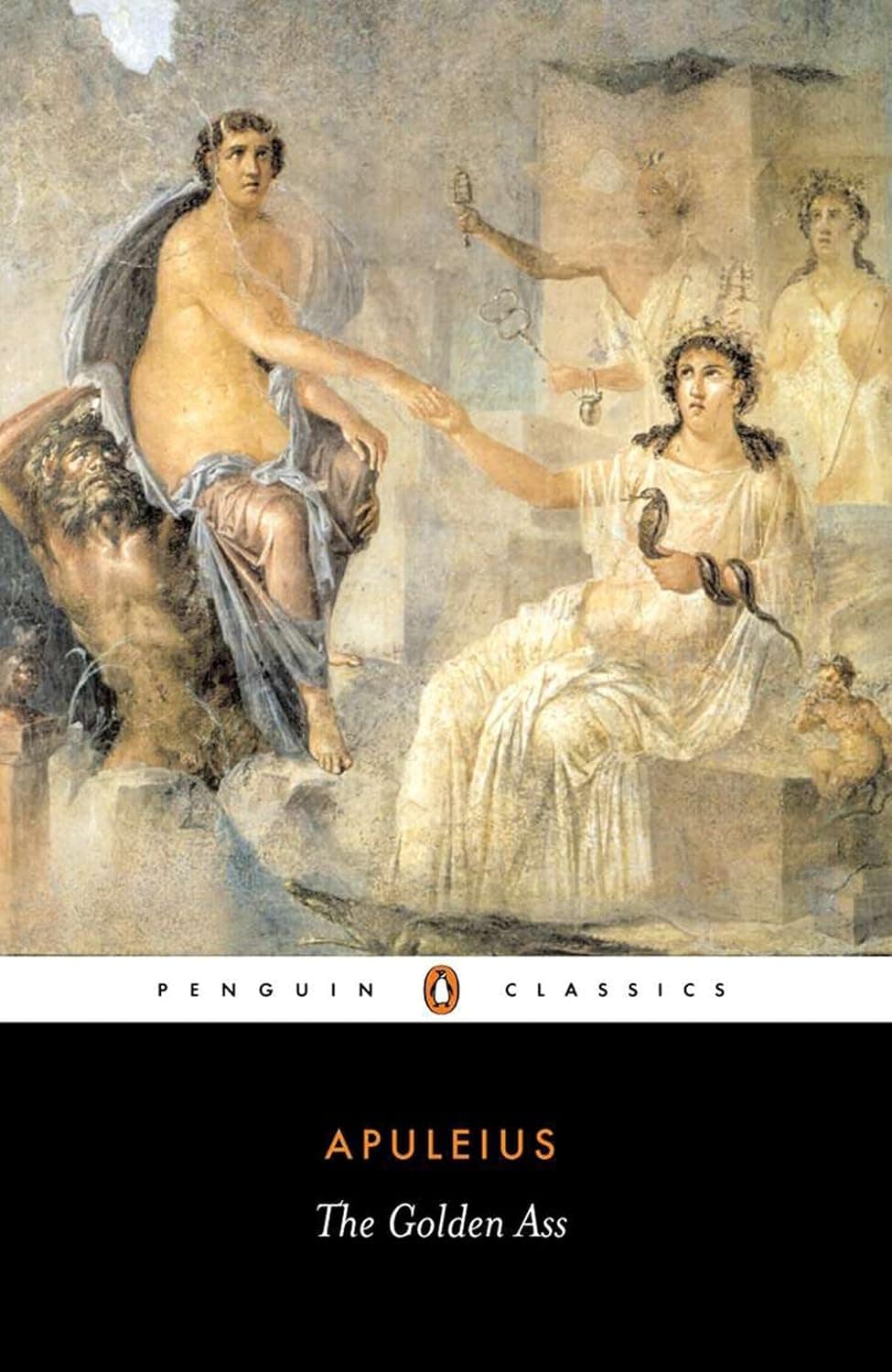
Meddling with magic, Lucius turns himself into a donkey and is beaten from owner to owner across Greece. The tale of Cupid and Psyche sits at the center, and the ending turns holy.
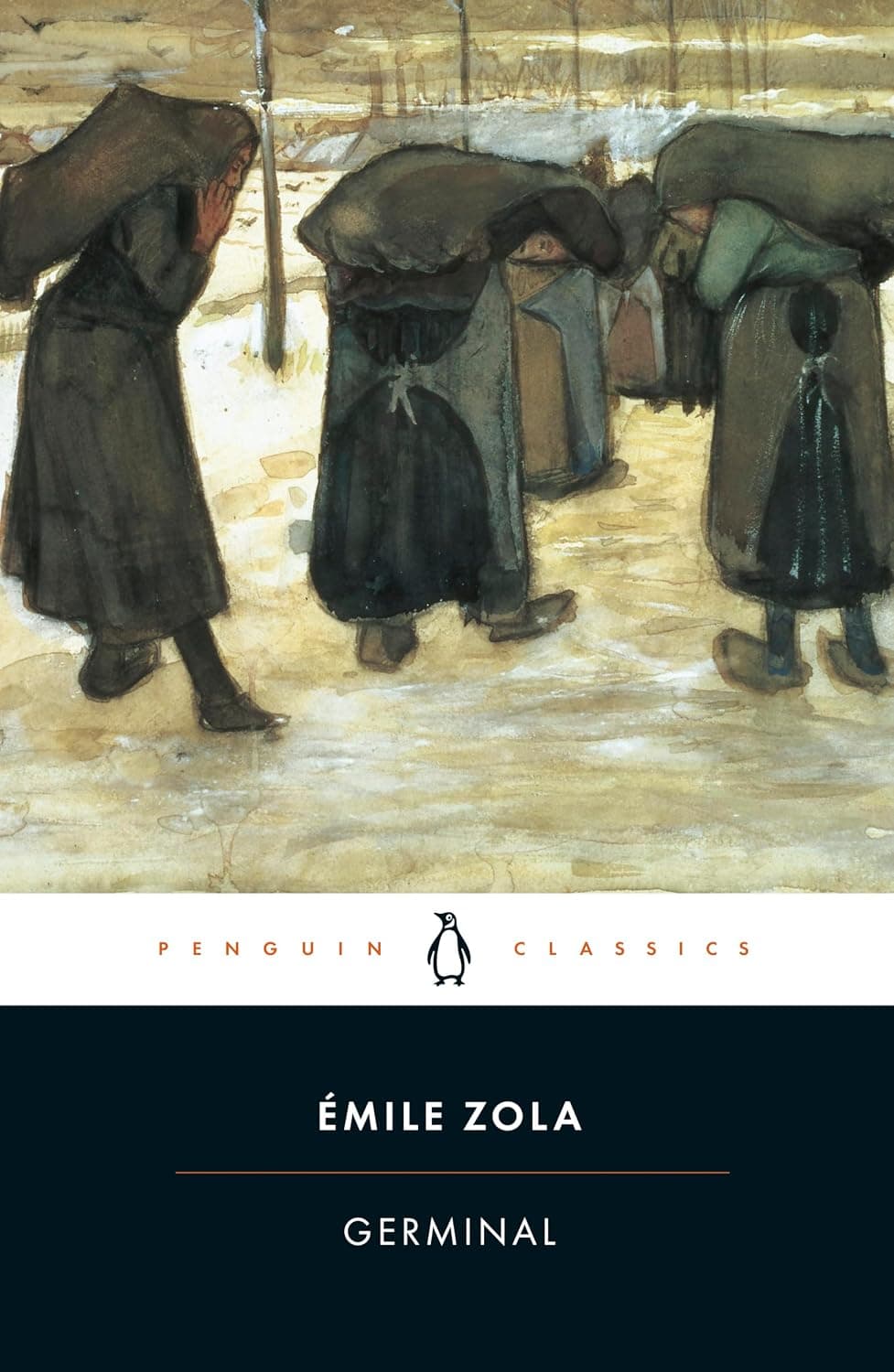
Etienne Lantier takes work in a French coal pit and talks the starving miners into striking. Zola went down a real mine to write this, and you feel the rock overhead.
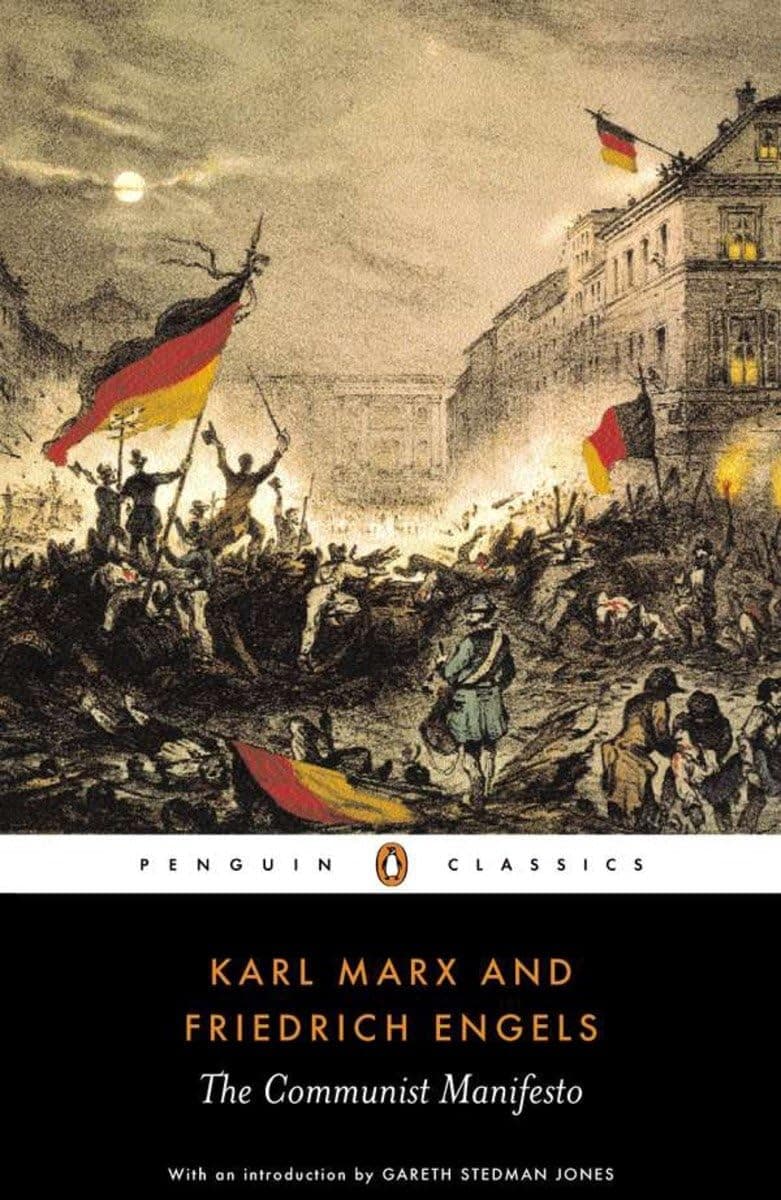
A spectre is haunting Europe, Marx and Engels announce, then read all recorded history as class struggle and hand the workers of the world a program. No pamphlet has moved more people.

Seventeen-hour shifts in a Paris restaurant kitchen, then the tramps' road between London workhouses. Orwell went into poverty himself and came back able to describe what hunger does to a mind.
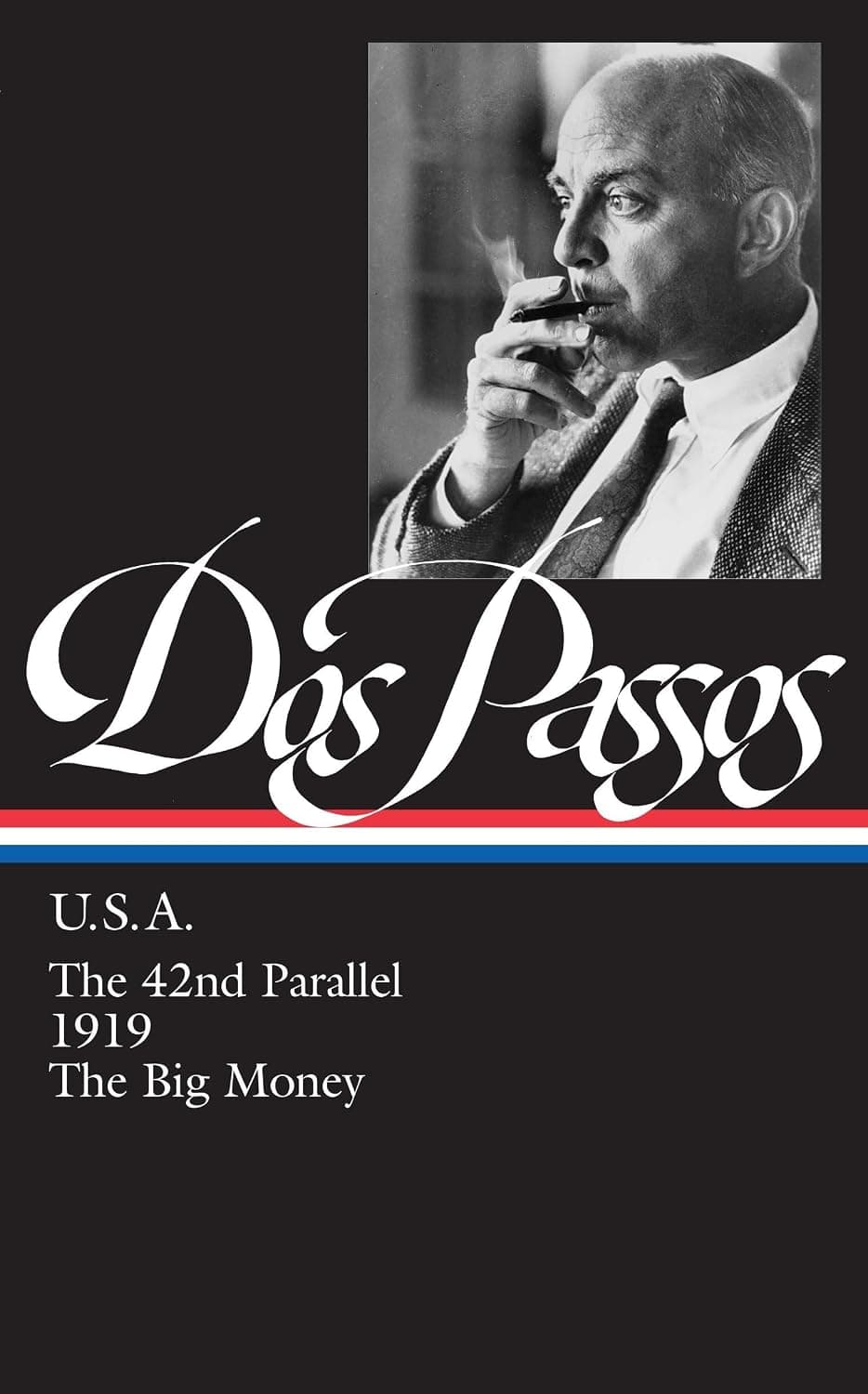
No American novel takes in more of the country. Dos Passos cuts fictional lives against newspaper headlines, song lyrics, and portraits of Henry Ford and Woodrow Wilson, covering the century's first three decades.

George looks after Lennie, huge and slow-witted, across the California ranches, and the two of them keep describing a farm they mean to buy. Steinbeck presses the Depression into that dream.

Hoggart set down working-class Leeds as he had lived it, then indicted the slick magazines displacing it. Seven years later he founded the Birmingham center that made popular culture an academic discipline.
Terkel put a tape recorder before a gravedigger, a receptionist, a steelworker, and asked what the day costs them. Work is violence to the spirit as well as the body, he writes.

Banished by Mussolini to a village in the Italian south, a Turin doctor found peasants convinced Christ had stopped short of them. The book made postwar Italy confront a region it had abandoned.
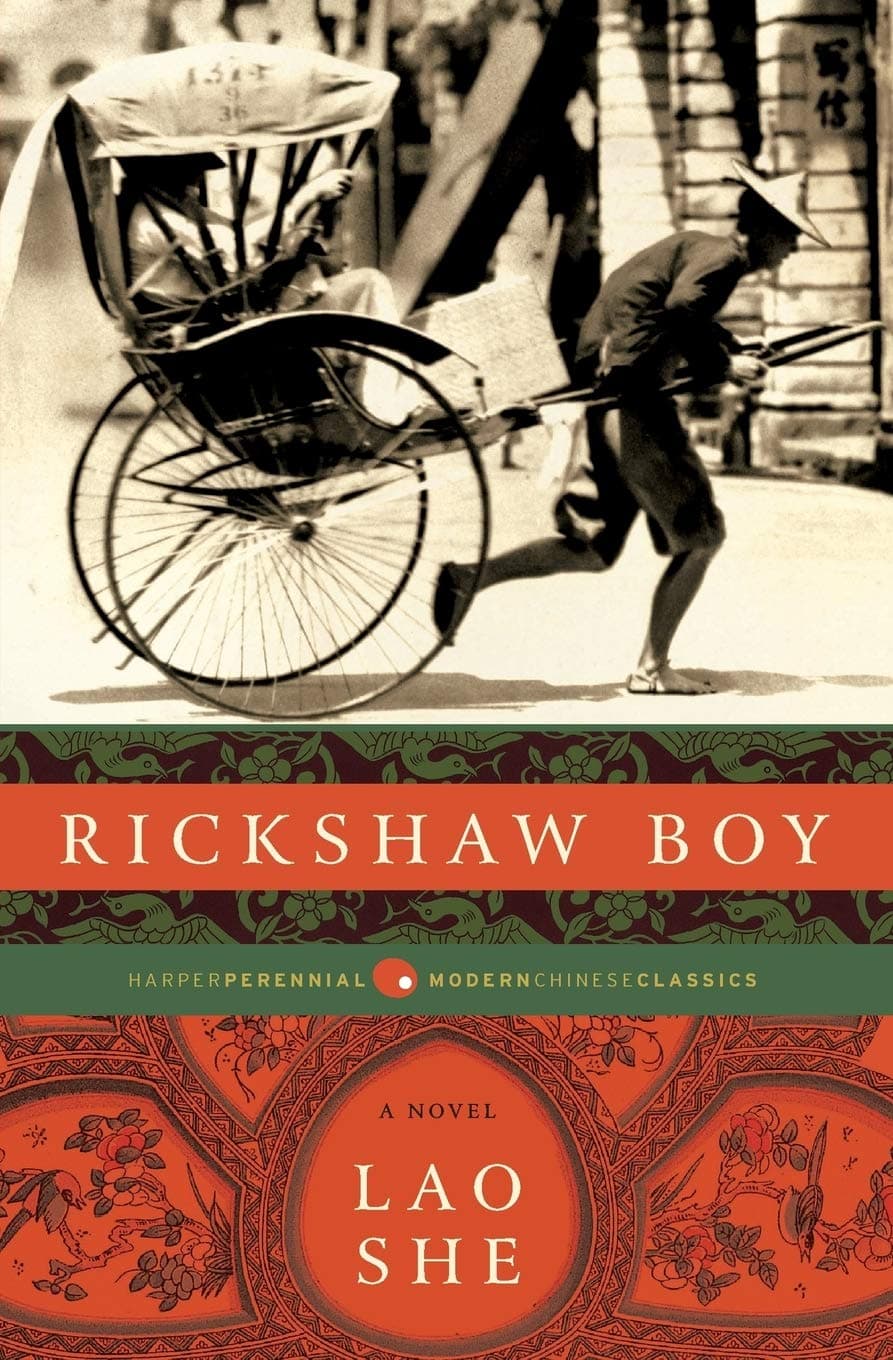
Xiangzi pulls a rented rickshaw through 1920s Beijing and wants a cart of his own. Soldiers seize the first he buys, a policeman takes his savings, and Lao She grinds him to nothing.

The philanthropists of the title are house painters who give their labor away and defend the system that ruins them. Owen, the socialist, cuts up bread to demonstrate the money trick.

Evicted tenants, migrant pickers, stockbrokers, and a man who ran for president tell Terkel what the Depression did to them. What comes through hardest is how many took the collapse as personal failure.
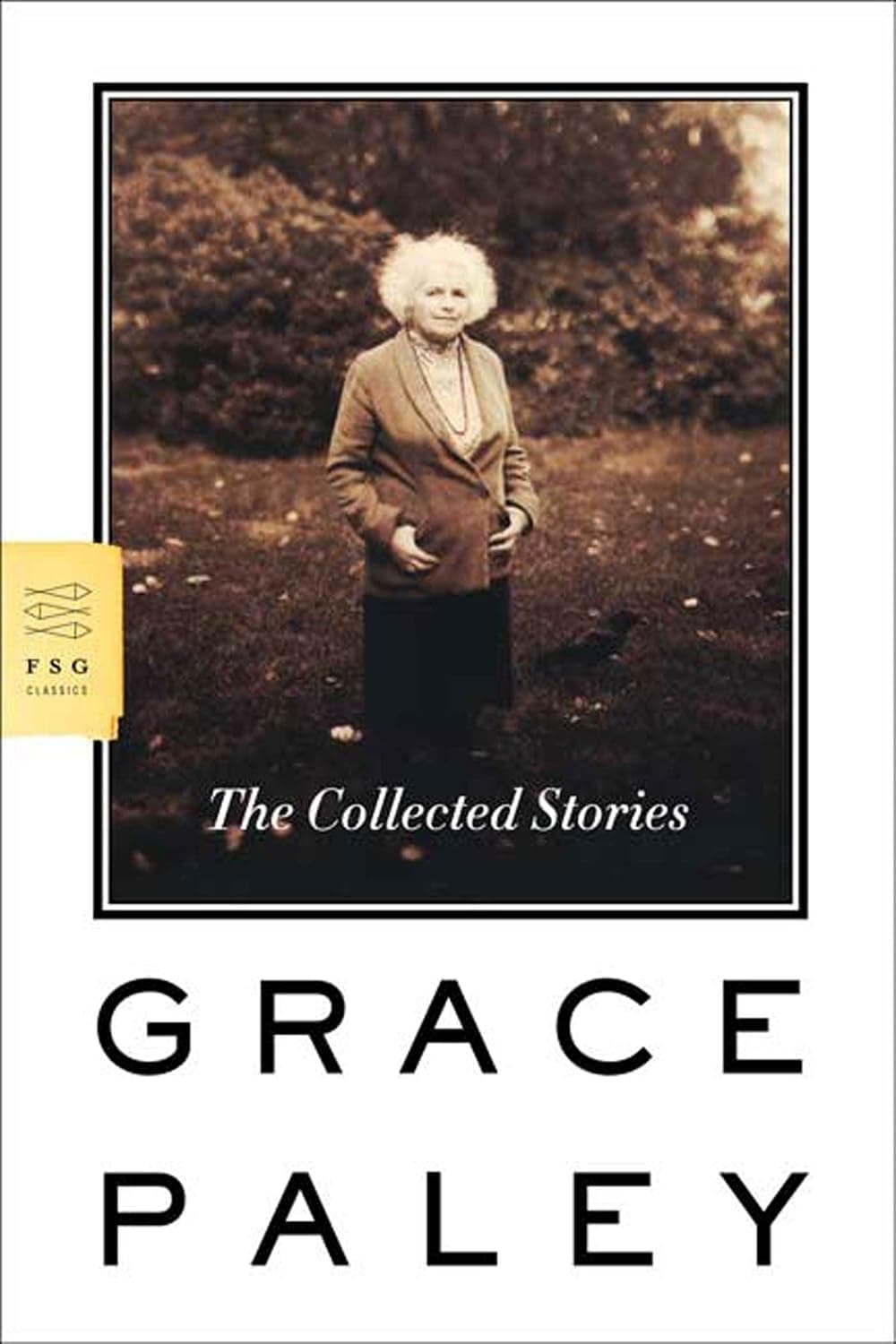
Paley wrote as people talk, in the Bronx Yiddish and Greenwich Village argument of women raising children alone, and got more life into three slim collections than most novelists manage in a career.

Ernaux's father ran a café and grocery in Normandy, terrified all his life of using the wrong word. Educated out of his class, she writes him in flat sentences that never condescend.

On the Irish Catholic South Side of Chicago, a boy leaves eighth grade certain he is somebody. Farrell tracks Studs through poolrooms, gangs, and drink into the Depression, withholding every consolation.
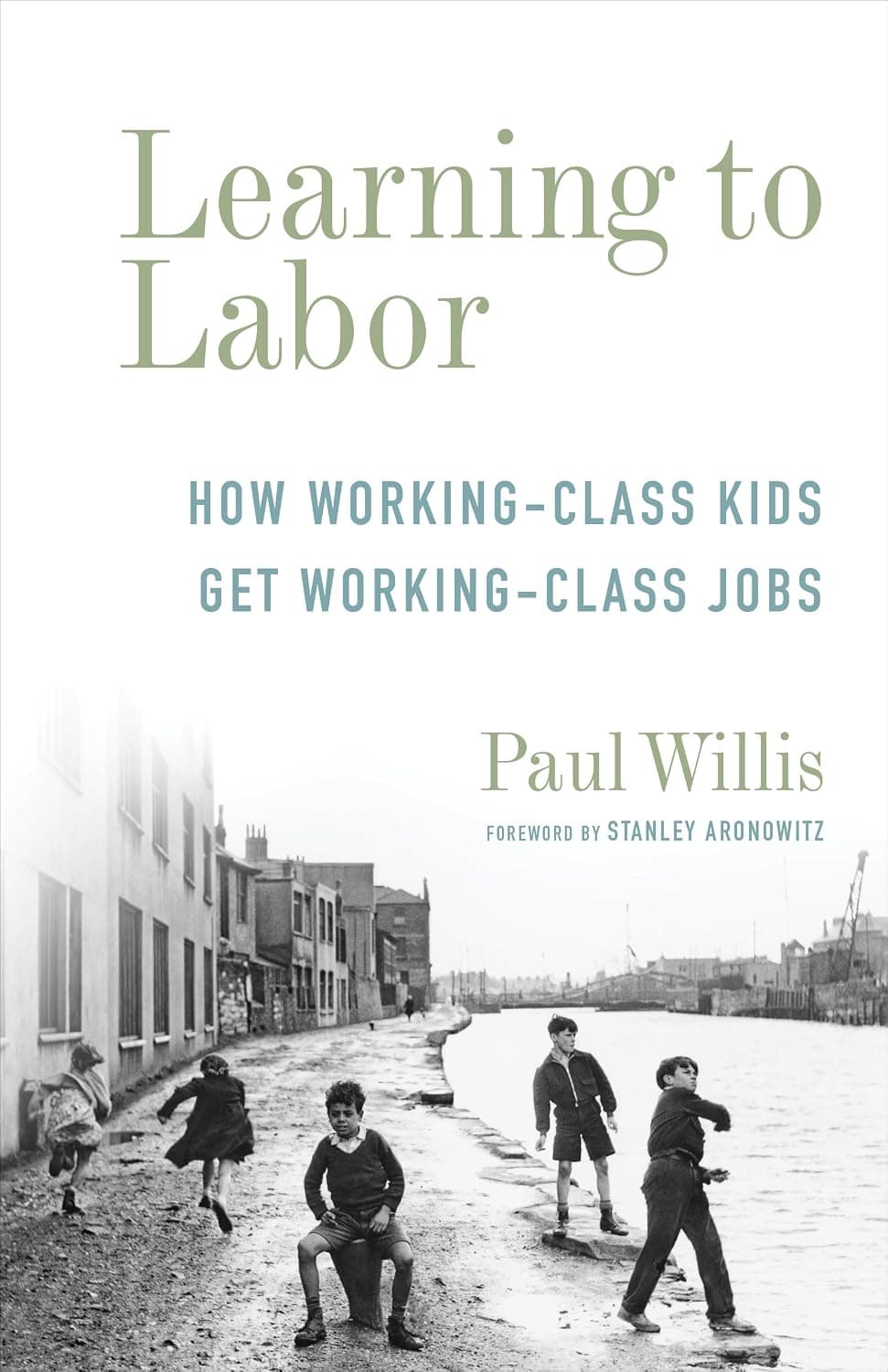
Working-class boys are not pushed into working-class jobs, Willis found: they choose them. Twelve lads at a Midlands comprehensive laugh their way through school and hand themselves to the factory floor.

Berlin cleaned houses, worked emergency rooms, raised four sons, and drank. Forty-three stories out of that life, Alaska to Mexico City, written so plainly and fast you miss how much is inside them.