The Gulag Archipelago
Solzhenitsyn served eight years in the camps, then gathered hundreds of survivors' accounts into a single prisoner's journey from arrest through interrogation to the labor gangs. Publishing it got him deported.

Solzhenitsyn served eight years in the camps, then gathered hundreds of survivors' accounts into a single prisoner's journey from arrest through interrogation to the labor gangs. Publishing it got him deported.

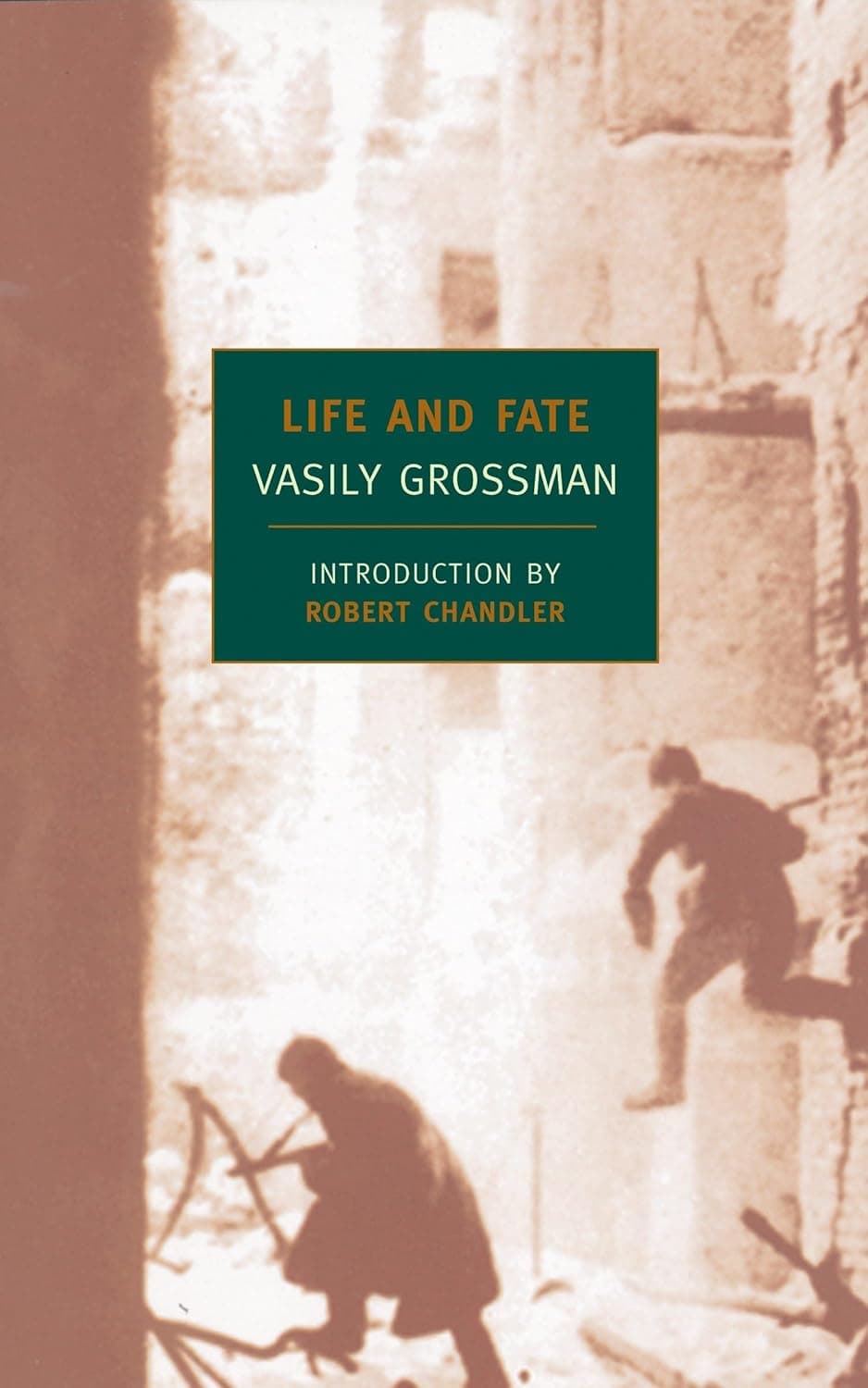
During the siege of Stalingrad, a Soviet physicist receives his mother's last letter from a Nazi ghetto. Grossman wrote the war at Tolstoy's scale and said plainly that both tyrannies were one thing.

Osip Mandelstam wrote sixteen lines mocking Stalin and died in a camp for them. His widow Nadezhda memorized the poems to keep them alive, then set down exactly how the fear worked.

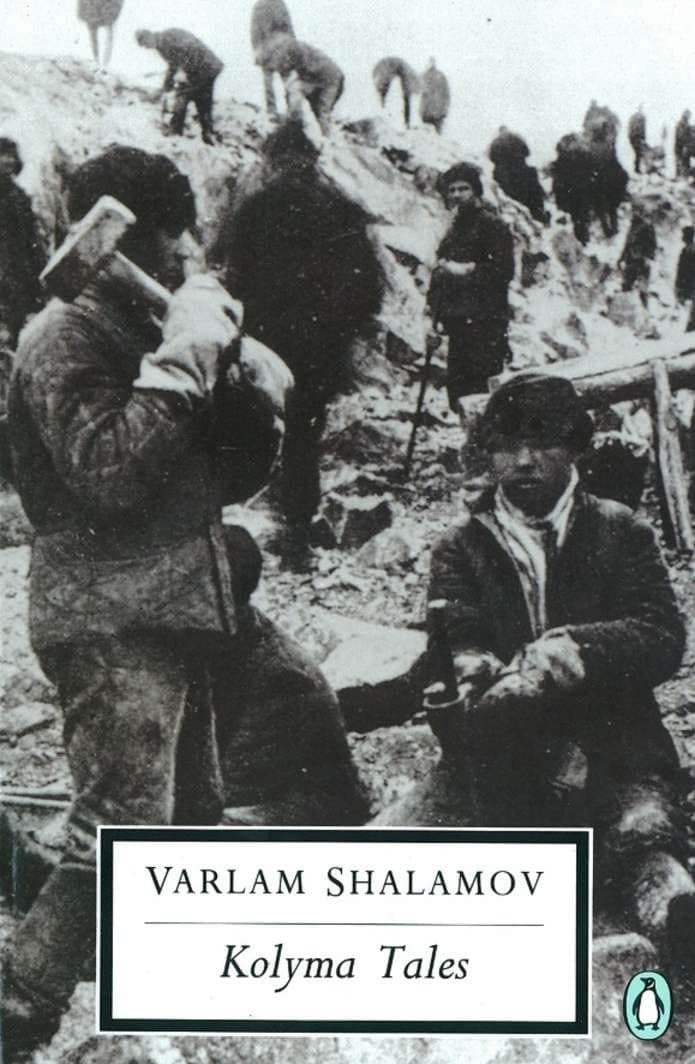
Shalamov spent seventeen years in the Kolyma camps. His stories are short, about frostbite and stolen bread and men too weak to lift a shovel, and he insists that suffering teaches nothing.

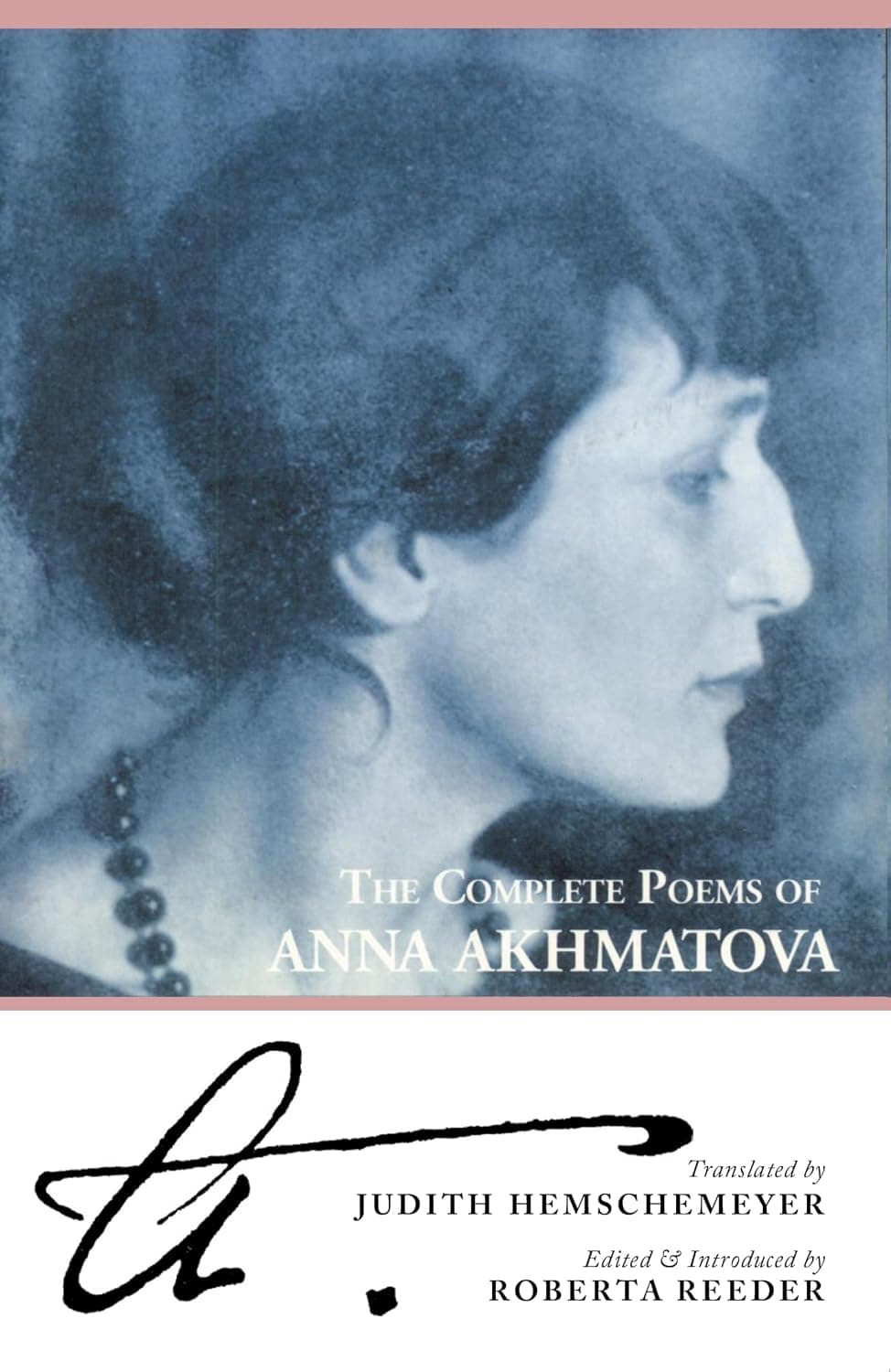
Waiting outside a Leningrad prison with a parcel for her son, Akhmatova was asked whether she could describe this. Requiem was the answer. Her love lyrics have the same merciless exactness.

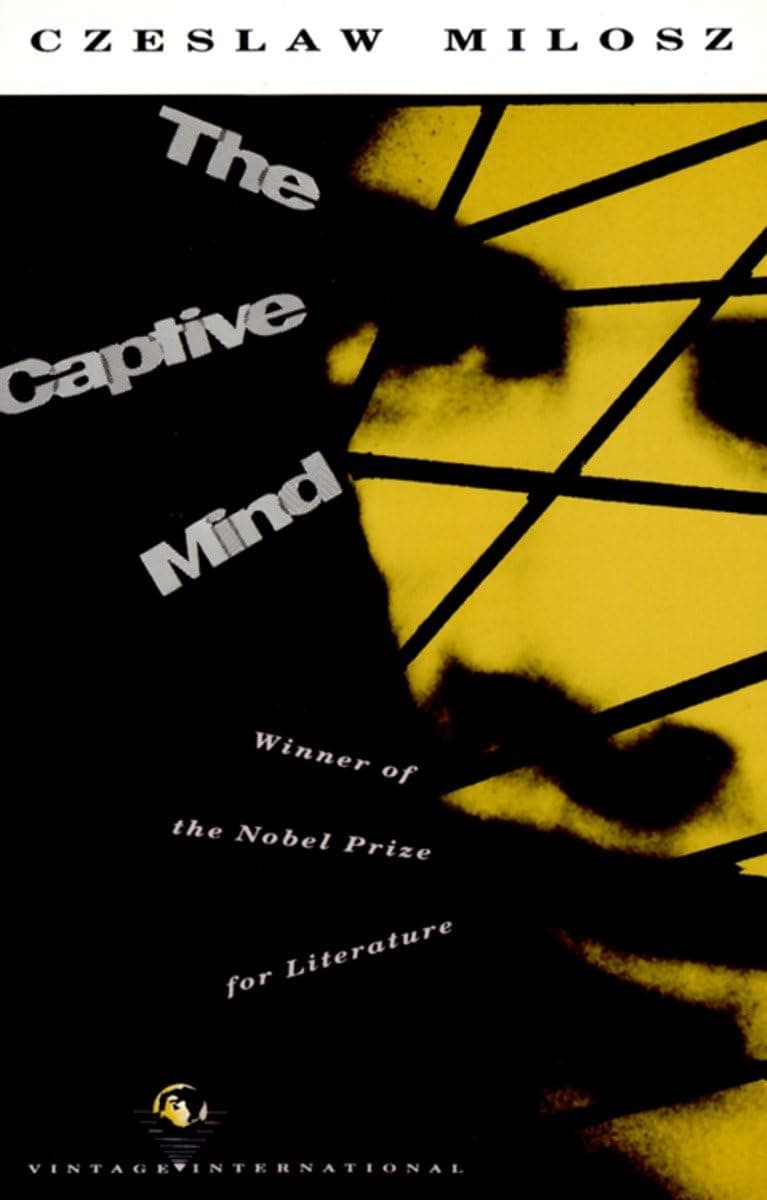
Milosz, a Polish poet who served the new regime and then defected, explains how intelligent people talked themselves into Stalinism. Ketman, he calls it: believing one thing and professing another.

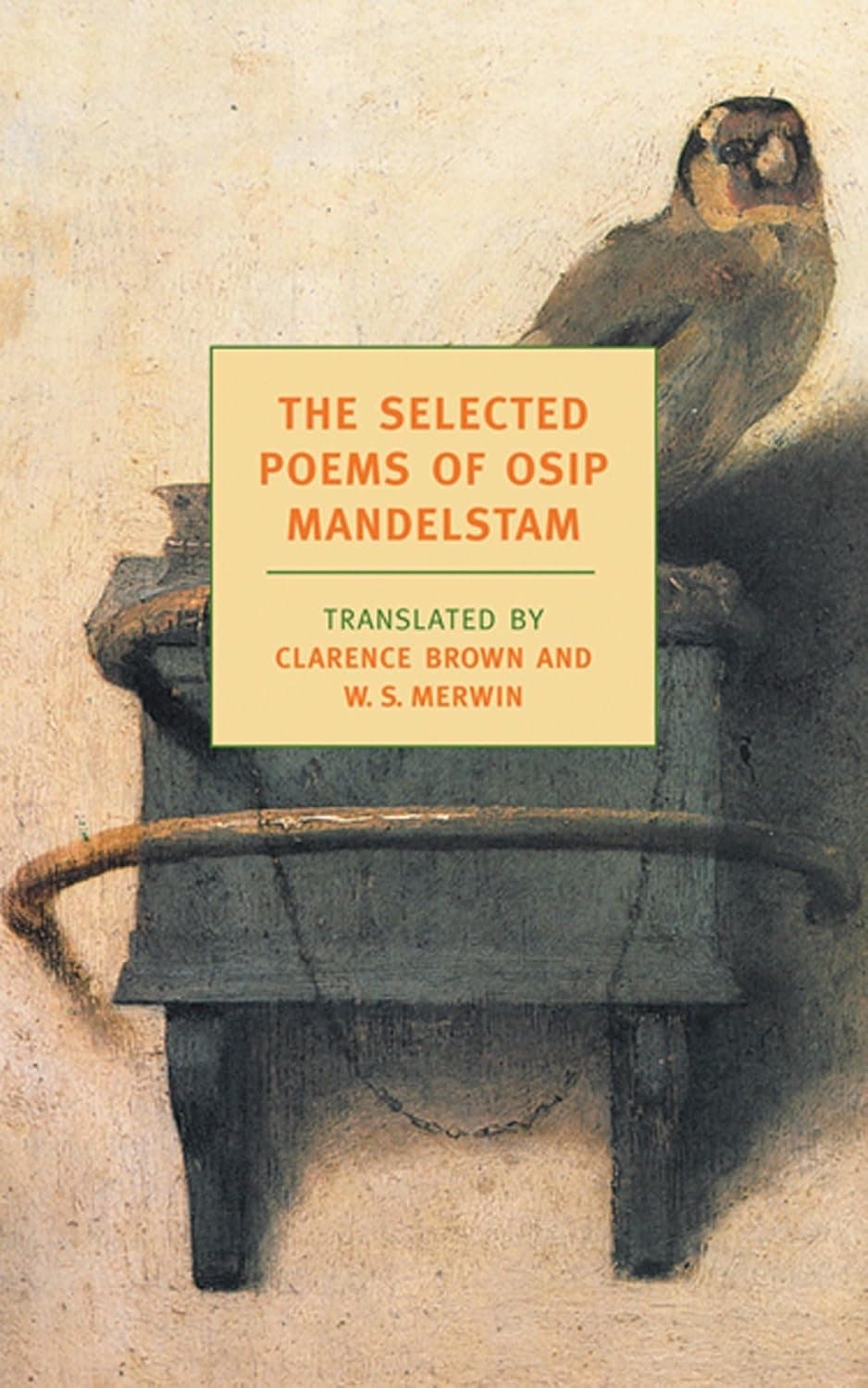
Dense, classical, and packed with Petersburg stone and Black Sea light, from a poet the state killed for sixteen lines about Stalin. His widow saved them by memorizing every one.

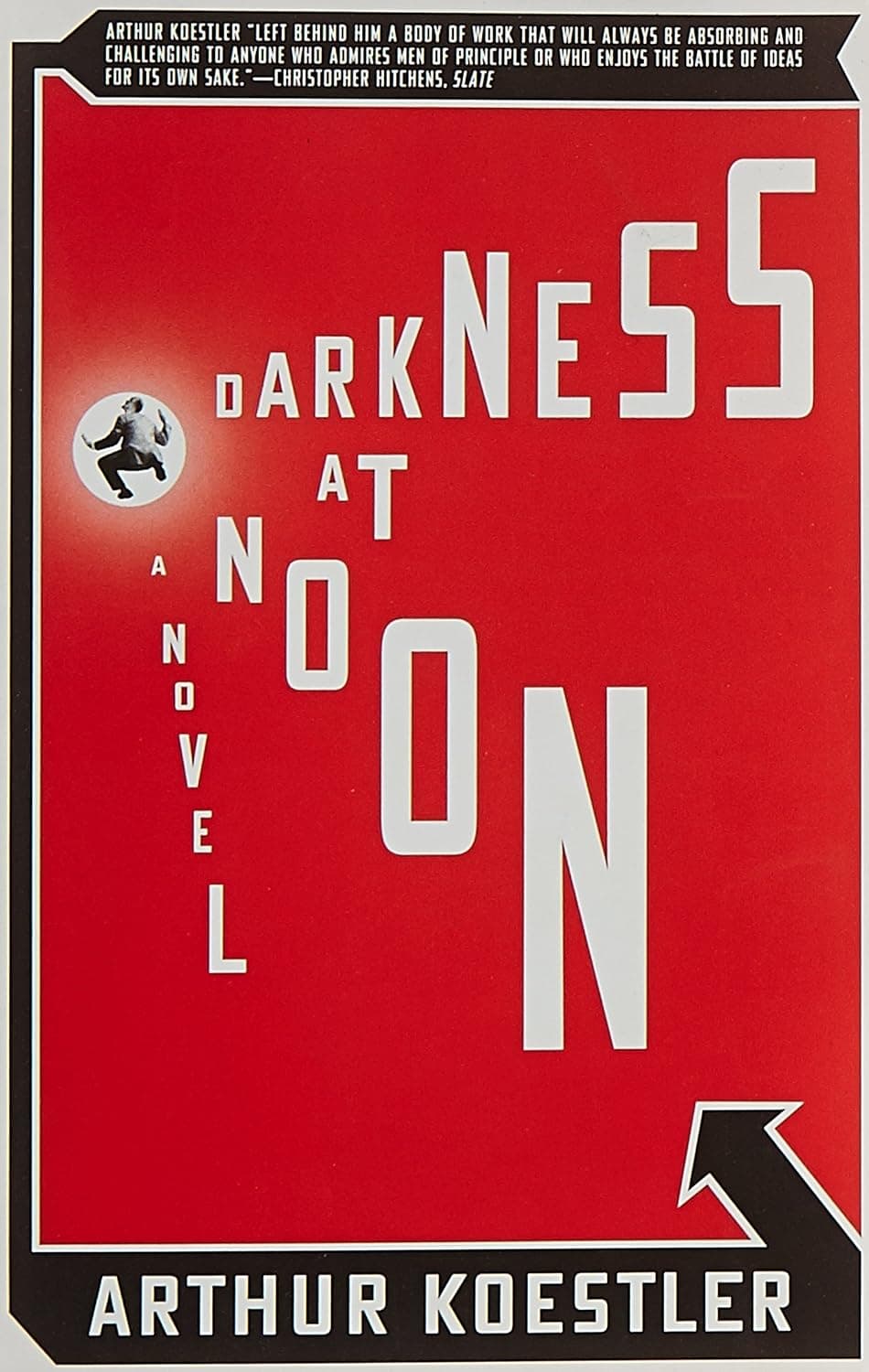
Arrested by the revolution he helped build, Rubashov confesses to crimes he never committed. The novel sold half a million copies in France and pulled a generation of Western leftists away from Moscow.

Workers dig a foundation for the building that will house the whole proletariat, and the pit keeps widening. Platonov's Russian buckles under its own slogans, and the Soviets suppressed the book until 1987.