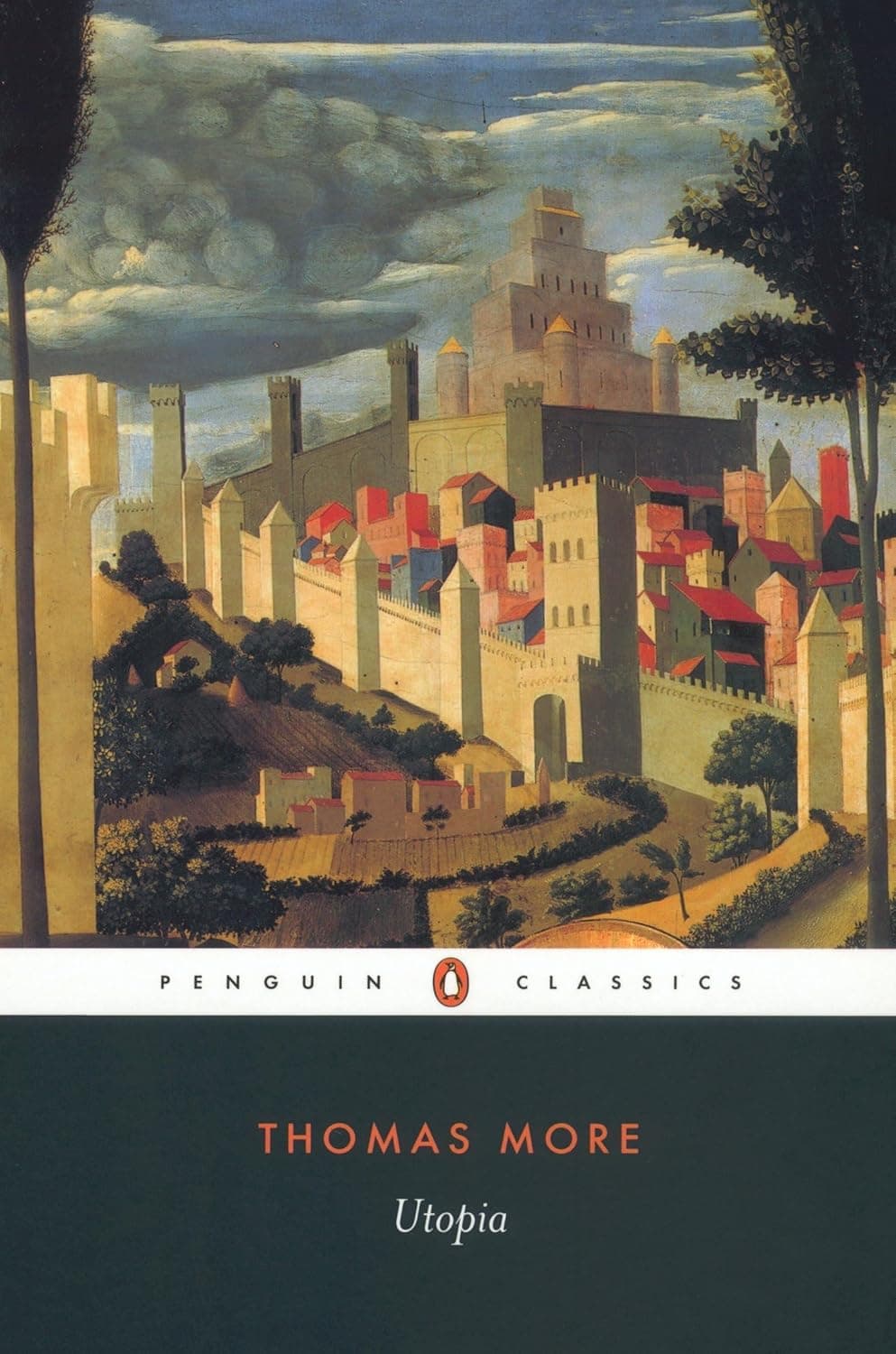
Utopia
1516 · 135 pages
On More's island nobody owns anything, everyone works six hours a day, and gold goes into chamber pots. More invented the word utopia for it and the literature of the ideal society followed.
★ 7.3
 skopia
On More's island nobody owns anything, everyone works six hours a day, and gold goes into chamber pots. More invented the word utopia for it and the literature of the ideal society followed.
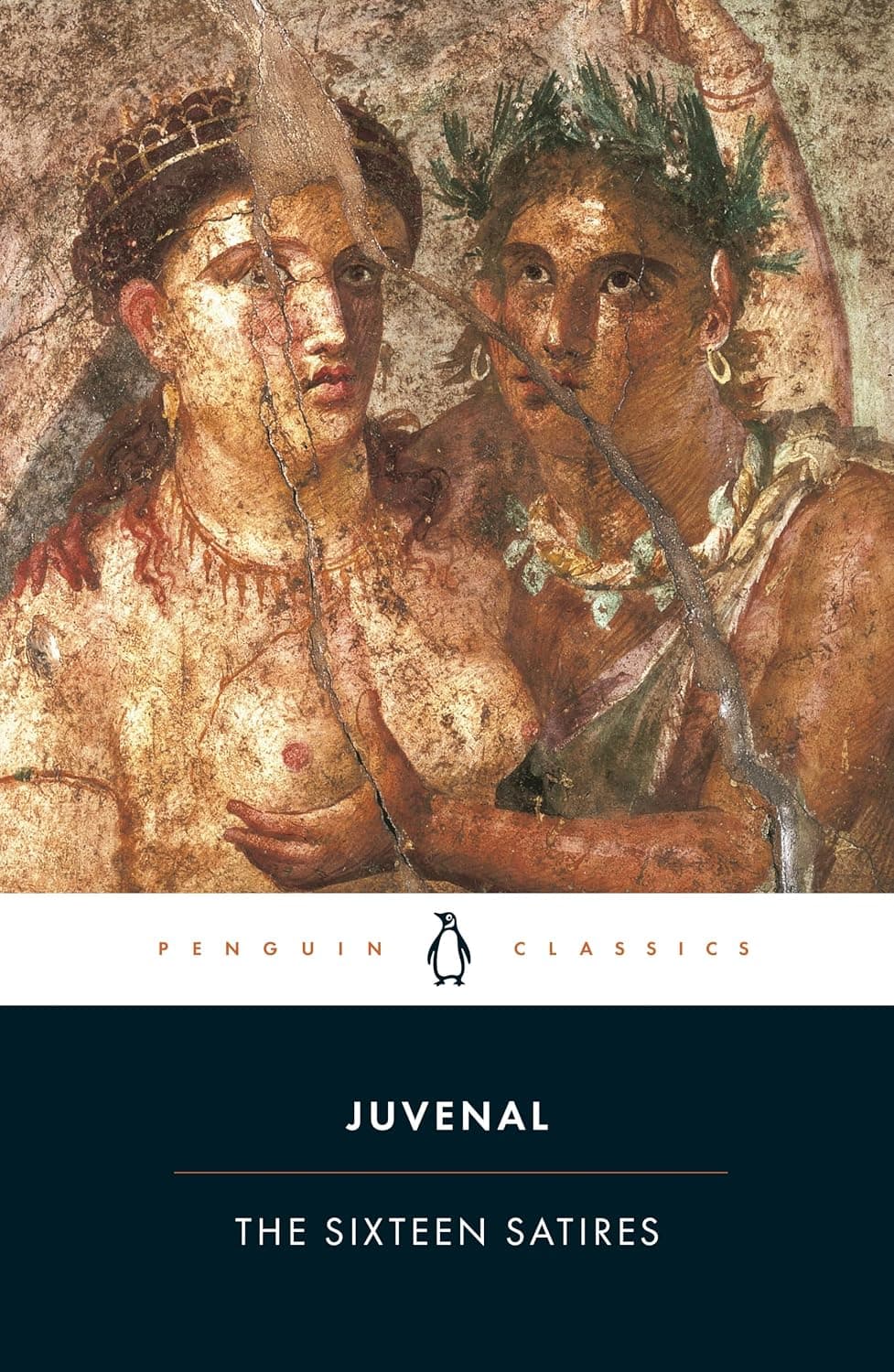
Bread and circuses came from here, and so did the line about guarding the guards. Juvenal turns sixteen poems of fury on imperial Rome, where an honest man cannot afford to live.

Smith argues that conscience is imagined company: we judge ourselves by picturing an impartial spectator and wanting his approval. The economist famous for self-interest built his moral system on fellow feeling.
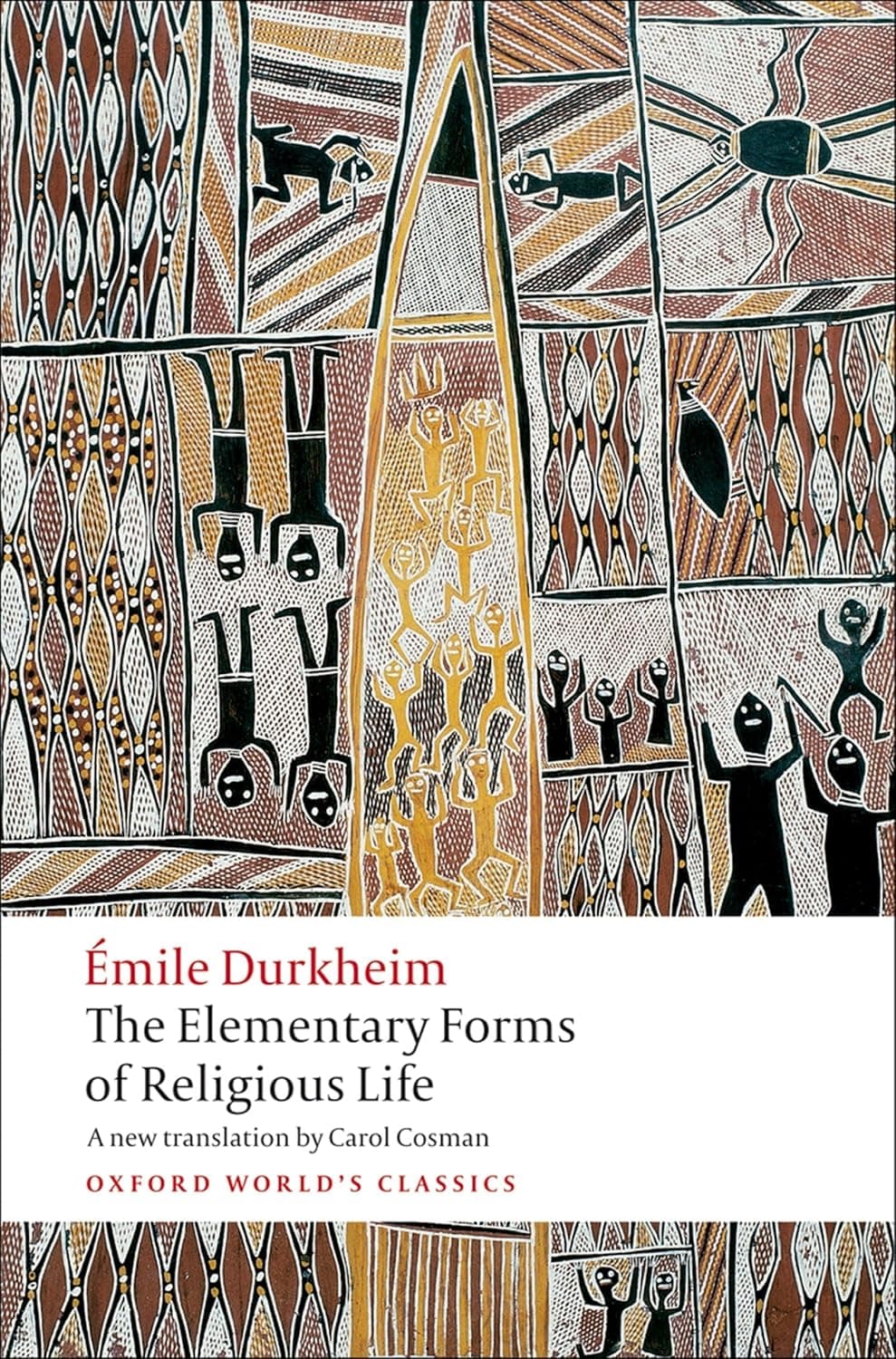
Religion is society worshiping itself. Durkheim builds the case from Australian Aboriginal totemism: a clan gathers, works itself into collective frenzy, feels a force greater than any member, and calls it a god.
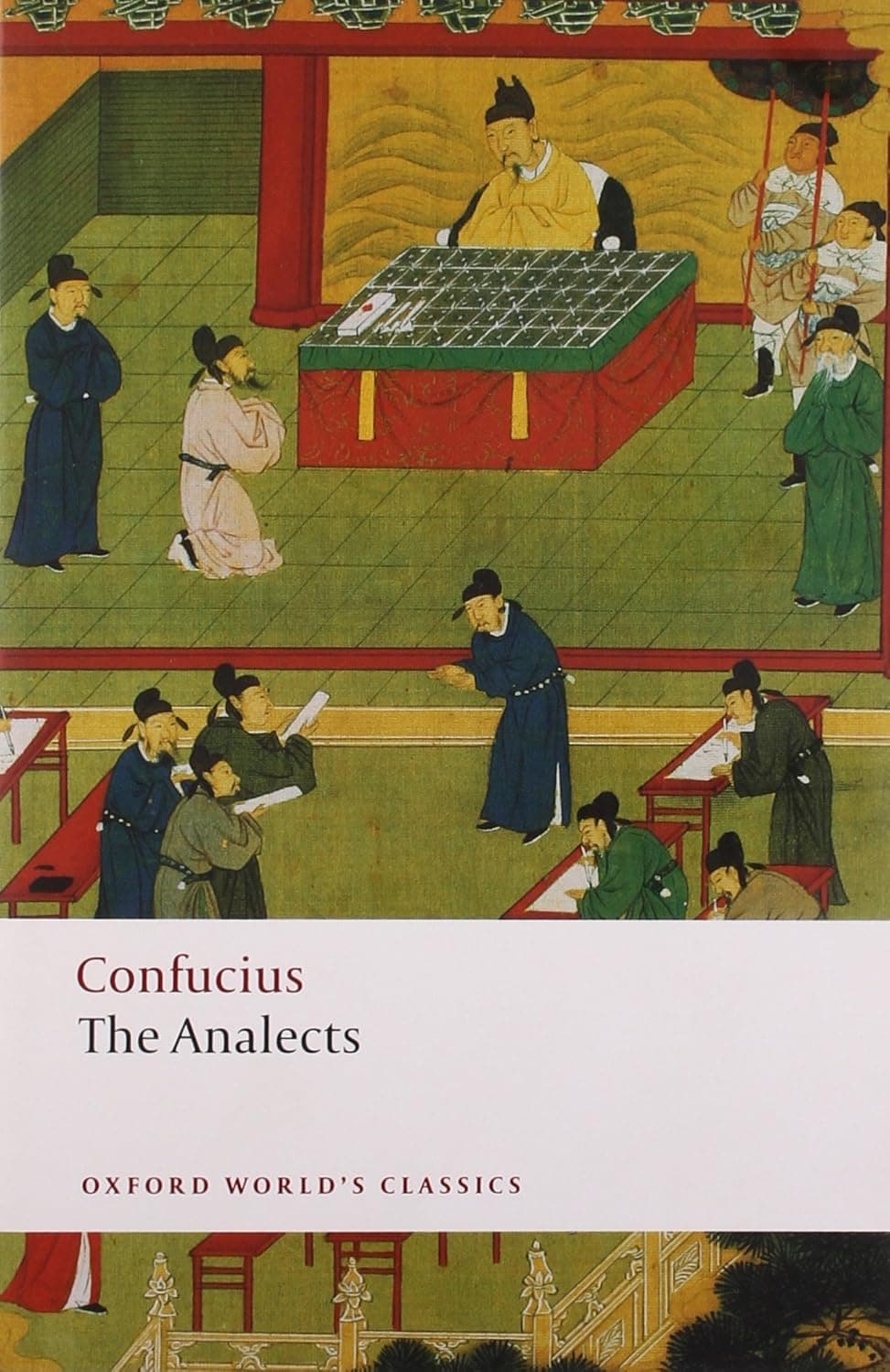
Confucius answers his students in short exchanges: never do to others what you would not want done to yourself, and let ritual shape everything. Chinese officials memorized it to hold office until 1905.
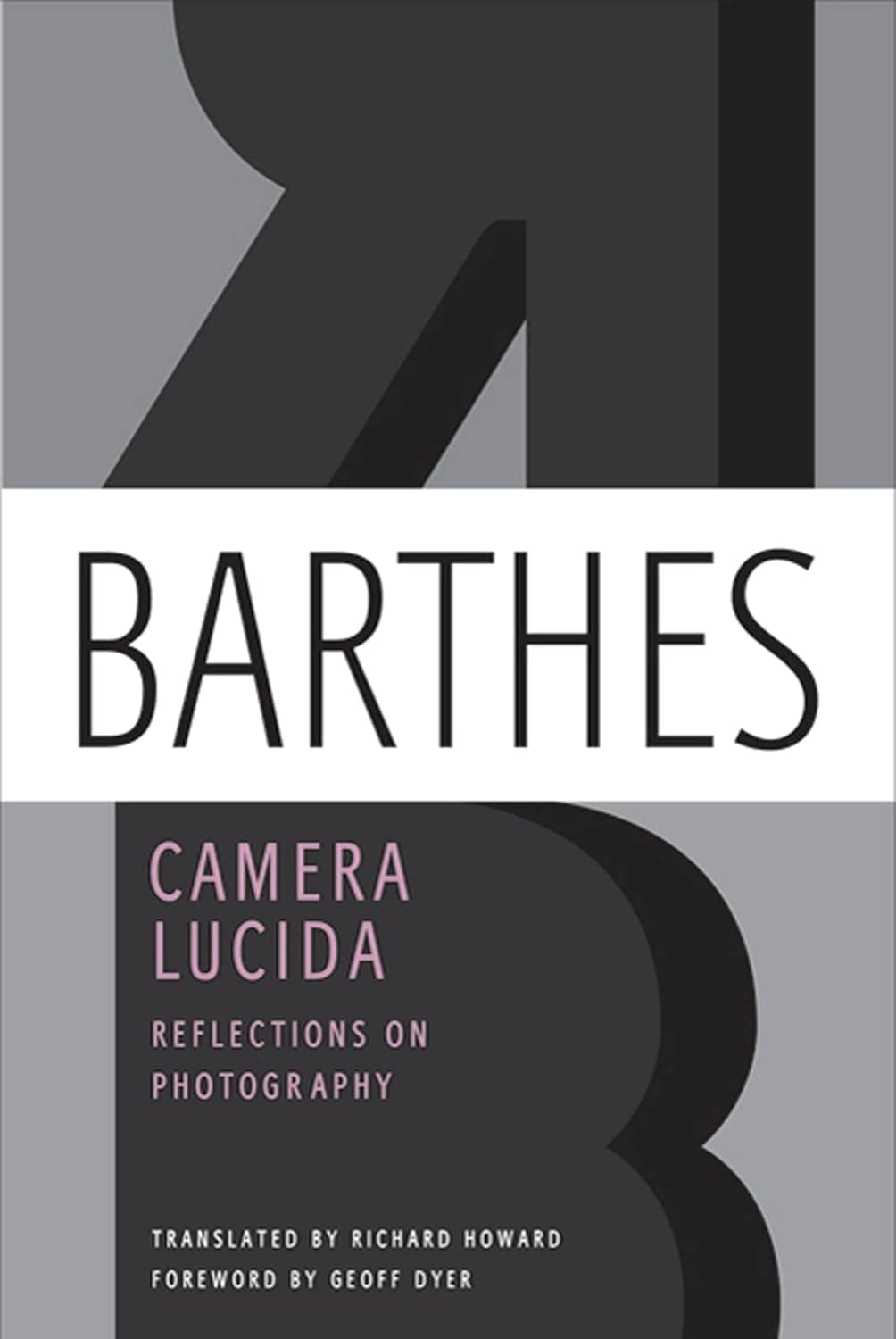
Grieving his mother, Barthes asks what a photograph is and answers with the punctum, the detail that wounds you. Photography criticism has argued in the vocabulary he invented here ever since.
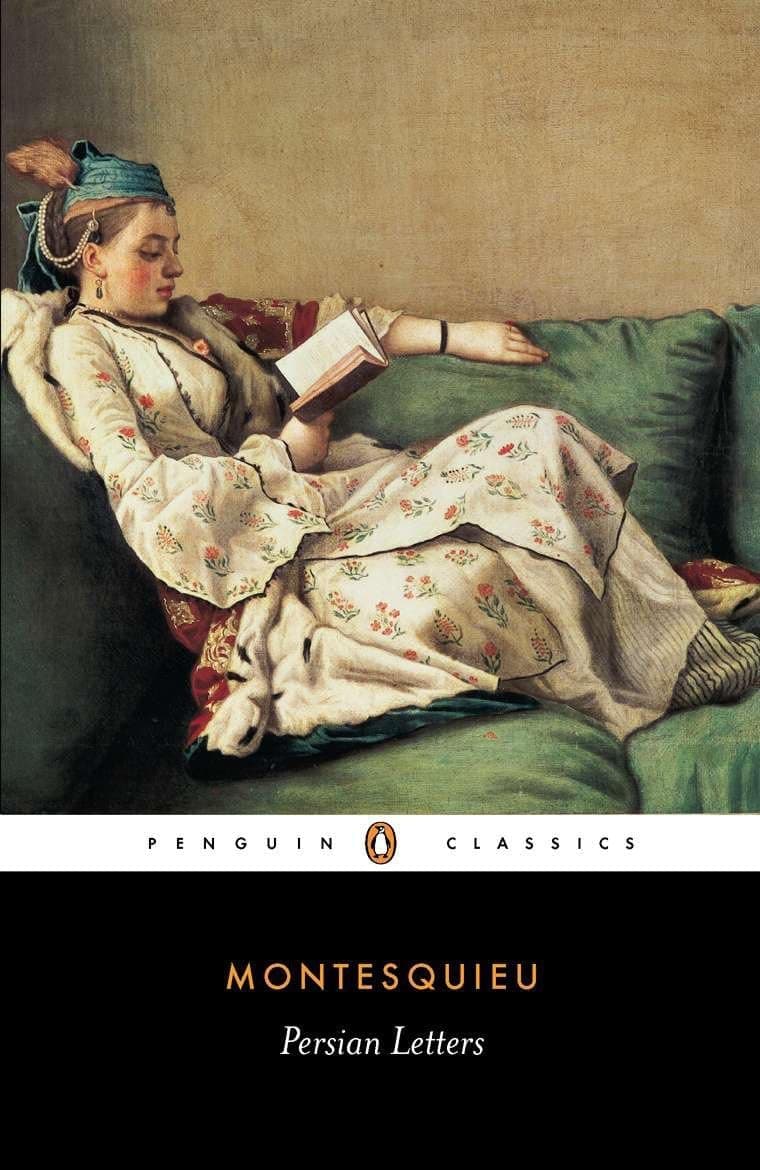
Two Persian travelers in Paris write home about a king who conjures money from paper and a pope who makes bread into flesh. In Isfahan, the harem one of them left is collapsing.