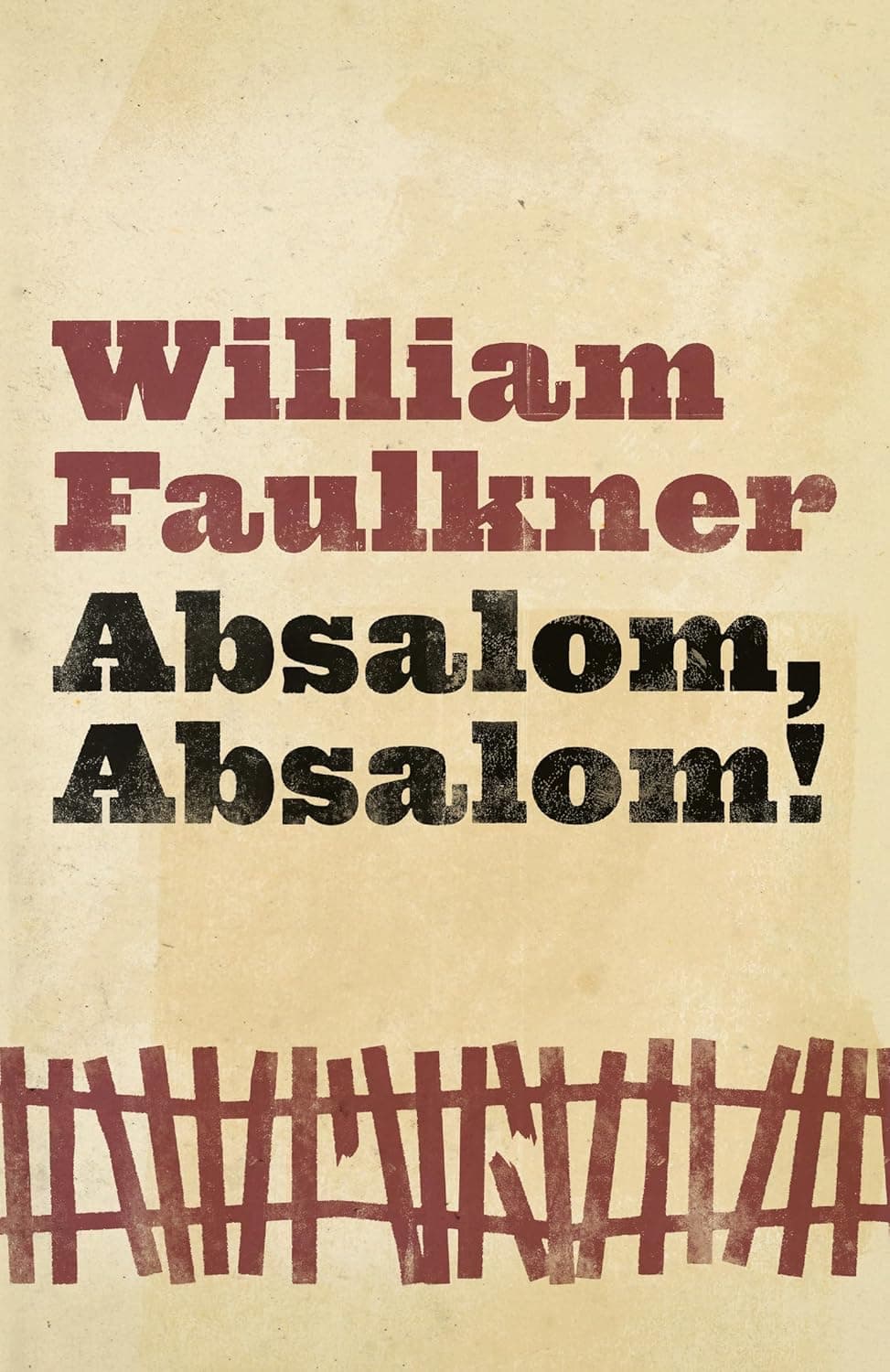
Absalom, Absalom!
1936 · 313 pages
Thomas Sutpen arrives in Mississippi from nowhere with a band of slaves and a French architect and builds a dynasty that destroys itself. Two students retell it until it swallows them.
★ 9.0
 skopia
Thomas Sutpen arrives in Mississippi from nowhere with a band of slaves and a French architect and builds a dynasty that destroys itself. Two students retell it until it swallows them.
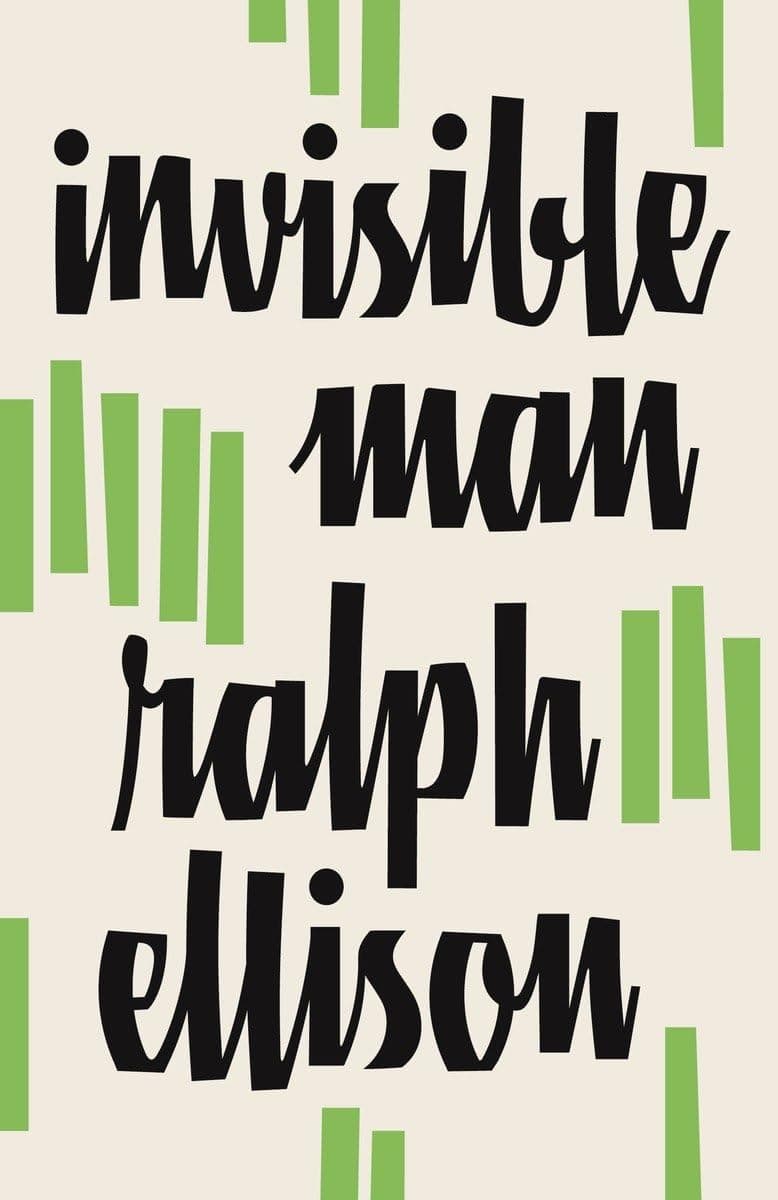
Thrown out of college, then used by a Harlem political movement, a nameless Black man ends up living in a cellar on stolen light. Ellison writes American rage with jazz timing.
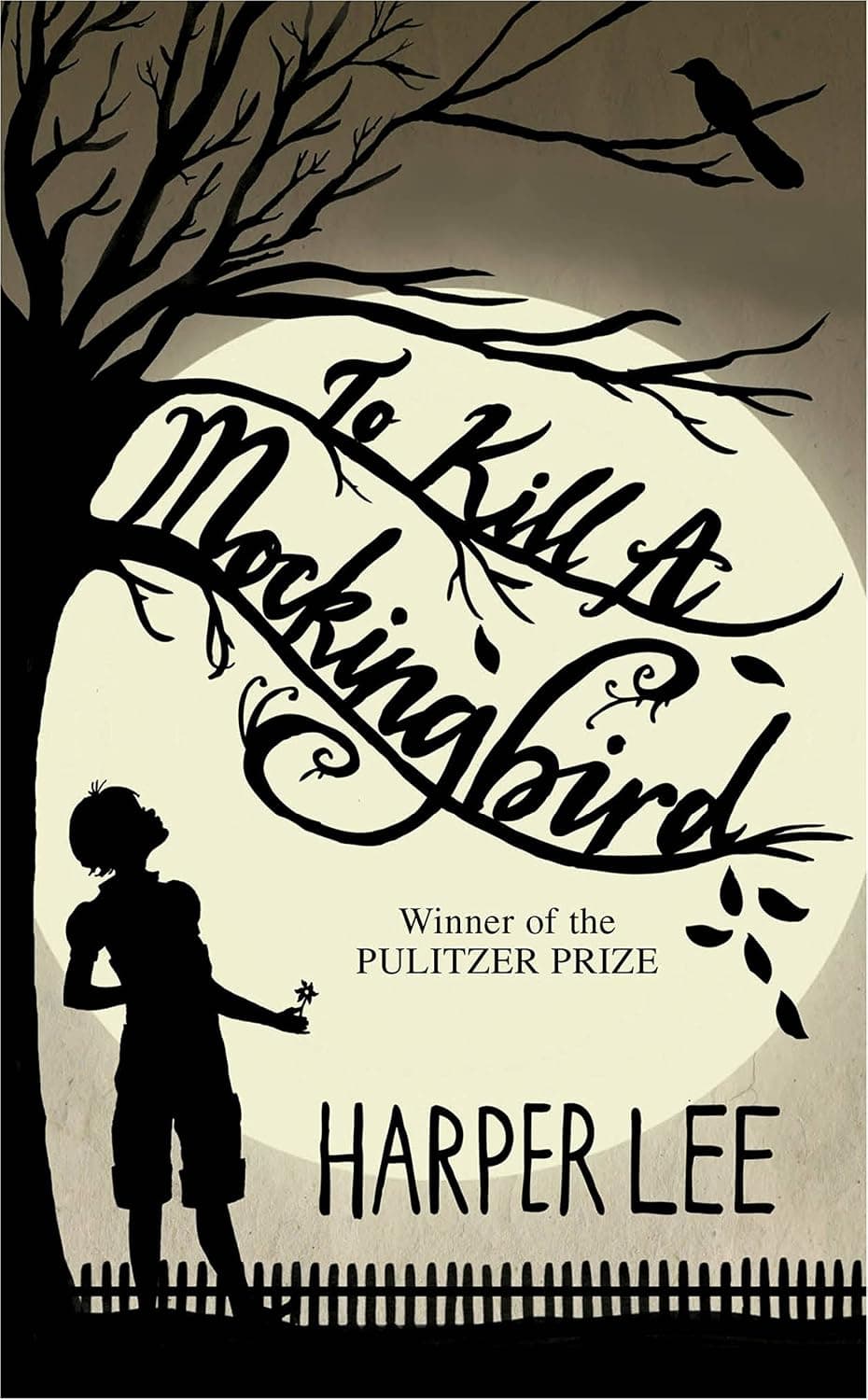
Scout Finch's father, a lawyer in a small Alabama town, defends a Black man accused of raping a white woman. The trial reaches you through a child who understands less than you do.

Janie comes home to a Black town in Florida and tells a friend about her three marriages and how she found her own voice. Hurston writes porch talk exactly as it sounded.

David Lurie loses his professorship over an affair with a student and retreats to his daughter's farm in the new South Africa, where three men arrive. Coetzee offers no comfort and no absolution.
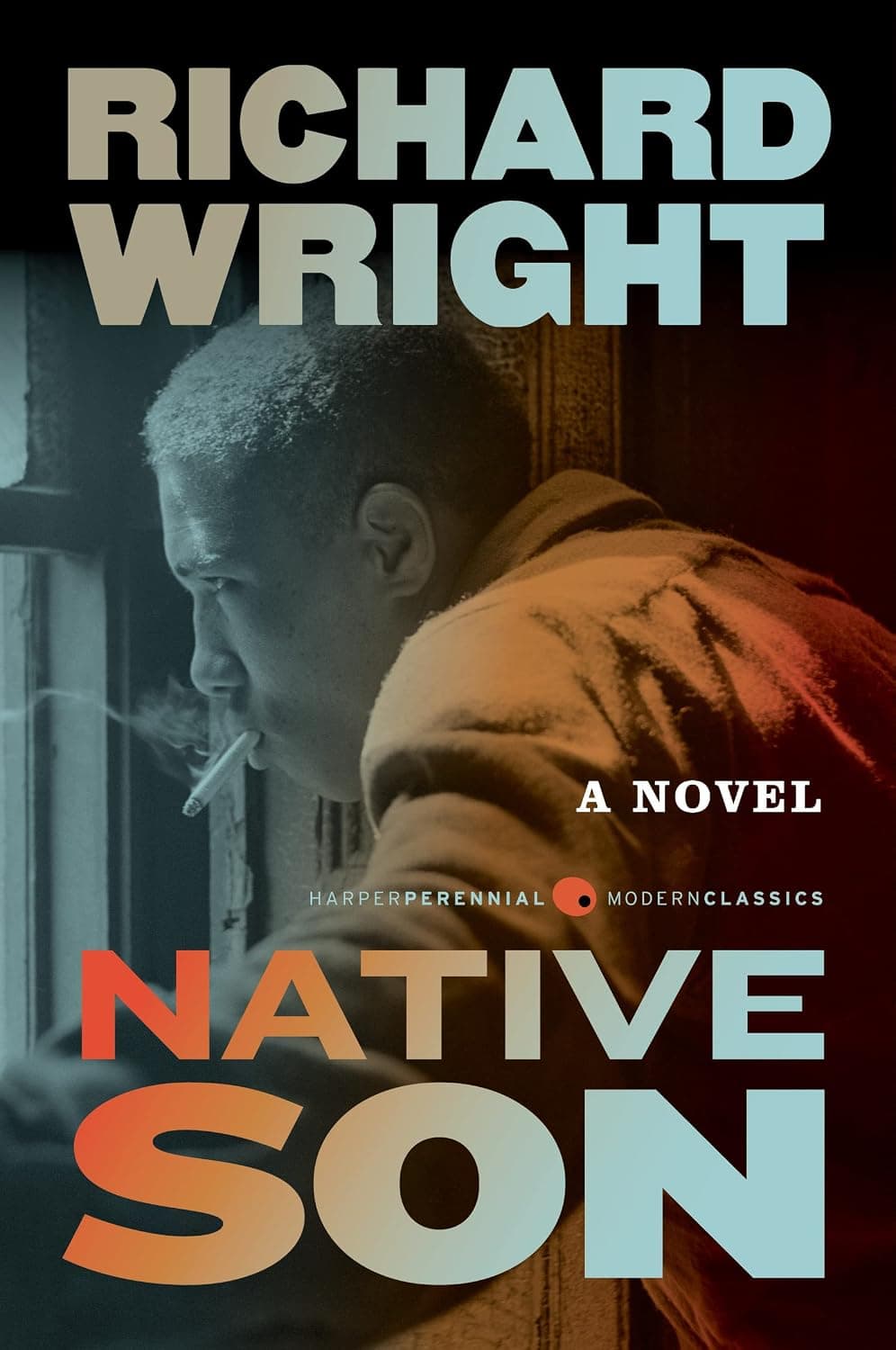
Bigger Thomas drives for a rich white family in 1930s Chicago and kills their daughter in a panic his first night. Wright keeps you inside his head and will not soften him.

Enslaved people freed themselves, Du Bois argues, walking off plantations in a general strike that broke the Confederacy. He then shows what Black voters built during Reconstruction and who tore it down.

Eliza crosses the frozen Ohio on breaking ice with her child. Stowe sold three hundred thousand copies within twelve months and made slavery intolerable to Northerners who had lived comfortably beside it.

Henry Townsend was bought out of slavery by his father and came to own more than thirty slaves himself. Jones wrote the novel that forced American fiction to hold Black slaveholders in view.
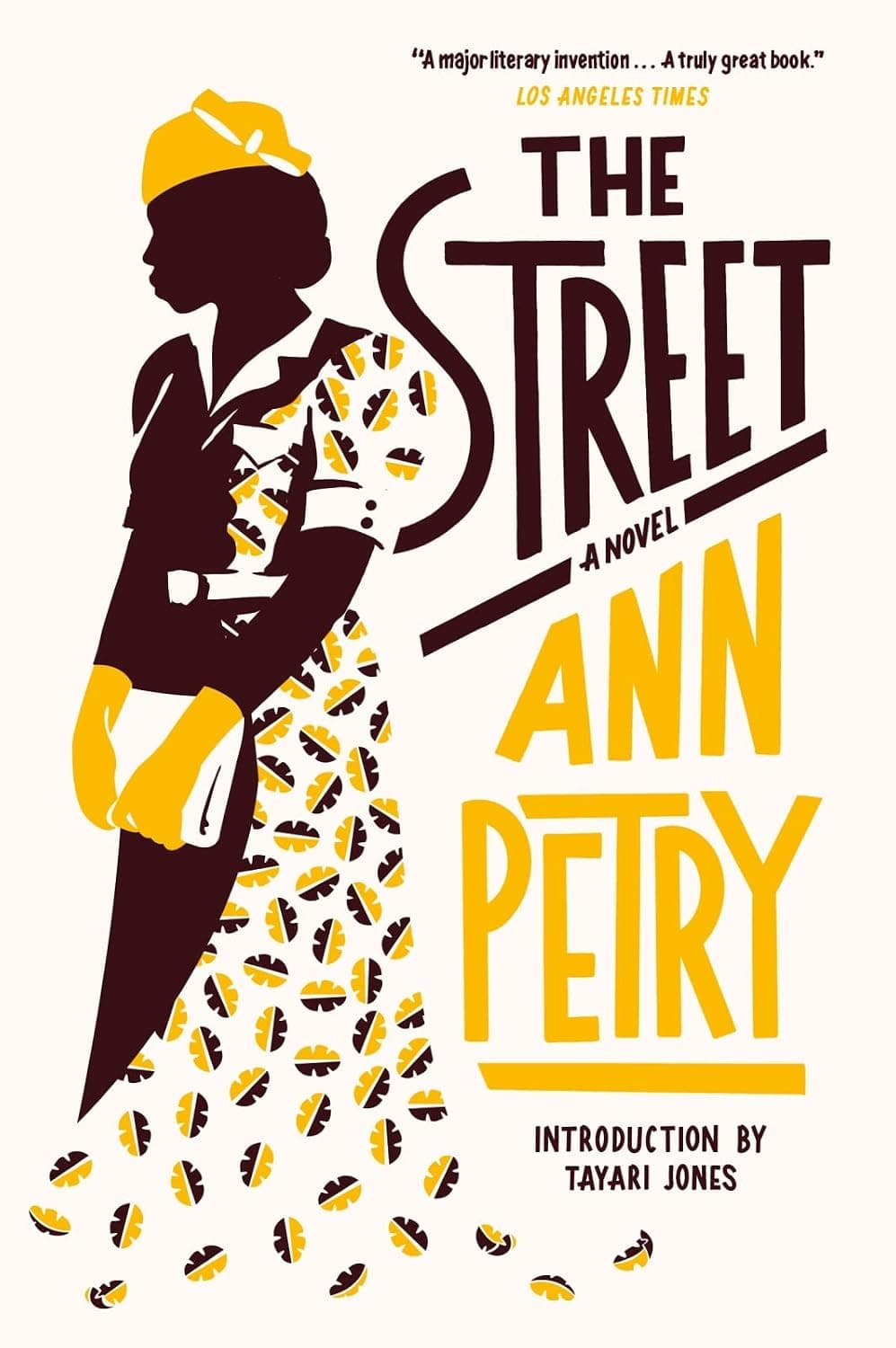
Lutie Johnson believes what Benjamin Franklin promised about work and thrift, and rents an apartment on 116th Street to raise her son. The men who watch her climb the stairs have other plans.

A Greenwich Village couple hire a young Black man as gardener and painter's model, and cannot see the person. Fourteen stories in which Hughes strips white kindness down to appetite and cruelty.

Du Bois took the first Harvard doctorate given a Black American, wrote The Souls of Black Folk, and helped found the NAACP. Lewis won Pulitzers for this volume and for its sequel.

Stampp argued in 1956 that Southern slavery was a profitable labor system sustained by violence, not the benign paternalism white historians taught. The plantation legend never recovered its standing in American history departments.

One collapsing season with the Portland Trail Blazers, three years after their title, and Halberstam turns it into an anatomy of how television money and race were remaking professional basketball from the inside.

Los Angeles, 1948. Easy Rawlins, a Black veteran fired from the aircraft plant, takes a white man's hundred dollars to find a missing woman, and Mosley rebuilds postwar Watts around the search.

No history of hip hop is better. Chang begins with landlords burning the Bronx, arrives at Kool Herc's turntables, and reads Public Enemy and the Los Angeles riots as one generation's politics.