The Power Broker
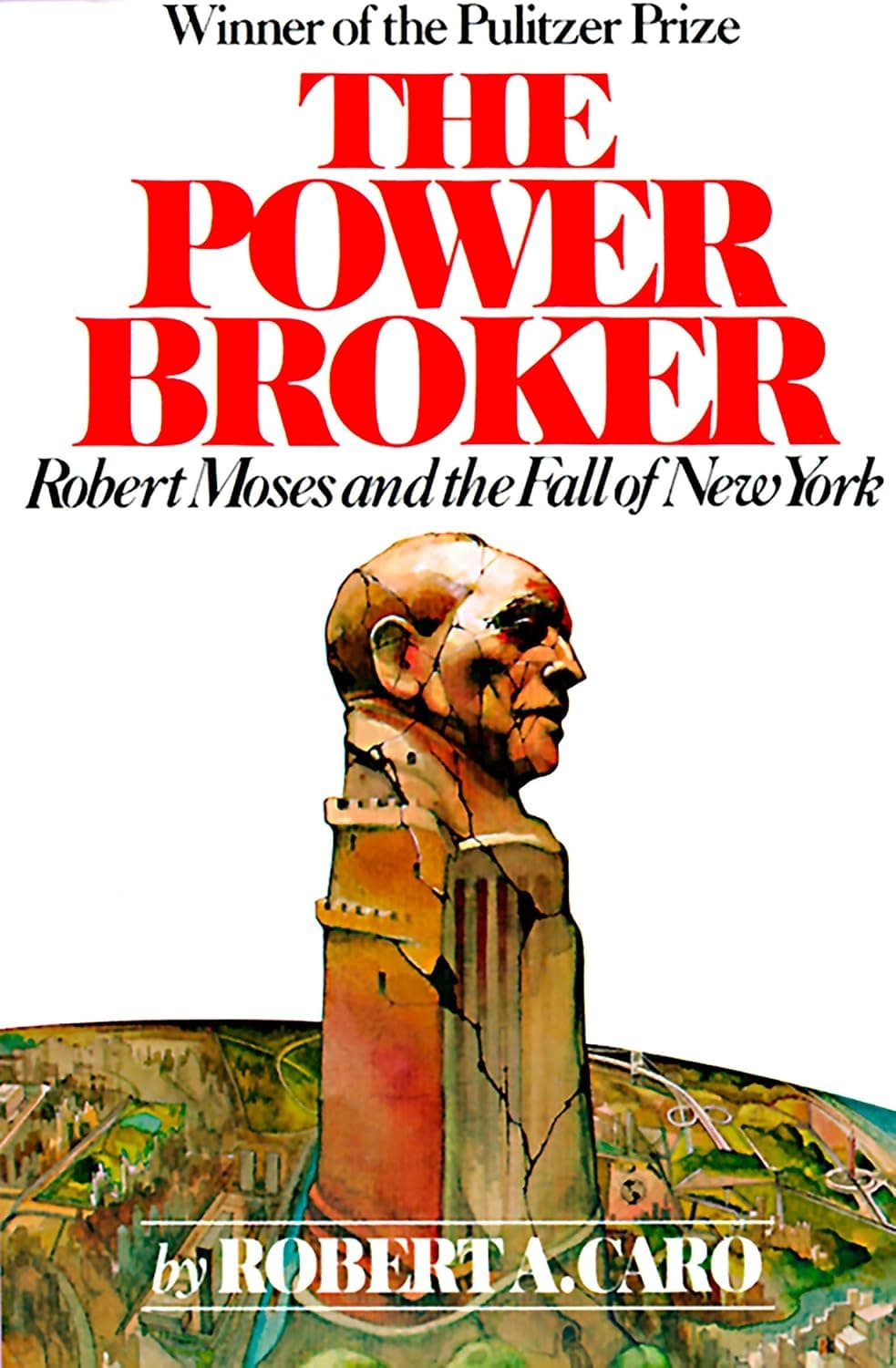
Robert Moses was never elected to anything and remade New York for forty years, throwing up bridges and expressways and flattening the neighborhoods in their way. Caro shows exactly how it was done.

Robert Moses was never elected to anything and remade New York for forty years, throwing up bridges and expressways and flattening the neighborhoods in their way. Caro shows exactly how it was done.

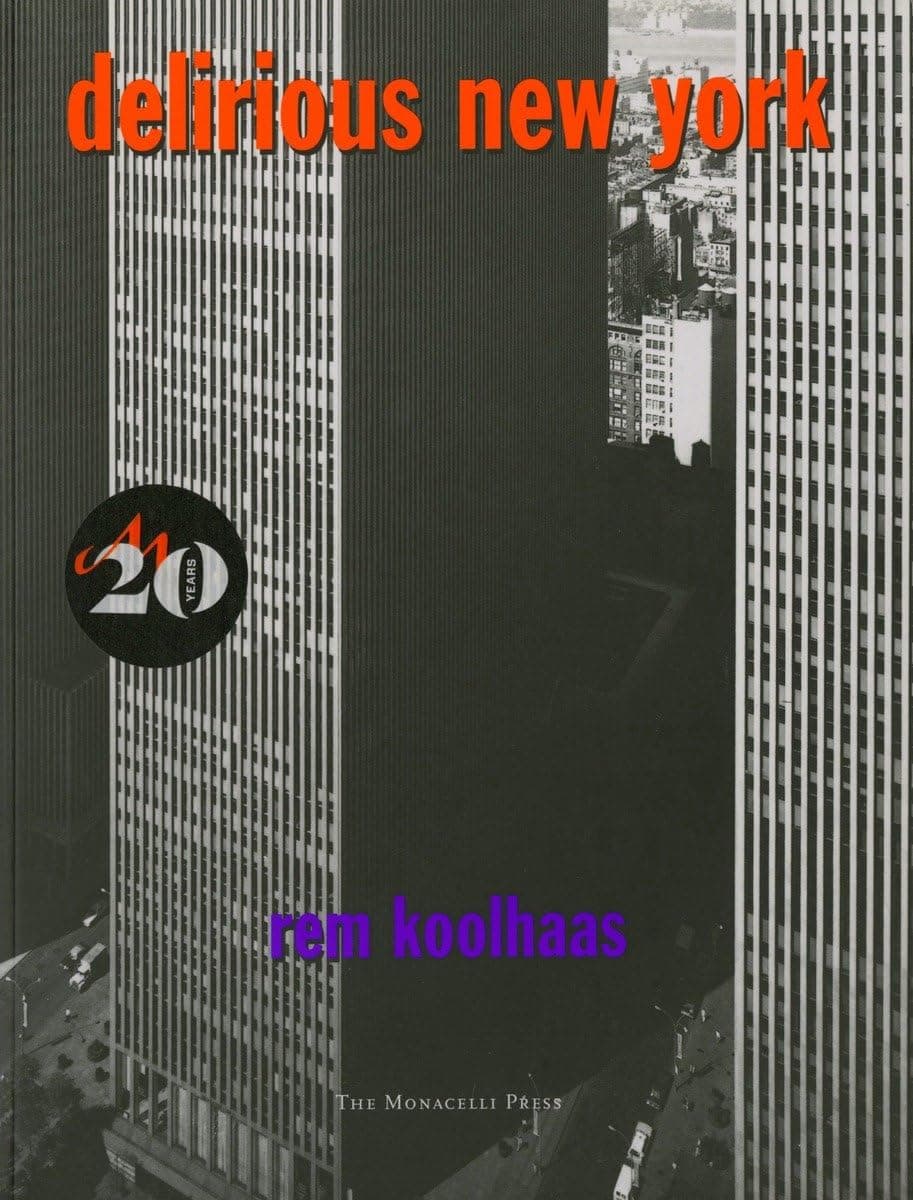
Manhattan built itself without a theory, so Koolhaas supplied one afterward: the grid, the skyscraper, and Coney Island as a culture of congestion. He turned density from planning's disease into architecture's ambition.

Mitchell listened to New York for decades: the regulars at McSorley's, the fishermen at Fulton Market, and Joe Gould, a Village drifter compiling a nine-million-word oral history from everything he overheard.

O'Hara wrote these on lunch breaks from the museum, turning an ordinary Manhattan hour into art. "The Day Lady Died" runs through his errands until Billie Holiday's face on a newspaper stops everything.

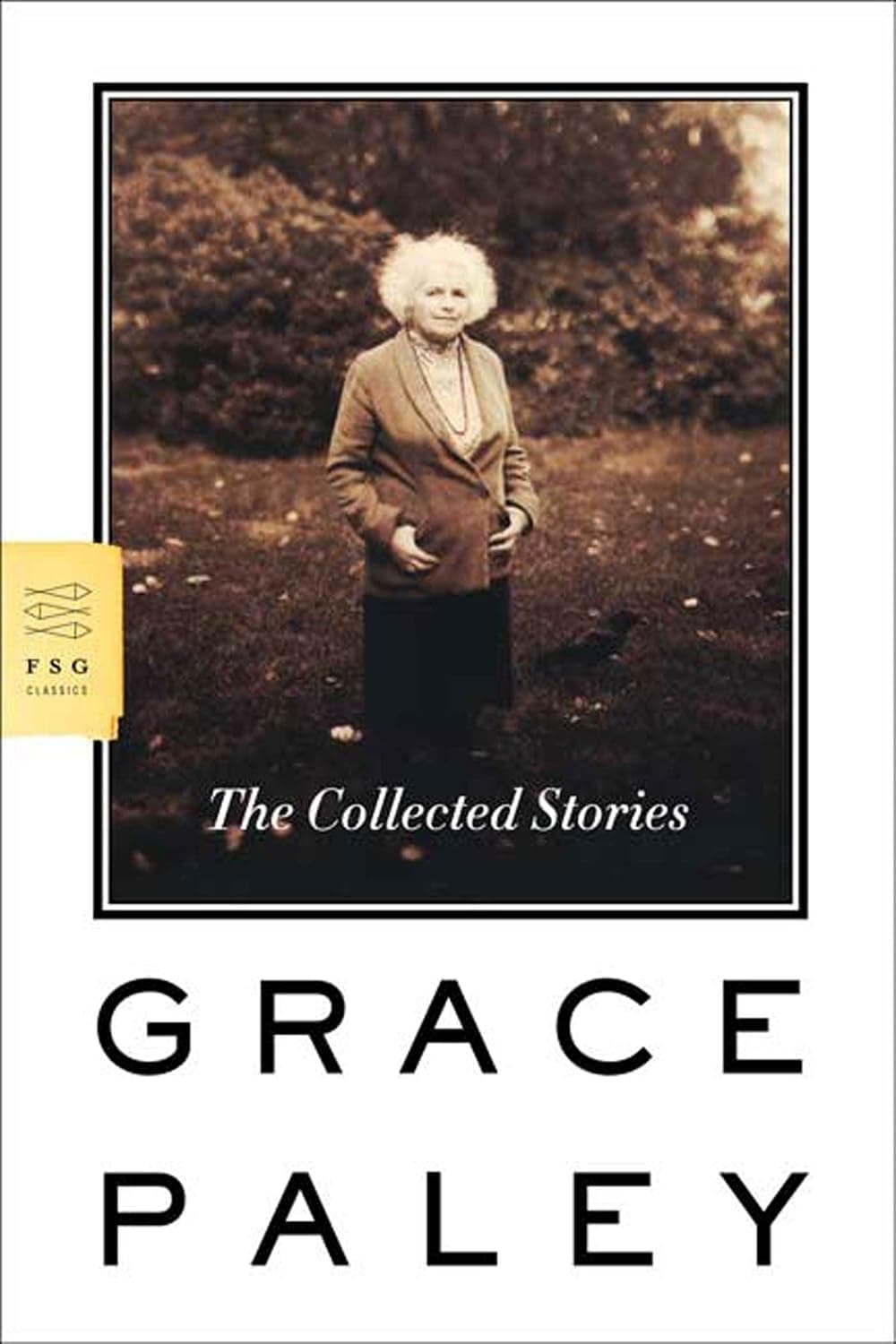
Paley wrote as people talk, in the Bronx Yiddish and Greenwich Village argument of women raising children alone, and got more life into three slim collections than most novelists manage in a career.

In August 1974 a man steps onto a wire between the Twin Towers. Below him McCann gathers the whole city: an Irish monk living among Bronx prostitutes, Park Avenue mothers grieving Vietnam.

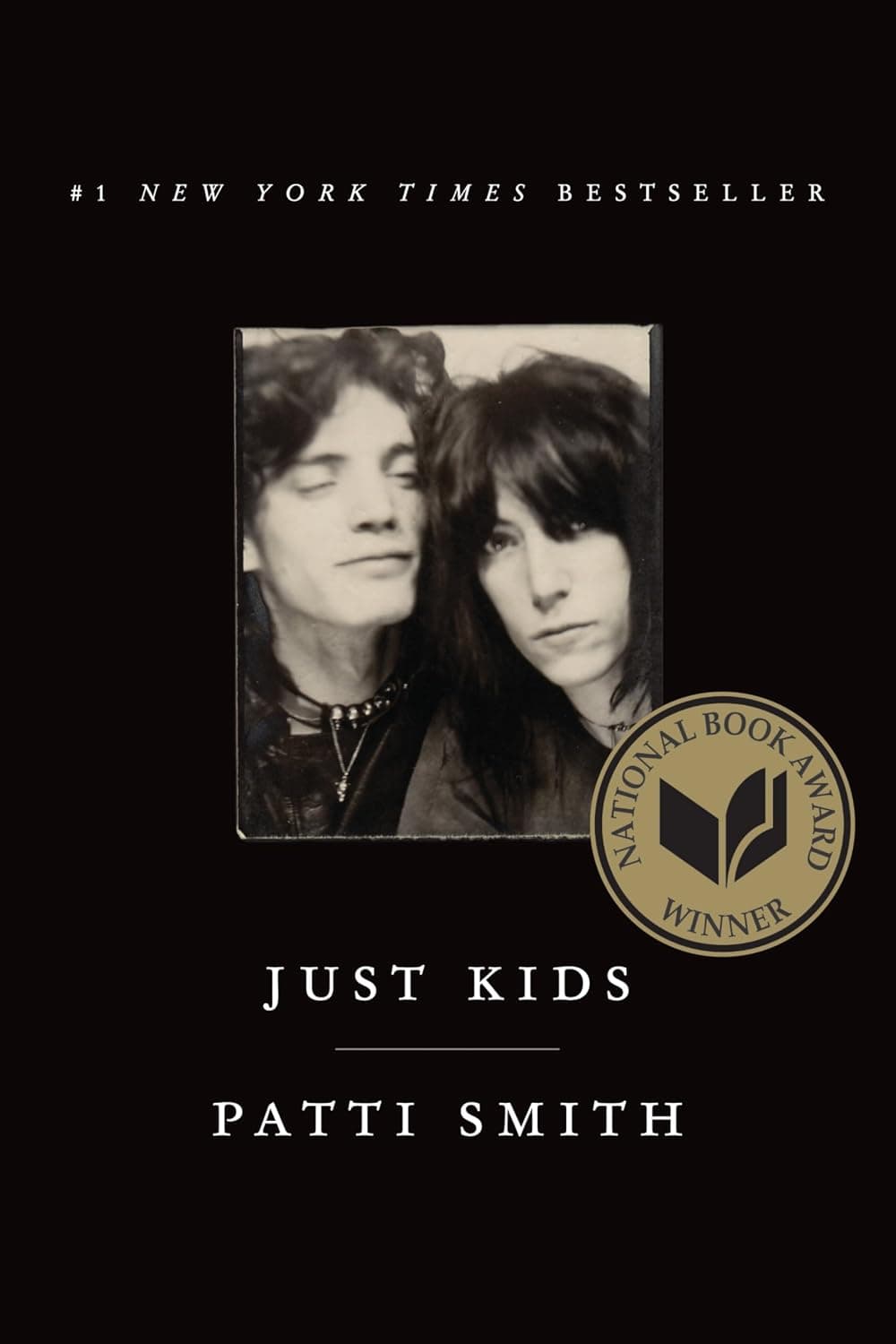
Patti Smith and the photographer Robert Mapplethorpe met in 1967 New York, broke and twenty, and held each other to the promise of becoming artists. She wrote it at his dying request.

Sister Mary Bradley, a grandmother Hughes invented, tells death to wait because her feet are caught in the sweet flypaper of life, then walks you through DeCarava's photographs of her Harlem block.

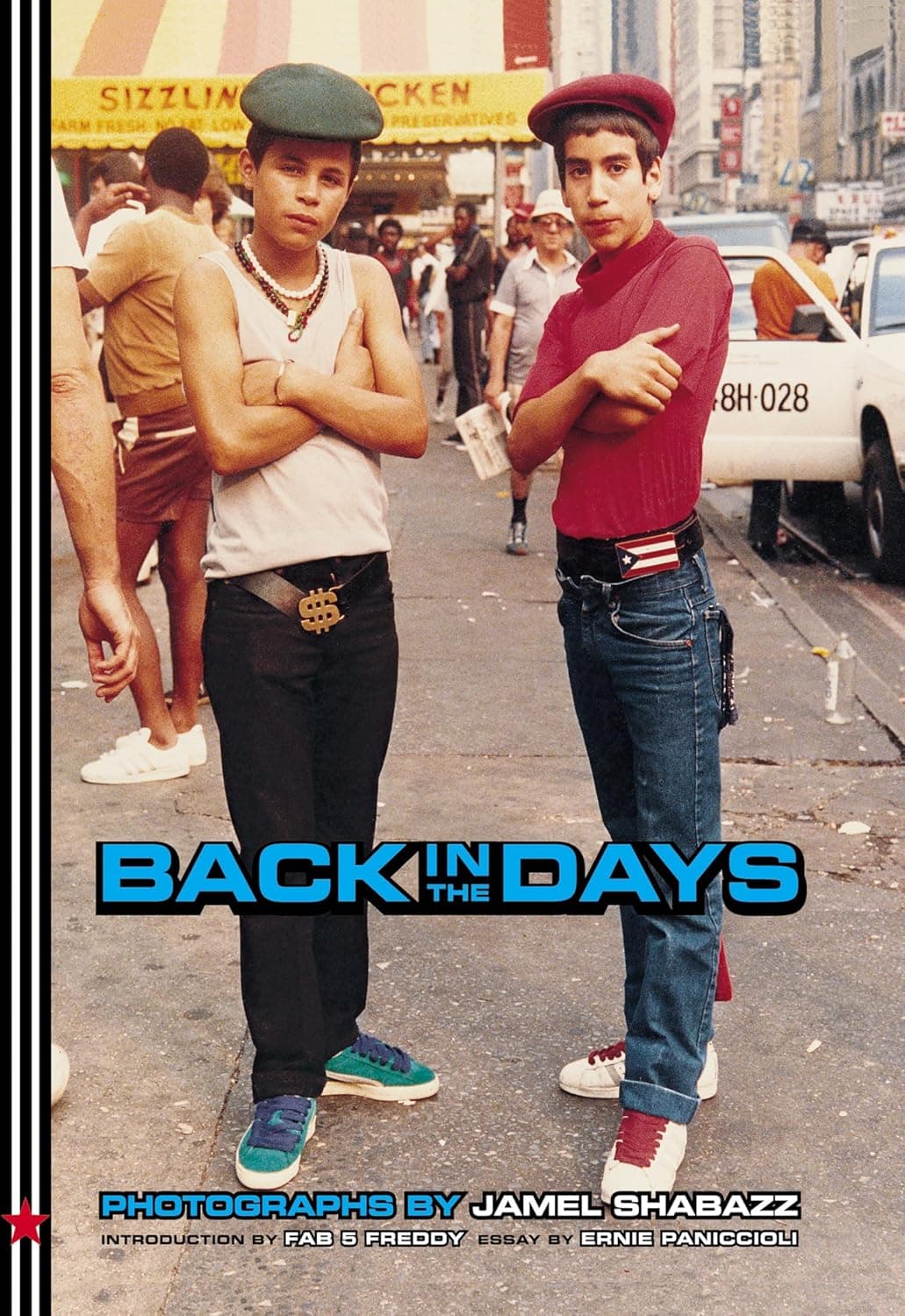
Between 1980 and 1989, Shabazz stopped young New Yorkers on the street and photographed them in shell-toe Adidas, sheepskin coats, and gold ropes. Everything hip hop later sold the world is already here.