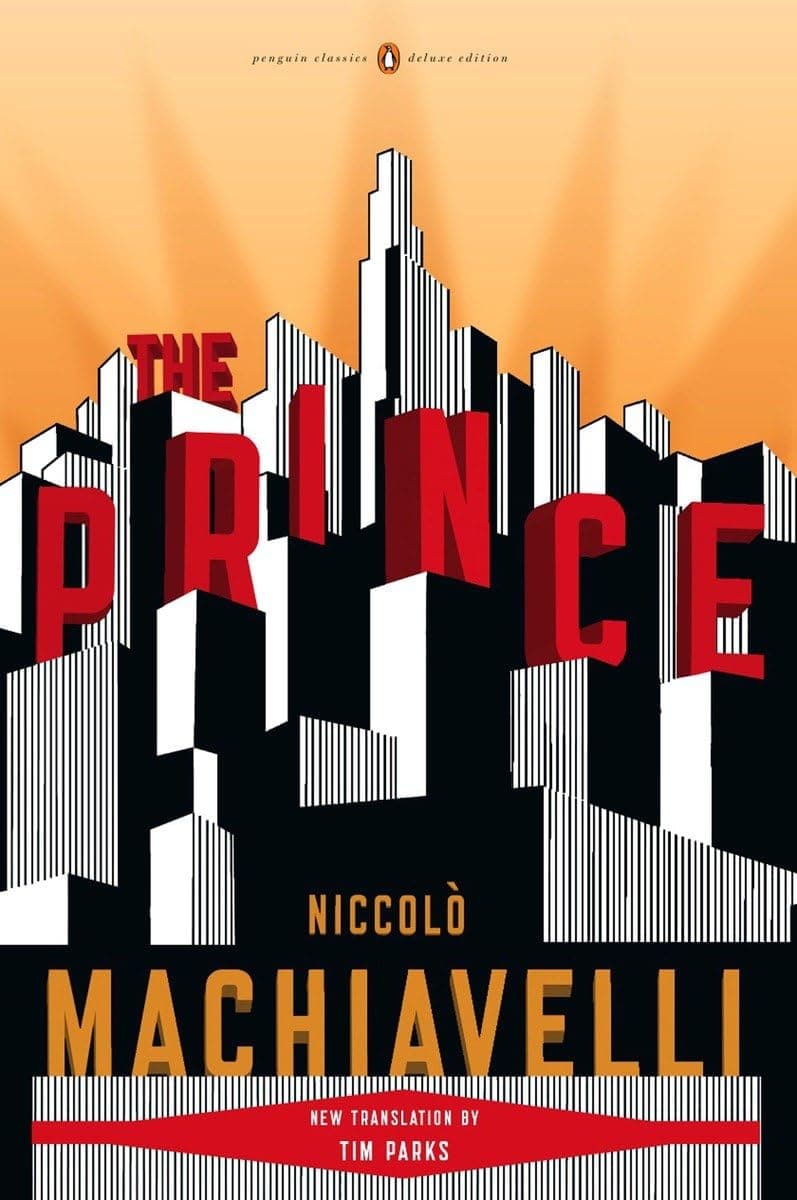
The Prince
1532 · 176 pages
Machiavelli threw out the question of how a ruler ought to behave and asked how power is taken and kept. His answer, that a prince does better feared than loved, still unsettles people.
★ 8.5
 skopia
Machiavelli threw out the question of how a ruler ought to behave and asked how power is taken and kept. His answer, that a prince does better feared than loved, still unsettles people.
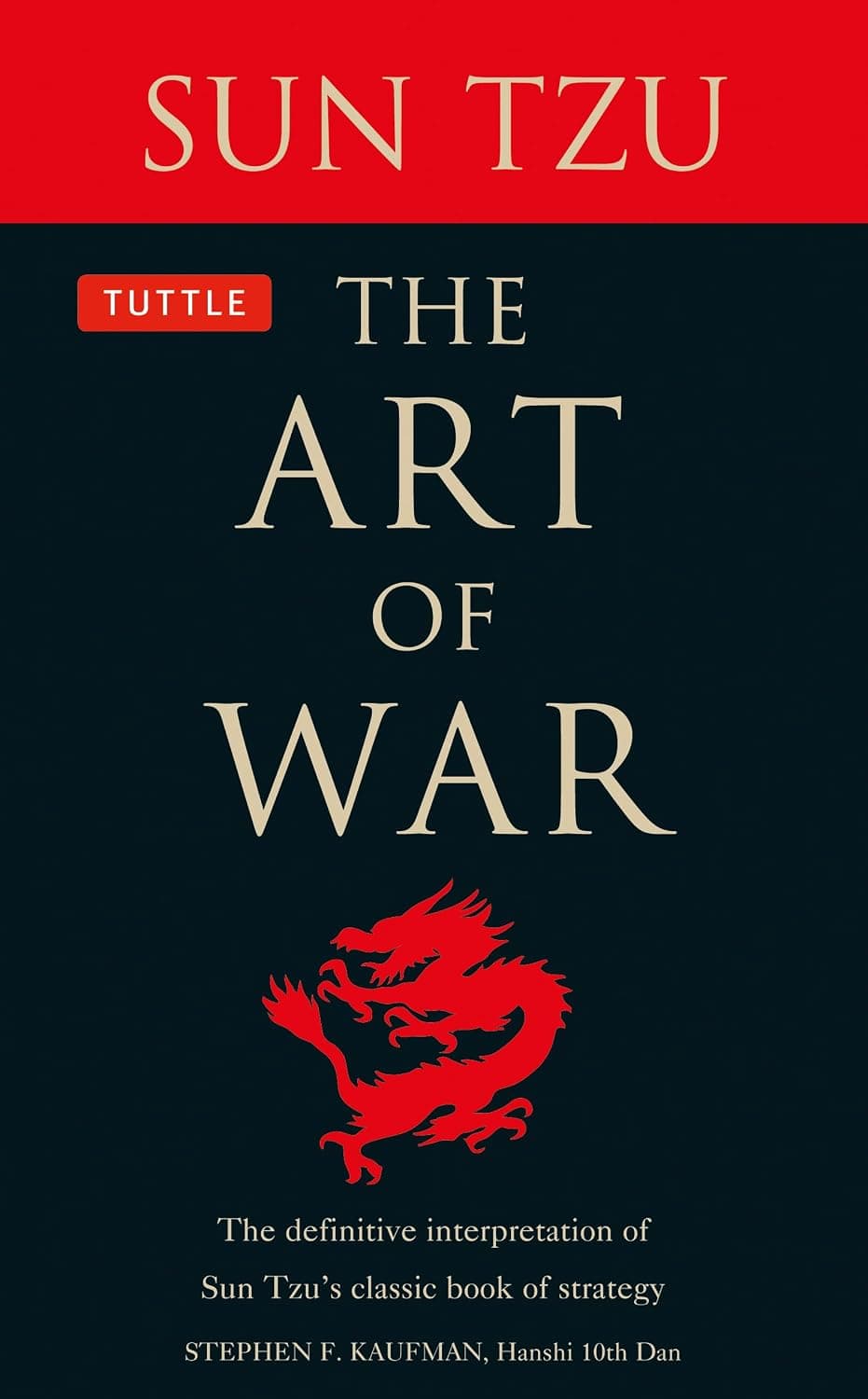
Win without fighting, Sun Tzu writes, and he means it literally. Twenty-five centuries ago this Chinese general reduced war to deception, terrain, and knowing the enemy as thoroughly as you know yourself.
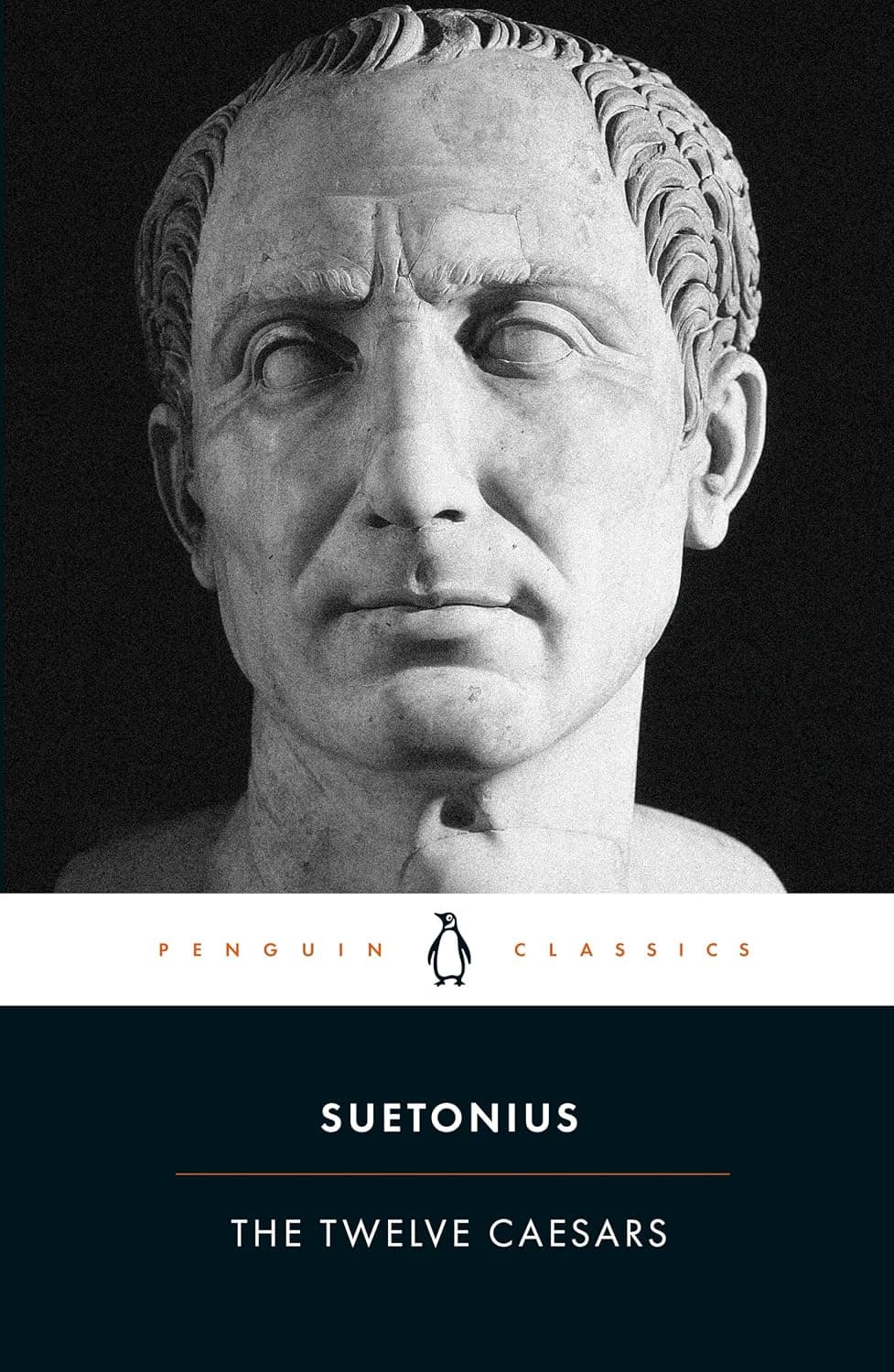
Secretary to the emperor Hadrian, Suetonius wrote the lives of Julius Caesar and eleven emperors after him, omens, gossip, last words and all. Our picture of Nero comes straight from these pages.
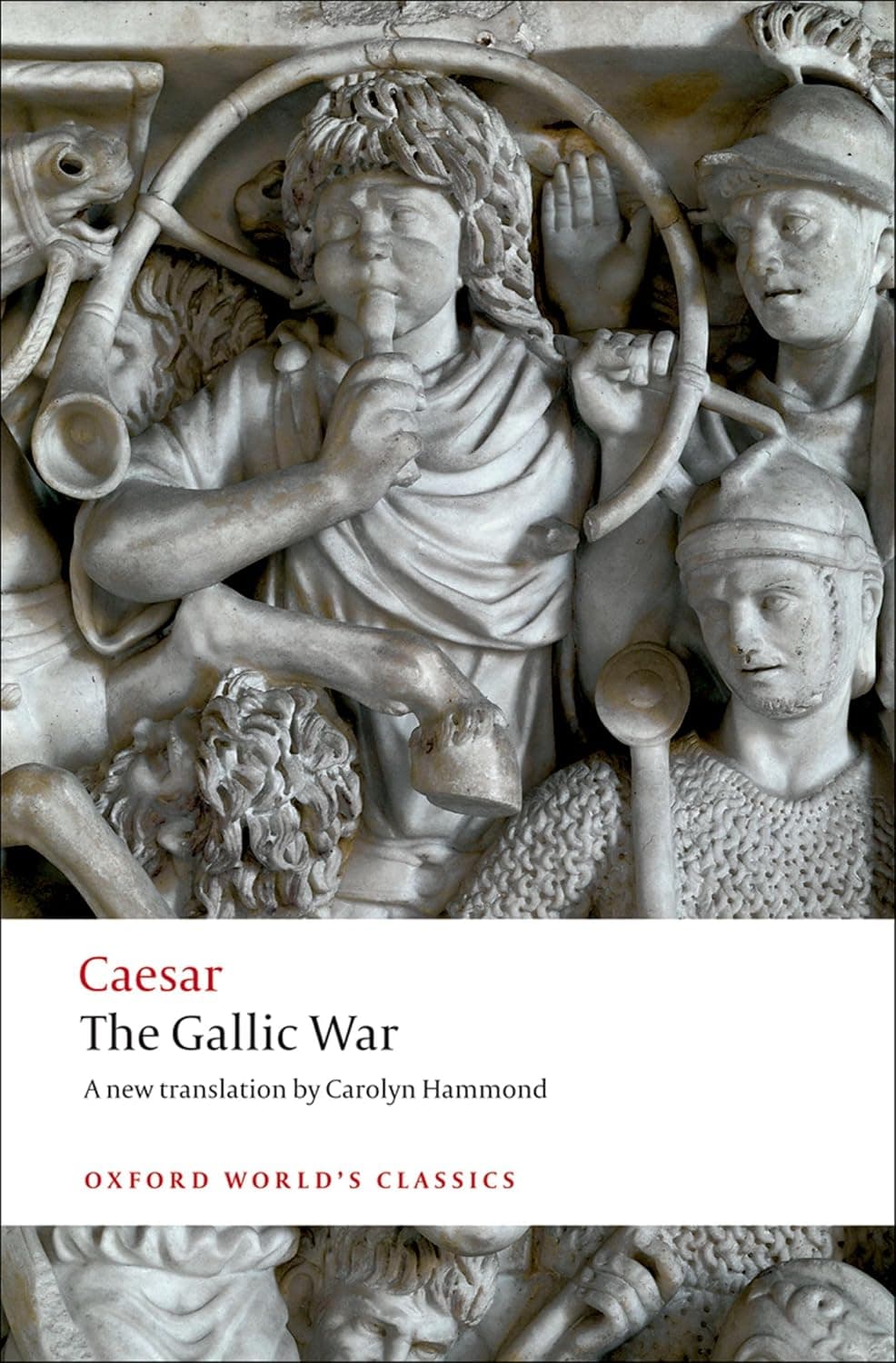
Caesar reports his own conquest of Gaul in the third person, equally calm about bridge building and massacre. The Latin is so clean that students still learn the language on it.

Ten thousand Greek mercenaries, stranded in Persia with their prince dead and their generals murdered, elect Xenophon and march north through snow until the men in front shout that they see the sea.

An asthmatic Manhattan boy remakes himself as a Dakota rancher, a Rough Rider, and the youngest president in American history. Morris swept the major prizes for this volume alone.
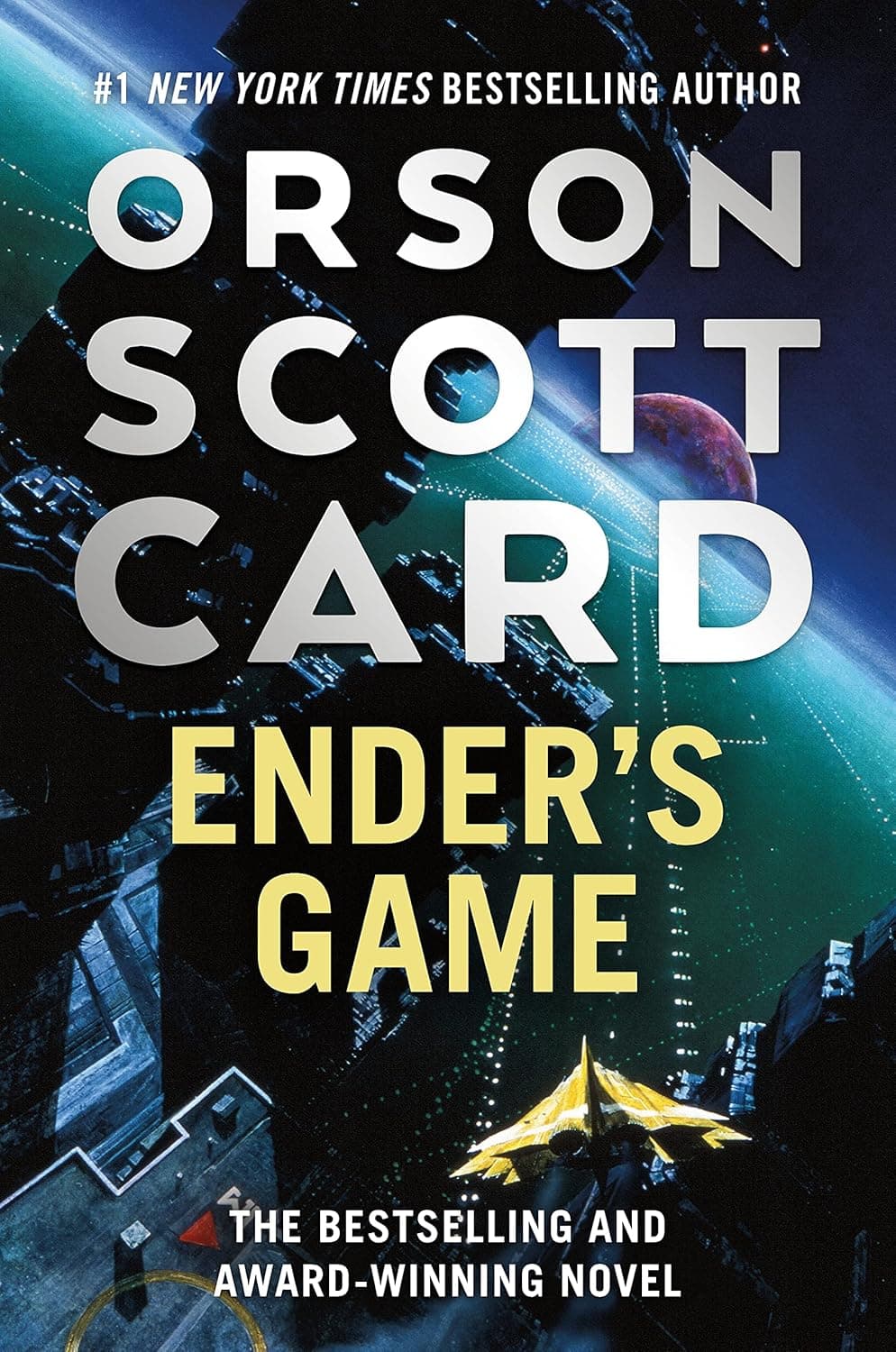
Six-year-old Ender Wiggin is taken to a school in orbit, isolated on purpose, and made into a commander by zero-gravity war games. The Marine Corps keeps it on its professional reading list.