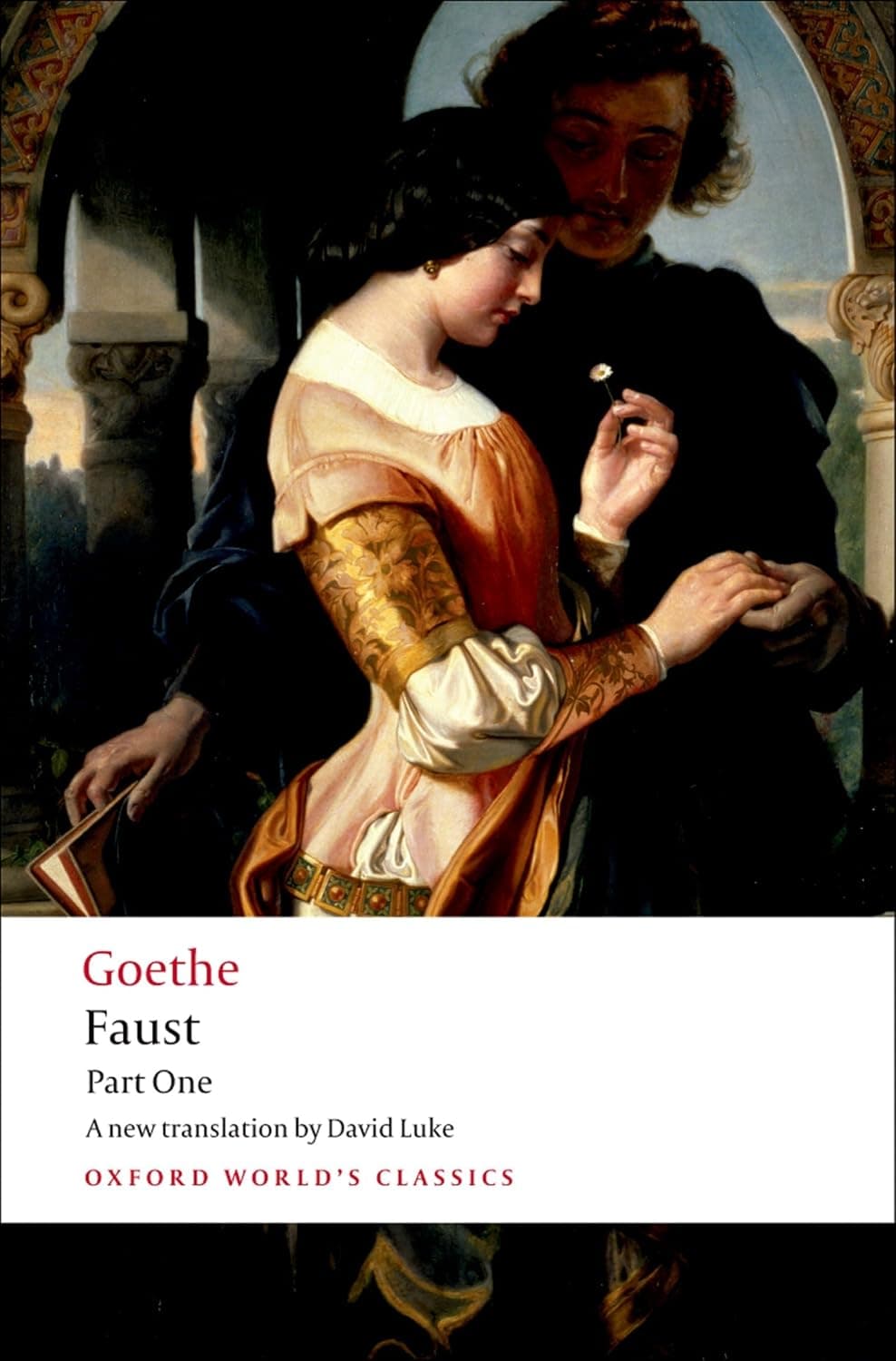
Faust, Part One
1808 · 176 pages
Having learned everything and felt nothing, a scholar bets the devil that no moment will ever satisfy him. Then Mephistopheles introduces him to a girl named Gretchen, and Goethe follows the damage down.
★ 9.2
 skopia
Having learned everything and felt nothing, a scholar bets the devil that no moment will ever satisfy him. Then Mephistopheles introduces him to a girl named Gretchen, and Goethe follows the damage down.
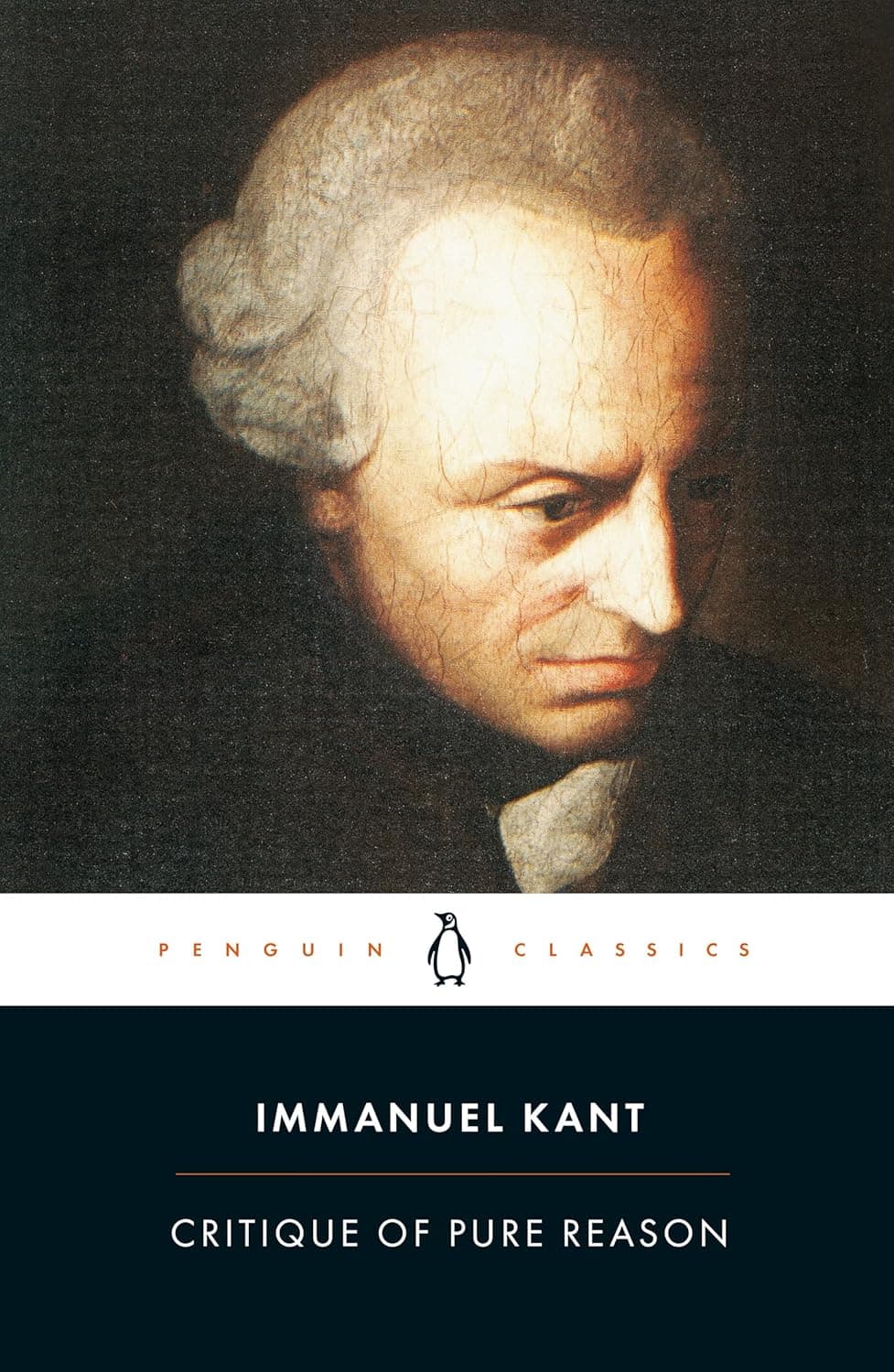
Western thought divides at this book. Kant argues that space, time, and cause belong to the mind doing the looking rather than to the world, and marks the boundary reason cannot cross.
Hegel tracks the mind from bare sensation to full self-knowledge, each stage collapsing under its own contradictions into the next. His fight between master and slave has been argued over ever since.

Nothing is in the mind at birth, Locke says. It is blank paper, and everything you know arrives through the senses or through watching your mind work. British empiricism runs out from there.

Nothing is good except a good will. From that Kant derives two commands: act only on a principle you could will everyone to follow, and treat persons as ends, never merely as means.

Grand stories that once justified science, progress, and human emancipation have lost their credibility, Lyotard argues. His phrase for the condition, incredulity toward metanarratives, carried postmodernism from the arts into philosophy.