
History of the Peloponnesian War
431 BC · 713 pages
Exiled after losing a city, Thucydides wrote the war that ruined Athens, explaining it by fear and self-interest, not the gods. At Melos his Athenians say the strong do what they can.
★ 8.2
 skopia
Exiled after losing a city, Thucydides wrote the war that ruined Athens, explaining it by fear and self-interest, not the gods. At Melos his Athenians say the strong do what they can.
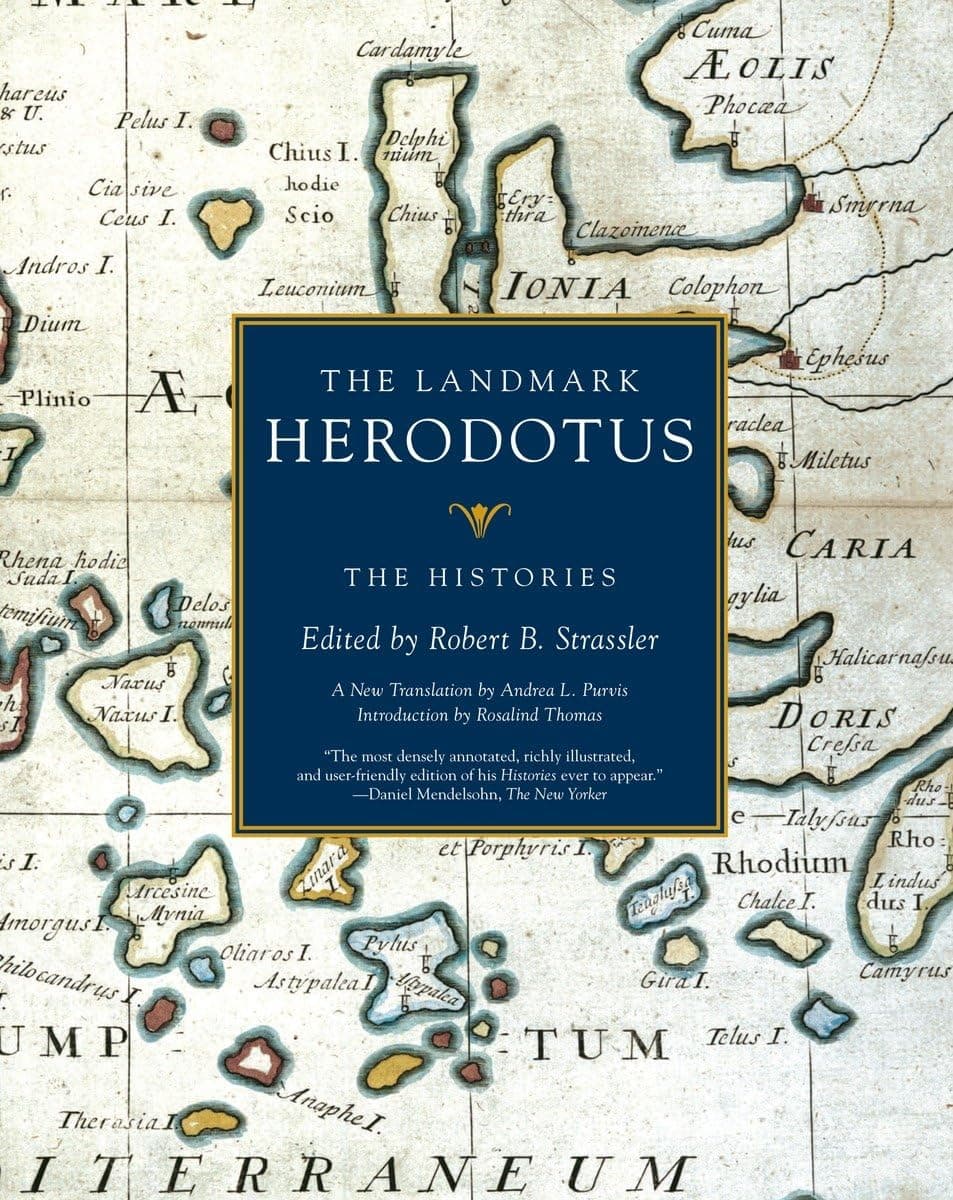
History begins with Herodotus asking why Greeks and Persians fought, and reaching Thermopylae by way of Egyptian mummies and gold-digging ants. He reports the rumors too, and lets you judge.

Western scholarship on the East was never neutral, Said argues: scholars and novelists built an exotic, backward Orient that empire could claim to govern. He upended how the West studies everyone it ruled.
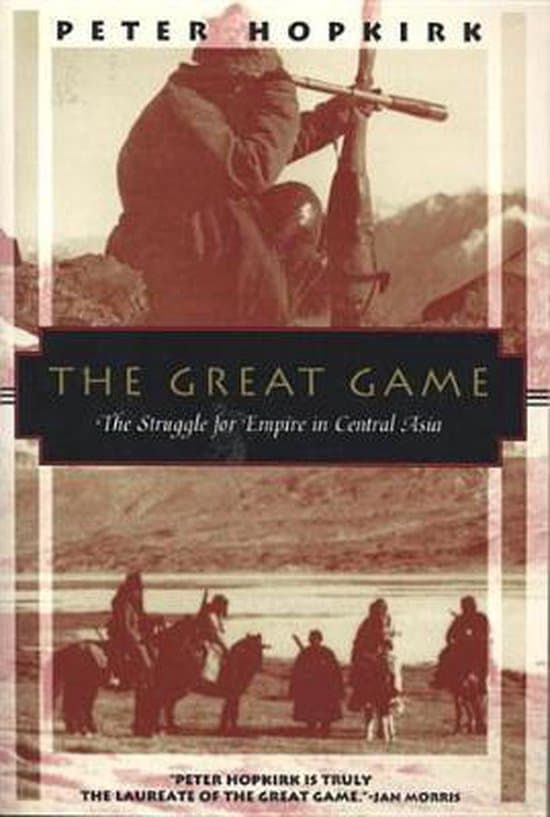
Britain and Russia crept toward each other across Central Asia until two thousand miles between them became twenty. Hopkirk tells it through the officers who rode alone into Bukhara, Khiva, and Kabul.
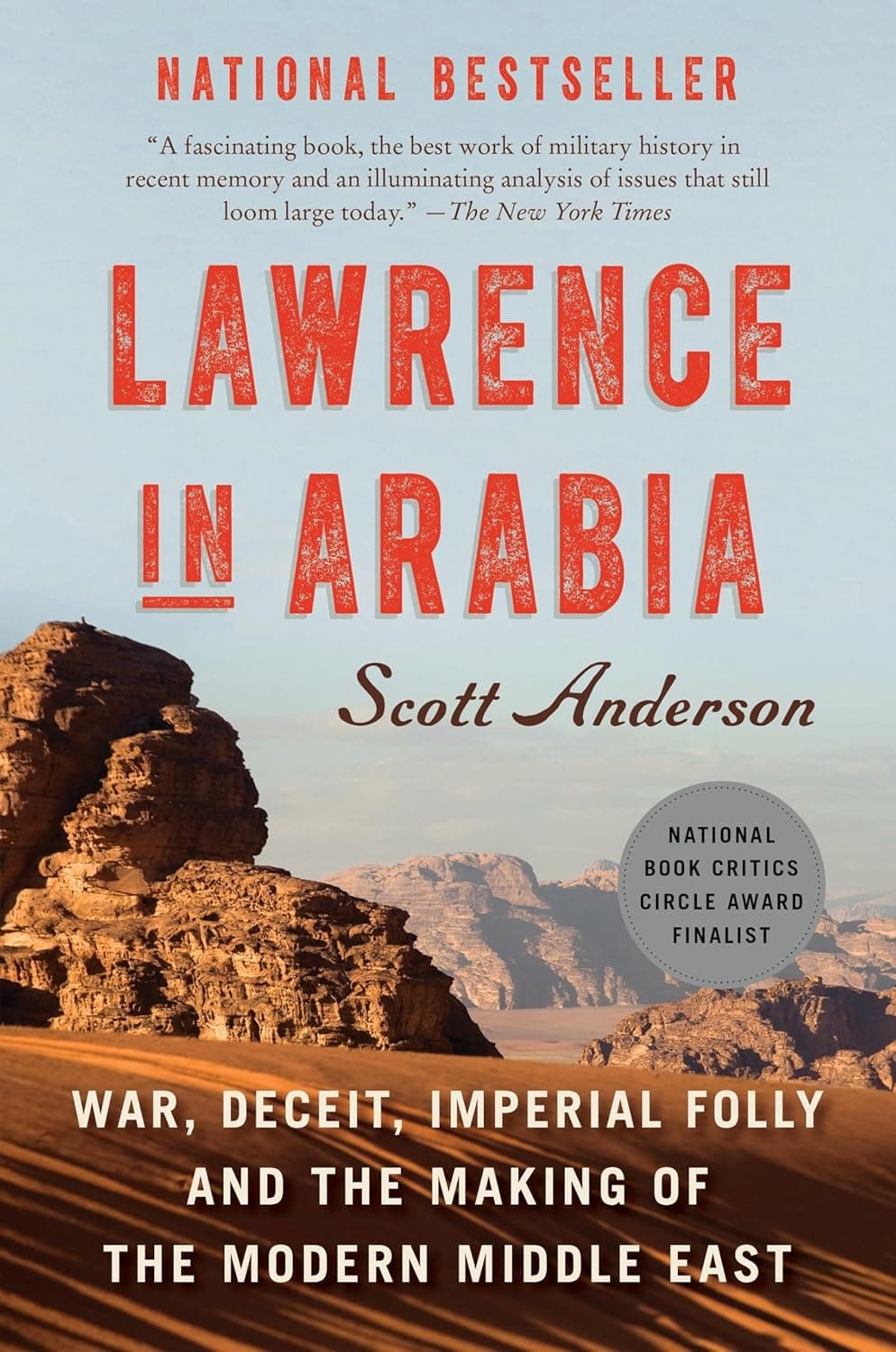
Four amateurs shaped the modern Middle East, Anderson argues, and the strangest was Lawrence, an Oxford archaeologist who led an Arab revolt knowing his government had already promised the land away.
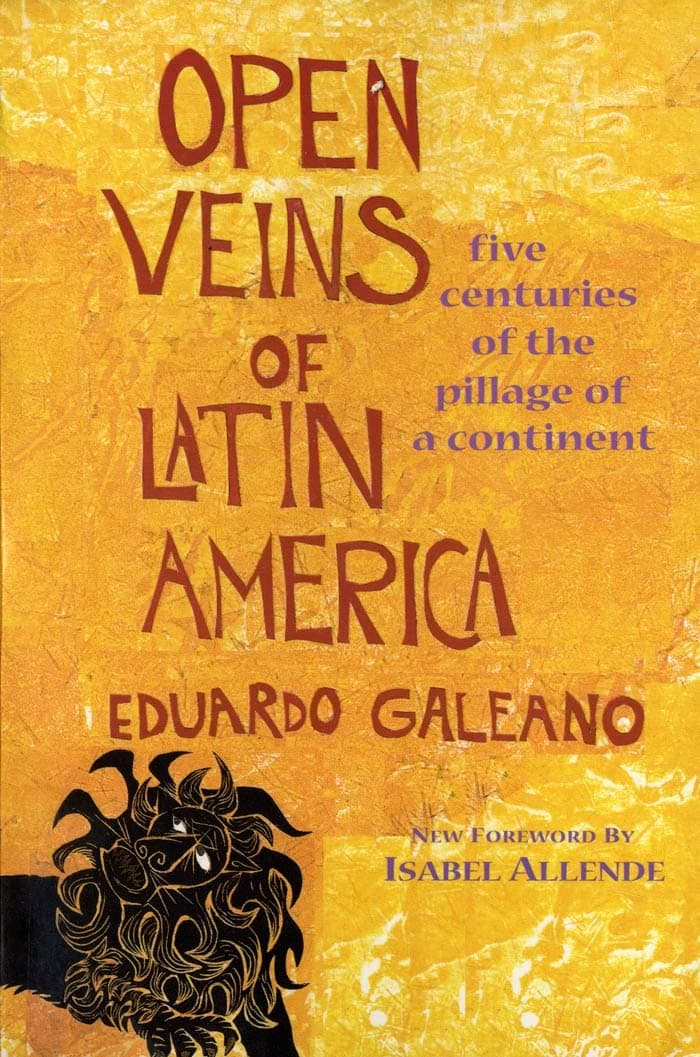
Galeano's charge is that Latin America is poor because it was rich: five centuries of silver, sugar, rubber and oil carried off to Europe and the United States. Four dictatorships banned the book.

Allan Quatermain, an aging elephant hunter, follows an old map into unmapped Africa and finds a lost kingdom ruled by a tyrant. Hidden-city adventure from Tarzan to Indiana Jones runs on Haggard's machinery.