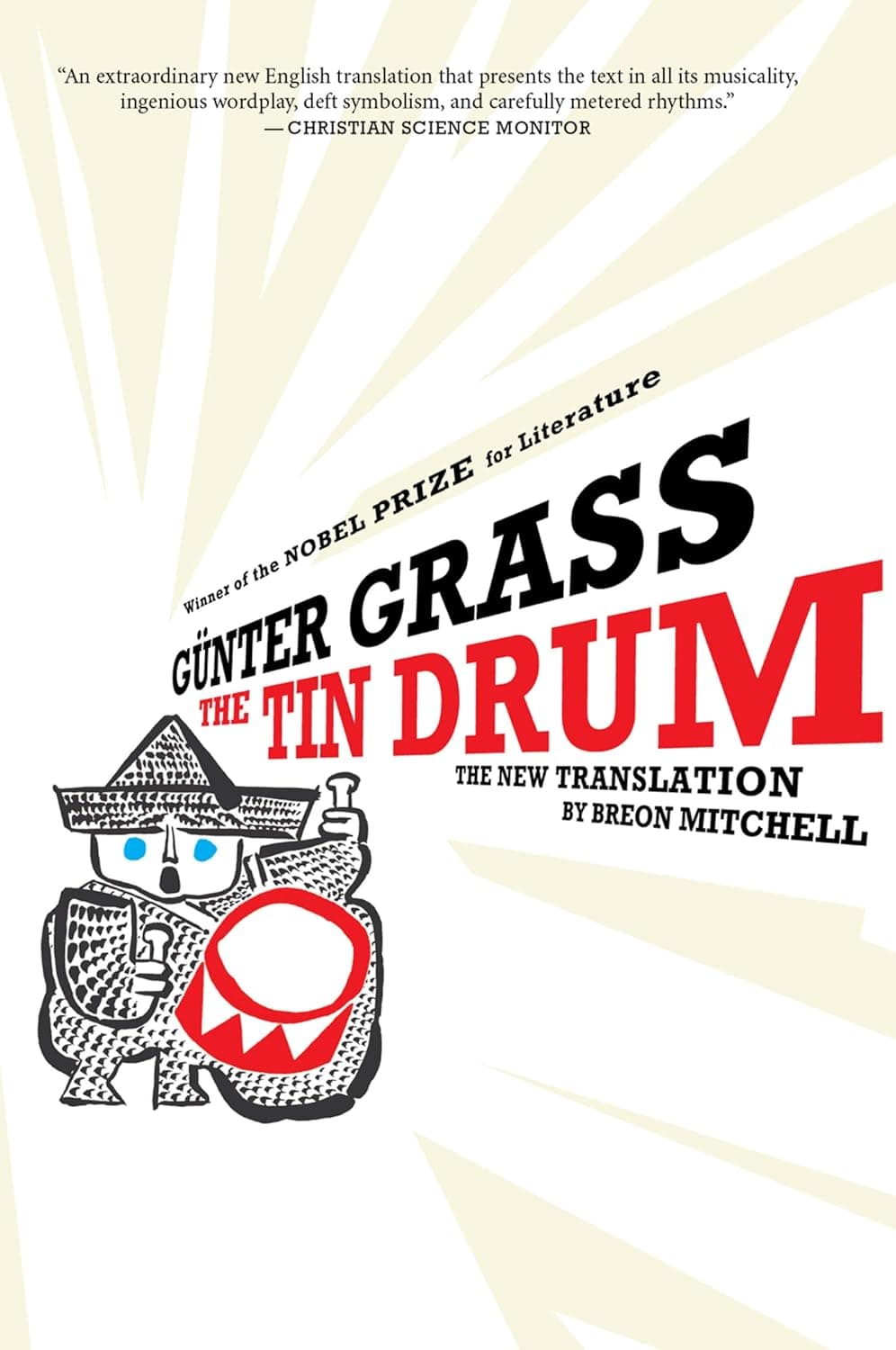
The Tin Drum
1959 · 592 pages
Oskar decides on his third birthday to stop growing, keeps his tin drum, and screams glass to pieces while the Nazis take Danzig. Grass forced postwar Germany to look at itself through him.
★ 8.3
 skopia
Oskar decides on his third birthday to stop growing, keeps his tin drum, and screams glass to pieces while the Nazis take Danzig. Grass forced postwar Germany to look at itself through him.

Spanish Golden Age drama peaks here. King Basilio locks his newborn son in a tower to outrun a prophecy, then has him drugged, brought to court, and told it was a dream.
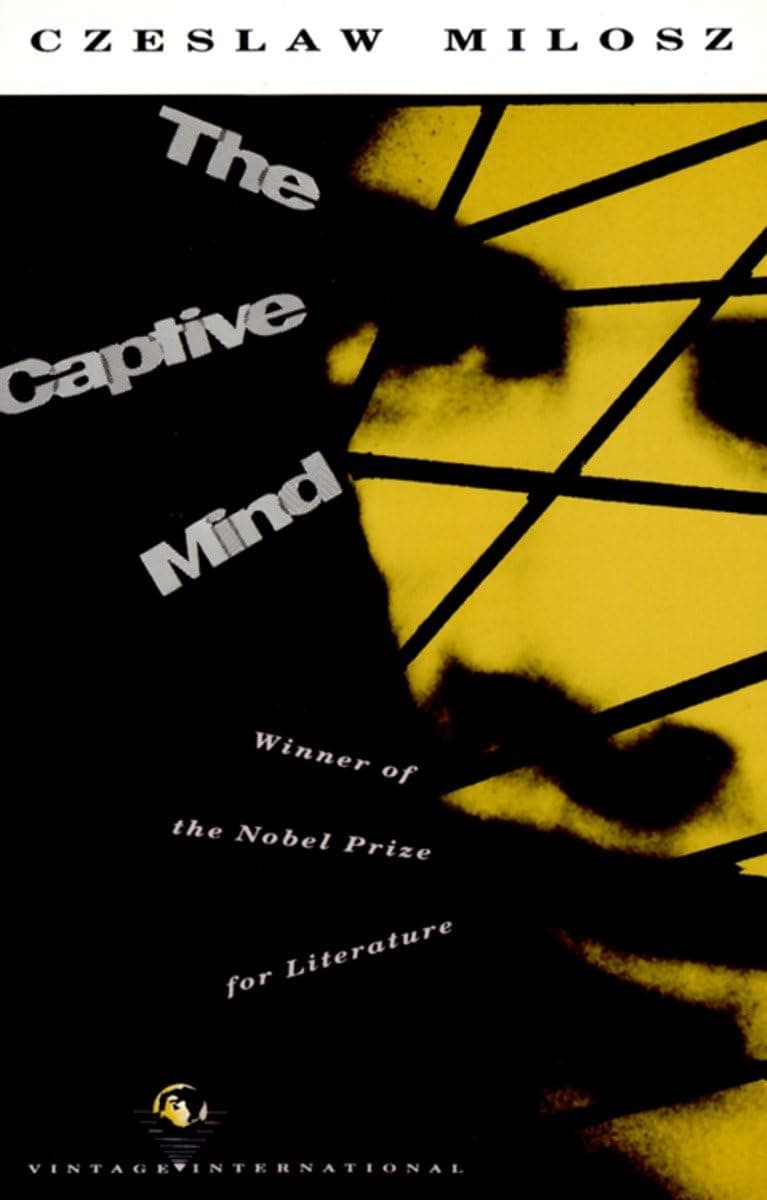
Milosz, a Polish poet who served the new regime and then defected, explains how intelligent people talked themselves into Stalinism. Ketman, he calls it: believing one thing and professing another.

Frankl, a Viennese psychiatrist, lost his wife and parents to the camps and survived Auschwitz himself. He watched who endured and who gave up, and named the last freedom: choosing your own response.

Shot by a Gestapo officer in 1942, Schulz left stories that turn a Galician backwater into a world where his father breeds birds in the attic and the calendar grows a thirteenth month.
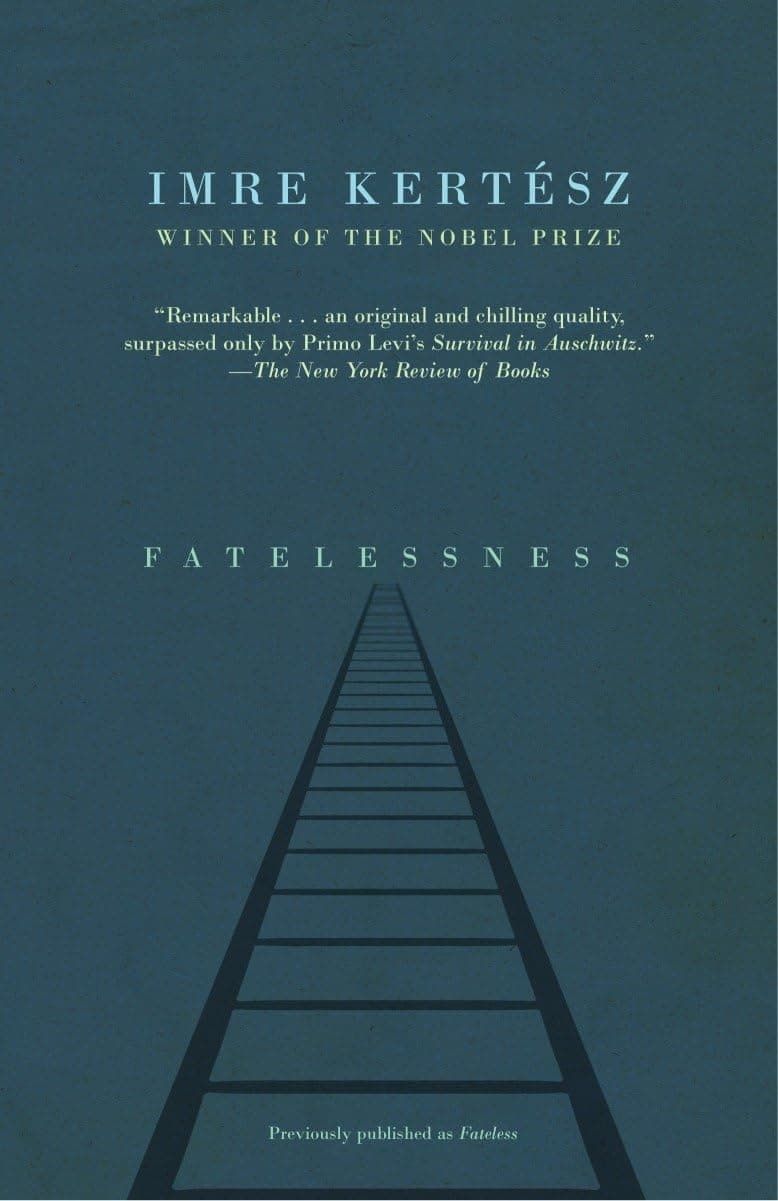
György Köves is fourteen when he is taken from Budapest to Auschwitz, and he reports each stage as it arrives, without hindsight. Back home he tries to explain the camps' happiness.

Forty years of poems that begin with an ordinary question and end somewhere you never agreed to go. In "Cat in an Empty Apartment," a cat waits for the owner who has died.

At Auschwitz a Nazi officer courts the commandant's wife while the commandant, a preening drunk, complains about his workload. The third narrator is a Jewish prisoner made to burn the bodies.