Things Fall Apart
1958 · 209 pages
Okonkwo is a wrestler and a hard man in an Igbo village, terrified of resembling his gentle, indebted father, when the missionaries arrive. Achebe builds a whole world before letting it come apart.
★ 8.9
 skopia
Okonkwo is a wrestler and a hard man in an Igbo village, terrified of resembling his gentle, indebted father, when the missionaries arrive. Achebe builds a whole world before letting it come apart.
Marlow steams up the Congo to retrieve an ivory agent gone strange upriver. Conrad found empire hollow, and the novelist Achebe's charge of racism has kept the book under argument ever since.

Something happens in the dark of the Marabar Caves, and an Englishwoman accuses the Indian doctor who brought her there. Forster watches a colonial society close ranks and goodwill count for nothing.

Fanon was a psychiatrist from Martinique who joined the Algerian revolution and died at thirty-six. Colonialism deforms the mind of the colonized, he argues, and violence undoes it. Revolutionaries read him as instructions.

The method that would break an empire took shape over twenty years in South Africa, and Gandhi sets it down beside his vows, his diets, and his failures, with disarming candor.
Western scholarship on the East was never neutral, Said argues: scholars and novelists built an exotic, backward Orient that empire could claim to govern. He upended how the West studies everyone it ruled.
Enslaved people in the French colony that became Haiti rose in 1791 and defeated Napoleon's army. James wrote their revolution as world history, with Toussaint Louverture, born a slave, at its center.

Minke, a Javanese student under Dutch rule, loves the daughter of a concubine running the estate its Dutch owner cannot. Indonesia banned it for a generation and now claims it as its greatest.

Colonization degrades the colonizer into a brute, Césaire argues, and Hitler applied to Europe the methods empire reserved for everyone else. It turned the civilizing mission into a confession of barbarism.
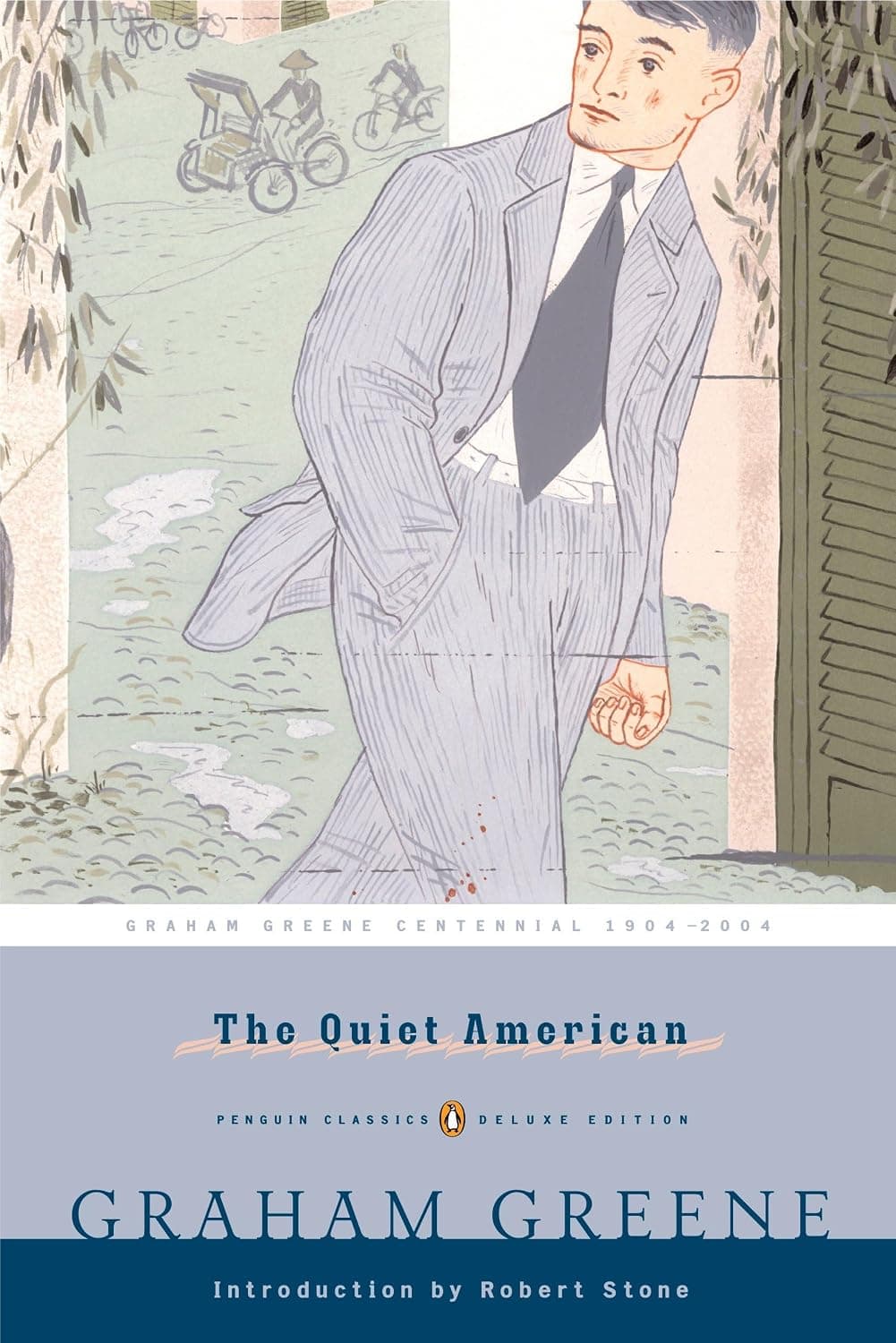
Greene put a British correspondent and an idealistic young American in Saigon, fighting over the same woman and over a theory. He saw the American war in Vietnam a decade before it started.

Schooling deposits facts into students like coins into a bank, Freire argues, and that keeps the poor quiet. Real teaching starts from their own words. Only two social science books are cited more.
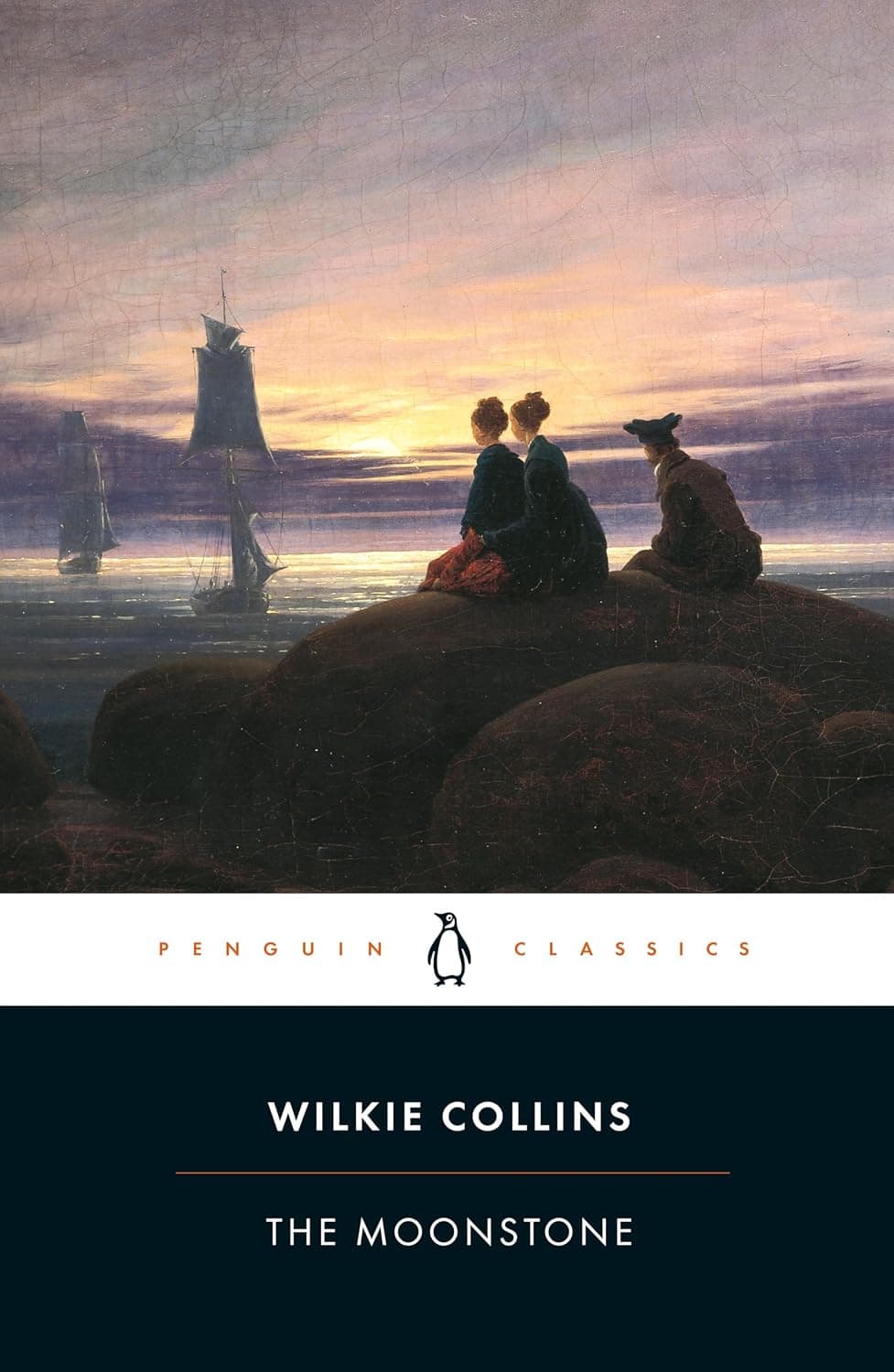
T.S. Eliot called it the first and best of modern English detective novels. A diamond looted from an Indian shrine arrives as a birthday present and vanishes that night.

A white child points and cries, Look, a Negro. Fanon takes that instant apart to show racism lodged in the skin itself, and half a century of Black thought has worked from it.

Ibarra returns from Europe to build a school and finds the friars who destroyed his father waiting. Spain banned the book, Filipinos smuggled it in anyway, and Rizal faced a firing squad.

Mustafa Sa'eed sailed north to London and left ruined Englishwomen behind him, an African answer to Conrad's Heart of Darkness. Arab writers voted it the century's most important novel in Arabic.

The first novel any Black Zimbabwean woman published in English opens with a girl not sorry her brother died: his death frees her for the mission school, where education costs her cousin everything.

Ngugi's schoolmasters caned children for speaking Gikuyu, or hung a plate around their necks reading I AM STUPID. Empire takes the mind through language, he argues, and he abandoned English for his fiction.
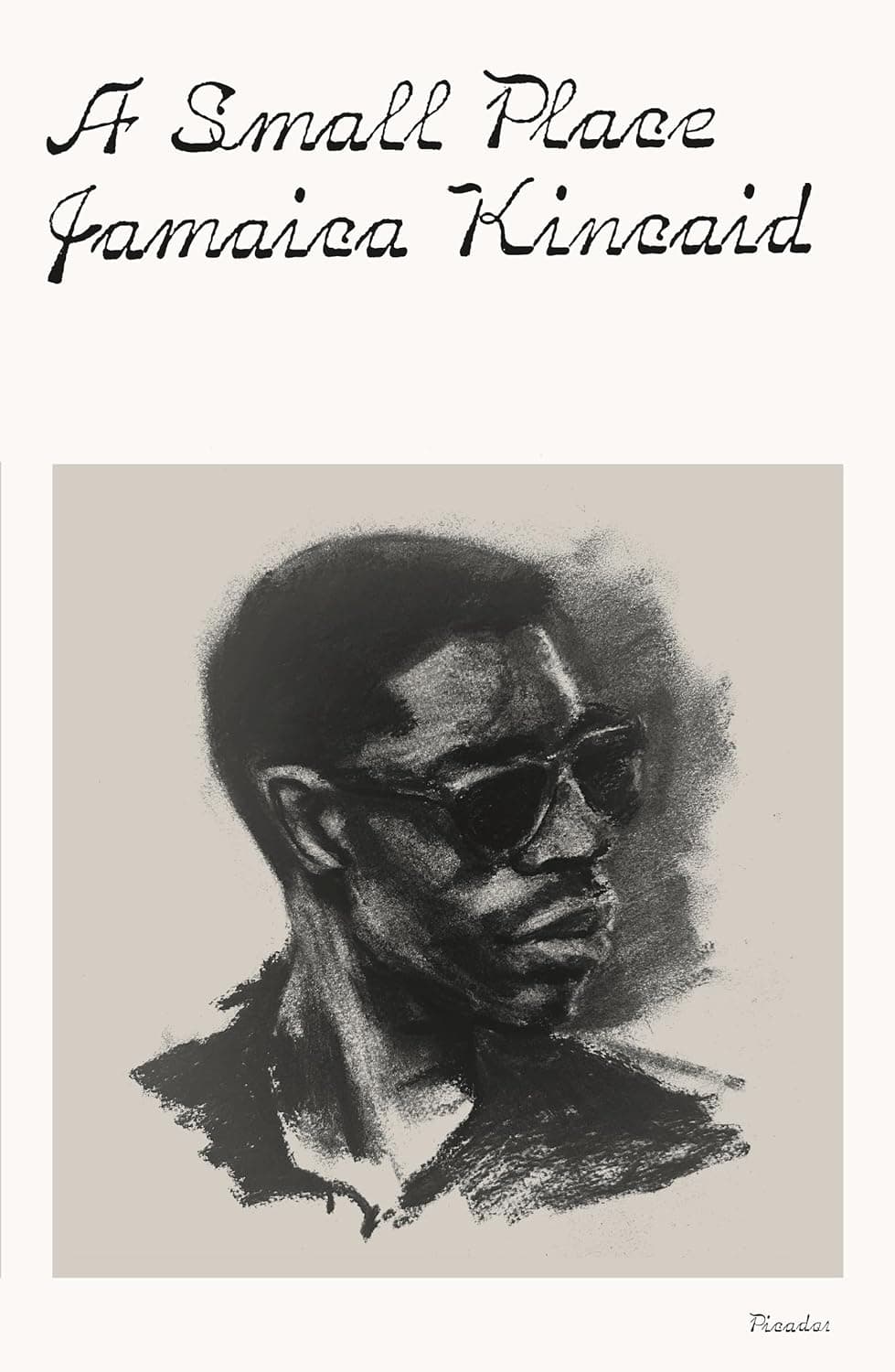
You arrive in Antigua as a tourist and Kincaid tells you what you look like to the people who live there, then turns on the empire and the government that wrecked the island.

A Dominican friar who watched it happen set down, island by island, what Spain did to the people of the Caribbean. He forced an empire to argue whether the conquered were human.

Nnu Ego's value is measured in sons, and she spends herself raising them in colonial Lagos while her husband launders clothes for an English family. Emecheta counts every cost the title conceals.
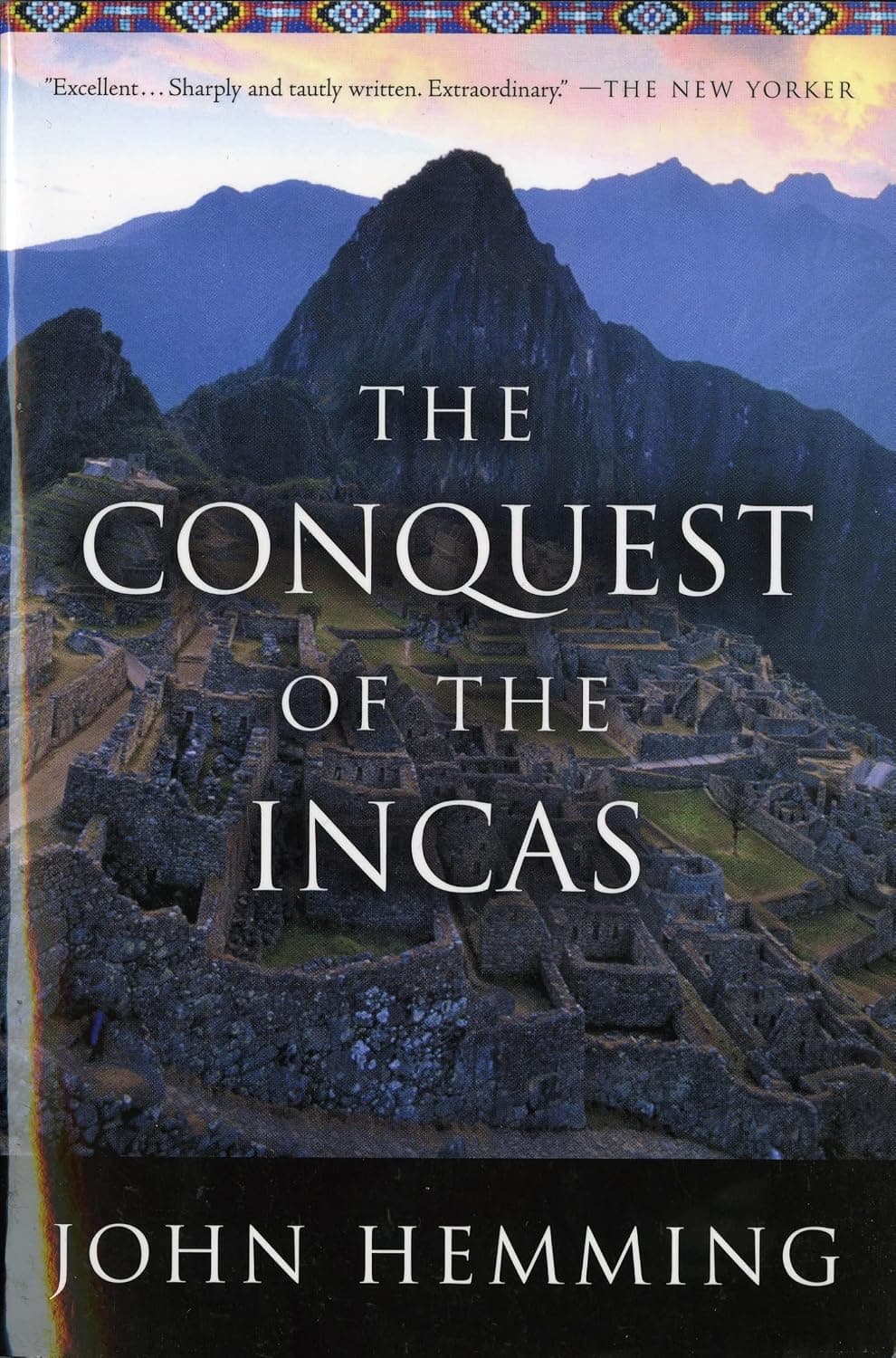
Fewer than two hundred Spaniards seized the Inca emperor at Cajamarca in 1532, and Hemming traces the forty years of rebellion and reprisal that followed, giving Andean witnesses equal weight with Spanish ones.

Cortés lands with six hundred men and topples an empire of millions. Prescott, half-blind and never in Mexico or Spain, told it so vividly historians still pry the conquest from his version.

A Liverpool shipping clerk noticed ships leaving the Congo loaded with rubber and arriving with only guns and chains. Hochschild pulls that thread into Leopold's private slave state and its millions of dead.
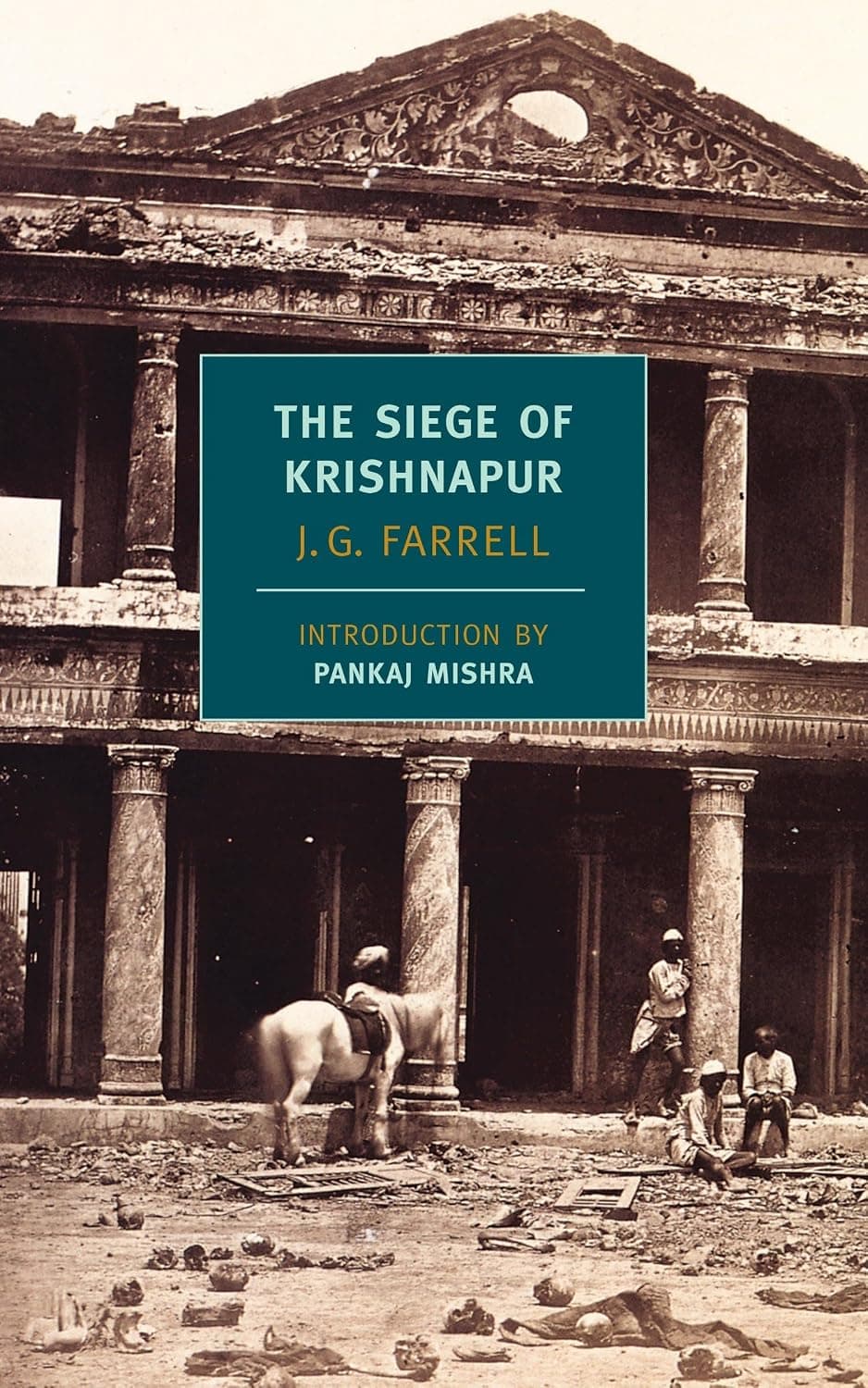
Besieged by rebels in 1857 India, British colonials run out of shot and fire the head of a Shakespeare bust from a cannon. Farrell lets their faith in progress starve alongside them.
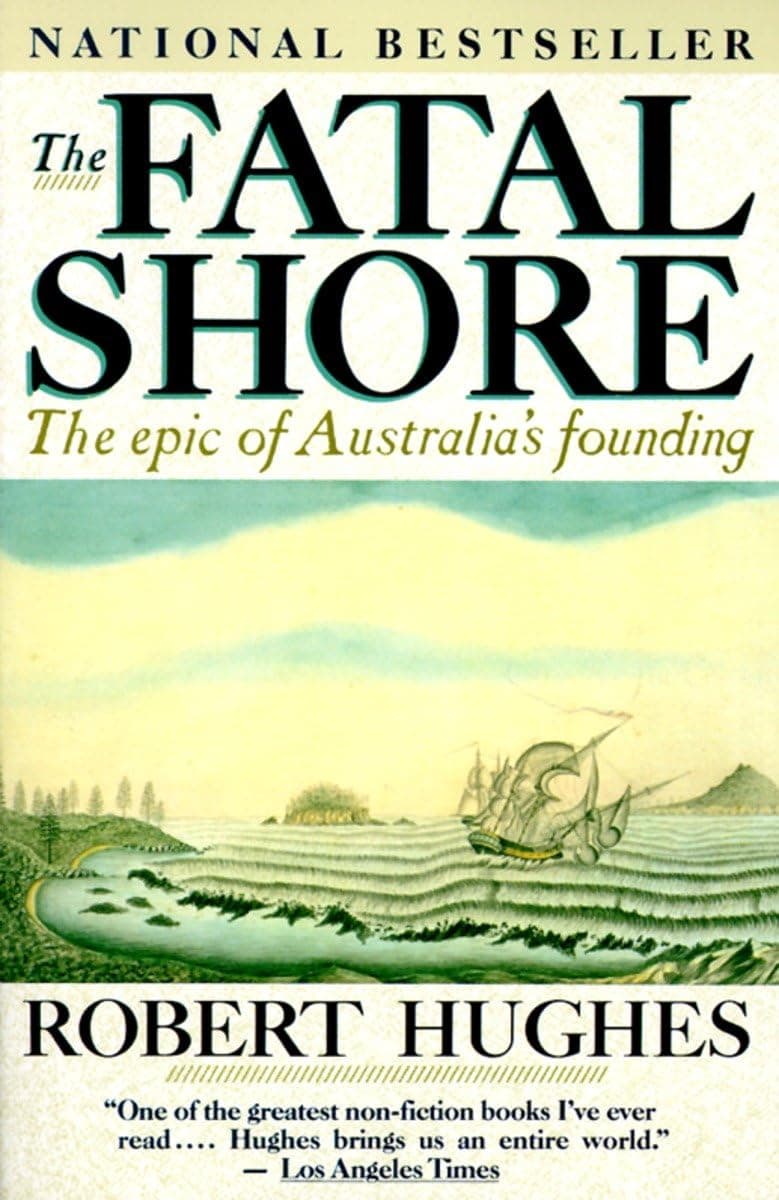
Britain shipped 160,000 convicts to Australia between 1787 and 1868. Hughes takes you down into the floggings and the Norfolk Island cells, and out again into the nation they made there.
Galeano's charge is that Latin America is poor because it was rich: five centuries of silver, sugar, rubber and oil carried off to Europe and the United States. Four dictatorships banned the book.

Wonder was never innocent, Greenblatt argues. Reading Columbus's landfall and the travel writers around him, he catches the moment when amazement at a new world hardens into a claim to own it.

Colonialism does its damage both ways, Memmi argues: the settler corrupted by privilege he will not renounce, the colonized shrunk to the myth invented for him. He was a Tunisian Jew, and both.

Biafra secedes from Nigeria in 1967, and Adichie follows a houseboy, a radical professor, and twin sisters from talk of independence into blockade, famine, and flight. Her grandfathers both died in it.

Buying a house in the hill village of Bellapais, Durrell watched Cyprus slide from Mediterranean idyll into insurgency, and ended up speaking for the British government as his Greek friends turned against him.

Morgan Leafy, a British diplomat in a fictional West African state, must bribe an incorruptible Scottish doctor, conceal a venereal infection, and remove the maid lightning killed before the Duchess arrives.
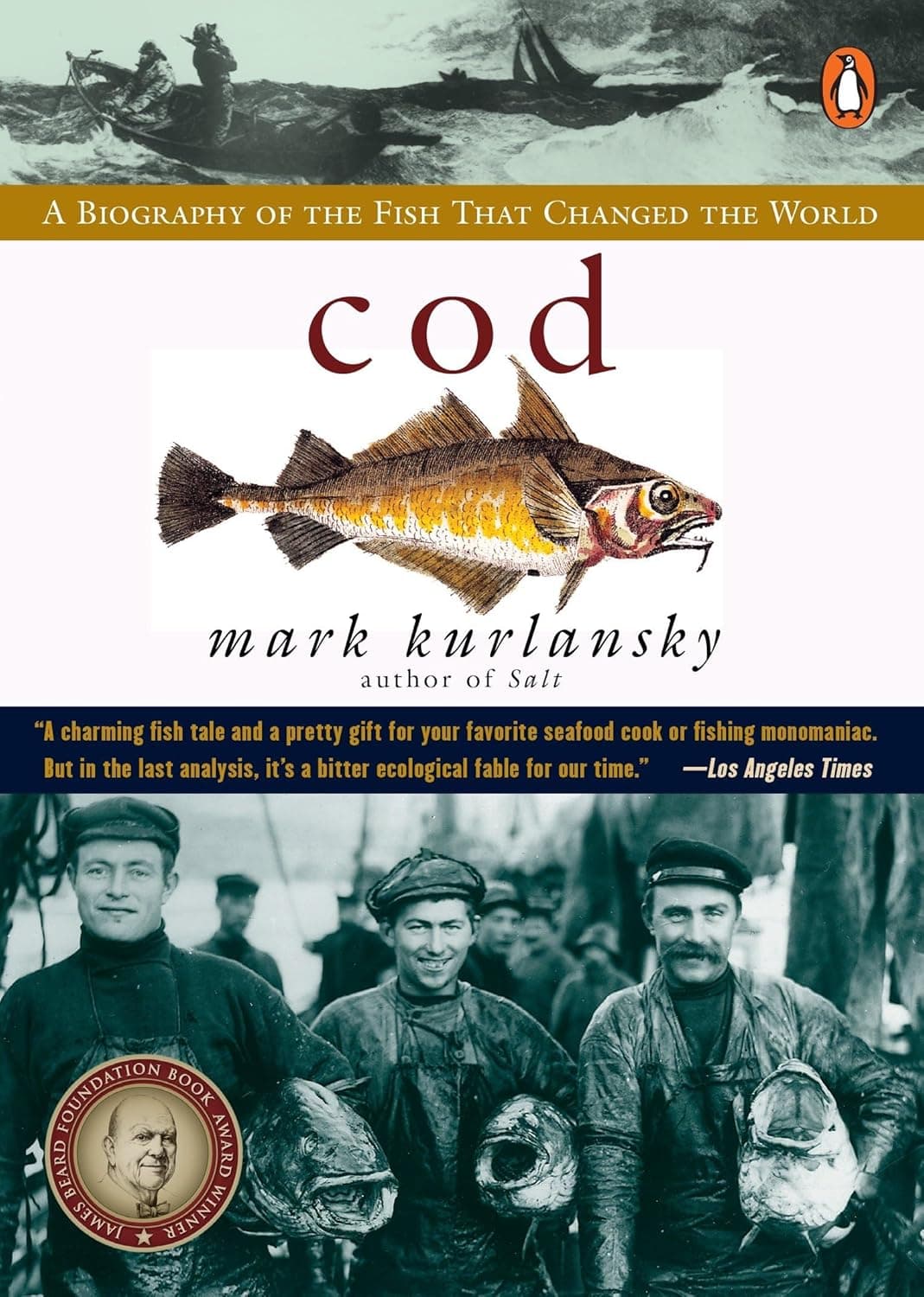
One fish shaped the whole Atlantic world. Kurlansky follows cod from the Basques and their secret fishing grounds through the slave-trade economies it fed to the Grand Banks collapse of 1992.

Pendergrast traces coffee from an Ethiopian hillside to the corner cafe, through Brazilian slave plantations and the US-backed coup in Guatemala, and shows how grocery marketing wars made American coffee undrinkable.