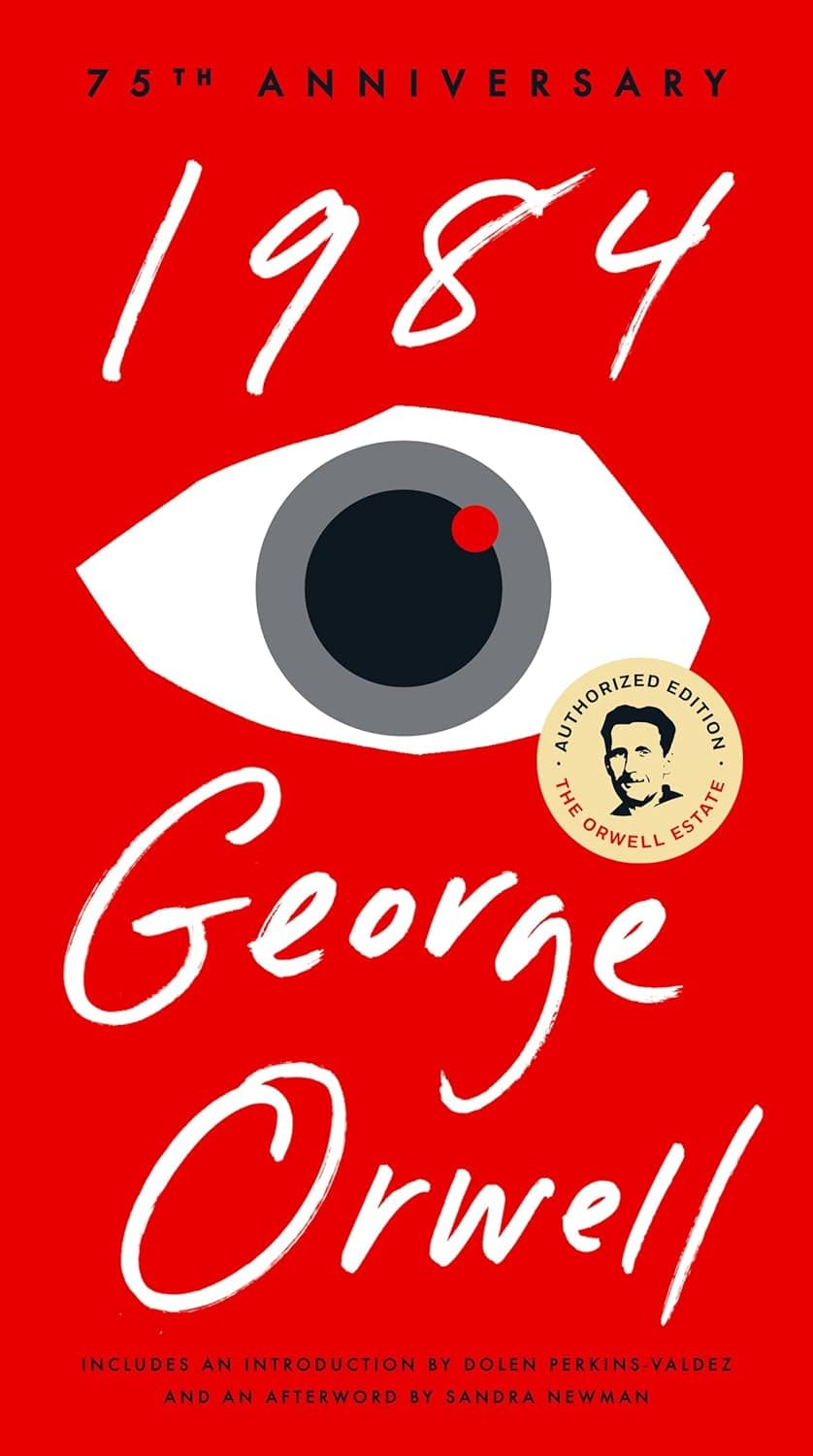
1984
1949 · 328 pages
Winston Smith rewrites old newspapers so history agrees with the Party, then risks a diary and a love affair. Orwell built the machinery so exactly that reading it feels like being watched.
★ 9.1
 skopia
Winston Smith rewrites old newspapers so history agrees with the Party, then risks a diary and a love affair. Orwell built the machinery so exactly that reading it feels like being watched.
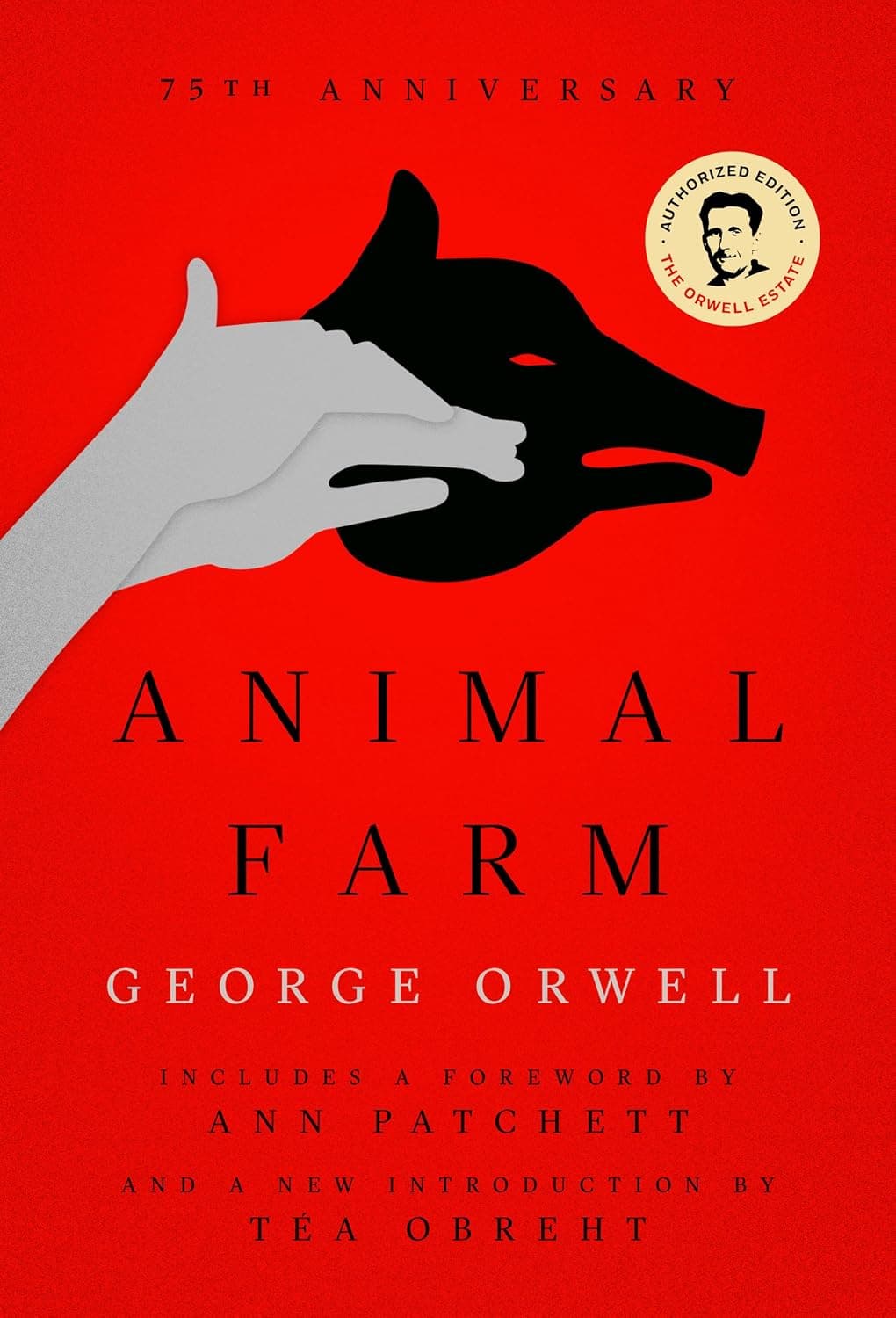
The animals drive out the farmer and run the place themselves, until the rules painted on the barn wall start changing. Orwell reduced the Russian Revolution to a fable no adult forgets.
Asked why anyone should be just when nobody is watching, Socrates answers by building an entire city in conversation. The allegory of the cave has never stopped explaining people to themselves.

No foreigner has ever read America this well. Touring the young republic in 1831, Tocqueville found equality rather than liberty the engine of the place, and warned that majority opinion smothers free minds.
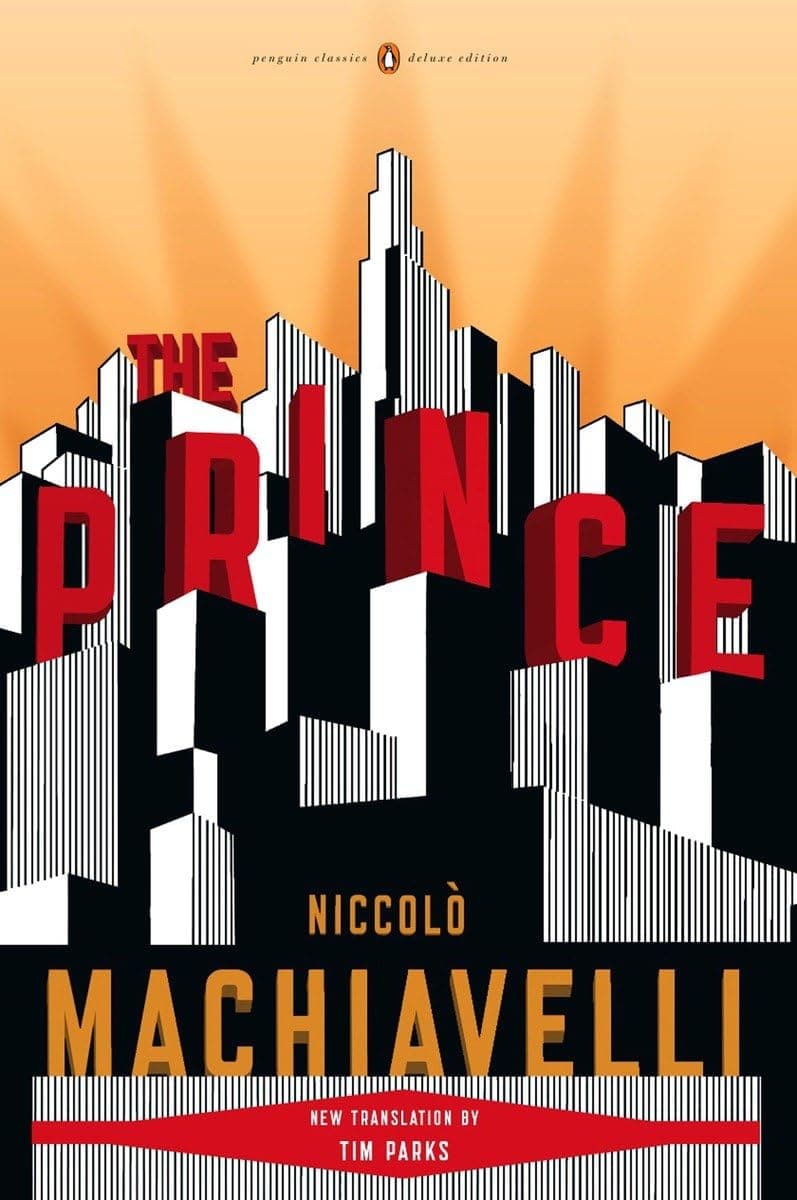
Machiavelli threw out the question of how a ruler ought to behave and asked how power is taken and kept. His answer, that a prince does better feared than loved, still unsettles people.

Rawls asks which rules you would pick for a society without knowing your place in it. His answer, equal liberties and inequality only when it lifts the worst off, reset political philosophy.
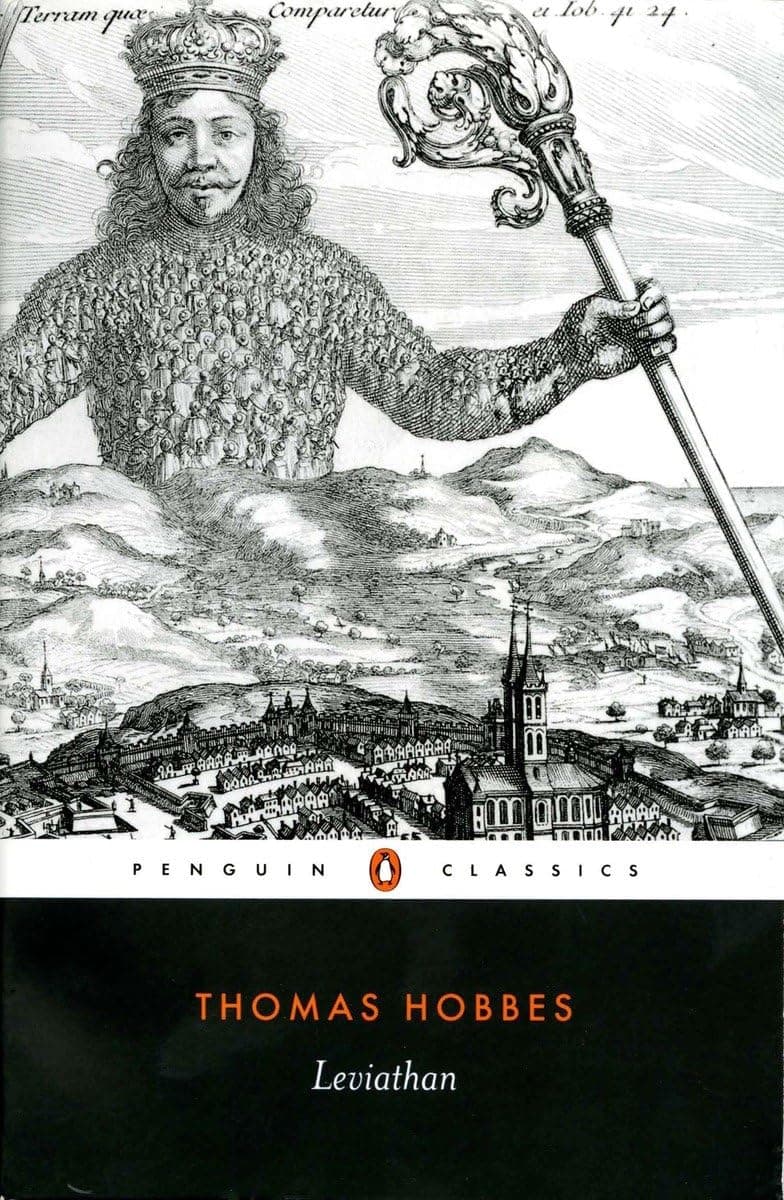
Strip away the state, Hobbes argues, and life becomes a war of everyone against everyone, nasty, brutish, and short. The remedy is to hand all our power to one sovereign.
Two years in a cabin by a Massachusetts pond, and the permanent argument against a life spent earning. Thoreau writes about beans, loons, and why most people lead lives of quiet desperation.

Montesquieu sorts governments into republics that run on virtue, monarchies on honor, and despotisms on fear, then argues that liberty survives only where power is divided. The American framers read him closely.

People are born free and equal, Locke argues, own what their labor makes, and create government by consent. One that breaks the trust may be thrown out. Jefferson took the argument whole.

The method that would break an empire took shape over twenty years in South Africa, and Gandhi sets it down beside his vows, his diets, and his failures, with disarming candor.
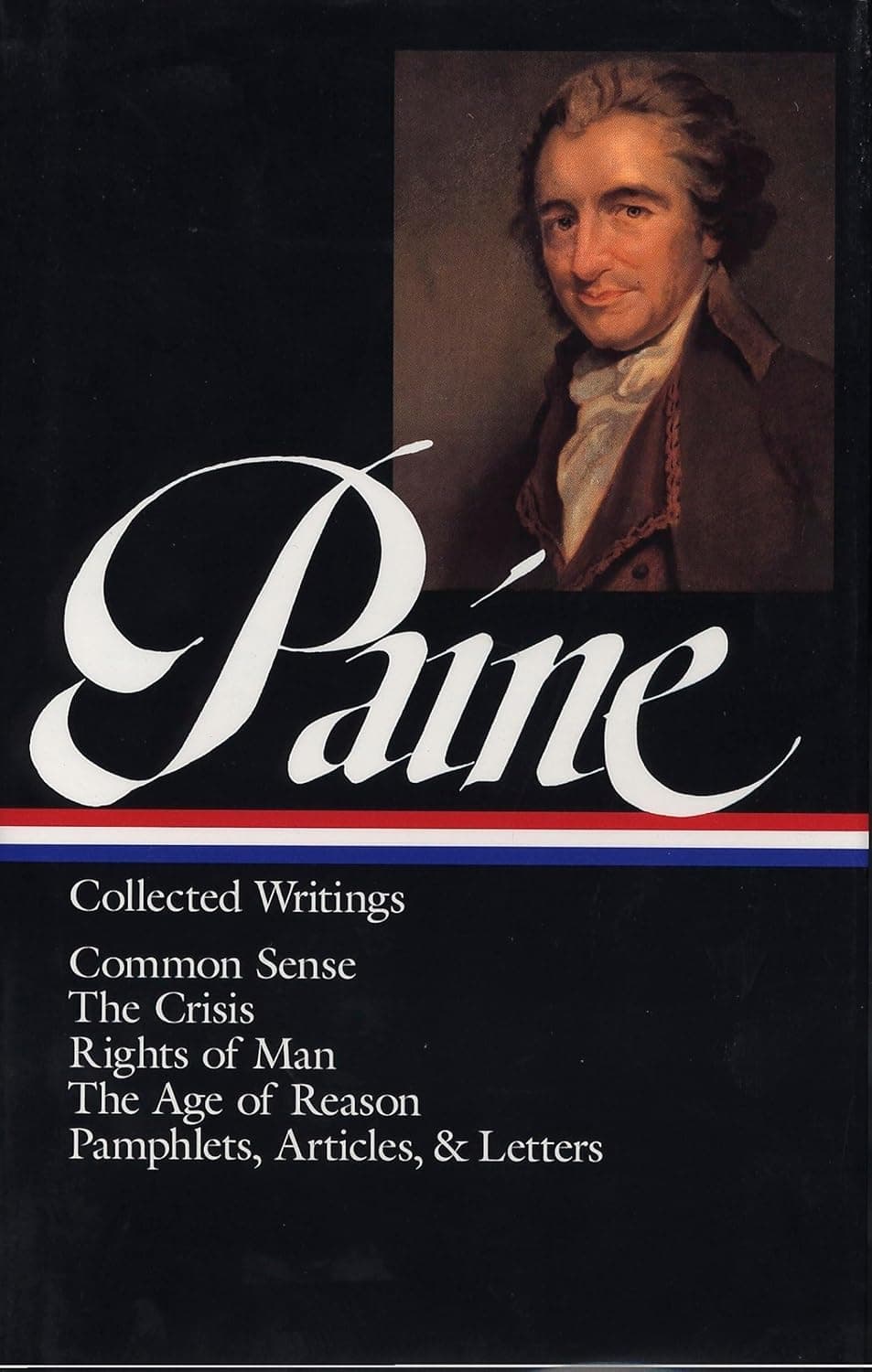
Paine tells the colonists that an island cannot rule a continent and that hereditary kingship is an absurdity. Read aloud in taverns, it turned grievance into independence within months.

Osip Mandelstam wrote sixteen lines mocking Stalin and died in a camp for them. His widow Nadezhda memorized the poems to keep them alive, then set down exactly how the fear worked.

Modern conservatism begins here, in Burke's fury at revolutionaries who tore down old institutions for the sake of an abstraction. Society is a partnership between the dead, the living, and the unborn.
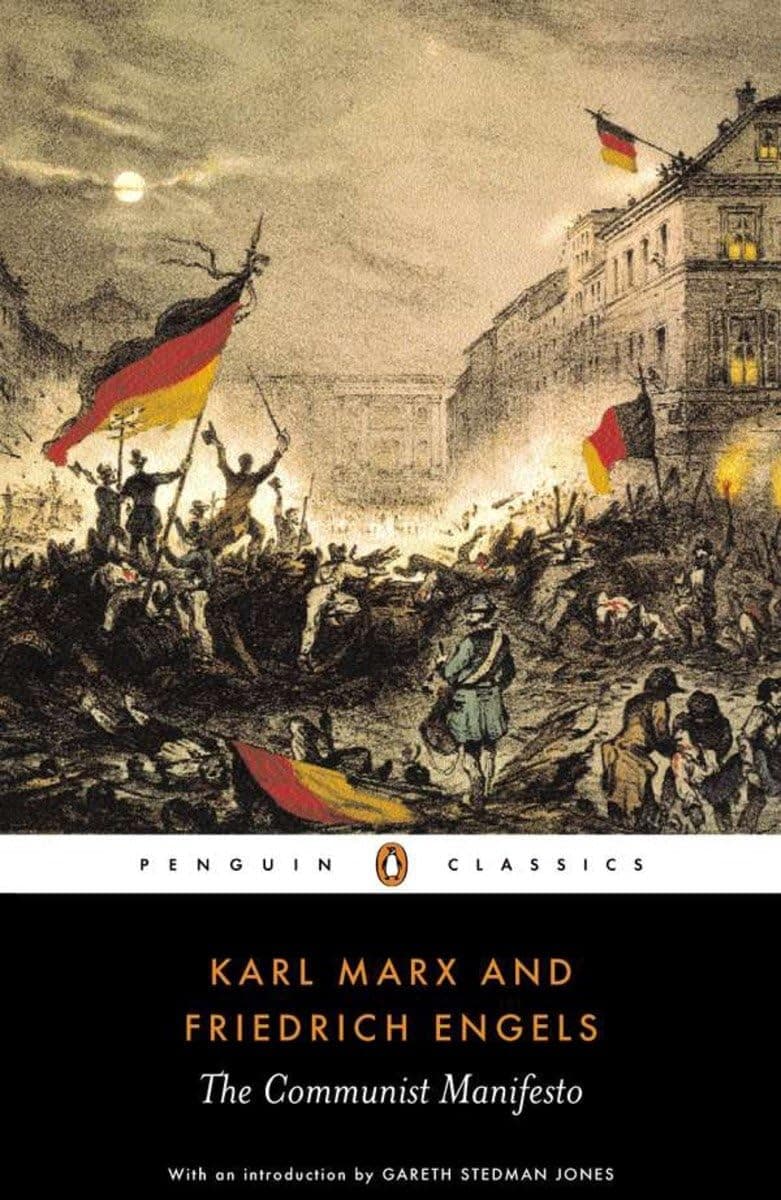
A spectre is haunting Europe, Marx and Engels announce, then read all recorded history as class struggle and hand the workers of the world a program. No pamphlet has moved more people.
Western scholarship on the East was never neutral, Said argues: scholars and novelists built an exotic, backward Orient that empire could claim to govern. He upended how the West studies everyone it ruled.

Carlyle writes the Revolution in the present tense, as though standing in the crowd. The Bastille falls and the Terror arrives as things still happening, history delivered as thunder rather than explanation.

Woodward and Bernstein worked doorsteps, phone books, and a source who met Woodward in a parking garage, tracing campaign money into the White House. Journalism has measured itself against this reporting ever since.

Willie Stark rises from county treasurer to governor believing good can be made only out of bad. Warren wrote the American novel of power, narrated by the aide he sends to dig dirt.

Shilts reconstructed the AIDS epidemic's first years and showed the deaths were a political choice, from unfunded research to blood banks that refused to screen. He learned his diagnosis the day he finished.

Three years of humiliation as Kennedy's vice president, then Dallas, and Johnson seizes a stunned government. Caro tracks it week by week to the civil rights bill the South had blocked for decades.
The fullest modern defense of power politics, written by a secretary of state who practiced it. Kissinger runs from Richelieu to the Cold War, insisting that order rests on balance, not moral aspiration.
The marble Washington was a performance: Chernow finds a man of hot temper, sharp ambition, and constant calculation underneath, and follows him from surveying to Mount Vernon's slave quarters to the presidency.
Individuals have rights, Nozick begins, so a just state shrinks to police, courts, and defense. A million fans paying a basketball star a quarter gave libertarianism its sharpest weapon against redistribution.

A Dominican friar who watched it happen set down, island by island, what Spain did to the people of the Caribbean. He forced an empire to argue whether the conquered were human.
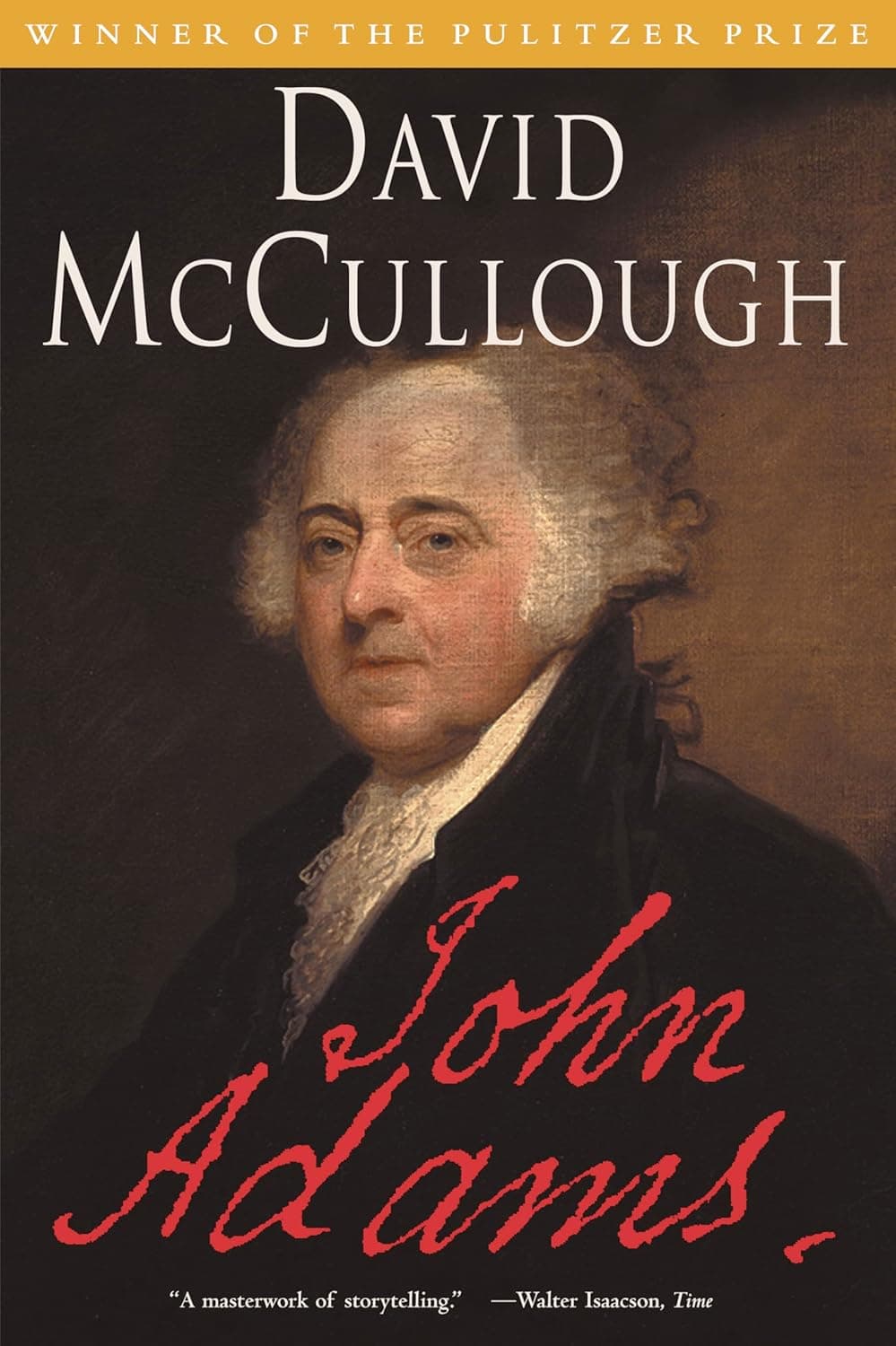
McCullough gives the difficult, honest second president his full size: a marriage to Abigail conducted in letters across an ocean, and a friendship with Jefferson that broke and was repaired in old age.
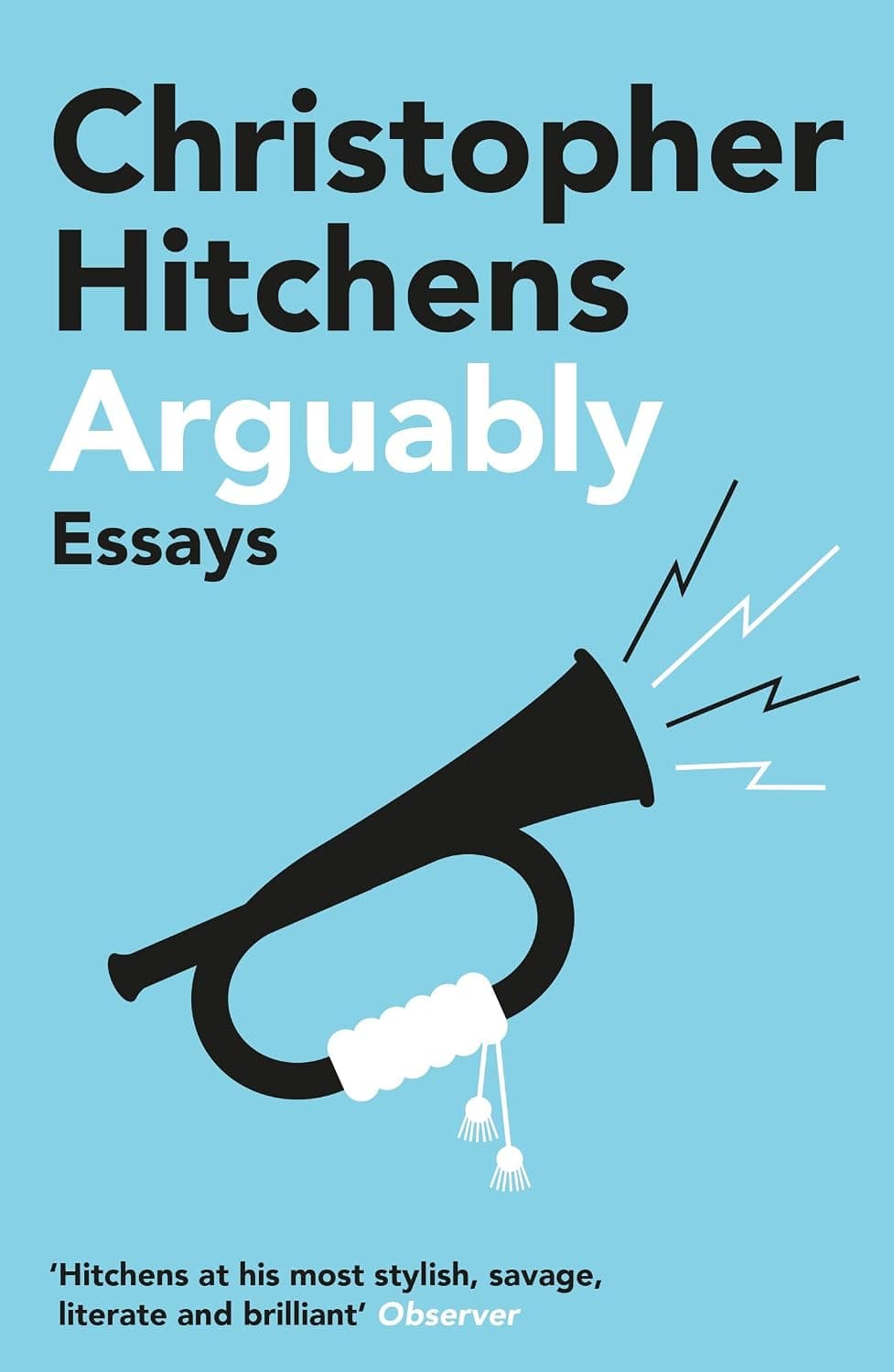
No English-language essayist of his generation wrote with more range or less caution. These 107 pieces run from Orwell and Jefferson to Iraq and Afghanistan, and Hitchens had himself waterboarded before writing one.

Packer follows a Youngstown factory worker, a North Carolina biodiesel man and a Washington lobbyist from 1978 to 2012, and shows the institutions that once held Americans in place giving way to money.
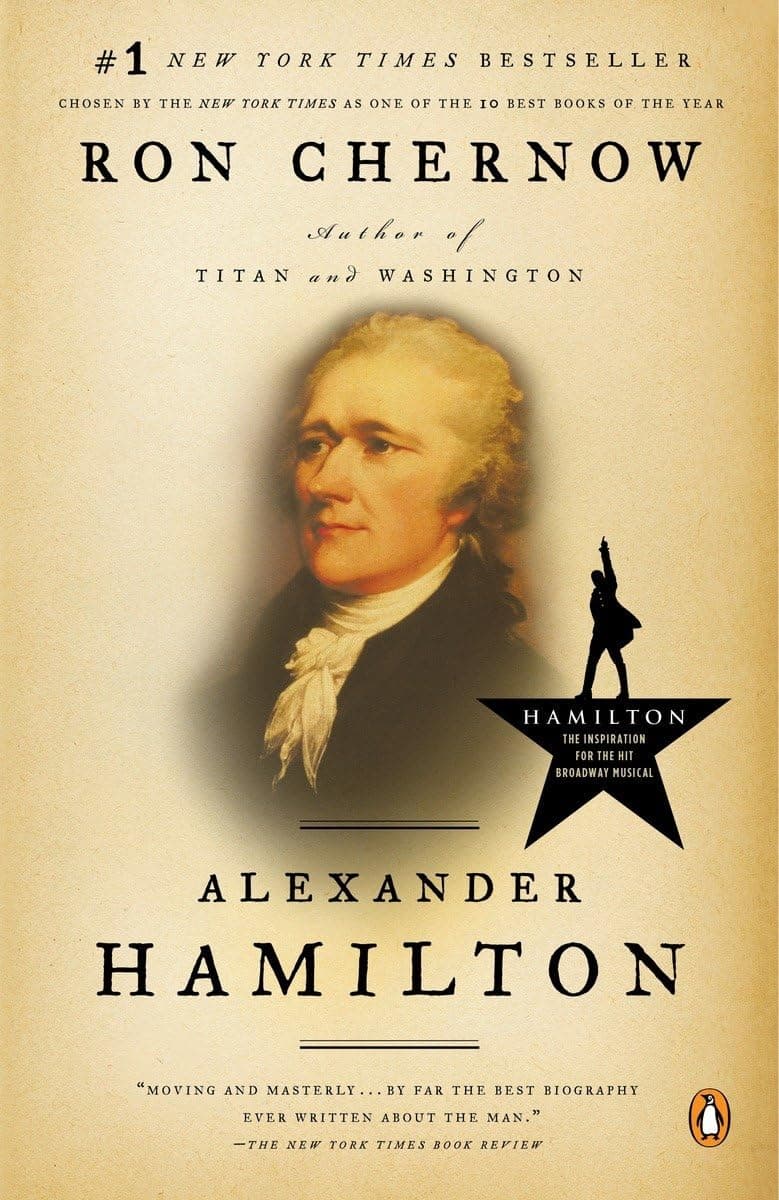
Born out of wedlock in the Caribbean, Hamilton reached New York at seventeen, wrote most of the Federalist Papers, and built American finance. Chernow drives it all toward the duel.

Sherman McCoy, a Park Avenue bond trader who calls himself a Master of the Universe, takes a wrong turn into the Bronx. A boy is struck, and Wolfe feeds him to New York.