The Books canon

Sourced and shelved.

Every book chosen by hand and annotated for why it matters.
Browse all 1,178 books or filter by subject, era, place, and author.

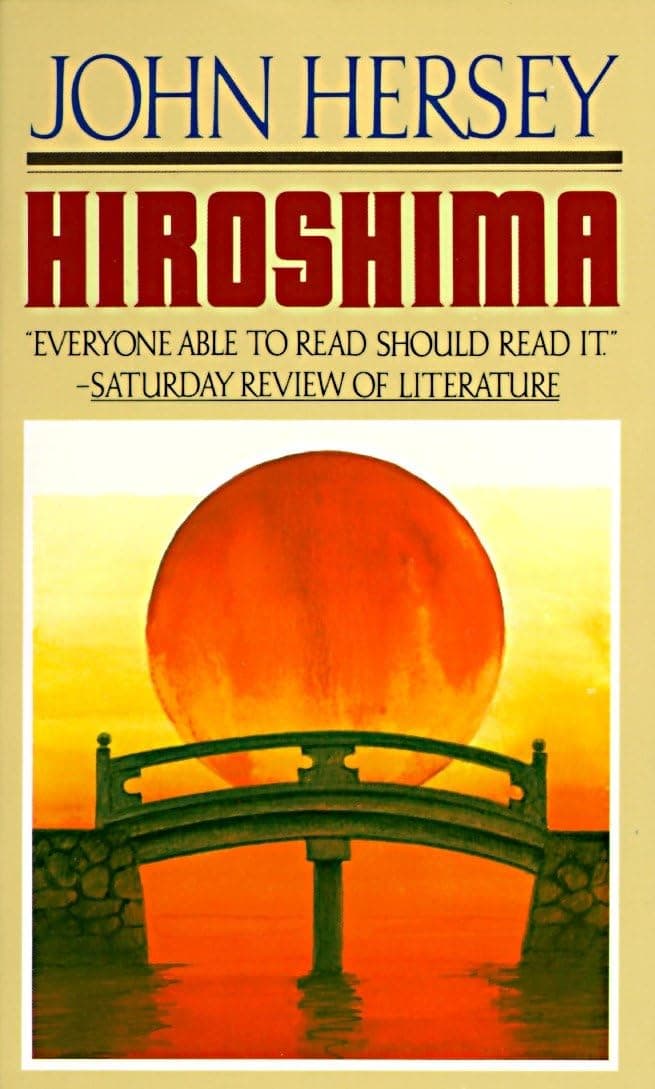
Hiroshima

1946 · 152 pages

Six people survived the bomb at Hiroshima and Hersey follows them through the year after: a clerk, a widow, two doctors, and two clergymen. He writes flatly and it is unbearable.

★ 8.0

Discipline and Punish

The Birth of the Prison
1975 · 333 pages

Punishment stopped tearing bodies apart in public and became timetables and cells. Foucault explains why: constant watching disciplines better than pain, and the same technique now runs schools and factories.

★ 7.8

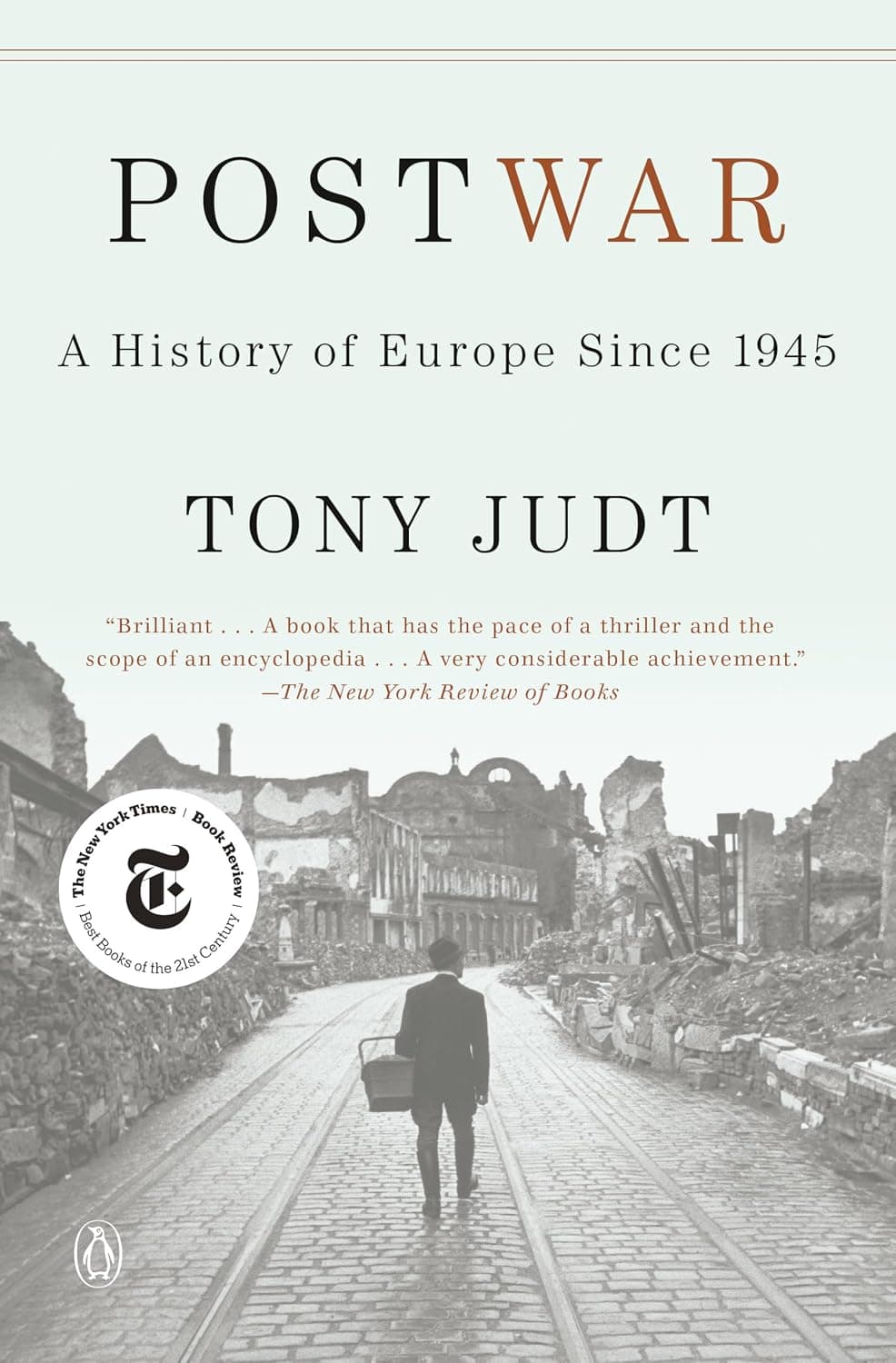
Postwar

2005 · 933 pages

Judt carries Europe from the rubble of 1945 to 2005, east and west in one story, showing a continent that rebuilt itself by forgetting the war and then defined itself by remembering it.

★ 7.6

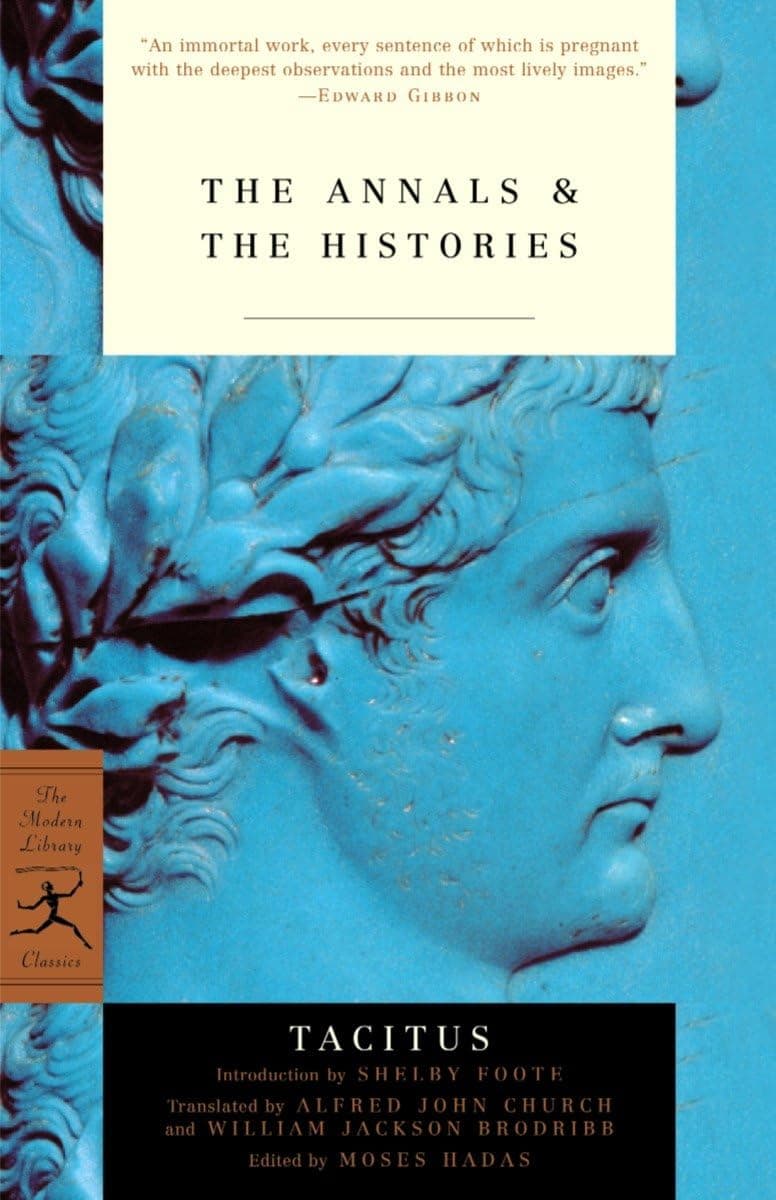
The Annals

117 · 596 pages

Tacitus promises to write without anger or partiality, then follows Rome from Augustus through Tiberius, Claudius, and Nero, ruining each of them in half a sentence. Power has never had a colder witness.

★ 7.6

The Histories

440 BC · 1024 pages

History begins with Herodotus asking why Greeks and Persians fought, and reaching Thermopylae by way of Egyptian mummies and gold-digging ants. He reports the rumors too, and lets you judge.

★ 7.5

Records of the Grand Historian

94 BC · 208 pages

Castrated rather than executed for defending a general, Sima Qian lived to finish his history: twenty-five centuries of China told through emperors, assassins, and merchants. The portraits are alive on the page.

★ 7.5

Henry V

1599 · 292 pages

Outnumbered in France, a young king talks his army into fighting at Agincourt, promising that whoever survives will remember the day forever. After the battle he reads out the names of the dead.

★ 7.3

The Story of Art

1950 · 688 pages

There is no such thing as Art, Gombrich begins, only artists. From cave paintings to Picasso he explains what each was trying to solve, and you come out able to see it.

★ 7.2

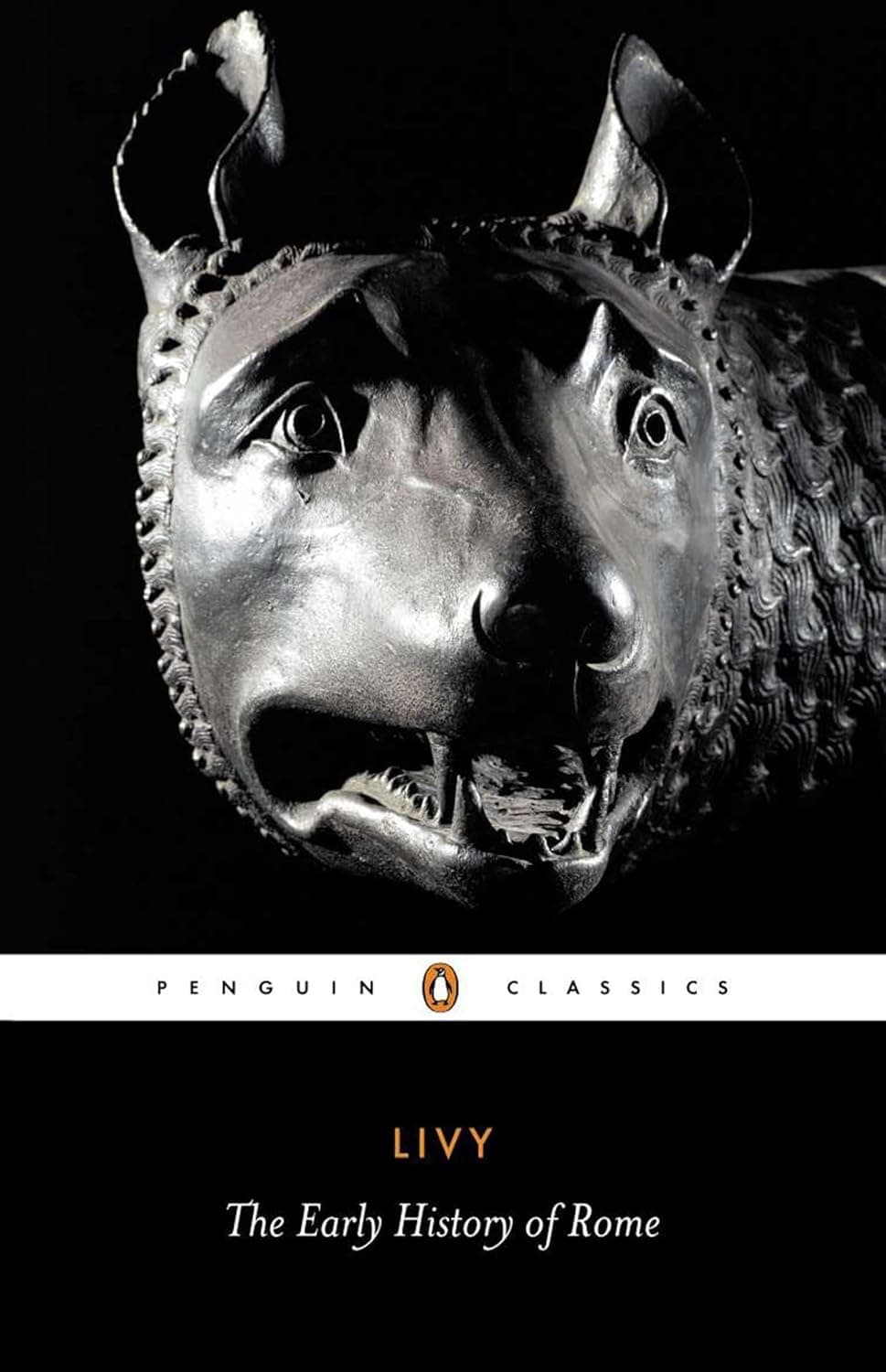
The History of Rome

25 BC · 487 pages

Livy tells Rome's story from the wolf and the twins onward, pausing on the people whose conduct he believes made the city. These are the legends Europe retold for two thousand years.

★ 7.2

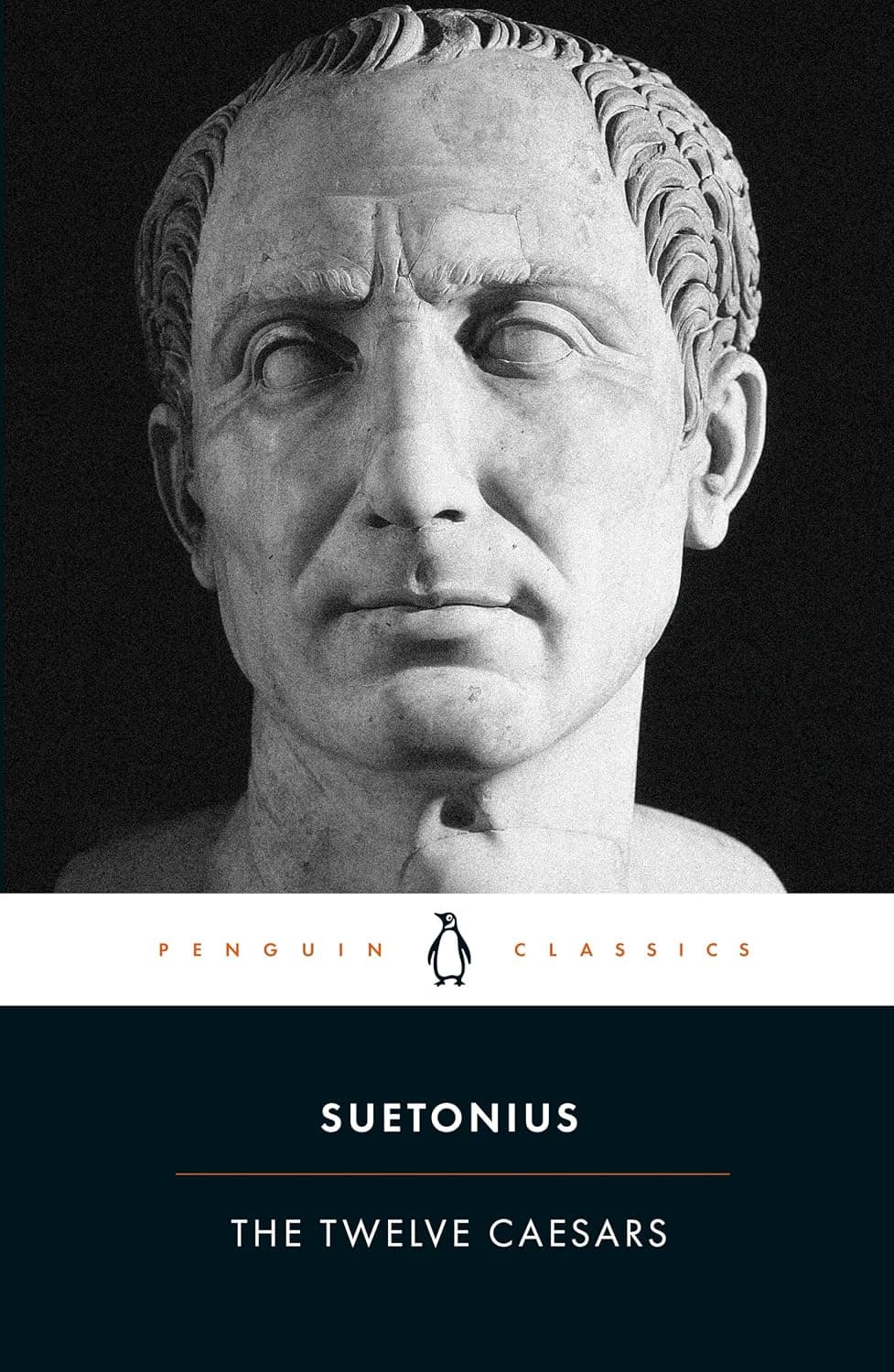
The Twelve Caesars

121 · 464 pages

Secretary to the emperor Hadrian, Suetonius wrote the lives of Julius Caesar and eleven emperors after him, omens, gossip, last words and all. Our picture of Nero comes straight from these pages.

★ 7.2

Eminent Victorians

1918 · 288 pages

Four Victorian idols go under Strachey's scalpel: Cardinal Manning, Florence Nightingale, the headmaster Thomas Arnold, and General Gordon at Khartoum. The malice is so elegant that English biography never went back to reverence.

★ 7.0

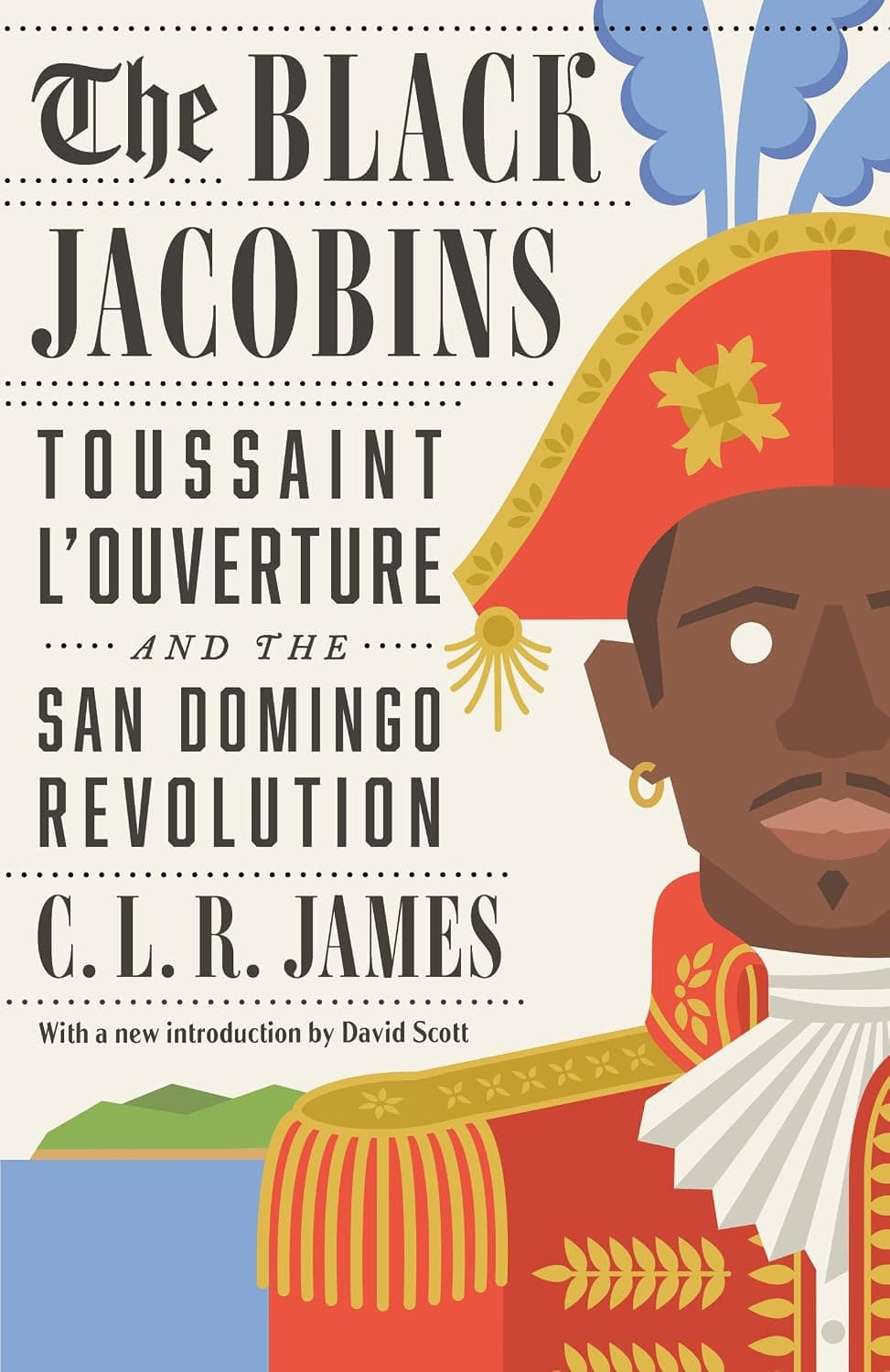
The Black Jacobins

1938 · 448 pages

Enslaved people in the French colony that became Haiti rose in 1791 and defeated Napoleon's army. James wrote their revolution as world history, with Toussaint Louverture, born a slave, at its center.

★ 7.0

A History of the Crusades

1951 · 336 pages

Runciman tells the Crusades from Constantinople looking west, and the men in armor come off badly. Three volumes of grand narrative build toward his verdict: one long act of intolerance in God's name.

★ 6.9
Parting the Waters

America in the King Years, 1954-63
1988 · 1088 pages

Branch follows Martin Luther King from the Montgomery bus boycott to Birmingham, moving between black church basements, the Kennedy White House, and the FBI, and ten years become full American history.

★ 6.9

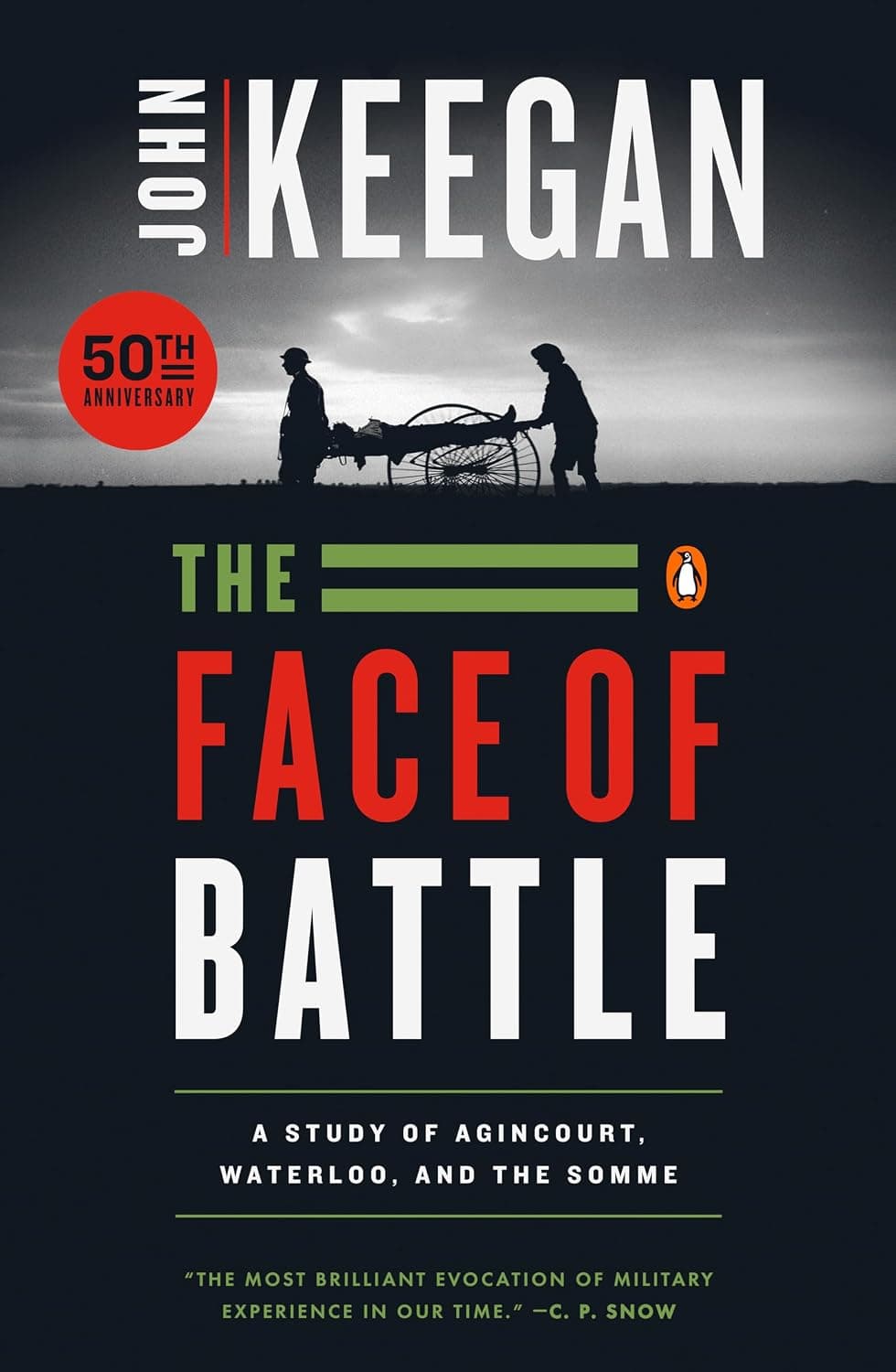
The Face of Battle

1976 · 364 pages

Keegan asked what a battle feels like to the man standing in it, and answered through Agincourt, Waterloo, and the Somme. He put the reader inside the ranks and remade military history.

★ 6.9

The Cheese and the Worms

1976 · 224 pages

A sixteenth-century Italian miller told the Inquisition that the world formed as cheese forms from milk, and the angels were worms in it. From that file Ginzburg reconstructs an entire peasant mind.

★ 6.8

American Slavery, American Freedom

The Ordeal of Colonial Virginia
1975 · 480 pages

Virginia's planters learned from the uprising of 1676 that poor whites and enslaved Africans might combine against them, and answered by writing racial contempt into law. Morgan makes freedom and slavery one story.

★ 6.8

A Distant Mirror

The Calamitous 14th Century
1978 · 704 pages

Tuchman holds the fourteenth century up as a mirror to our own: plague killing a third of Europe, a war without end, and one French nobleman whose life ran through all of it.

★ 6.8

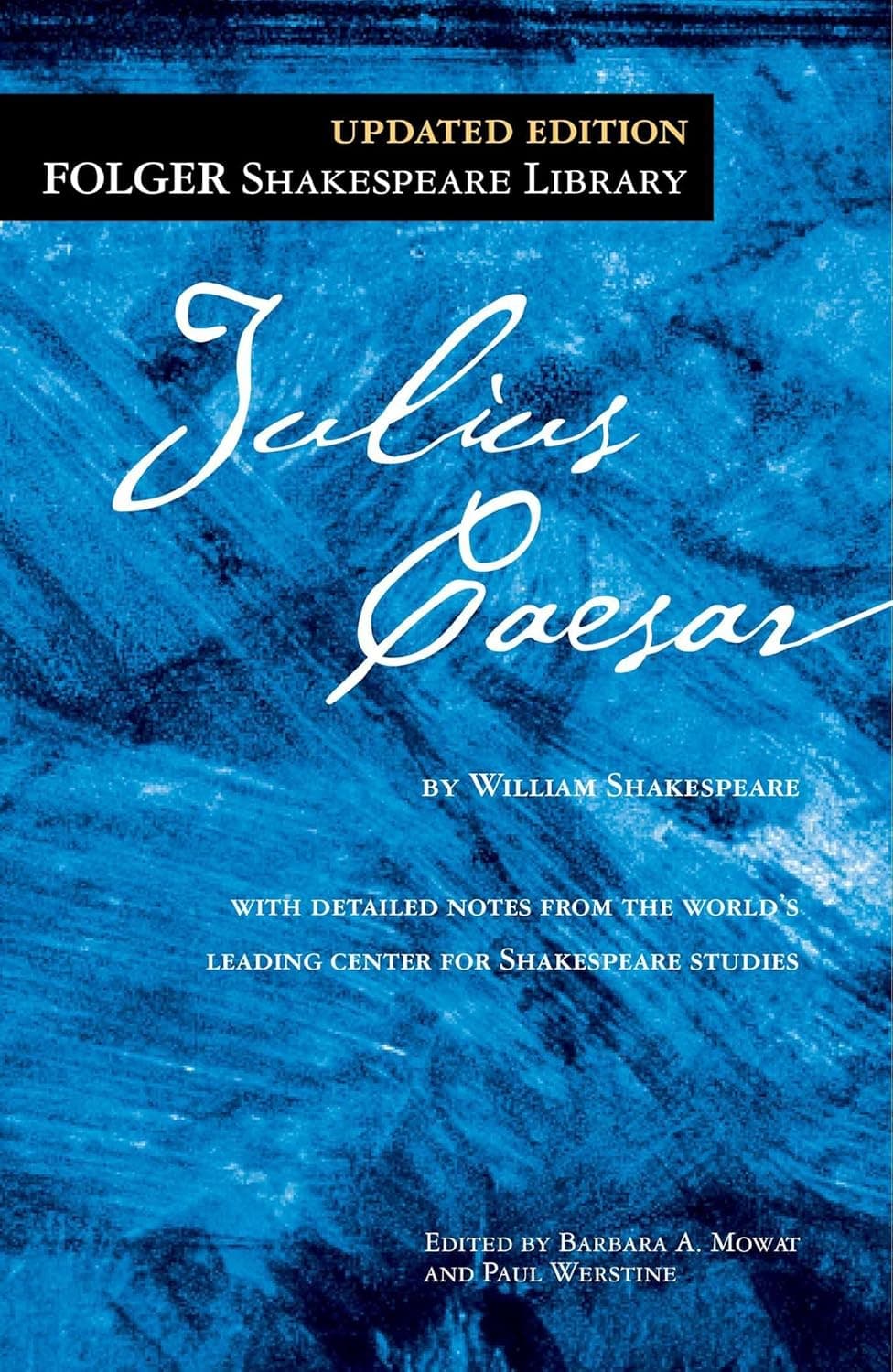
Julius Caesar

1599 · 288 pages

Brutus is persuaded that killing his friend will save the republic. Antony stands over the body, says he comes to bury Caesar and not to praise him, and turns Rome around.

★ 6.8

Bury My Heart at Wounded Knee

An Indian History of the American West
1970 · 487 pages

Thirty years of broken treaties, forced marches, and massacres, told from inside the Cheyenne, Navajo, Apache, and Lakota camps. Dee Brown ended the frontier myth for a generation of American readers.

★ 6.8

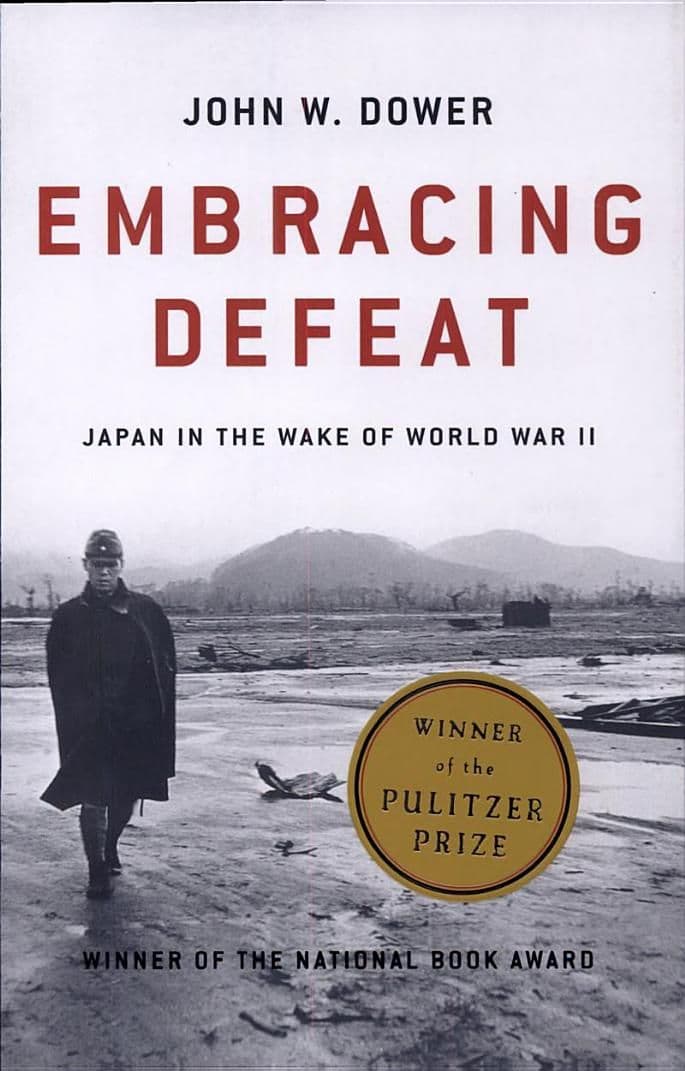
Embracing Defeat

Japan in the Wake of World War II
1999 · 680 pages

Defeated Japan is starving and occupied. Dower tells the years after 1945 from street level, through black markets, pulp magazines, and letters to MacArthur. The Japanese emerge remaking themselves rather than remade.

★ 6.7

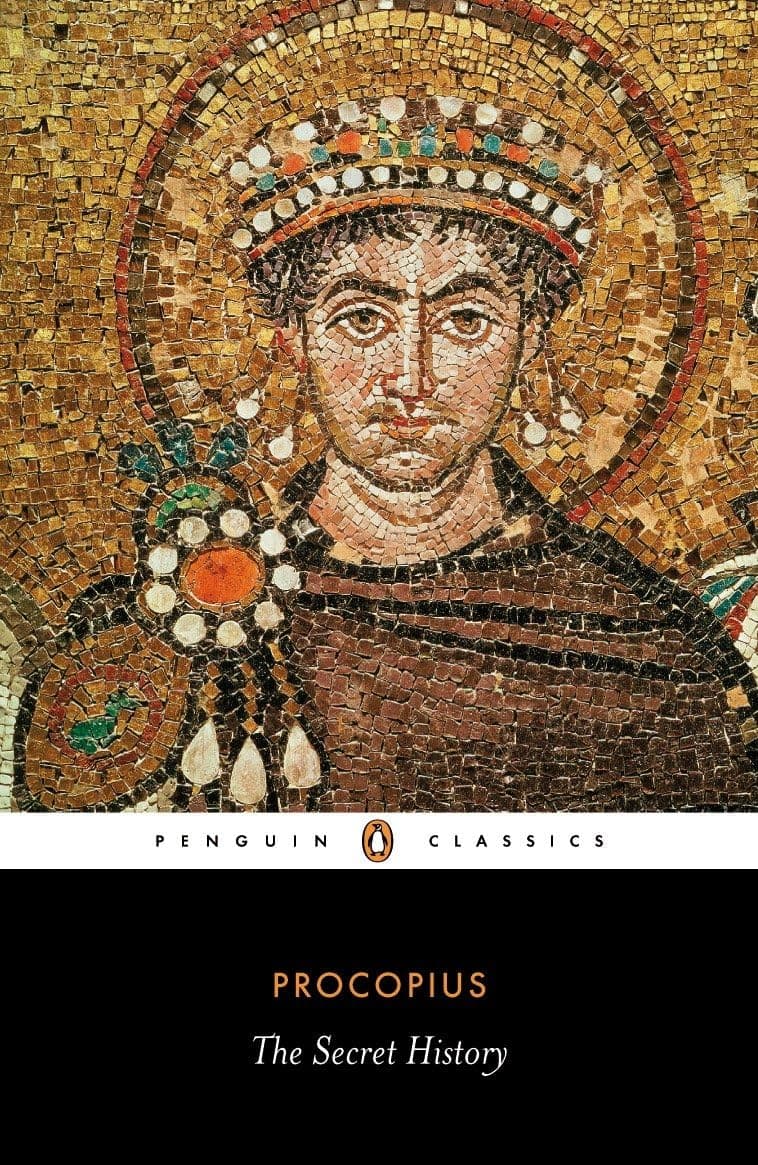
The Secret History

550 · 176 pages

Justinian's official historian kept a second book he could not publish: the emperor a demon pacing the palace at night without a head, the empress insatiable. Nothing from antiquity carries this much hatred.

★ 6.7

Guns, Germs and Steel

1997 · 528 pages

A New Guinean politician asked why white people had so much cargo and his people so little. Diamond answers with barley, cattle, and smallpox, and historians have been writing rebuttals for a generation.

★ 6.7

1491

New Revelations of the Americas Before Columbus
2005 · 560 pages

The hemisphere Columbus reached held cities larger than Paris, an Amazon farmed into orchard, and forests burned into pasture on purpose. What later settlers took for wilderness was a continent emptied by epidemics.

★ 6.7

The Sleepwalkers

How Europe Went to War in 1914
2012 · 736 pages

Clark reconstructs the July crisis of 1914 and finds no villain, only leaders watchful but unseeing, each rational step carrying Europe closer. He reopened the fiercest fight over war guilt in decades.

★ 6.7

SPQR

A History of Ancient Rome
2015 · 608 pages

Beard covers a thousand years of Rome, opening on Catiline's conspiracy and closing the day Caracalla made every free inhabitant a citizen, and she cares as much about slaves as emperors.

★ 6.7

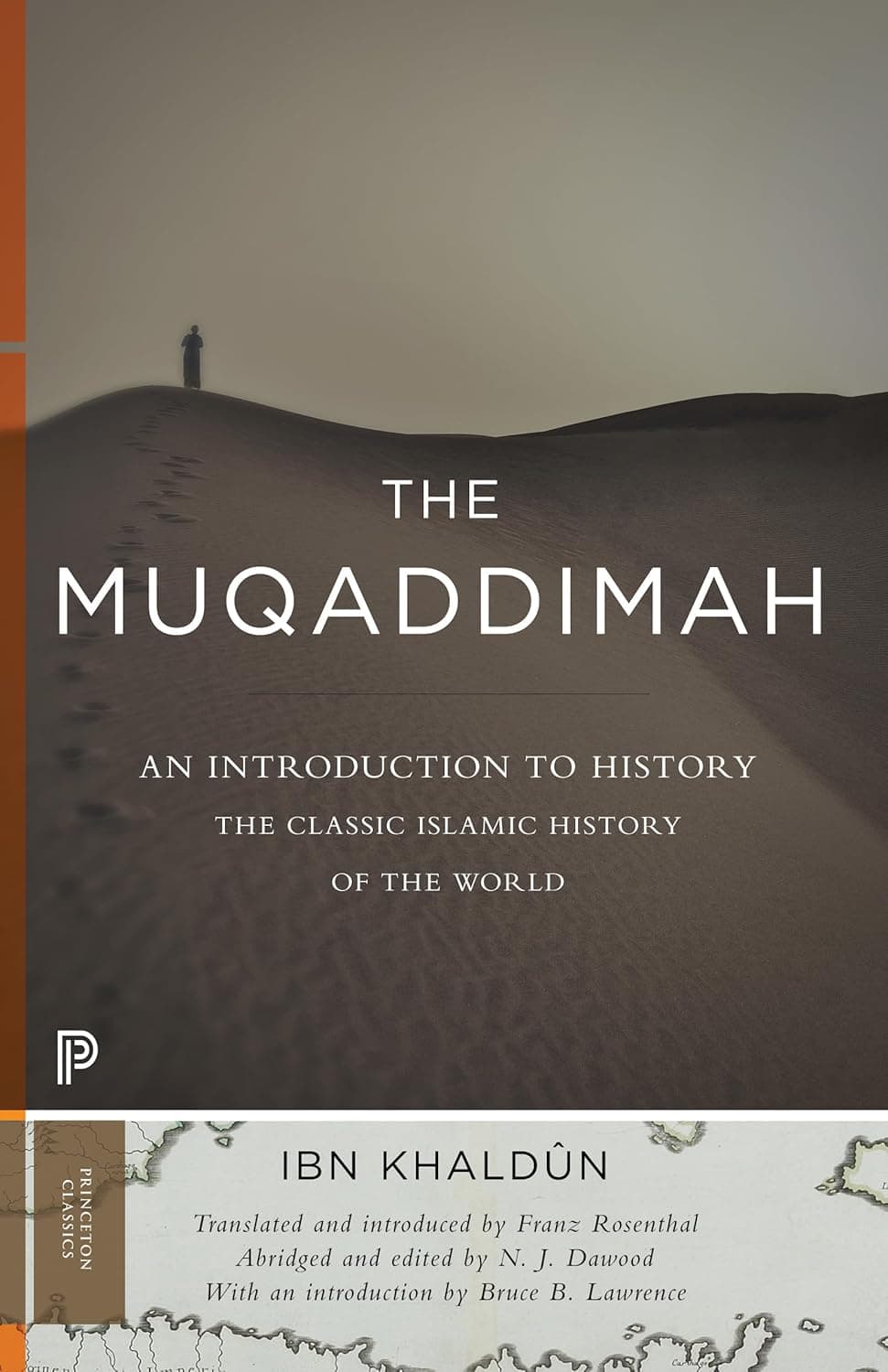
The Muqaddimah

1377 · 512 pages

Ibn Khaldun found history's engine in group solidarity, which carries a tribe from desert to throne, then dissolves in city luxury within three generations. Europe produced nothing comparable for centuries.

★ 6.7

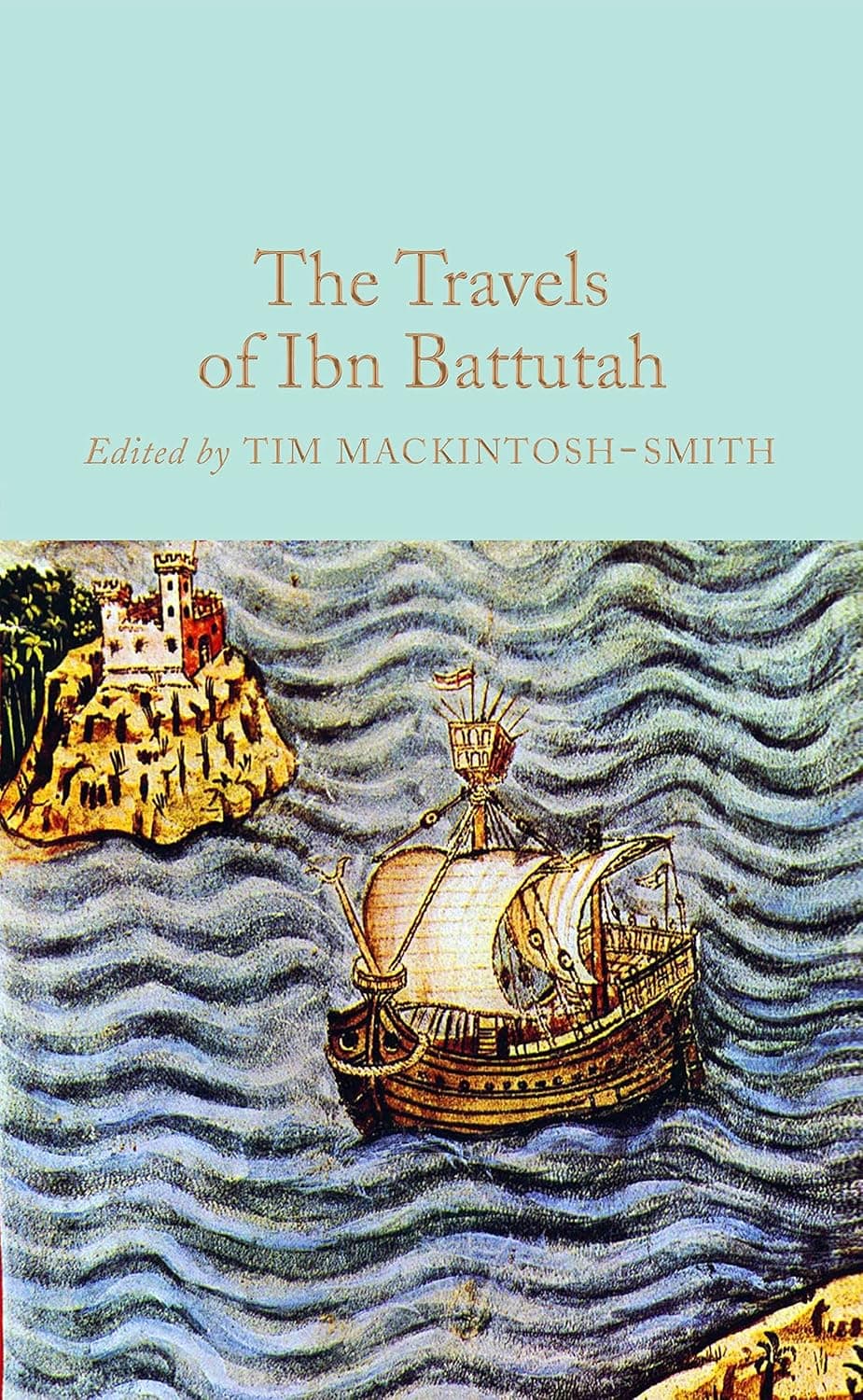
The Travels

1355 · 472 pages

Ibn Battuta left Morocco at twenty-one for the hajj and stayed away twenty-nine years, judging cases in Delhi and crossing the Sahara to Mali. He dictated all 75,000 miles from memory.

★ 6.7

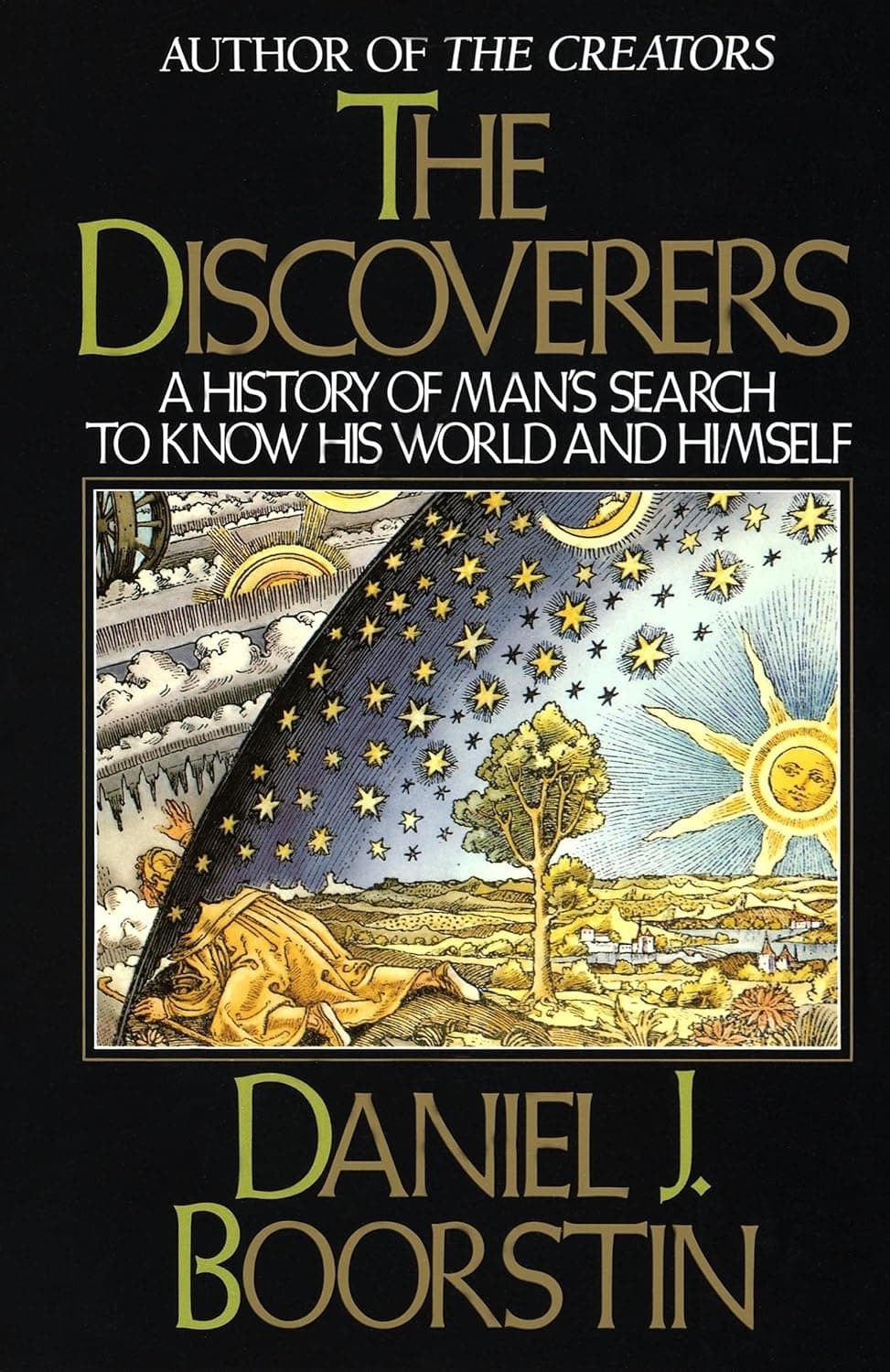
The Discoverers

1983 · 745 pages

The obstacle to discovery was never ignorance but the illusion of knowledge, Boorstin argues, then walks through the clock, the compass and the microscope as victories over what everyone was certain of.

★ 6.6

The Age of Revolution

1789-1848
1962 · 368 pages

Two revolutions, one political in France and one industrial in Britain, fused into a single upheaval that remade work, politics, art, and belief. Historians still carve up the nineteenth century along Hobsbawm's lines.

★ 6.6

The Age of Extremes

1914-1991
1994 · 672 pages

The twentieth century runs from 1914 to 1991 in Hobsbawm's account, moving through catastrophe, a golden age of postwar boom, then landslide. No later history of the century has displaced it.

★ 6.5

Citizens

A Chronicle of the French Revolution
1989 · 948 pages

Violence was not the French Revolution's tragic accident but its engine, Schama argues, and the Terror merely 1789 with a higher body count. The book drew furious rebuttals from historians on the left.

★ 6.4

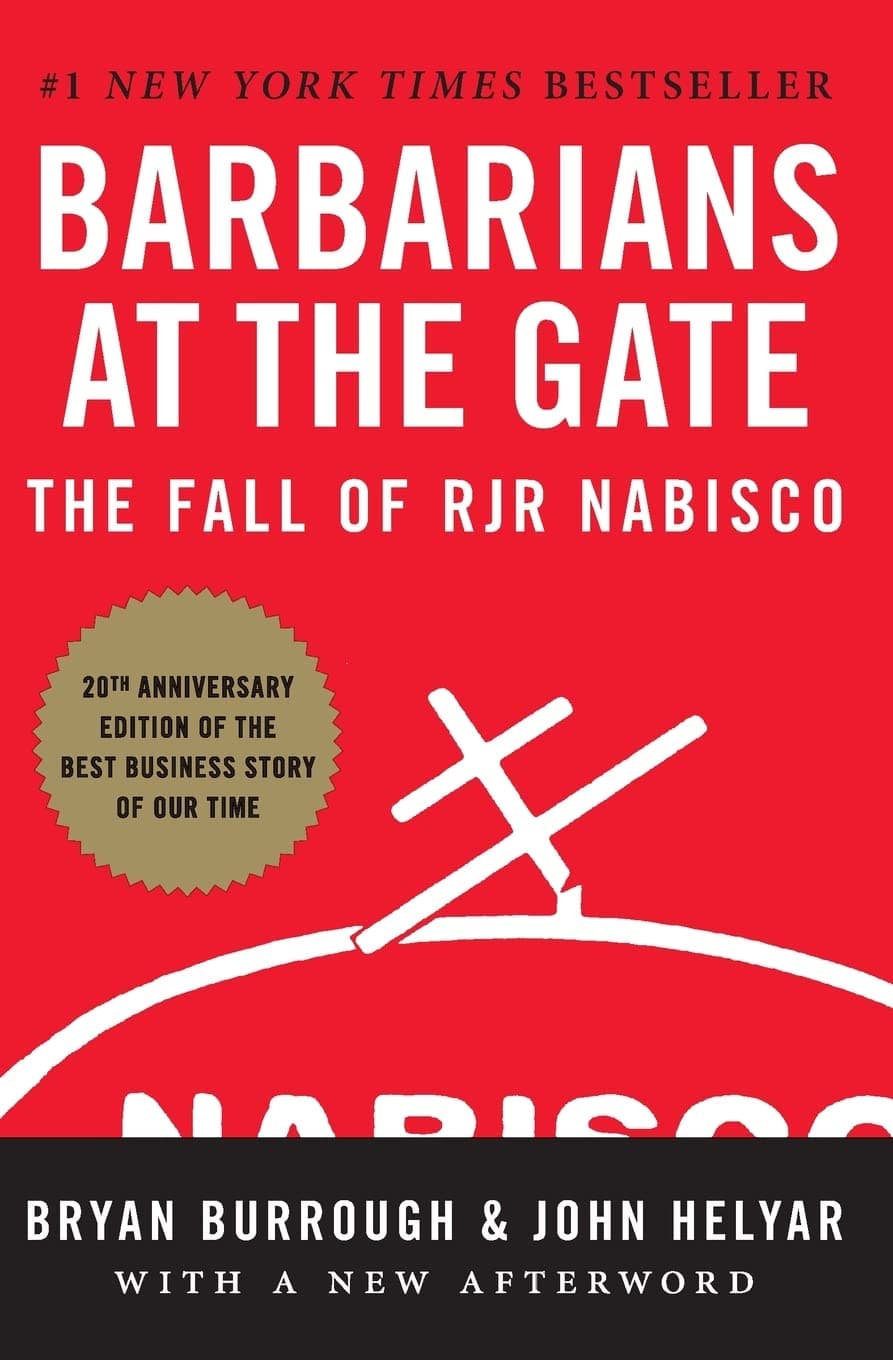
Barbarians at the Gate

The Fall of RJR Nabisco
Bryan Burrough and John Helyar
1989 · 563 pages

In 1988 the chief executive of RJR Nabisco moved to buy his own company and set off a bidding war that closed at $25 billion. Burrough and Helyar put you inside every meeting.

★ 6.4

History of the Franks

594 · 710 pages

Gregory, bishop of Tours, is the reason sixth-century Gaul is visible at all. He records Clovis splitting a soldier's skull over a looted vase, queens ordering assassinations, and miracles at the saints' tombs.

★ 6.4

The Thirty Years War

1938 · 520 pages

At twenty-eight Wedgwood narrated Europe's most ruinous pre-modern war whole, thirty years of armies eating Germany alive, and her verdict of meaningless conflict still has to be argued with.

★ 6.4

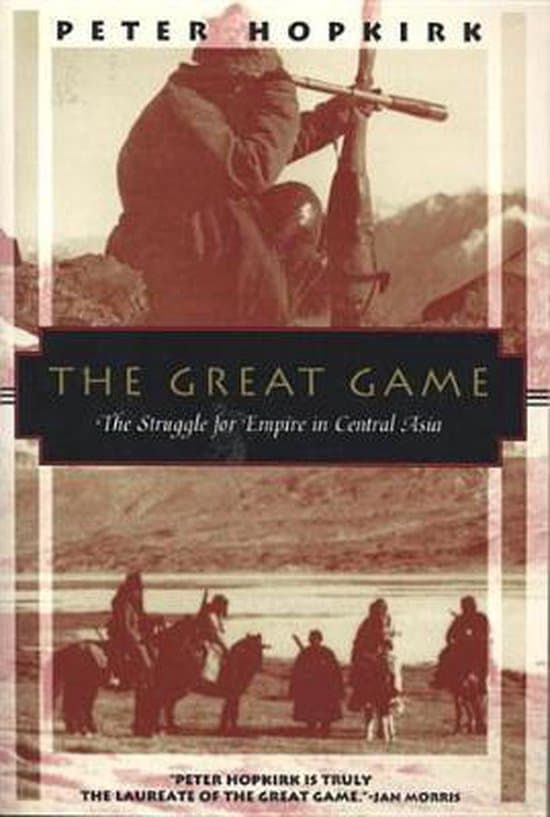
The Great Game

1990 · 565 pages

Britain and Russia crept toward each other across Central Asia until two thousand miles between them became twenty. Hopkirk tells it through the officers who rode alone into Bukhara, Khiva, and Kabul.

★ 6.4

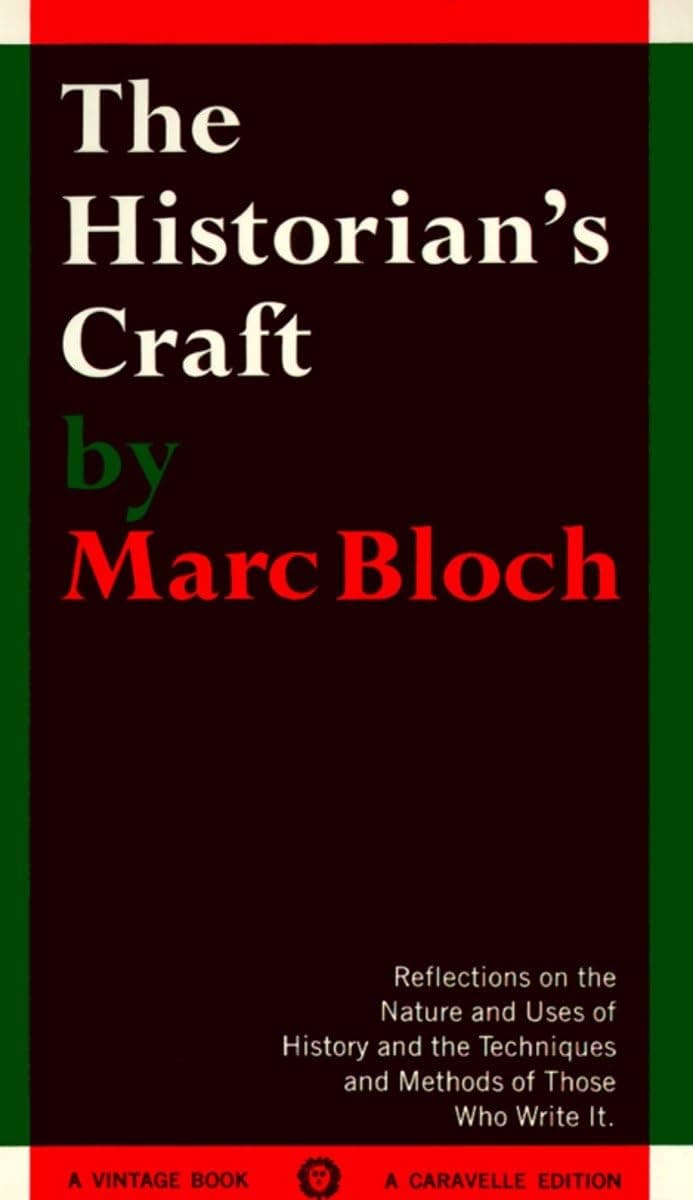
The Historian's Craft

1949 · 197 pages

Bloch's son asked what the use of history was. He answered from hiding: history is the science of men in time, and evidence speaks only when questioned. The Gestapo shot him in 1944.

★ 6.4

The Prize

The Epic Quest for Oil, Money, and Power
1991 · 928 pages

Oil is the story of the modern world, Yergin argues, and he follows it from the first Pennsylvania derrick through two world wars that ran on it to Saddam Hussein's tanks in Kuwait.

★ 6.4

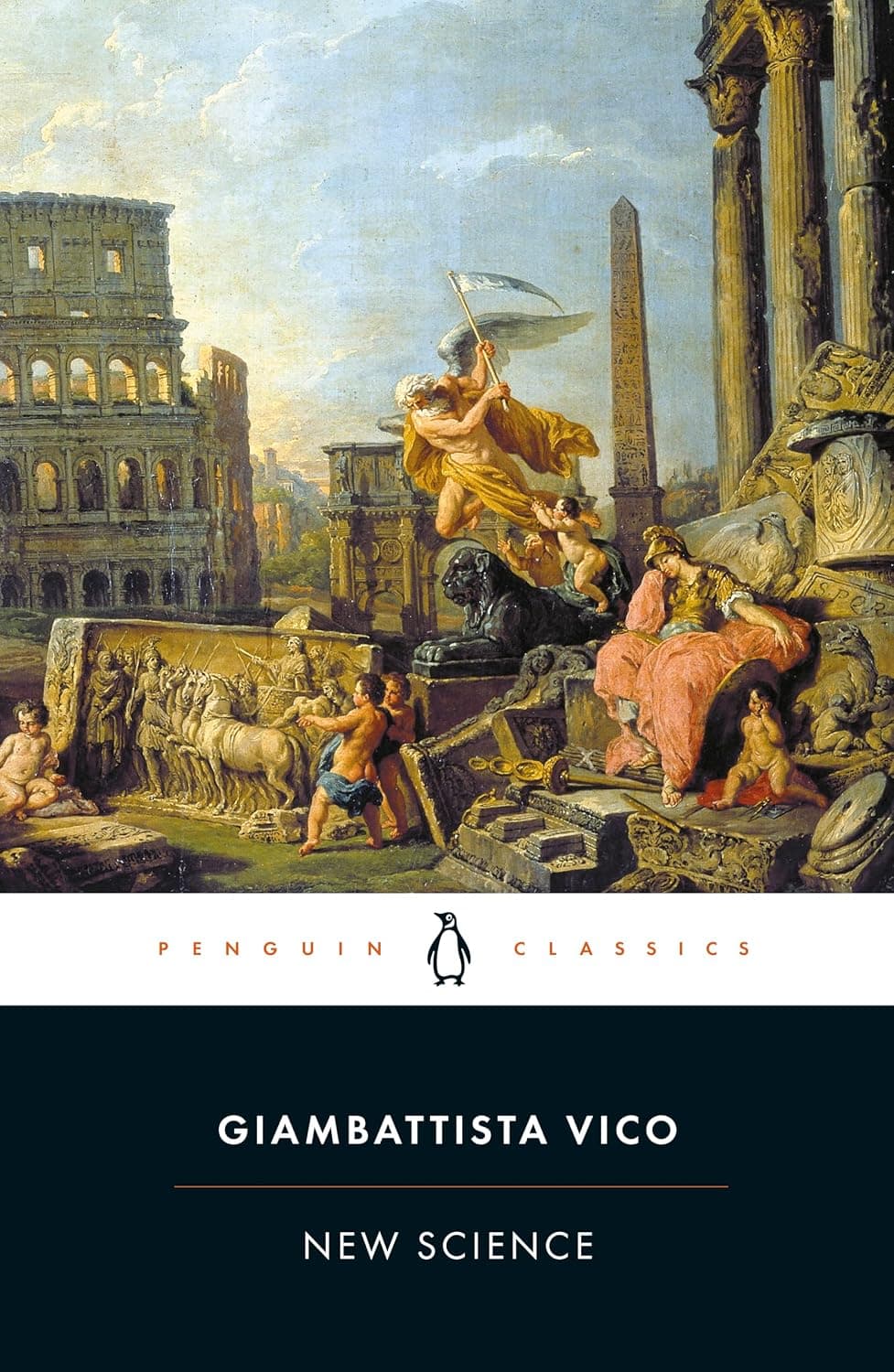
The New Science

1725 · 520 pages

History can be known, Vico argues, because men made it. He reads myth and law as the record of every nation passing through ages of gods, heroes, and men, then collapsing into barbarism.

★ 6.4

India After Gandhi

2007 · 960 pages

Guha carries India from independence in 1947 to the present and asks why it never broke apart, given partition, famine and insurgency. He calls it an unnatural nation and an unlikely democracy.

★ 6.4

What Hath God Wrought

The Transformation of America 1815-1848
2007 · 928 pages

Morse tapped the title into the first telegraph line in 1844. Howe's Pulitzer-winning account of antebellum America argues that communications, markets, and revival religion remade the country while Jacksonian politics took the credit.

★ 6.3

Debt

The First 5000 Years
2011 · 542 pages

Graeber demolishes the story every economics textbook opens with: barter did not become money. Credit came thousands of years before coins, and every debt is a moral claim that finally rests on violence.

★ 6.3

Imagined Communities

Reflections on the Origin and Spread of Nationalism
1983 · 256 pages

Nations are imagined communities, Anderson argues, assembled by print: strangers reading the same newspapers and novels came to feel like one people. He gave the study of nationalism its vocabulary.

★ 6.3

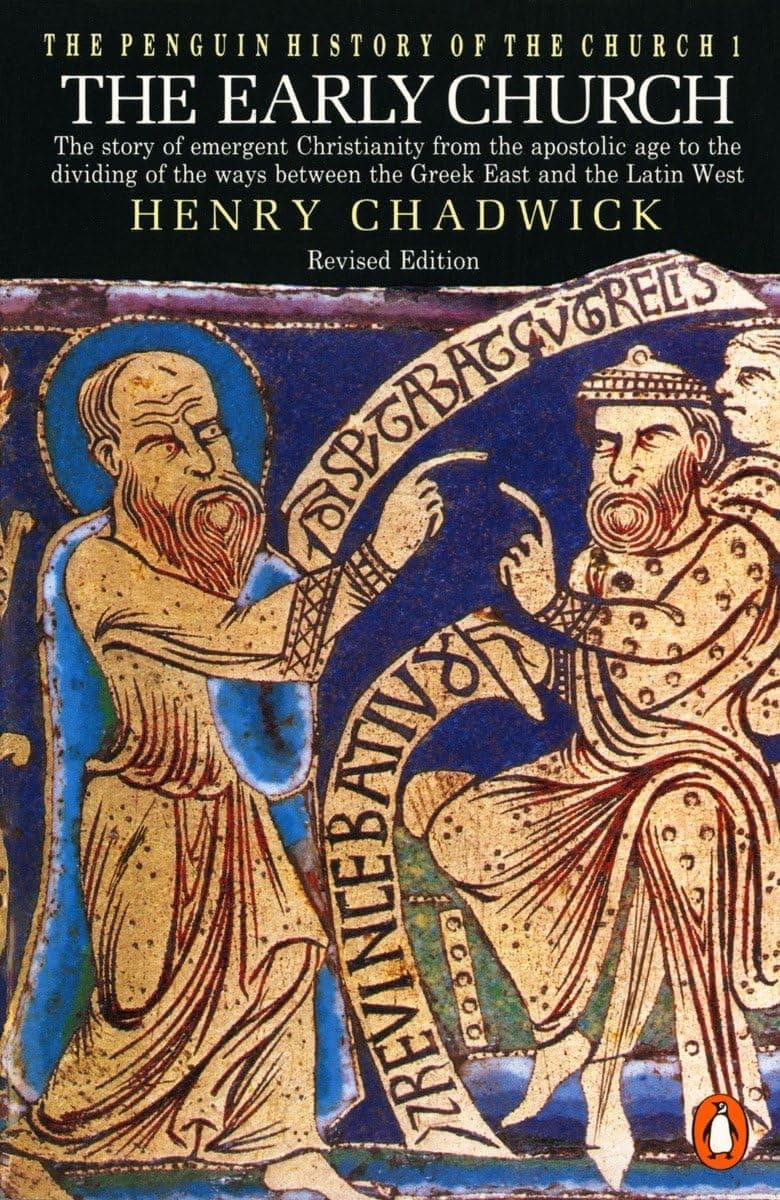
The Early Church

1967 · 320 pages

Six centuries in which a persecuted Jewish sect became the Roman state's religion. Chadwick tracks the arguments that decided what Christians believe, from Gnostic rivals through Nicaea to Gregory the Great.

★ 6.2

Roll, Jordan, Roll

The World the Slaves Made
1974 · 823 pages

Life on the plantation seen from the slave quarters outward: Genovese shows how the enslaved turned the master's claim of paternal care into leverage and made Christianity mean what the master never intended.

★ 6.2

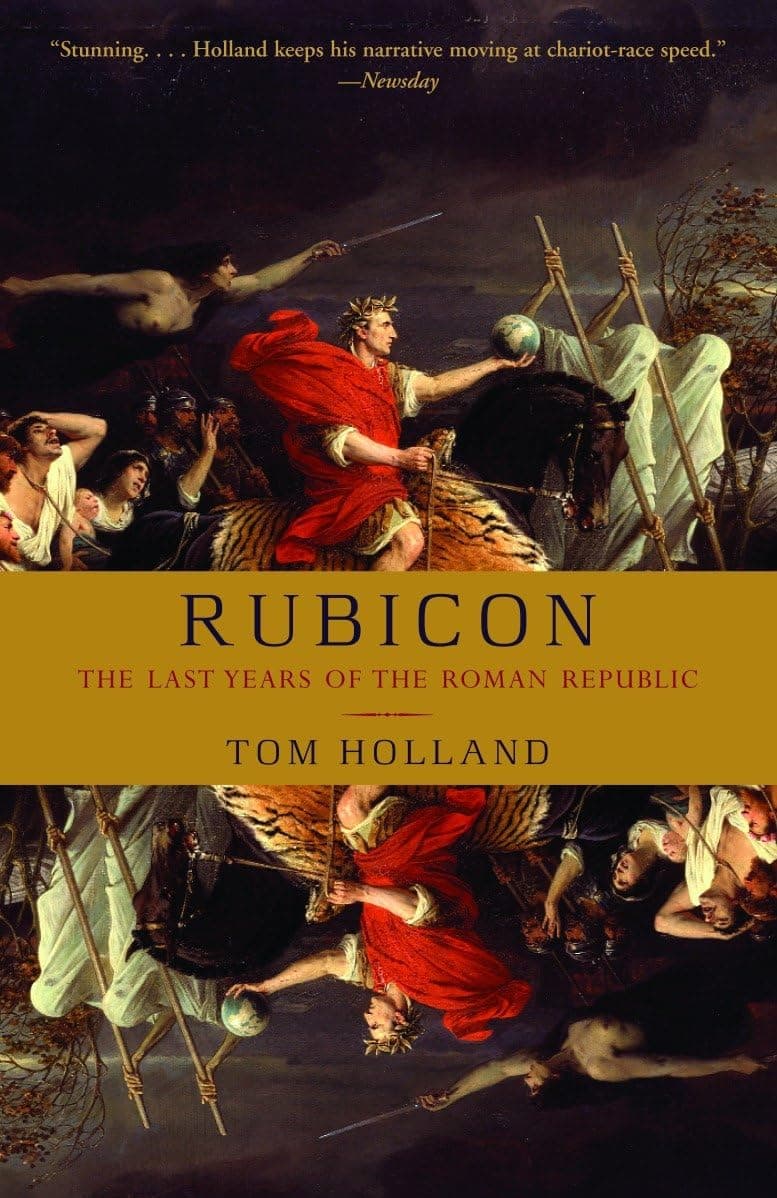
Rubicon

2003 · 464 pages

The Roman Republic destroyed itself, and Tom Holland tells it at the pace of a thriller. Caesar reaches the Rubicon with a single legion, knowing crossing it means war against his own state.

★ 6.0

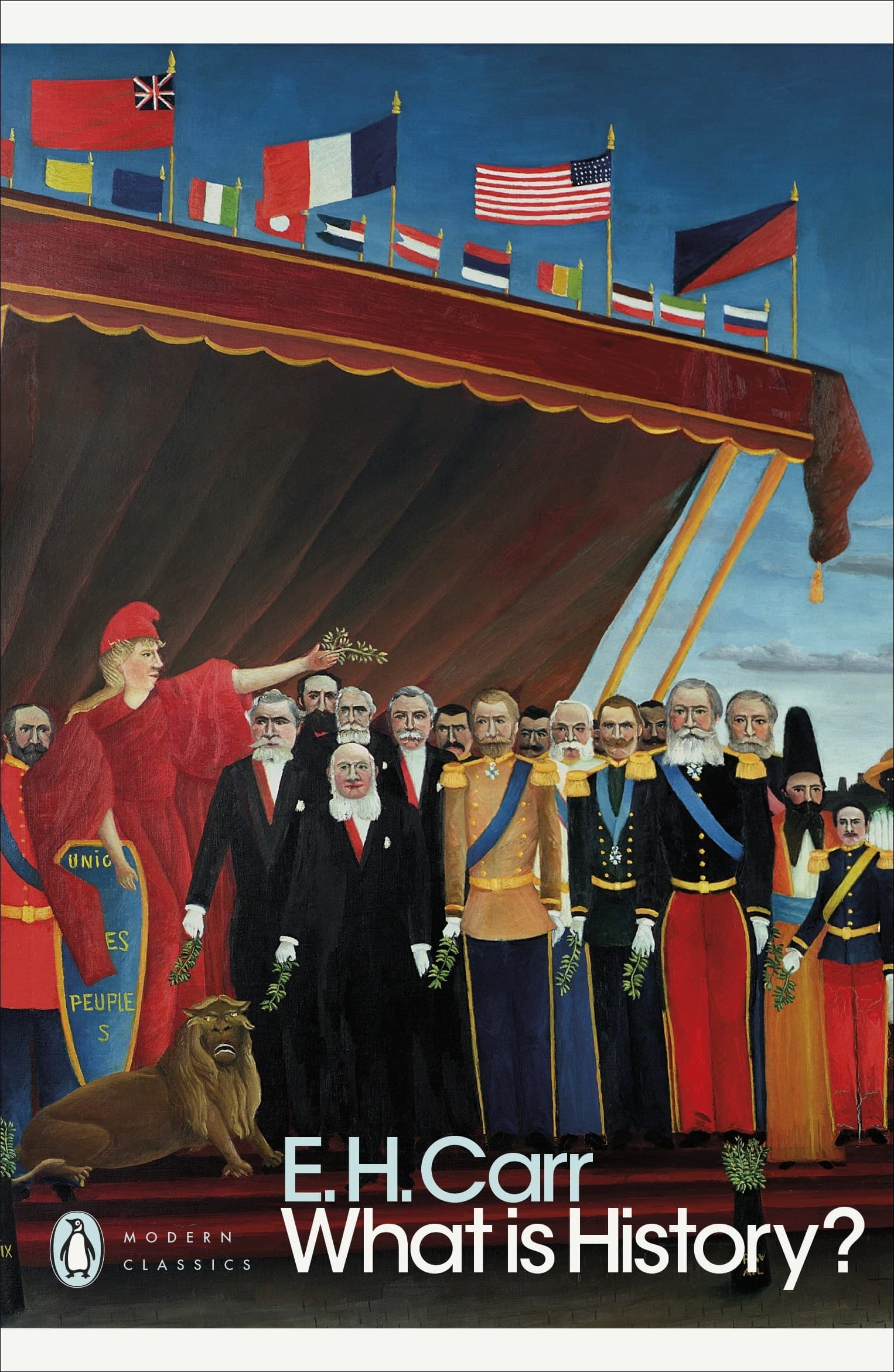
What Is History?

1961 · 272 pages

Facts do not speak for themselves, Carr insists. The historian decides which ones get to speak, so study the historian before the evidence. English-speaking historians are still arguing with him.

★ 6.0

A People's Tragedy

The Russian Revolution: 1891-1924
1996 · 923 pages

Figes runs the Russian Revolution from the 1891 famine to Lenin's death in 1924, following peasants, soldiers, and the writer Gorky. He shows the terror arriving with the Bolsheviks, not after them.

★ 6.0