The Books canon

Sourced and shelved.

Every book chosen by hand and annotated for why it matters.
Browse all 1,178 books or filter by subject, era, place, and author.

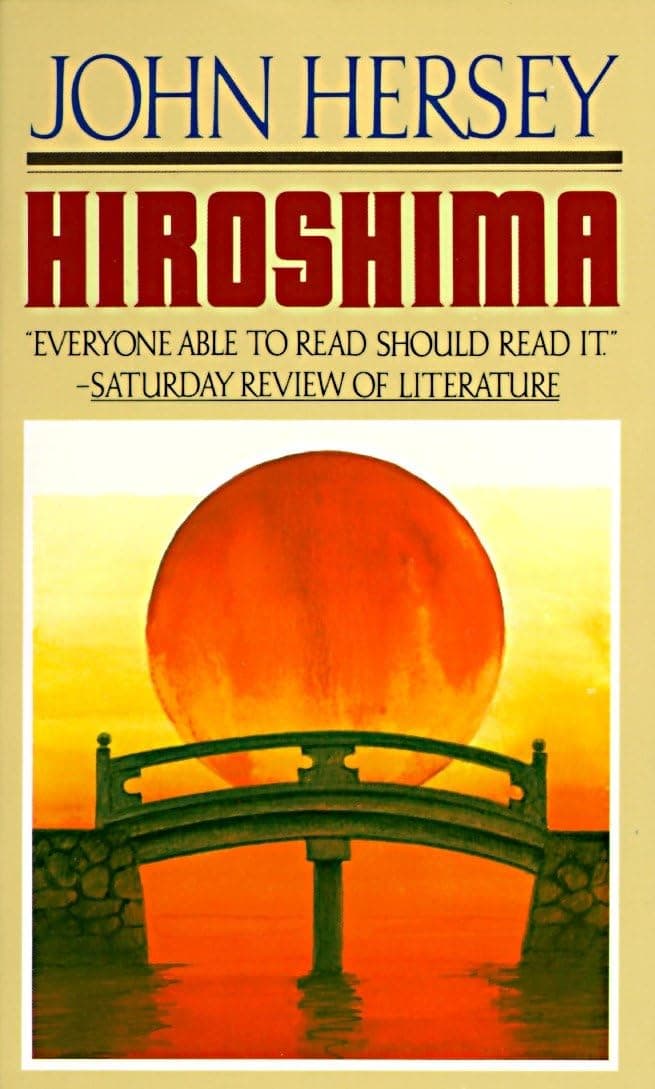
Hiroshima

1946 · 152 pages

Six people survived the bomb at Hiroshima and Hersey follows them through the year after: a clerk, a widow, two doctors, and two clergymen. He writes flatly and it is unbearable.

★ 8.0

Discipline and Punish

The Birth of the Prison
1975 · 333 pages

Punishment stopped tearing bodies apart in public and became timetables and cells. Foucault explains why: constant watching disciplines better than pain, and the same technique now runs schools and factories.

★ 7.8

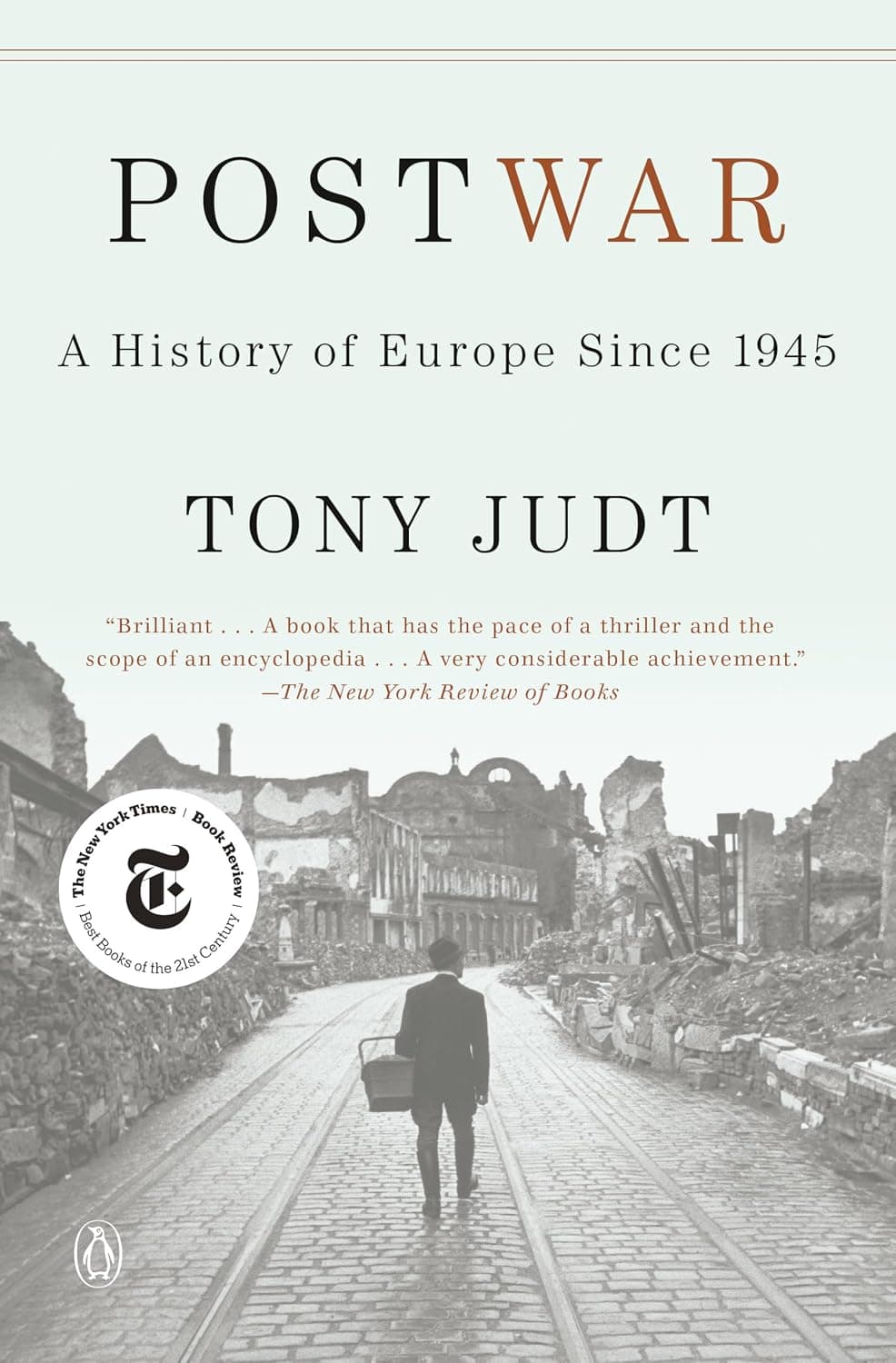
Postwar

2005 · 933 pages

Judt carries Europe from the rubble of 1945 to 2005, east and west in one story, showing a continent that rebuilt itself by forgetting the war and then defined itself by remembering it.

★ 7.6

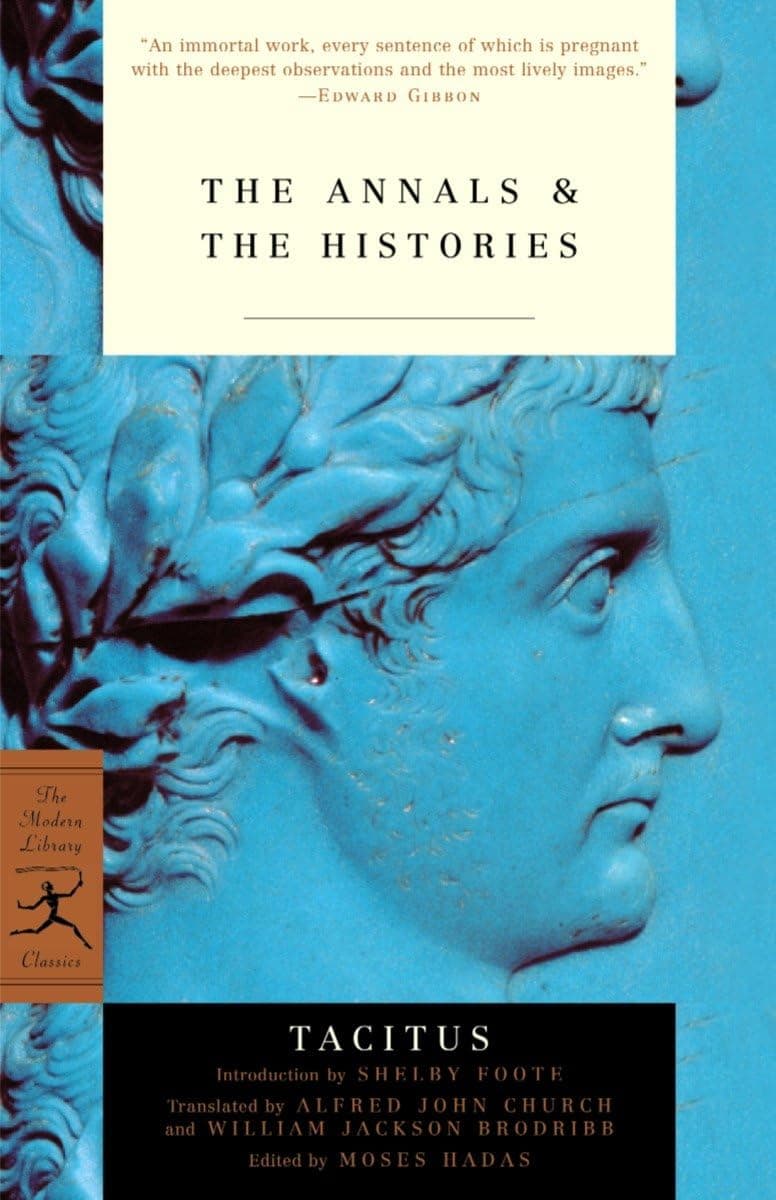
The Annals

117 · 596 pages

Tacitus promises to write without anger or partiality, then follows Rome from Augustus through Tiberius, Claudius, and Nero, ruining each of them in half a sentence. Power has never had a colder witness.

★ 7.6

The Histories

440 BC · 1024 pages

History begins with Herodotus asking why Greeks and Persians fought, and reaching Thermopylae by way of Egyptian mummies and gold-digging ants. He reports the rumors too, and lets you judge.

★ 7.5

Records of the Grand Historian

94 BC · 208 pages

Castrated rather than executed for defending a general, Sima Qian lived to finish his history: twenty-five centuries of China told through emperors, assassins, and merchants. The portraits are alive on the page.

★ 7.5

Henry V

1599 · 292 pages

Outnumbered in France, a young king talks his army into fighting at Agincourt, promising that whoever survives will remember the day forever. After the battle he reads out the names of the dead.

★ 7.3

The Story of Art

1950 · 688 pages

There is no such thing as Art, Gombrich begins, only artists. From cave paintings to Picasso he explains what each was trying to solve, and you come out able to see it.

★ 7.2

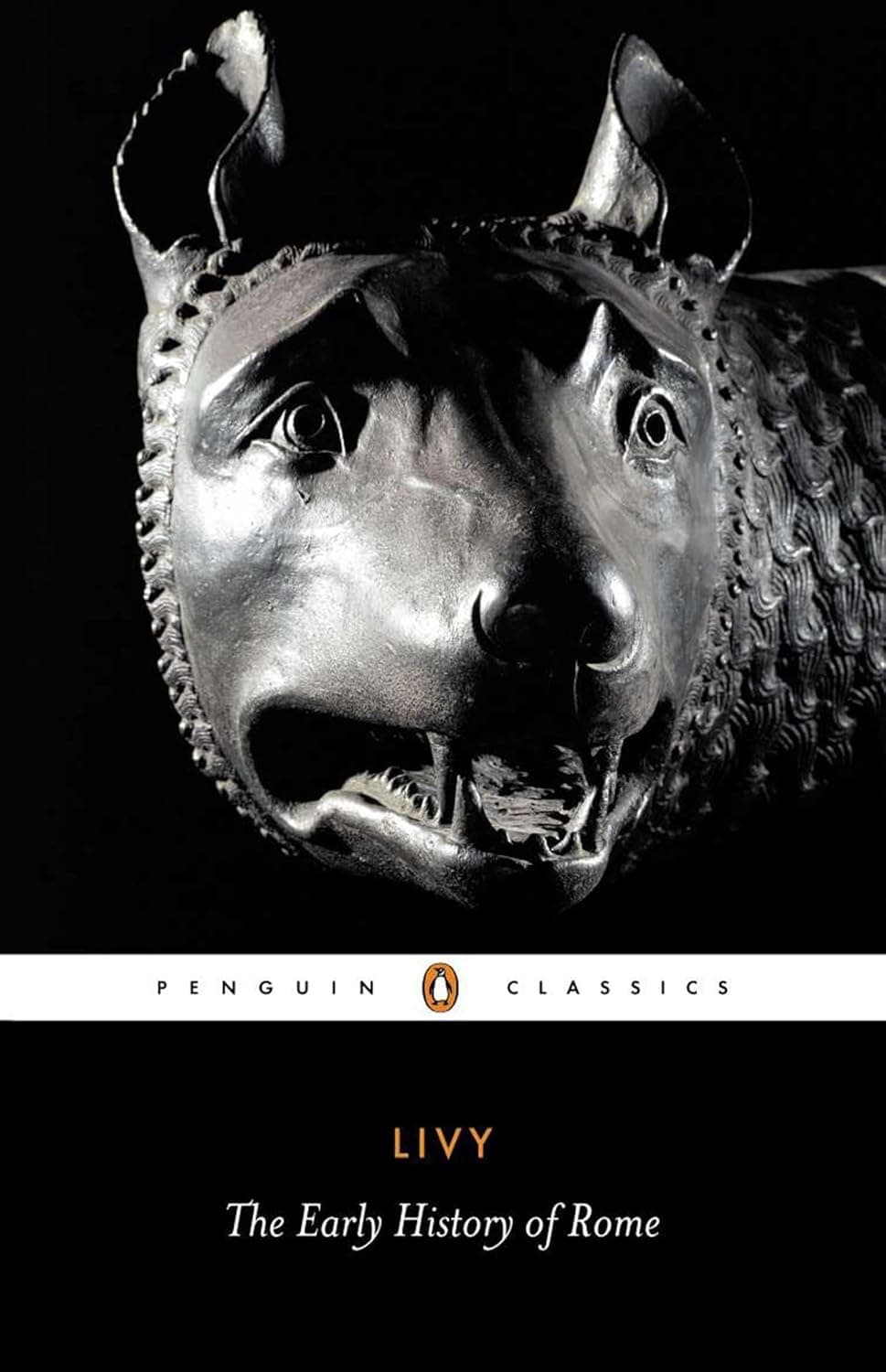
The History of Rome

25 BC · 487 pages

Livy tells Rome's story from the wolf and the twins onward, pausing on the people whose conduct he believes made the city. These are the legends Europe retold for two thousand years.

★ 7.2

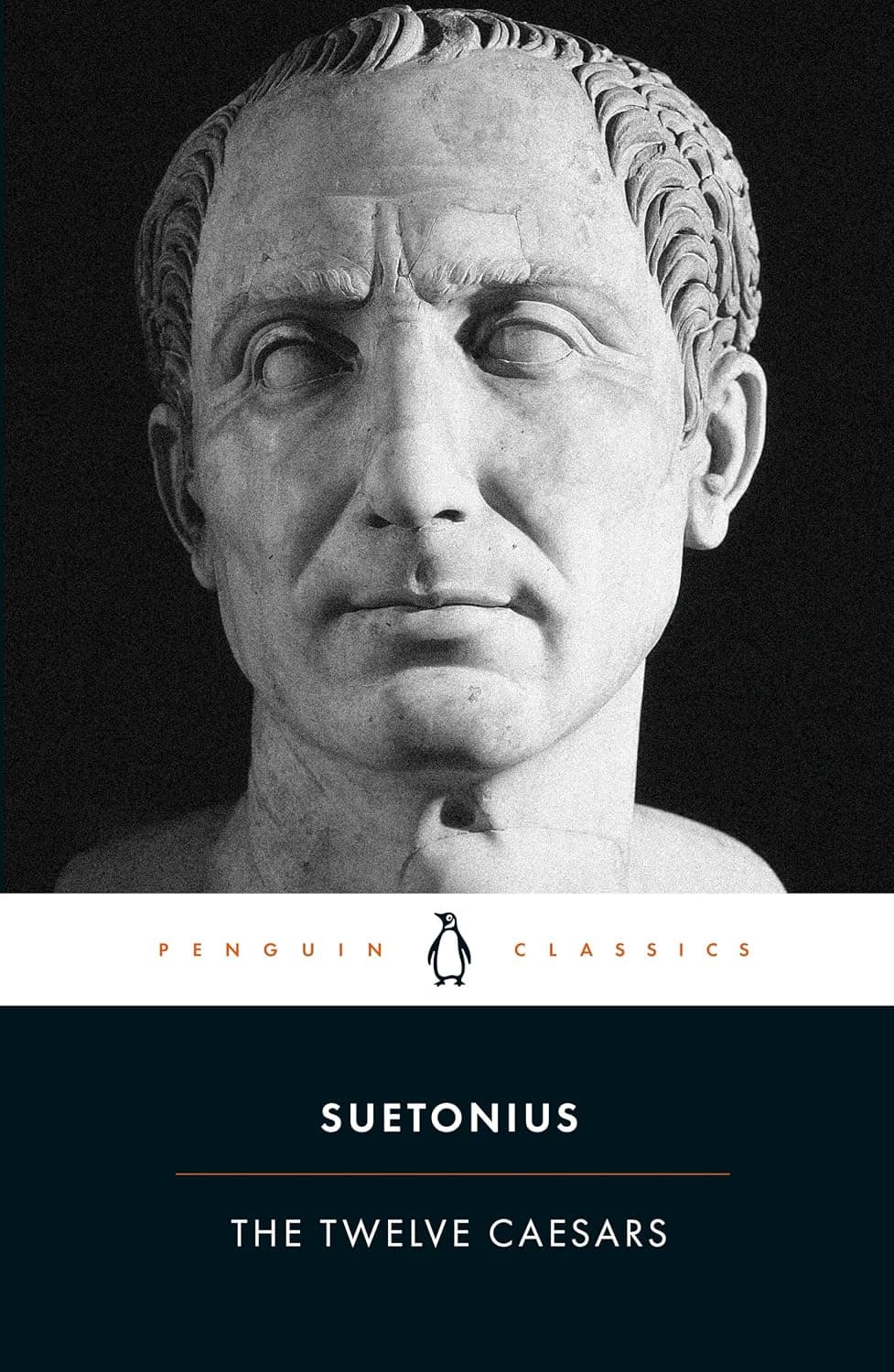
The Twelve Caesars

121 · 464 pages

Secretary to the emperor Hadrian, Suetonius wrote the lives of Julius Caesar and eleven emperors after him, omens, gossip, last words and all. Our picture of Nero comes straight from these pages.

★ 7.2

Eminent Victorians

1918 · 288 pages

Four Victorian idols go under Strachey's scalpel: Cardinal Manning, Florence Nightingale, the headmaster Thomas Arnold, and General Gordon at Khartoum. The malice is so elegant that English biography never went back to reverence.

★ 7.0

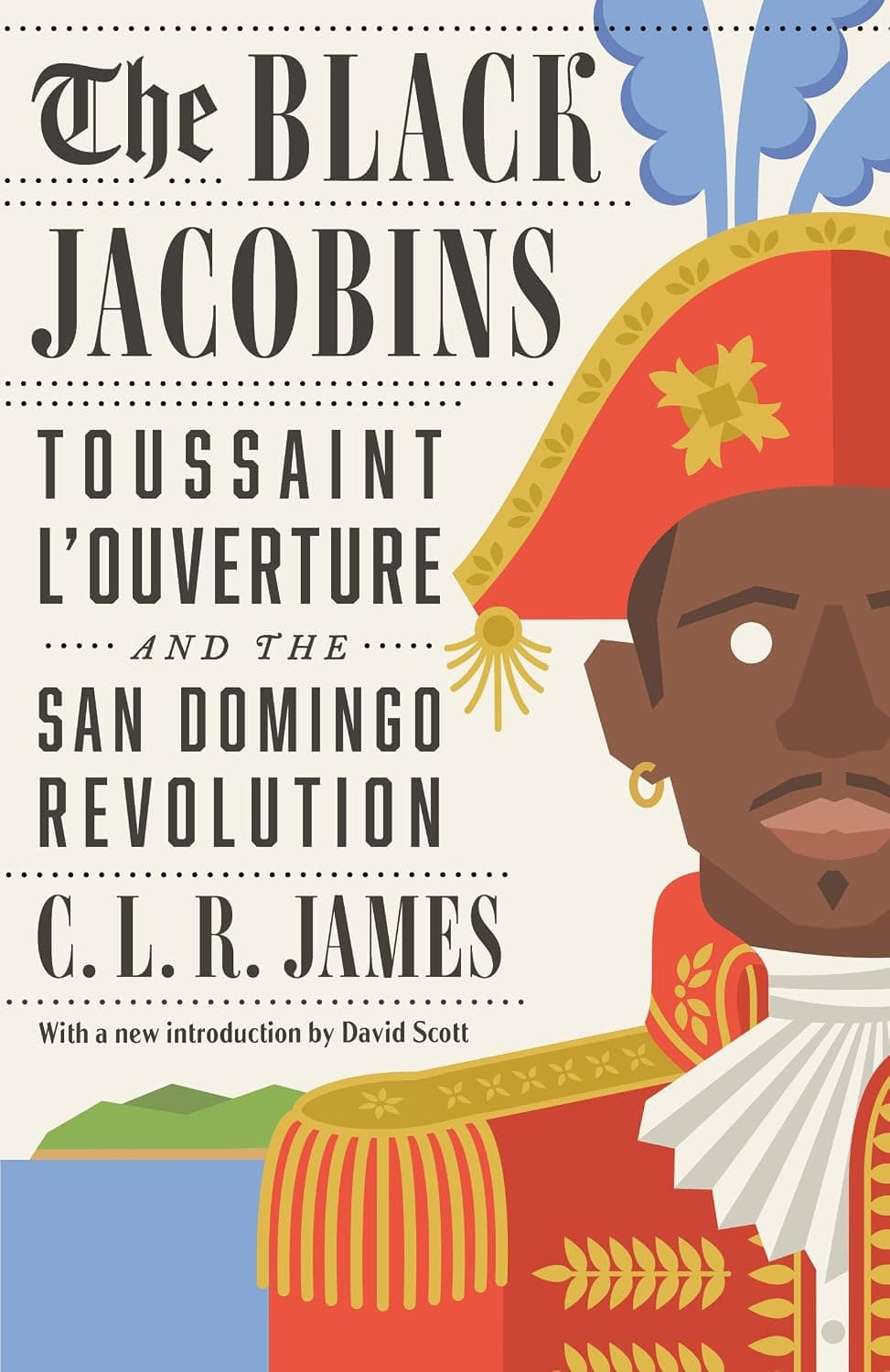
The Black Jacobins

1938 · 448 pages

Enslaved people in the French colony that became Haiti rose in 1791 and defeated Napoleon's army. James wrote their revolution as world history, with Toussaint Louverture, born a slave, at its center.

★ 7.0

A History of the Crusades

1951 · 336 pages

Runciman tells the Crusades from Constantinople looking west, and the men in armor come off badly. Three volumes of grand narrative build toward his verdict: one long act of intolerance in God's name.

★ 6.9
Parting the Waters

America in the King Years, 1954-63
1988 · 1088 pages

Branch follows Martin Luther King from the Montgomery bus boycott to Birmingham, moving between black church basements, the Kennedy White House, and the FBI, and ten years become full American history.

★ 6.9

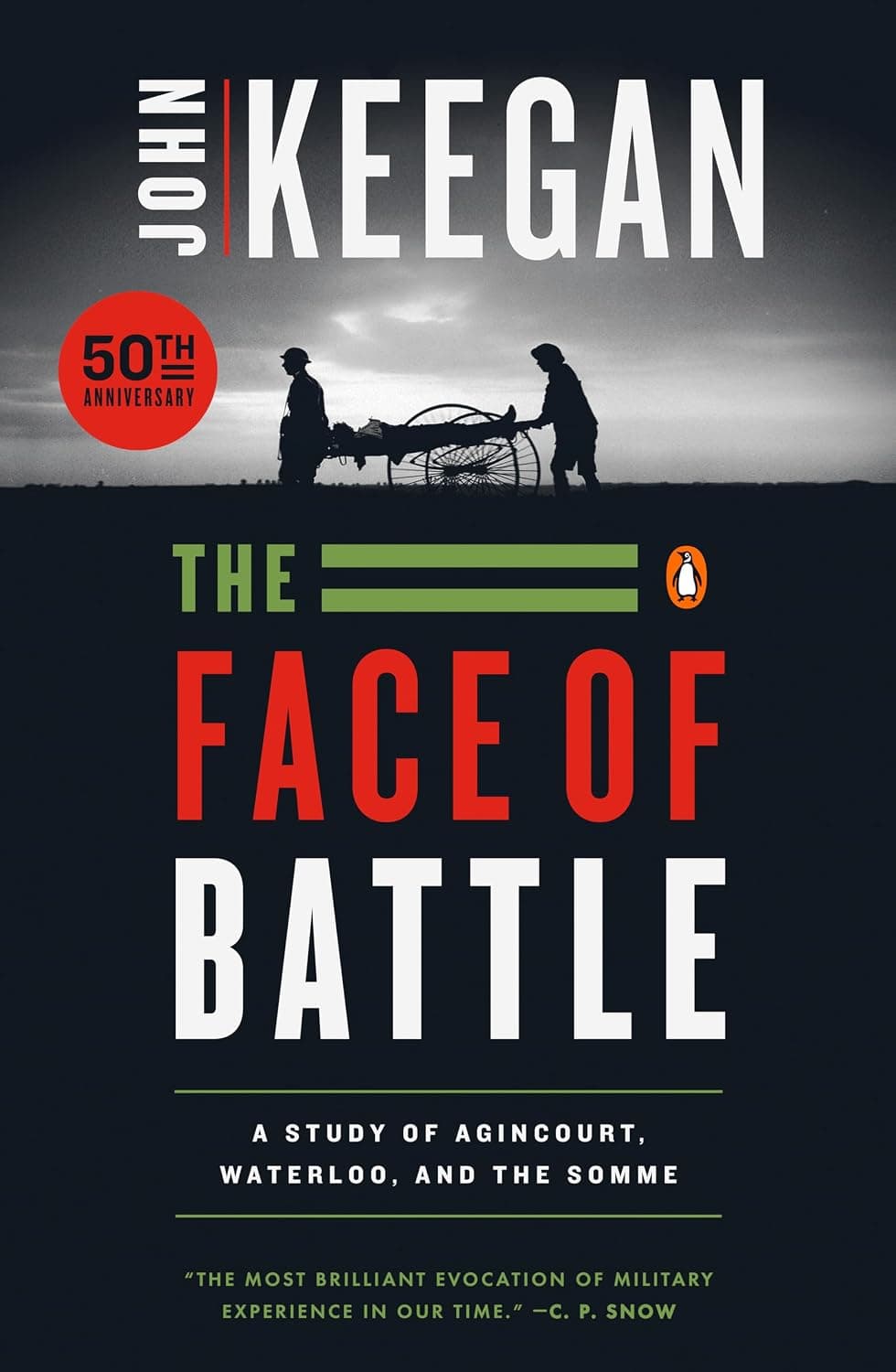
The Face of Battle

1976 · 364 pages

Keegan asked what a battle feels like to the man standing in it, and answered through Agincourt, Waterloo, and the Somme. He put the reader inside the ranks and remade military history.

★ 6.9

The Cheese and the Worms

1976 · 224 pages

A sixteenth-century Italian miller told the Inquisition that the world formed as cheese forms from milk, and the angels were worms in it. From that file Ginzburg reconstructs an entire peasant mind.

★ 6.8

American Slavery, American Freedom

The Ordeal of Colonial Virginia
1975 · 480 pages

Virginia's planters learned from the uprising of 1676 that poor whites and enslaved Africans might combine against them, and answered by writing racial contempt into law. Morgan makes freedom and slavery one story.

★ 6.8

A Distant Mirror

The Calamitous 14th Century
1978 · 704 pages

Tuchman holds the fourteenth century up as a mirror to our own: plague killing a third of Europe, a war without end, and one French nobleman whose life ran through all of it.

★ 6.8

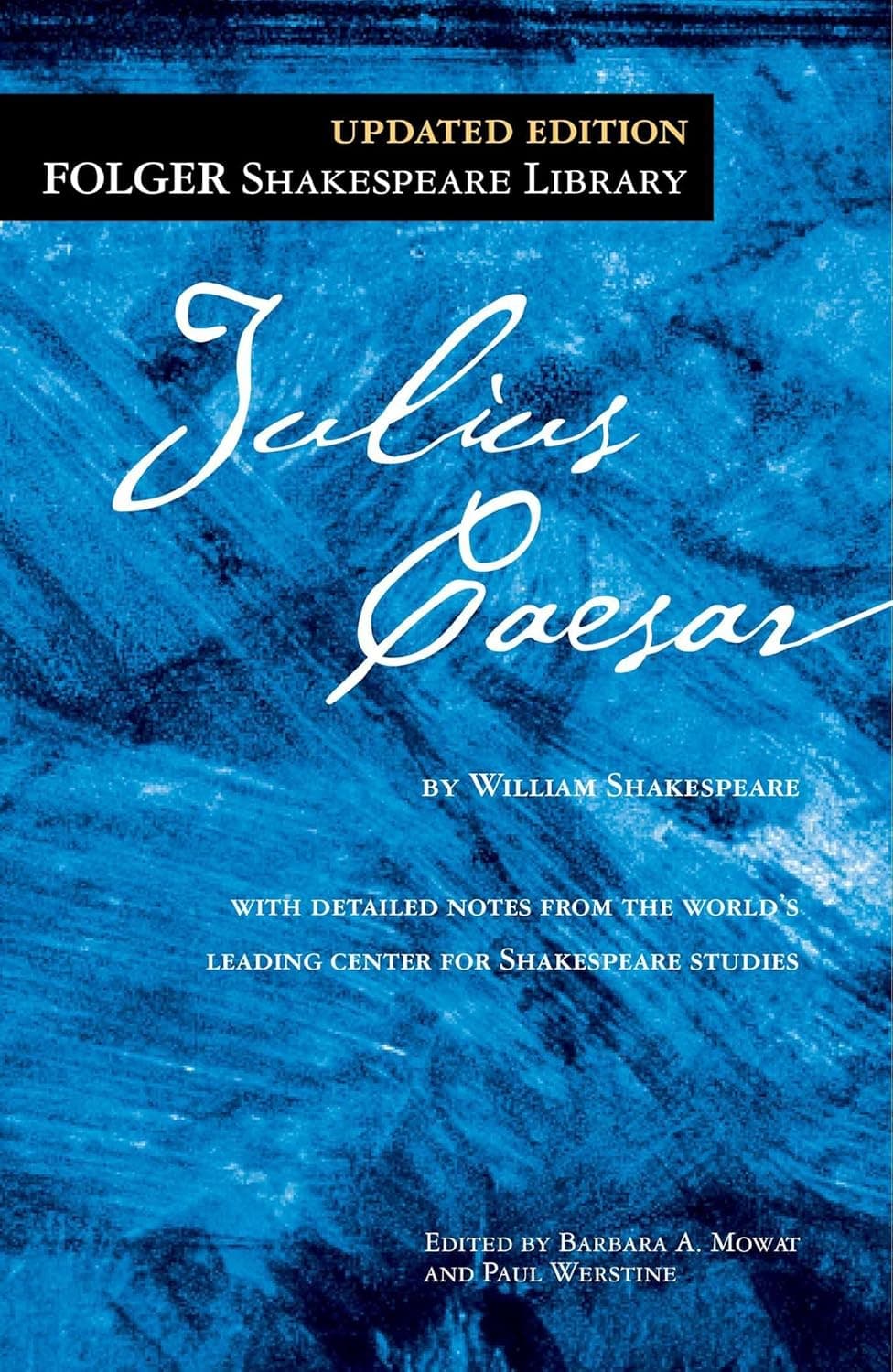
Julius Caesar

1599 · 288 pages

Brutus is persuaded that killing his friend will save the republic. Antony stands over the body, says he comes to bury Caesar and not to praise him, and turns Rome around.

★ 6.8

Bury My Heart at Wounded Knee

An Indian History of the American West
1970 · 487 pages

Thirty years of broken treaties, forced marches, and massacres, told from inside the Cheyenne, Navajo, Apache, and Lakota camps. Dee Brown ended the frontier myth for a generation of American readers.

★ 6.8