
The Magic Mountain
1924 · 706 pages
Hans Castorp goes to a Swiss sanatorium to visit his tubercular cousin for three weeks and stays seven years. Time comes loose there while the patients debate everything and Europe drifts into war.
★ 9.1
 skopia
Hans Castorp goes to a Swiss sanatorium to visit his tubercular cousin for three weeks and stays seven years. Time comes loose there while the patients debate everything and Europe drifts into war.

Pip, a blacksmith's boy, is handed a fortune by an unknown benefactor and turns snob. Miss Havisham waits in her rotted wedding dress, and Dickens makes the shame of low birth unbearable.

English fiction found its first fierce female voice in Jane, plain and poor and conceding nothing. She survives a brutal charity school, becomes a governess, and loves an employer with a secret.

Stephen Dedalus grows from a small boy into a young man set on leaving Ireland to make art. The prose matures sentence by sentence with him, from baby talk to fierce argument.
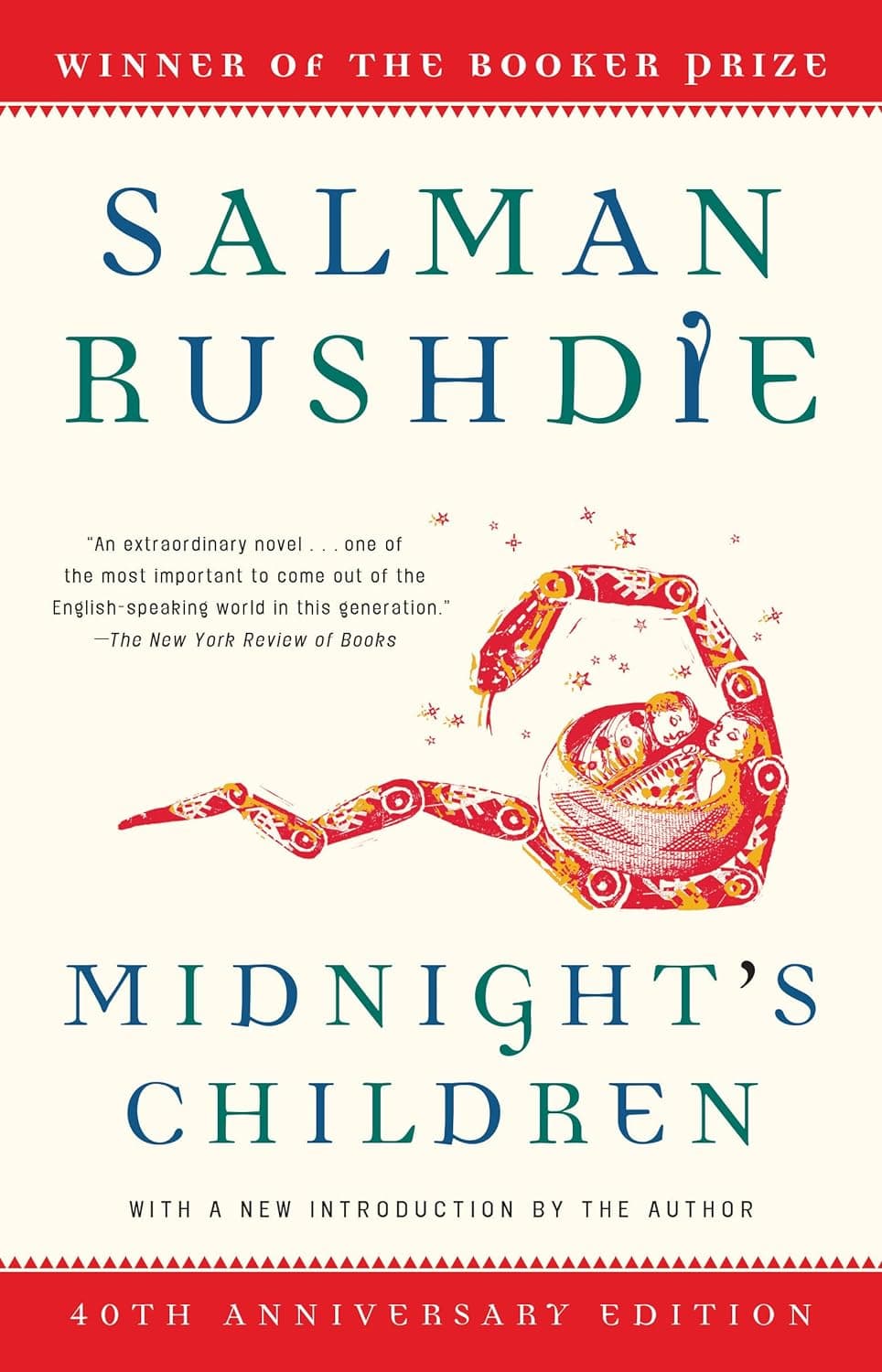
Saleem Sinai is born at the exact midnight India becomes independent, which gives him telepathy and welds his life to the country's. Sixty years of history arrive as one unreliable, delighted confession.
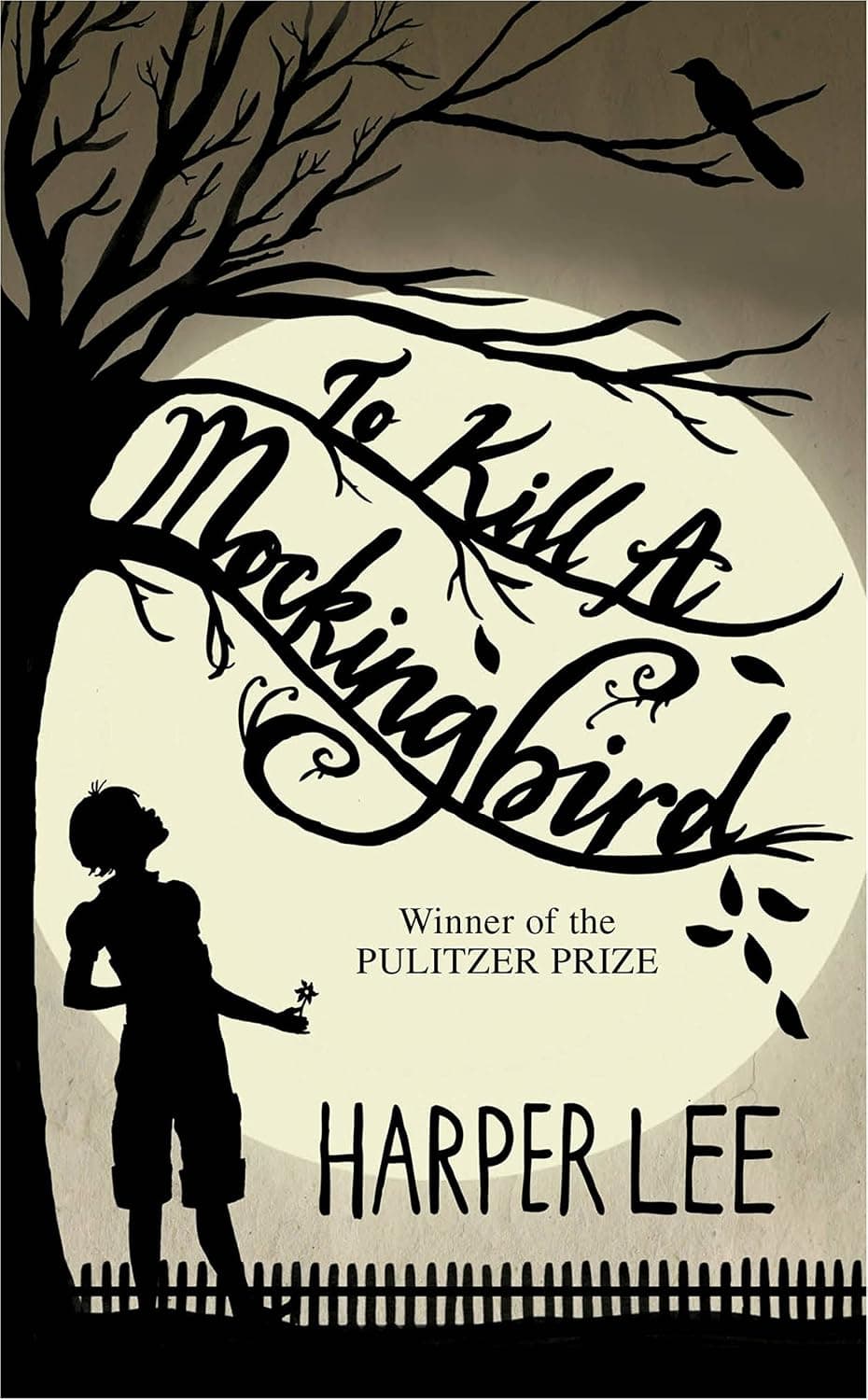
Scout Finch's father, a lawyer in a small Alabama town, defends a Black man accused of raping a white woman. The trial reaches you through a child who understands less than you do.

Julien Sorel, a carpenter's son with a memorized Bible and enormous nerve, climbs out of provincial France into Paris society by way of two women. Stendhal reports each calculation without excusing him.

Holden Caulfield is thrown out of prep school and spends three days loose in New York, telling you about it. Salinger got the voice so exact that teenage fiction has echoed it since.
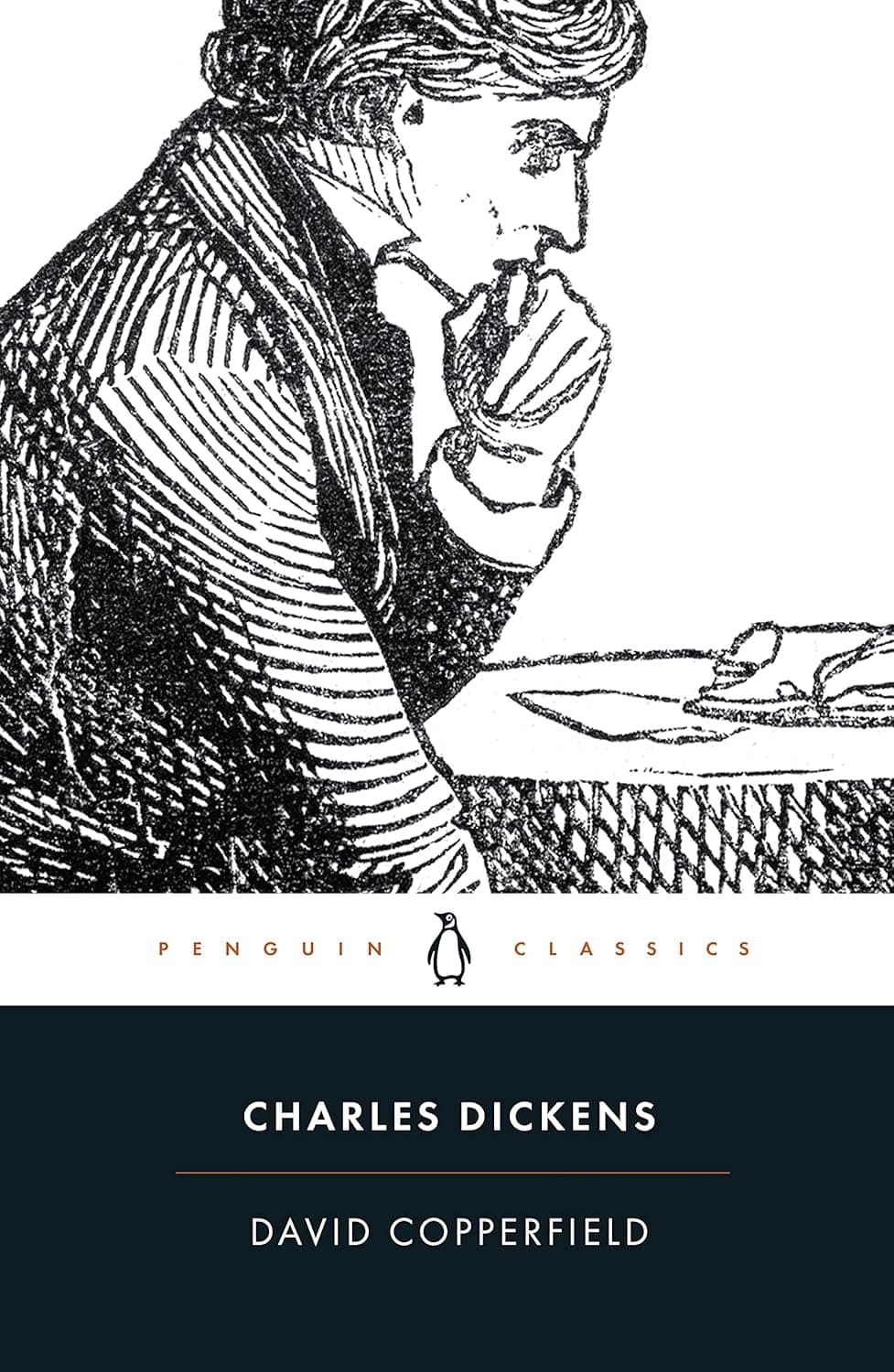
Put to work in a warehouse as a boy, David escapes to an aunt he has never met. Dickens gave him his own childhood, and loved this novel above all the others.

Janie comes home to a Black town in Florida and tells a friend about her three marriages and how she found her own voice. Hurston writes porch talk exactly as it sounded.

Found as a baby in a squire's bed, Tom grows up generous and reckless, loses his home, and follows Sophia Western to London. Coleridge ranked the plot beside that of Oedipus.

Jim Burden arrives orphaned in Nebraska and finds Antonia Shimerda, an immigrant girl whose family is barely surviving the winter. Cather writes the prairie so well the book reads like your own childhood.

Four sisters grow up poor in a Massachusetts town while their father serves in the Civil War. Jo March wants to write, and readers have measured their own ambition against hers ever since.

"I am an American, Chicago born," Augie announces, and the novel loosened its collar. He takes every job and every mentor the Depression offers him and refuses to be claimed by any.

Tom cons the neighborhood boys into whitewashing his aunt's fence, then witnesses a graveyard murder and attends his own funeral. Twain gave America the childhood it has claimed to remember ever since.

Scarlett O'Hara claws her plantation back through the burning of Atlanta, wanting the wrong man. Mitchell's romance of a gallant South sold thirty million copies and fixed a pastoral memory of slavery.

Hunger runs through Wright's Southern boyhood: for food, for books, which he gets by forging notes on a white man's library card. He sets down Jim Crow's cruelty without a word of self-pity.
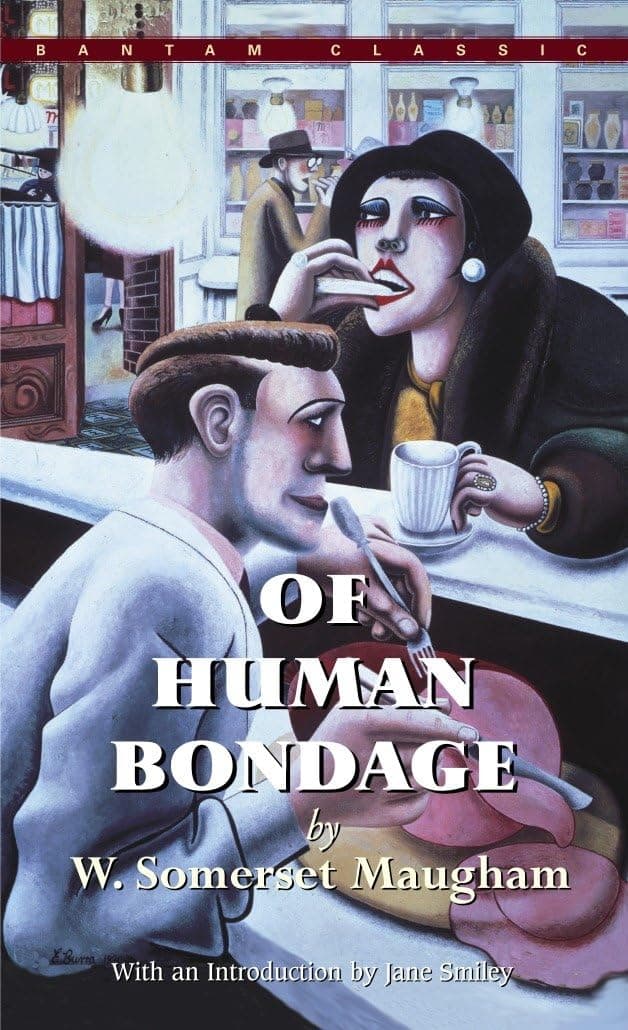
Orphaned and clubfooted, Philip Carey tries Germany, Paris, painting, and medicine, then wrecks himself on a waitress who despises him. Nobody has written the humiliation of unreturned love more exactly.

Twenty-two linked stories about people in an Ohio town who cannot say what they feel, except to the young reporter George Willard. Faulkner called Anderson the father of his generation of American writers.

Two friends split the world between them: Narcissus stays in the monastery with logic and God, and Goldmund walks out into women, wandering, and the Black Death, then carves it all in wood.
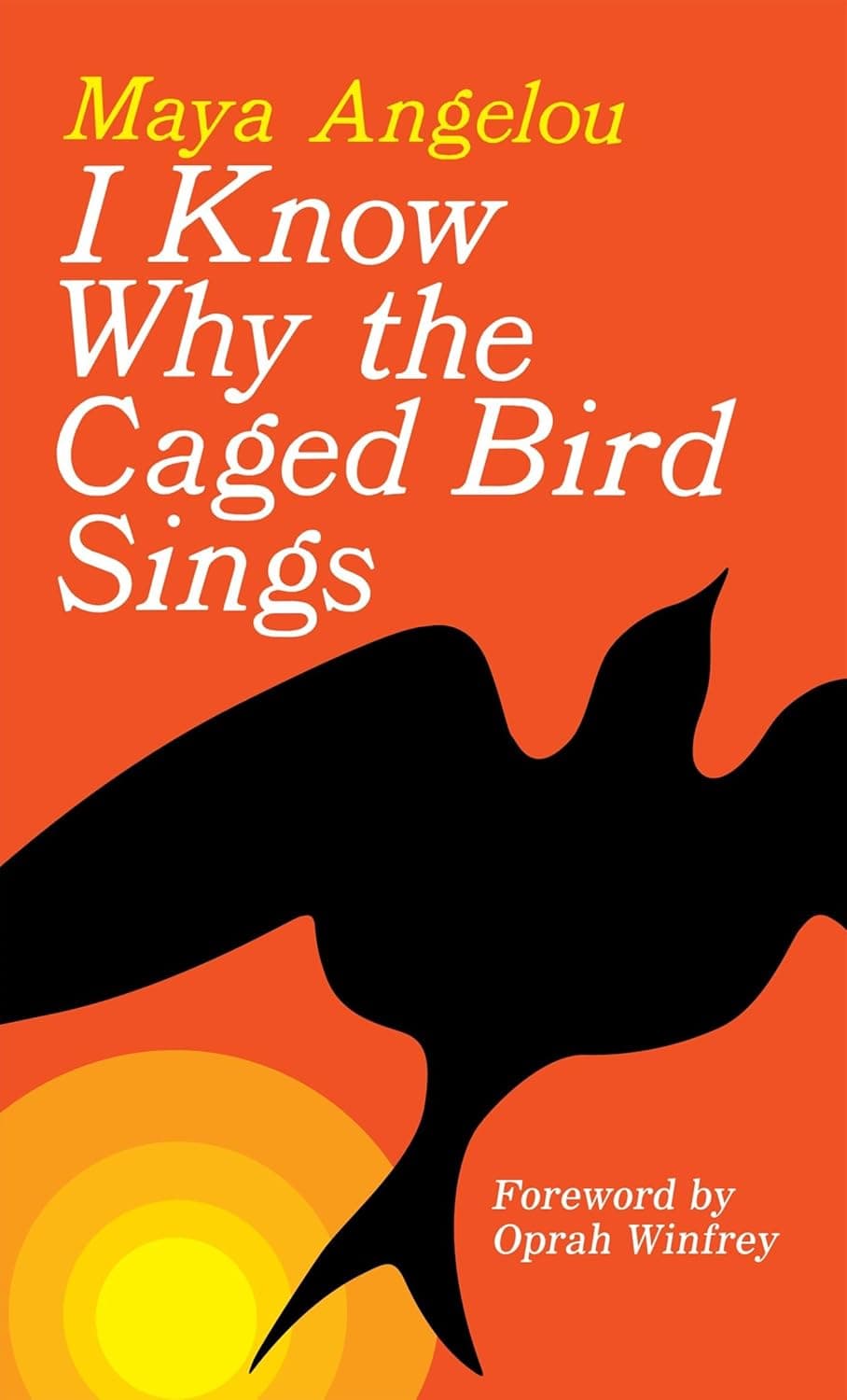
Angelou grows up in Stamps, Arkansas, under Jim Crow and behind her grandmother's store counter. Raped at eight by her mother's boyfriend, she stops speaking for five years and reads her way back.

The first novel any Black Zimbabwean woman published in English opens with a girl not sorry her brother died: his death frees her for the mission school, where education costs her cousin everything.

Kingston's aunt drowned herself in the family well, and no one may say her name. Out of that silence and the legend of a woman warrior, Kingston remade what American memoir could do.
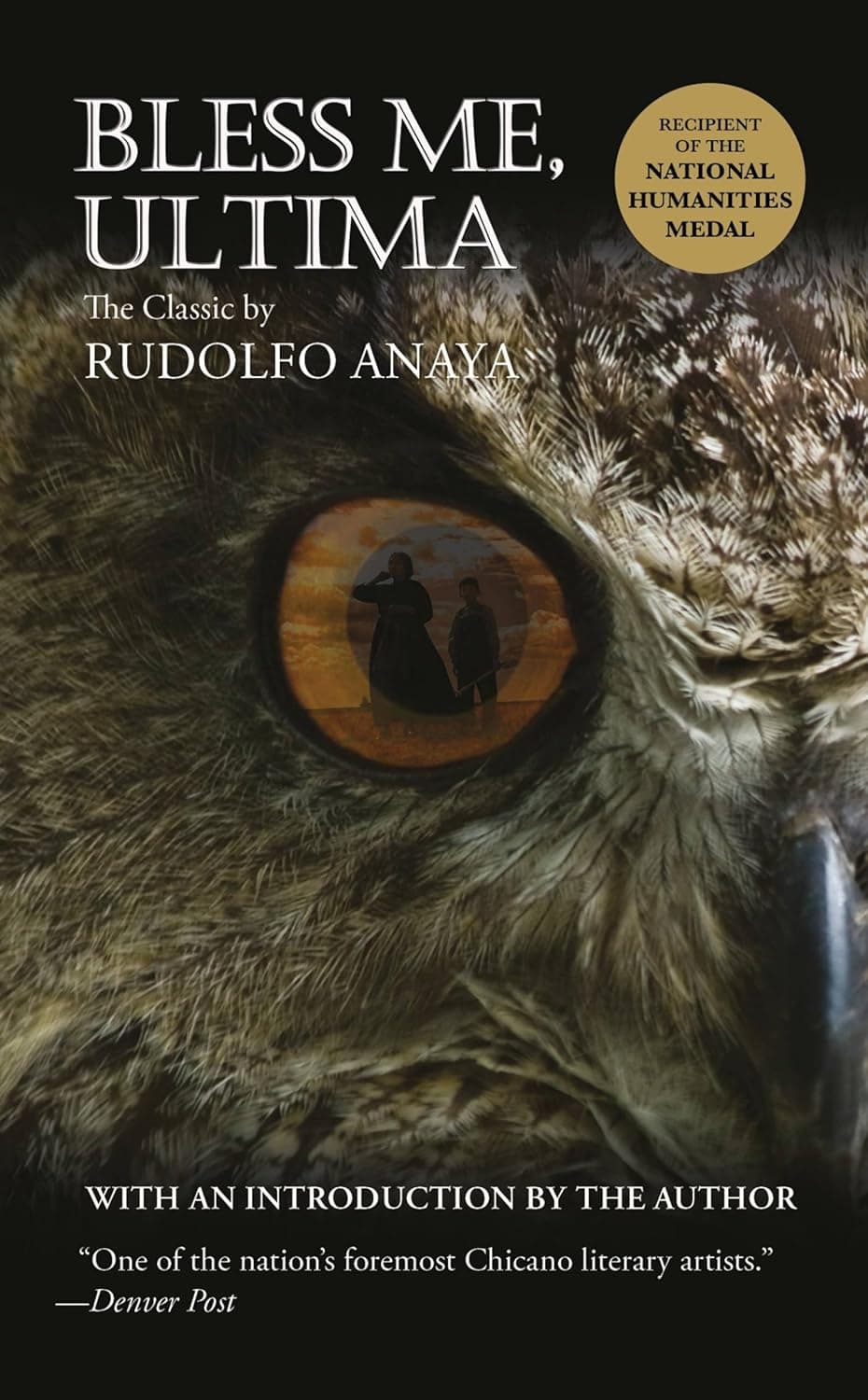
Ultima, a folk healer, joins Antonio's family in wartime New Mexico, and the boy is pulled between his mother's church and his father's plains. Schools have taught it and banned it ever since.
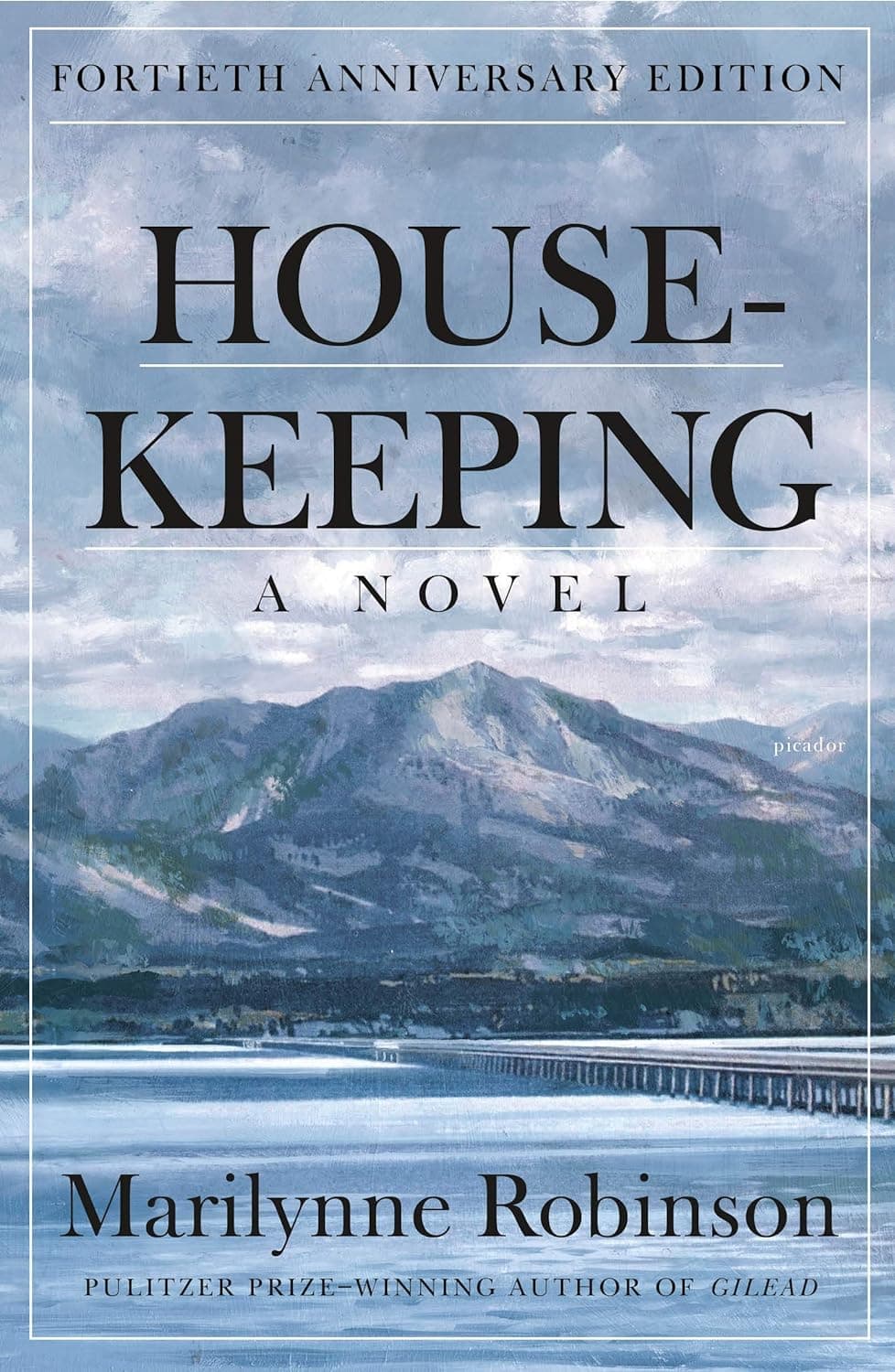
Two sisters in an Idaho lake town are raised by a drifter aunt who leaves the doors open and lets leaves blow through the house. Robinson makes transience a form of faith.

Theobald Pontifex beats piety into his son with perfect Christian conviction, and Ernest spends the novel working free of him. Butler handed the revolt against Victorian respectability its sharpest and funniest weapon.

Elio is seventeen the summer a visiting scholar stays six weeks at his family's house on the Italian coast. Aciman renders desire from the inside, every calculation and humiliation of wanting someone.

Hearing the Beatles song years later, a man returns to 1969 Tokyo, where his best friend's suicide left him loving two women at once. Murakami dropped the fantastic entirely, and Japan devoured it.

Cal Stephanides was born a girl in Detroit and became a boy at fourteen, and traces the gene responsible back through Asia Minor to grandparents who were brother and sister.

Dark-skinned and Puerto Rican in 1940s Spanish Harlem, Thomas was Black to white America and not Black to his own family. Gangs, heroin, and seven years in prison follow, told in barrio speech.

Sent to a Cascade logging town to live with a violent stepfather, a boy who calls himself Jack lies and steals his way toward escape. Wolff renders his adolescence with merciless clarity.

Greasers and Socs settle their hatred with fists and knives in Tulsa, narrated by fourteen-year-old Ponyboy Curtis. Hinton wrote it at sixteen, and it is still the novel American schools hand to thirteen-year-olds.
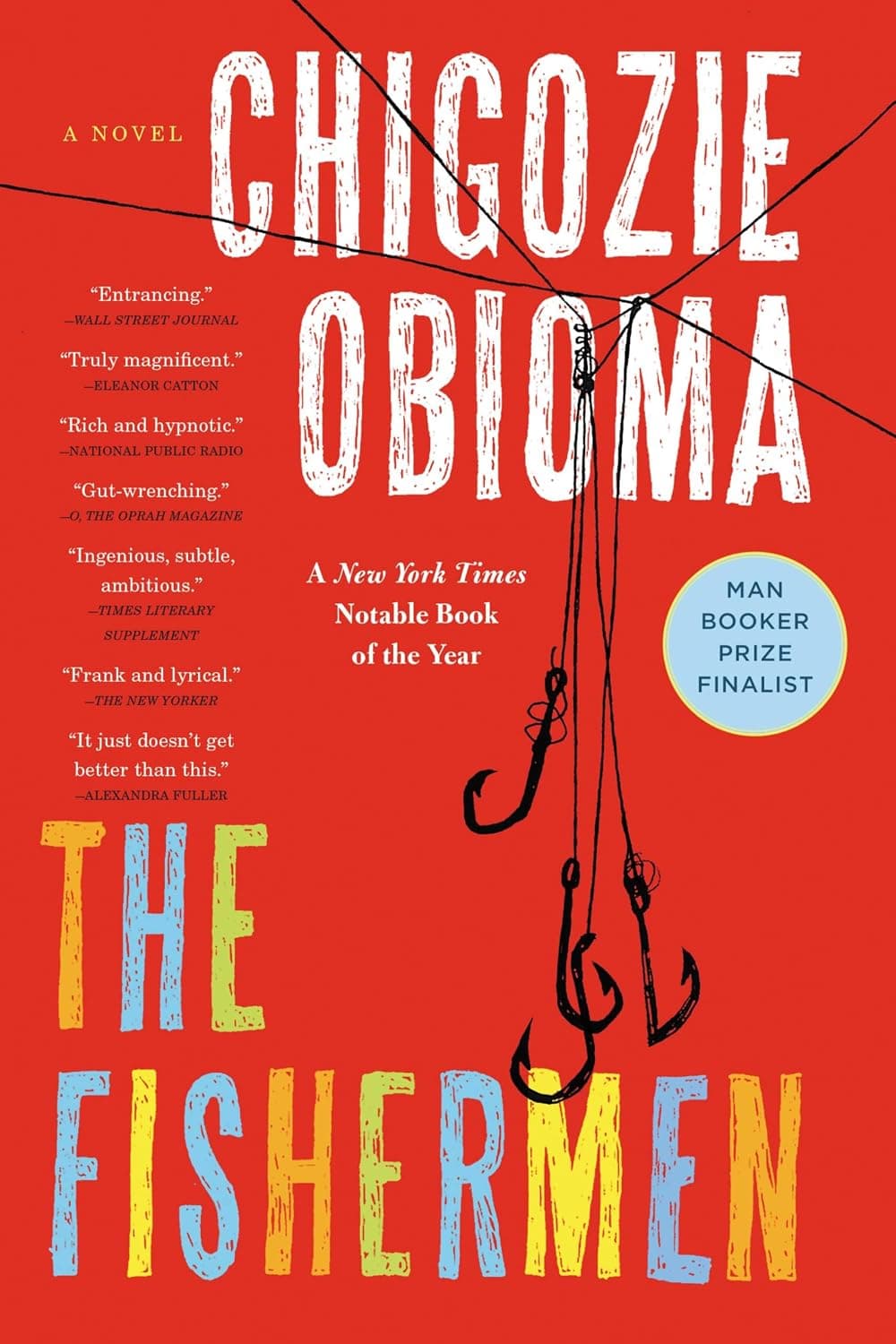
Four brothers fish a forbidden Nigerian river, and a madman tells the eldest he will die at a fisherman's hand. Obioma takes the family apart with the inevitability of Greek tragedy.

Jess can outrun everyone in fifth grade until Leslie moves in next door. They swing over a creek into Terabithia, the kingdom they rule together, and Paterson refuses to protect them from grief.

In the summer of 1942, at a New Hampshire boarding school, Gene envies his fearless friend Finny enough to jounce the branch they are standing on. Knowles found the war inside a friendship.