
The Collected Poems
1954 · 583 pages
Stevens sold insurance in Hartford and wrote sumptuous poems about what the imagination makes once God is gone. Read "The Emperor of Ice-Cream" aloud and the sound arrives before the sense.
★ 8.6
 skopia
Stevens sold insurance in Hartford and wrote sumptuous poems about what the imagination makes once God is gone. Read "The Emperor of Ice-Cream" aloud and the sound arrives before the sense.
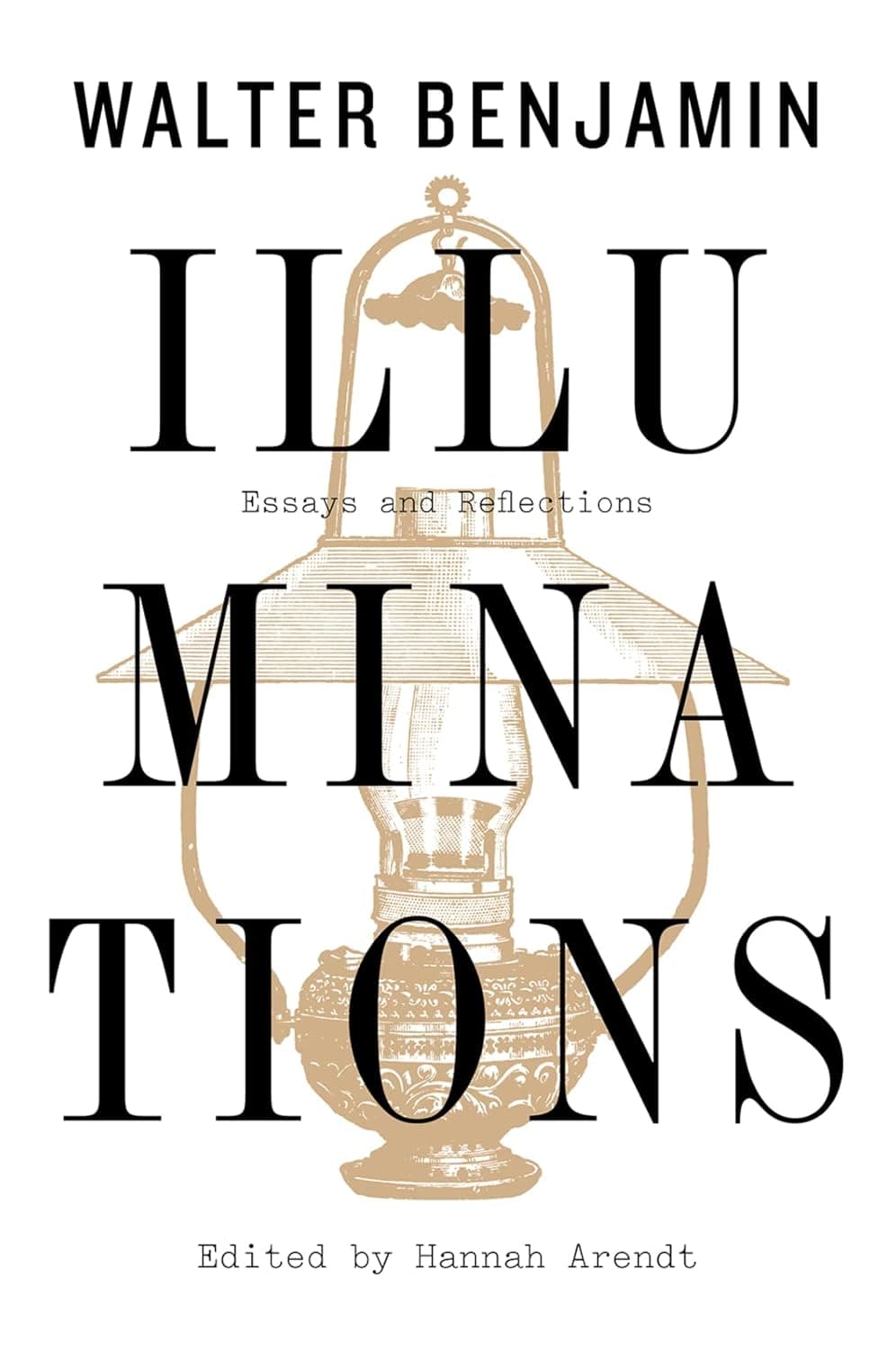
Benjamin asks what photography did to art and answers that a work loses its aura once anyone can copy it. Elsewhere history appears as an angel blown backward, staring at the wreckage.
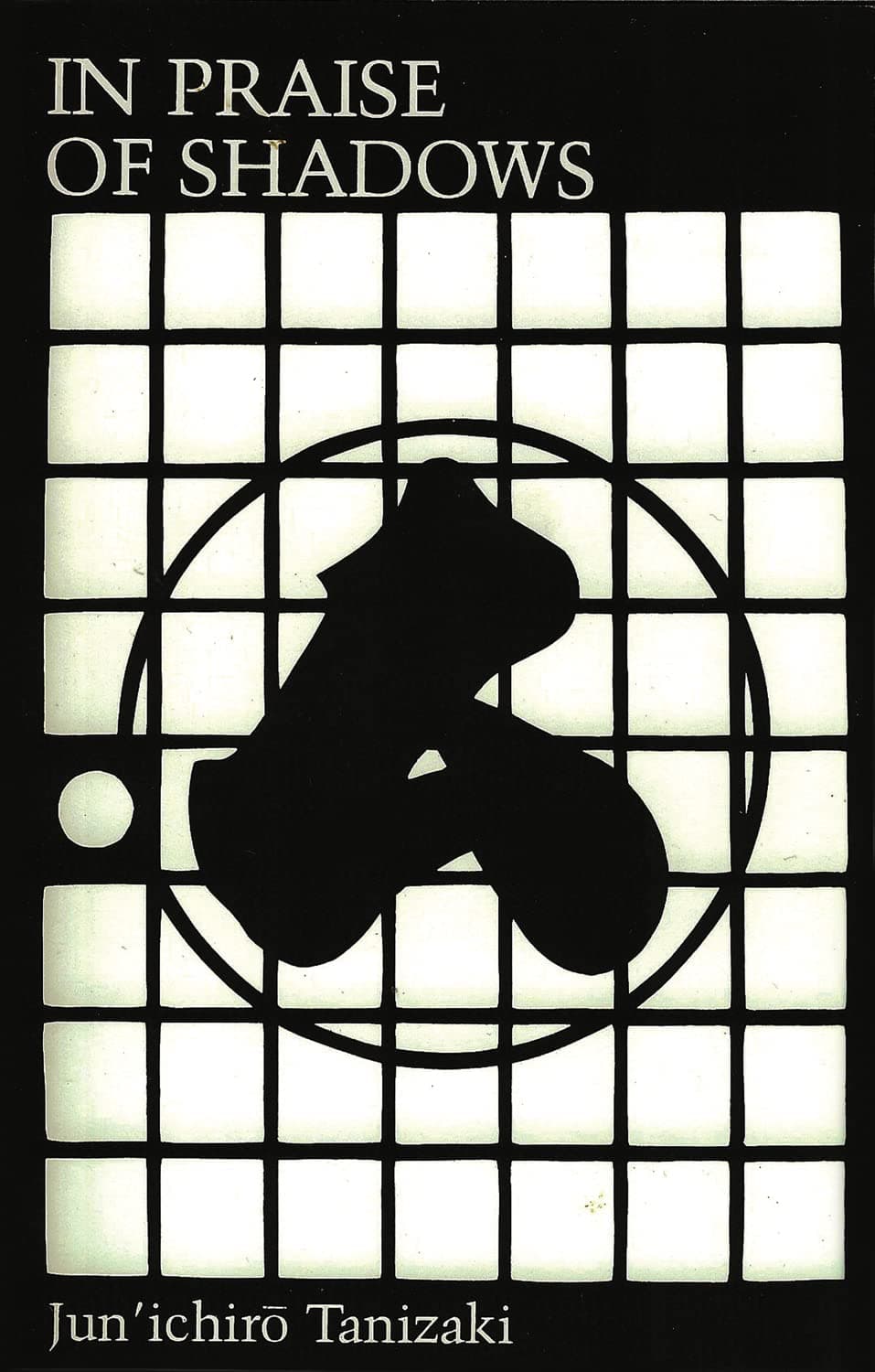
Tanizaki, a Japanese novelist, argues in earnest that the beauty of his country was made for dim rooms and wrecked by electric light. Lacquer, gold leaf, and old toilets all make his case.
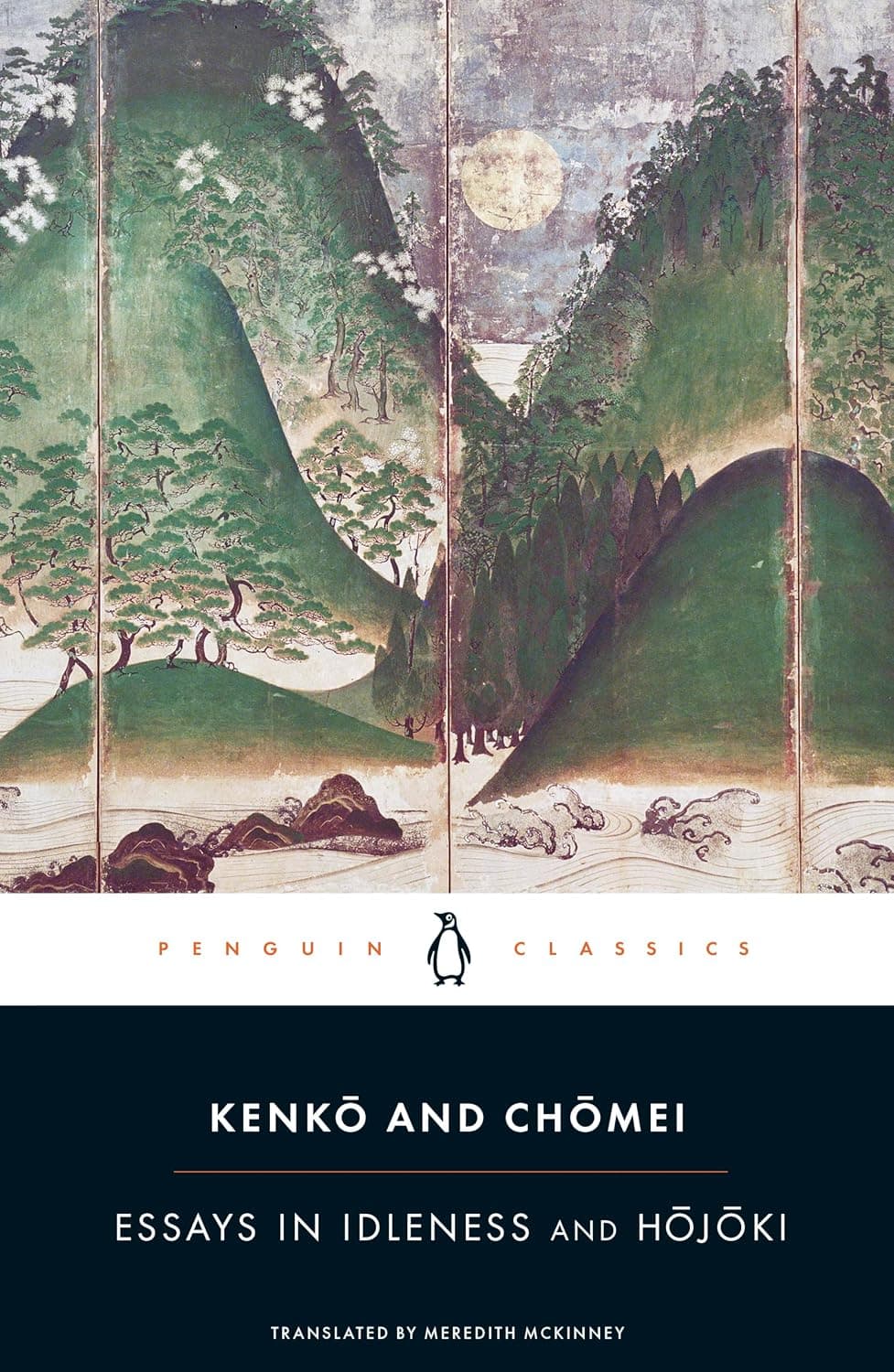
Writing in fourteenth-century Japan, the monk Kenko set down fragments on manners, boredom, and death, asking why we look at cherry blossoms only in full bloom. Impermanence makes attention urgent.

Told by a charming aristocrat that beauty is everything, Dorian Gray wishes his portrait would age in his place, and it does. Wilde's epigrams carry every page, and the horror arrives beneath them.
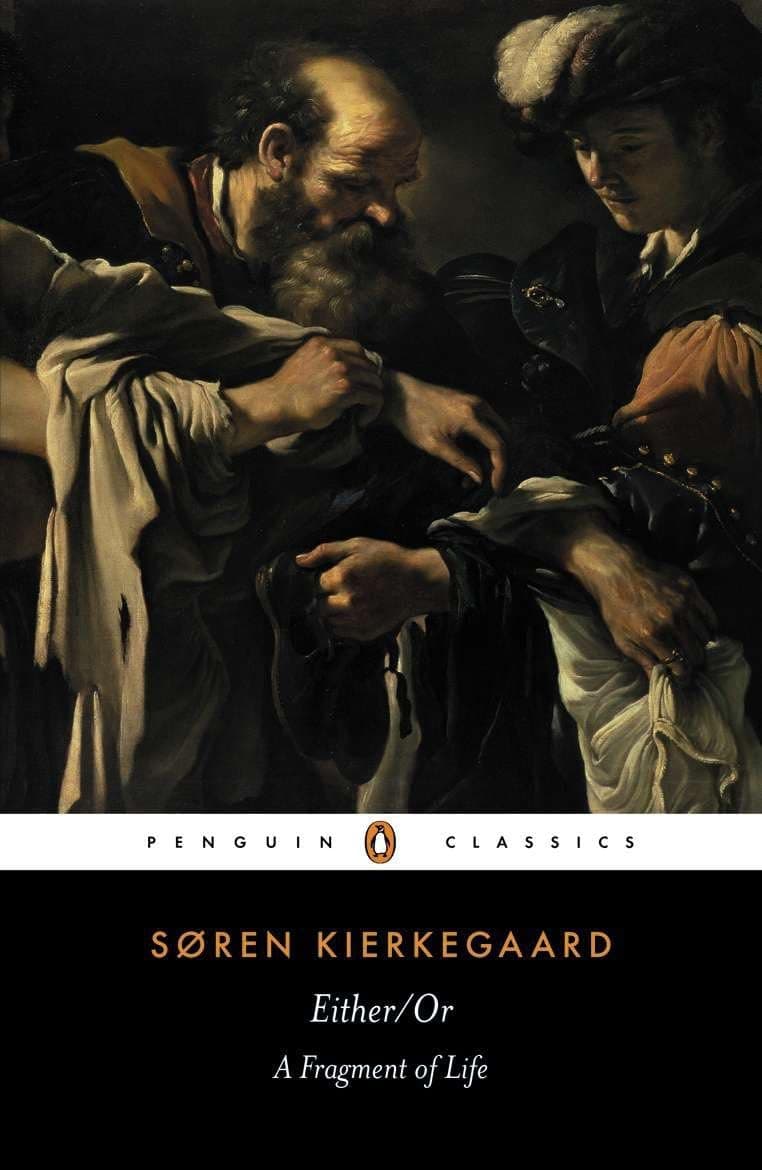
Two ways of living stand side by side, unreconciled: the aesthete who lives for the interesting moment and whose papers include a seducer's diary, and the judge who defends marriage and duty.
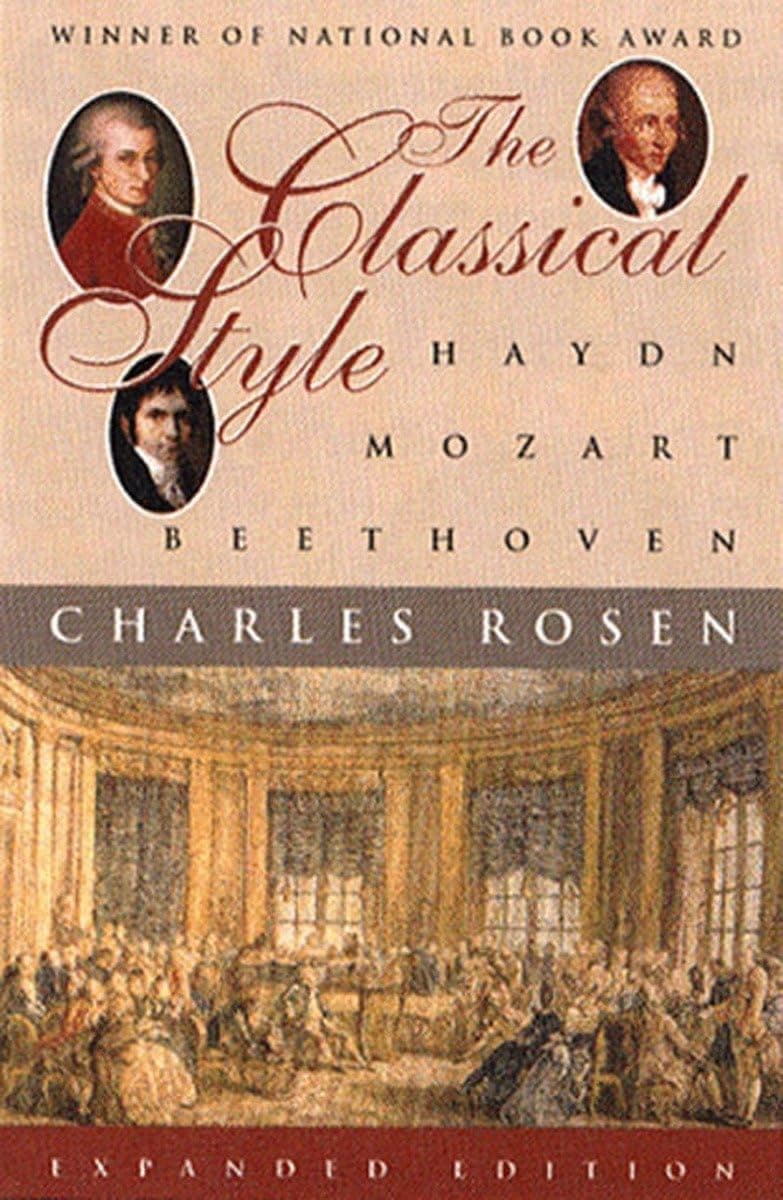
Haydn, Mozart, and Beethoven made drama out of harmony itself, Rosen shows, with tension and resolution shaping every movement. A concert pianist wrote it, and it changed how musicians hear the whole period.

Tea began as a medicine and grew into a beverage, writes Okakura, a Japanese art curator addressing the West, who then draws from one cup an entire aesthetic of imperfection and attention.
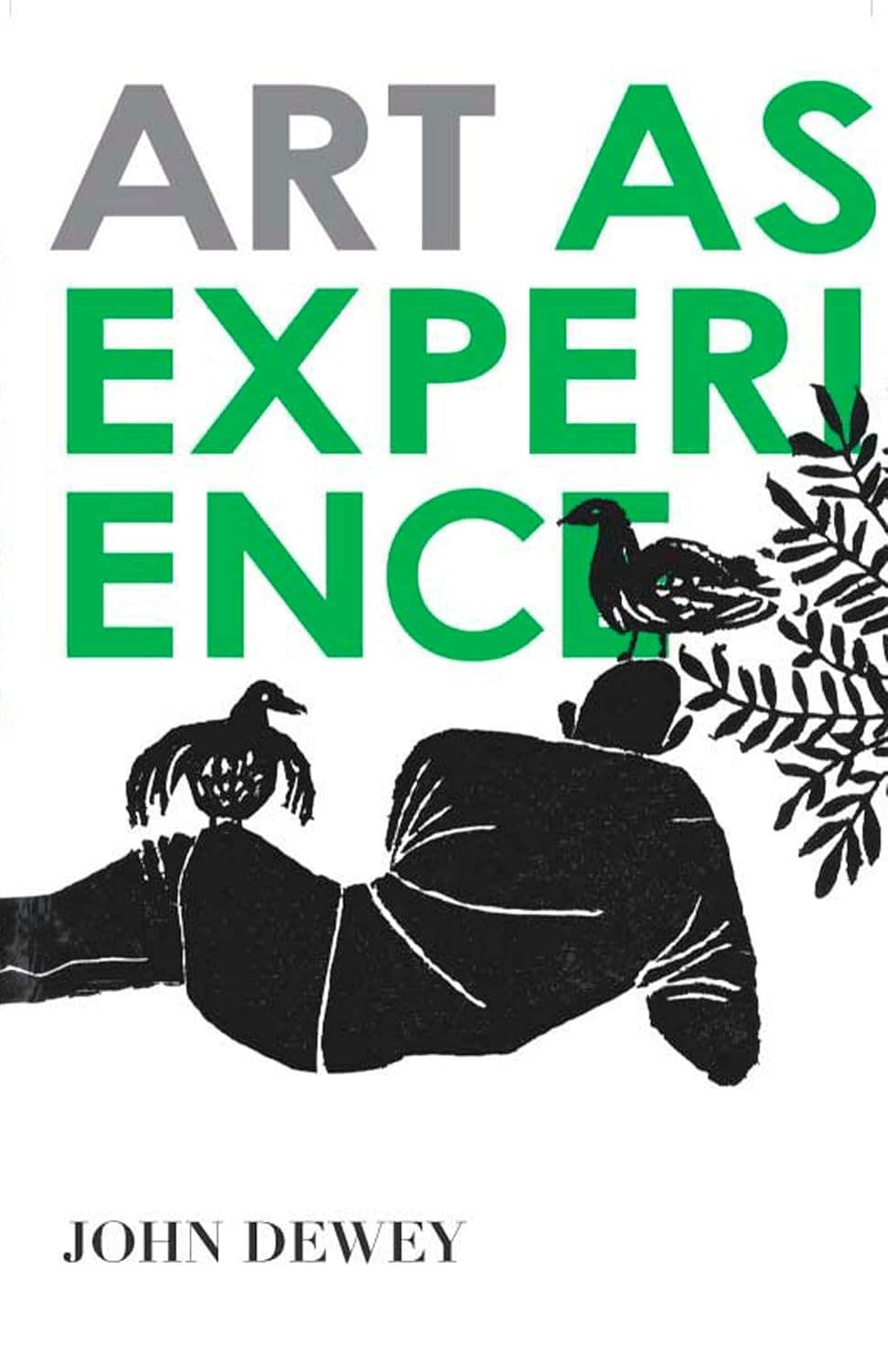
Art belongs in the museum only by accident, Dewey argues. The aesthetic starts in the ordinary rhythm of a creature meeting its world, an argument that pulled philosophy toward everyday and popular art.

Watching the French Revolution collapse into terror, Schiller concluded that reason cannot free people whose feelings stay uneducated. Beauty does it, through play, and Romanticism built its case for art on that claim.

Rasmussen teaches you to feel a building before you name its style: the hardness a child finds bouncing a ball off a wall, Rome's Spanish Steps descending in the rhythm of a polonaise.

Johannes engineers every meeting and letter to make Cordelia love him, and wants nothing once she does. Kierkegaard hands you the notebook of a man who turned another person into an experiment.

Classical architecture is a language, Summerson argues, and the five orders are its grammar. He takes you from Roman temples to Baroque churches and shows what any columned facade is actually saying.

Beauty in things imperfect, impermanent, and incomplete. Koren traces the aesthetic from the Japanese tea room to the cracked bowl, and gives Western design a language for everything corporate polish cannot reach.

Beauty and utility generate each other, Paul Rand argues, and the designer's job is fusing idea with image. He pulled European modernism into American advertising and made the trade take design seriously.