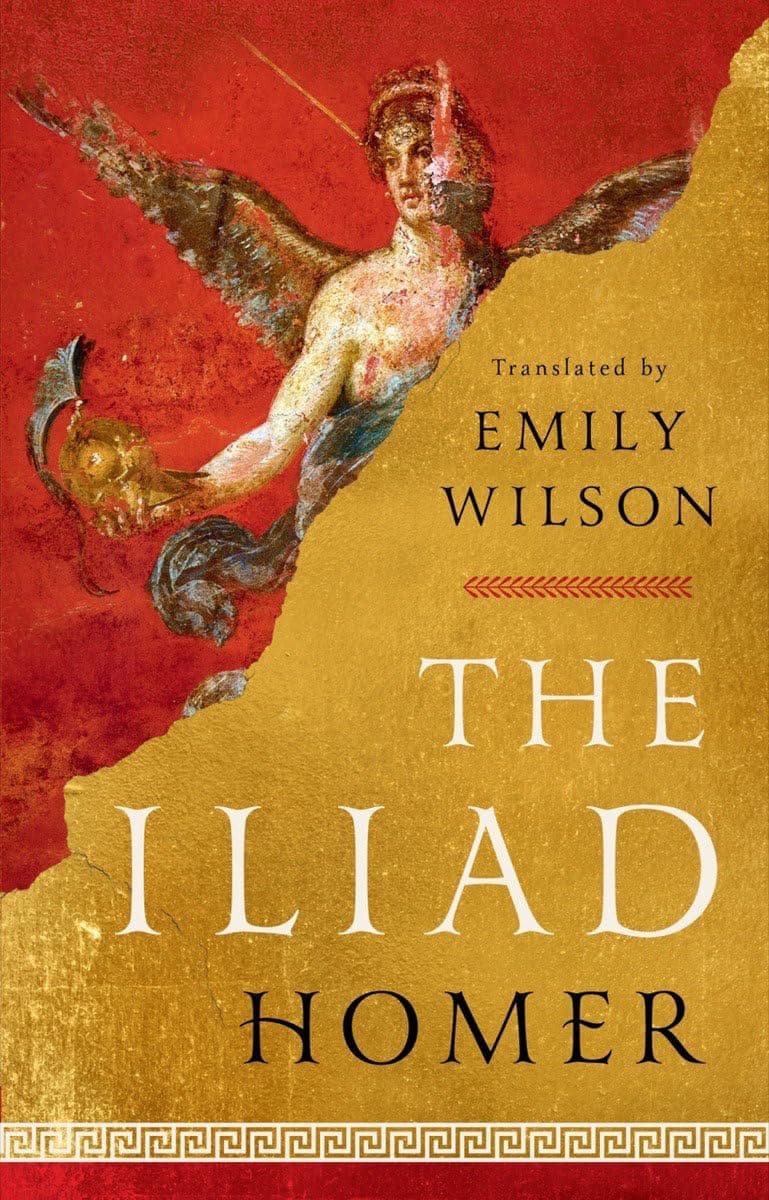
The Iliad
750 BC · 848 pages
Achilles withdraws from the fighting over a stolen prize and his friends die outside Troy for it. Nothing written about war since has matched Homer's fury, or the mercy of the final scene.
★ 9.9
 skopia
Achilles withdraws from the fighting over a stolen prize and his friends die outside Troy for it. Nothing written about war since has matched Homer's fury, or the mercy of the final scene.
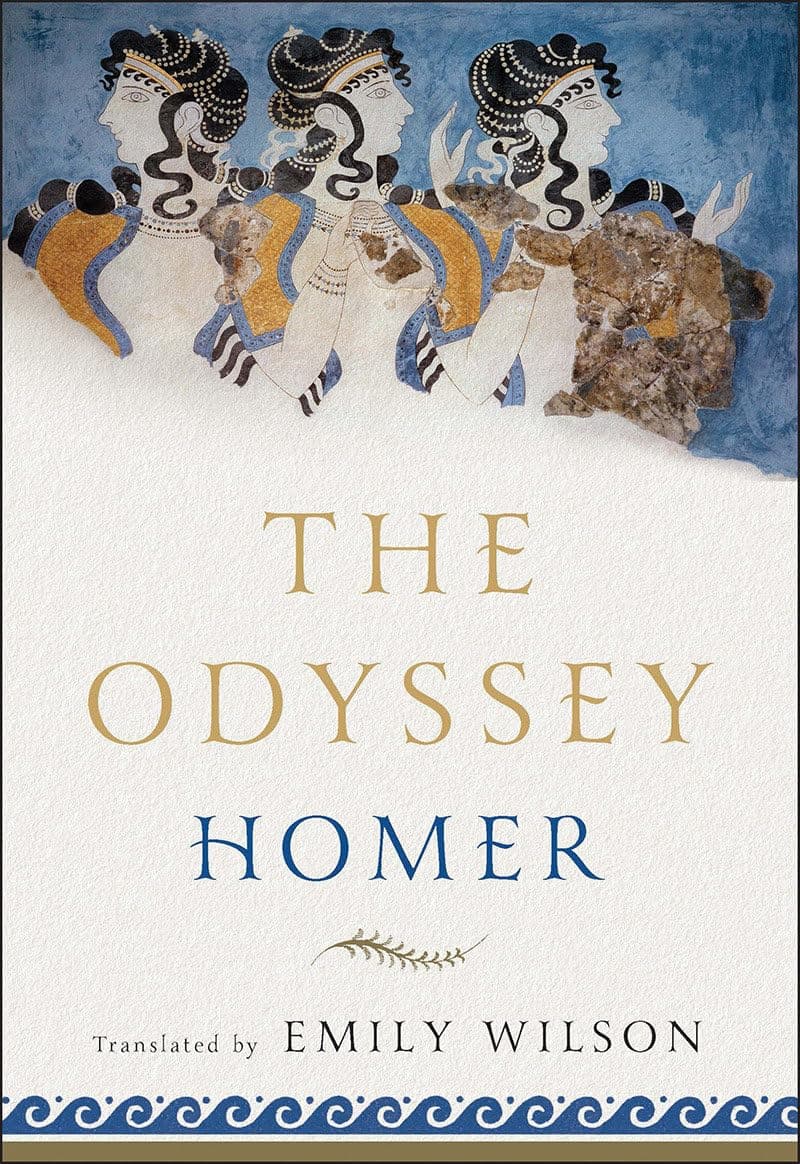
Ten years of storms, monsters, and a goddess who will not let him go stand between a soldier and his own front door. Every adventure story since descends from Odysseus.
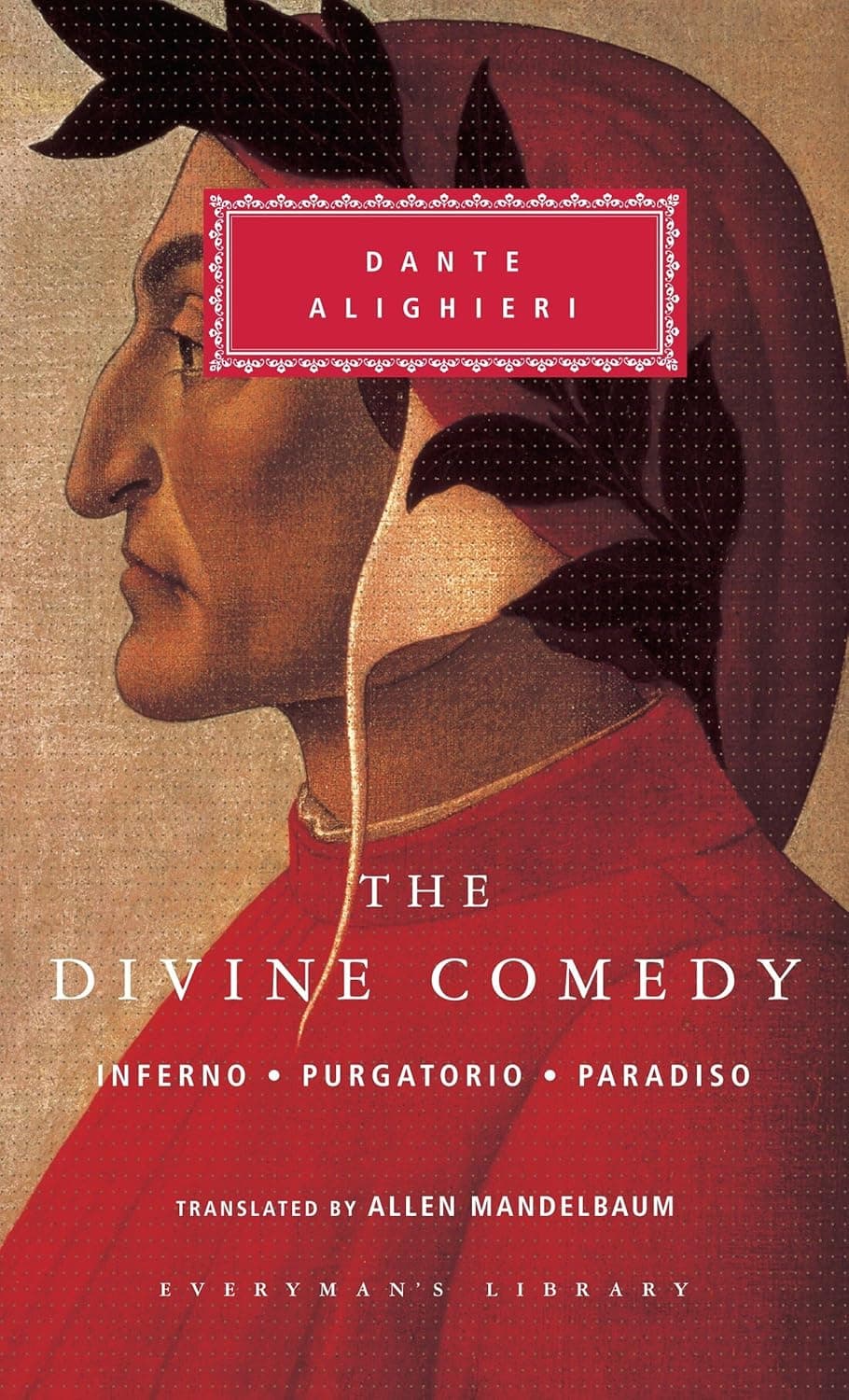
No poem has reached higher. Dante goes down through hell, up the mountain of purgatory, and into the light of God, settling scores with real Florentines and arriving where Beatrice waits.
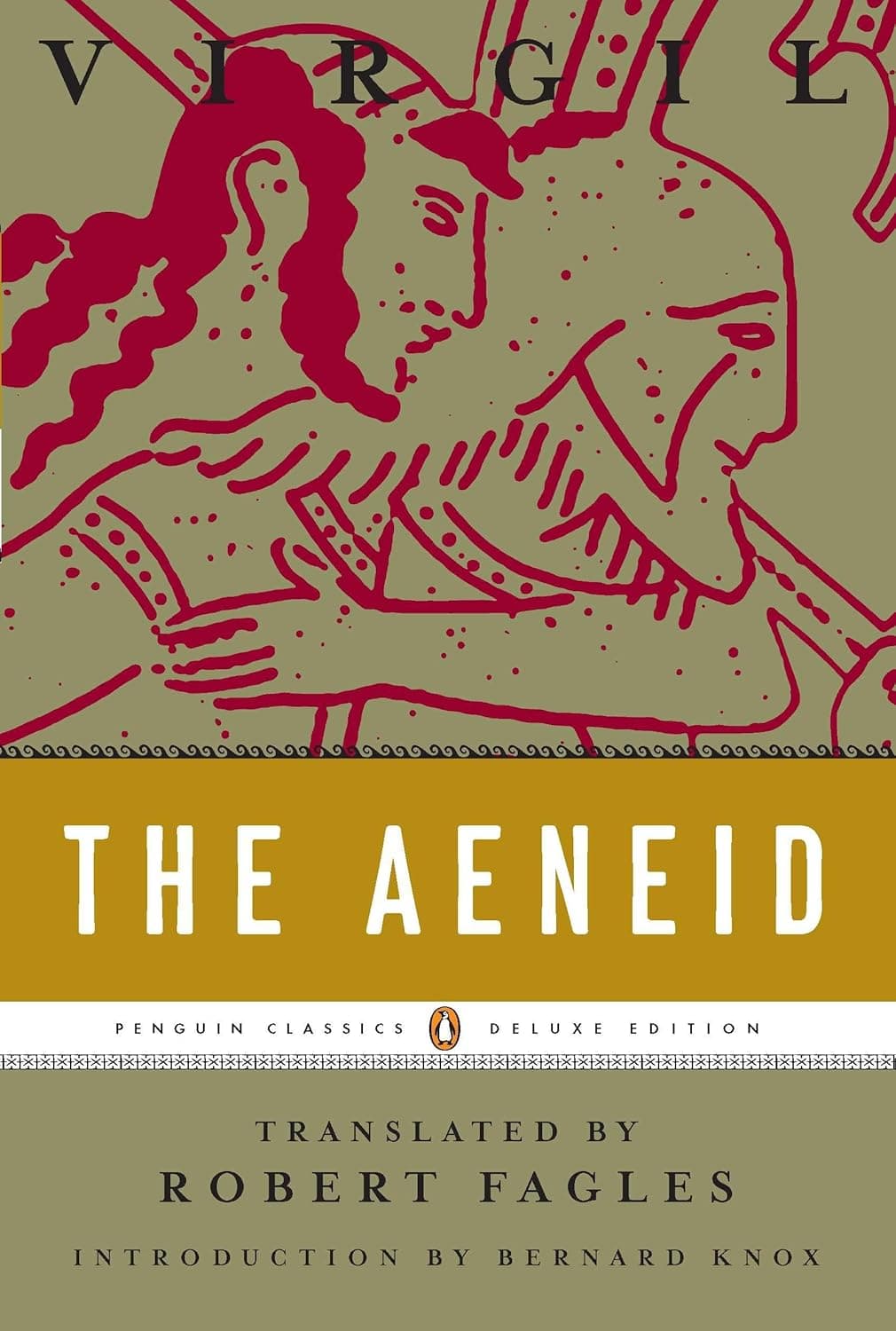
Aeneas carries his father out of burning Troy and is sent to found Rome, abandoning the queen who loves him. Duty wins, and Dido's grief is the greatest passage in Latin poetry.
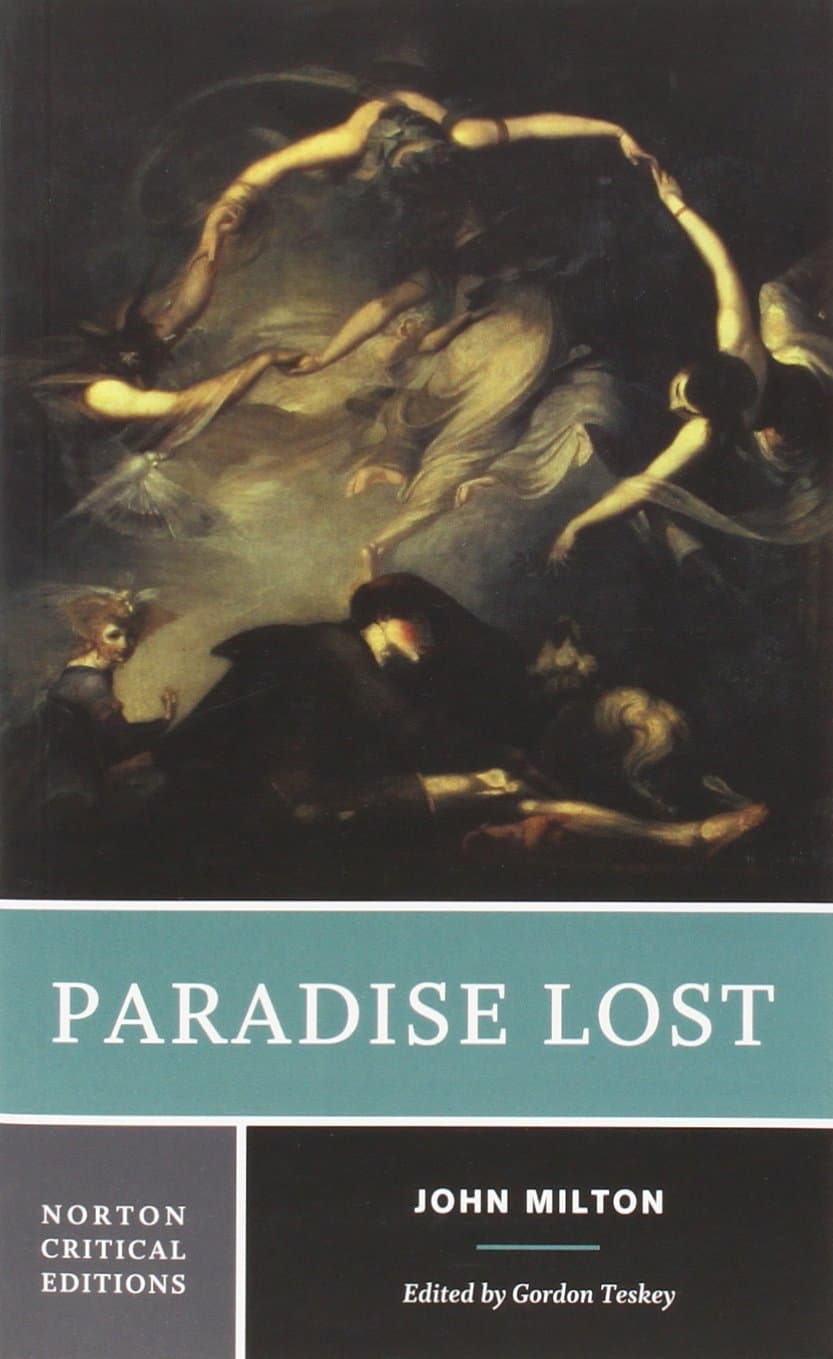
Satan rebels in heaven, loses, and comes for the first two people. Milton meant to justify God and produced a devil so magnificent he nearly walks off with the greatest poem in English.
April is the cruellest month, and from that line Eliot assembles a ruined Europe out of voices, tarot cards, and pub talk. The fragments lodge in the memory for good.
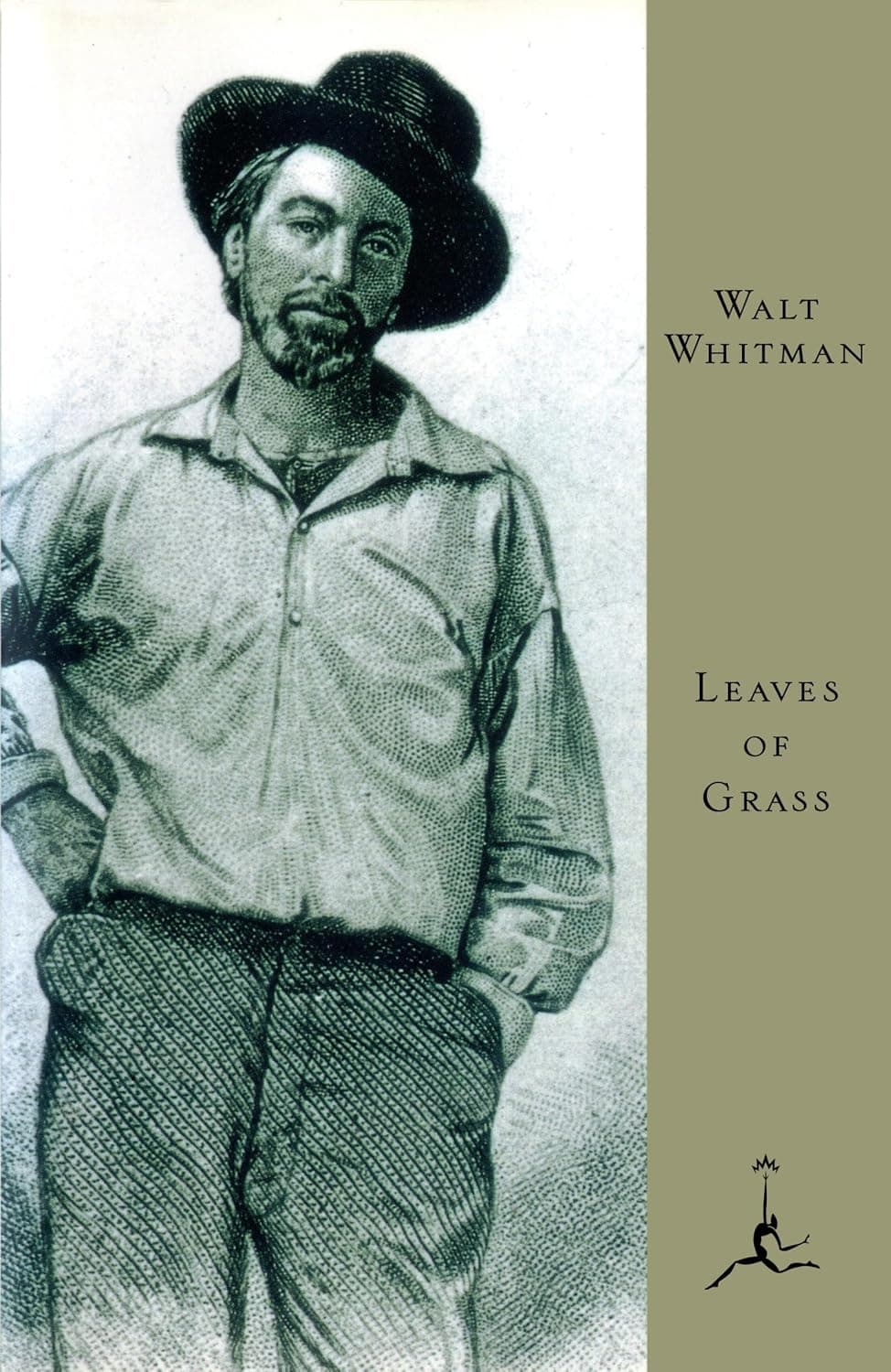
Whitman threw out rhyme and meter to write the body, the country, and himself at full voice. In "Song of Myself" he speaks straight at you, delighted that you finally showed up.
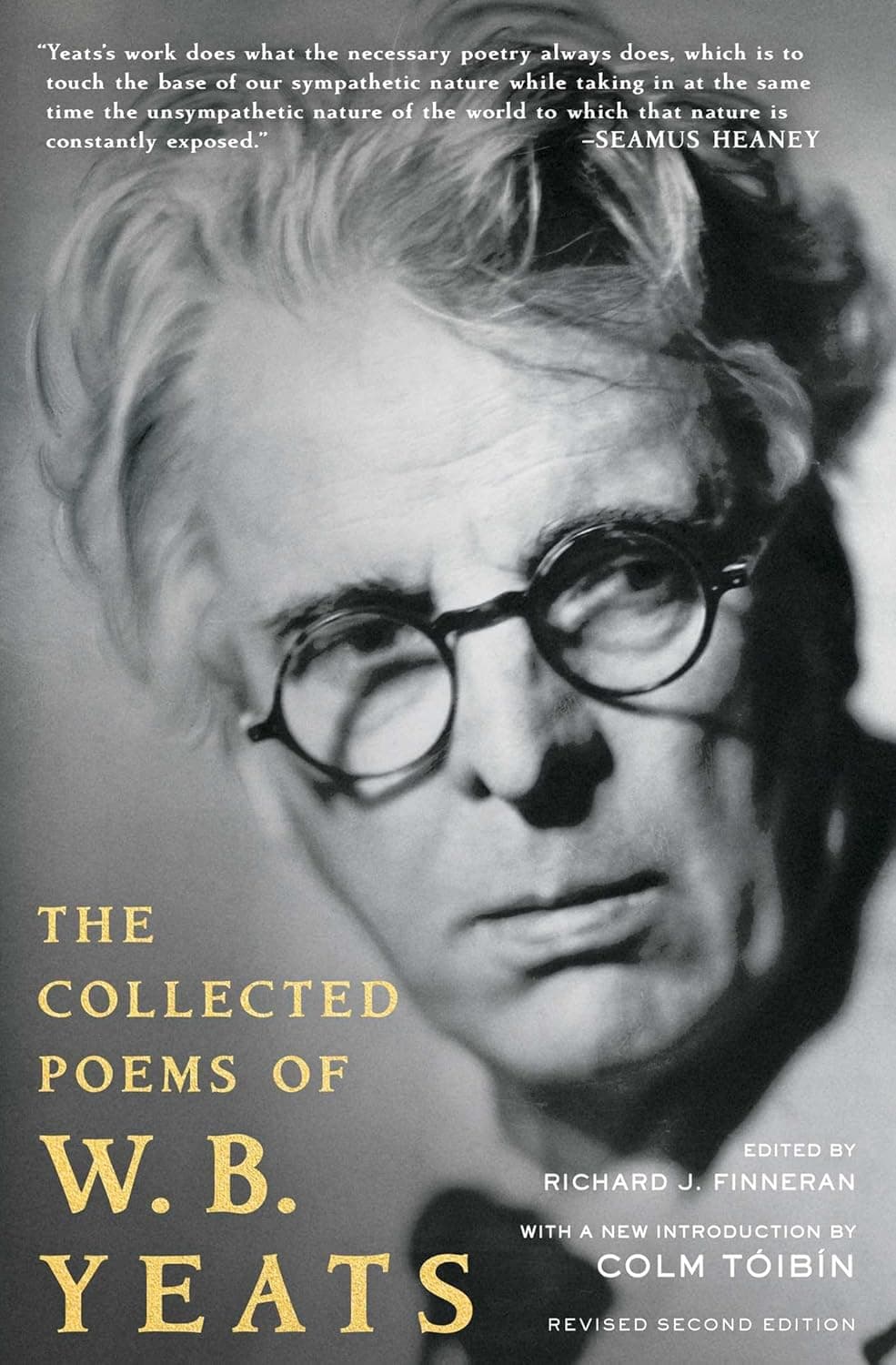
Irish myth and fairy tale at the start, then old age, politics, and desire handled with frightening force. Yeats wrote things fall apart, the centre cannot hold, and a terrible beauty is born.

Dickinson wrote nearly eighteen hundred poems in a Massachusetts bedroom, on death, God, and her own mind, and remade the English lyric. Begin with "Because I could not stop for Death."

Stevens sold insurance in Hartford and wrote sumptuous poems about what the imagination makes once God is gone. Read "The Emperor of Ice-Cream" aloud and the sound arrives before the sense.

Frost's New England of stone walls and deep snow arrives in plain talk held to strict meter, with something much colder underneath. Stopping by Woods on a Snowy Evening offers no comfort.
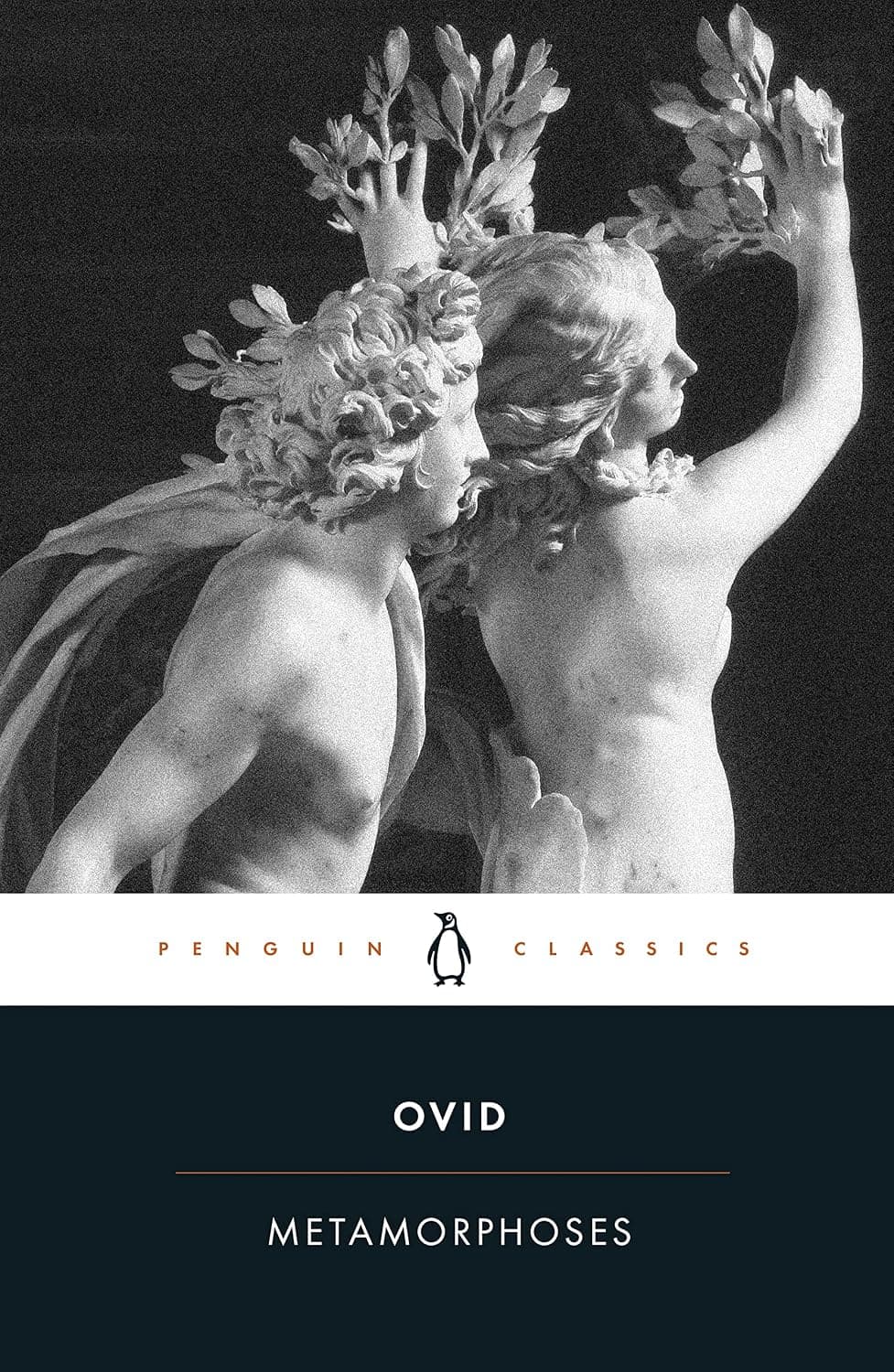
Ovid runs classical myth through a single idea, transformation, from the creation of the world to Julius Caesar. Girls become trees and hunters become deer, and painters have ransacked him for centuries.

Modern poetry starts here, in gorgeous verse about boredom, rot, and the crowds of Paris. Baudelaire opens by calling the reader his hypocrite brother, then makes ugliness beautiful.

Short poems in simple meter about lambs, chimney sweeps, and a tiger burning in the forests of the night. Blake sets an innocent version beside a bitter one and lets you decide.

Bishop looks at a fish, a filling station, a moose in the road, and never tells you what to feel. In "One Art" she calls losing things an art you can master.

Everything is atoms falling through empty space, Lucretius argues in Latin verse, your soul included, and it dies when your body does. He wrote the poem to cure his readers of fearing death.
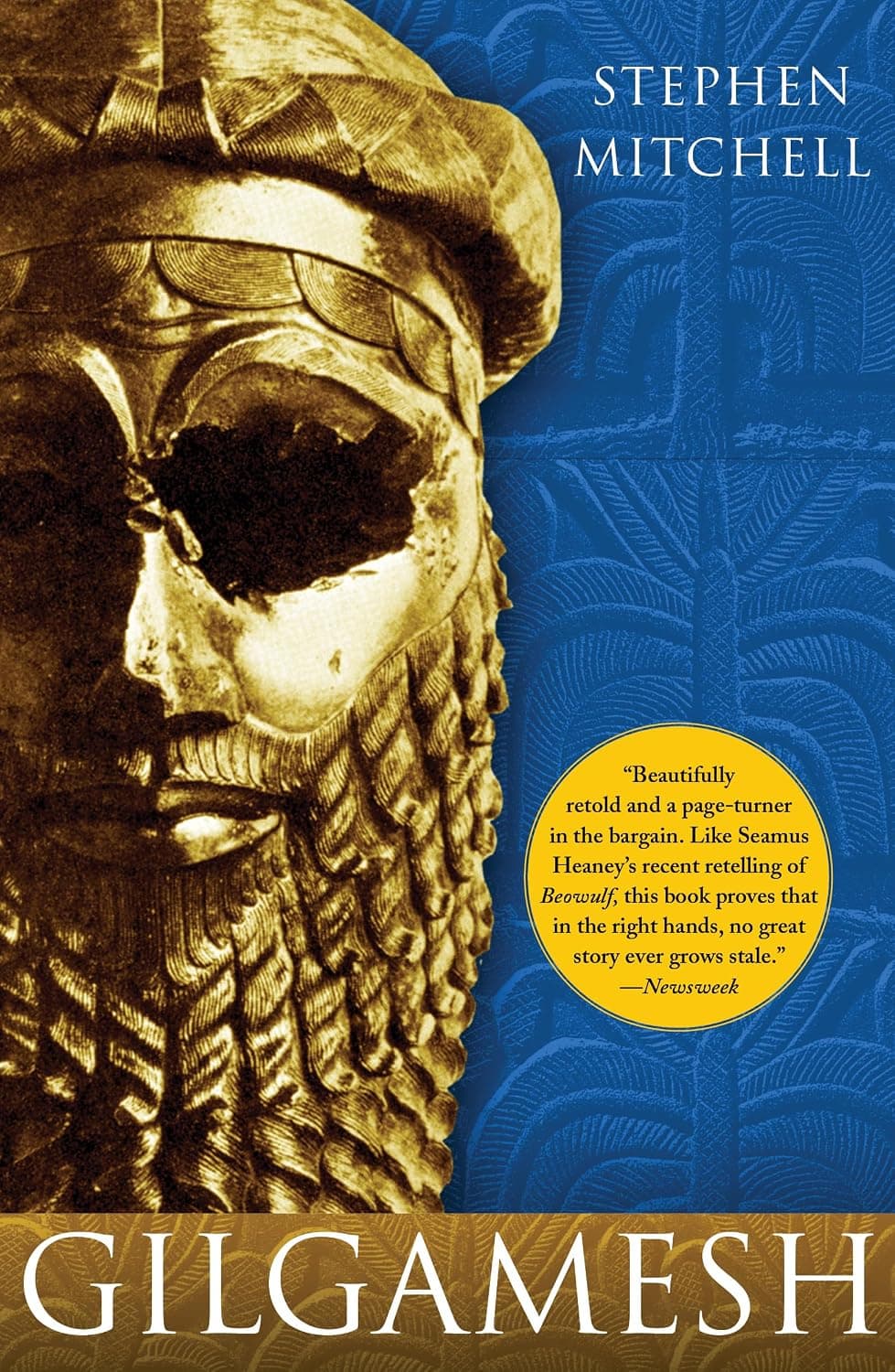
Literature begins here. Gilgamesh bullies his city until the gods send a wild man to match him. They become friends, one dies, and grief drives the survivor to the end of the world.
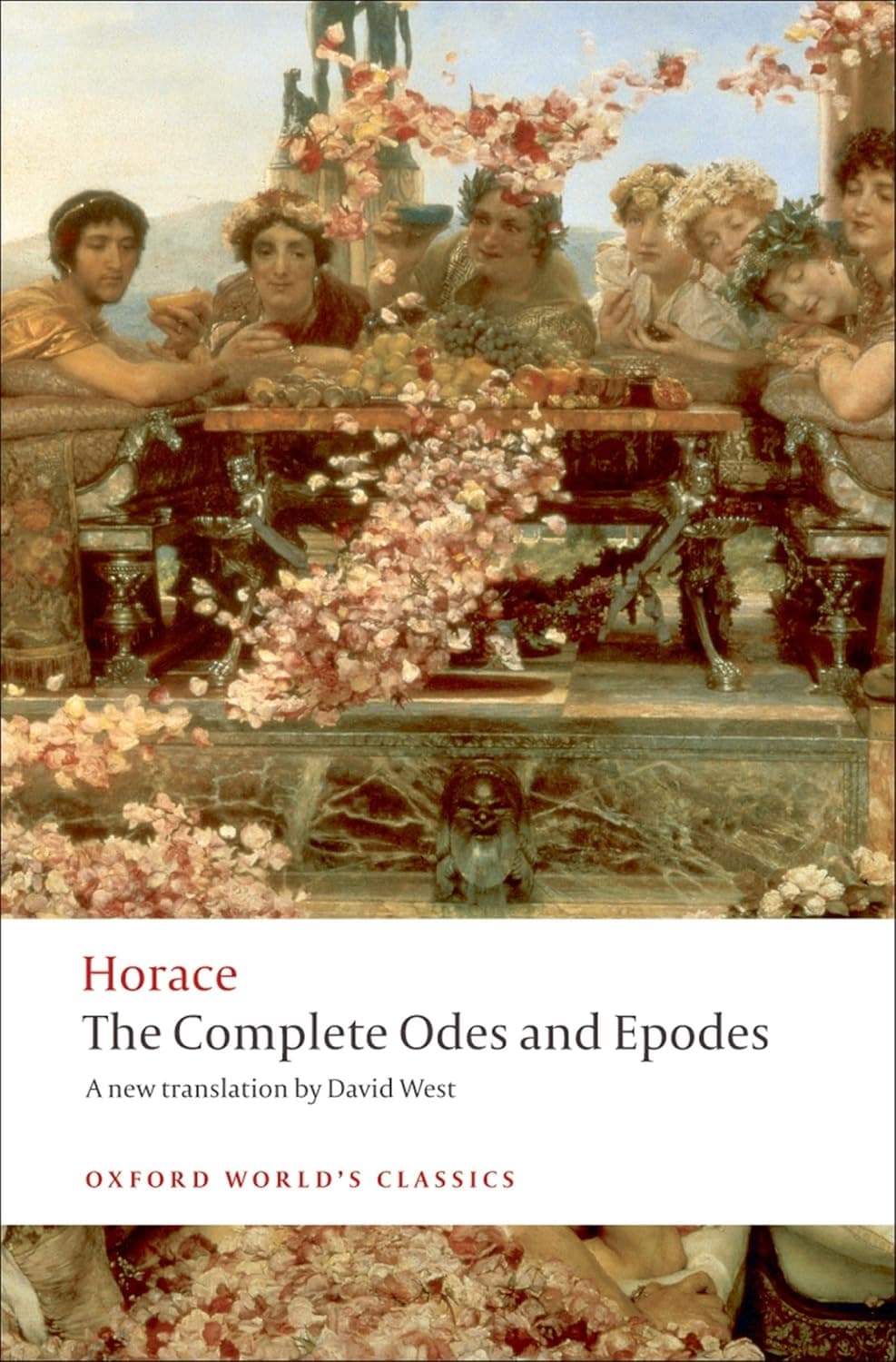
Horace compresses wine, friendship, and the certainty of death into stanzas of exact and unhurried form, the summit of Latin lyric. Carpe diem is his line, and in context it is not cheerful.
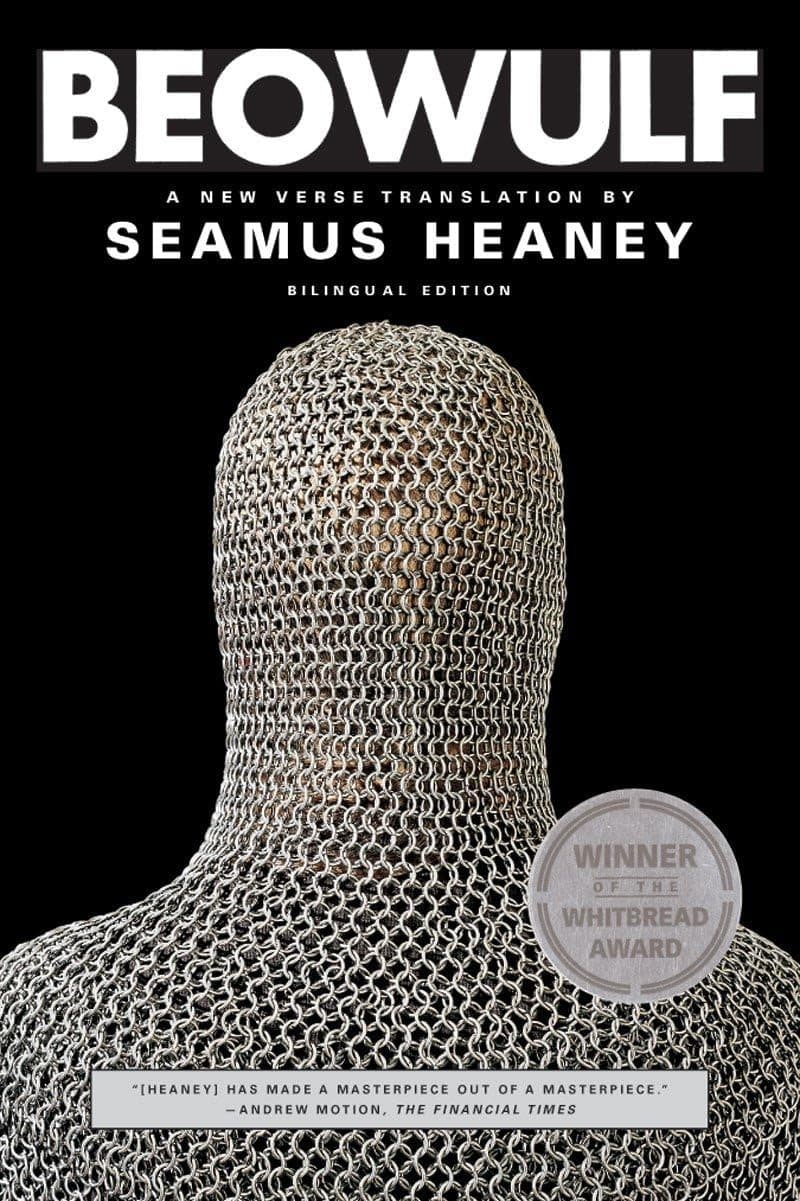
For twelve years a monster has emptied a Danish king's hall, until a young warrior sails over to wait for it in the dark. Fifty years on, the poem comes back for him.

At Arthur's Christmas court a huge green man offers his neck to anyone willing to take the same blow a year later. Gawain swings, and the real test waits in a bedroom.