
An Attempt at Exhausting a Place in Paris
1975 · 72 pages
For three days in October 1974, Perec sat in cafes on the Place Saint-Sulpice and wrote down every bus, pigeon, and passerby. Look long enough, he shows, and nothing is background.
★ 5.0
 skopia
For three days in October 1974, Perec sat in cafes on the Place Saint-Sulpice and wrote down every bus, pigeon, and passerby. Look long enough, he shows, and nothing is background.
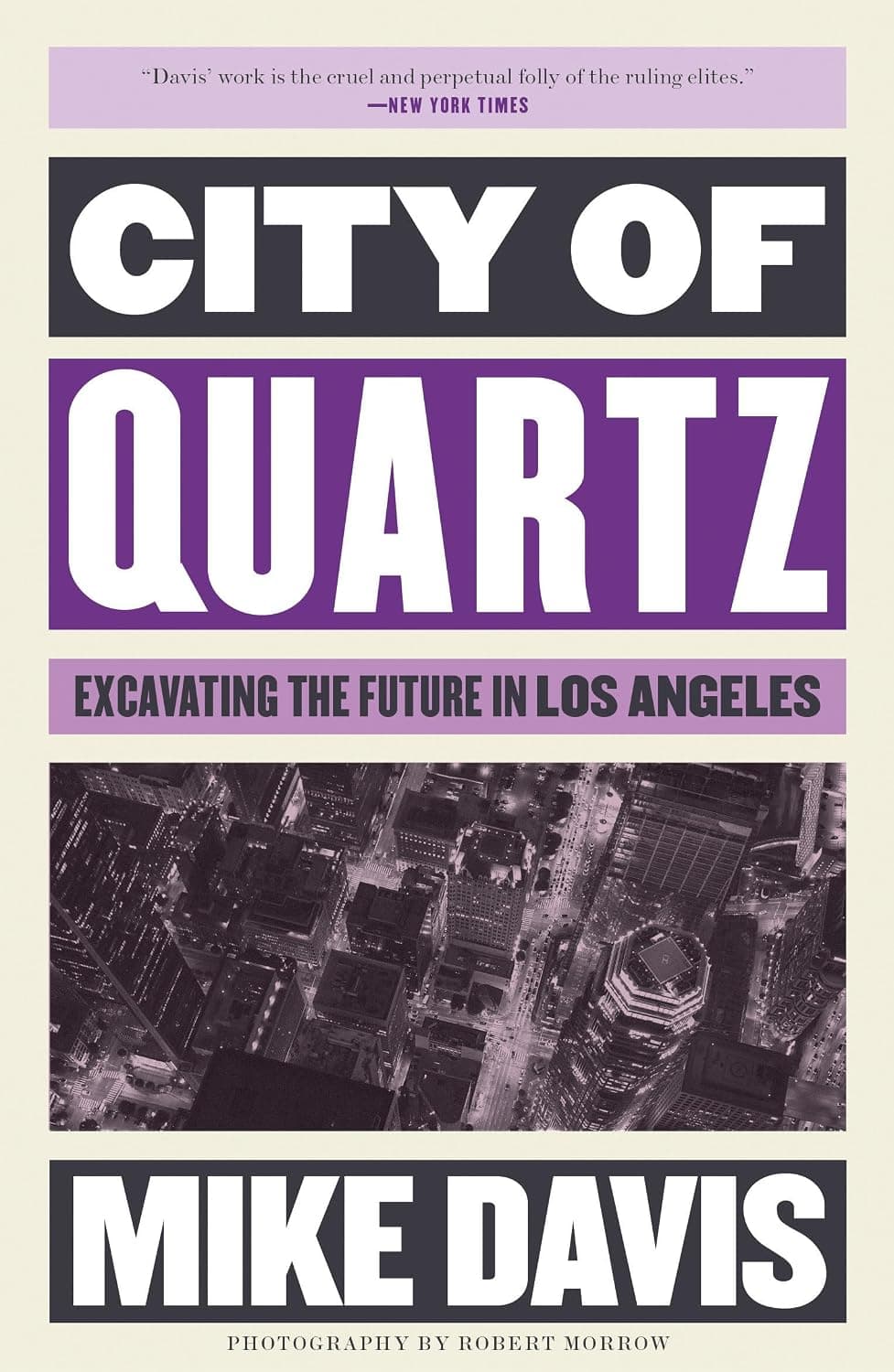
Los Angeles read as a machine for excluding people: Davis strips the sunshine myth to find speculators, bum-proof benches, and a police force patrolling from helicopters. Two years later the city burned.
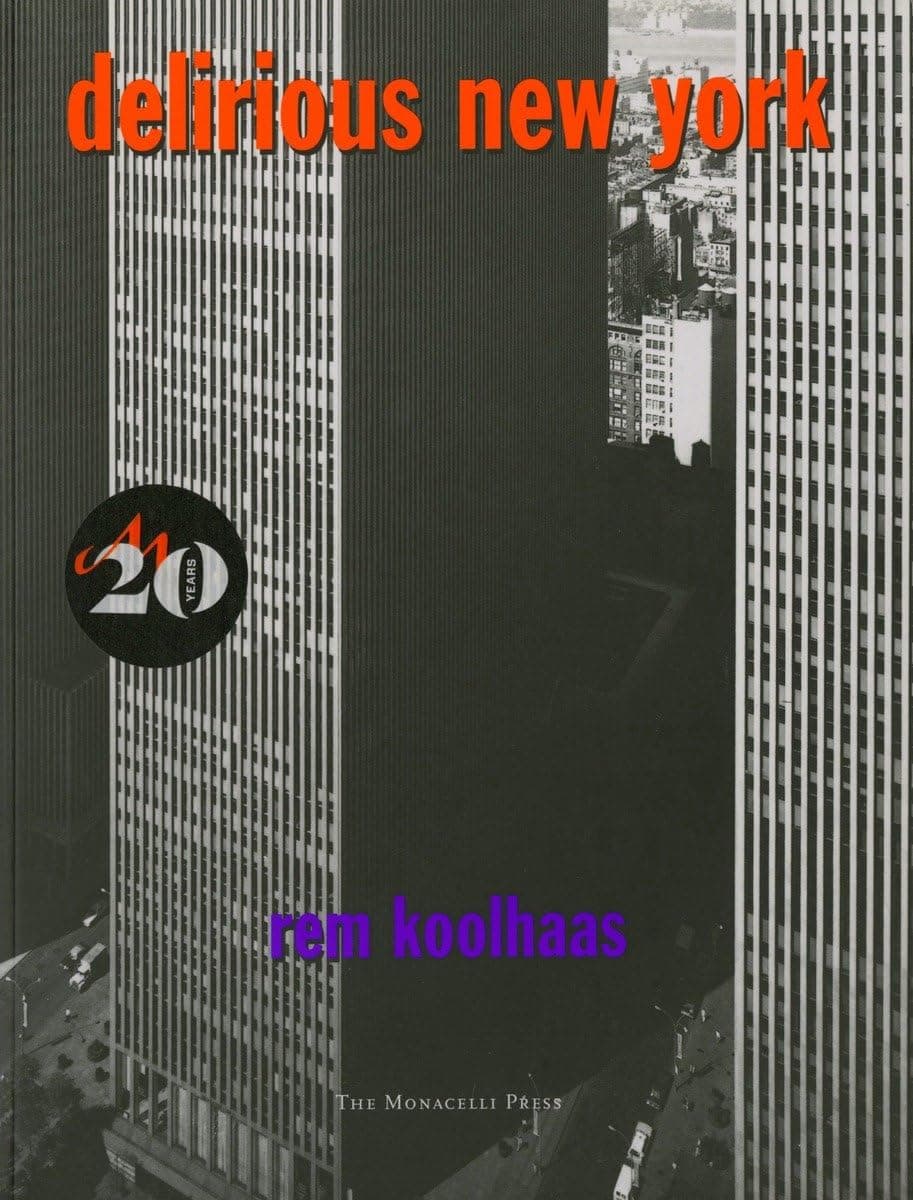
Manhattan built itself without a theory, so Koolhaas supplied one afterward: the grid, the skyscraper, and Coney Island as a culture of congestion. He turned density from planning's disease into architecture's ambition.

Carrie Meeber leaves Wisconsin for Chicago and rises through two men to the New York stage. Dreiser lets her prosper without remorse or retribution, and American fiction has been freer ever since.
Marco Polo describes fifty-five cities that cannot exist to the emperor Kublai Khan, a page or two each, and every one of them is another way of describing Venice.