
A Brief History of Time
1988 · 248 pages
Twenty-five million people bought a physics book. Hawking explains black holes, the arrow of time, and whether the universe needed a beginning, carrying the argument on almost no mathematics at all.
★ 4.8
 skopia
Twenty-five million people bought a physics book. Hawking explains black holes, the arrow of time, and whether the universe needed a beginning, carrying the argument on almost no mathematics at all.

Powell's twelve novels follow one English generation from a boarding school in 1921 into the 1970s. These first three introduce the narrator Nick Jenkins and Widmerpool, the ridiculous boy whose rise never stops.

Chiang treats theology, linguistics and free will with the rigor of proofs. A linguist learns an alien script written all at once, and it changes how she experiences her whole life.

Sebald walks the Suffolk coast, and each mile opens onto herring fleets, the wandering skull of the physician Thomas Browne, a town swallowed by the sea. Essayists have spent thirty years imitating this.
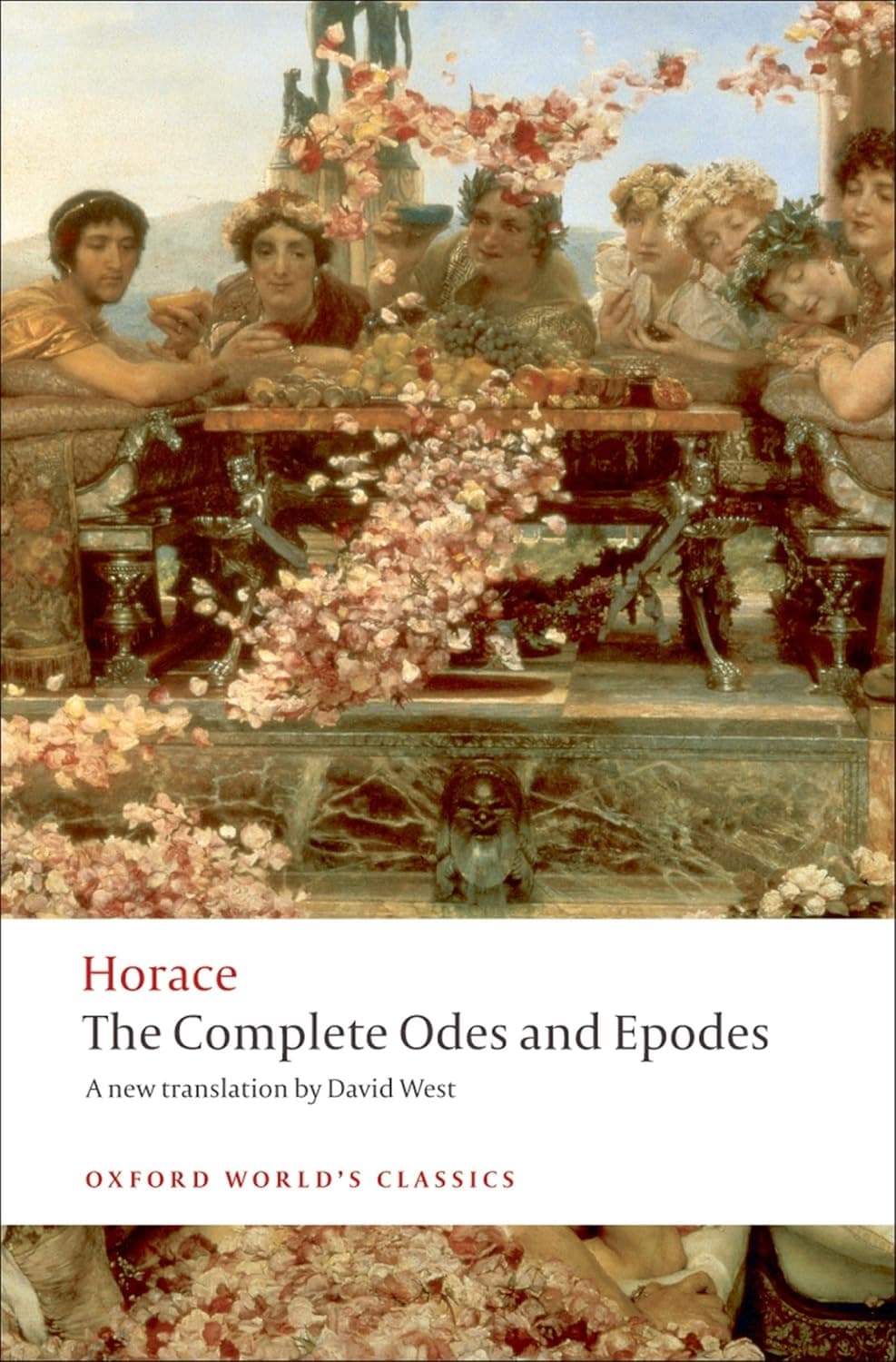
Horace compresses wine, friendship, and the certainty of death into stanzas of exact and unhurried form, the summit of Latin lyric. Carpe diem is his line, and in context it is not cheerful.

A Cairo merchant rules his household as a tyrant and drinks his nights away with singers while his wife may not step outside. Over three generations, revolution and war reach inside that house.
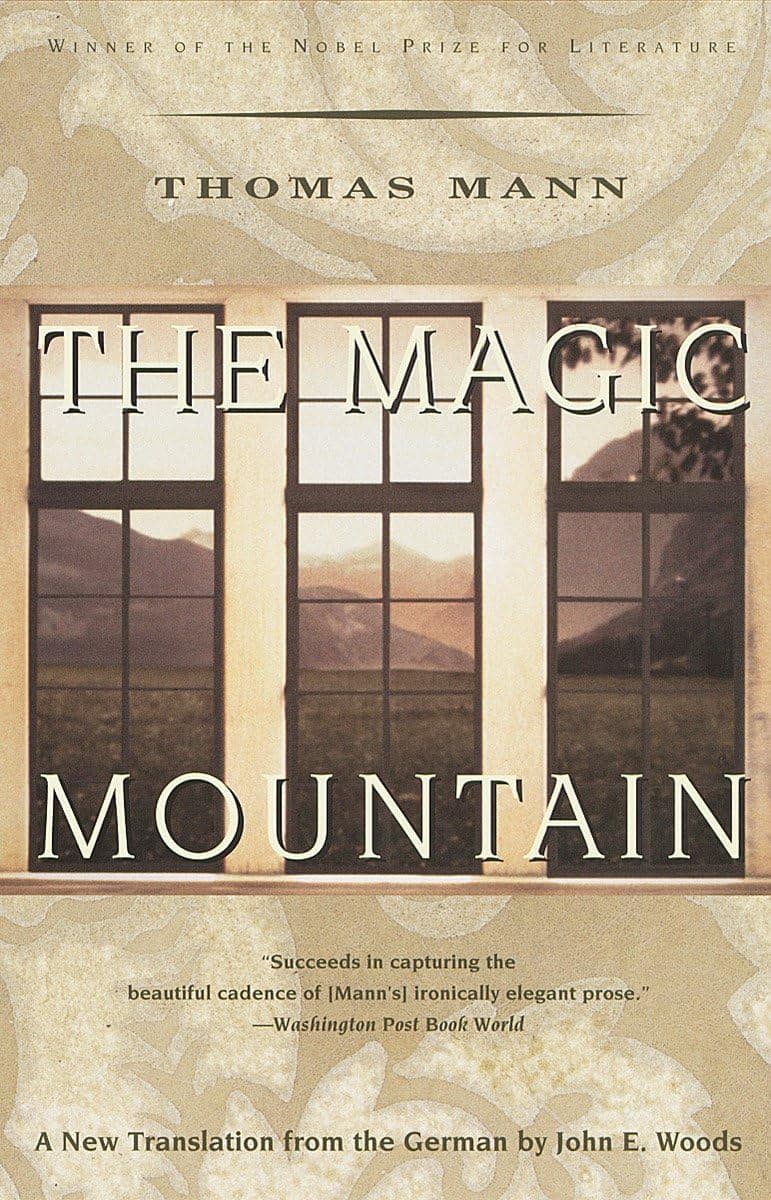
Hans Castorp goes to a Swiss sanatorium to visit his tubercular cousin for three weeks and stays seven years. Time comes loose there while the patients debate everything and Europe drifts into war.

Seven generations of one family in Macondo, where insomnia comes as a plague and the rain lasts four years. García Márquez reports the impossible as plain fact.