The World Turned Upside Down
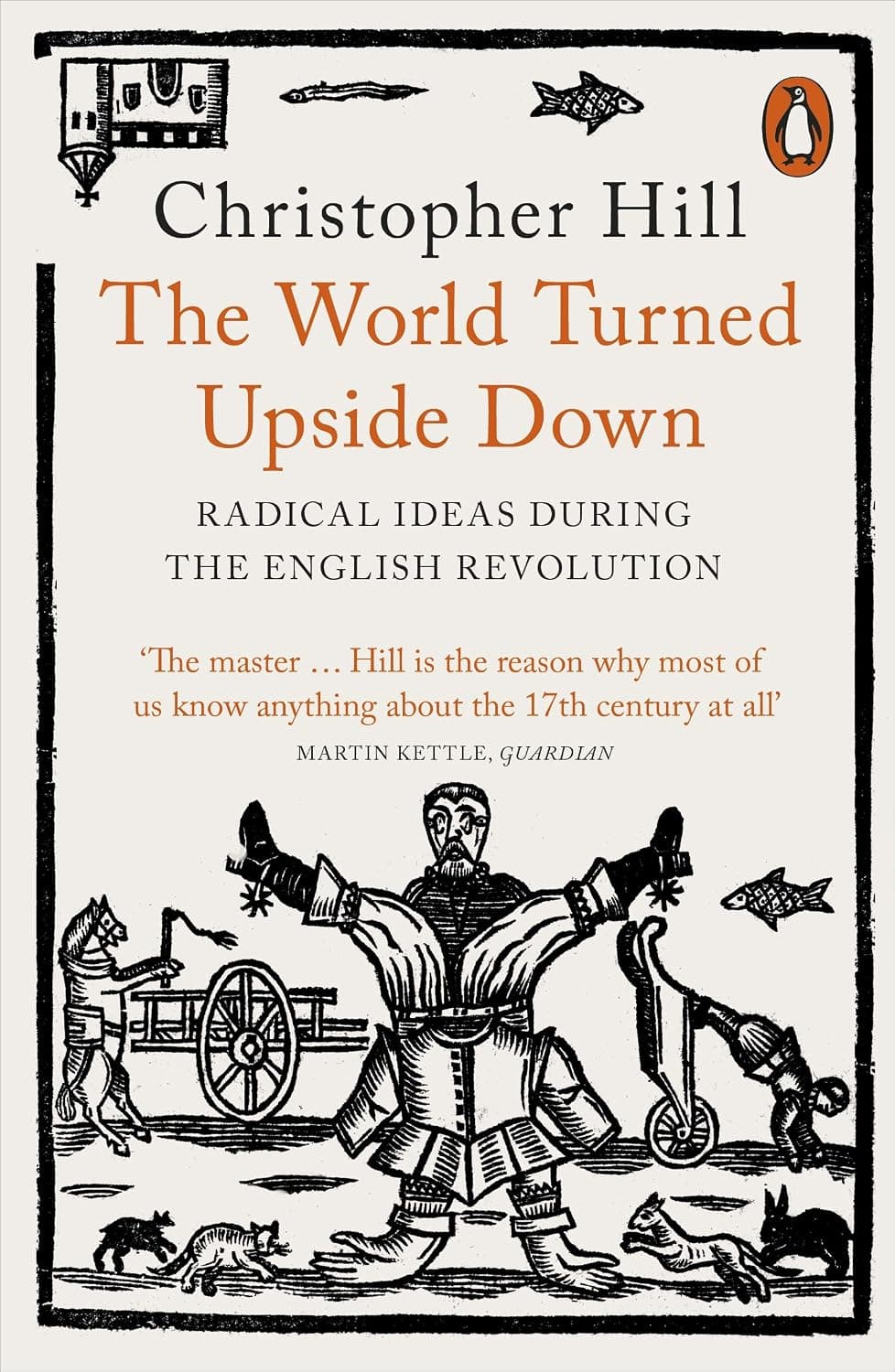
While Parliament fought the king, tinkers and soldiers were arguing for common land, free love, and no clergy. Hill recovers the Diggers, Levellers and Ranters, and the revolution that never came off.

While Parliament fought the king, tinkers and soldiers were arguing for common land, free love, and no clergy. Hill recovers the Diggers, Levellers and Ranters, and the revolution that never came off.

The state is one class crushing another, so workers must smash the machine, not inherit it. Lenin wrote it weeks before seizing Russia, and communist parties from Moscow to Beijing governed by it.

Carpentier's preface named the marvelous real: Latin American history already outruns anything the surrealists could invent. He proves it across the Haitian Revolution, watched from below by an enslaved man named Ti Noel.

Violence was not the French Revolution's tragic accident but its engine, Schama argues, and the Terror merely 1789 with a higher body count. The book drew furious rebuttals from historians on the left.

Artemio Cruz lies dying in 1959, a newspaper baron who fought in the Mexican Revolution and spent the decades after betraying it. His life returns in three voices: I, you, and he.

Grigory Melekhov loves his neighbor's wife and rides for the Reds, then the Whites, then neither, while war and revolution finish the Don Cossacks. Sholokhov wrote under Stalin and spared no side.

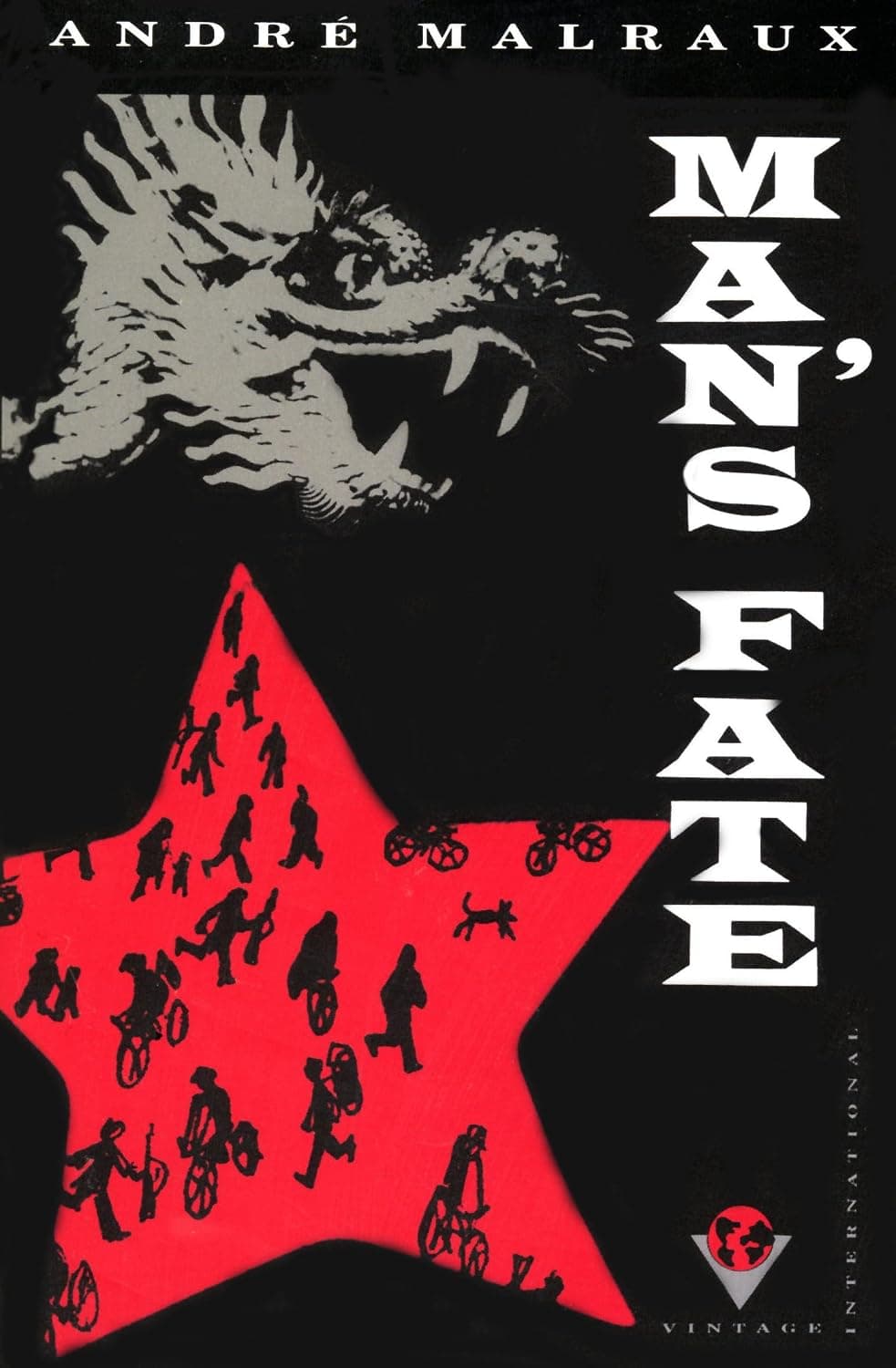
Shanghai, 1927: a young terrorist stands over a sleeping man with a knife, and Malraux makes the doomed communist uprising a test of what a man can give his life to.

Two revolutions, one political in France and one industrial in Britain, fused into a single upheaval that remade work, politics, art, and belief. Historians still carve up the nineteenth century along Hobsbawm's lines.

Carlyle writes the Revolution in the present tense, as though standing in the crowd. The Bastille falls and the Terror arrives as things still happening, history delivered as thunder rather than explanation.

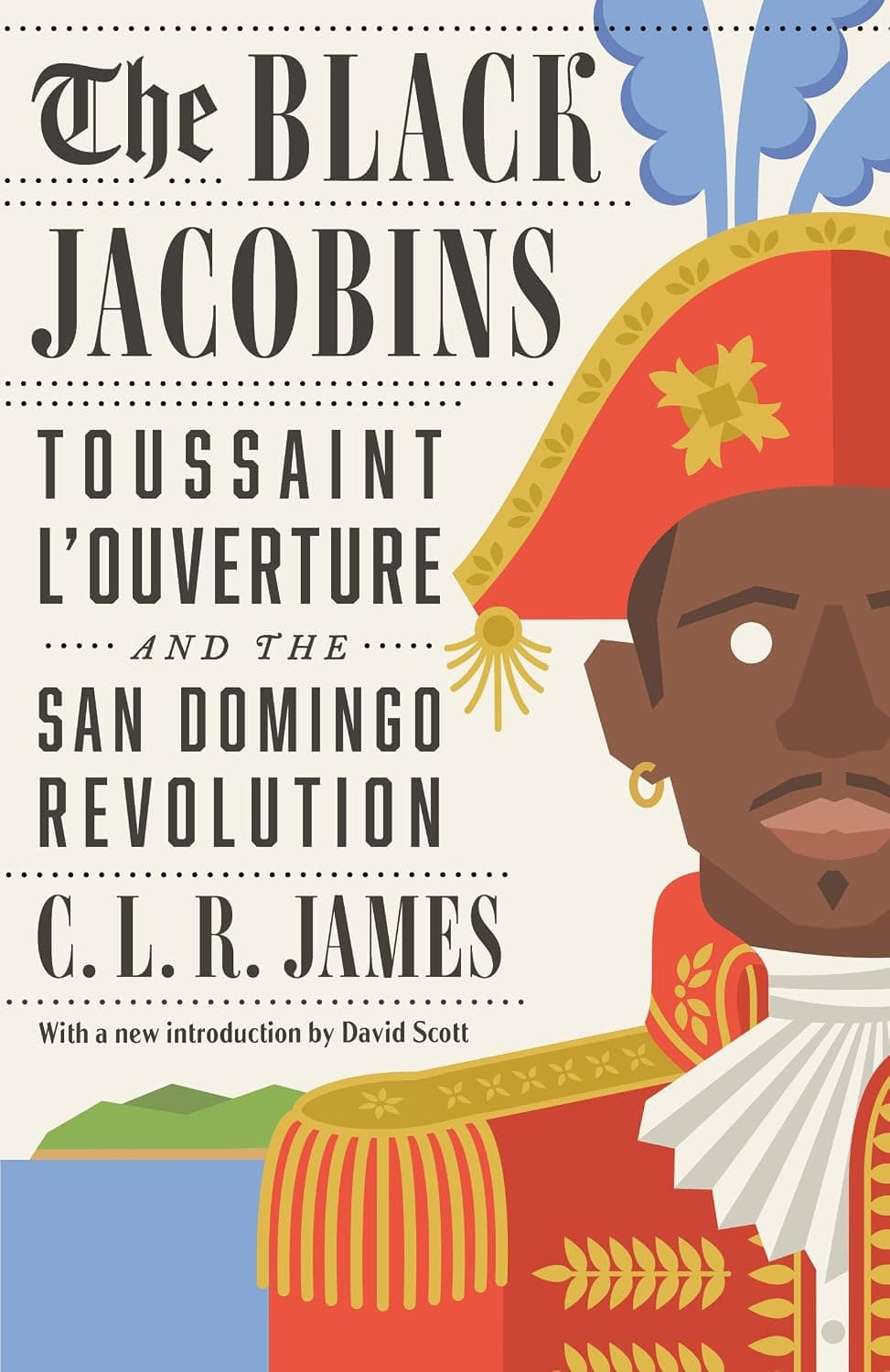
Enslaved people in the French colony that became Haiti rose in 1791 and defeated Napoleon's army. James wrote their revolution as world history, with Toussaint Louverture, born a slave, at its center.

Modern Chinese literature begins here. Ah Q, a village laborer, turns every beating into a spiritual victory, and a madman reads the Confucian classics until the words eat people surface between the lines.

Modern conservatism begins here, in Burke's fury at revolutionaries who tore down old institutions for the sake of an abstraction. Society is a partnership between the dead, the living, and the unborn.

Pyotr Verkhovensky assembles a revolutionary cell of five in a provincial Russian town and binds them together by having them murder one of their own. Dostoevsky saw the whole twentieth century coming.