
Philosophy in the Boudoir
1795 · 173 pages
Two libertines take a girl of fifteen through atheism, pleasure and cruelty, pausing for a pamphlet urging the Republic to abolish God with the king. Sade takes reason to its worst conclusion.
★ 4.2
 skopia
Two libertines take a girl of fifteen through atheism, pleasure and cruelty, pausing for a pamphlet urging the Republic to abolish God with the king. Sade takes reason to its worst conclusion.

What holds men to war, Gray decided, is the spectacle, the comradeship, and a delight in destruction nobody admits to. The day his Columbia doctorate arrived, so did his draft notice.
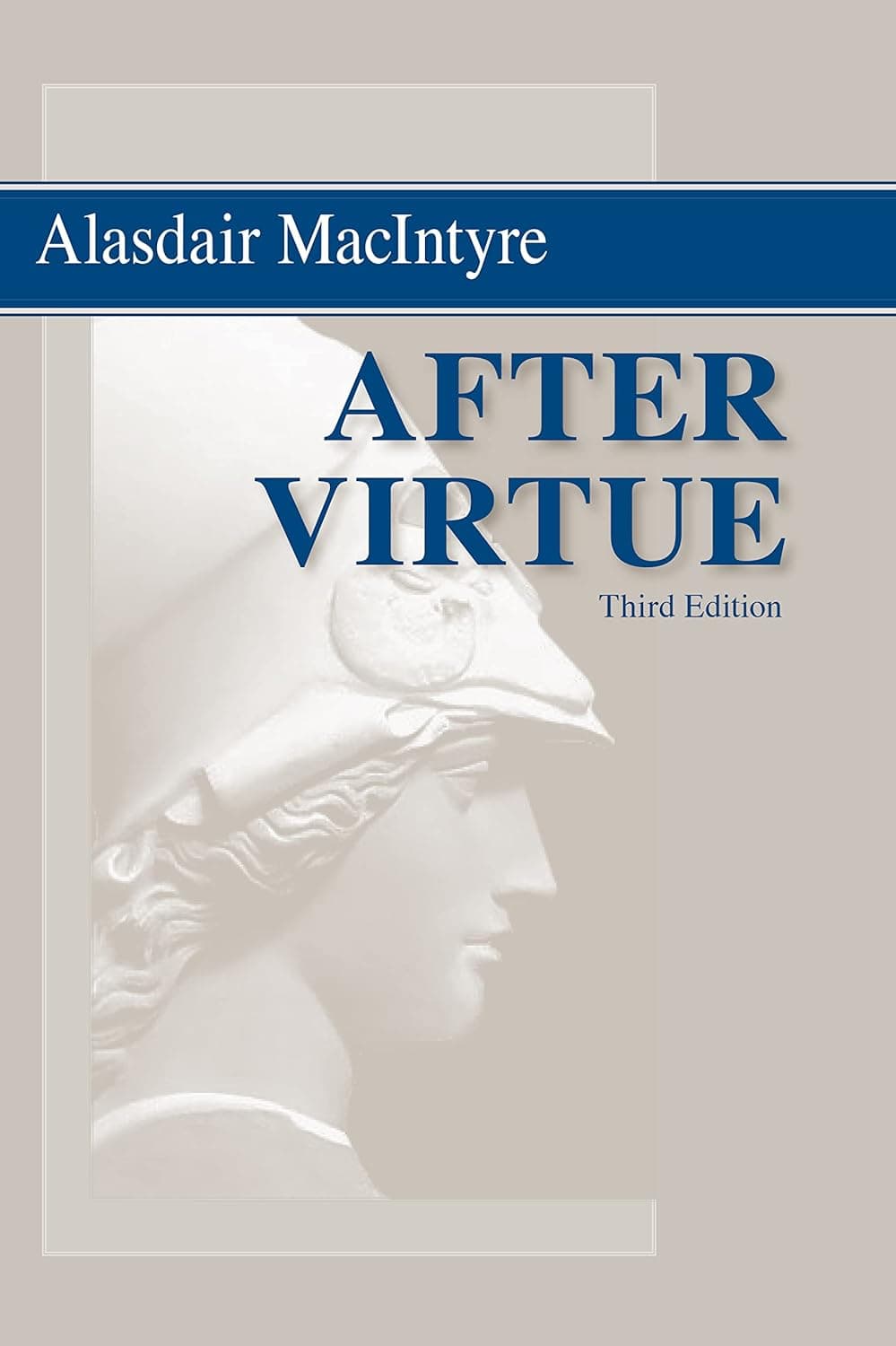
Modern moral argument never ends, MacIntyre says, because we speak in fragments of a tradition we have forgotten. He sent philosophy back to Aristotle's virtues and made ethics a fight about character again.
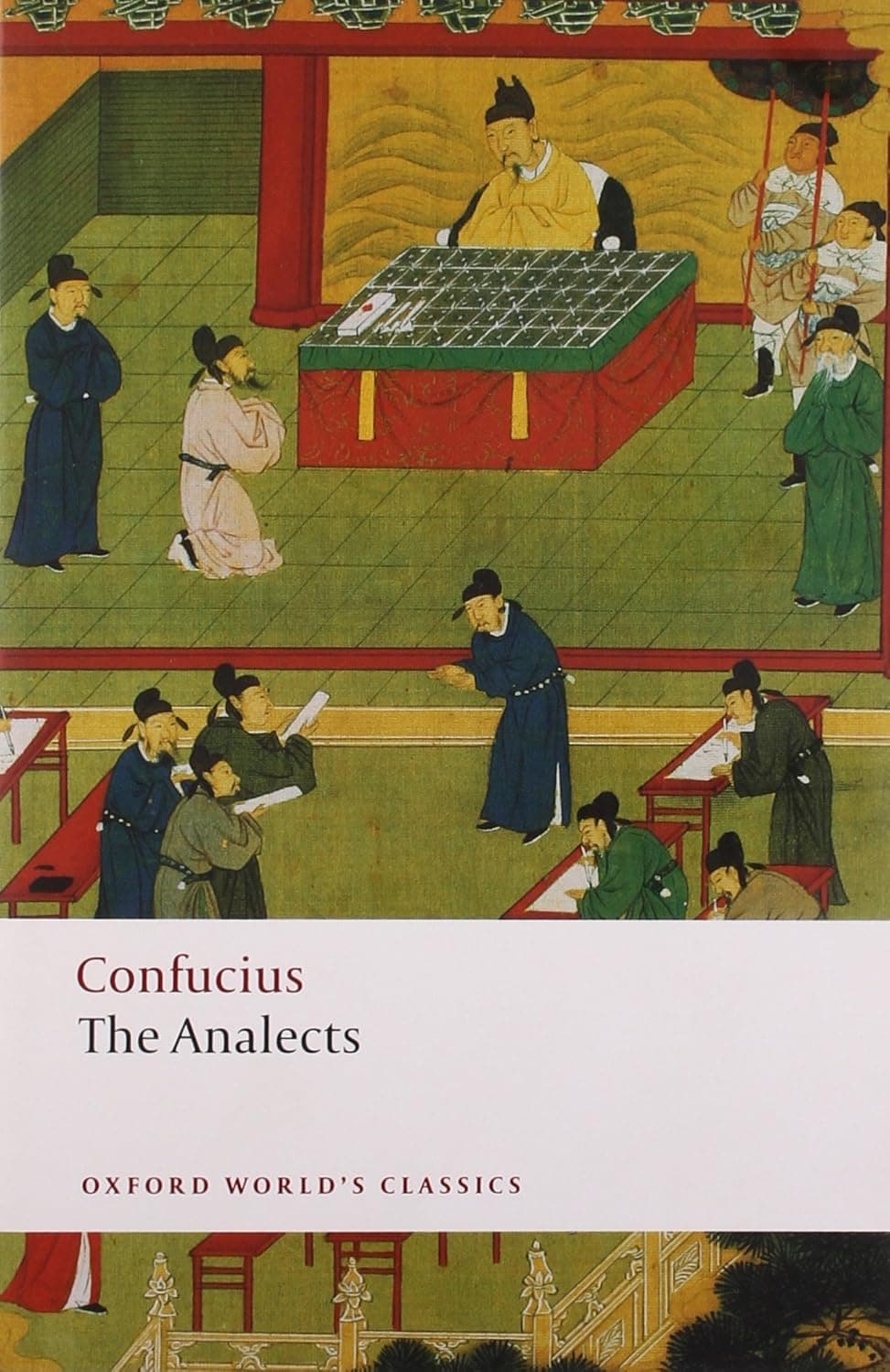
Confucius answers his students in short exchanges: never do to others what you would not want done to yourself, and let ritual shape everything. Chinese officials memorized it to hold office until 1905.

Smith argues that conscience is imagined company: we judge ourselves by picturing an impartial spectator and wanting his approval. The economist famous for self-interest built his moral system on fellow feeling.
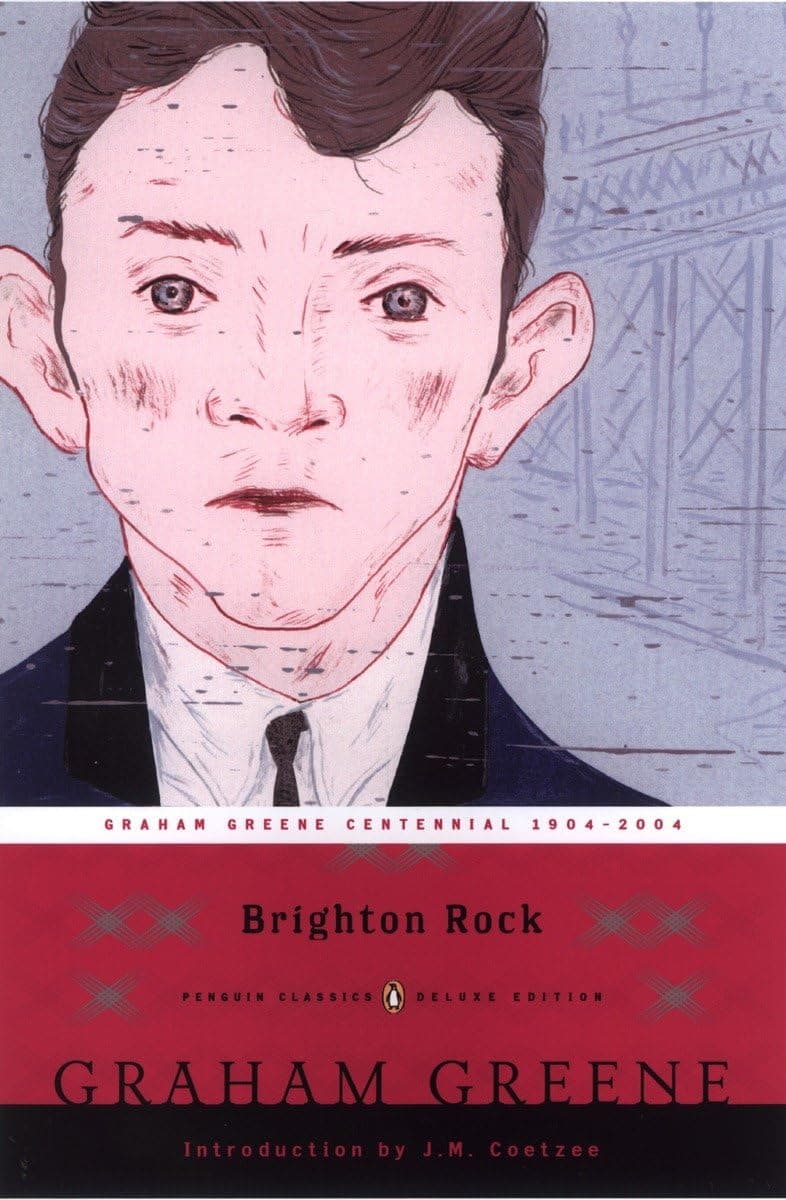
Pinkie Brown runs a Brighton razor gang at seventeen, kills without flinching, and believes in hell the way other people believe in weather. Greene makes damnation the engine of a seaside thriller.
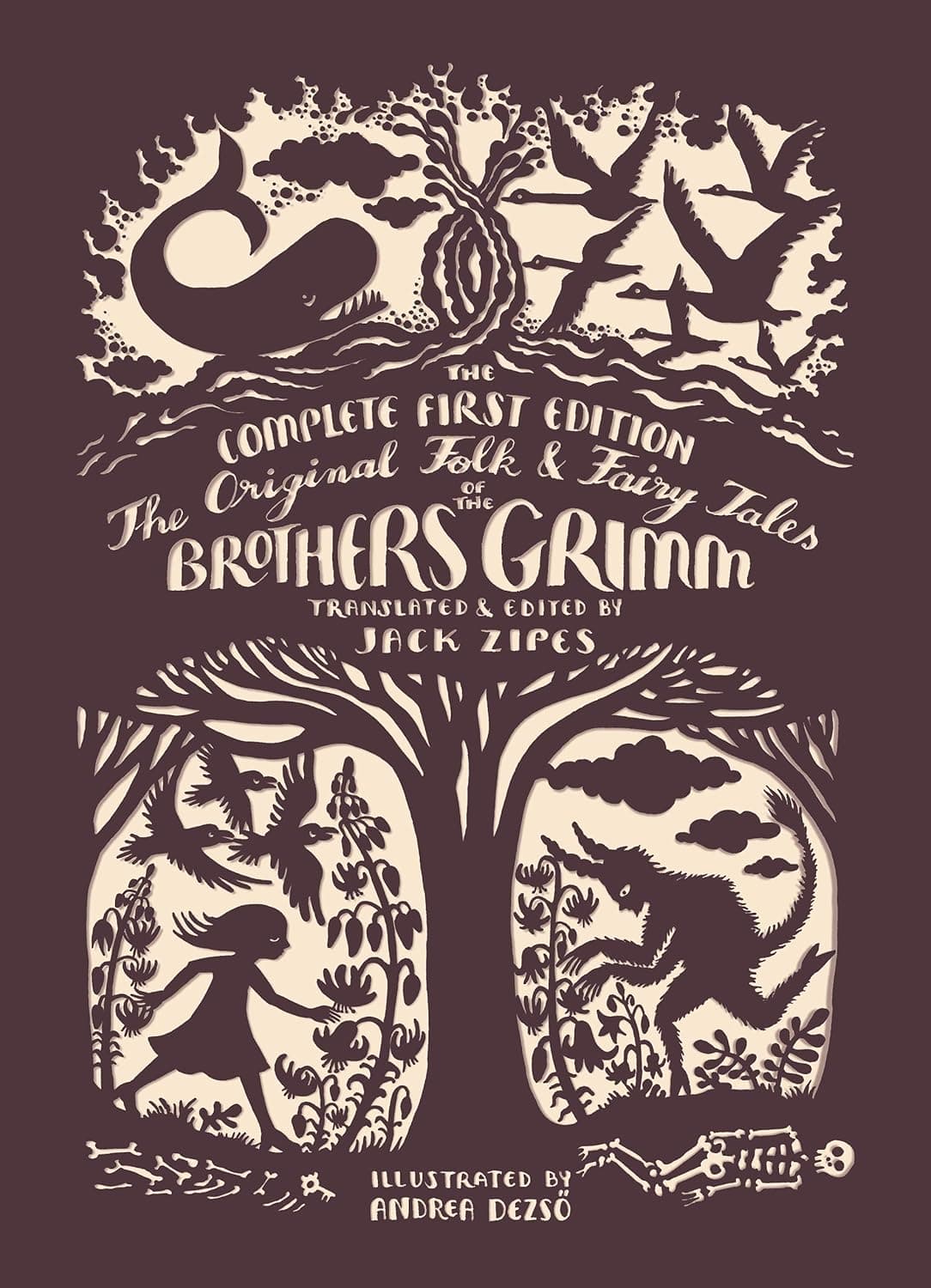
These are the tales before the Grimms softened them: mothers rather than stepmothers abandon their children, the violence goes unexplained, and the folk imagination of a whole culture stands intact.
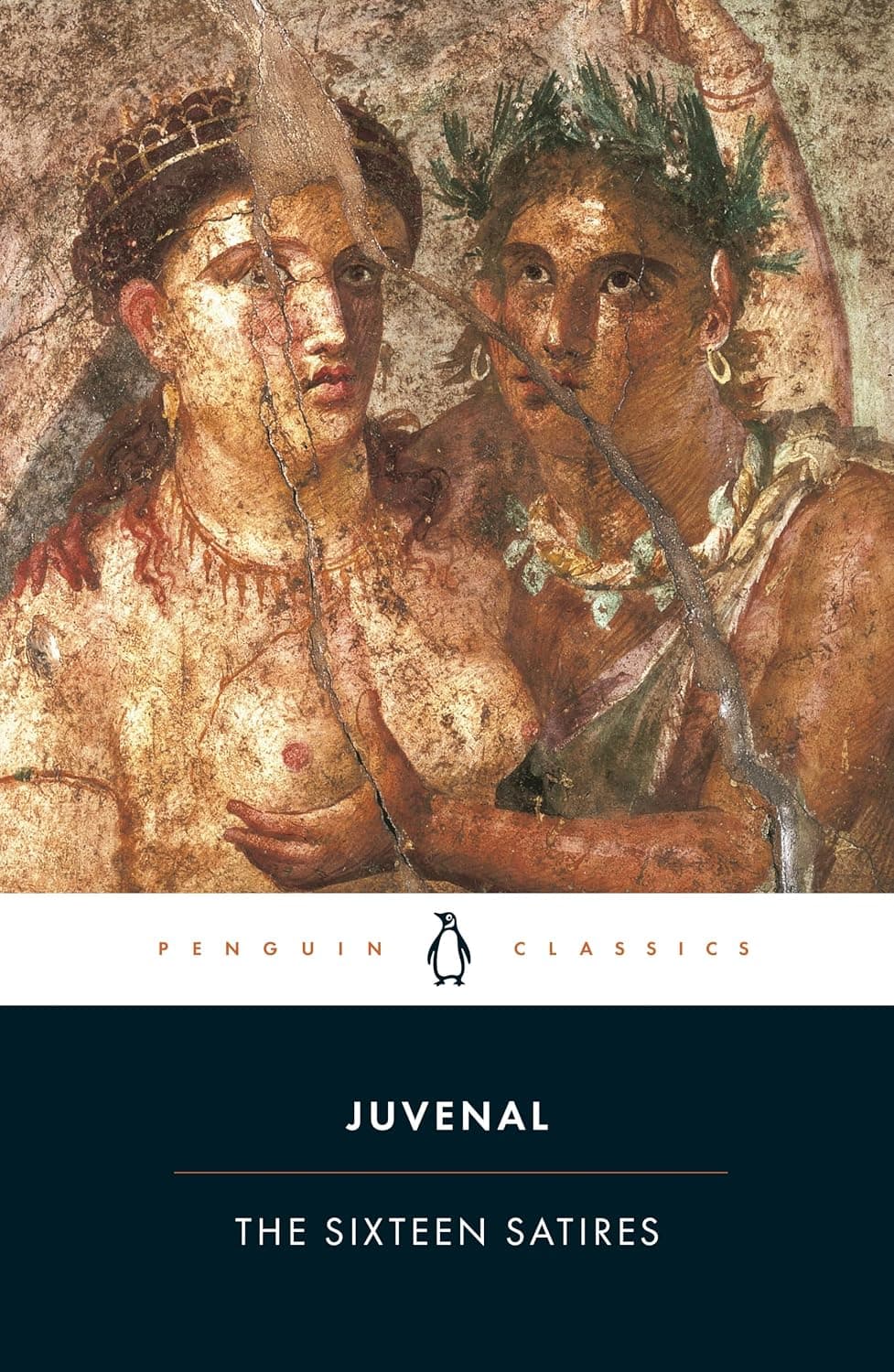
Bread and circuses came from here, and so did the line about guarding the guards. Juvenal turns sixteen poems of fury on imperial Rome, where an honest man cannot afford to live.
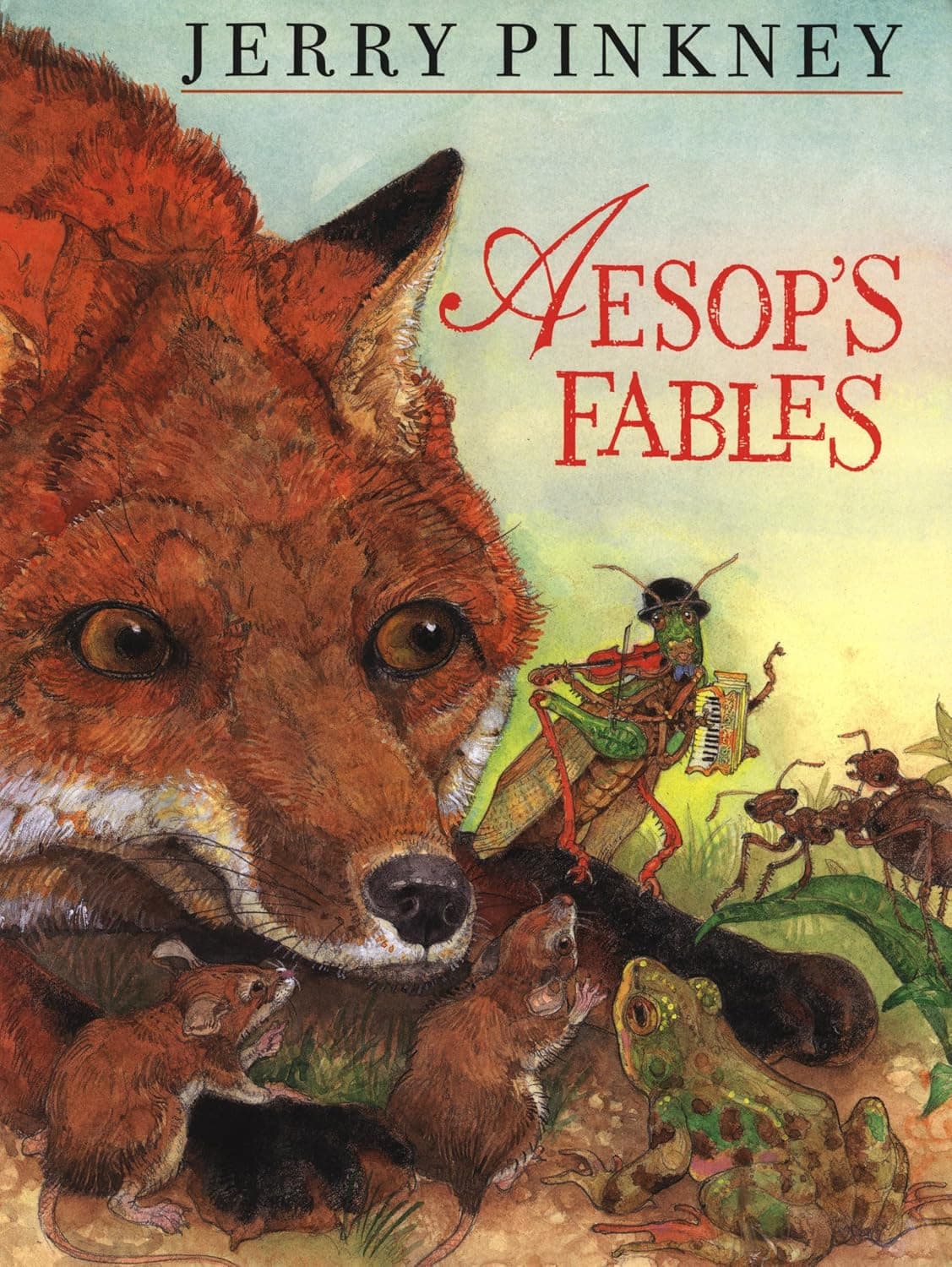
Talking animals carry the moral instruction the West grew up on: the tortoise outlasts the hare, the fox decides the grapes were sour. Aesop was a slave, and the lessons show it.

Nothing is good except a good will. From that Kant derives two commands: act only on a principle you could will everyone to follow, and treat persons as ends, never merely as means.

You know you ought to do what you would rather not, and Kant takes that as proof you are free. Freedom, God, and immortality return as what practical reason must assume.

Guilt began as unpaid debt, Nietzsche argues, and conscience is cruelty turned inward for want of anyone else to hurt. Three essays dig up where good and evil came from.
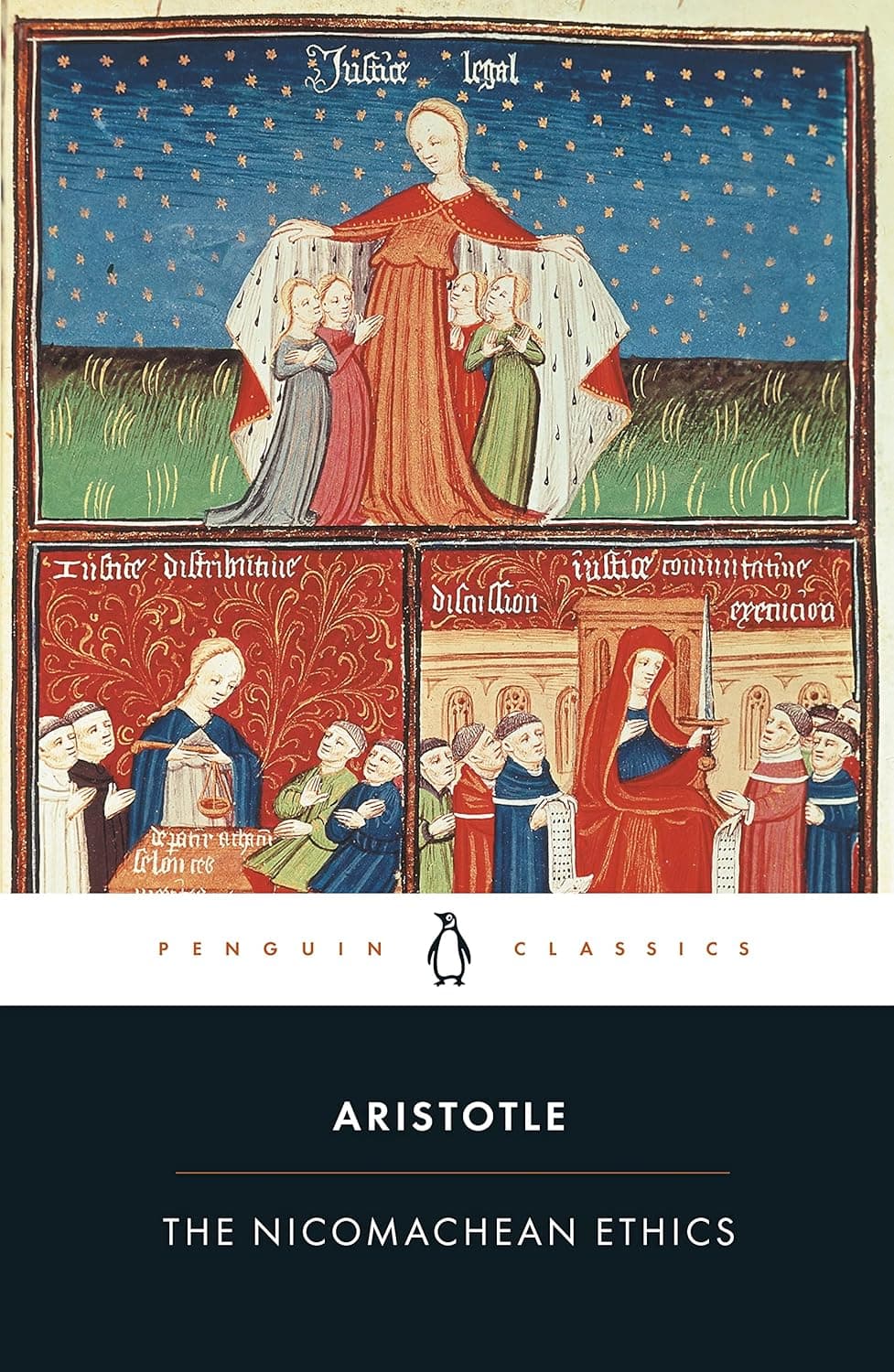
Everyone wants to be happy. Aristotle's answer is that happiness is not a feeling but a life of acting well, and that you become brave only by doing brave things.

Prince Myshkin returns to Russia from a Swiss clinic, epileptic and incapable of guile, and Petersburg cannot decide whether to adore him or use him. The world takes a genuinely good man apart.

Philosophers smuggle their own prejudices in as truth, Nietzsche says, and the morality they defend was invented by the weak. He writes in short bursts aimed straight at the reader.

Raskolnikov murders a pawnbroker to prove he stands above ordinary morality, then comes apart as a magistrate circles him. It reads like a thriller and works like a confession.