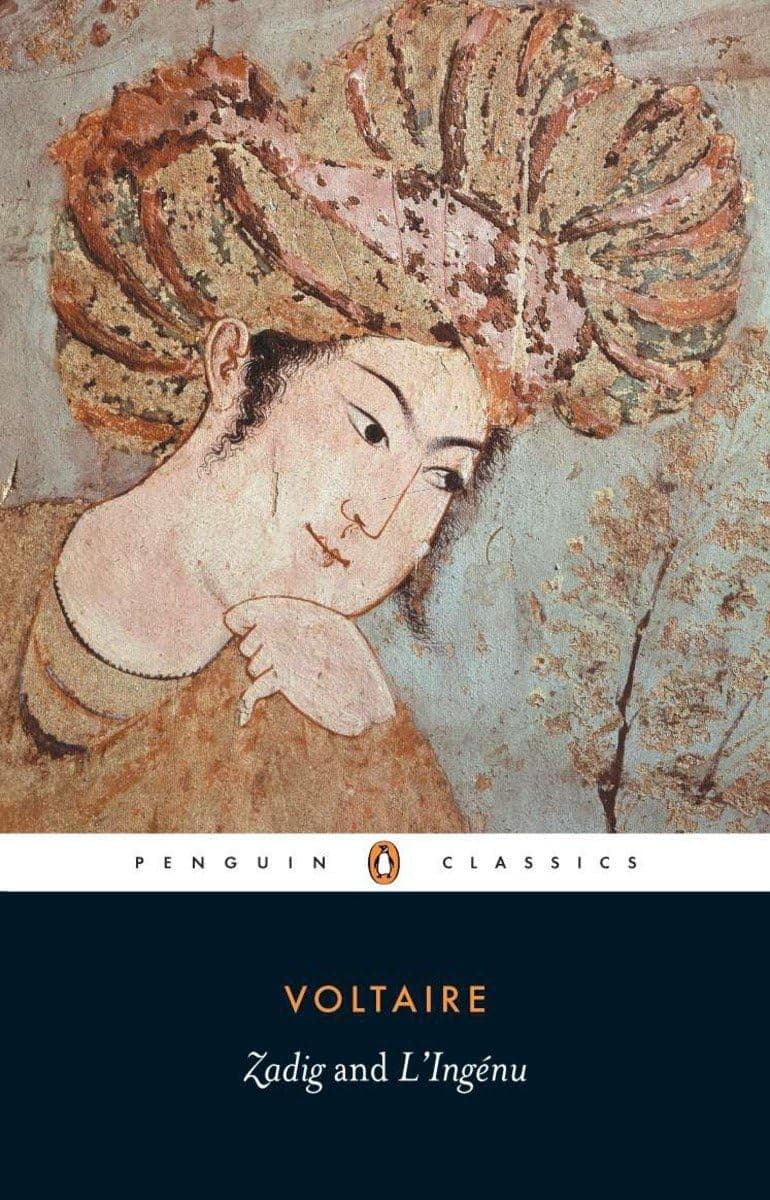
Zadig and L'Ingenu
1747 · 191 pages
Voltaire uses wit as a demolition tool. Zadig reconstructs a dog and horse from their tracks and is fined for knowing too much, and a Canadian Huron in Brittany finds French religion absurd.
★ 5.9
 skopia
Voltaire uses wit as a demolition tool. Zadig reconstructs a dog and horse from their tracks and is fined for knowing too much, and a Canadian Huron in Brittany finds French religion absurd.

Two brothers spend a morning announcing they will kill Santiago Nasar over their sister's wedding night, and nobody stops them. García Márquez reconstructs it from the witnesses who let it happen.

Spanish Golden Age drama peaks here. King Basilio locks his newborn son in a tower to outrun a prophecy, then has him drugged, brought to court, and told it was a dream.

Drunk at a country fair, a farm laborer sells his wife and baby to a sailor for five guineas. Years later he is mayor of Casterbridge, and Hardy lets the past collect.
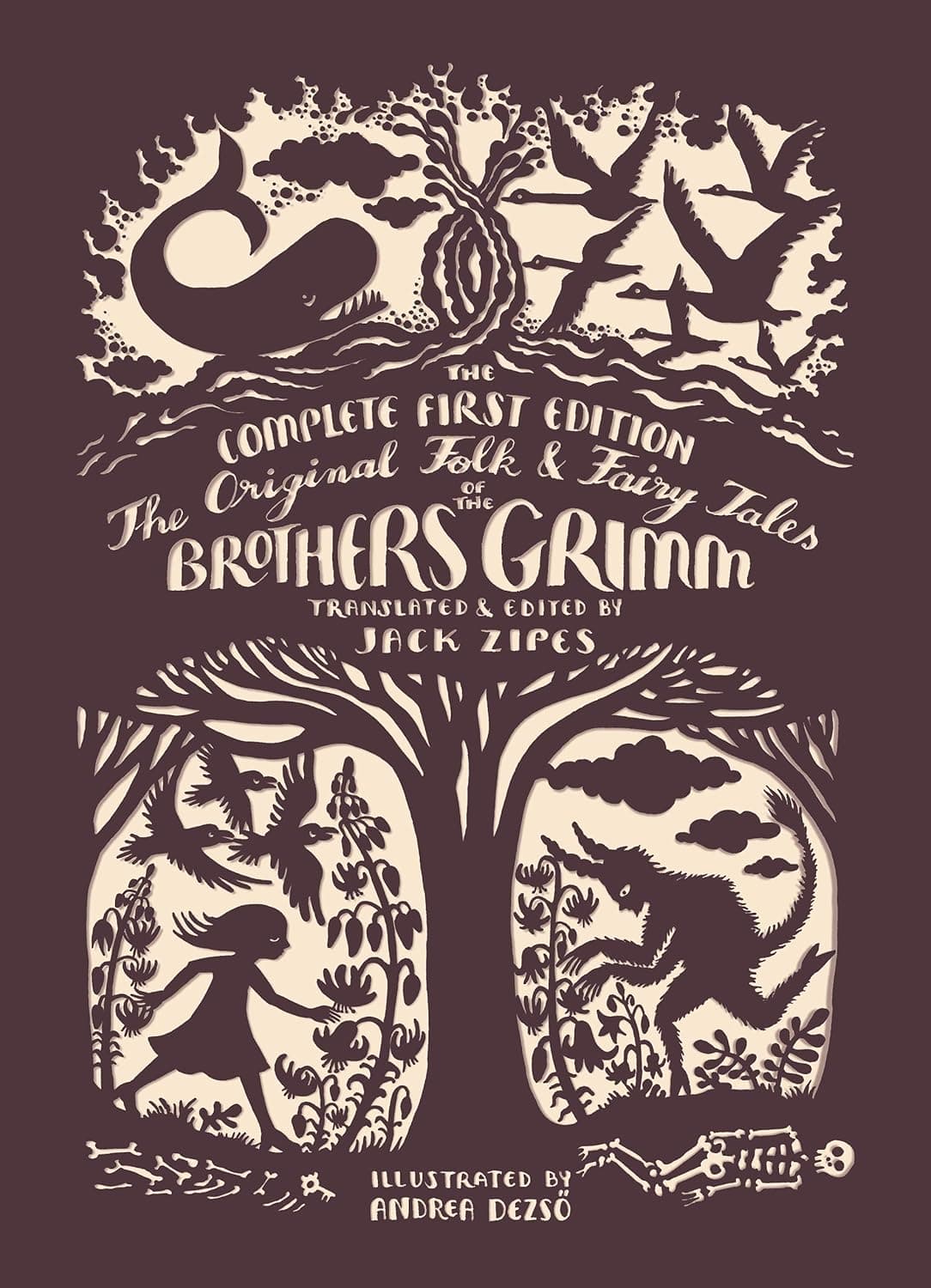
These are the tales before the Grimms softened them: mothers rather than stepmothers abandon their children, the violence goes unexplained, and the folk imagination of a whole culture stands intact.

Phaedra confesses she wants her stepson, a father is ordered to sacrifice his daughter for a favorable wind, and a hidden boy threatens a usurping queen. Racine packs this into polite rhymed couplets.

Five brothers gamble away a kingdom and their wife, then return from exile to a war that swallows their world. Carole Satyamurti's English verse holds the whole Sanskrit epic, Krishna's counsel included.
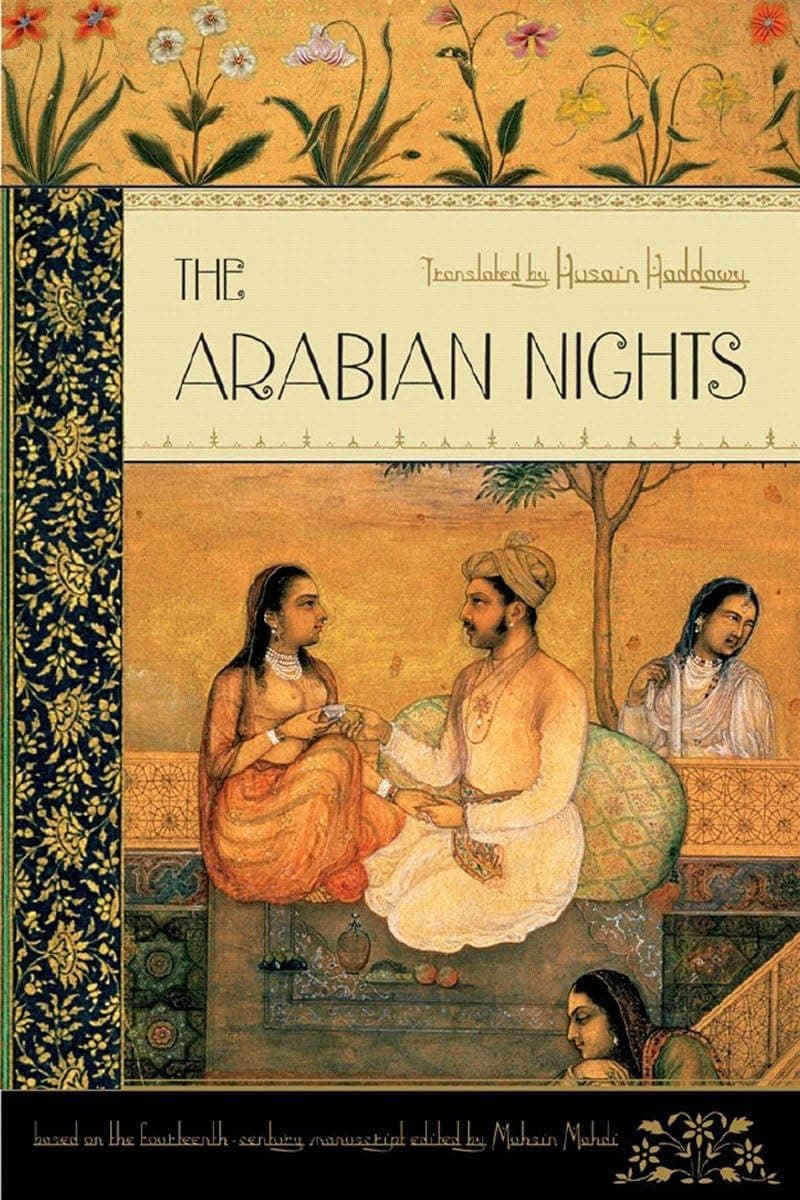
Scheherazade marries a king who executes each new wife at dawn and stays alive by telling stories that break off before the end. Sinbad, Aladdin, and Ali Baba reached the world through her.
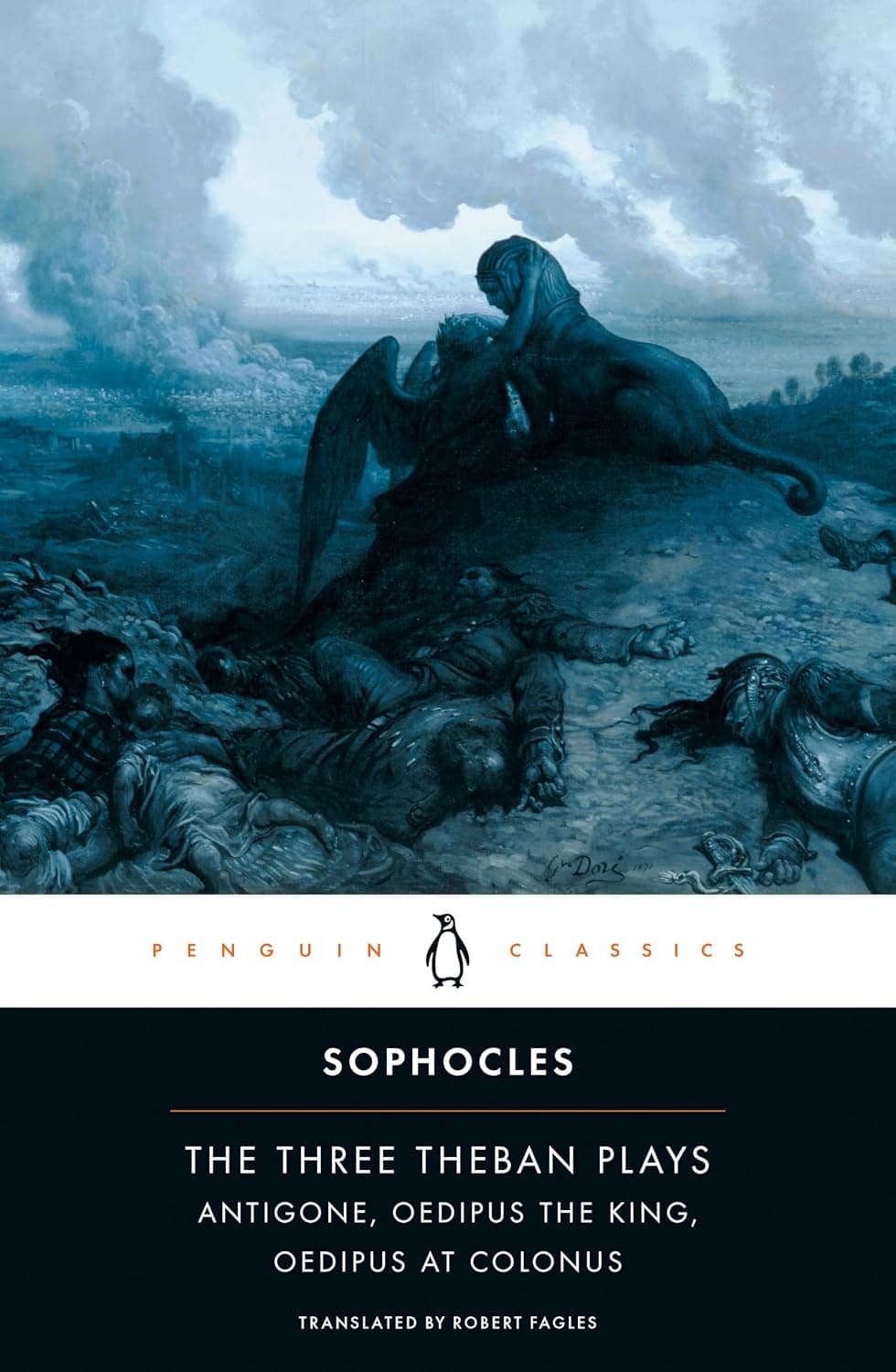
No drama has matched the moment Oedipus understands. He investigates the crime poisoning his city and the trail turns toward him. His daughter later defies the state to bury her brother.
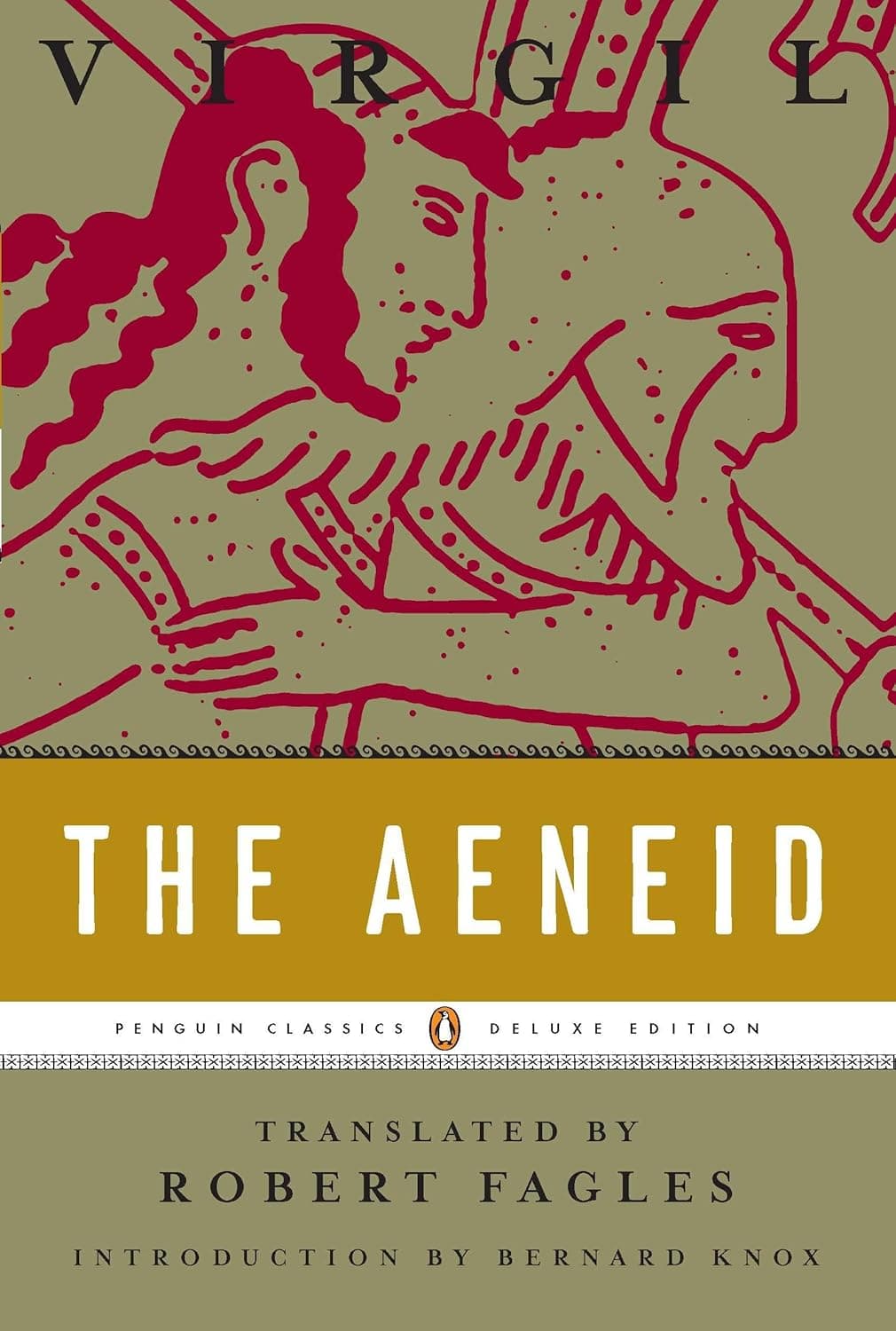
Aeneas carries his father out of burning Troy and is sent to found Rome, abandoning the queen who loves him. Duty wins, and Dido's grief is the greatest passage in Latin poetry.