Japanese Woodblock Prints
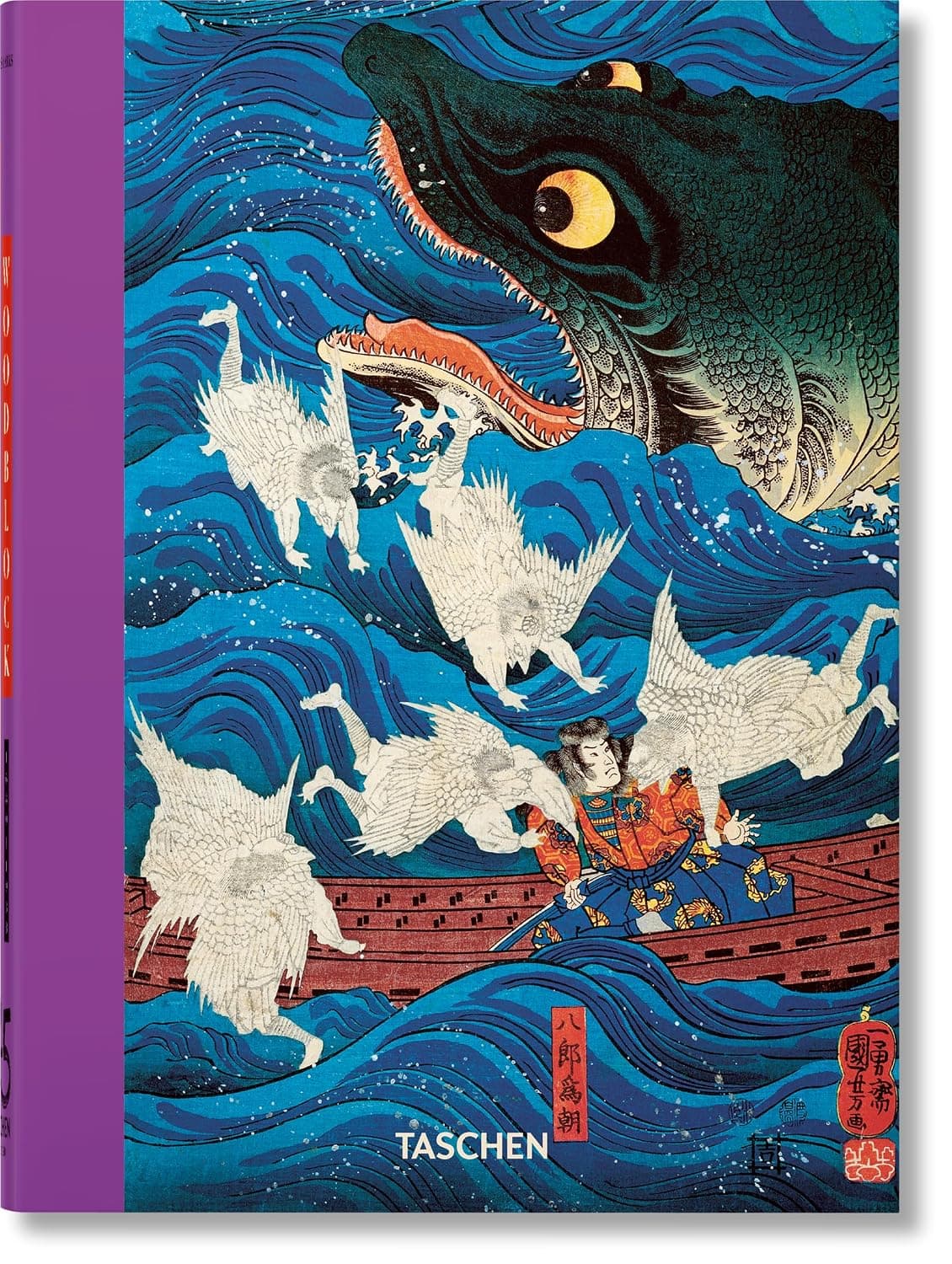
Two hundred prints run chronologically from 1680 to 1938, black-and-white sheets giving way to the full-color glut of Utamaro's beauties, Hiroshige's roads, and Hokusai's wave. Marks names the publisher behind every design.

Two hundred prints run chronologically from 1680 to 1938, black-and-white sheets giving way to the full-color glut of Utamaro's beauties, Hiroshige's roads, and Hokusai's wave. Marks names the publisher behind every design.

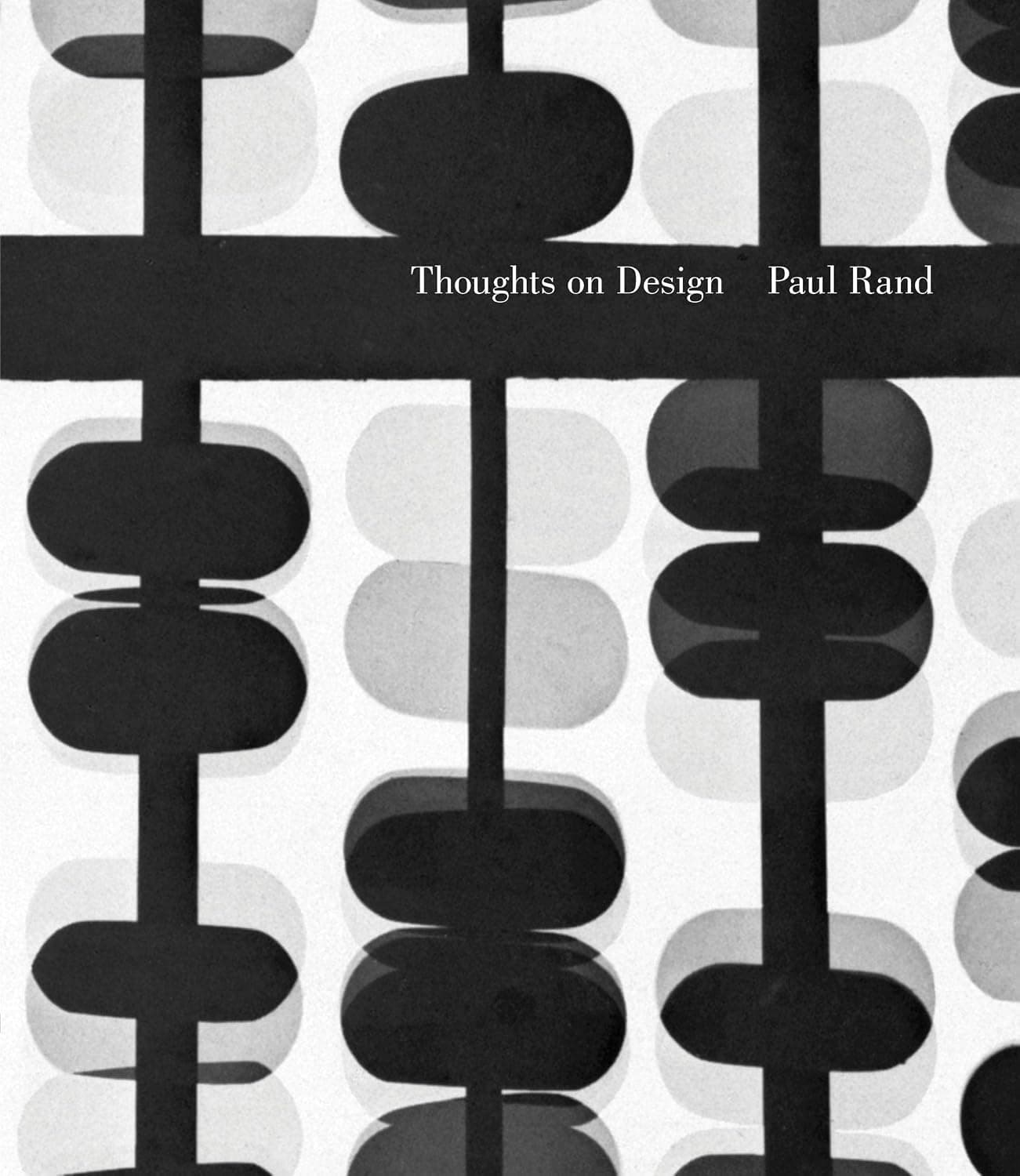
Beauty and utility generate each other, Paul Rand argues, and the designer's job is fusing idea with image. He pulled European modernism into American advertising and made the trade take design seriously.

The artist Robert Irwin gave up the image, then the frame, then the object, until only seeing was left. Weschler recorded three decades of his talk, and reading it retrains your eye.

Jed Martin, an artist, makes his name photographing Michelin road maps and painting people at their trades. Houellebecq writes himself into the novel, has himself murdered, and gives Jed a dying father.

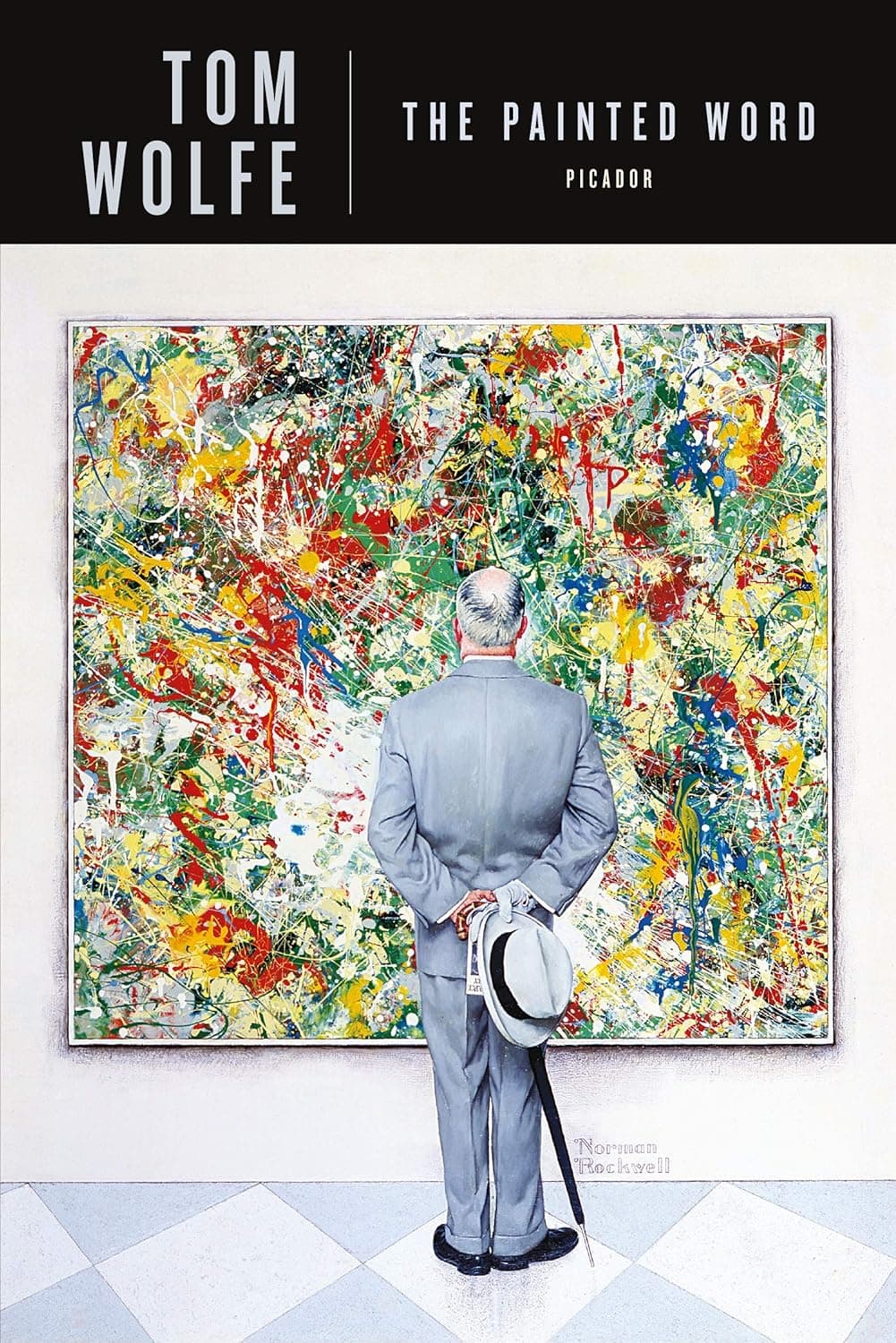
Modern painting had become an illustration of theory, Wolfe argued, invisible without the words. He named the three critics who ruled taste in New York, and the art world came after him howling.

Smuggled out of occupied Prague in a coffin with the Golem, Joe Kavalier lands in Brooklyn and invents a superhero with his cousin. Chabon makes comics their one weapon against Hitler.

Genius does not explain art, Bourdieu argues. Value is manufactured by the whole apparatus around the work: critics, dealers, publishers, rival artists. In this economy refusing money is precisely what buys prestige.

Modern art's century, from the Eiffel Tower to the moment modernism became the official culture it once attacked. Hughes explains what Picasso and Pollock were after in plain, unhurried English.

Two friends split the world between them: Narcissus stays in the monastery with logic and God, and Goldmund walks out into women, wandering, and the Black Death, then carves it all in wood.

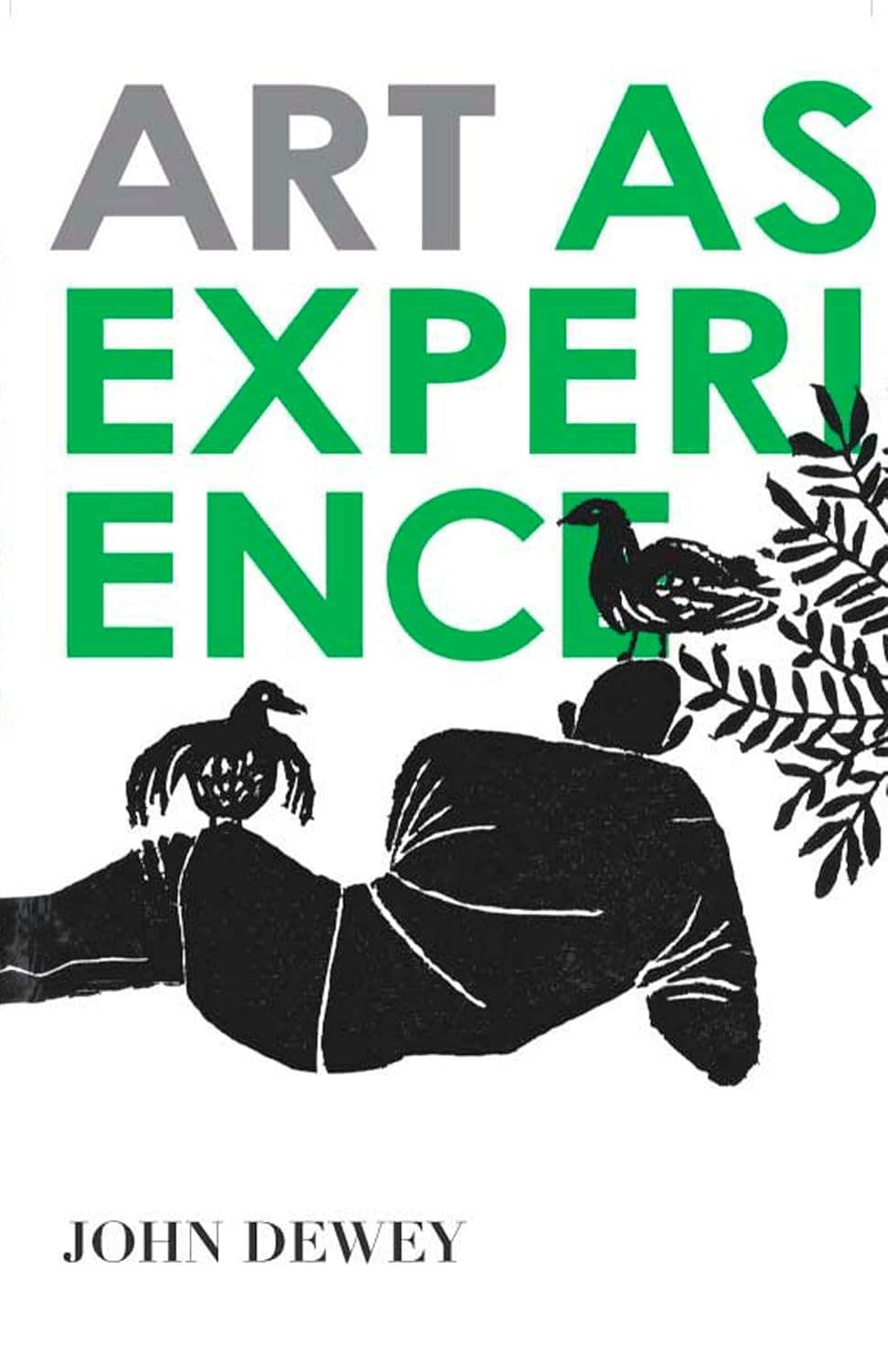
Art belongs in the museum only by accident, Dewey argues. The aesthetic starts in the ordinary rhythm of a creature meeting its world, an argument that pulled philosophy toward everyday and popular art.

Color and line act on the soul directly, Kandinsky argues, the way music does, with nothing depicted. He handed abstract painting its justification, and a generation of European artists walked away from representation.

Des Esseintes, the last of a spent aristocratic line, retreats to a house outside Paris filled with perfumes, poisonous flowers, and a jeweled tortoise. Wilde and the English aesthetes read it as scripture.

The dead man narrates his own murder, and so do a coin and a tree, in the Istanbul of 1591 where painting a face as the eye sees it is treated as blasphemy.

Two pianists at the Salzburg Mozarteum hear Glenn Gould play the Goldberg Variations and understand they will never be that. Bernhard gives the ruin that follows in one unbroken paragraph of spite.

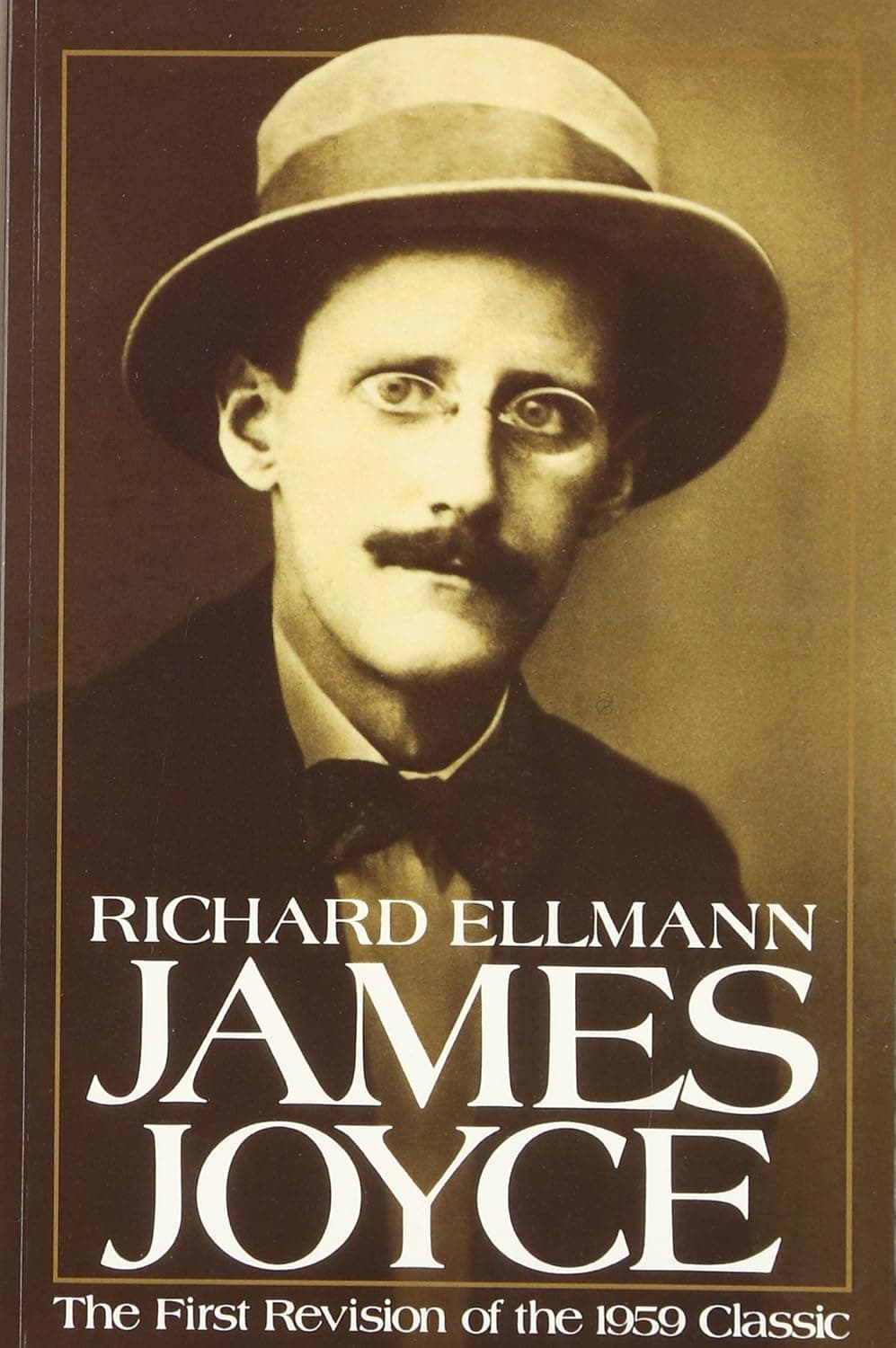
The novelist Anthony Burgess called this the greatest literary biography of the century. Ellmann reconstructs Joyce day by day, the debts and the eye operations and the exact Dublin talk that became Ulysses.

Sontag's charge against criticism: pulling meaning out of a work is a way of not experiencing it. She wants attention paid to surface and speed, and asks for an erotics of art instead.

Ten letters answer a nineteen-year-old cadet who asked whether his poems were good. Rilke declines to judge them and tells him to go into himself and ask whether he must write.

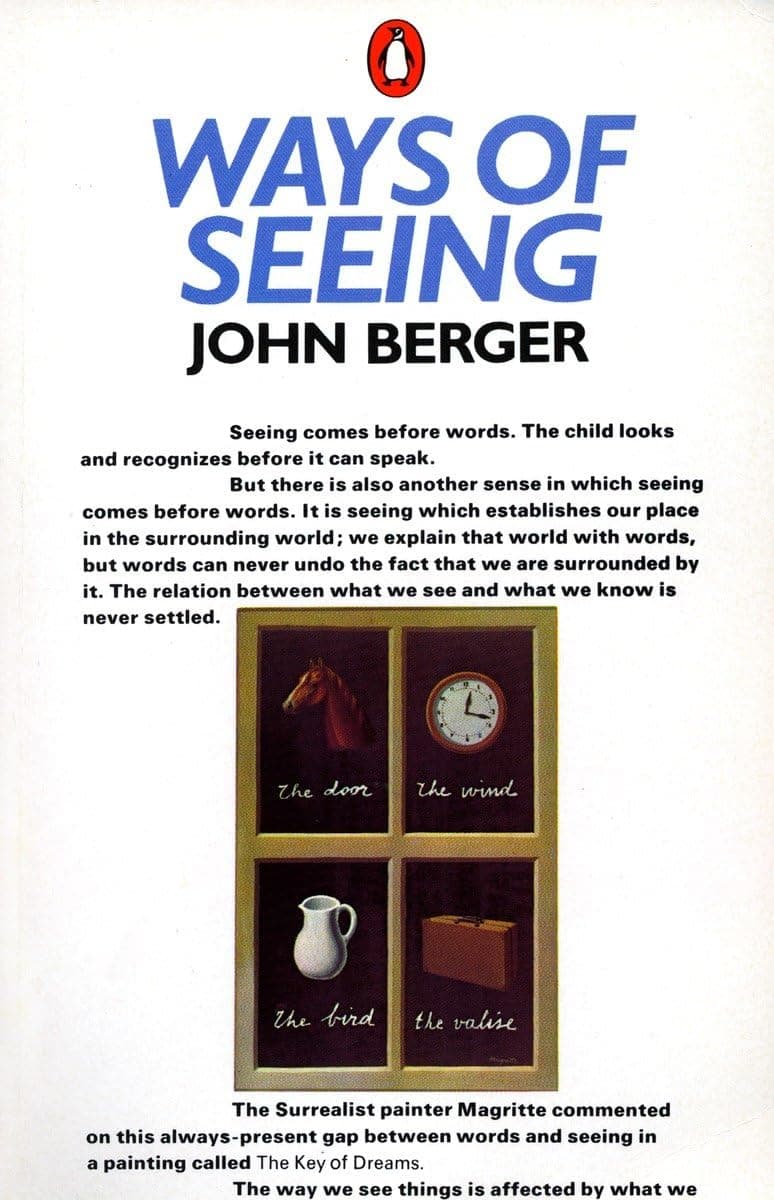
Oil paintings advertised what their owners owned, Berger argues, and the nude was arranged for a man looking on. Men act and women appear, he writes, and advertising took the habit over intact.

There is no such thing as Art, Gombrich begins, only artists. From cave paintings to Picasso he explains what each was trying to solve, and you come out able to see it.

Burckhardt invented cultural history by looking past popes and battles at how Renaissance Italians lived, finding the moment people began to think of themselves as individuals. We still see the period his way.