
A Rumor of War
1977 · 356 pages
Caputo landed at Da Nang in 1965 with the first American ground troops, eager for it. His tour ended with murder charges over two Vietnamese civilians his men shot, and he excuses nothing.
★ 5.6
 skopia
Caputo landed at Da Nang in 1965 with the first American ground troops, eager for it. His tour ended with murder charges over two Vietnamese civilians his men shot, and he excuses nothing.

Kien spends the peace gathering the dead from the jungle that swallowed his battalion, and the war returns out of sequence. Bao Ninh enlisted at seventeen among five hundred, and ten came home.

Army adviser John Paul Vann fed reporters the truth about Vietnam while the generals lied, then spent ten years insisting the war could be won. Sheehan reports his private ruin alongside the courage.

Americans in Vietnam were fighting a country they never tried to understand, FitzGerald argues, explaining Confucian village order and the mandate of heaven to readers whose sons were still being sent there.
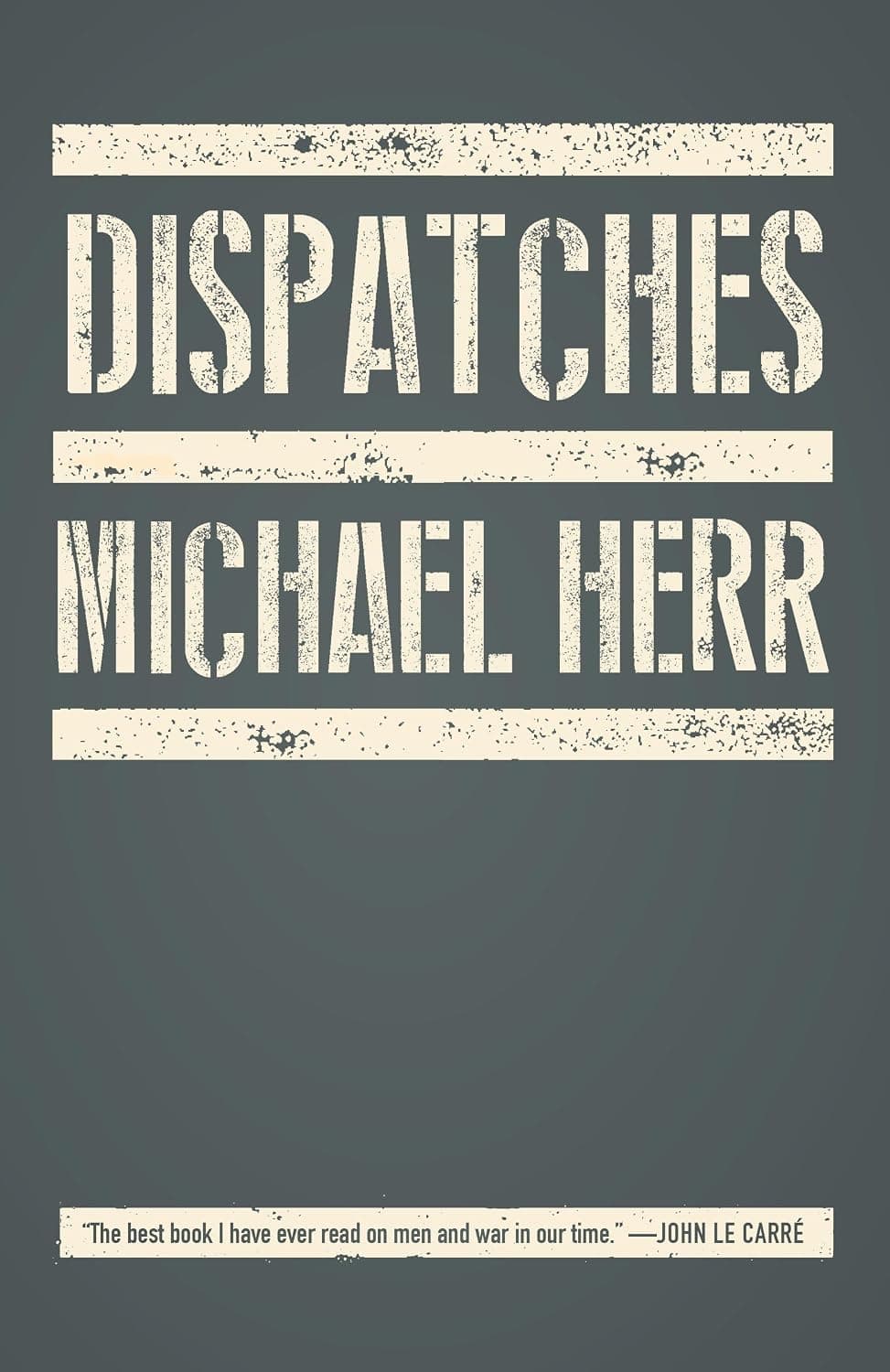
Herr covered Vietnam for Esquire at twenty-seven and wrote the siege of Khe Sanh and the ruins of Hue at the pitch of a bad trip. Apocalypse Now took its narration from him.
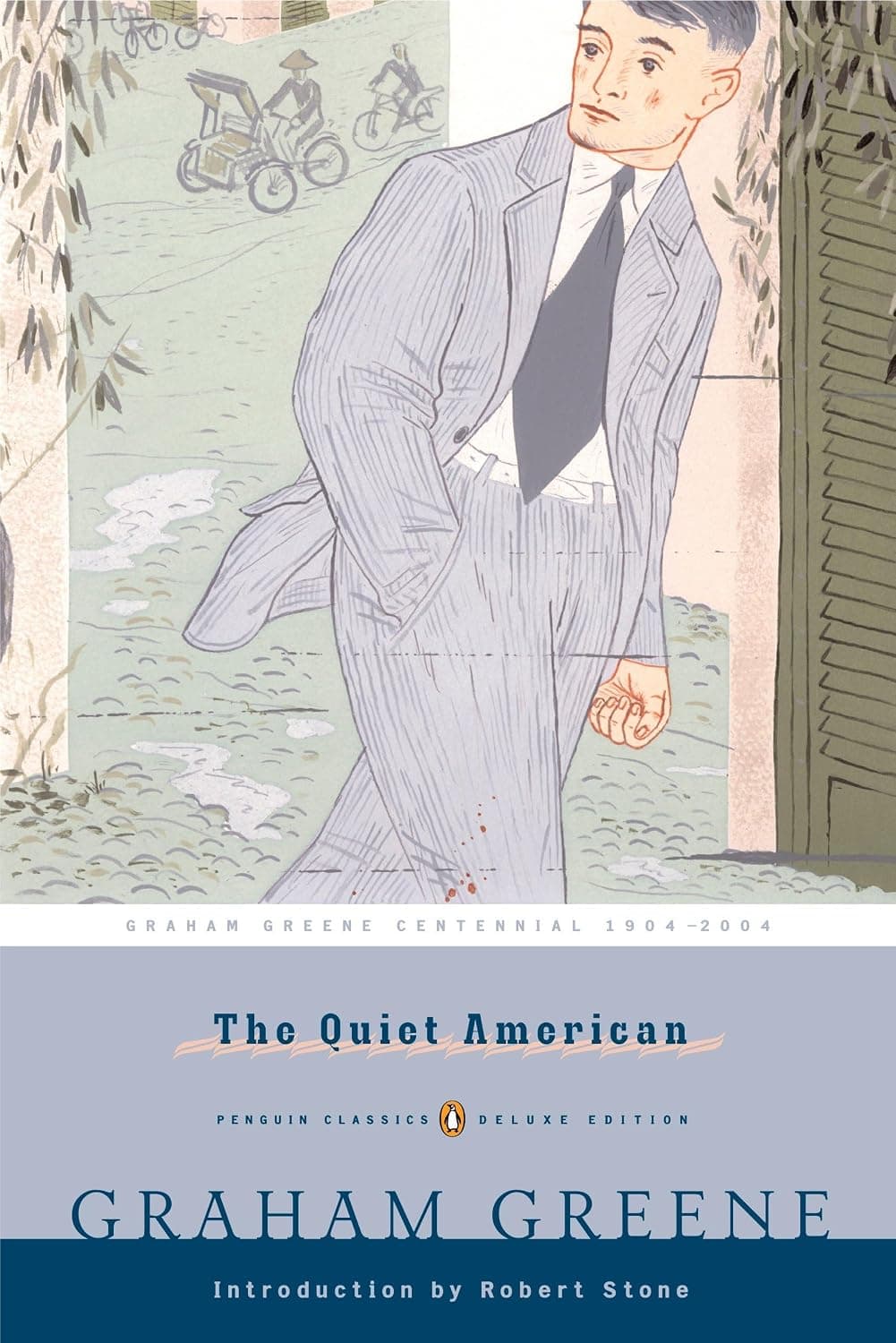
Greene put a British correspondent and an idealistic young American in Saigon, fighting over the same woman and over a theory. He saw the American war in Vietnam a decade before it started.

Crossing the Mekong by ferry in 1929, a French girl of fifteen meets the Chinese man who becomes her lover. Duras writes it in fragments that refuse both romance and pity.

O'Brien lists what a platoon in Vietnam hauled around, down to the ounce, then tells war stories and takes them back. The invented ones carry the war more exactly than facts could.