
Bel Canto
2001 · 318 pages
Guerrillas storm a vice president's mansion somewhere in South America and hold the room for months. Among the hostages is a soprano who sings each morning, and everyone begins falling in love.
★ 5.5
 skopia
Guerrillas storm a vice president's mansion somewhere in South America and hold the room for months. Among the hostages is a soprano who sings each morning, and everyone begins falling in love.

Chatwin traveled Patagonia chasing a scrap of giant sloth skin from his grandmother's cabinet, and collected Welsh settlers, anarchists and Butch Cassidy. He remade travel writing into something as strange as fiction.
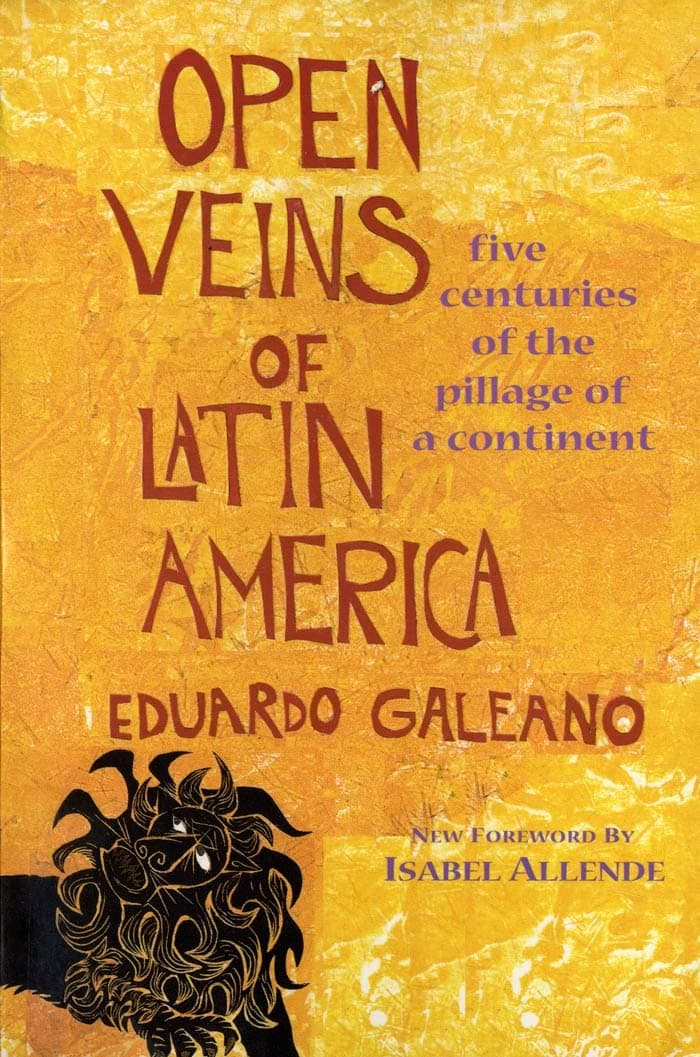
Galeano's charge is that Latin America is poor because it was rich: five centuries of silver, sugar, rubber and oil carried off to Europe and the United States. Four dictatorships banned the book.

Clara predicts the future and moves furniture without touching it, while three generations of her family reach from the era of the great estates to the 1973 coup that comes for them.

In the Brazilian backlands a wandering preacher gathers thousands of the destitute, and the young republic sends four armies to wipe them out. Vargas Llosa grants every fanatic in it his own reasoning.
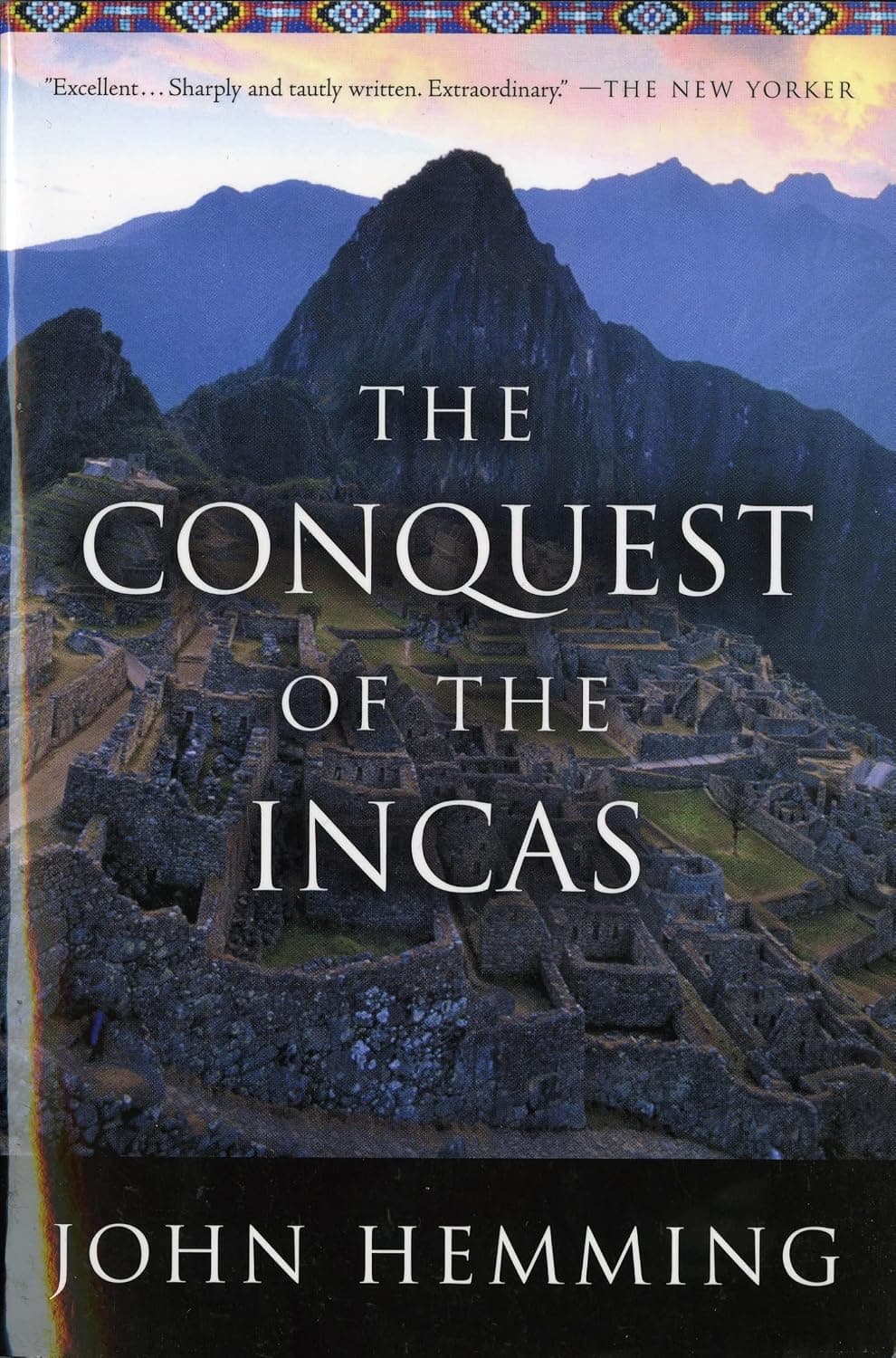
Fewer than two hundred Spaniards seized the Inca emperor at Cajamarca in 1532, and Hemming traces the forty years of rebellion and reprisal that followed, giving Andean witnesses equal weight with Spanish ones.
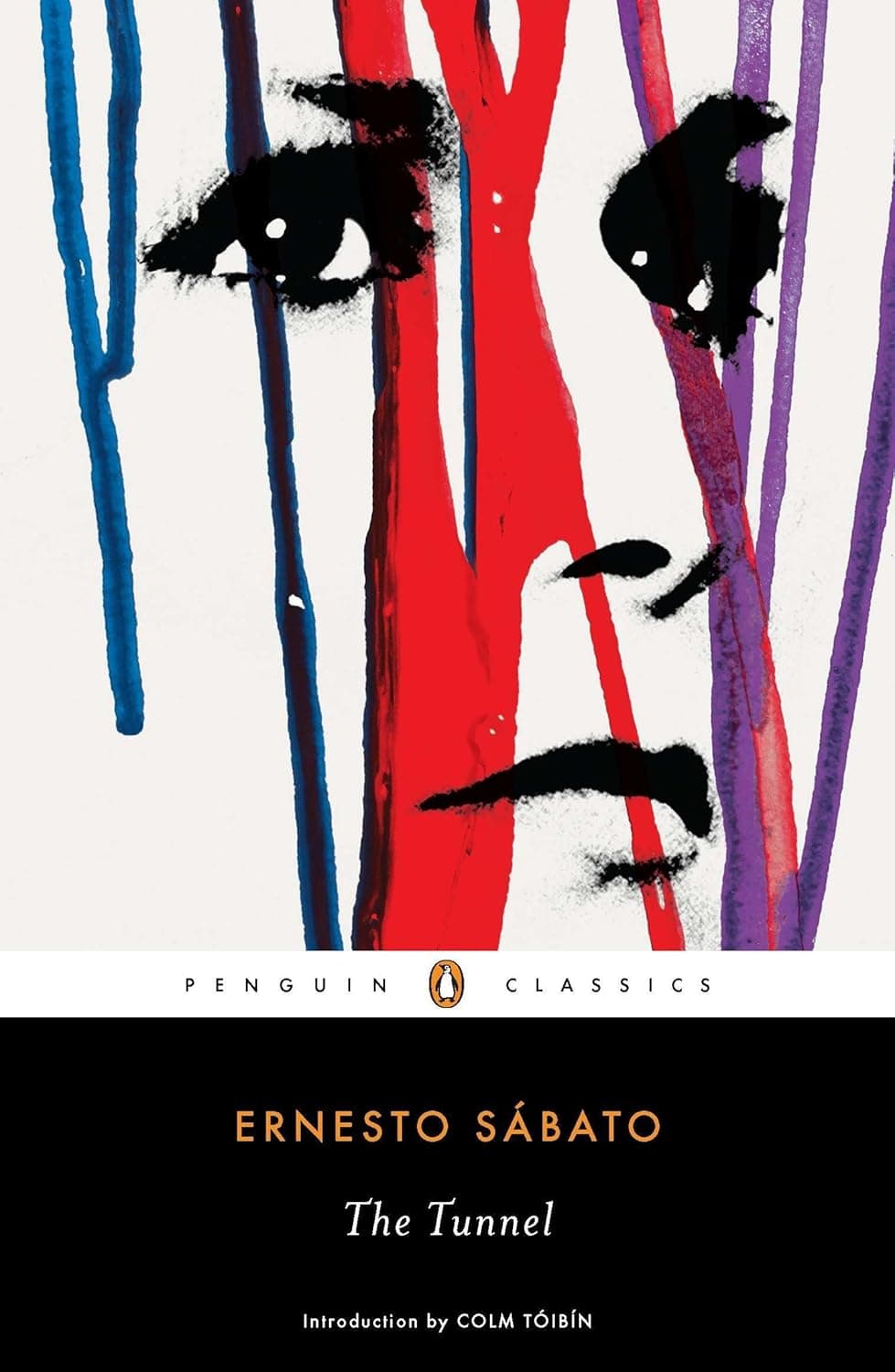
Writing from a prison cell, the painter Juan Pablo Castel explains why he killed the woman who understood his work. Sabato follows a jealous mind step by step until its logic feels ordinary.

Levi-Strauss opens by declaring he hates traveling and explorers, then takes you into Brazil's interior among the Bororo and Nambikwara. Science, memoir, and philosophy run together in mourning for what contact destroyed.

Bras Cubas writes from beyond the grave, dedicating his memoirs to the first worm that gnawed his corpse. A rich Brazilian idler tallies a wasted life with wit, malice, and zero remorse.

Two brothers spend a morning announcing they will kill Santiago Nasar over their sister's wedding night, and nobody stops them. García Márquez reconstructs it from the witnesses who let it happen.

Macabéa is a half-starved typist from Brazil's Northeast, and the writer narrating her keeps stopping to ask what right he has to her poverty. Lispector makes that discomfort the whole book.

Five years at sea gave Darwin fossil giants in Patagonia, an earthquake lifting the Chilean coast, and Galapagos tortoises. He wrote it as travel narrative, and evolution grew out of these notes.
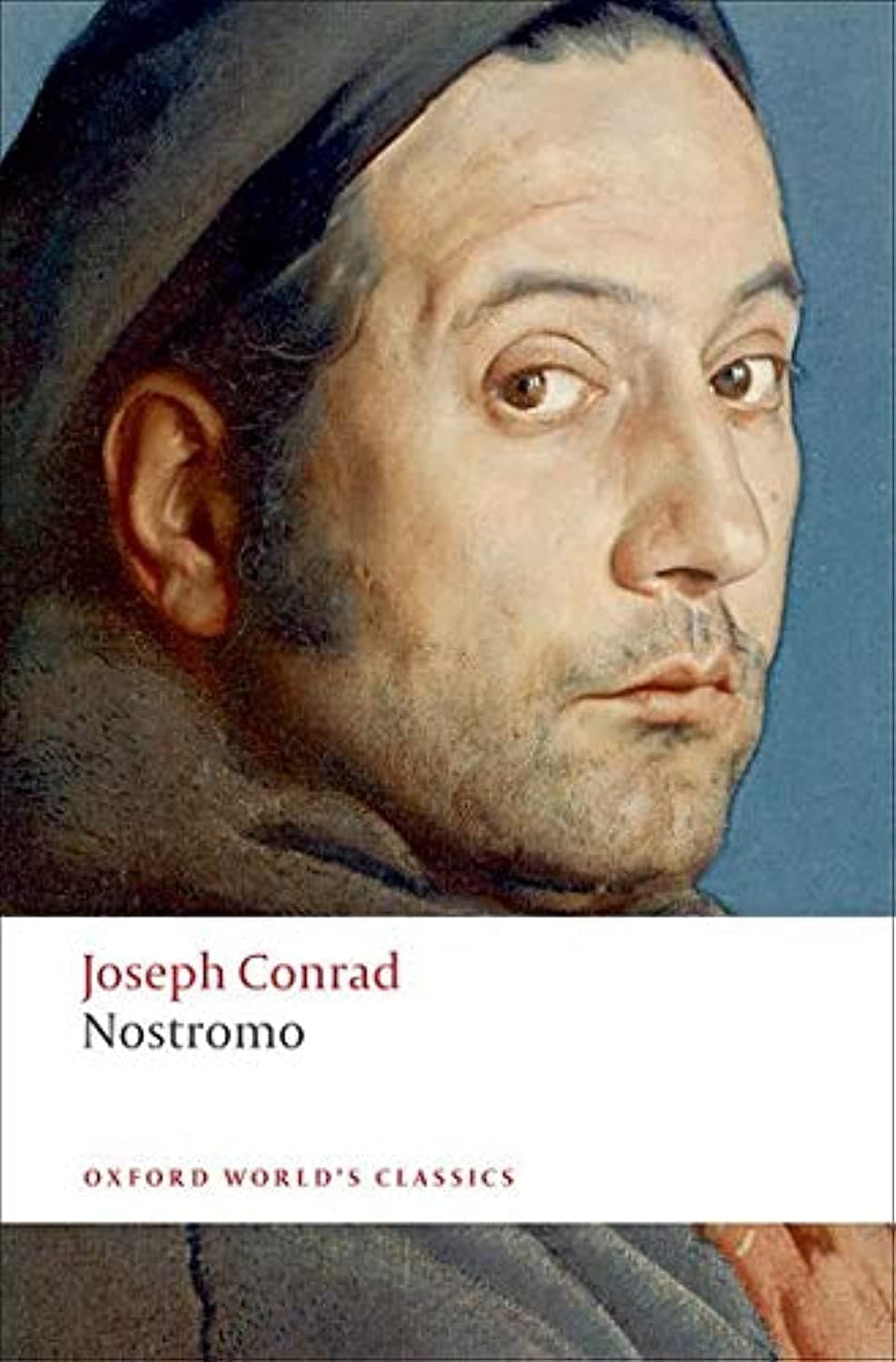
In a South American republic of Conrad's invention, silver from a mine props up a dictator, breaks a marriage, and corrupts the man called incorruptible. Conrad's anatomy of capital has not aged.

Turned down as a young man, Florentino Ariza waits fifty-one years for the woman he loves to be widowed. García Márquez makes old age more erotic than youth.

Seven generations of one family in Macondo, where insomnia comes as a plague and the rain lasts four years. García Márquez reports the impossible as plain fact.