
Like Water for Chocolate
1989 · 246 pages
Tradition forbids the youngest daughter to marry, so Tita cooks, and everything she feels enters the food. Her quail in rose petal sauce sends a sister off naked with a Mexican revolutionary.
★ 4.7
 skopia
Tradition forbids the youngest daughter to marry, so Tita cooks, and everything she feels enters the food. Her quail in rose petal sauce sends a sister off naked with a Mexican revolutionary.

Cortés lands with six hundred men and topples an empire of millions. Prescott, half-blind and never in Mexico or Spain, told it so vividly historians still pry the conquest from his version.

Artemio Cruz lies dying in 1959, a newspaper baron who fought in the Mexican Revolution and spent the decades after betraying it. His life returns in three voices: I, you, and he.

Mexicans wear masks, Paz argues, because the Conquest left them sons of a violated mother, heirs to two pasts they refuse to join. Mexico has quarreled with these essays for seventy years.

Sixteen years old and landless, John Grady Cole rides into Mexico in 1949 and finds work breaking horses on a great hacienda. McCarthy writes horses and hard country better than any American novelist.

Fifty years on, writing in Guatemala, one of Cortés's foot soldiers set down the conquest of Mexico as the ranks saw it. He never got over his first sight of Tenochtitlan.

Two young poets calling themselves visceral realists vanish into the Sonoran desert hunting a woman who published a single poem decades earlier. Forty voices over twenty years piece together where they went.
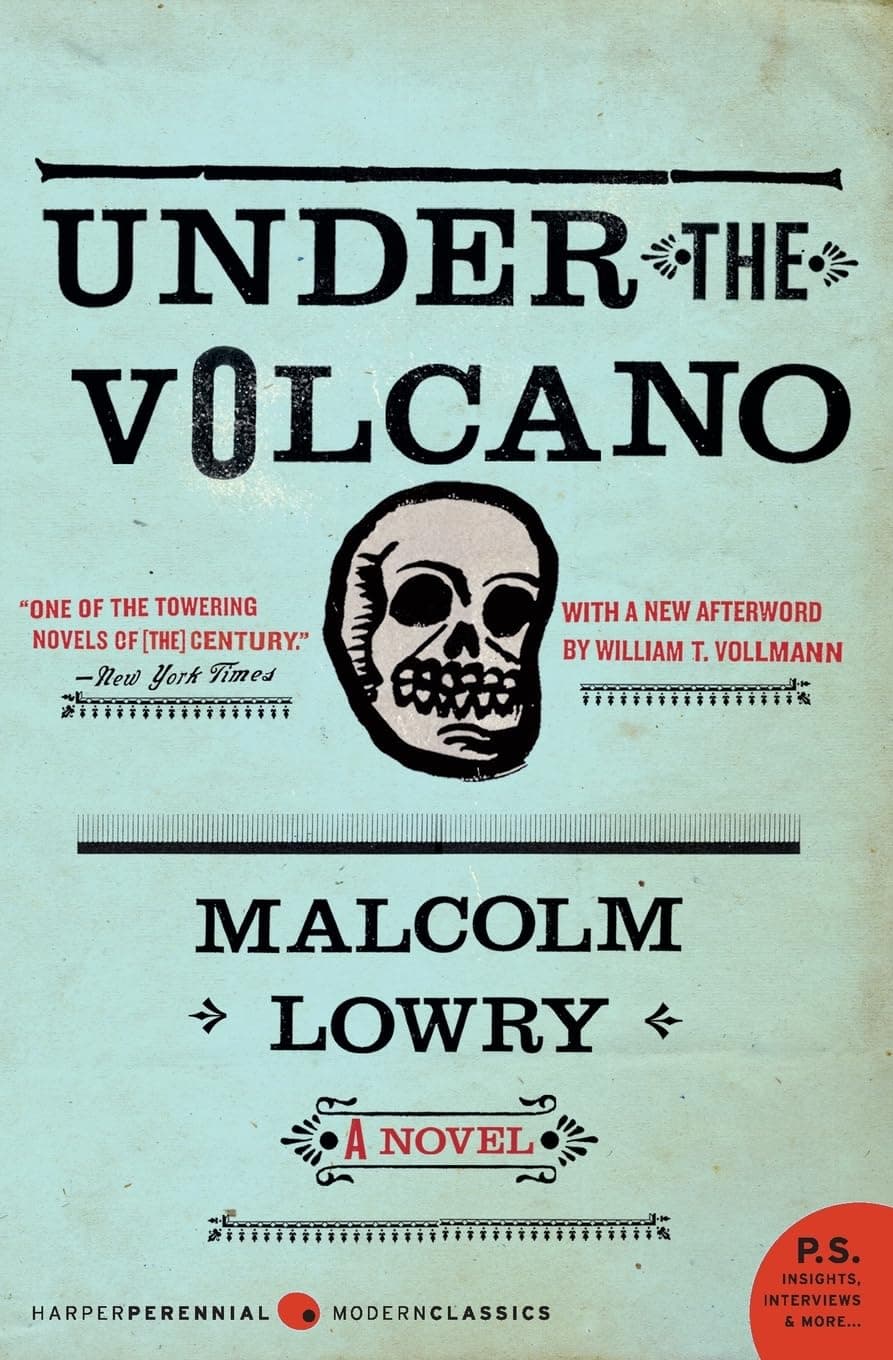
Drinking himself to death in Mexico, a British ex-consul is visited by the wife who left him. Lowry gives them one Day of the Dead, written from inside the bottle.
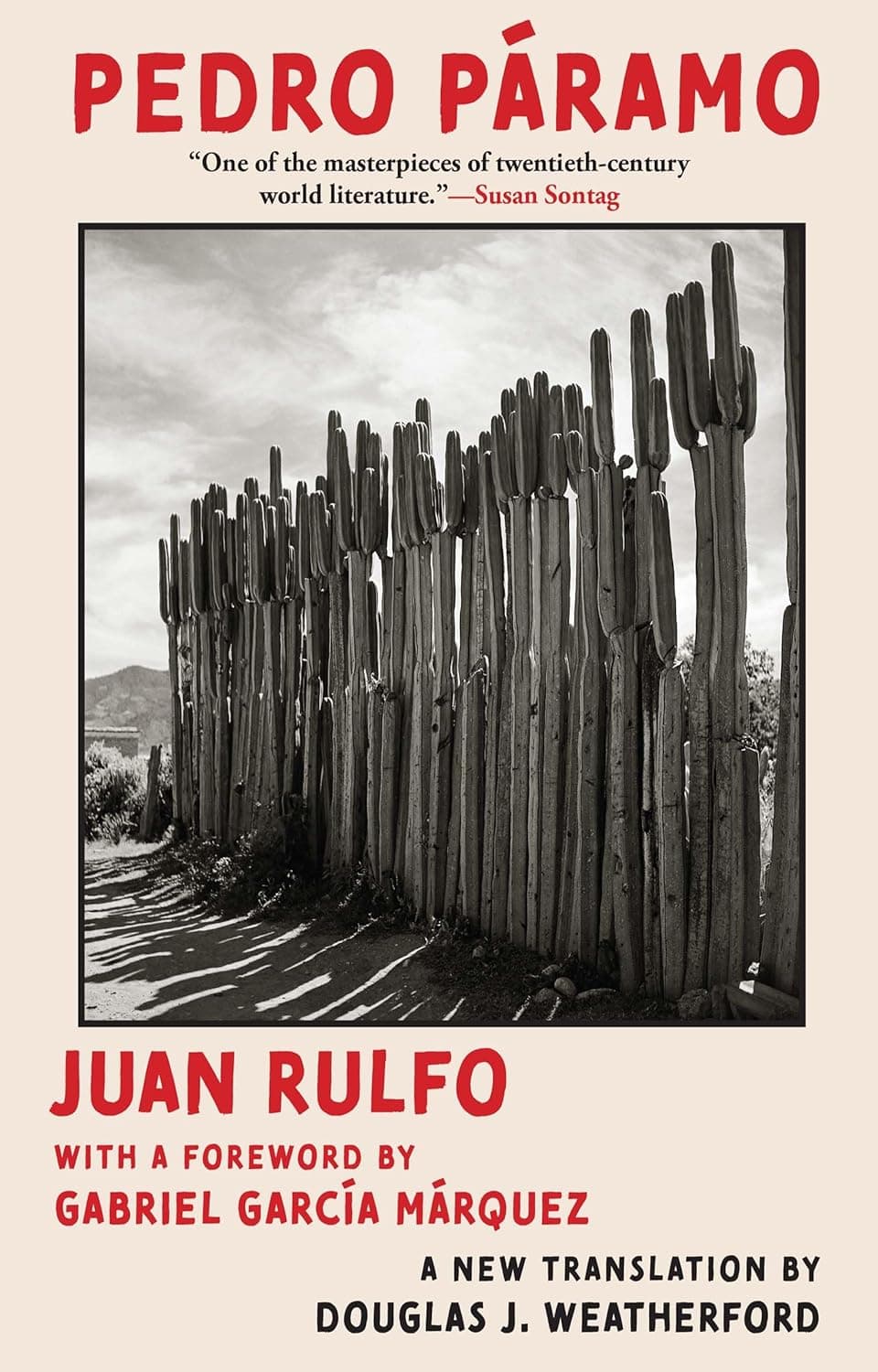
Looking for the father he never met, a man walks into a Mexican town where everyone he speaks to is dead. Voices drift free of their bodies, and magical realism follows.