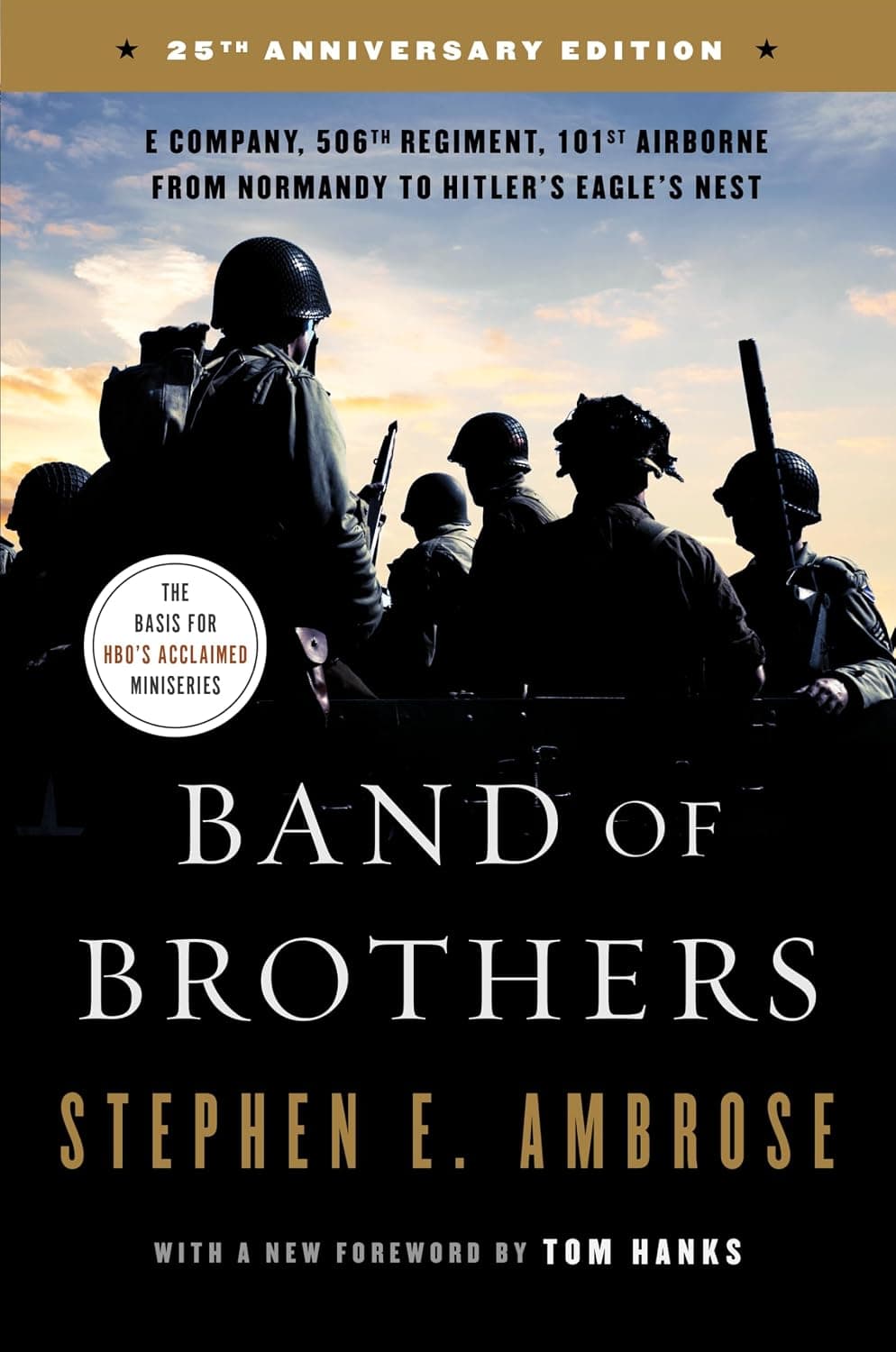
Band of Brothers
1992 · 336 pages
Easy Company jumped into Normandy on D-Day, held Bastogne through the snow short of ammunition and coats, and finished the war at Hitler's alpine retreat. Ambrose built it from the men's own accounts.
★ 4.9
 skopia
Easy Company jumped into Normandy on D-Day, held Bastogne through the snow short of ammunition and coats, and finished the war at Hitler's alpine retreat. Ambrose built it from the men's own accounts.

At Auschwitz a Nazi officer courts the commandant's wife while the commandant, a preening drunk, complains about his workload. The third narrator is a Jewish prisoner made to burn the bodies.
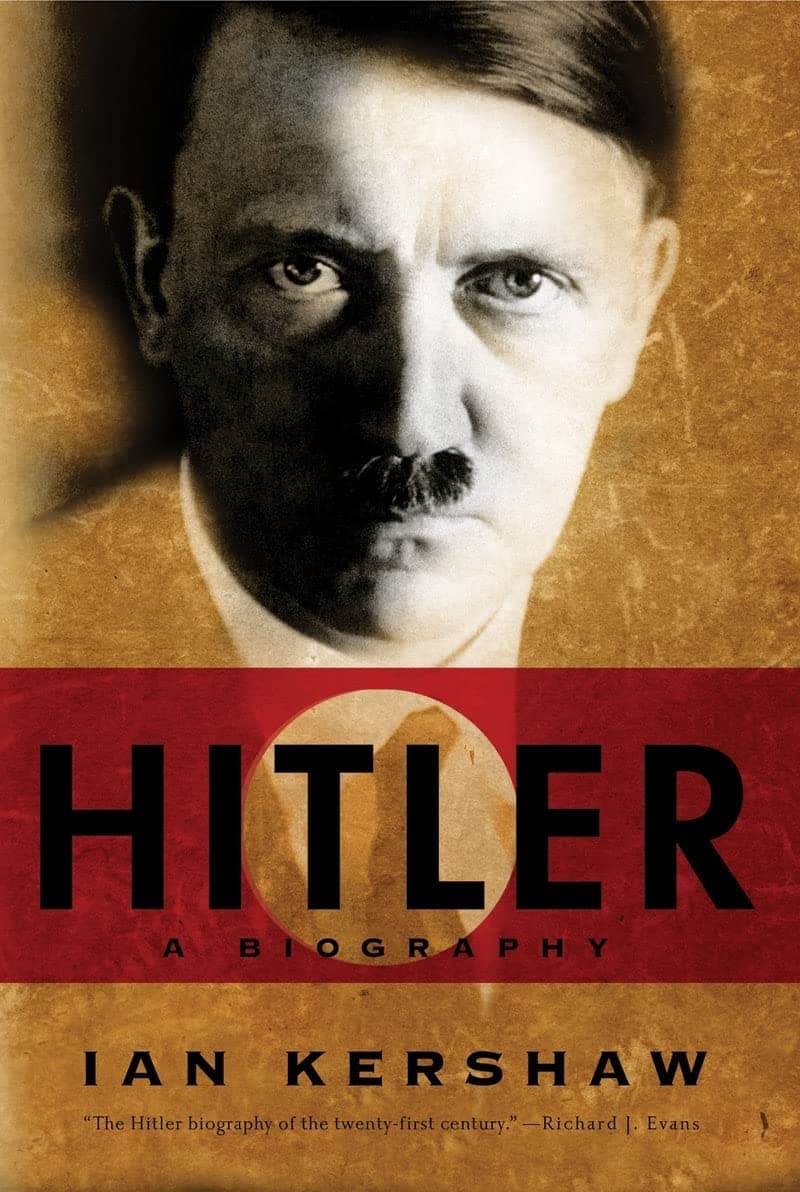
Hitler kept lazy hours and rarely issued a written order. Kershaw explains the machine anyway: officials across Germany competing to anticipate what the Führer wanted, radicalizing policy from below into genocide.

Forty years of poems that begin with an ordinary question and end somewhere you never agreed to go. In "Cat in an Empty Apartment," a cat waits for the owner who has died.
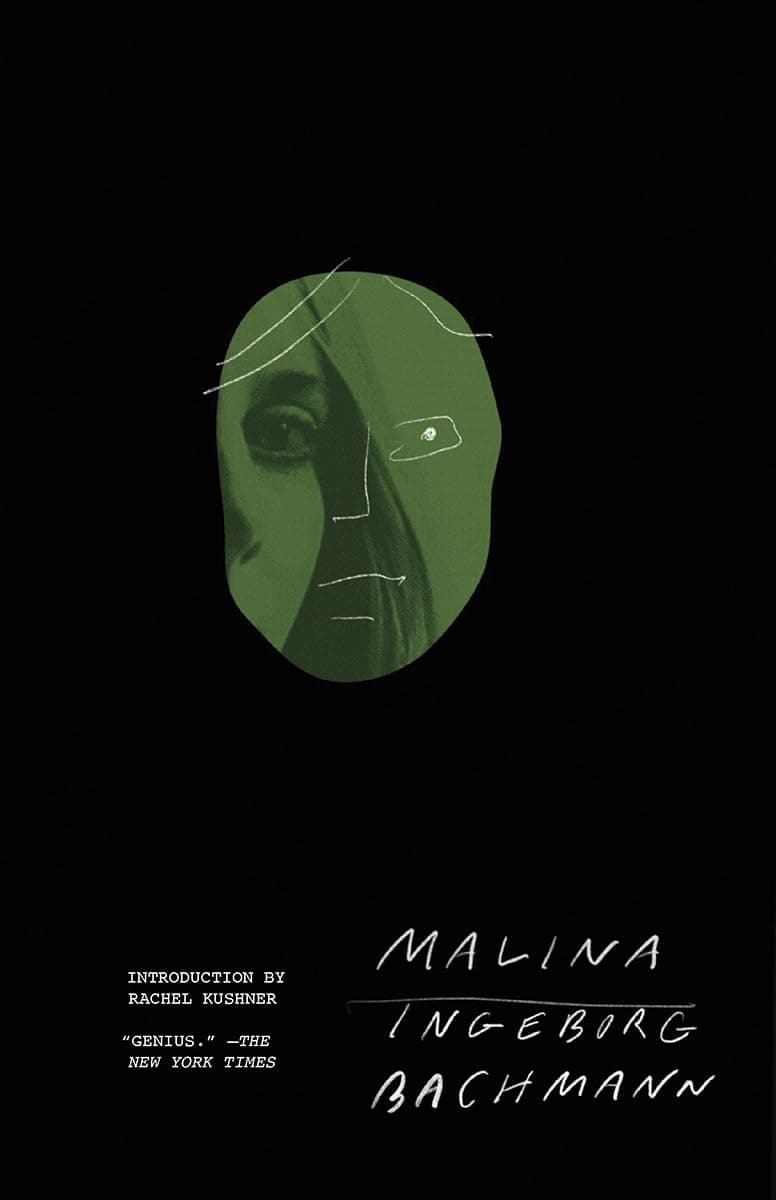
In a Vienna apartment a woman without a name loves Ivan and lives with Malina, and her interior life comes apart. Bachmann writes private ruin and Austria's buried fascism as the same catastrophe.
Franz Ferdinand Trotta drinks through the last spring of peace, then loses the war, his money and his wife. On the night Hitler annexes Austria he walks to the emperors' crypt.
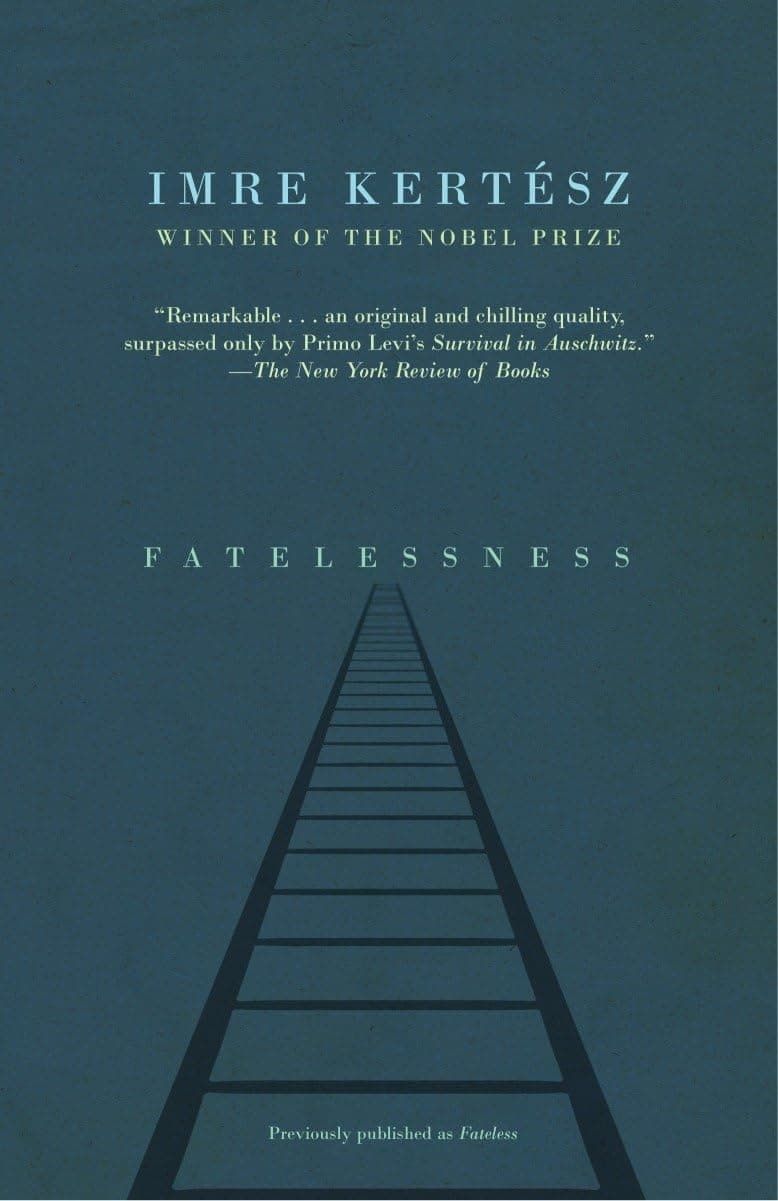
György Köves is fourteen when he is taken from Budapest to Auschwitz, and he reports each stage as it arrives, without hindsight. Back home he tries to explain the camps' happiness.

Sally Bowles, the English cabaret singer who became the heart of Cabaret, sings badly in a Berlin nightclub while Isherwood's narrator calls himself a camera, shutter open, recording the city's slide into Nazism.

The tabloid Bild-Zeitung had branded Böll a terrorist sympathizer, so he answered with this: a quiet housekeeper spends one night with a wanted man and the papers take her honor apart.

Two friends split the world between them: Narcissus stays in the monastery with logic and God, and Goldmund walks out into women, wandering, and the Black Death, then carves it all in wood.

At twenty-eight Wedgwood narrated Europe's most ruinous pre-modern war whole, thirty years of armies eating Germany alive, and her verdict of meaningless conflict still has to be argued with.

Two officers who trained together meet for dinner after forty-one years. The general has questions about a morning hunt and his dead wife, and the candles burn down while he circles them.

Shirer broadcast from Berlin as the rallies filled, then worked through captured German files and Nuremberg testimony to tell the story from beer hall to bunker. A million American households bought it.

Shot by a Gestapo officer in 1942, Schulz left stories that turn a Galician backwater into a world where his father breeds birds in the attic and the calendar grows a thirteenth month.
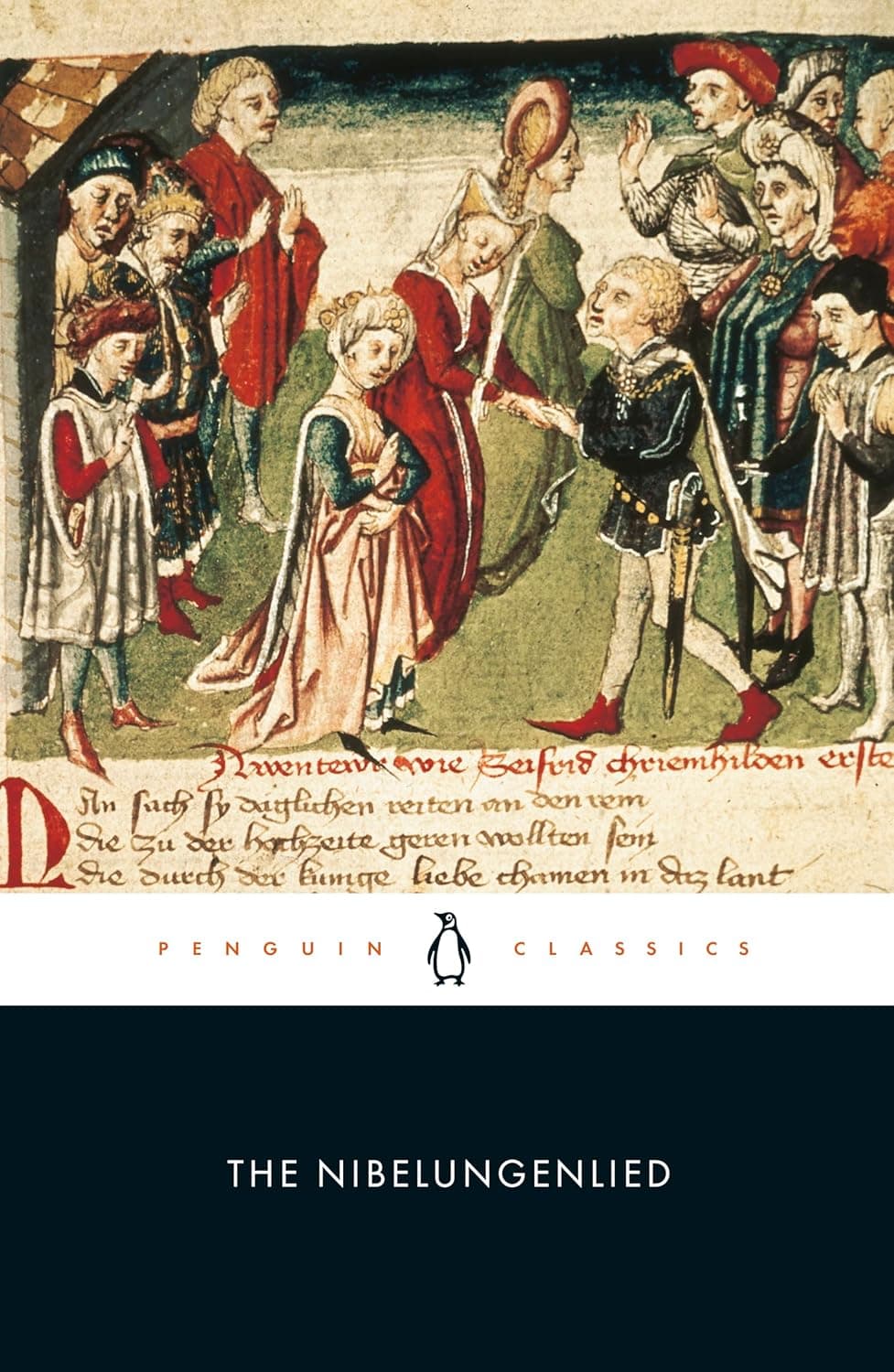
Siegfried, invulnerable but for one spot the dragon's blood missed, is speared there by Hagen. Kriemhild's revenge for her husband runs through the rest of Germany's national epic and empties two courts.
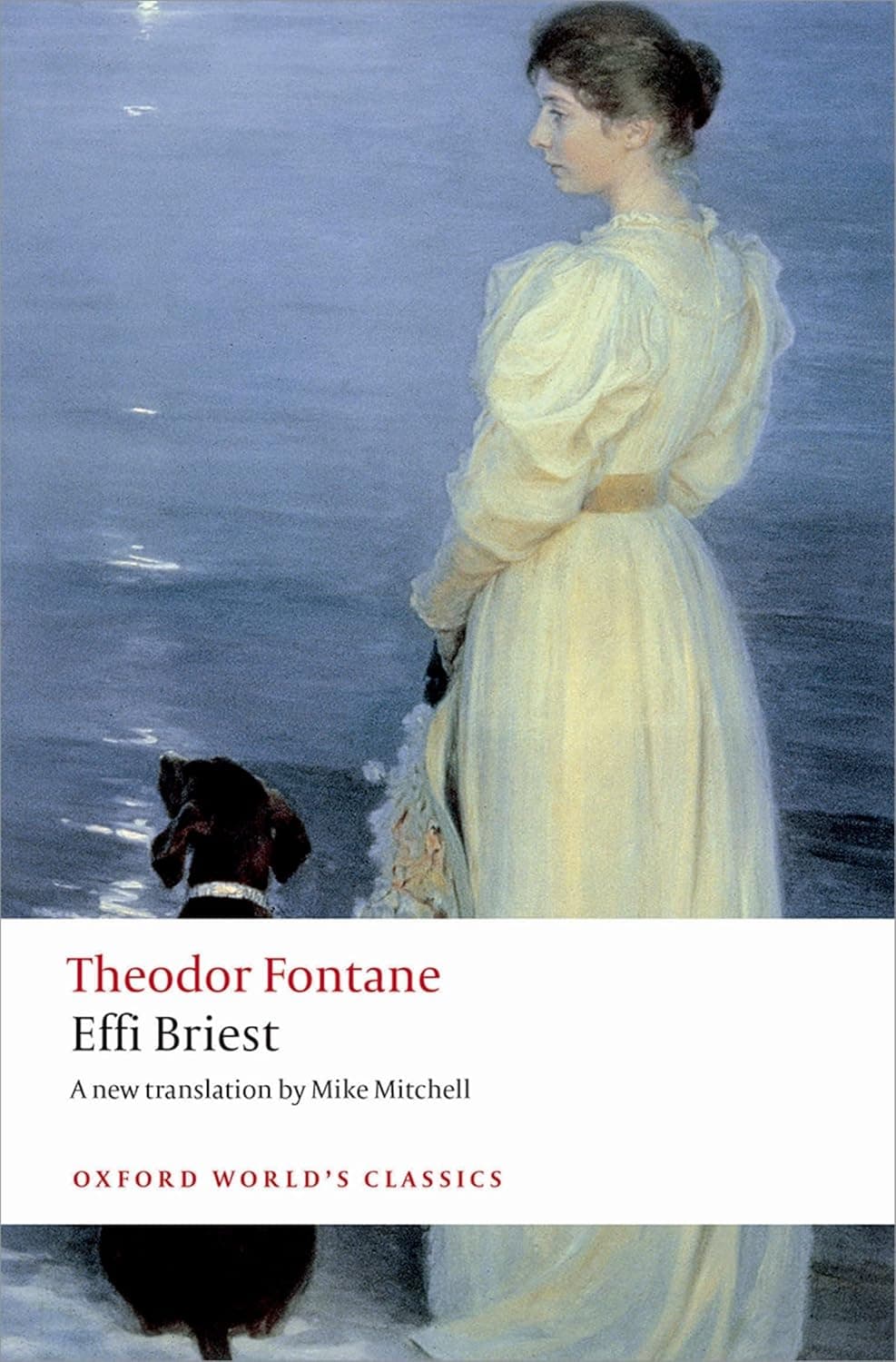
Married at seventeen to a baron of thirty-eight who once courted her mother, Effi is stranded in a bleak Baltic town. Fontane lets a code nobody believes in destroy her anyway.
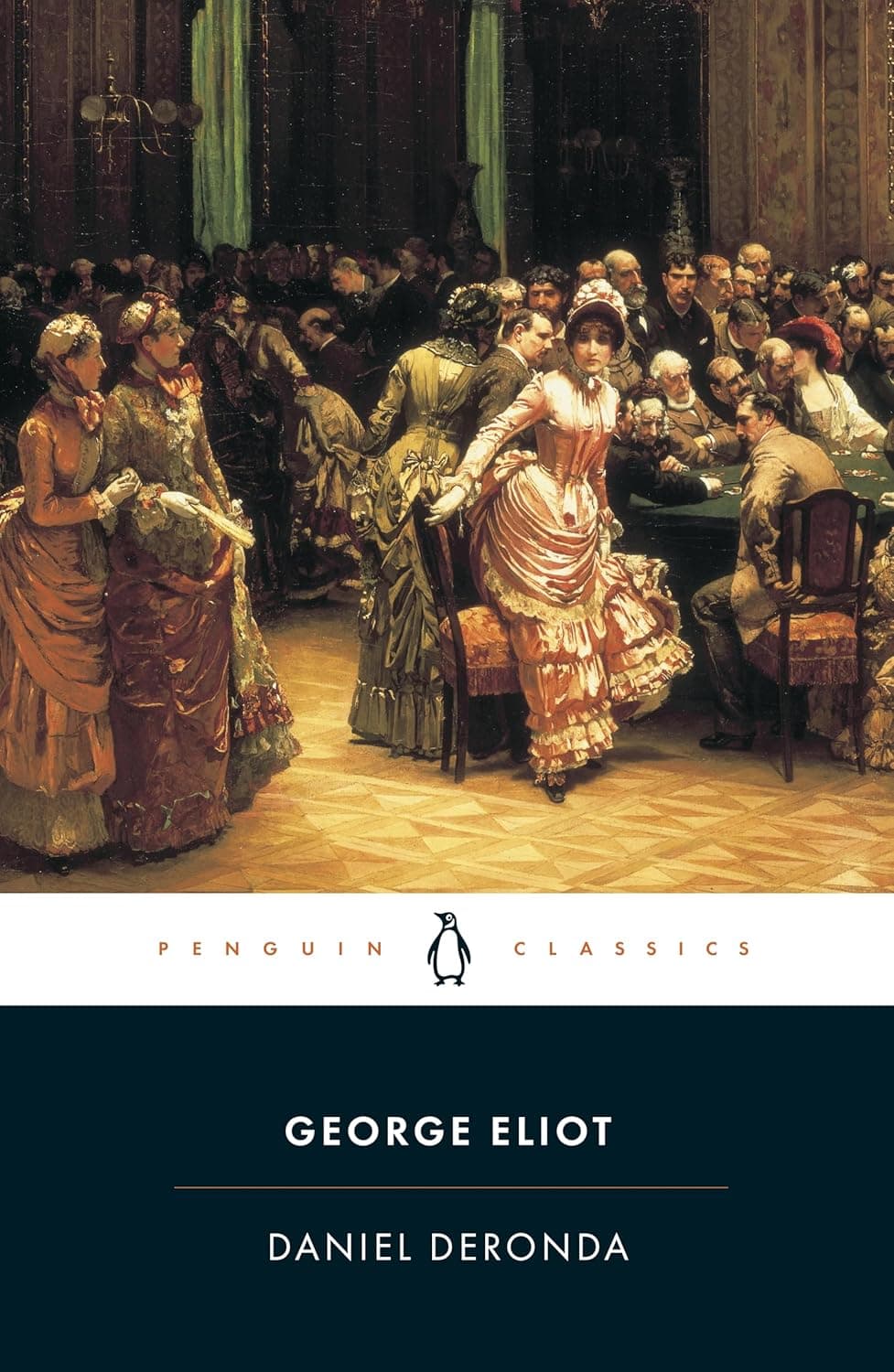
Gwendolen Harleth sells herself into marriage with a cold, cruel man, and beside her Eliot sets an Englishman finding out he is a Jew. Early Zionists dated their conviction to this book.

A maid hid 264 Japanese carvings in her mattress while the Nazis stripped the Vienna palace of the Ephrussi bankers. De Waal, their descendant, follows the objects through his family's rise and ruin.

Two pianists at the Salzburg Mozarteum hear Glenn Gould play the Goldberg Variations and understand they will never be that. Bernhard gives the ruin that follows in one unbroken paragraph of spite.

Alec Leamas takes one last assignment in East Germany, posing as a burnt-out defector, never told what his own service wants. Graham Greene called it the best spy story he had read.