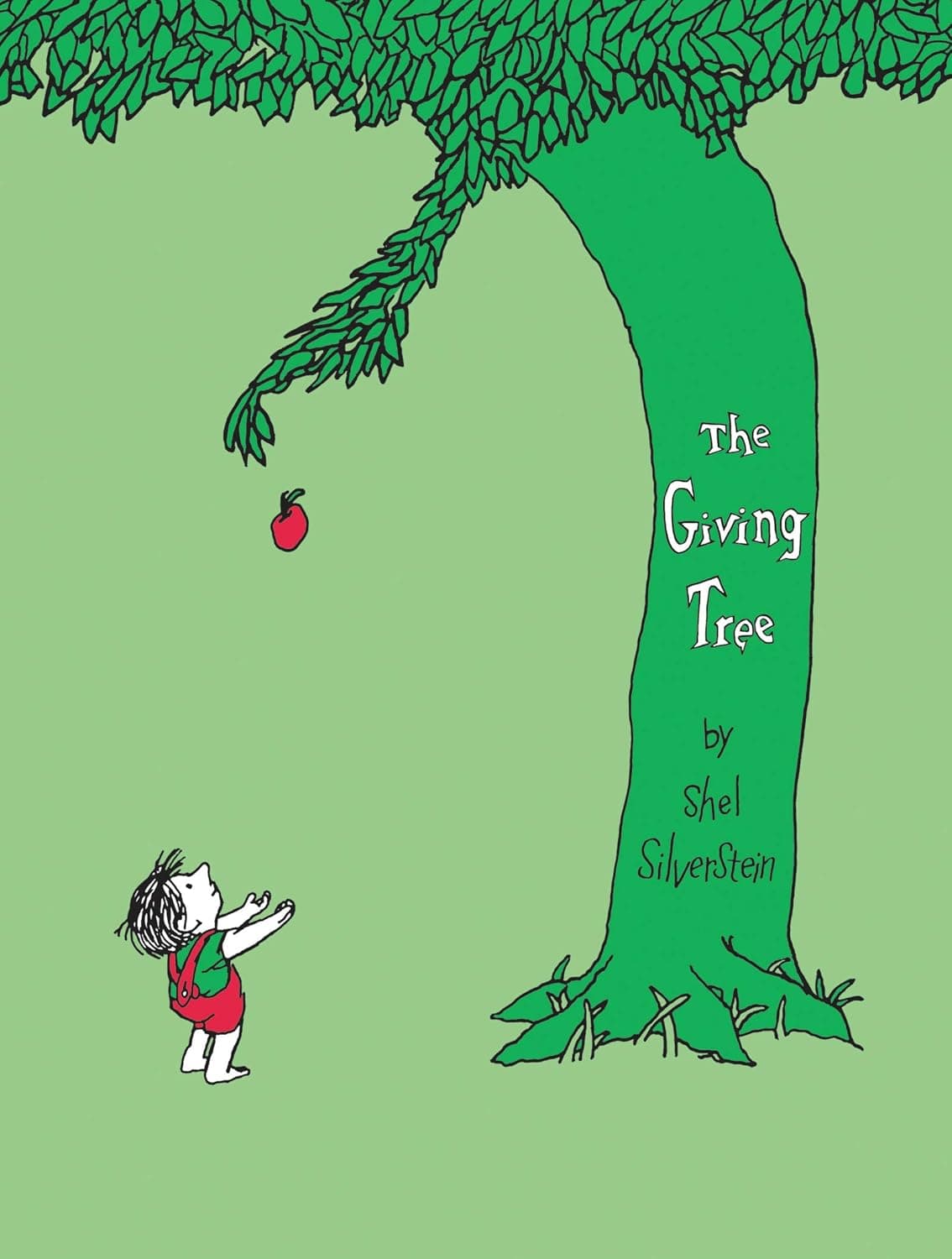
The Giving Tree
1964 · 57 pages
A tree loves a boy. She gives him her apples, then her branches, then her trunk, until she is a stump he sits on. Readers still cannot agree whether that is love.
★ 4.4
 skopia
A tree loves a boy. She gives him her apples, then her branches, then her trunk, until she is a stump he sits on. Readers still cannot agree whether that is love.

A toy becomes Real only when a child has loved it for years, by which time its fur is rubbed off and its eyes are gone. Williams's stuffed rabbit is loved that hard.

Tradition forbids the youngest daughter to marry, so Tita cooks, and everything she feels enters the food. Her quail in rose petal sauce sends a sister off naked with a Mexican revolutionary.

Anthony Patch and his wife Gloria decide to wait for his grandfather's millions rather than work. Fitzgerald follows the waiting year by year, as the parties thin out and the drinking never does.

Six volumes of one man's life recorded to the last cornflake and cigarette, and at the center a father who drank himself to death, leaving a house his sons had to scrub clean.

Uncle Matthew hunts his children across the Oxfordshire fields with bloodhounds. Linda Radlett escapes that house into two bad marriages and a French duke, in the funniest English novel of the interwar aristocracy.

Elio is seventeen the summer a visiting scholar stays six weeks at his family's house on the Italian coast. Aciman renders desire from the inside, every calculation and humiliation of wanting someone.
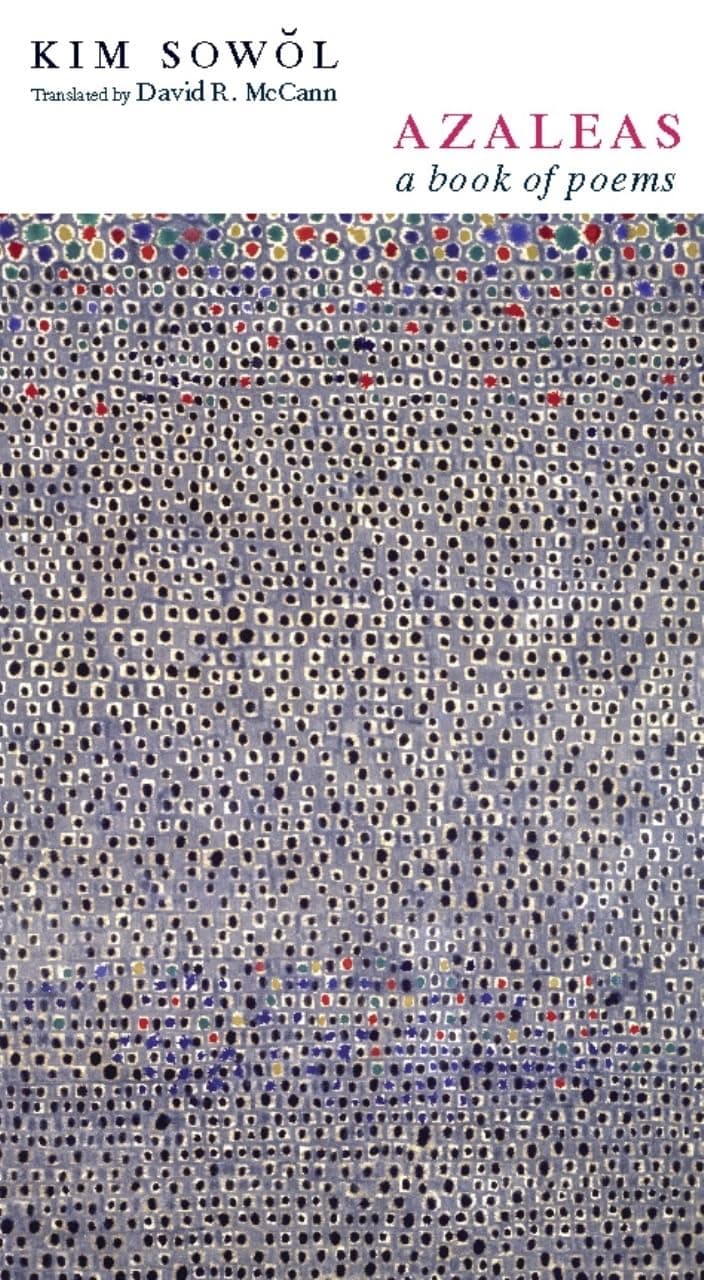
A woman watches her lover go and promises to scatter azaleas in his path rather than weep. Kim Sowol put Korean folk-song rhythm into modern verse, and the whole country memorized him.

Guerrillas storm a vice president's mansion somewhere in South America and hold the room for months. Among the hostages is a soprano who sings each morning, and everyone begins falling in love.

No more passionate voice ever sounded in twentieth-century Russian poetry, the poet Brodsky said of Tsvetaeva. She came back from exile to Stalin's Russia, where the secret police took her husband and daughter.
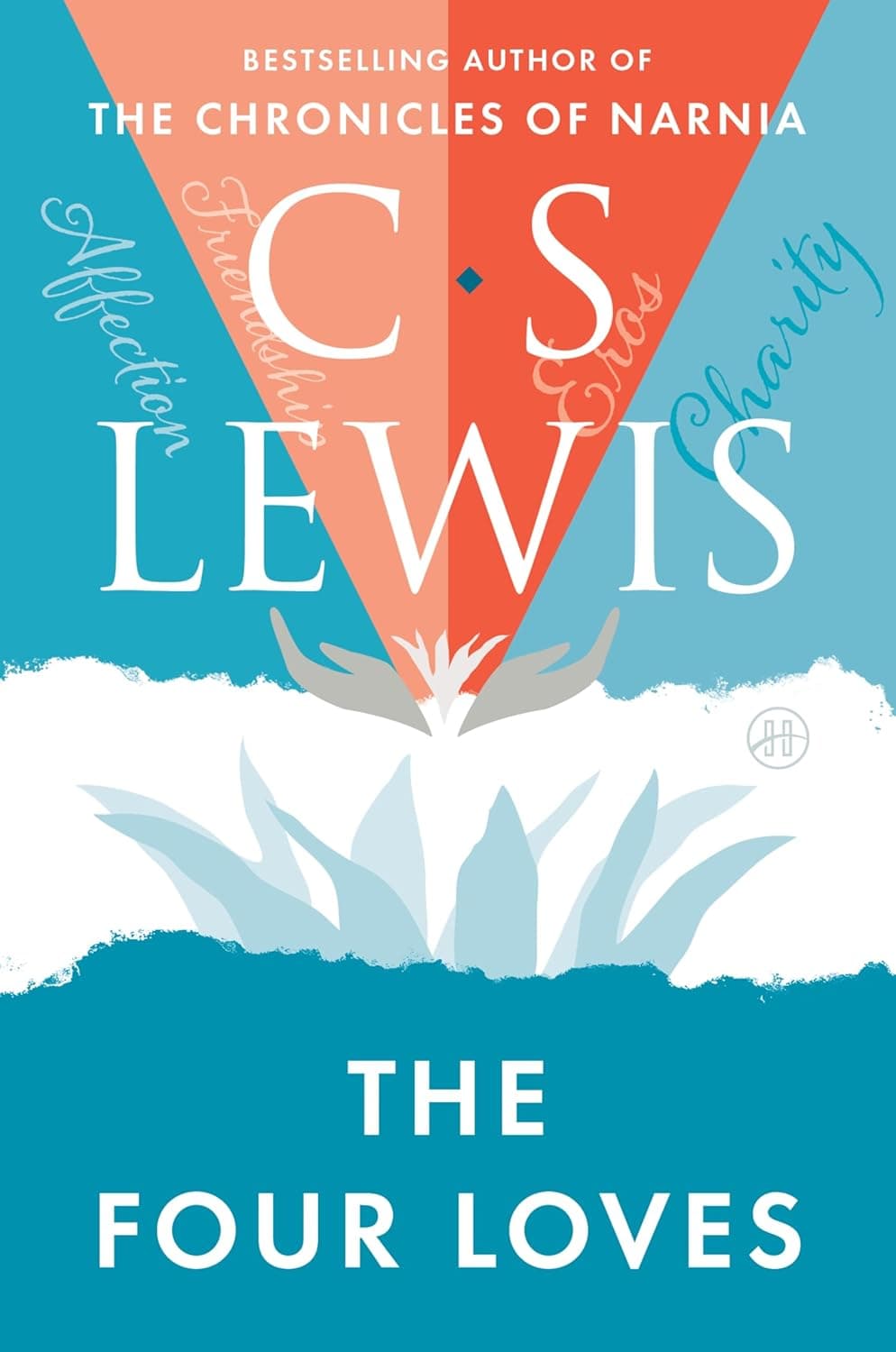
To love at all is to be vulnerable, Lewis writes, then sorts the risk into affection, friendship, eros and charity. Each natural love turns demonic the moment it is made into a god.

Johannes engineers every meeting and letter to make Cordelia love him, and wants nothing once she does. Kierkegaard hands you the notebook of a man who turned another person into an experiment.

Shen Congwen's river country: an old ferryman and his granddaughter work a crossing in west Hunan while two brothers from the richest family court her, one singing across the water at night.
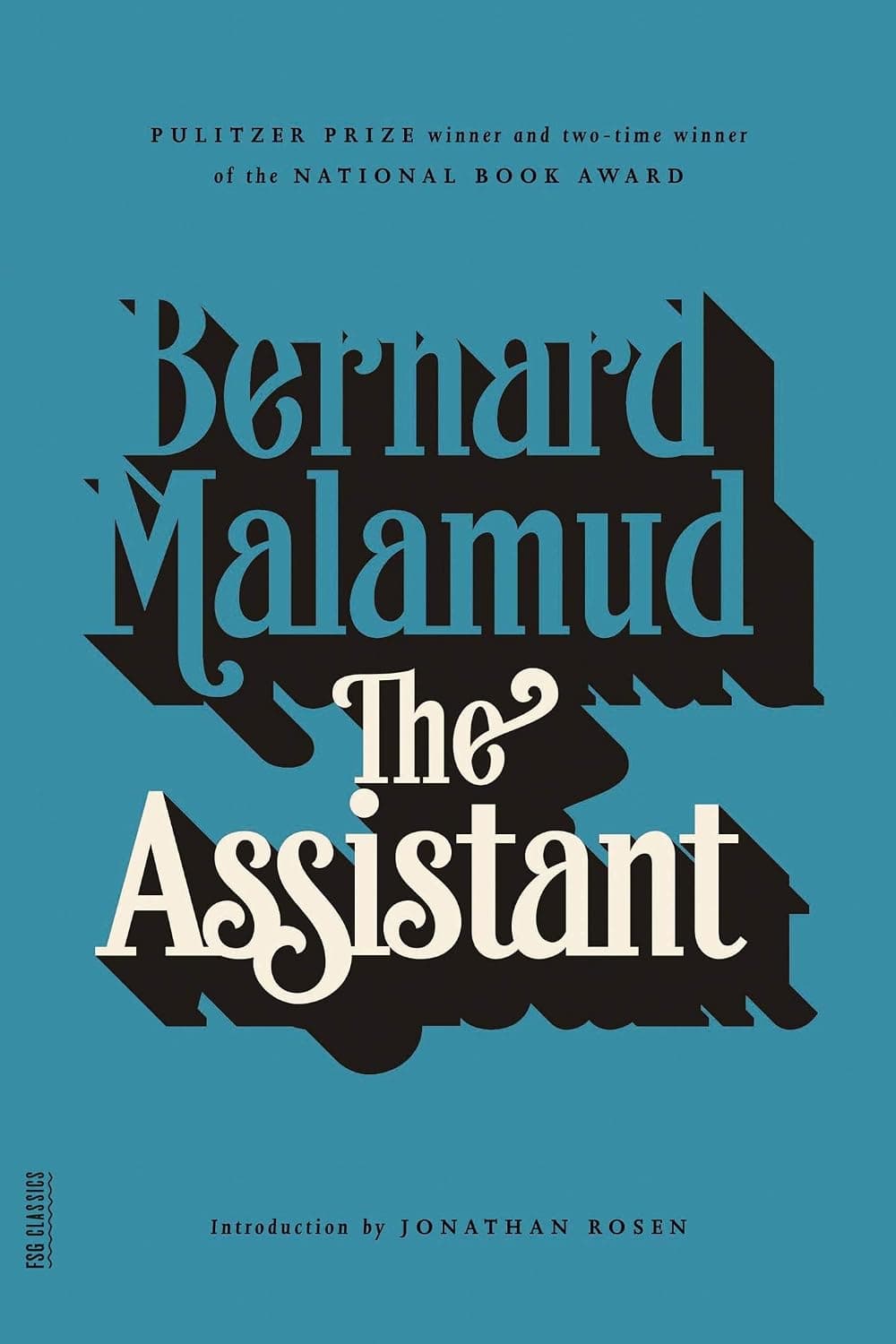
In a failing Brooklyn grocery, the drifter who helped rob the place returns to work for the Jewish owner without pay. Malamud turned that store into the moral center of Jewish American fiction.

Korea's supreme classical novel banishes a young monk, undone by eight fairies on a bridge, into a life of examinations, armies and love, granted in full so it can be seen through.

At a tea ceremony in postwar Japan, a young man is steered toward a bride and finds his dead father's mistresses waiting. Kawabata routes the affair entirely through inherited tea bowls.

Félicité serves one Norman household for half a century, loses everyone she loves, and fastens her faith to a stuffed parrot. Flaubert grants her a dignity the world never did.

Numbered citizens live in glass apartments under a Table of Hours, and the engineer D-503 records his own unraveling. Banned in Russia until 1988, it gave Orwell his model for Nineteen Eighty-Four.

Pechorin seduces, duels, and wrecks lives across the Caucasus, then records in his diary exactly why he does it. Russian fiction took its habit of merciless self-analysis from this bored young officer.

Helen Graham bolts her bedroom door against a drunk husband, takes her son, and lives by selling paintings. Victorian reviewers called it coarse and unfit to put in a girl's hands.