
The Taste of Country Cooking
1976 · 310 pages
Freetown, Virginia was founded by freed slaves, including Edna Lewis's grandfather, and her cookbook is that community's year: what the farm gave in each season and the meal it made.
★ 4.7
 skopia
Freetown, Virginia was founded by freed slaves, including Edna Lewis's grandfather, and her cookbook is that community's year: what the farm gave in each season and the meal it made.

Buying a house in the hill village of Bellapais, Durrell watched Cyprus slide from Mediterranean idyll into insurgency, and ended up speaking for the British government as his Greek friends turned against him.
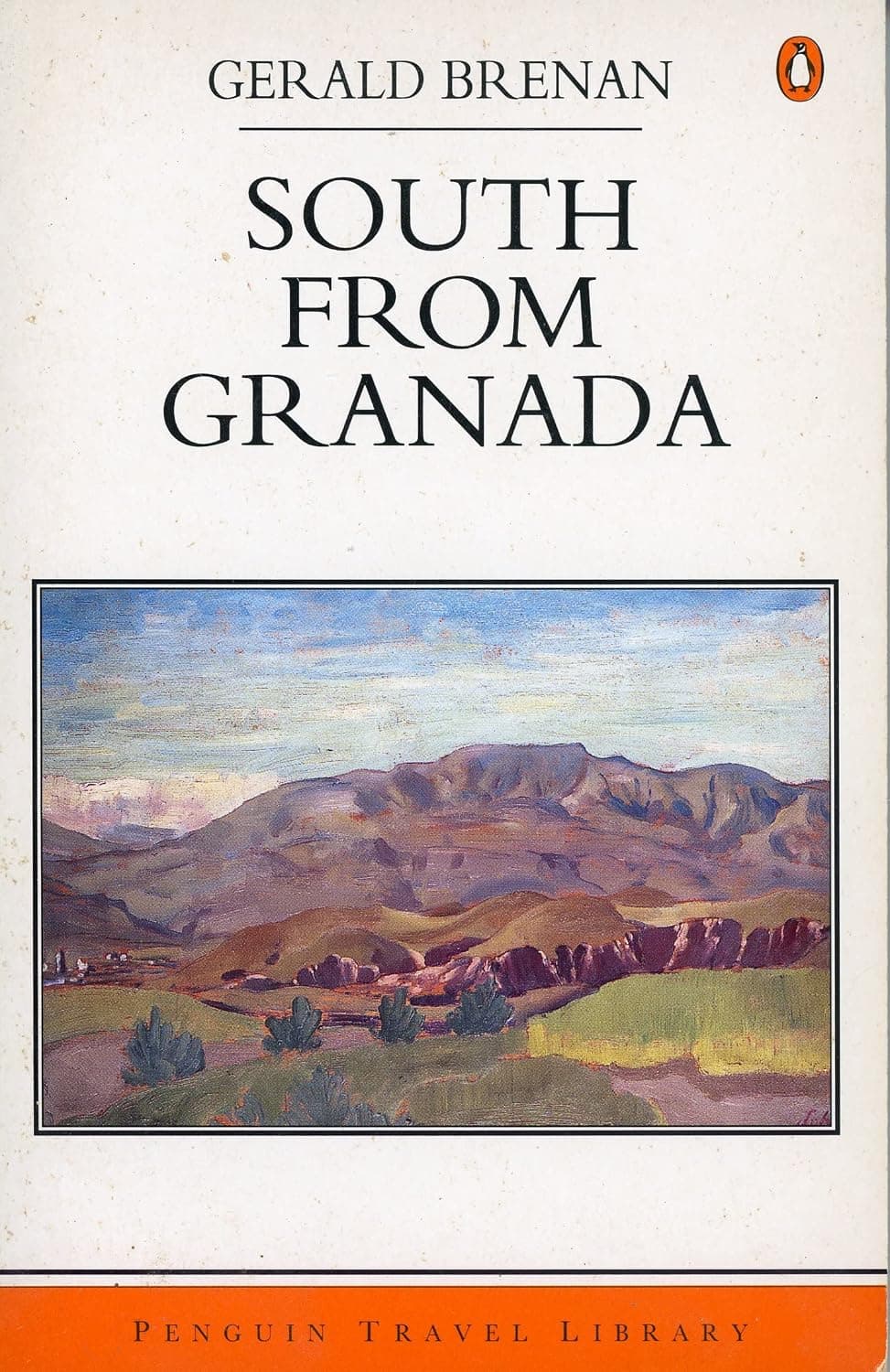
In 1920 an Englishman settled in the mountains south of Granada, in a village called Yegen. Brenan sets down its customs, its poverty and its gossip, an Andalusia the Civil War would erase.
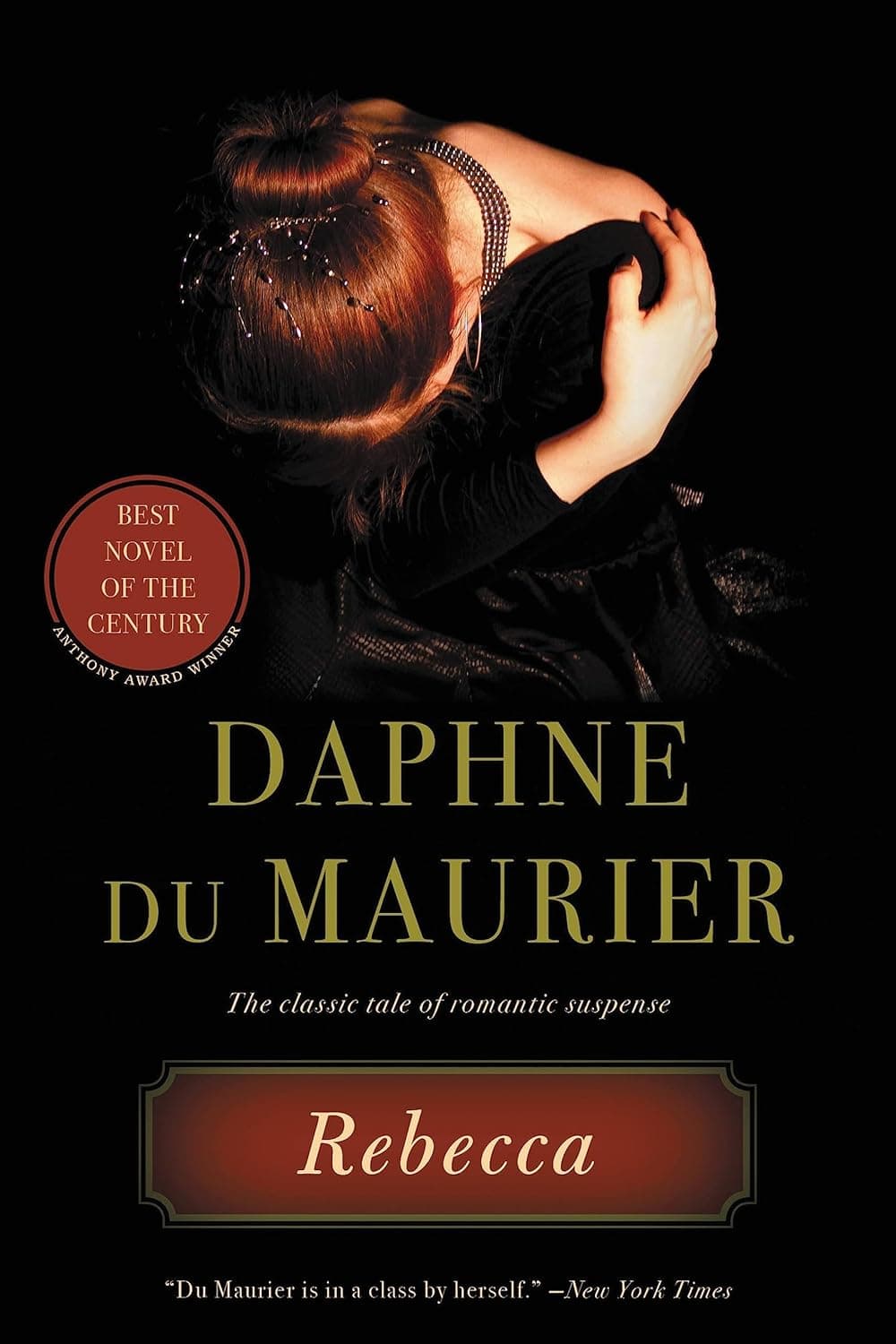
The second Mrs. de Winter is never given a name, which is the point. She marries a widower, arrives at his Cornish estate, Manderley, and finds the drowned first wife occupying every room.
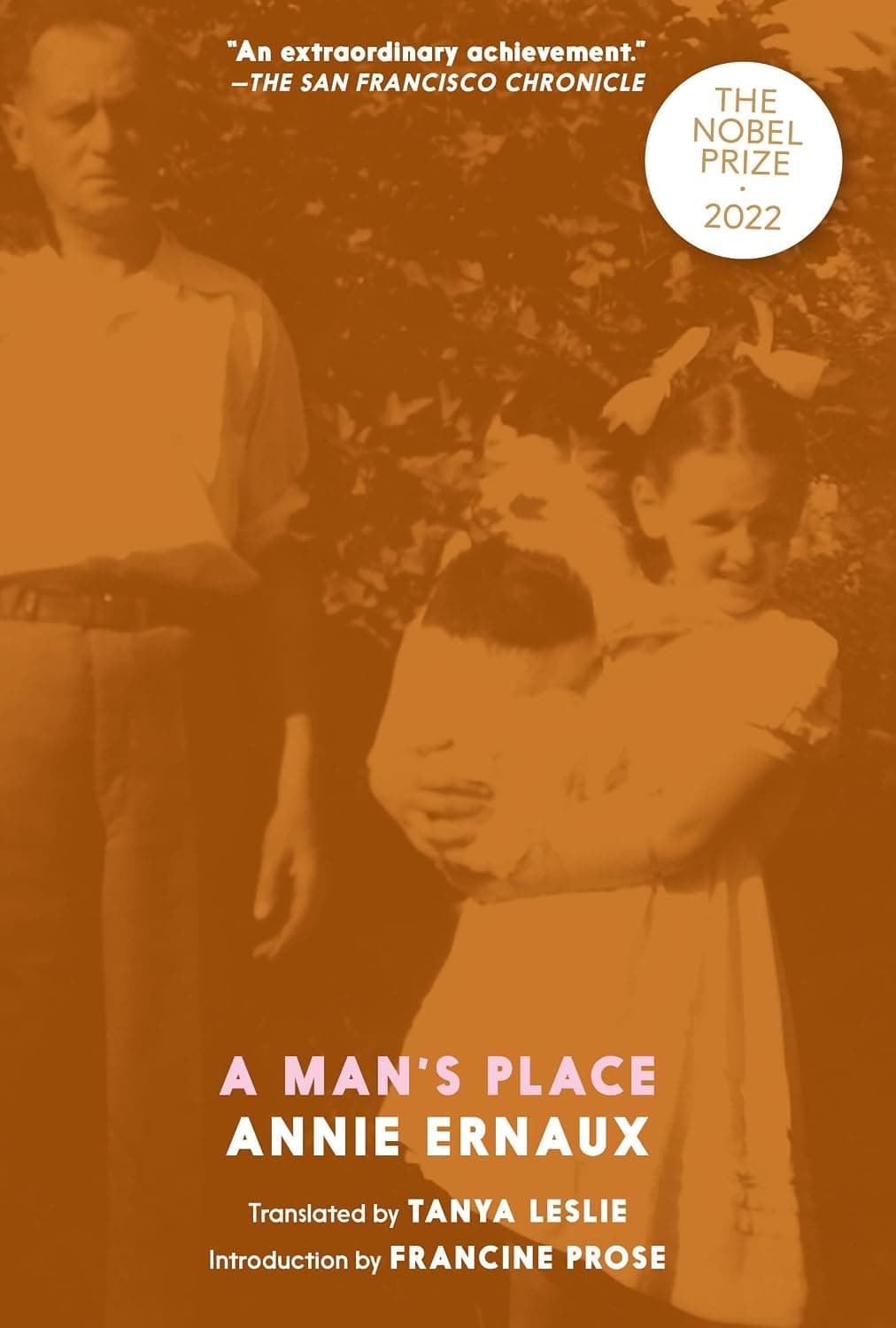
Ernaux's father ran a café and grocery in Normandy, terrified all his life of using the wrong word. Educated out of his class, she writes him in flat sentences that never condescend.

Rezzori rebuilds vanished Czernowitz, the eastern edge of the Habsburg world, through the five people who filled his childhood. His father hunts, his mother panics, and his nursemaid teaches him about death.

Forty years of poems that begin with an ordinary question and end somewhere you never agreed to go. In "Cat in an Empty Apartment," a cat waits for the owner who has died.
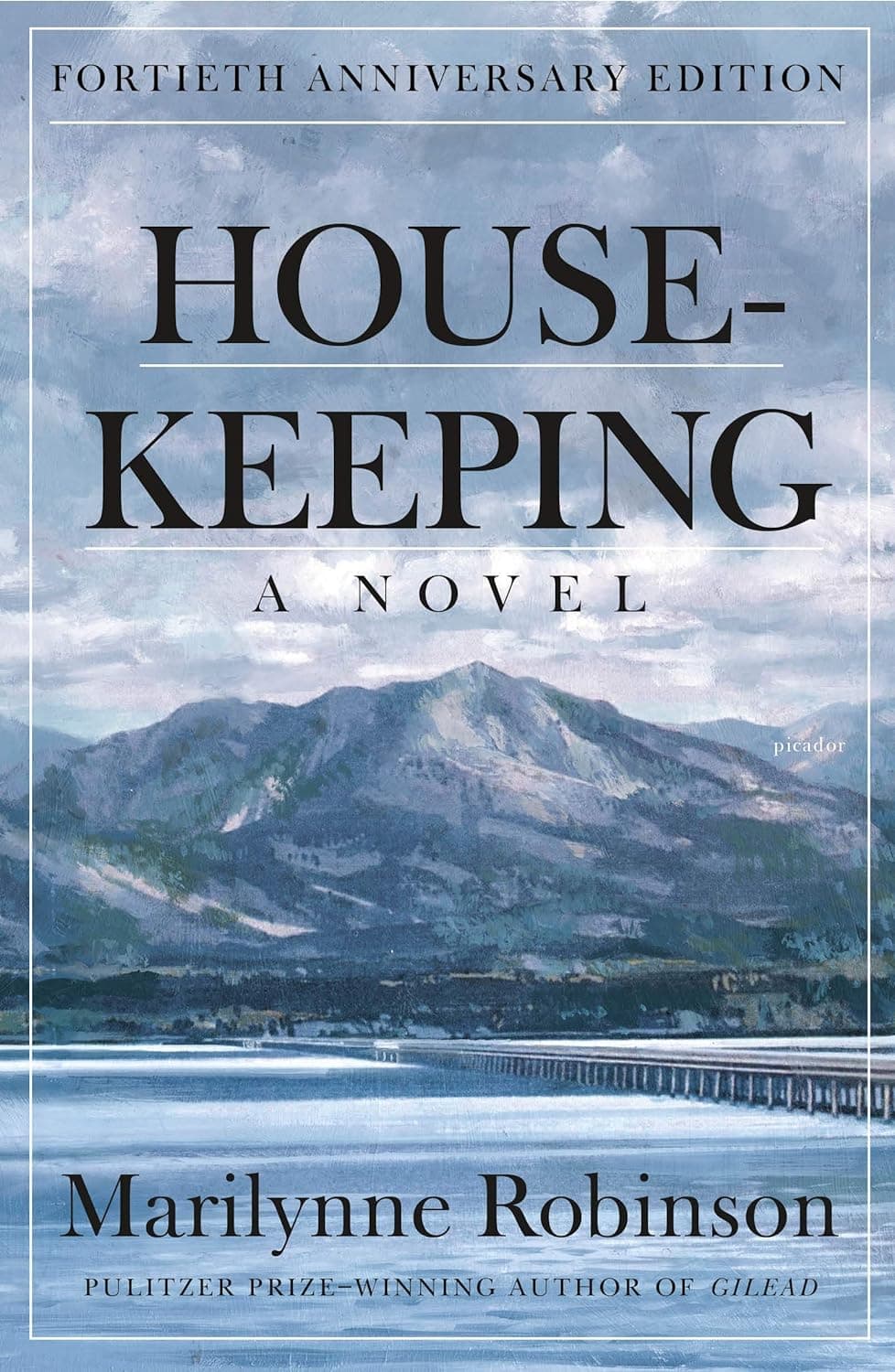
Two sisters in an Idaho lake town are raised by a drifter aunt who leaves the doors open and lets leaves blow through the house. Robinson makes transience a form of faith.

In a decaying Old Delhi house, two sisters reopen everything the family did to each other in 1947, the year of Partition. Desai makes still summer afternoons unbearable.
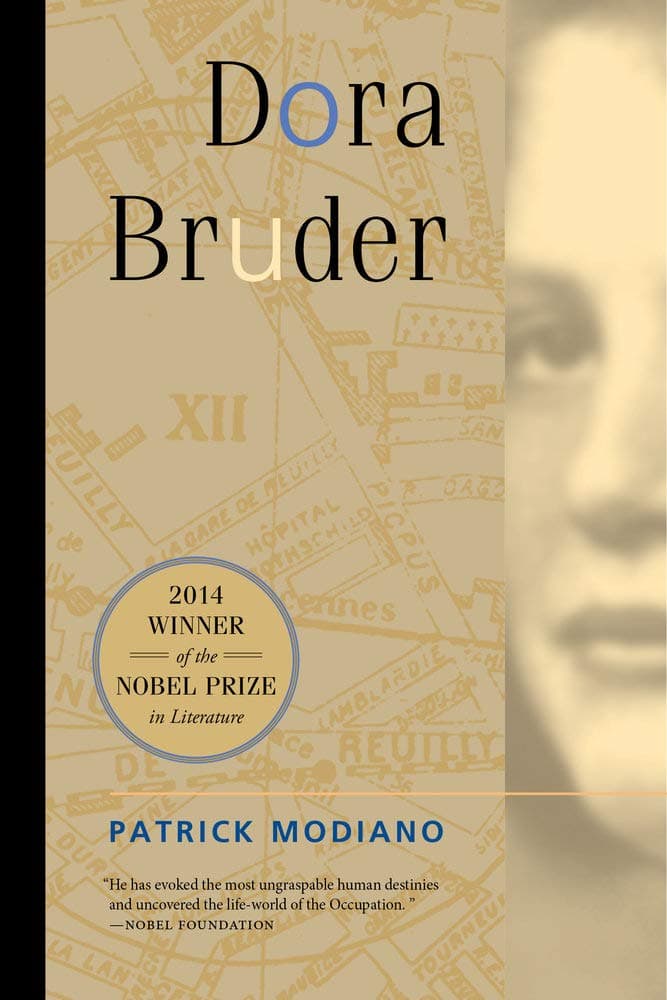
A missing-person notice from December 1941 sends Modiano into Paris archives after Dora Bruder, a Jewish fifteen-year-old who fled her convent school. He recovers her addresses and the date she was deported.

A woman returns from her honeymoon, goes to the bathroom, and shoots herself while the family eats lunch. Marías gives the story to her nephew, an interpreter afraid to know.

Two officers who trained together meet for dinner after forty-one years. The general has questions about a morning hunt and his dead wife, and the candles burn down while he circles them.
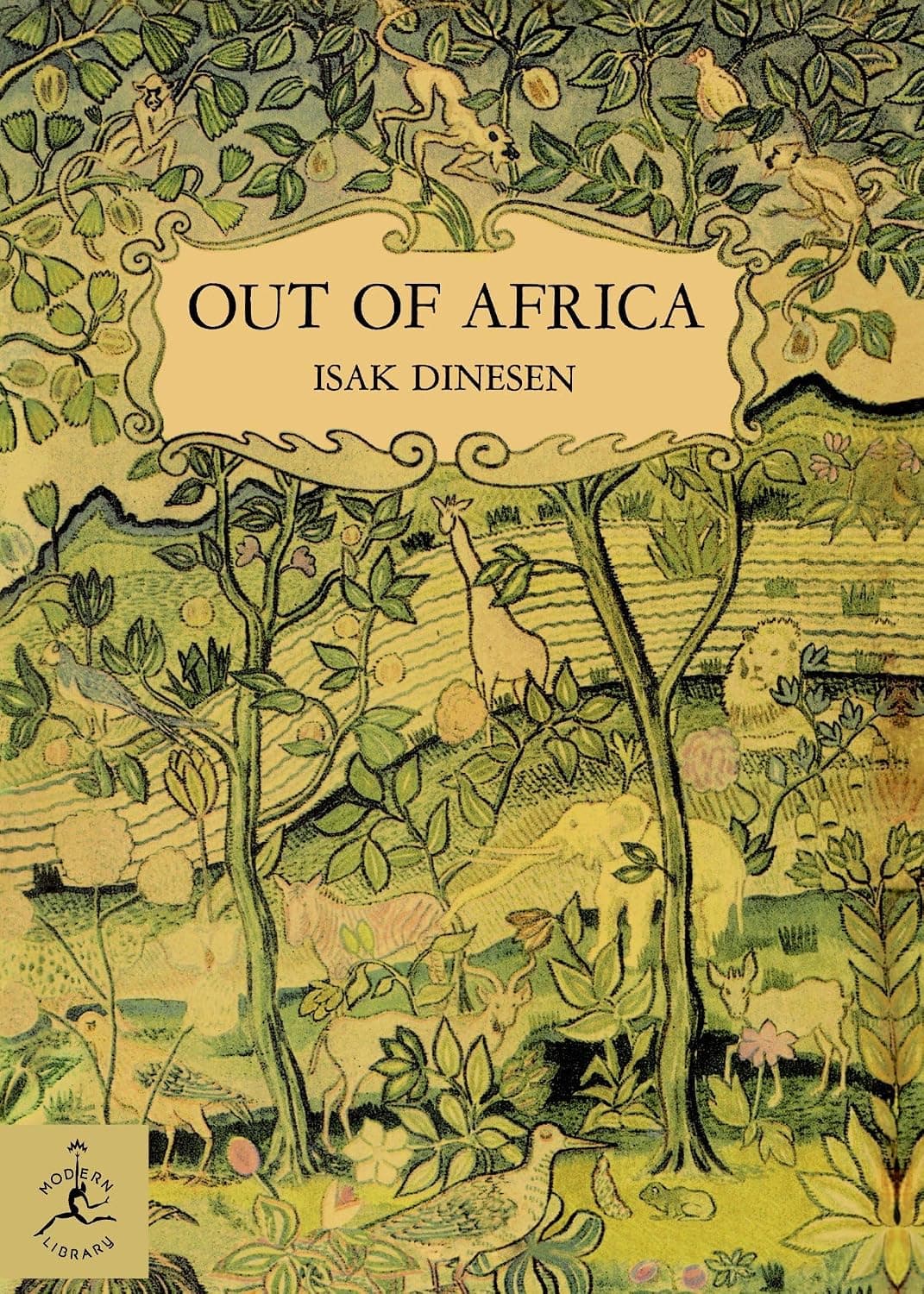
"I had a farm in Africa," Dinesen begins. Seventeen years below the Ngong Hills end in ruined coffee and a forced sale, and she tells it in prose that never asks for sympathy.

Shot by a Gestapo officer in 1942, Schulz left stories that turn a Galician backwater into a world where his father breeds birds in the attic and the calendar grows a thirteenth month.

Bachelard reads the house as our first universe: the cellar holds our fears, the attic our reveries, and drawers, shells, and corners hold the rest. Architects have designed by it since the 1960s.

A maid hid 264 Japanese carvings in her mattress while the Nazis stripped the Vienna palace of the Ephrussi bankers. De Waal, their descendant, follows the objects through his family's rise and ruin.

Sebald walks the Suffolk coast, and each mile opens onto herring fleets, the wandering skull of the physician Thomas Browne, a town swallowed by the sea. Essayists have spent thirty years imitating this.
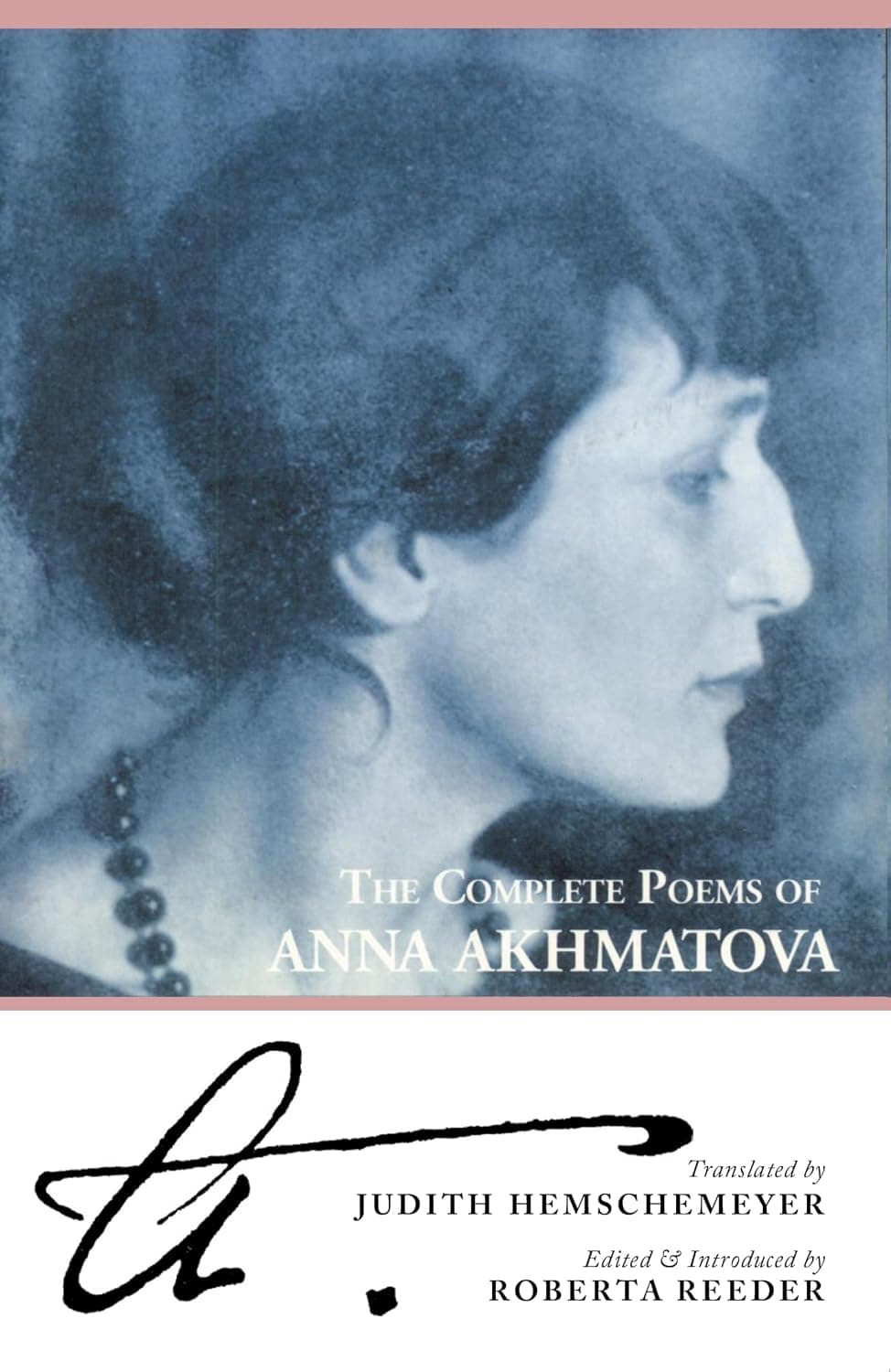
Waiting outside a Leningrad prison with a parcel for her son, Akhmatova was asked whether she could describe this. Requiem was the answer. Her love lyrics have the same merciless exactness.

Osip Mandelstam wrote sixteen lines mocking Stalin and died in a camp for them. His widow Nadezhda memorized the poems to keep them alive, then set down exactly how the fear worked.

At eighteen in 1933 Fermor set off on foot from Holland for Constantinople, sleeping in barns one night and in castles the next, and caught central Europe in its last clear light.
Jim Burden arrives orphaned in Nebraska and finds Antonia Shimerda, an immigrant girl whose family is barely surviving the winter. Cather writes the prairie so well the book reads like your own childhood.
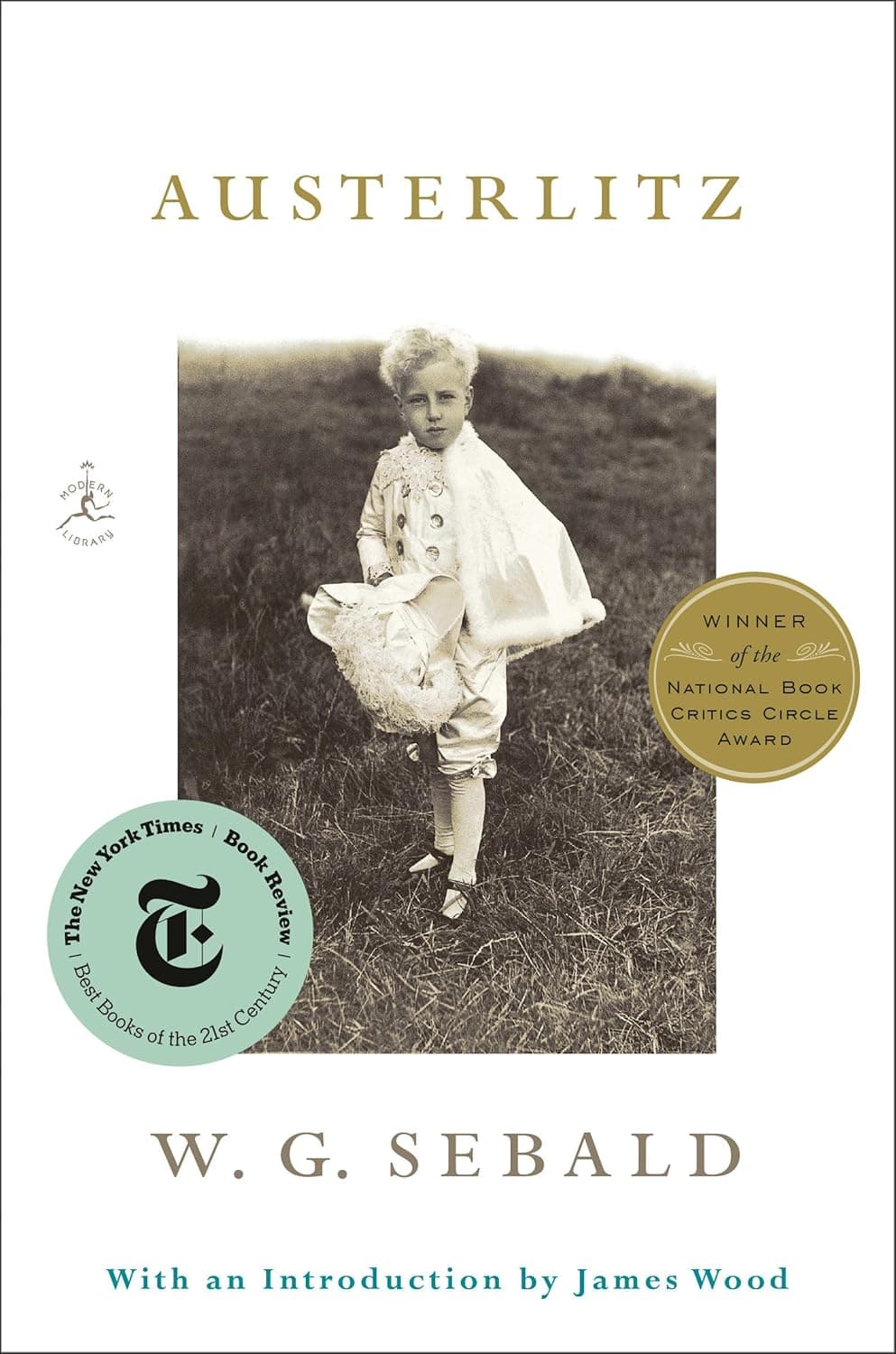
A stranger in an Antwerp waiting room talks about architecture, and over years of meetings tells how he was sent out of Prague on a train in 1939. The grief is never named.
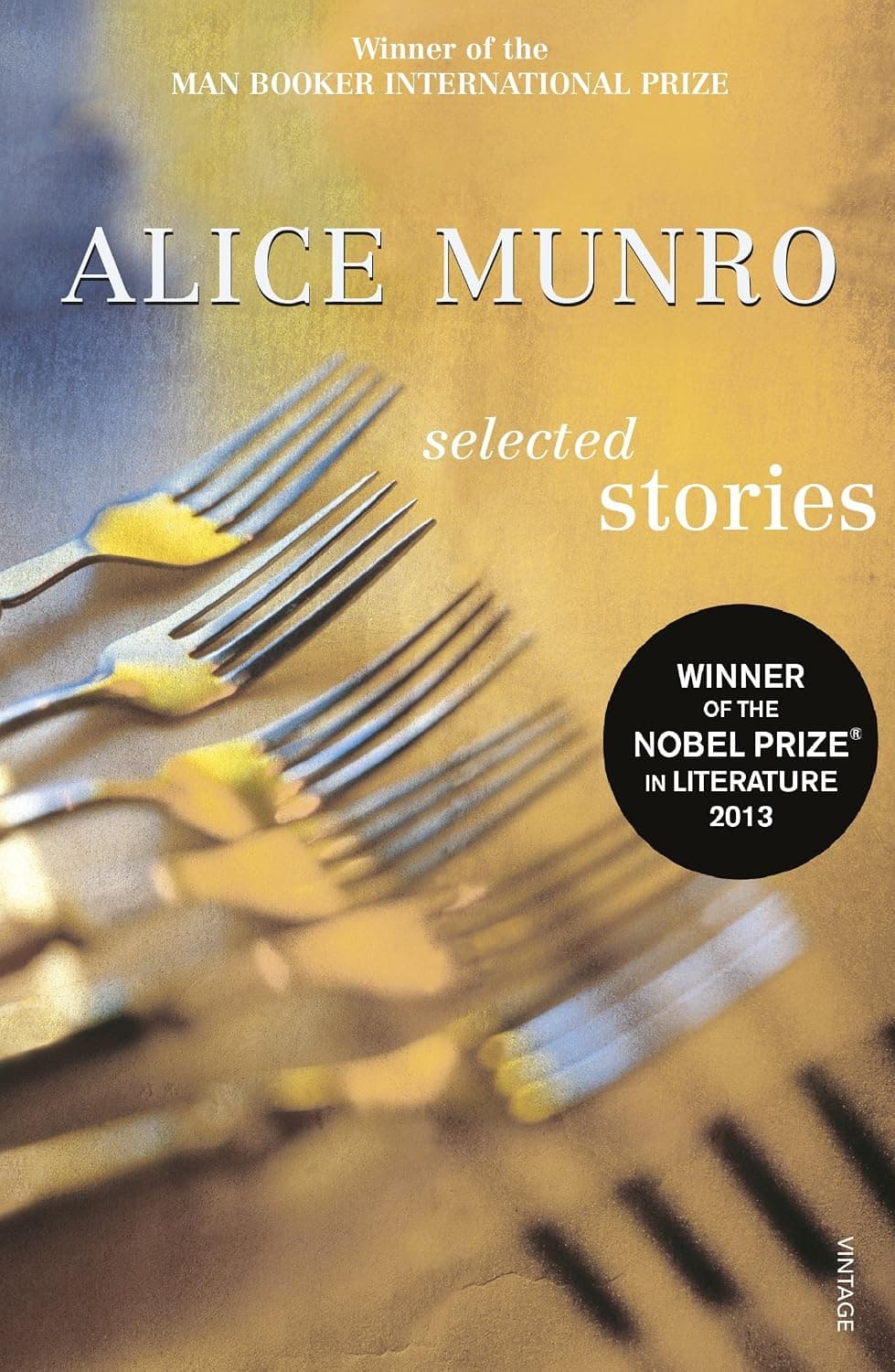
Munro set her stories in Ontario towns where a woman's life can turn on something said at a kitchen table. She fits more into forty pages than most novelists get into a novel.

Bishop looks at a fish, a filling station, a moose in the road, and never tells you what to feel. In "One Art" she calls losing things an art you can master.

The most complete account of memory ever written. A man tastes a madeleine, and three thousand pages of remembered love, jealousy, and vanished aristocrats change permanently how you look at your own past.