The Beautiful Things That Heaven Bears
Soldiers killed Sepha Stephanos's father in Ethiopia, and seventeen years on he keeps a failing store in a Washington neighborhood gentrifying around him. With two African friends he plays at naming dictators.

Soldiers killed Sepha Stephanos's father in Ethiopia, and seventeen years on he keeps a failing store in a Washington neighborhood gentrifying around him. With two African friends he plays at naming dictators.

Sent to a Cascade logging town to live with a violent stepfather, a boy who calls himself Jack lies and steals his way toward escape. Wolff renders his adolescence with merciless clarity.

Cal Stephanides was born a girl in Detroit and became a boy at fourteen, and traces the gene responsible back through Asia Minor to grandparents who were brother and sister.

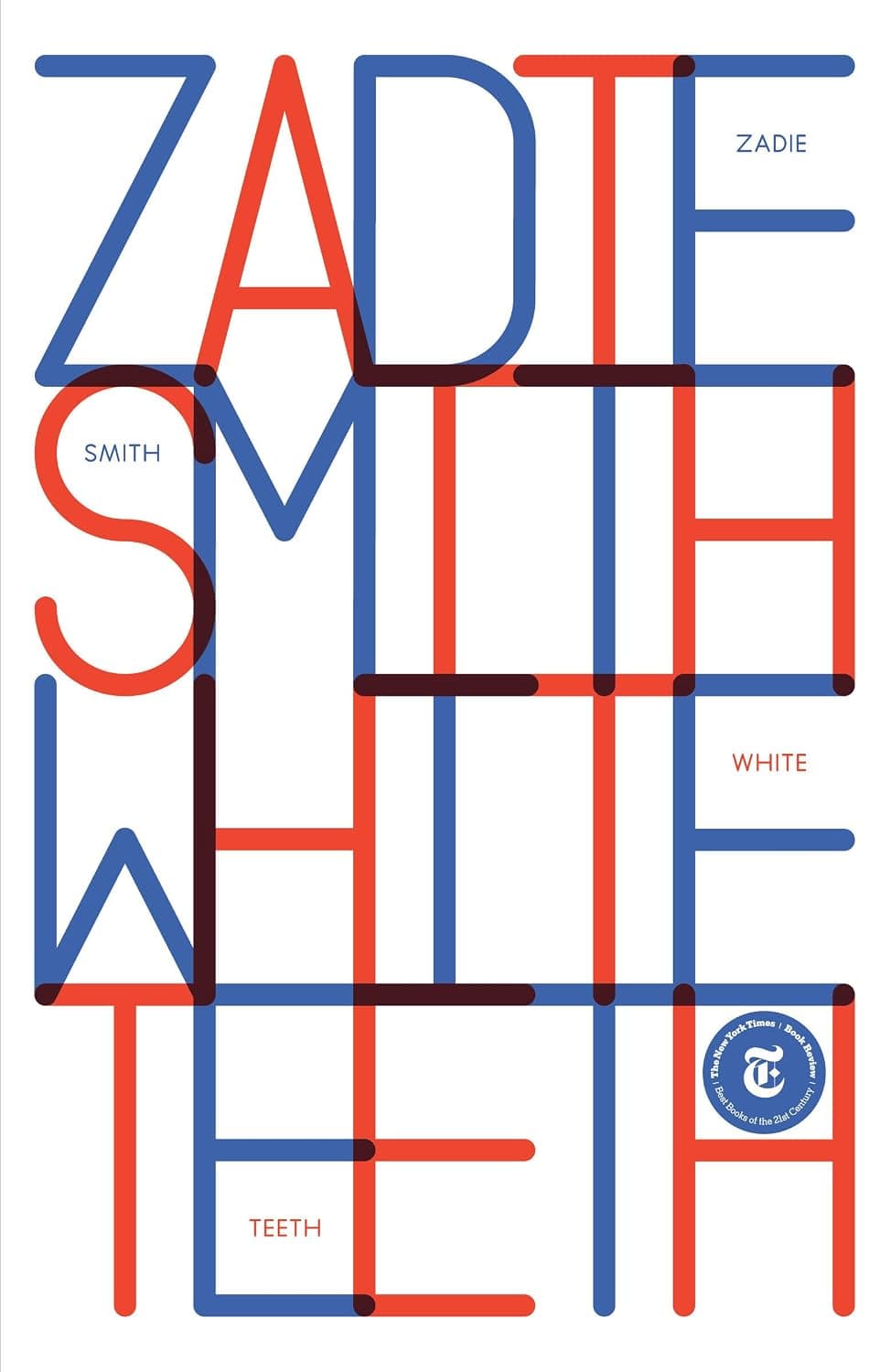
Archie Jones and Samad Iqbal met in a tank in 1945 and are still arguing in North London, while their children reject every inheritance on offer. Smith made multicultural Britain a comic epic.

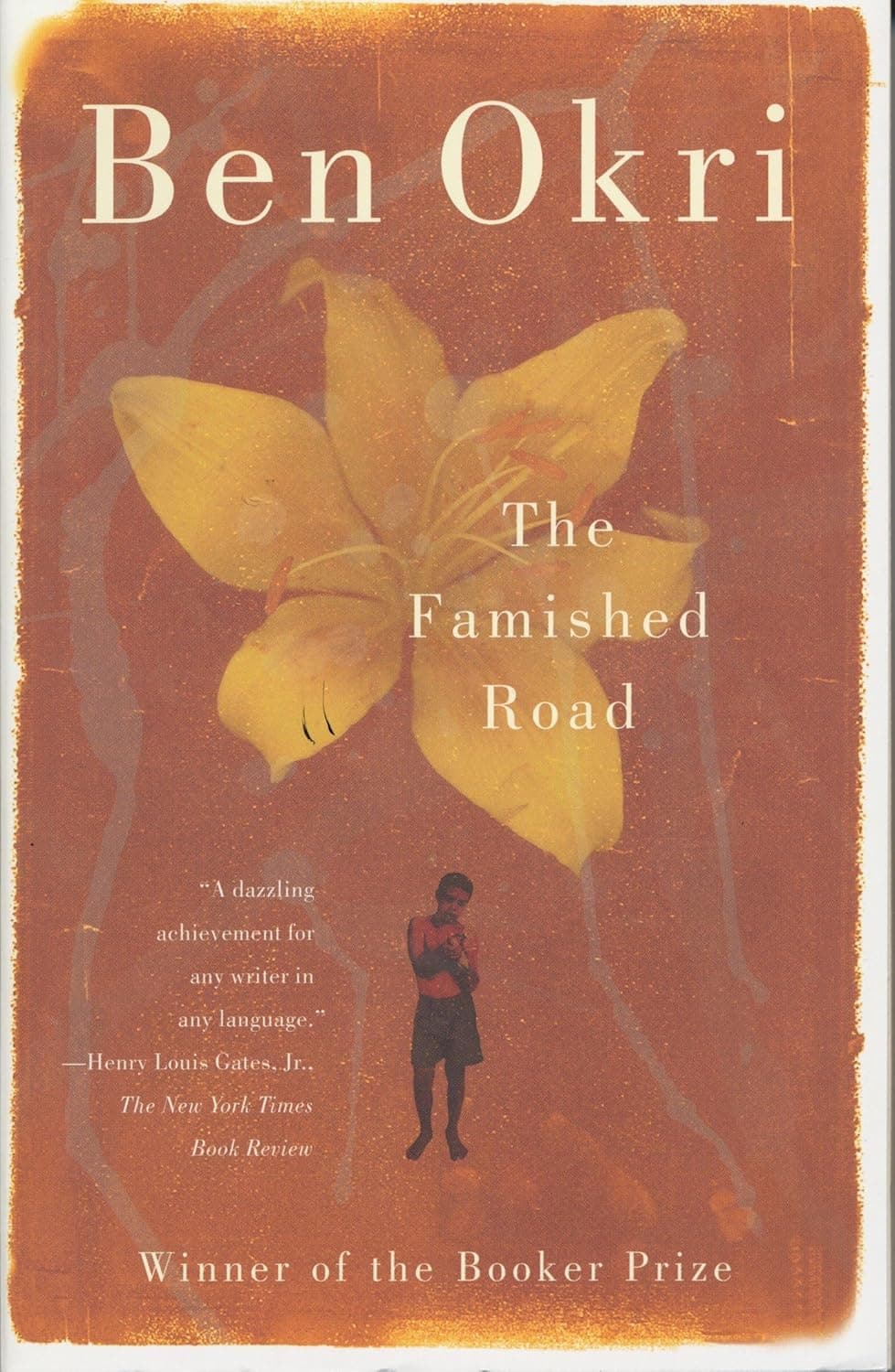
Azaro is an abiku, a spirit child who keeps refusing to die, and Okri sets him loose in a Nigerian slum where ghosts crowd the bar and political thugs hand out poisoned milk.

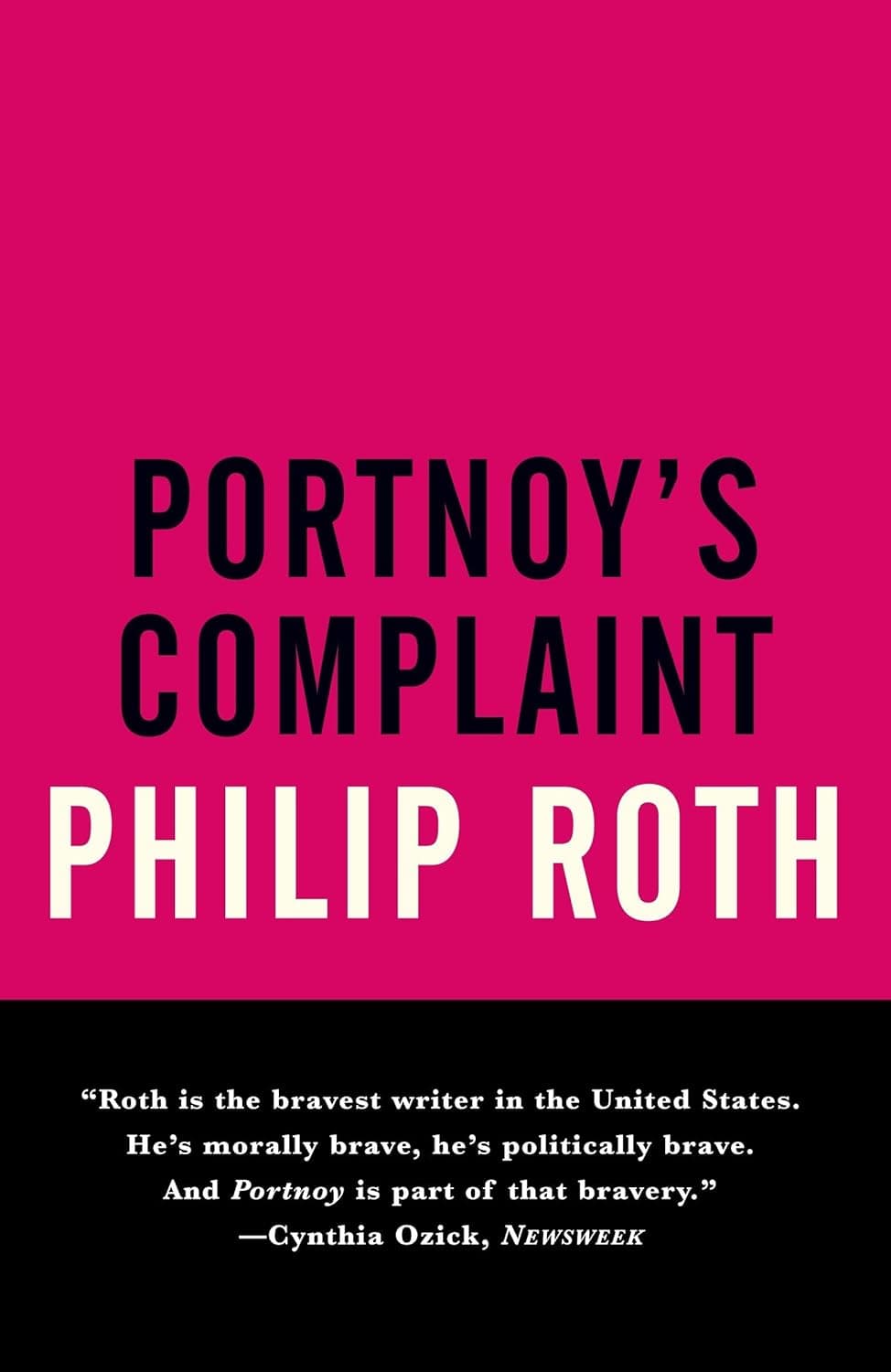
Alexander Portnoy lies on his analyst's couch and confesses everything: a Jewish son's rage at his mother and an appetite he cannot govern. Four hundred thousand copies sold in the first year.

Kingston's aunt drowned herself in the family well, and no one may say her name. Out of that silence and the legend of a woman warrior, Kingston remade what American memoir could do.

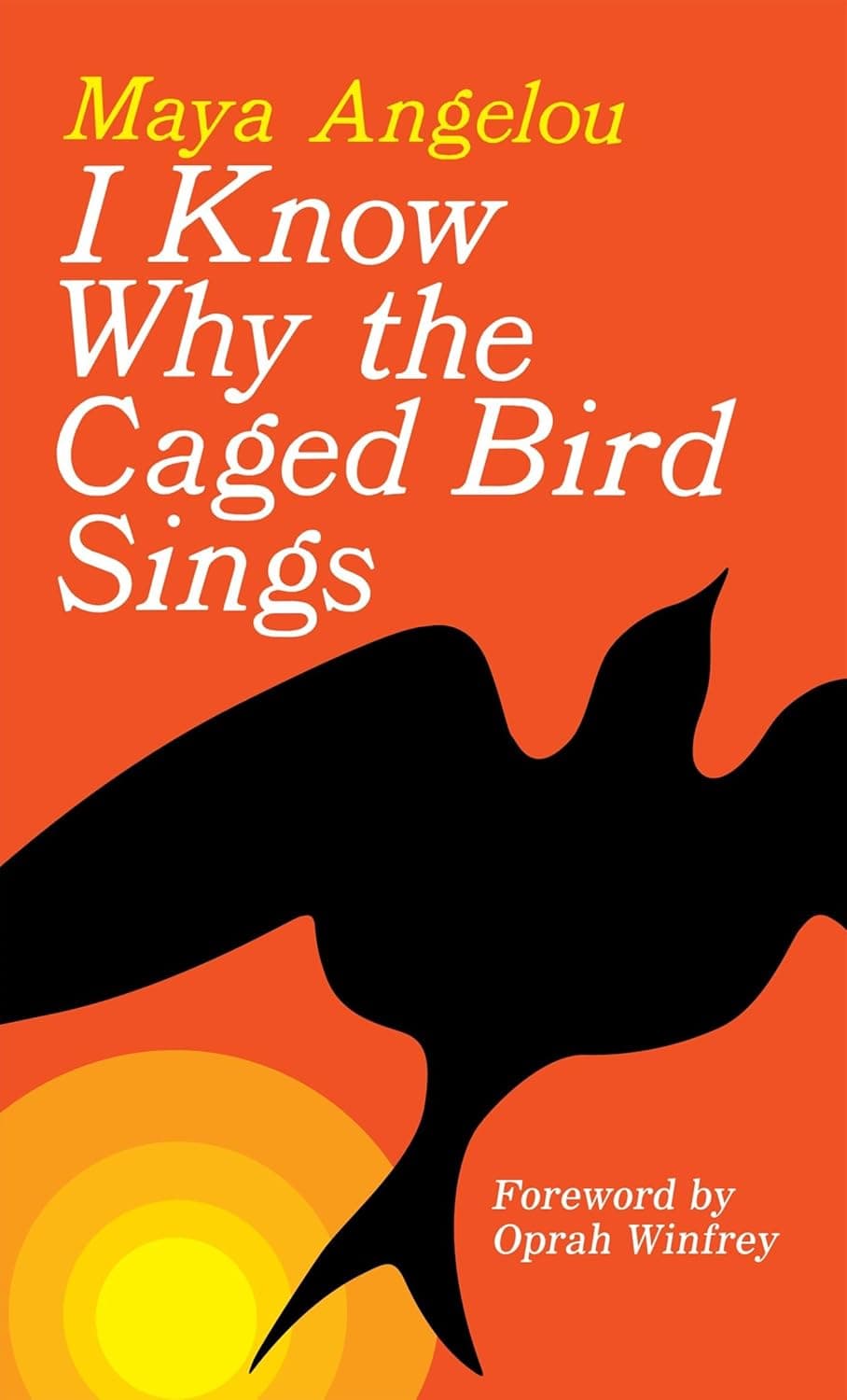
Angelou grows up in Stamps, Arkansas, under Jim Crow and behind her grandmother's store counter. Raped at eight by her mother's boyfriend, she stops speaking for five years and reads her way back.

Esther Greenwood wins a month at a New York fashion magazine and comes home unable to want anything. Plath writes breakdown from the inside, down to the fig tree of futures rotting unchosen.

Sent to Italy to fetch a shipping magnate's son, Tom Ripley falls for the life instead, murders his friend, and wears his name. Highsmith makes you want him to get away with it.

Gornick walks Manhattan with her widowed mother, arguing the argument they have had since the Bronx tenement of her girlhood. Writing programs teach it as how a memoir is built.

Mustafa Sa'eed sailed north to London and left ruined Englishwomen behind him, an African answer to Conrad's Heart of Darkness. Arab writers voted it the century's most important novel in Arabic.

Two minor courtiers from Hamlet wait in the wings of a play they cannot follow, flipping a coin that lands heads ninety two times running. Stoppard wrings comedy and dread from their helplessness.

Mexicans wear masks, Paz argues, because the Conquest left them sons of a violated mother, heirs to two pasts they refuse to join. Mexico has quarreled with these essays for seventy years.

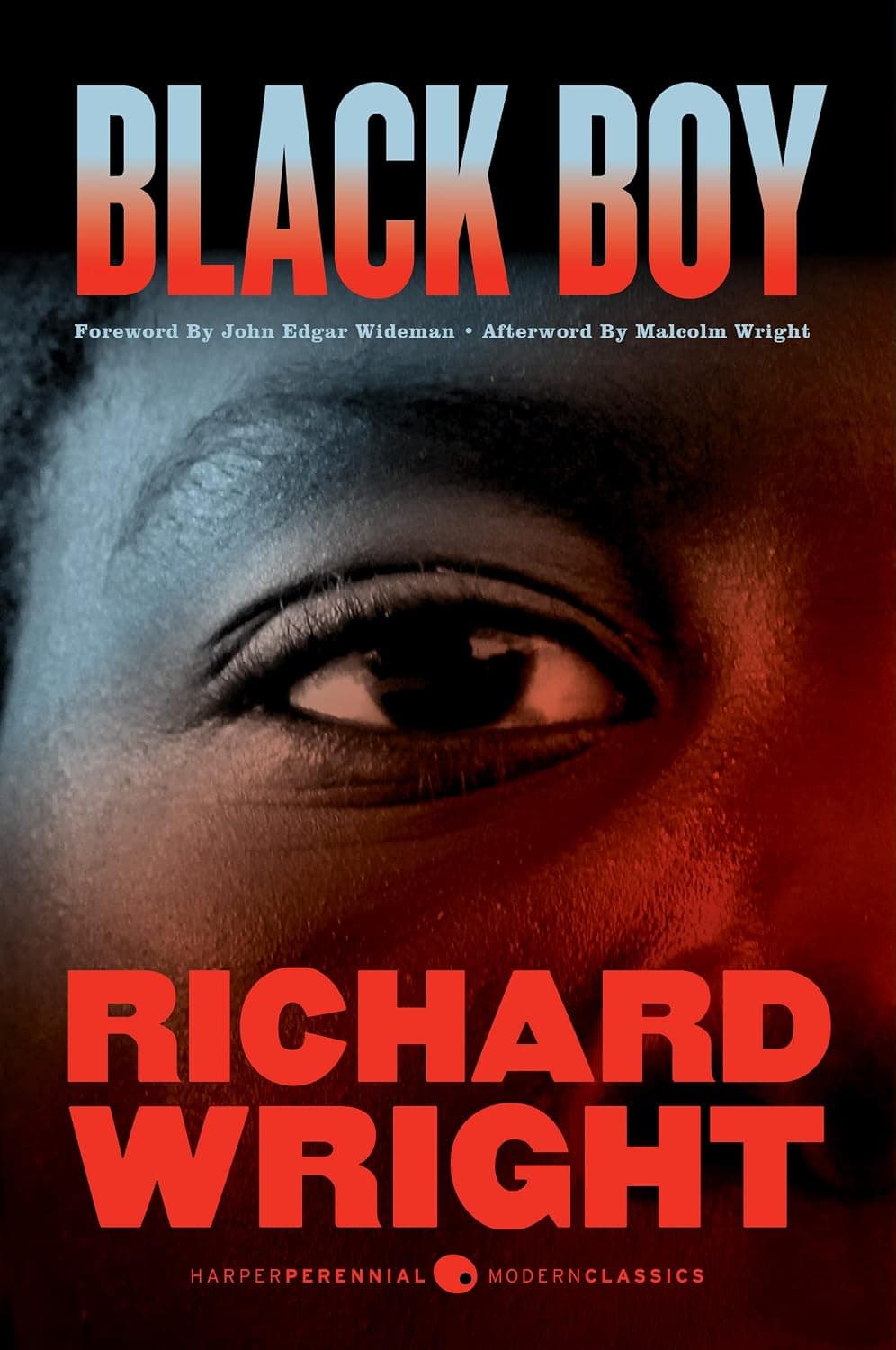
Hunger runs through Wright's Southern boyhood: for food, for books, which he gets by forging notes on a white man's library card. He sets down Jim Crow's cruelty without a word of self-pity.

Sebald walks the Suffolk coast, and each mile opens onto herring fleets, the wandering skull of the physician Thomas Browne, a town swallowed by the sea. Essayists have spent thirty years imitating this.

Le Guin removed gender from a civilization and followed every consequence. Her envoy lands on an ice planet where nobody has a fixed sex and survives by crossing a glacier with one ally.

Holden Caulfield is thrown out of prep school and spends three days loose in New York, telling you about it. Salinger got the voice so exact that teenage fiction has echoed it since.

Hunting gold in the South, a rich man's bored son finds his family's history instead, hidden in a song children sing. Morrison turns it into myth: an African ancestor who flew home.

Thrown out of college, then used by a Harlem political movement, a nameless Black man ends up living in a cellar on stolen light. Ellison writes American rage with jazz timing.

Huck runs off down the Mississippi with Jim, who is escaping slavery, and the moment he decides he would rather go to hell than turn him in is the hinge of American fiction.