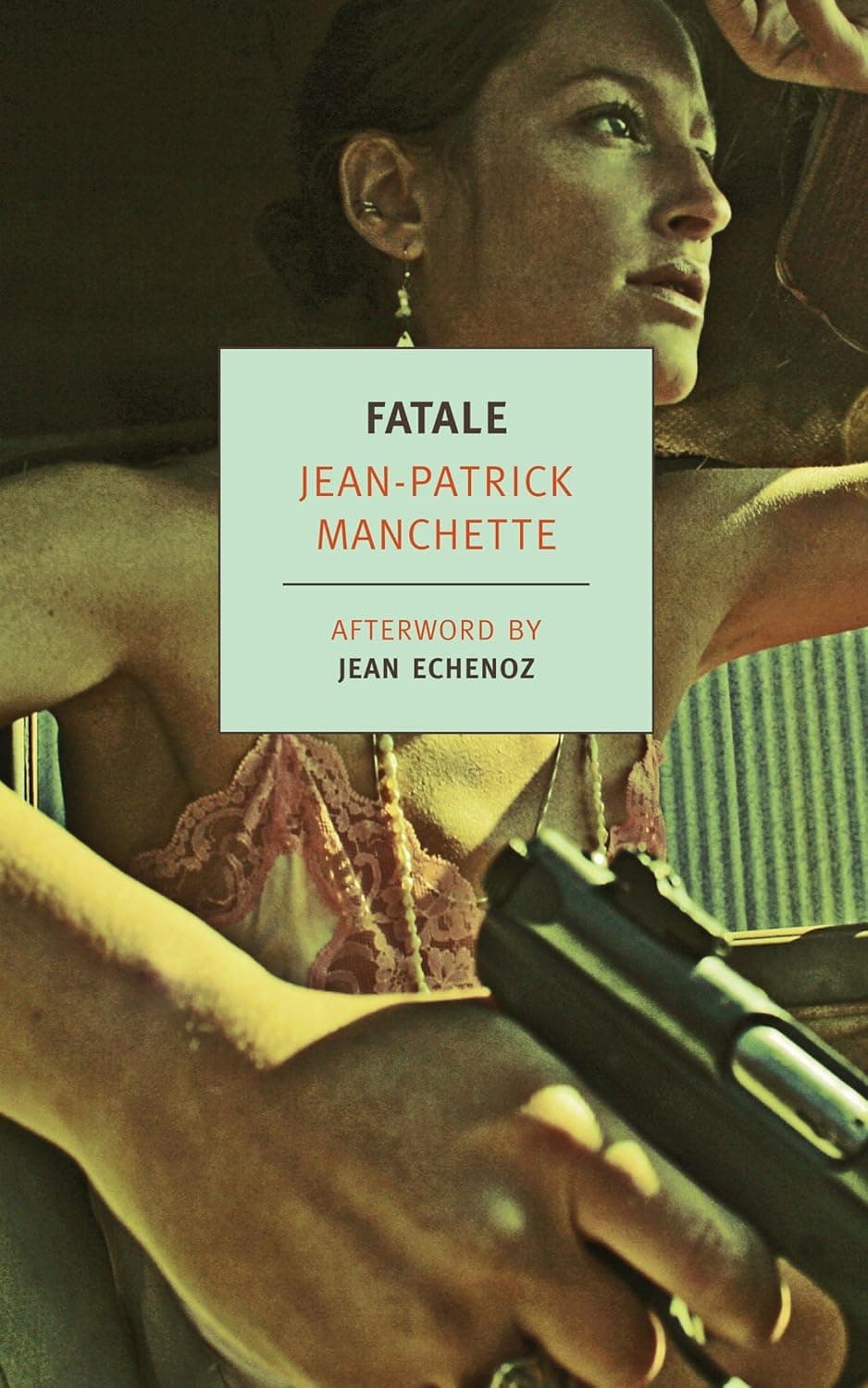
Fatale
1977 · 98 pages
Aimee Joubert kills for hire. She arrives in a smug French seaside town, learns everyone's secrets over dinner, and sets the notables to destroying each other. Manchette writes crime as class war.
★ 4.9
 skopia
Aimee Joubert kills for hire. She arrives in a smug French seaside town, learns everyone's secrets over dinner, and sets the notables to destroying each other. Manchette writes crime as class war.

A woman tends her comatose husband, a bullet in his neck, and tells him everything Afghanistan never let her say. In Persian legend the patience stone absorbs every confession until it shatters.

Antarctic explorers find a stone city older than mankind, its history painted on the walls. Lovecraft's real monster is deep time, and this novella is where his cosmic dread reaches full scale.

Lovecraft pitched horror at cosmic scale, where the terror is an indifferent universe rather than any monster. A sculptor's dreams and a Louisiana swamp cult lead to a sunken city.
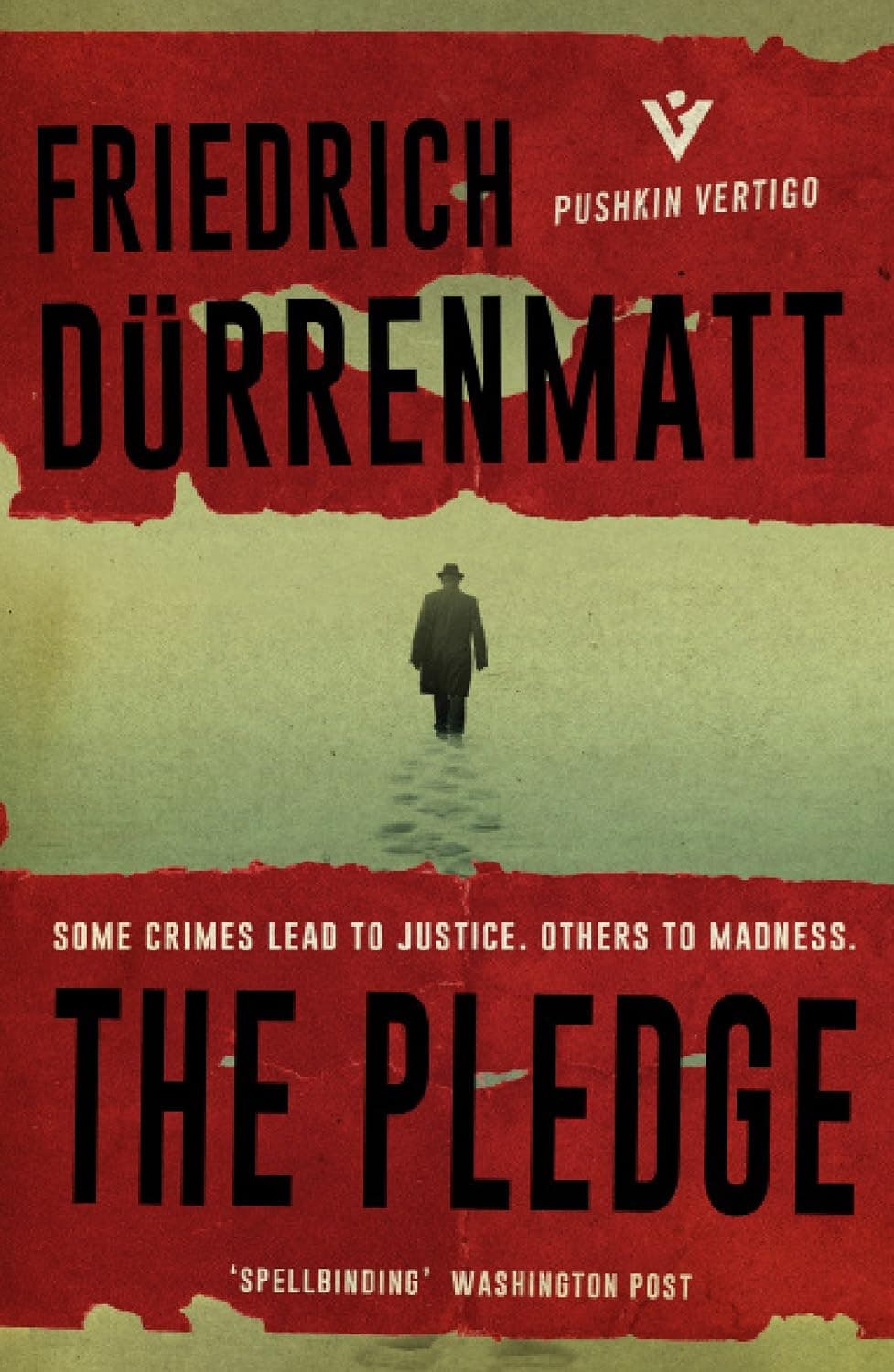
An inspector swears to a murdered girl's mother he will find her killer, then quits, buys a filling station, and waits with a child as bait. Durrenmatt wrote it against the detective genre.
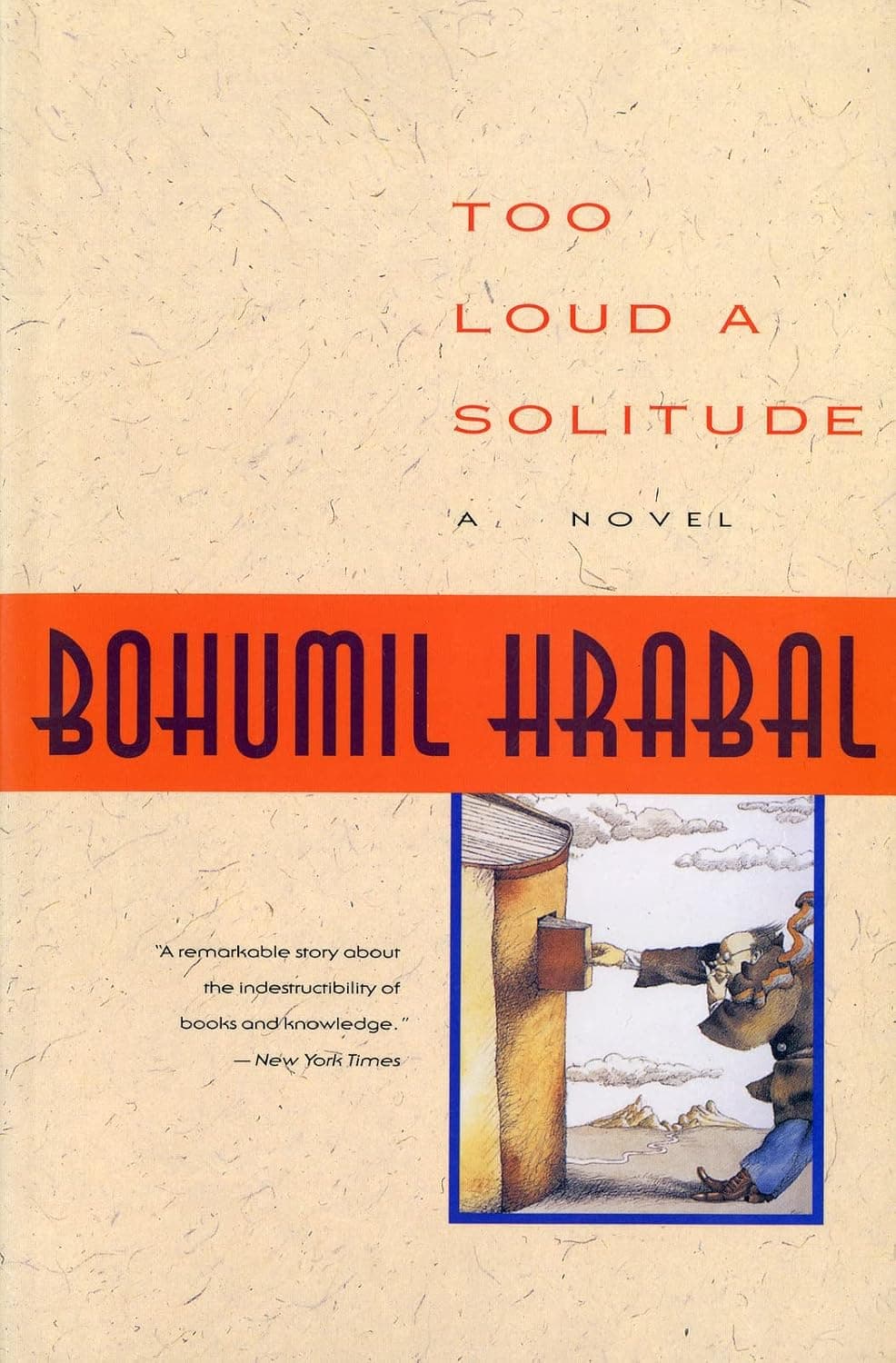
Thirty-five years in a Prague cellar, Haňťa crushes wastepaper and saves the banned books he is paid to destroy, wrapping each bale in an art print with a rescued volume inside.
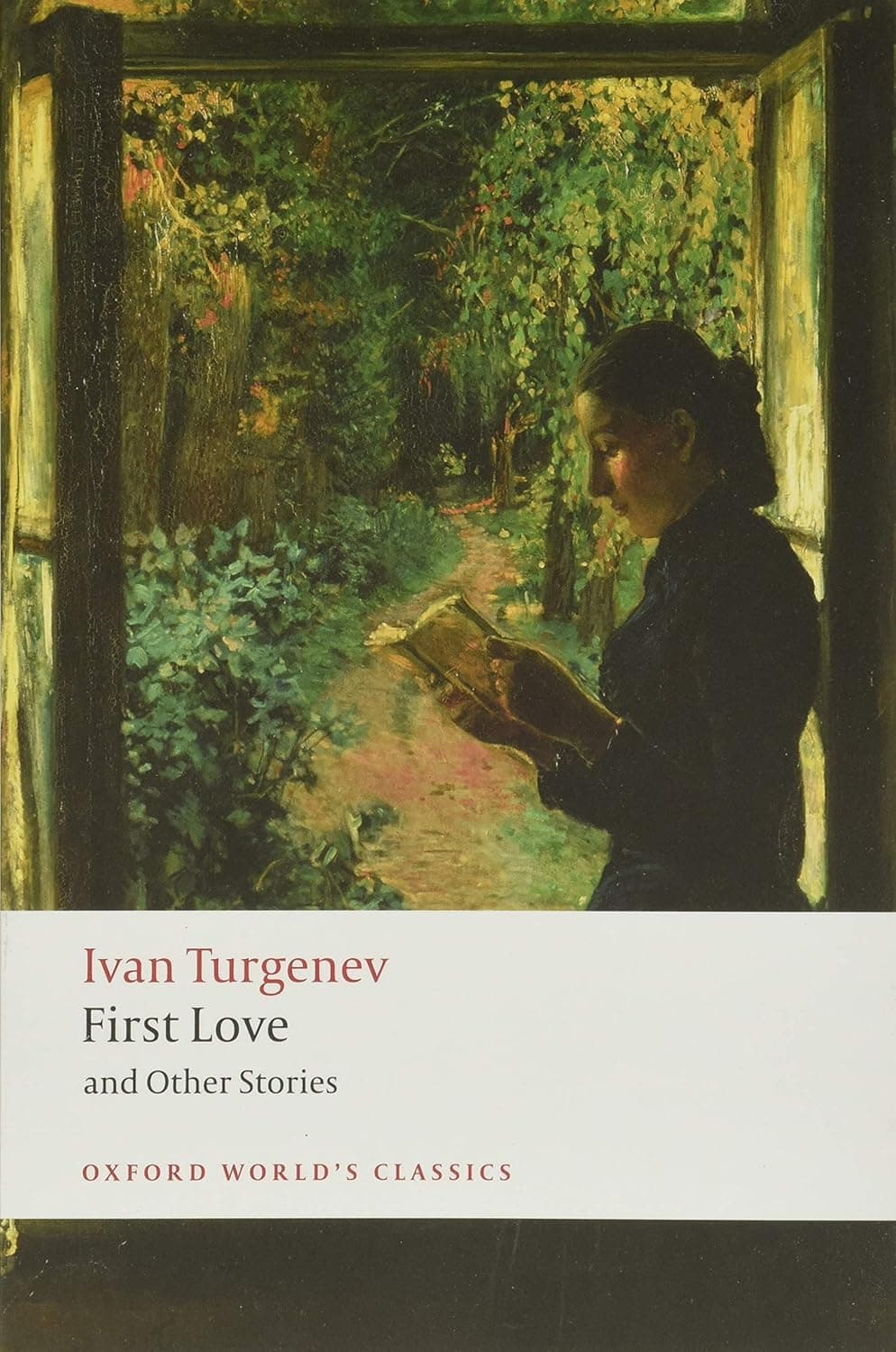
Turgenev said this was the only work of his that still gave him pleasure. Vladimir, sixteen, loves the princess next door, twenty-one, and her secret lover is nobody he can fight.
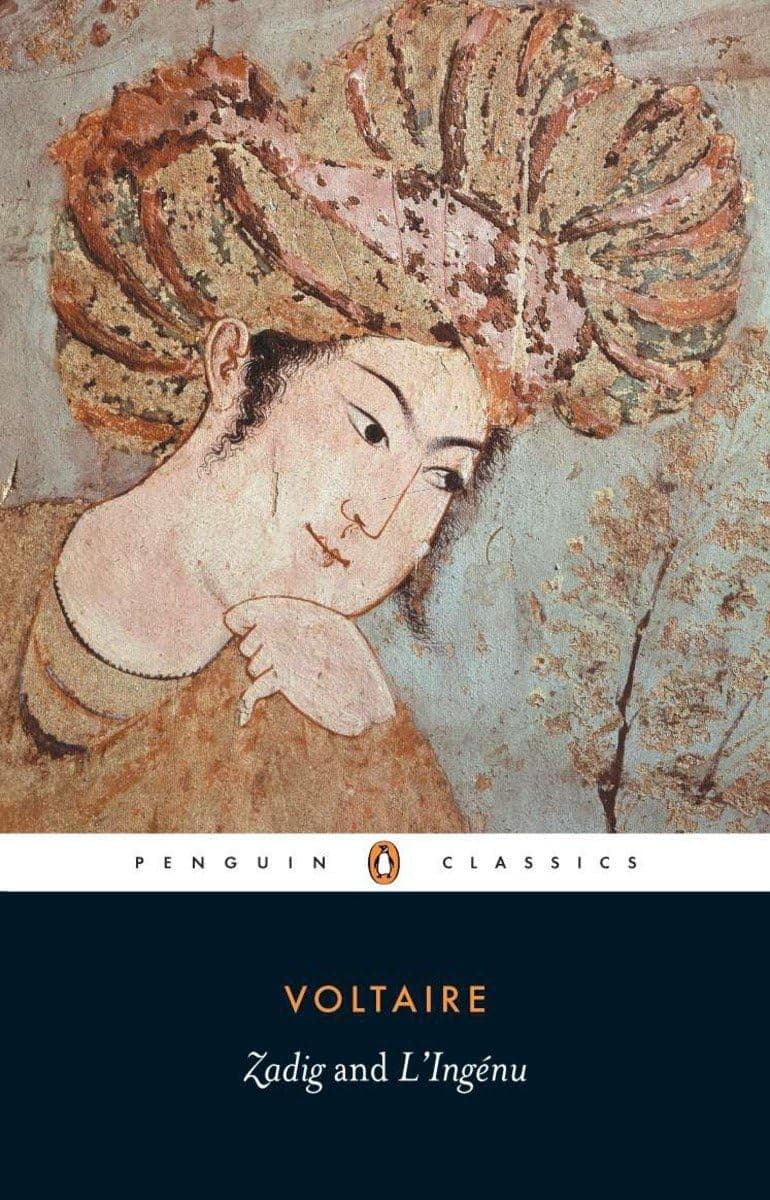
Voltaire uses wit as a demolition tool. Zadig reconstructs a dog and horse from their tracks and is fined for knowing too much, and a Canadian Huron in Brittany finds French religion absurd.

Alex is fifteen and narrates his nights of assault in Nadsat, a slang welded from Russian and Cockney. The state conditions the violence out of him, and Burgess asks whether forced goodness counts.

Holly Golightly, born Lulamae Barnes in rural Texas, charms money out of men in wartime New York and belongs to nobody. Norman Mailer said he would not have changed two words in it.

A small-time builder is shot running for a bus in a Sicilian square, and every passenger saw nothing. Sciascia named the Mafia as an organization while Italy still insisted it did not exist.
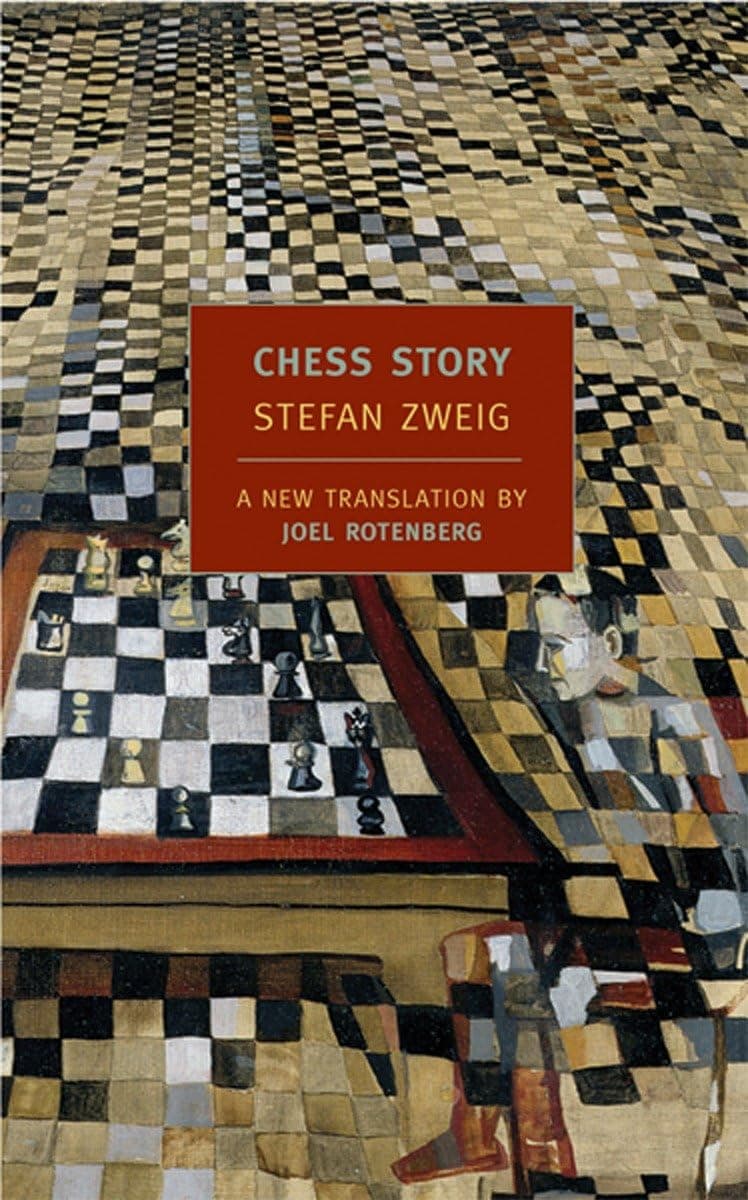
Aboard a liner to Buenos Aires, the world chess champion meets a stranger who learned the game in Gestapo isolation from one stolen book. Zweig makes chess an instrument of torture.
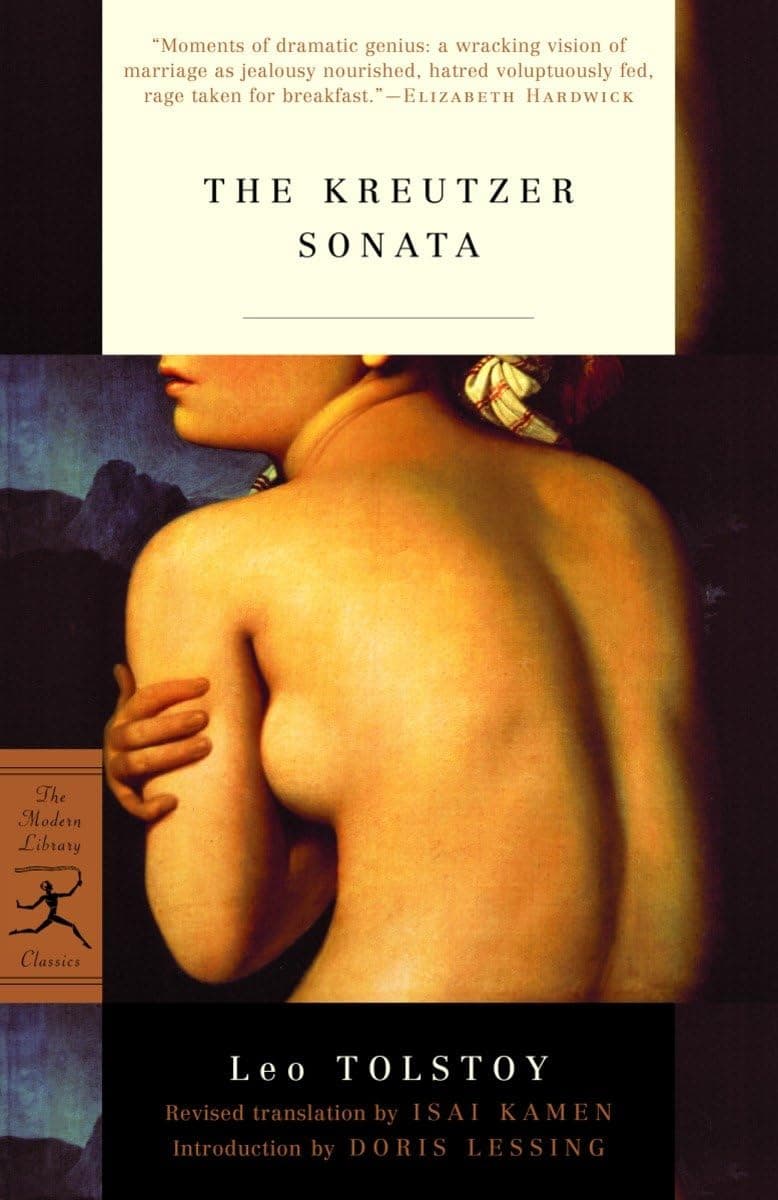
On a night train, a man tells strangers how he came to kill his wife, then turns the confession into an assault on marriage and desire itself. Russia's censors suppressed it.

Workers dig a foundation for the building that will house the whole proletariat, and the pit keeps widening. Platonov's Russian buckles under its own slogans, and the Soviets suppressed the book until 1987.
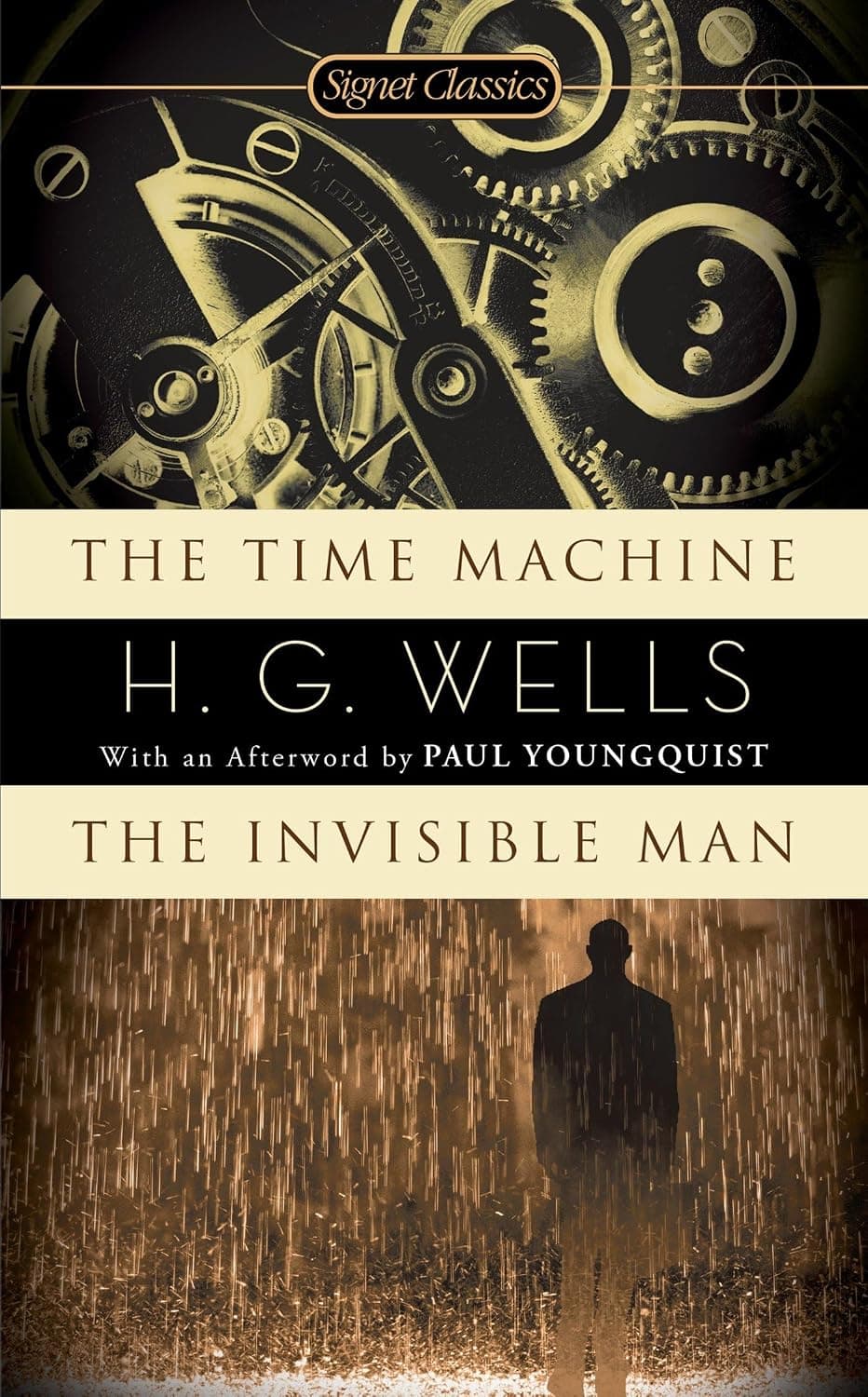
Wells sent his traveler to the year 802,701, where the gentle Eloi live above ground and the Morlocks feed on them below. Every time machine since is a copy of his.

Two brothers spend a morning announcing they will kill Santiago Nasar over their sister's wedding night, and nobody stops them. García Márquez reconstructs it from the witnesses who let it happen.

Named executor of an ex-lover's estate, Oedipa Maas keeps finding a muted post horn on bathroom walls. Either a secret postal system has run under America for centuries or she is unraveling.

Stevenson handed psychology its permanent image of the divided self. A respectable London doctor admits a brutal little stranger to his house, and the lawyer who investigates finds the truth worse than blackmail.

In our family, Maclean writes, there was no clear line between religion and fly fishing. Two brothers and their minister father on the Big Blackfoot, and a love that cannot save anyone.

George looks after Lennie, huge and slow-witted, across the California ranches, and the two of them keep describing a farm they mean to buy. Steinbeck presses the Depression into that dream.