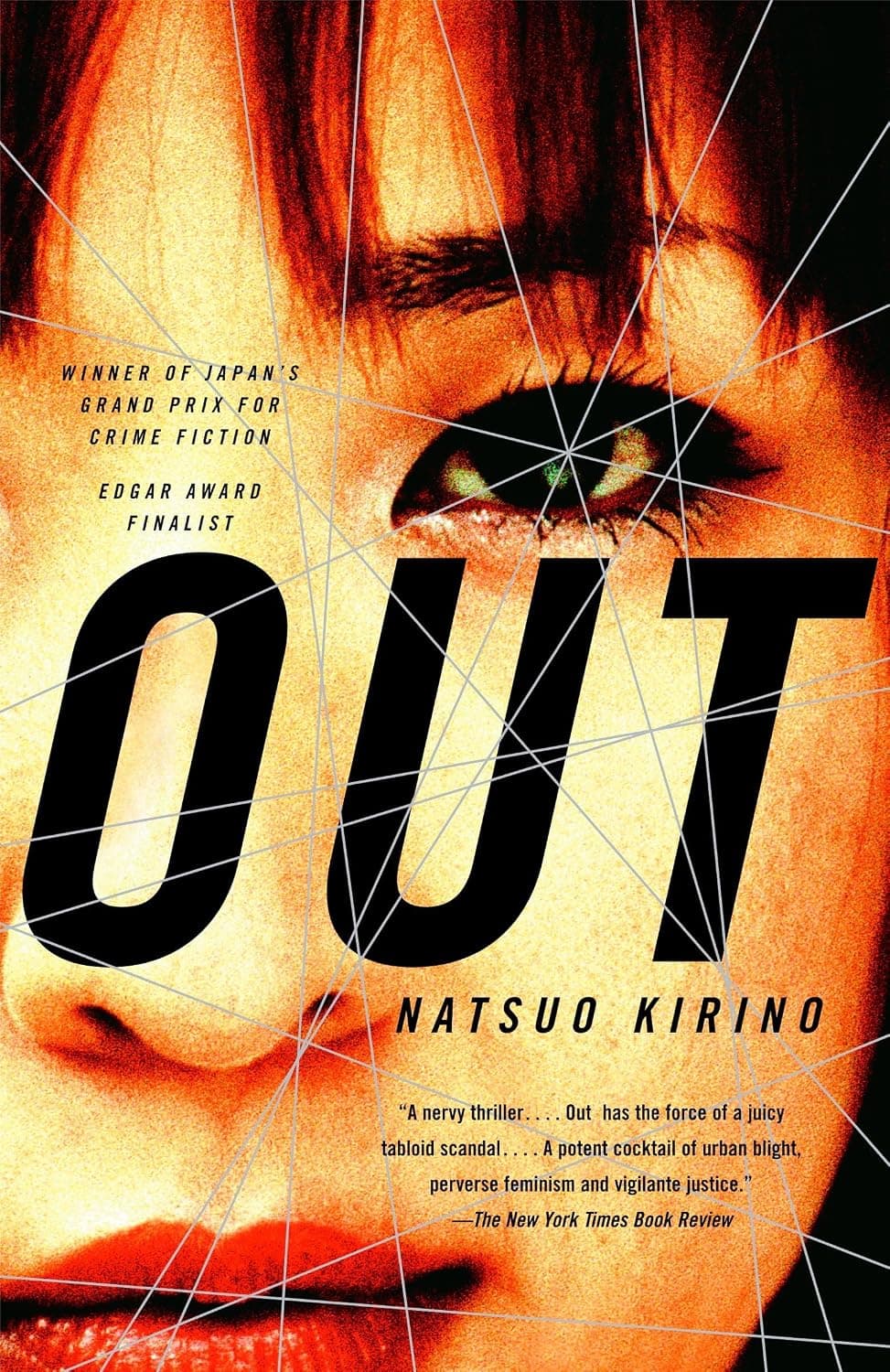
Out
1997 · 400 pages
Four women pack boxed lunches on a Tokyo night shift. One strangles her husband, the others take the body apart, and the invisibility that shrank their lives turns out to protect them.
★ 4.9
 skopia
Four women pack boxed lunches on a Tokyo night shift. One strangles her husband, the others take the body apart, and the invisibility that shrank their lives turns out to protect them.
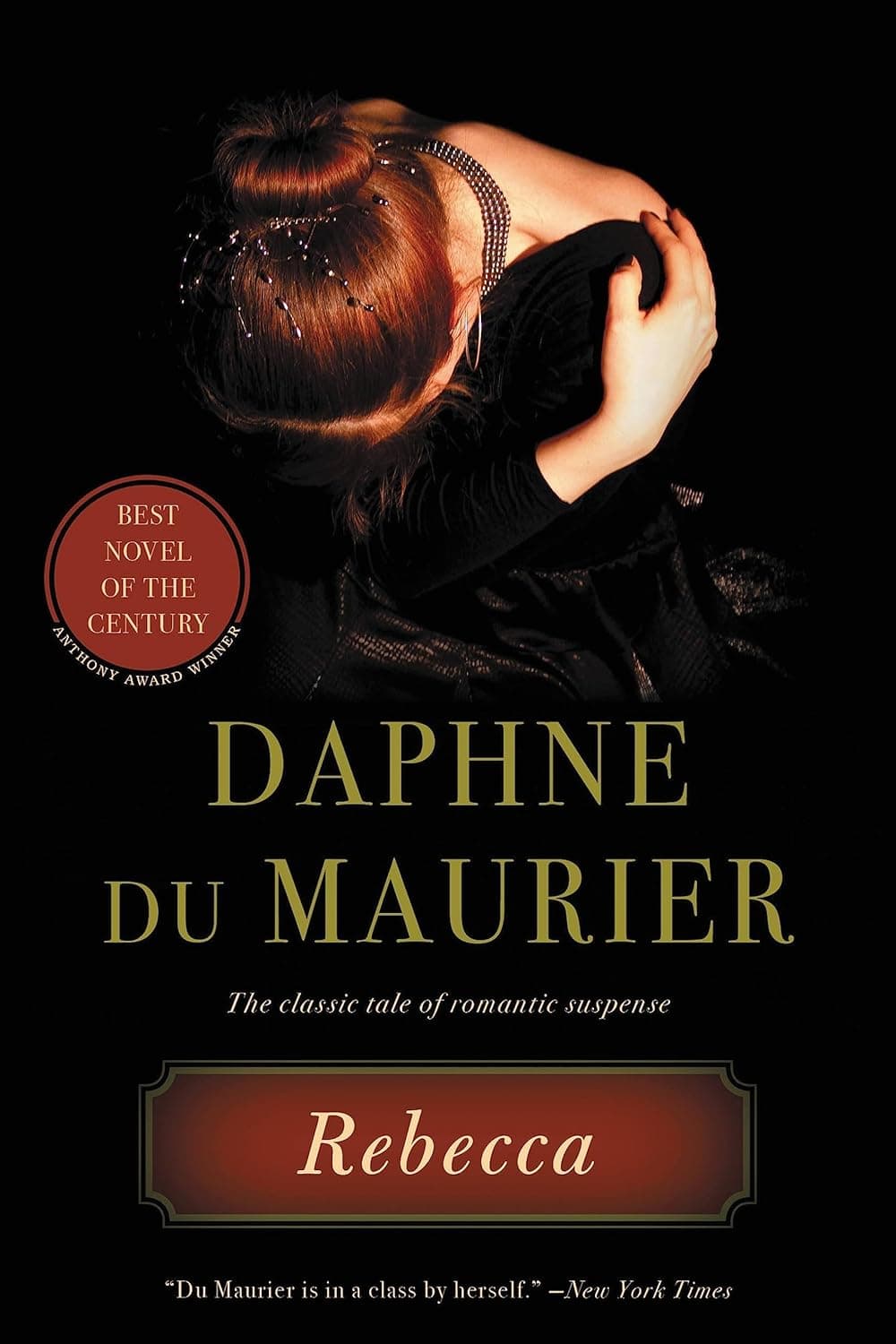
The second Mrs. de Winter is never given a name, which is the point. She marries a widower, arrives at his Cornish estate, Manderley, and finds the drowned first wife occupying every room.

Nothing in horror is more frightening, and Jackson never shows you the thing doing it. Eleanor, who nursed her mother for years, joins a study at Hill House, and the house wants her.

Persian fiction's darkest book: an opium-addicted painter of pen cases draws the same scene, an old man and a girl in black offering a lily, then finds it living behind his wall.

Cleared of poisoning her husband because her family closes ranks, Therese rides home through the pine forests of the Landes trying to explain herself. Mauriac makes provincial Catholic marriage feel like slow suffocation.

In a decaying Old Delhi house, two sisters reopen everything the family did to each other in 1947, the year of Partition. Desai makes still summer afternoons unbearable.

Sent to Italy to fetch a shipping magnate's son, Tom Ripley falls for the life instead, murders his friend, and wears his name. Highsmith makes you want him to get away with it.

At a Vermont college a transfer student joins five classics majors and their charismatic tutor, then learns their rite to Dionysus left a farmer dead. Dark academia has been rewriting it since.

A woman returns from her honeymoon, goes to the bathroom, and shoots herself while the family eats lunch. Marías gives the story to her nephew, an interpreter afraid to know.
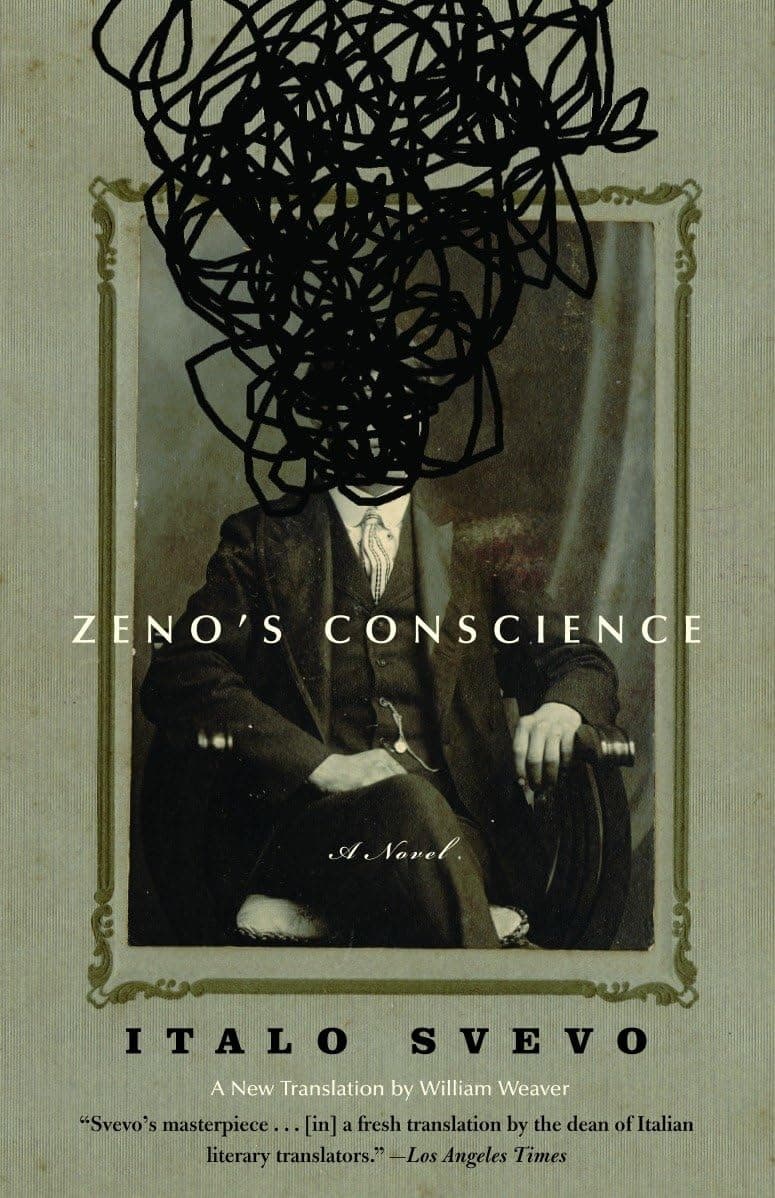
Zeno quits smoking constantly and never quits. Told by his analyst to write his life, he sets down a marriage begun by proposing to three sisters in one evening, and lies gorgeously throughout.

Pechorin seduces, duels, and wrecks lives across the Caucasus, then records in his diary exactly why he does it. Russian fiction took its habit of merciless self-analysis from this bored young officer.

Mizoguchi stammers, and the beauty of Kyoto's Golden Pavilion stands between him and every living thing. Mishima builds the 1950 arson by an acolyte into a case for destroying what you cannot possess.
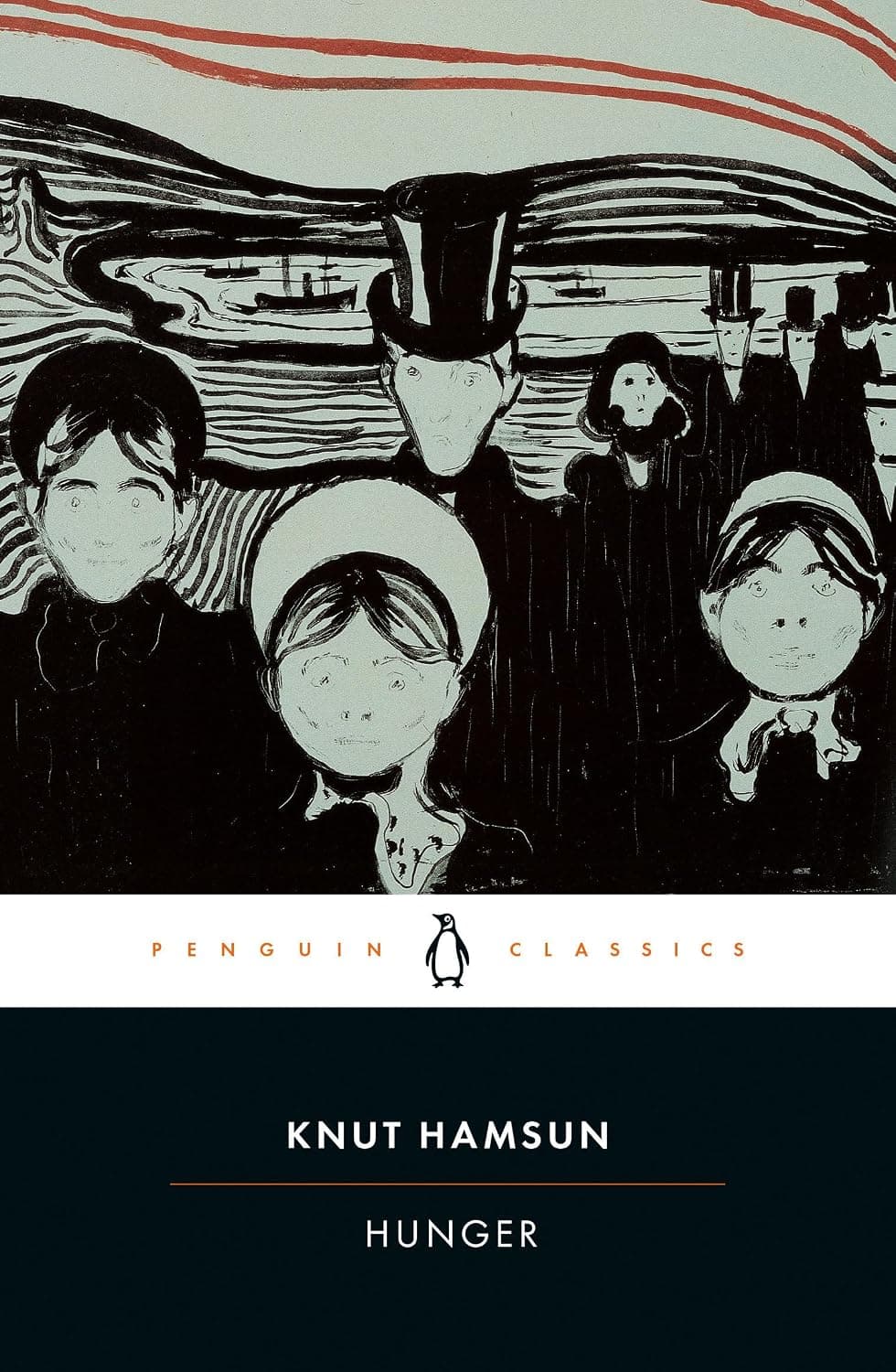
Starving in Kristiania, the city that became Oslo, a young writer gives away money he lacks and refuses food when offered. Hamsun tracks a mind sliding toward derangement, and modern fiction followed.

Jim jumps from a sinking pilgrim ship that then does not sink, and never afterward proves to himself the jump was not really him. Conrad makes one second of cowardice bottomless.

Julien Sorel, a carpenter's son with a memorized Bible and enormous nerve, climbs out of provincial France into Paris society by way of two women. Stendhal reports each calculation without excusing him.

Raskolnikov murders a pawnbroker to prove he stands above ordinary morality, then comes apart as a magistrate circles him. It reads like a thriller and works like a confession.