
Like Water for Chocolate
1989 · 246 pages
Tradition forbids the youngest daughter to marry, so Tita cooks, and everything she feels enters the food. Her quail in rose petal sauce sends a sister off naked with a Mexican revolutionary.
★ 4.7
 skopia
Tradition forbids the youngest daughter to marry, so Tita cooks, and everything she feels enters the food. Her quail in rose petal sauce sends a sister off naked with a Mexican revolutionary.

Oscar is an overweight Dominican nerd in New Jersey, desperate for love and buried in fantasy novels. Díaz runs his family through Trujillo's dictatorship in footnotes where history and comic books collide.

Clara predicts the future and moves furniture without touching it, while three generations of her family reach from the era of the great estates to the 1973 coup that comes for them.
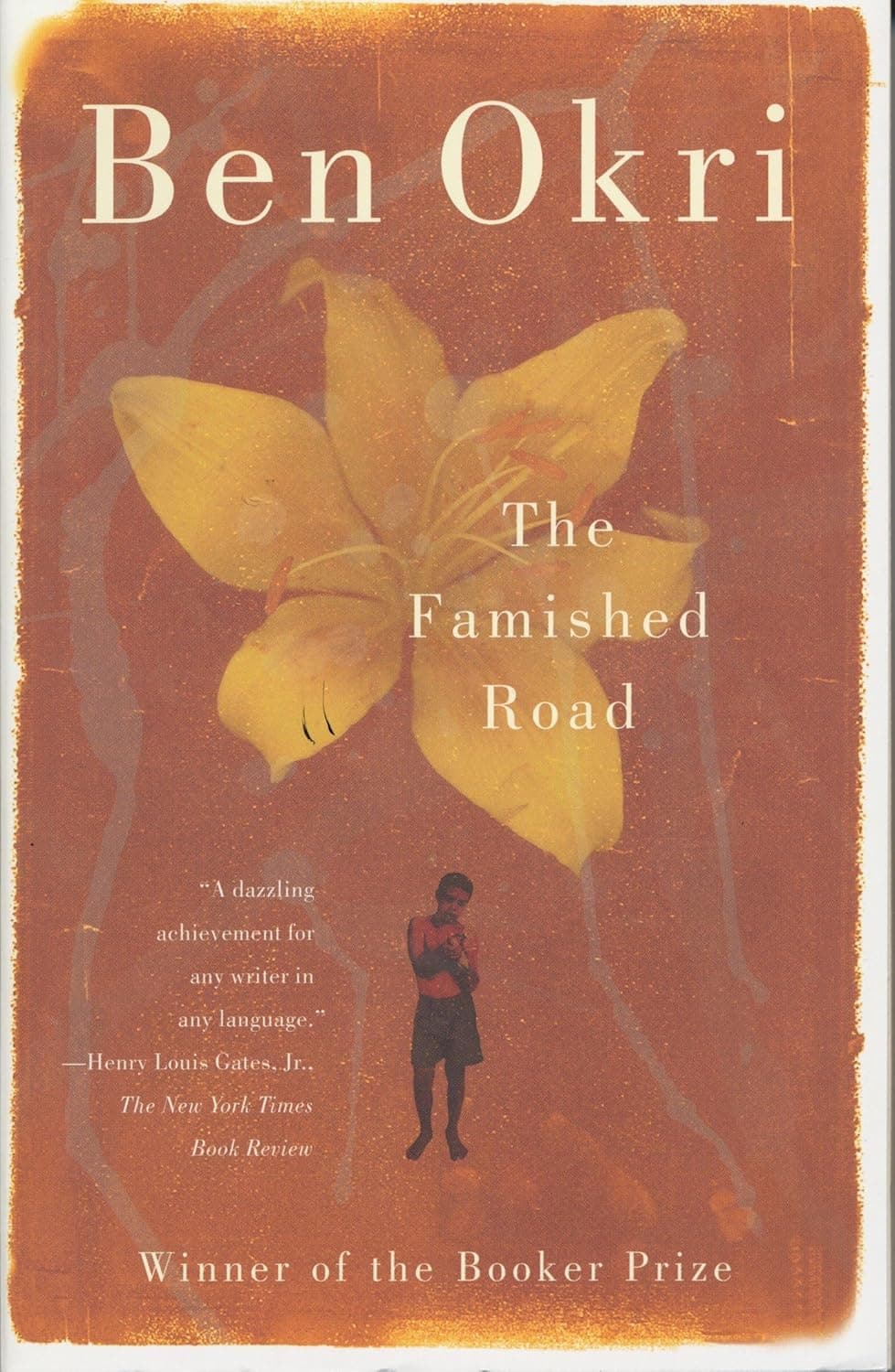
Azaro is an abiku, a spirit child who keeps refusing to die, and Okri sets him loose in a Nigerian slum where ghosts crowd the bar and political thugs hand out poisoned milk.

One driver stops at a traffic light and cannot see. Within days the city is blind and quarantined, and one woman who kept her sight watches how fast people stop being people.

Toru Okada looks for his wife's cat, then his wife disappears. He sits in a dry well while the novel opens onto Japan's war in Manchuria and atrocities the country never faced.

Two brothers spend a morning announcing they will kill Santiago Nasar over their sister's wedding night, and nobody stops them. García Márquez reconstructs it from the witnesses who let it happen.

Czech propagandists airbrushed a purged minister out of a state photograph and left his fur hat on the leader's head. From that erasure Kundera builds seven stories about everything power wants forgotten.

A fugitive hiding on a deserted island finds the place full of elegant visitors who cannot see him, dancing to the same record week after week. Bioy Casares imagined virtual reality in 1940.

In an unnamed Latin American capital, a beggar's killing of a colonel gives a dictator the pretext to destroy his enemies. Asturias renders the terror as fever dream, in prose that hallucinates.
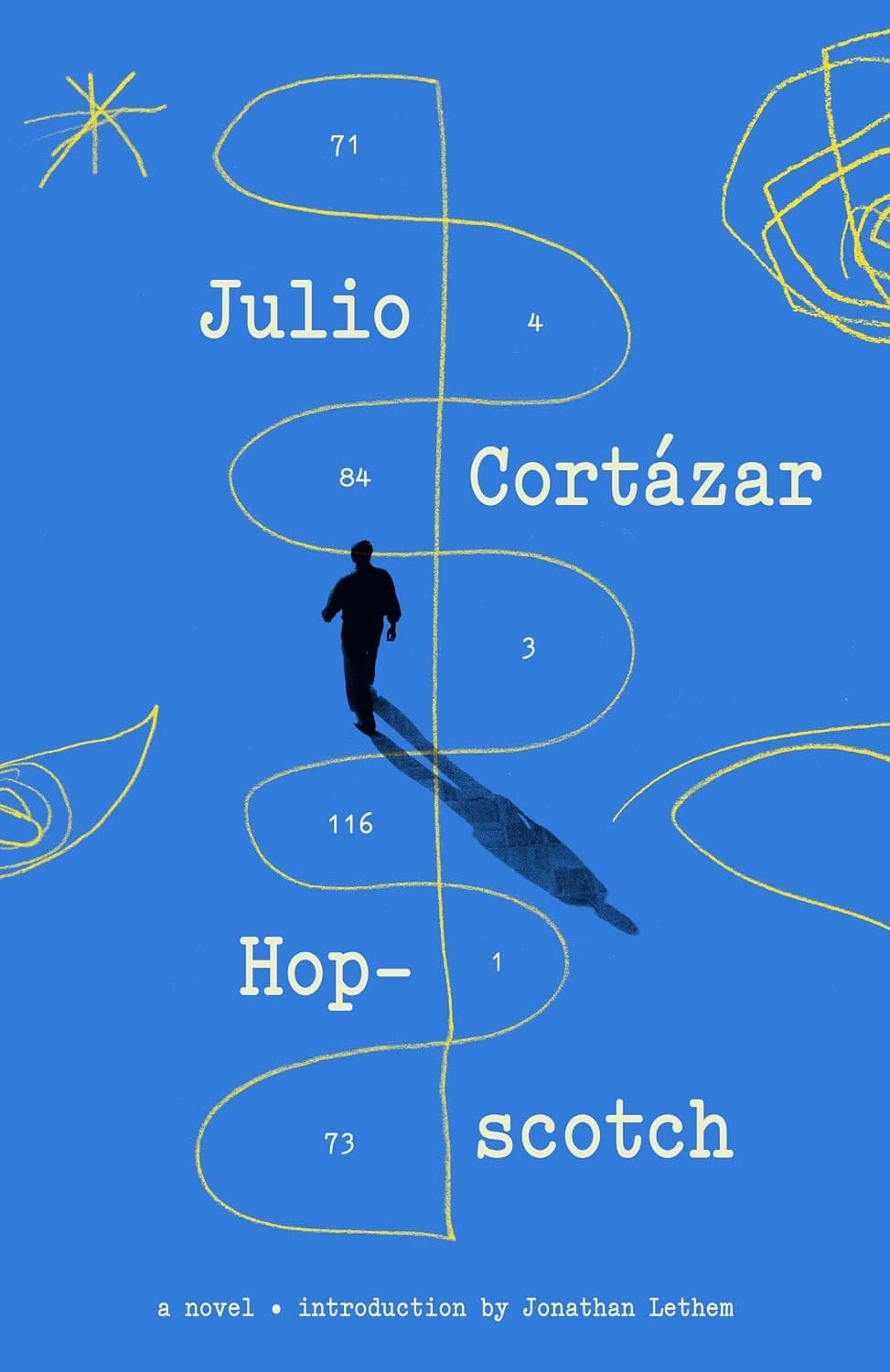
You can read it straight through to chapter 56 or take Cortazar's table of instructions through nearly all 155. Either way an Argentine exile drifts through Paris after a woman called La Maga.
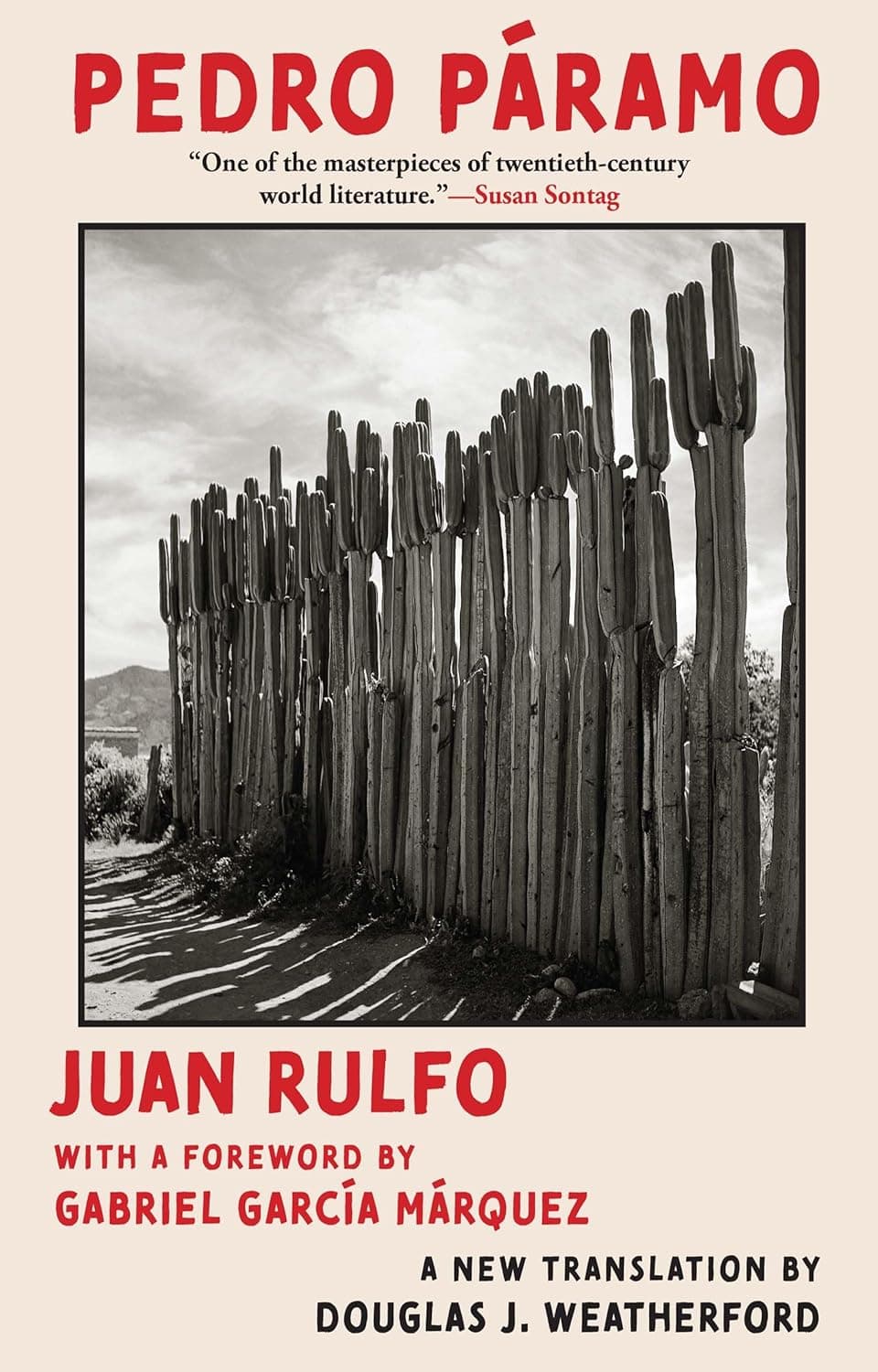
Looking for the father he never met, a man walks into a Mexican town where everyone he speaks to is dead. Voices drift free of their bodies, and magical realism follows.
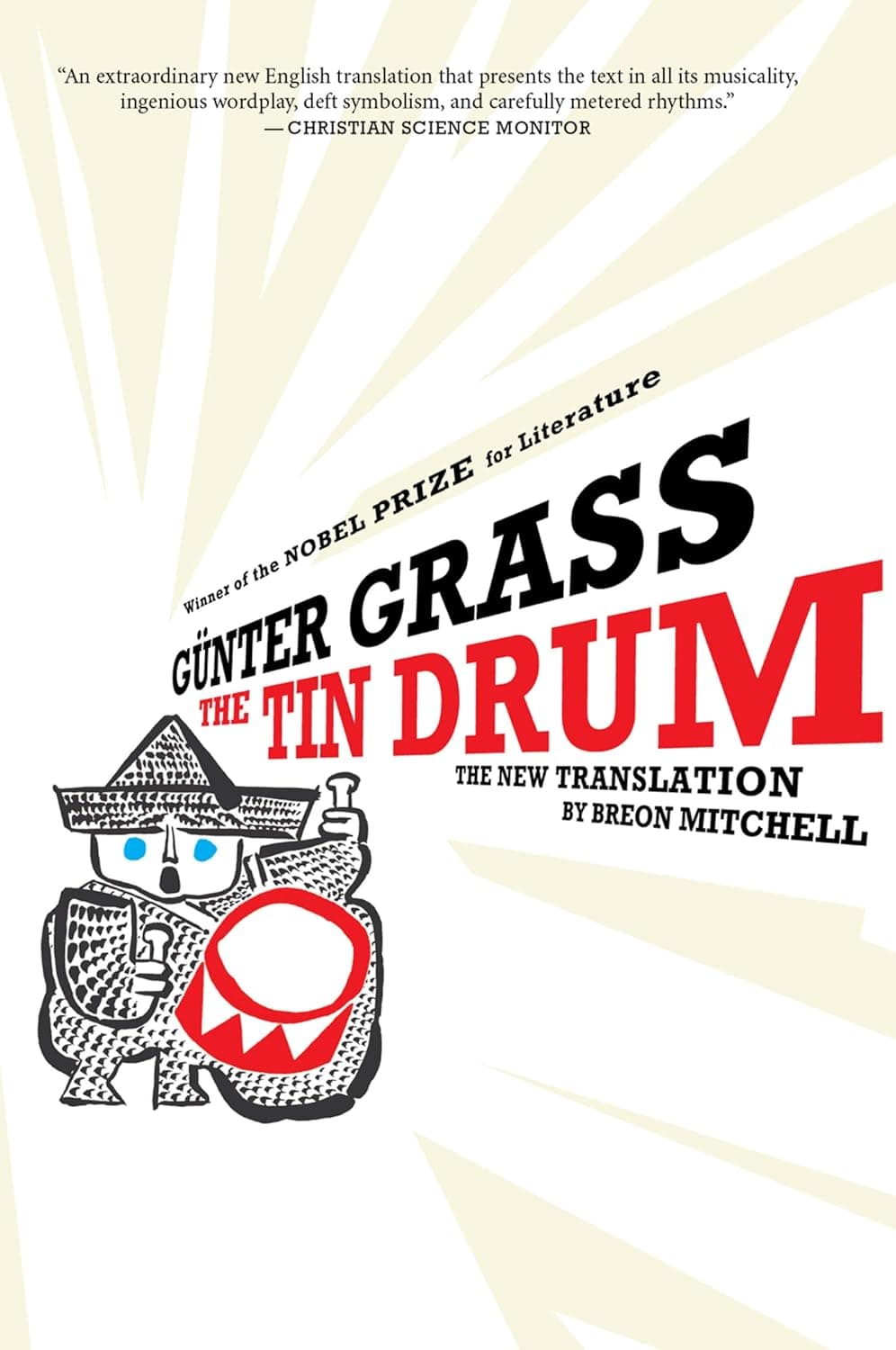
Oskar decides on his third birthday to stop growing, keeps his tin drum, and screams glass to pieces while the Nazis take Danzig. Grass forced postwar Germany to look at itself through him.
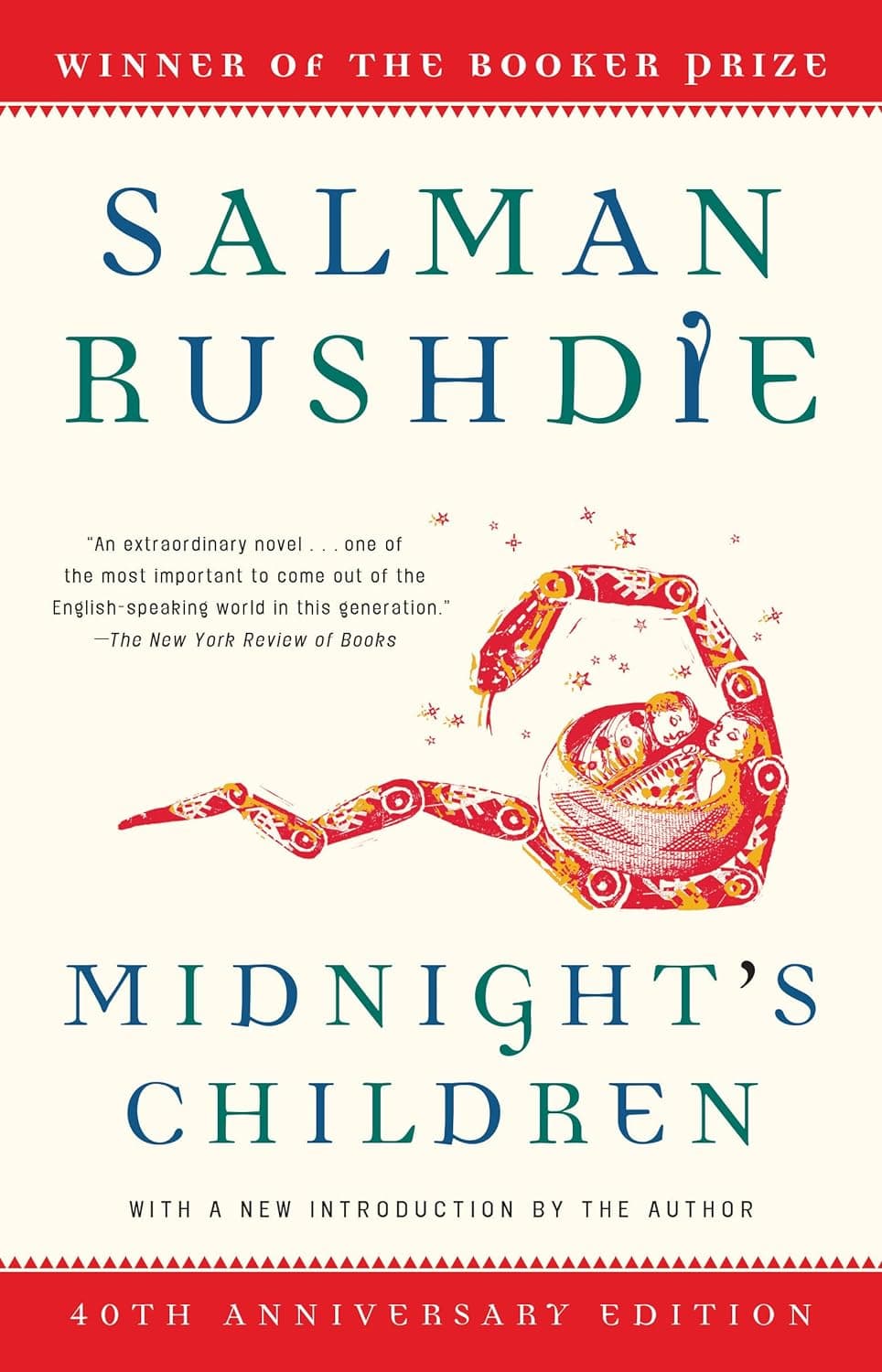
Saleem Sinai is born at the exact midnight India becomes independent, which gives him telepathy and welds his life to the country's. Sixty years of history arrive as one unreliable, delighted confession.

The devil arrives in Stalin's Moscow with a retinue that includes an enormous talking cat, and the literary bureaucrats never recover. Threaded through it runs a stark short novel about Pontius Pilate.

Sethe escaped slavery years ago and cannot escape the daughter she lost, who comes back to the house as a young woman. Morrison writes American history's worst chapter with unbearable tenderness.

Seven generations of one family in Macondo, where insomnia comes as a plague and the rain lasts four years. García Márquez reports the impossible as plain fact.