Uncommon Grounds
Pendergrast traces coffee from an Ethiopian hillside to the corner cafe, through Brazilian slave plantations and the US-backed coup in Guatemala, and shows how grocery marketing wars made American coffee undrinkable.

Pendergrast traces coffee from an Ethiopian hillside to the corner cafe, through Brazilian slave plantations and the US-backed coup in Guatemala, and shows how grocery marketing wars made American coffee undrinkable.

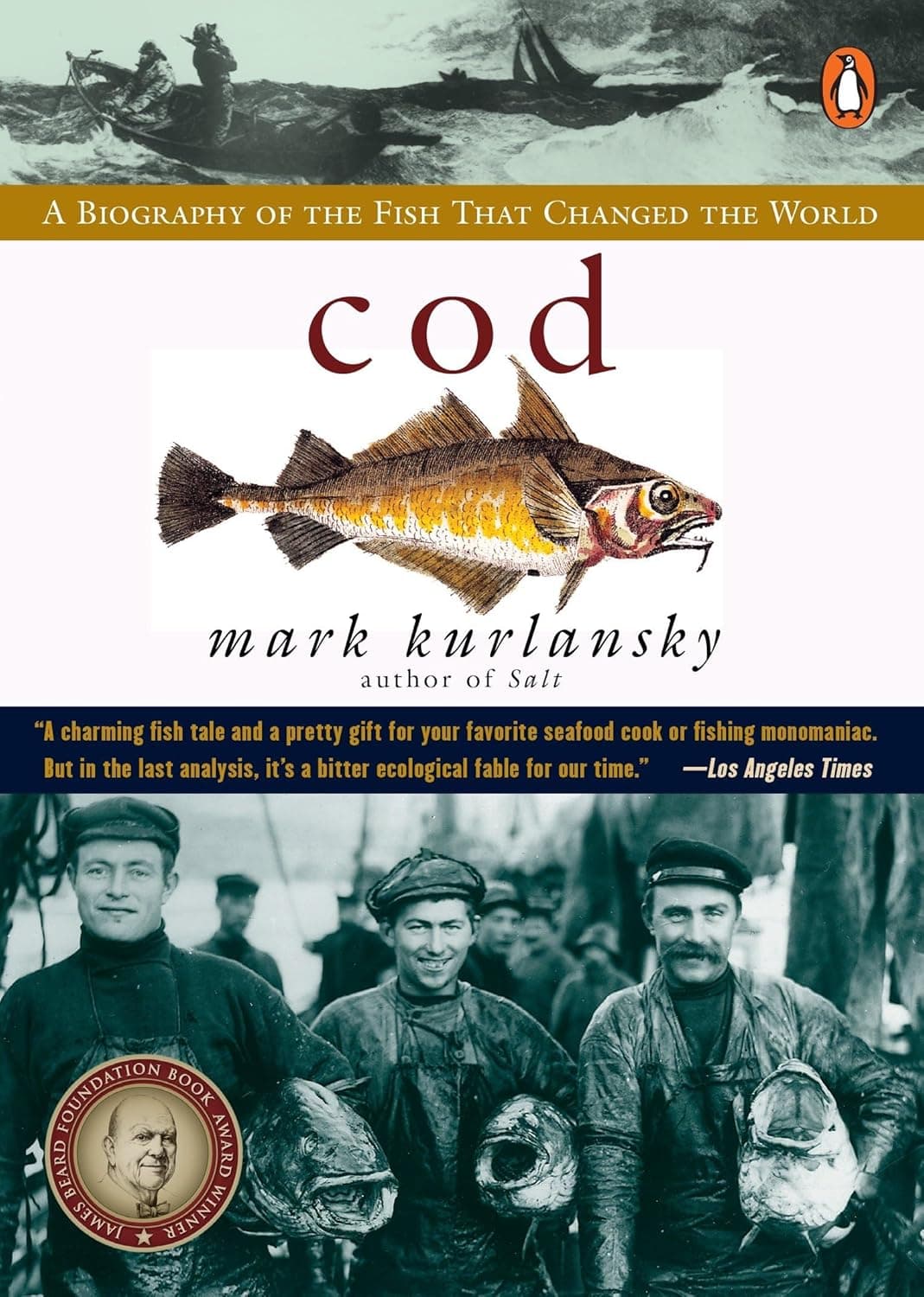
One fish shaped the whole Atlantic world. Kurlansky follows cod from the Basques and their secret fishing grounds through the slave-trade economies it fed to the Grand Banks collapse of 1992.

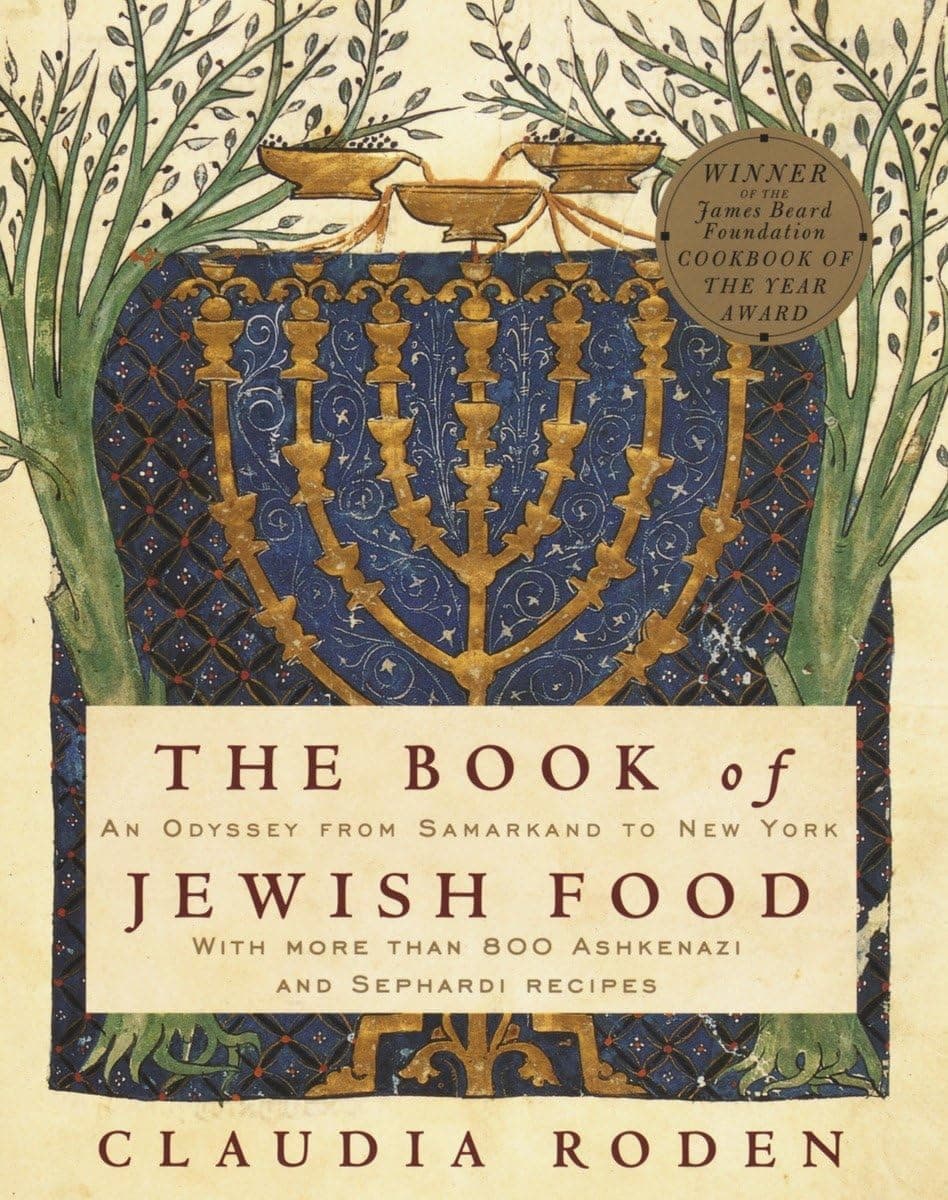
From Aleppo and Samarkand to Vilna and New York, Roden gathered eight hundred recipes and the histories that traveled with them. She was born into Cairo's Jewish community and expelled along with it.

No history of hip hop is better. Chang begins with landlords burning the Bronx, arrives at Kool Herc's turntables, and reads Public Enemy and the Los Angeles riots as one generation's politics.

Egypt expelled its Jews after Suez, and Roden, exiled in London, collected recipes from displaced Sephardi and Arab families and the histories behind them. English-speaking kitchens learned hummus, tabbouleh, and mezze from her.

Rebecca West traveled through Yugoslavia in 1937 and wrote eleven hundred pages. A lamb bled on a Macedonian rock and a Serbian poem of chosen defeat become her account of Europe's death wish.

Tea began as a medicine and grew into a beverage, writes Okakura, a Japanese art curator addressing the West, who then draws from one cup an entire aesthetic of imperfection and attention.

A sixteenth-century Italian miller told the Inquisition that the world formed as cheese forms from milk, and the angels were worms in it. From that file Ginzburg reconstructs an entire peasant mind.

Late medieval France and the Netherlands ran on public weeping, elaborate tournaments, and constant awareness of death. Huizinga paints this as no Renaissance dawn but a culture worn out by its own forms.

Burckhardt invented cultural history by looking past popes and battles at how Renaissance Italians lived, finding the moment people began to think of themselves as individuals. We still see the period his way.