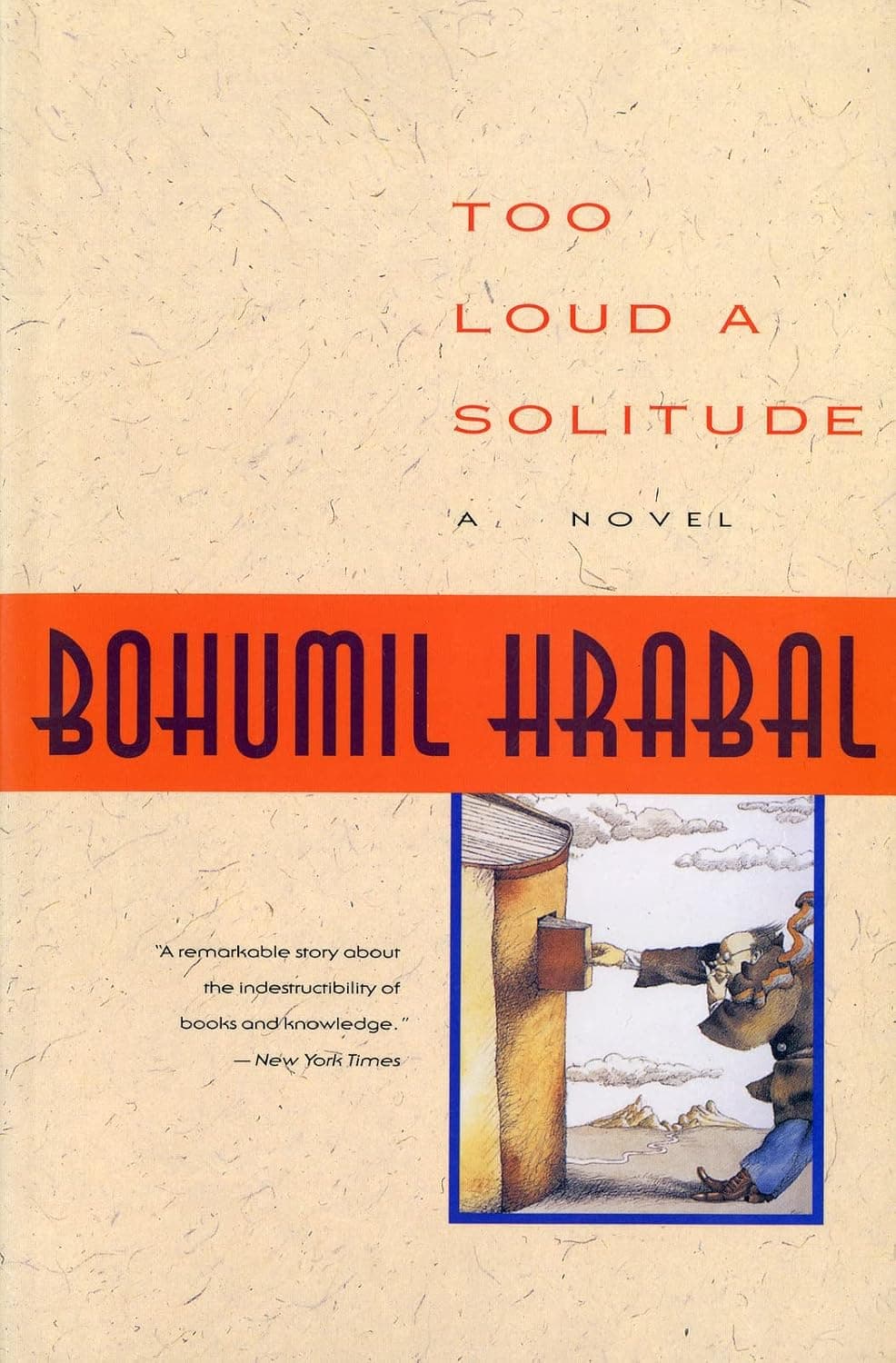
Too Loud a Solitude
1976 · 98 pages
Thirty-five years in a Prague cellar, Haňťa crushes wastepaper and saves the banned books he is paid to destroy, wrapping each bale in an art print with a rescued volume inside.
★ 5.5
 skopia
Thirty-five years in a Prague cellar, Haňťa crushes wastepaper and saves the banned books he is paid to destroy, wrapping each bale in an art print with a rescued volume inside.
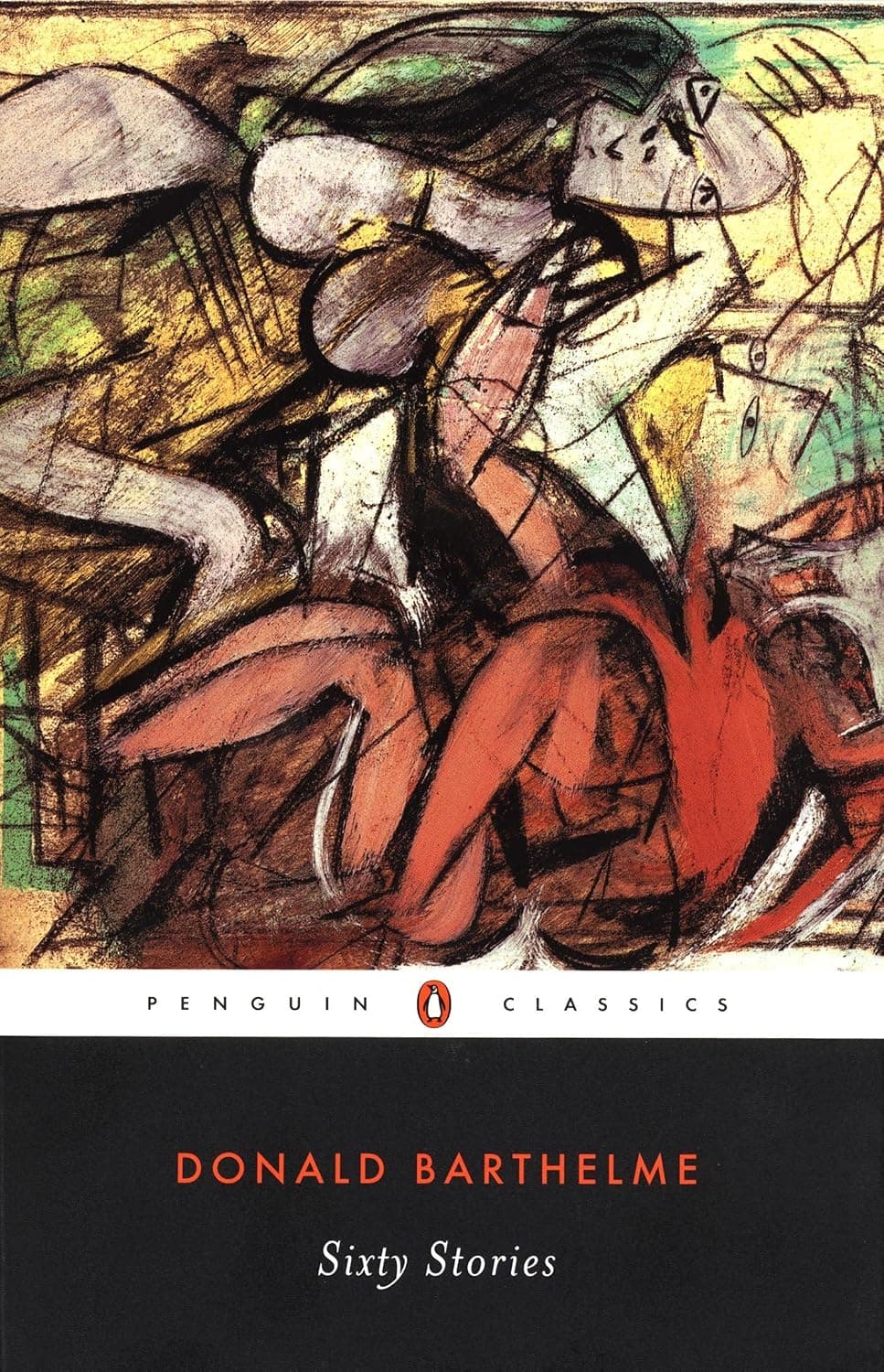
A balloon settles over forty-five blocks of Manhattan and New Yorkers read meanings into it. Barthelme's deadpan collages taught two generations of American writers that a story need not make ordinary sense.
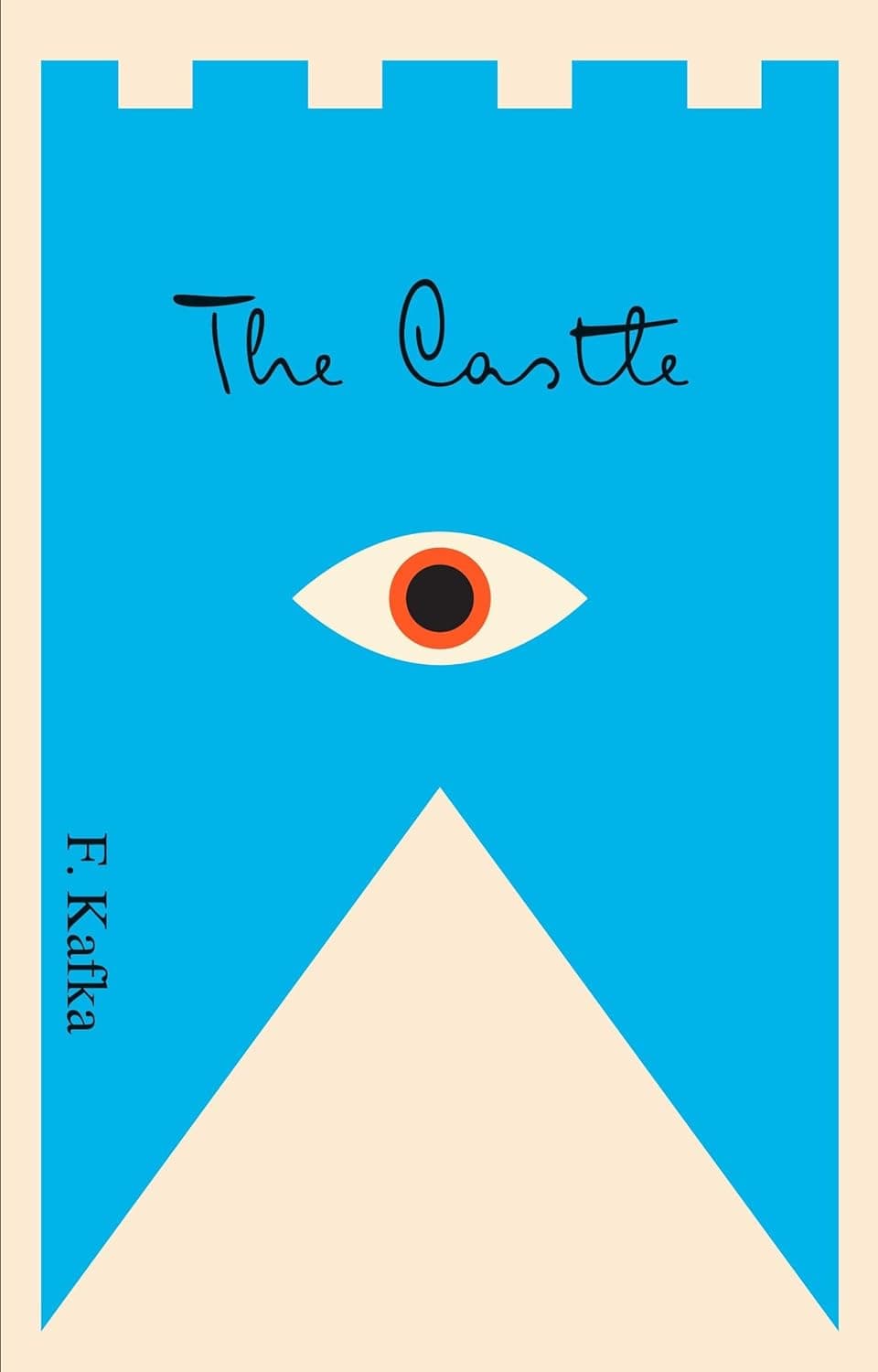
K. arrives in a village claiming the castle above it hired him as land surveyor, and never reaches anyone who can confirm it. Waiting becomes the whole of his life there.
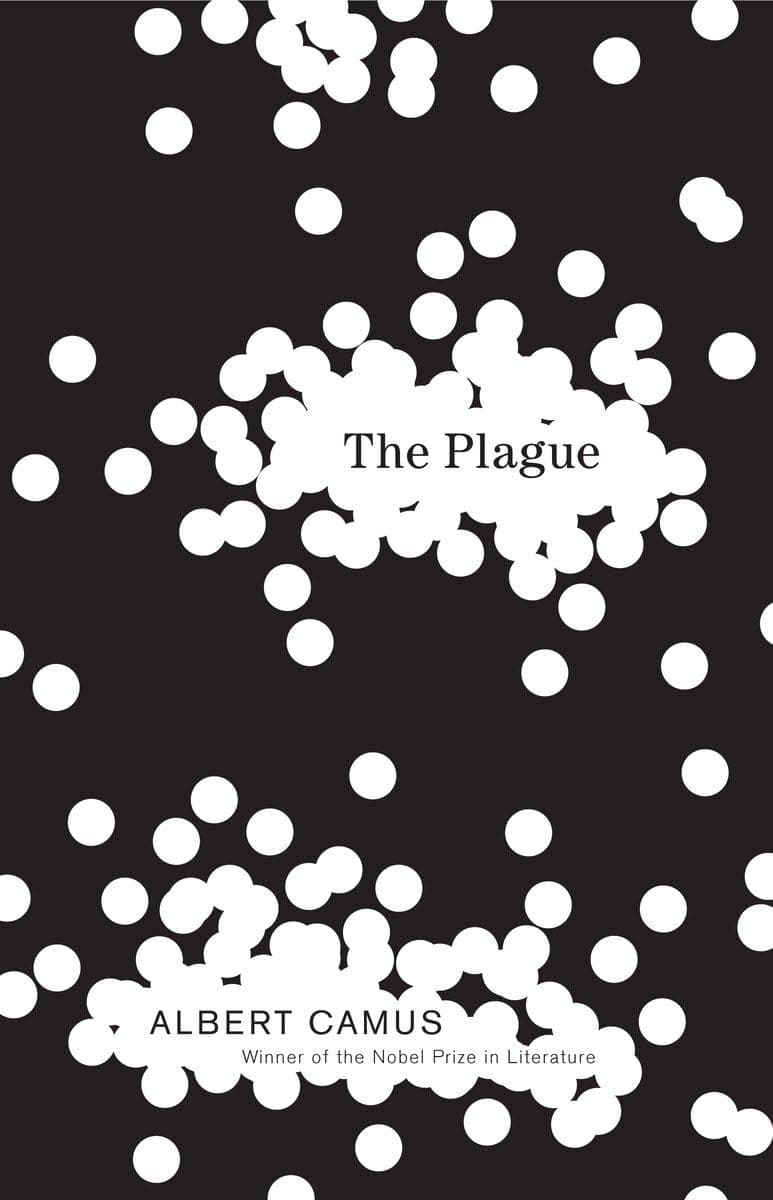
Rats die in the streets of an Algerian port, the gates shut, and a doctor named Rieux keeps working. Camus meant the German occupation, and every epidemic since has proved him right.
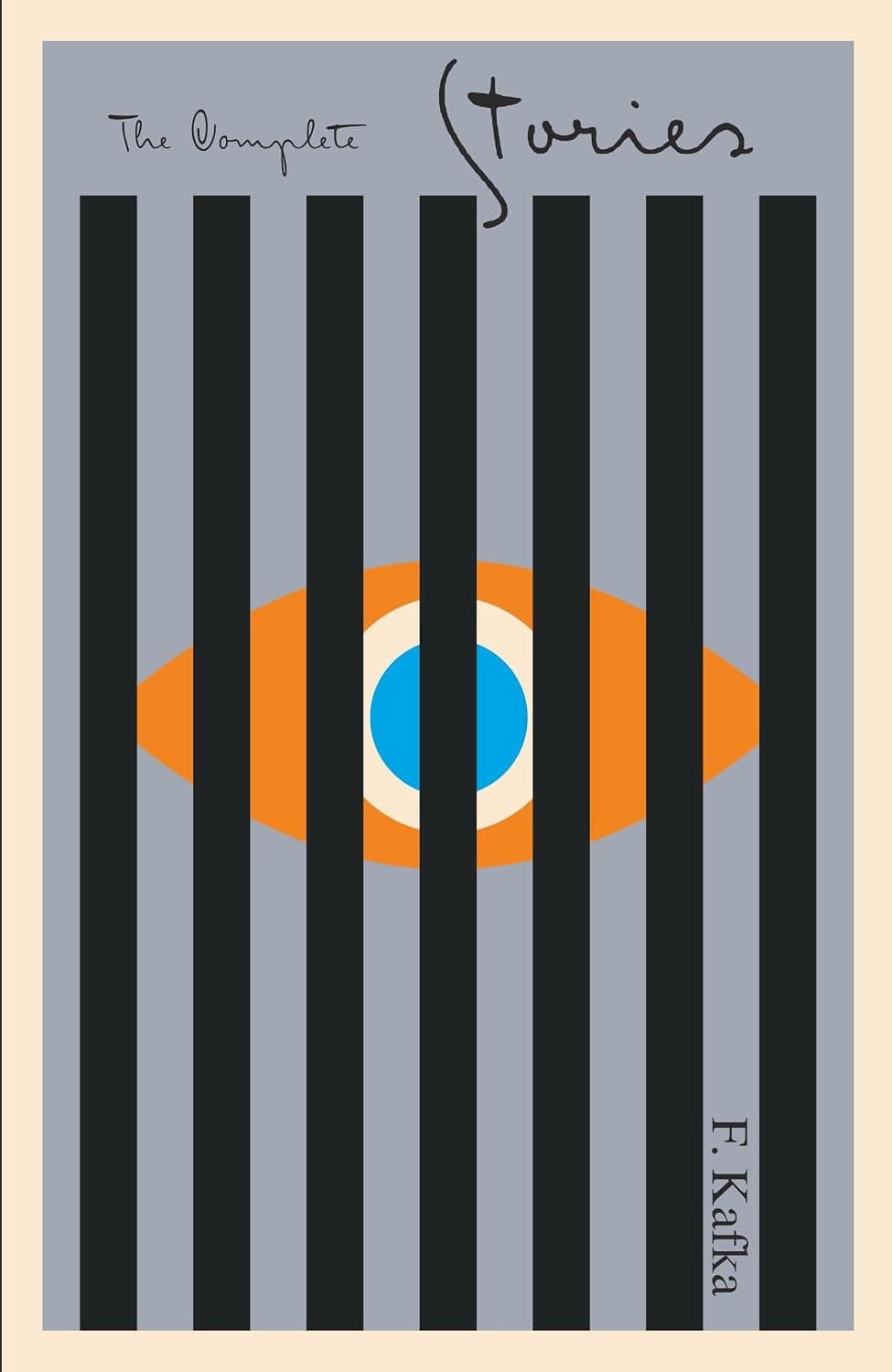
An officer demonstrates his execution machine with love, and a hunger artist starves himself before crowds that have stopped watching. Kafka's imagination runs at full strength in the short forms.
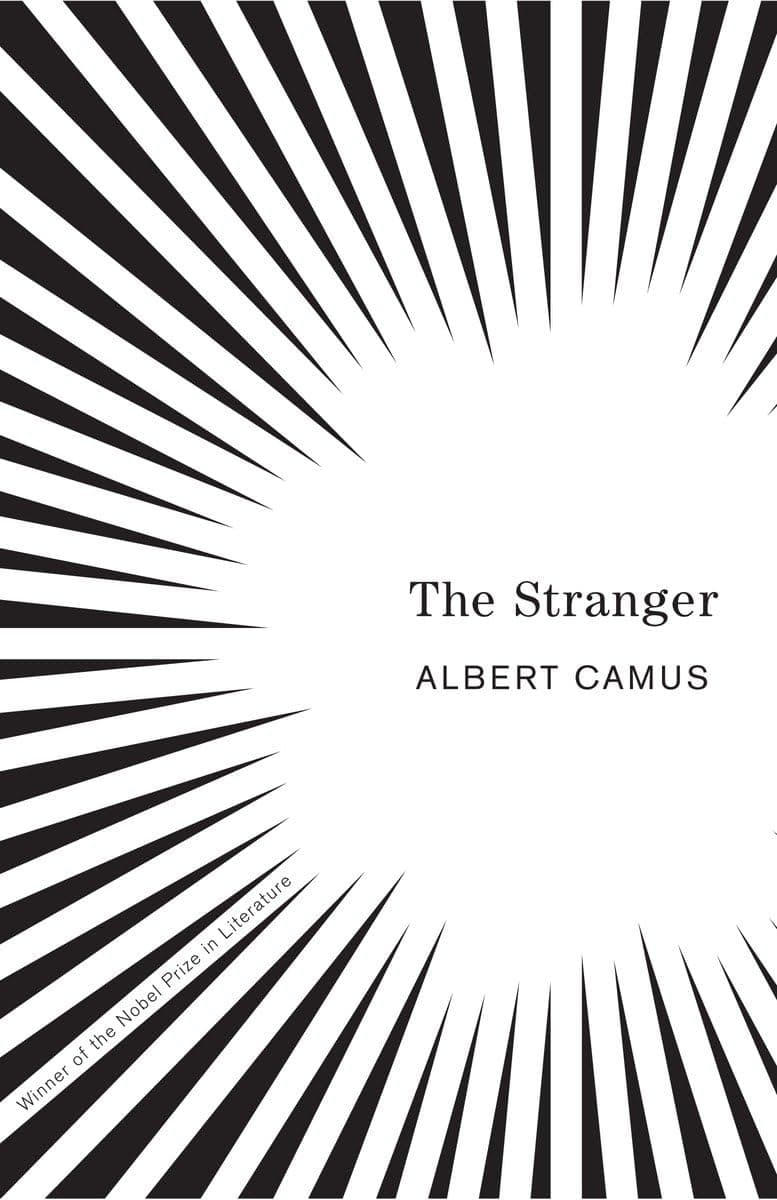
Meursault buries his mother without crying, takes a lover, and shoots a man on a hot Algiers beach. At his trial the tears he never shed matter more than the killing.
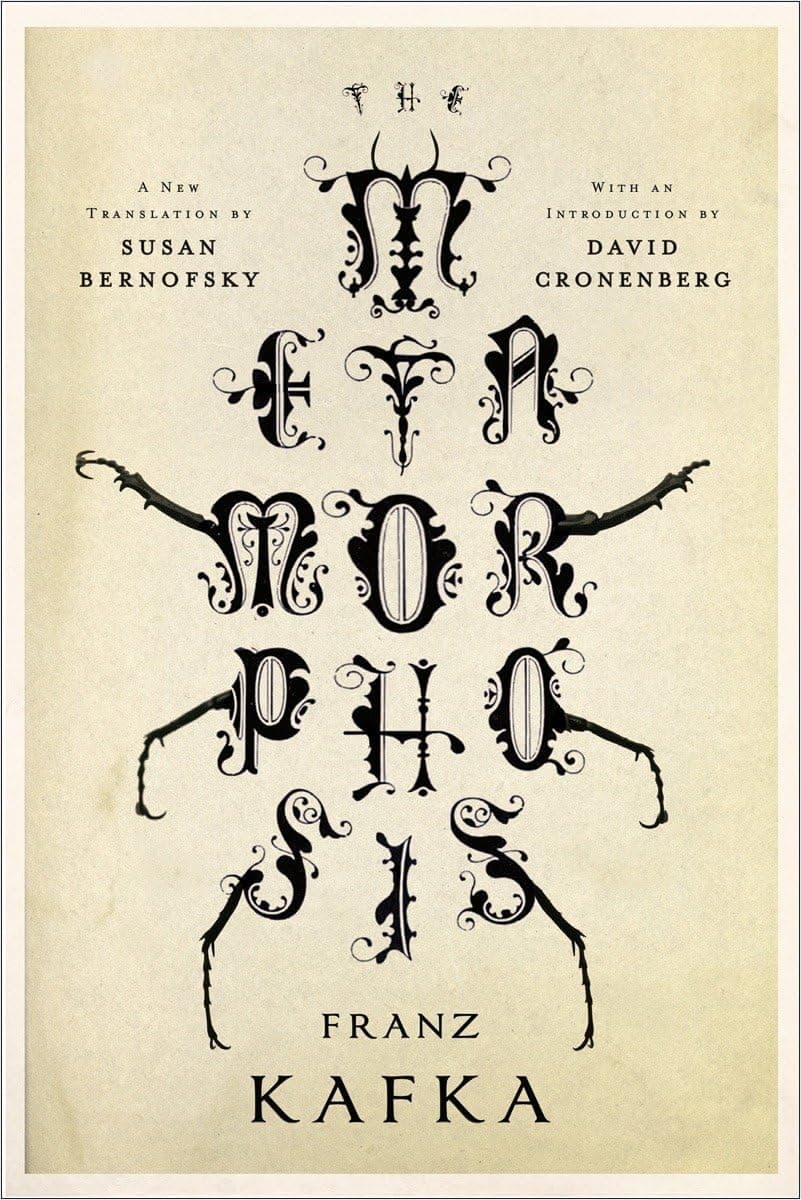
Gregor Samsa wakes as an enormous insect and worries first about missing his train. The horror turns domestic fast, and his family decides the son who supported them is now a burden.
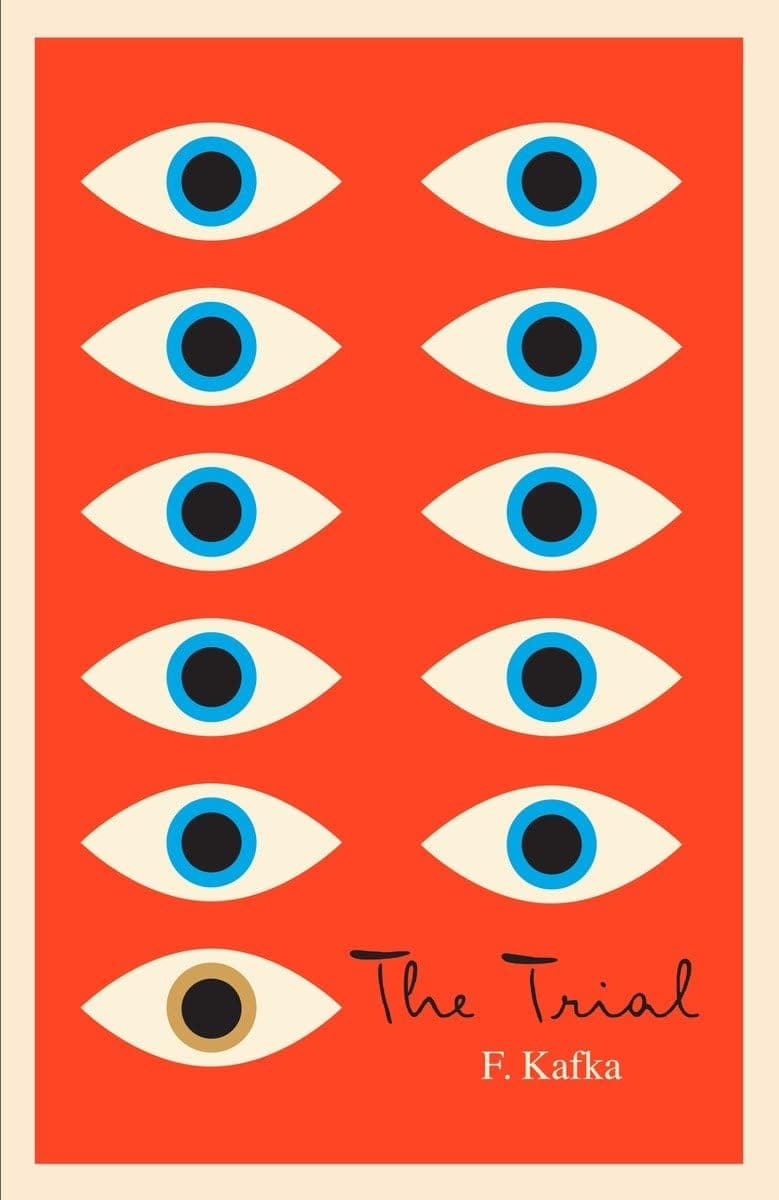
Josef K. is arrested one morning, never told the charge, and ruined by his own efforts to clear himself. Kafka made faceless authority funny, and gave the century its word for dread.