
Philosophy in the Boudoir
1795 · 173 pages
Two libertines take a girl of fifteen through atheism, pleasure and cruelty, pausing for a pamphlet urging the Republic to abolish God with the king. Sade takes reason to its worst conclusion.
★ 4.2
 skopia
Two libertines take a girl of fifteen through atheism, pleasure and cruelty, pausing for a pamphlet urging the Republic to abolish God with the king. Sade takes reason to its worst conclusion.
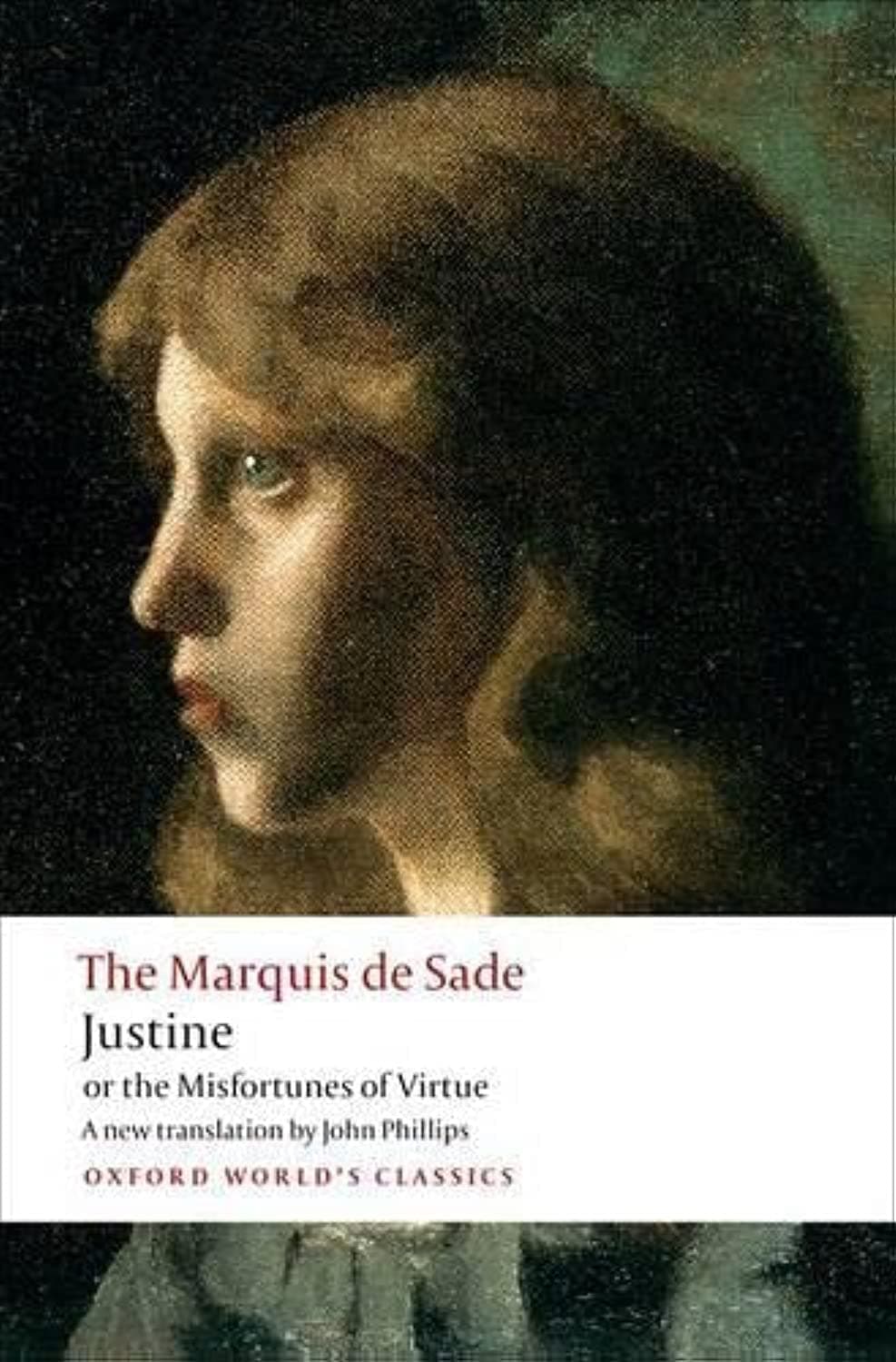
Twelve years old and orphaned, Justine chooses virtue and is punished for it by monks, surgeons, and noblemen who argue at length that nature rewards cruelty. Napoleon had Sade arrested for writing it.

Hergé sent his boy reporter into a Soviet Union he had never visited, cribbed from one anti-Bolshevik tract of rigged elections and staged factories. Crude work, and the series it opened conquered Europe.

Give the mouse a cookie and he wants milk, then a straw, then a mirror to check his milk mustache. Numeroff taught four decades of children how one small yes becomes an afternoon.

In the great green room a rabbit says goodnight to the moon and the quiet old lady whispering hush, while the pictures darken page by page until the child hearing it is asleep.
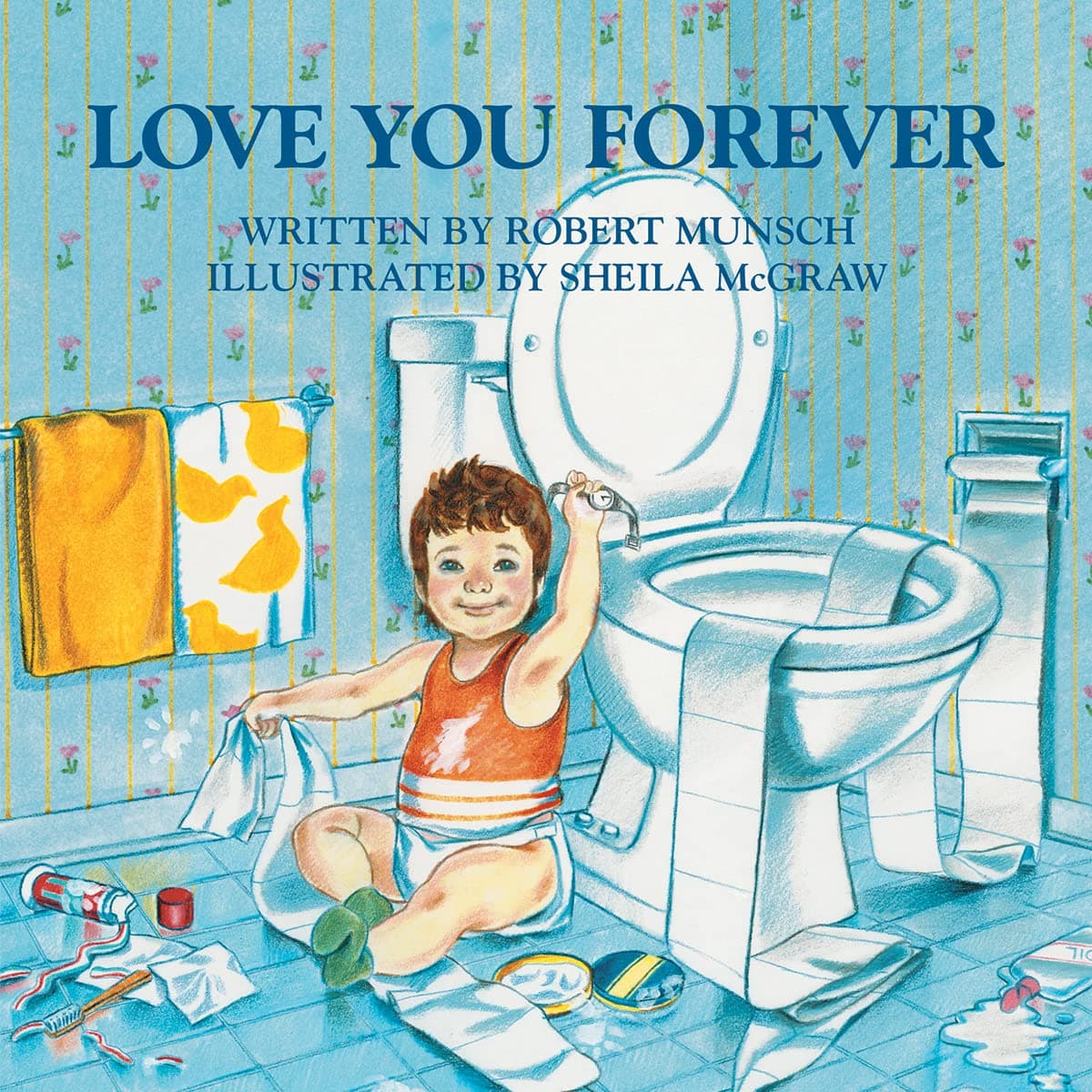
A mother sings the same four lines to her son at every age, and the years turn the song around. Munsch made it up after two stillborn children.
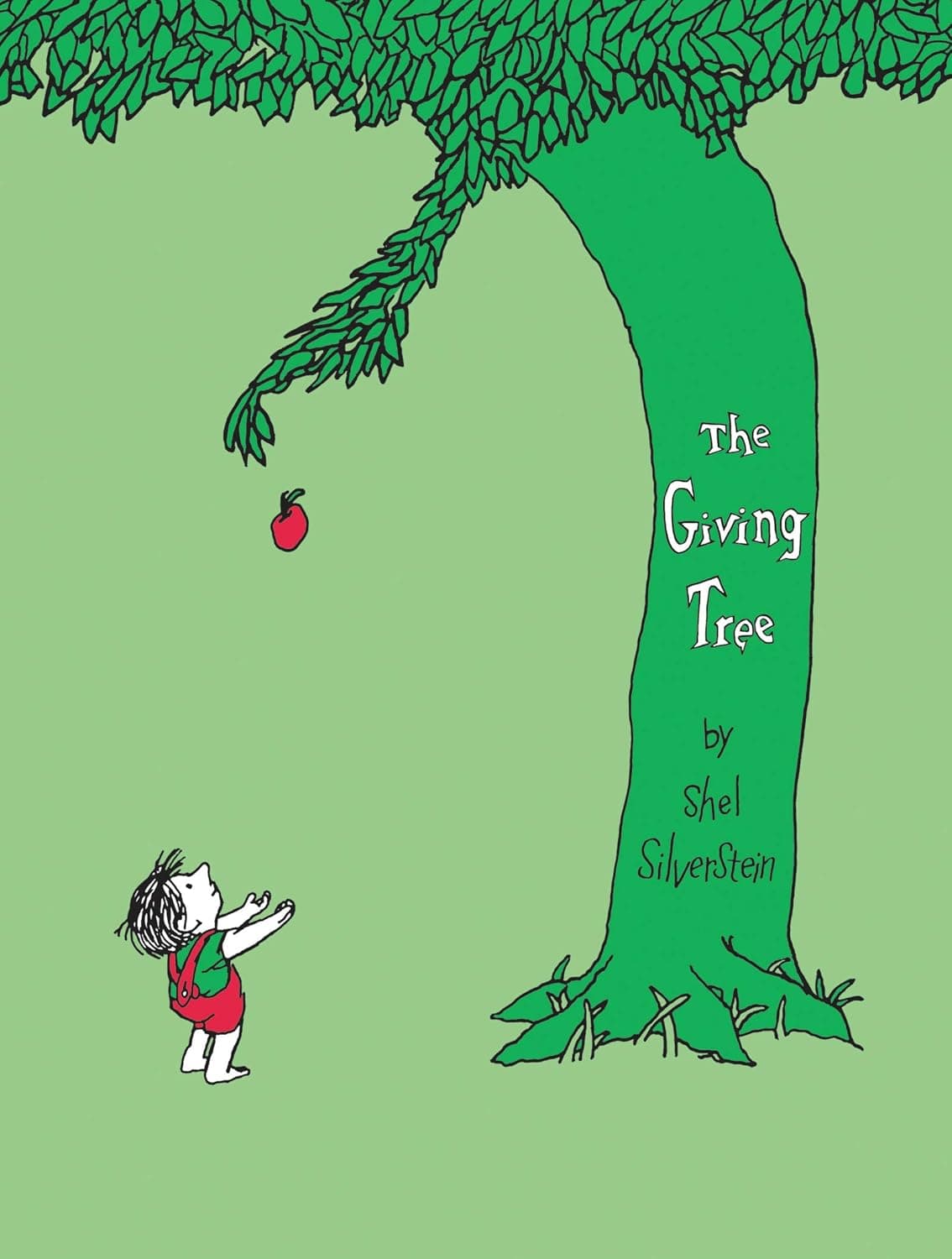
A tree loves a boy. She gives him her apples, then her branches, then her trunk, until she is a stump he sits on. Readers still cannot agree whether that is love.
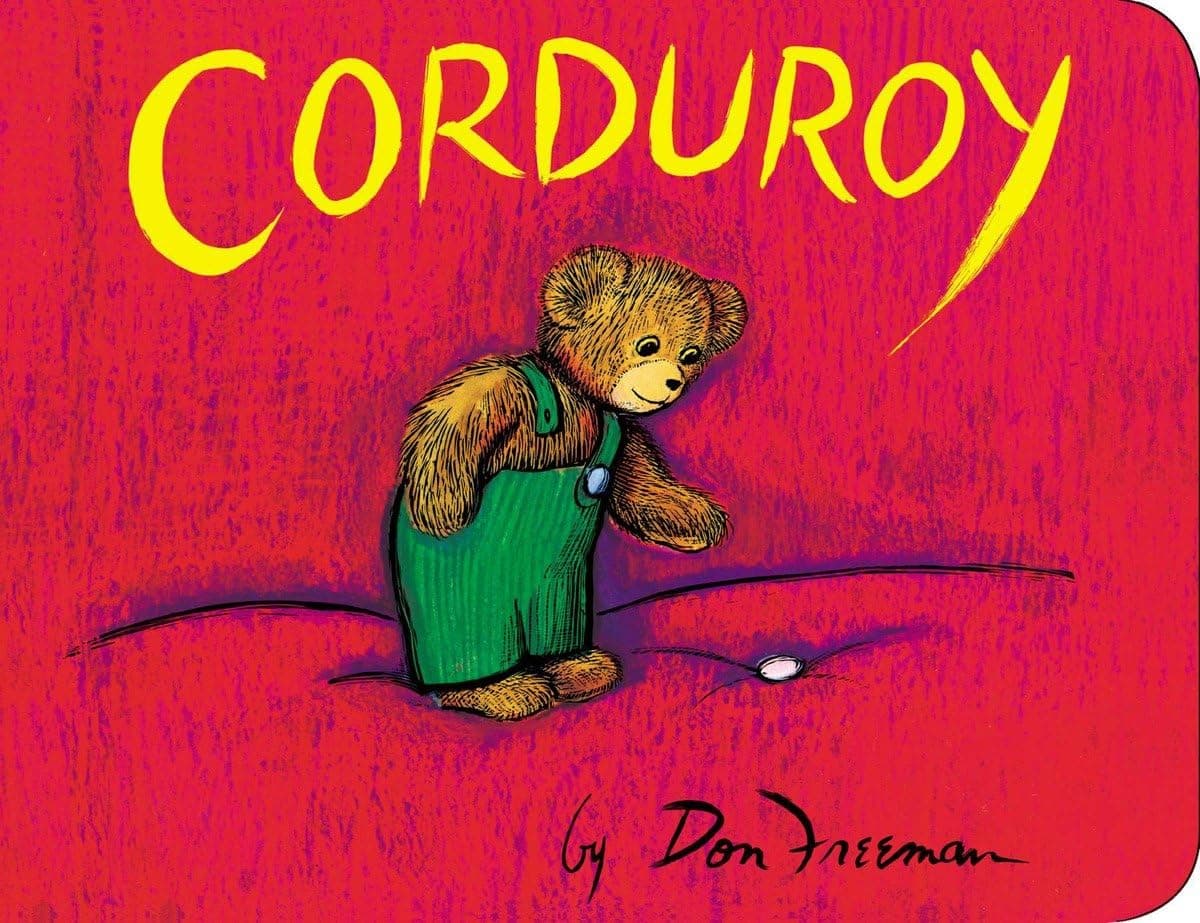
A department store bear hunts the dark for the button missing from his overalls. Lisa buys him with money she saved herself, a Black girl in a 1968 picture book, drawn without comment.

You leave town in a yellow suit and hit the Lurch, the Slump, and the Waiting Place, where nothing happens. Seuss made the standard graduation gift out of a warning about failure.

A young bull who would rather smell flowers than fight is hauled to the Madrid ring, where he sits down. Franco banned the book in Spain and the Nazis burned it in Germany.
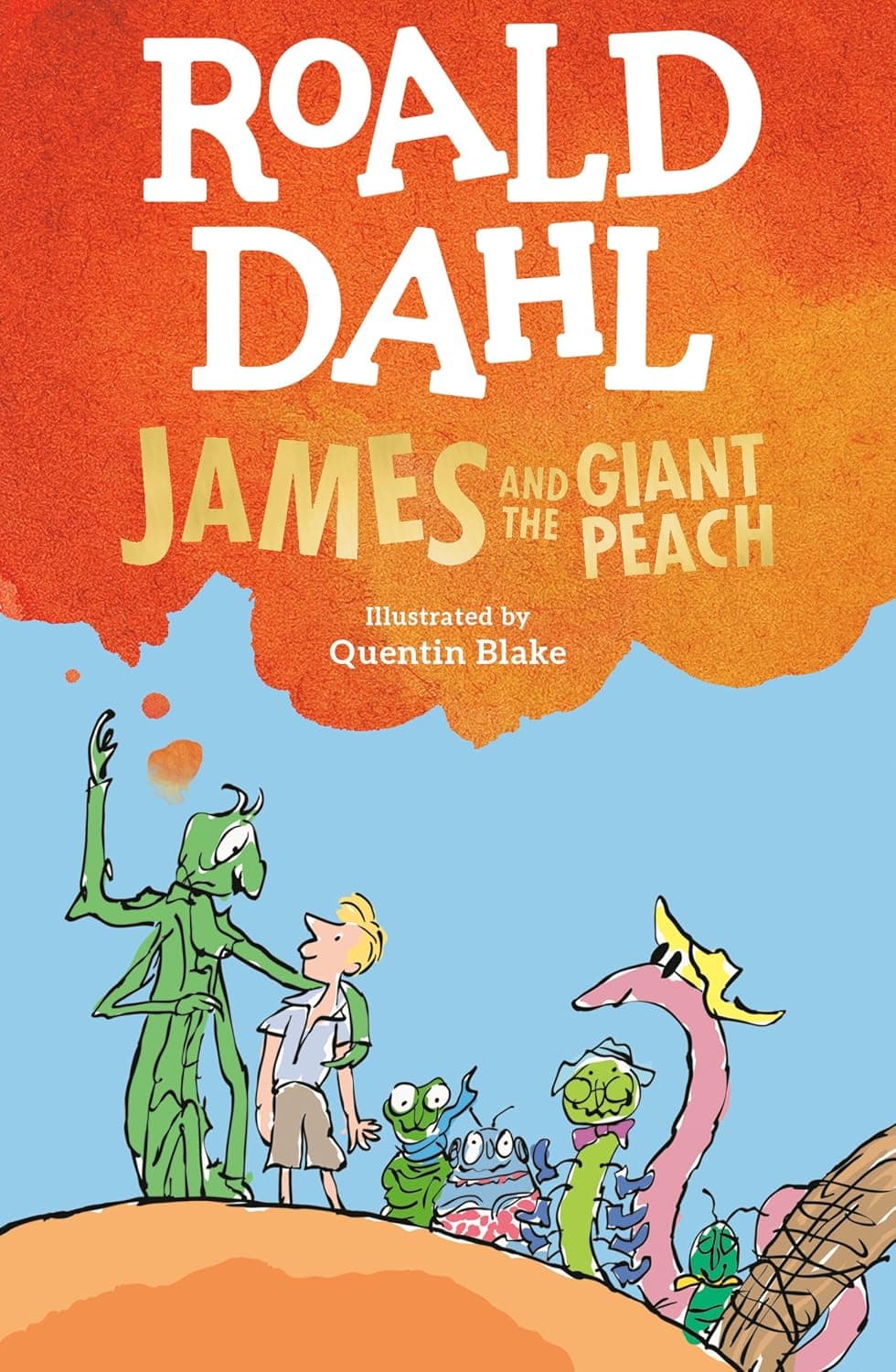
A rhinoceros escapes London Zoo and eats James's parents. Handed to two dreadful aunts, he crawls inside a house-sized peach and crosses the Atlantic with a crew of insects who become his family.

A toy becomes Real only when a child has loved it for years, by which time its fur is rubbed off and its eyes are gone. Williams's stuffed rabbit is loved that hard.

A boy called Africa stares into the wolf's cage and will not leave. The one-eyed wolf gives in, and each reads a whole life in the other's eye: Alaska's snow, then the deserts.

Two bodies lie on a Kyushu beach, arranged as lovers who died together, and the case turns on four minutes at Tokyo Station. Matsumoto pointed Japanese crime fiction straight at government corruption.

A war widow receives photographs of the husband she buried. The trail runs into a London fog where the killer Jack Havoc is loose, and Allingham makes the thriller an argument about evil.
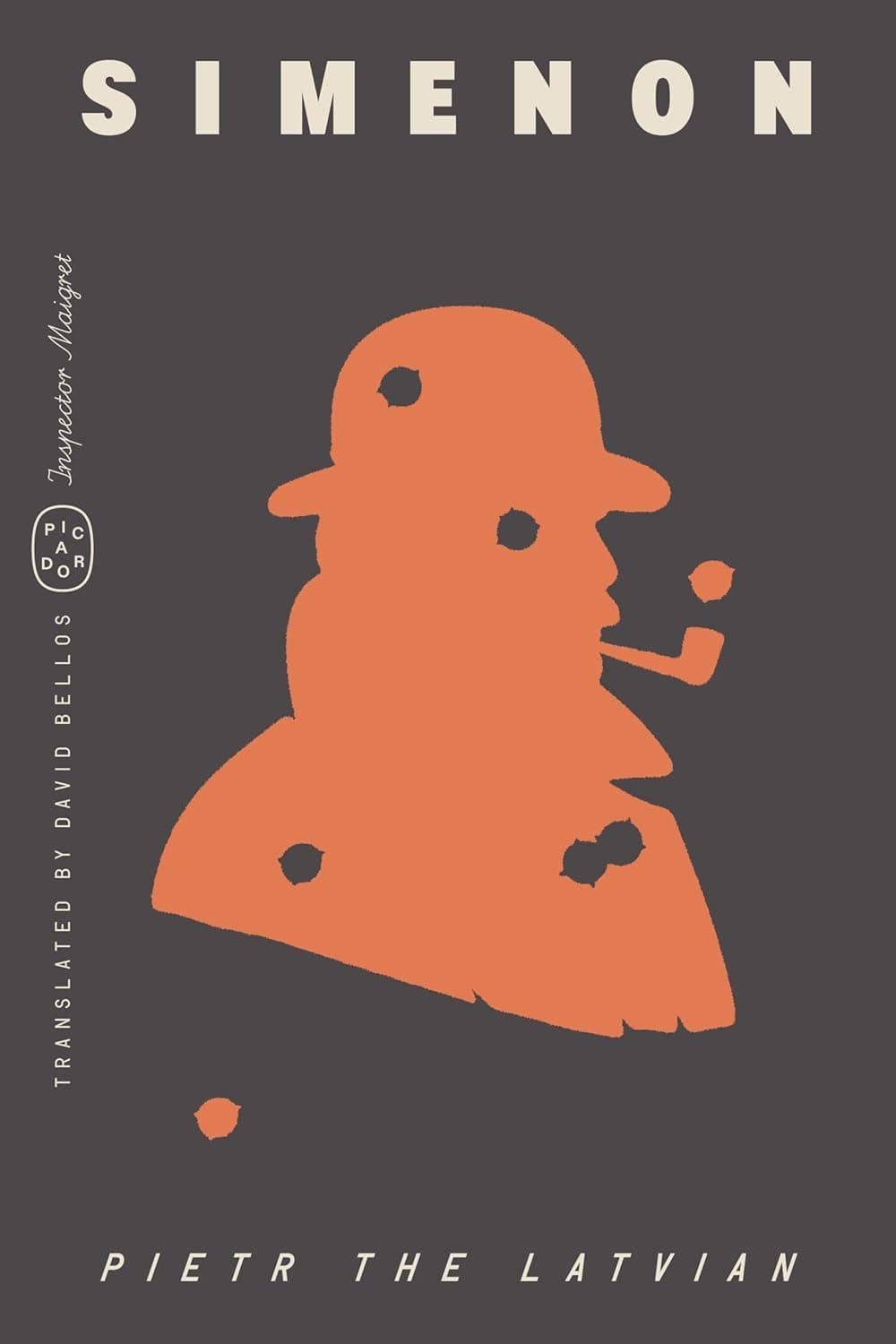
Inspector Maigret arrives fully formed in his first case, following a con man off the Paris express to a Normandy fishing port. He solves people rather than puzzles, and Simenon wrote seventy-four more.
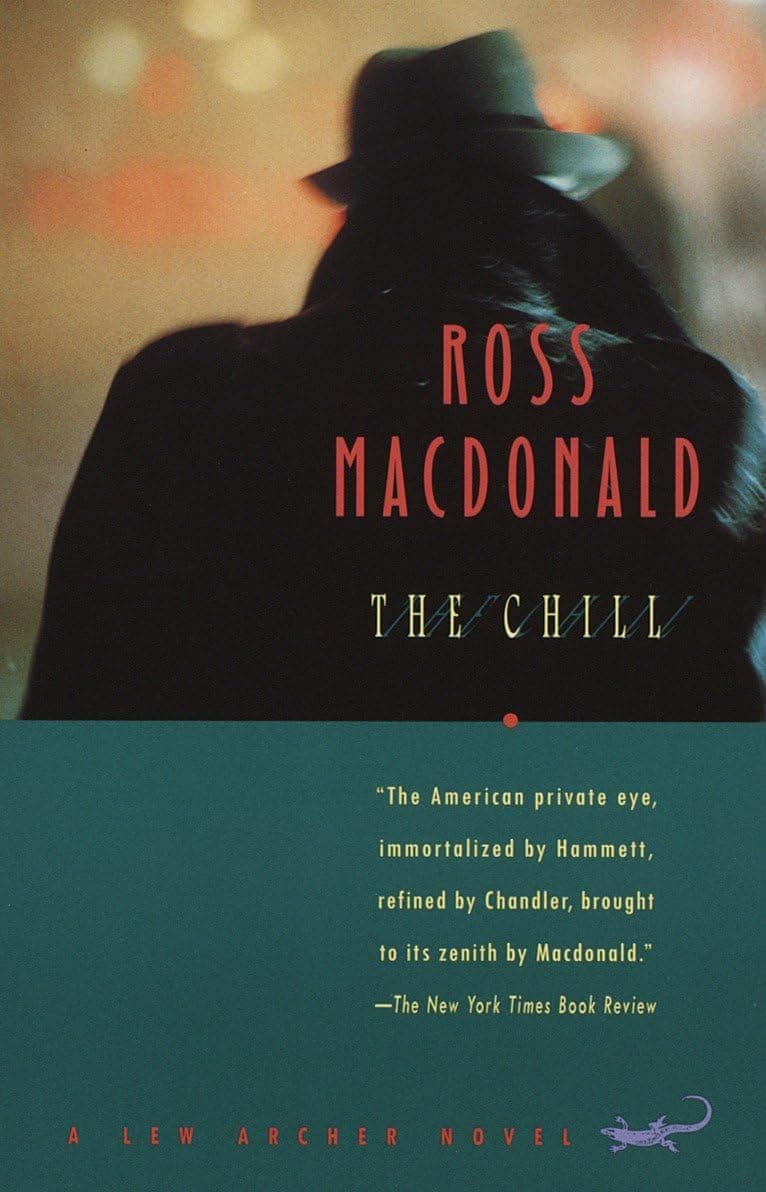
A husband hires Lew Archer to find the bride who fled their honeymoon, and the trail runs back decades into two families' history. In Macdonald's California, crimes are inherited rather than committed.

Le Carré called Ambler the source on which we all draw. An English novelist is shown a body from the Bosphorus and traces the dead man through Balkan assassination and Paris drug trafficking.

One apple on Monday, two pears on Tuesday, and holes punched through the pages for small fingers to follow. Carle's caterpillar has eaten its way through fifty million copies and sixty languages.

Bored in a hospital bed, a Scotland Yard inspector studies a portrait of Richard III and reopens the murder of the two princes, working entirely from chronicles and documents fetched to his bedside.