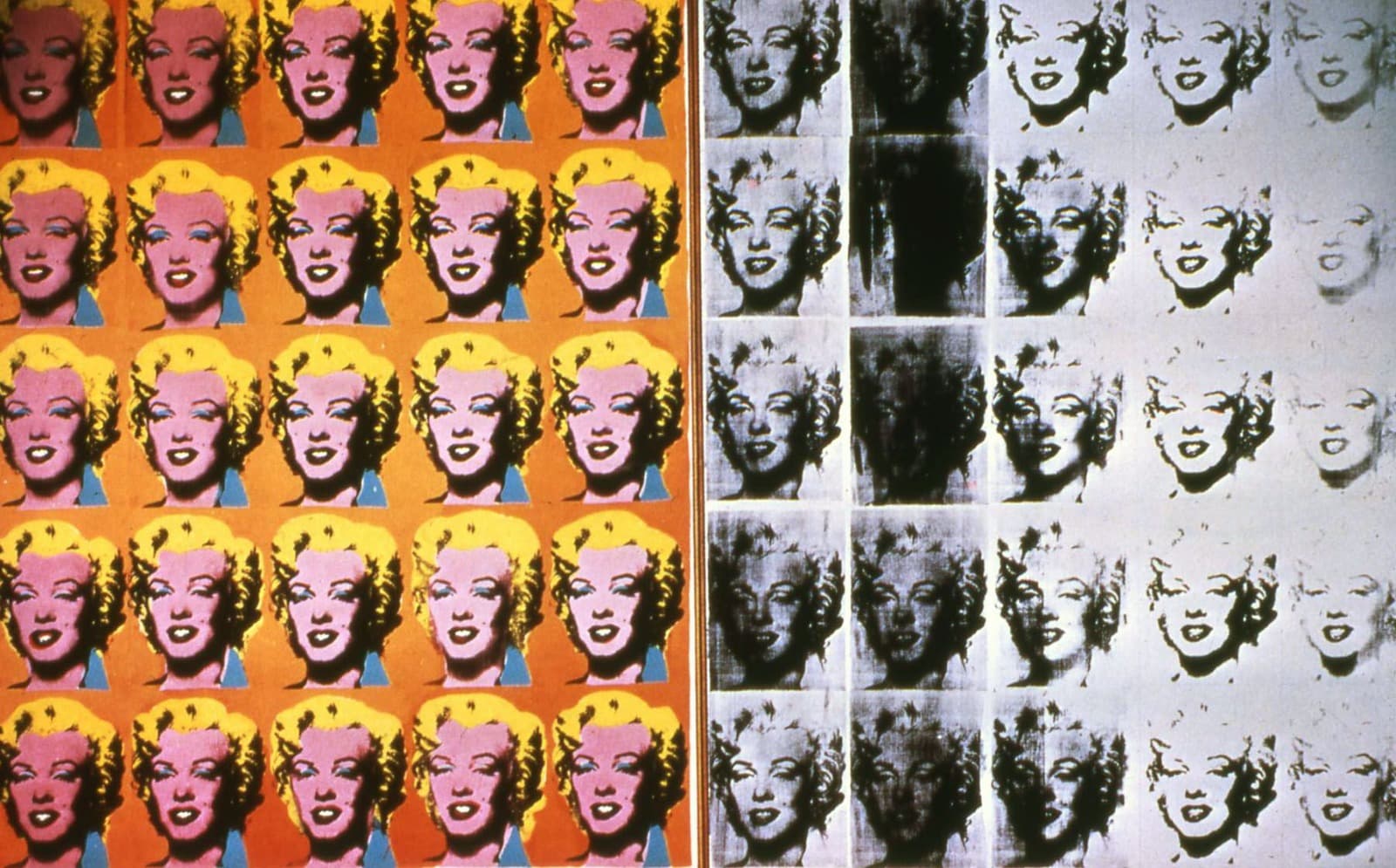
Marilyn Diptych
1962 · Tate Modern, London
Warhol silkscreened a publicity photo fifty times just after Monroe died, bright on one half and smudging away to nothing on the other.
★ 8.0
 skopia
Warhol silkscreened a publicity photo fifty times just after Monroe died, bright on one half and smudging away to nothing on the other.

Three flayed creatures crane and scream on orange grounds. Shown as the war ended in 1945, they made Bacon's reputation overnight.
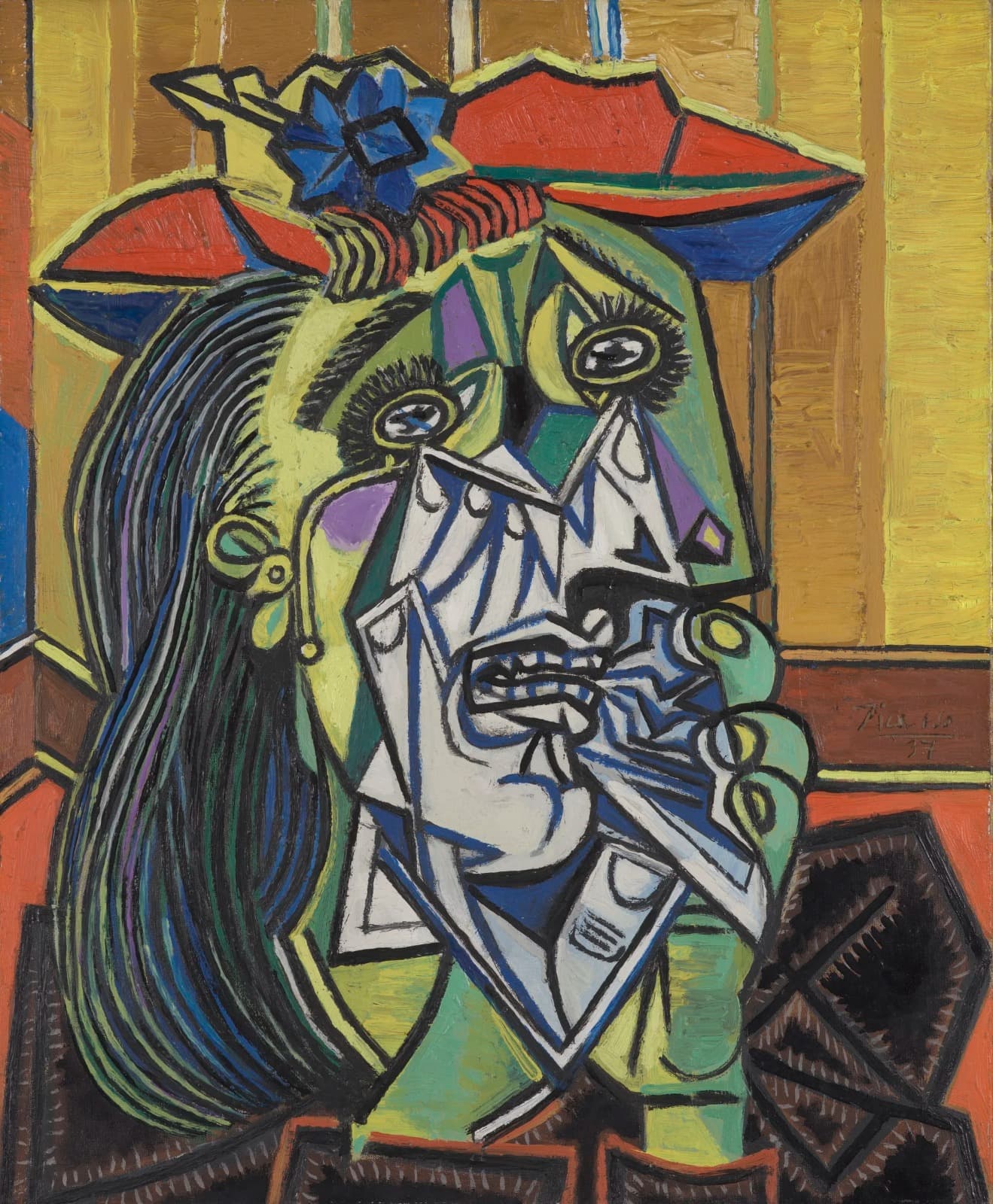
Picasso pulled her out of the screaming mother in Guernica and gave her the face of Dora Maar, his lover and a photographer.

Black lines, white ground, three primary colors and nothing else. Mondrian spent decades taking painting down to this and called it Neo-Plasticism.
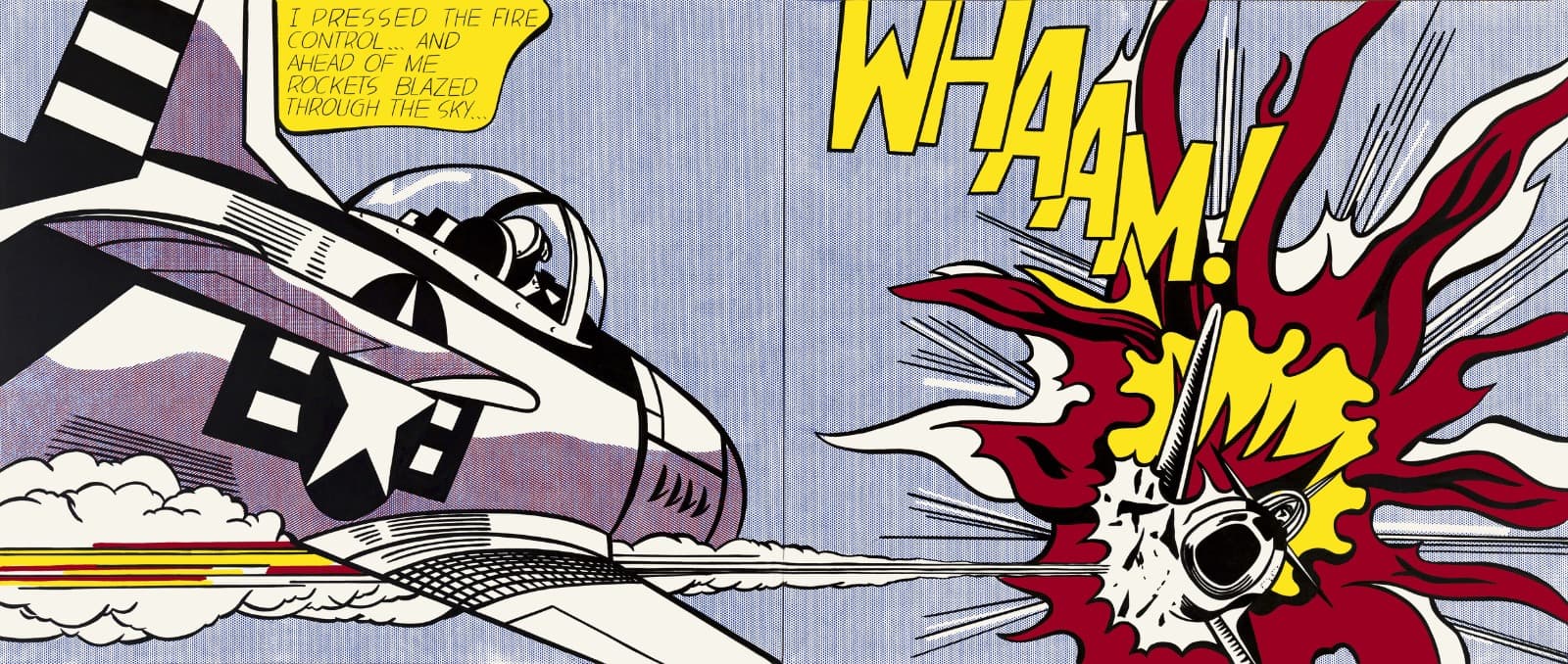
Lichtenstein blew a single war-comic panel up to mural scale across two canvases, Ben-Day dots, caption box and all.
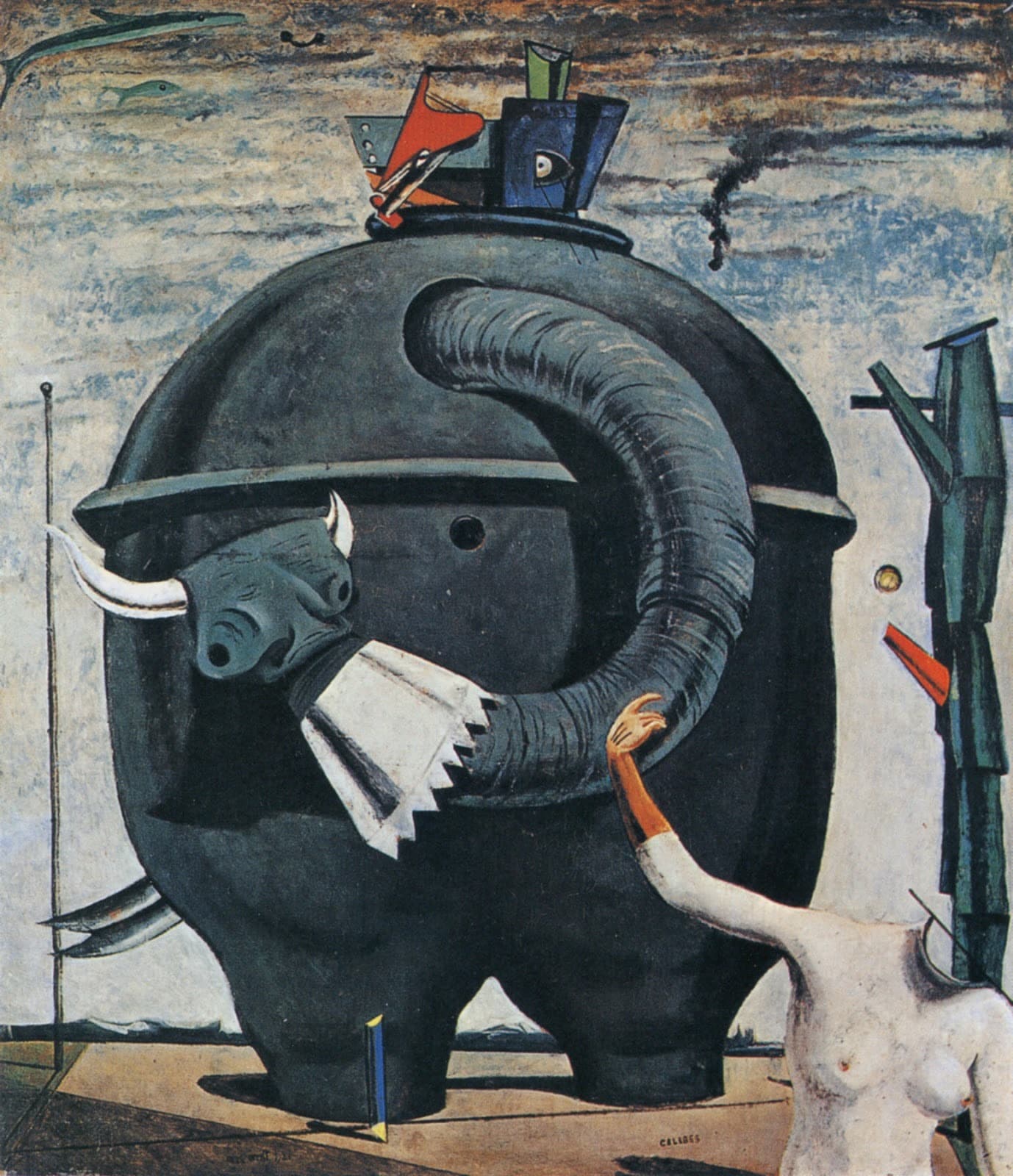
Part boiler, part elephant, with a tusked hose coming out of its head. Ernst took the shape from a photograph of an African grain bin.
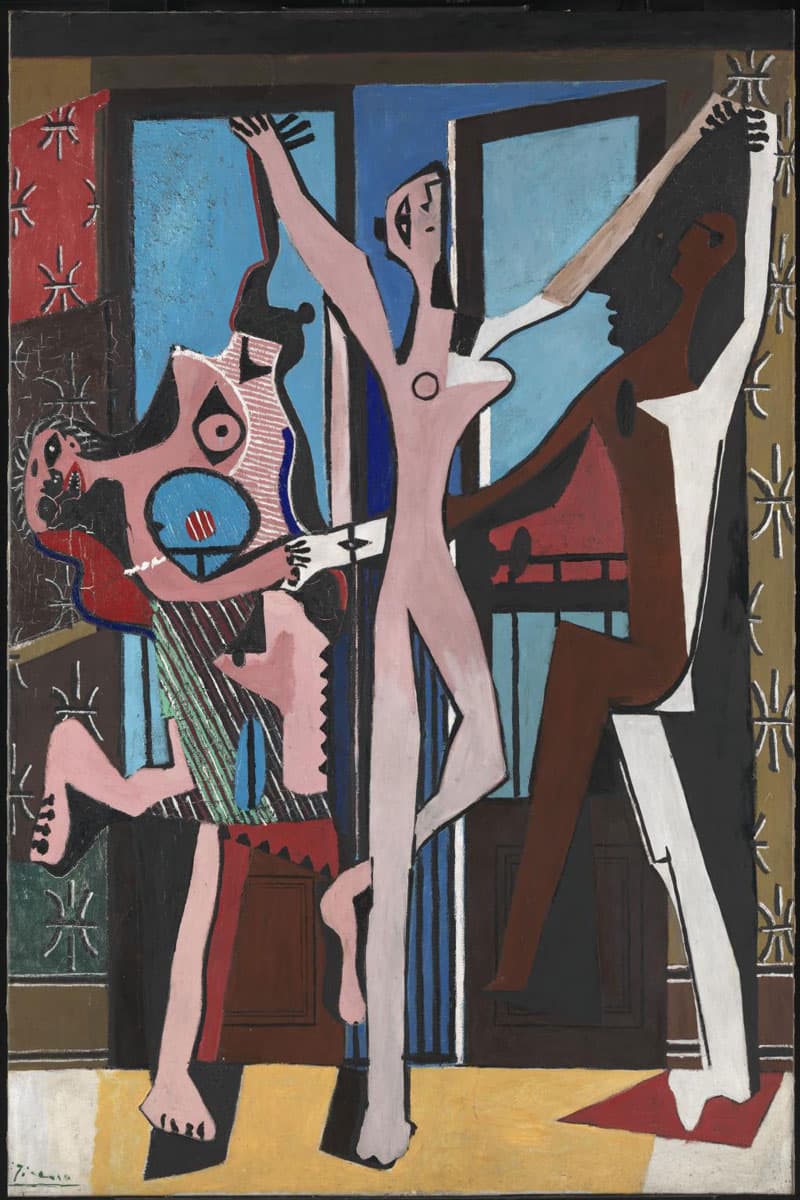
Picasso's classical calm breaks here into something jagged and violent, the limbs flung out almost crucified, set off by the death of an old friend.

Marie-Thérèse asleep beside a sculpture of her own head and a philodendron, from the year Picasso could seemingly do nothing wrong.

The kneeling figure on the left is the same shape as the stone hand on the right, holding an egg with a flower coming out.
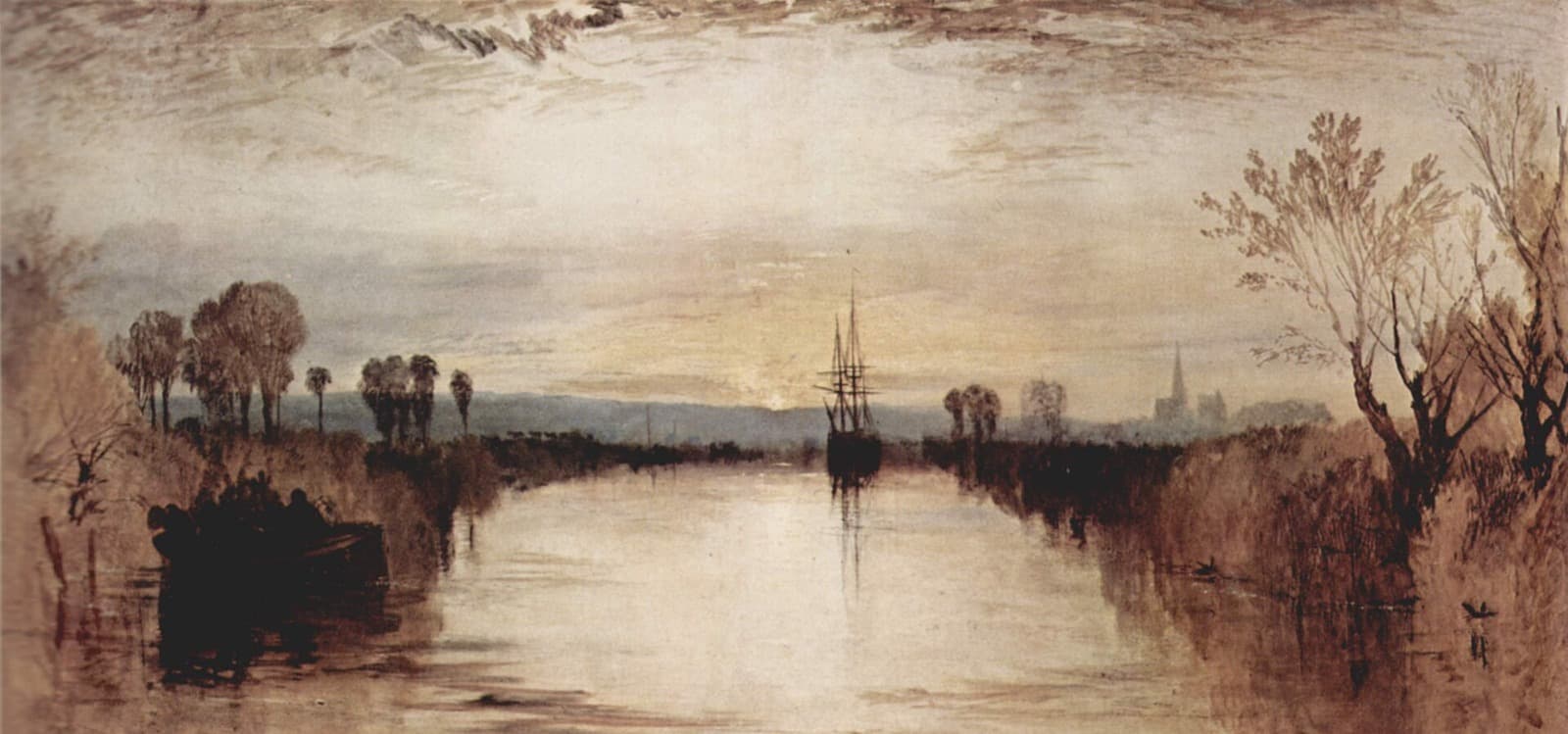
Masts stand black against a sky going from gold to soft blue, and almost nothing else in the picture is solid.

Bacon started from a snapshot of a friend dozing in a park and then removed the head, the identity and the ease.