
Parthenon Sculptures (Elgin Marbles)
440 BC · British Museum, London
The goddesses of the east pediment wear drapery so wet it clings. Elgin took the marbles to London in 1801 and Greece wants them back.
★ 9.4
 skopia
The goddesses of the east pediment wear drapery so wet it clings. Elgin took the marbles to London in 1801 and Greece wants them back.
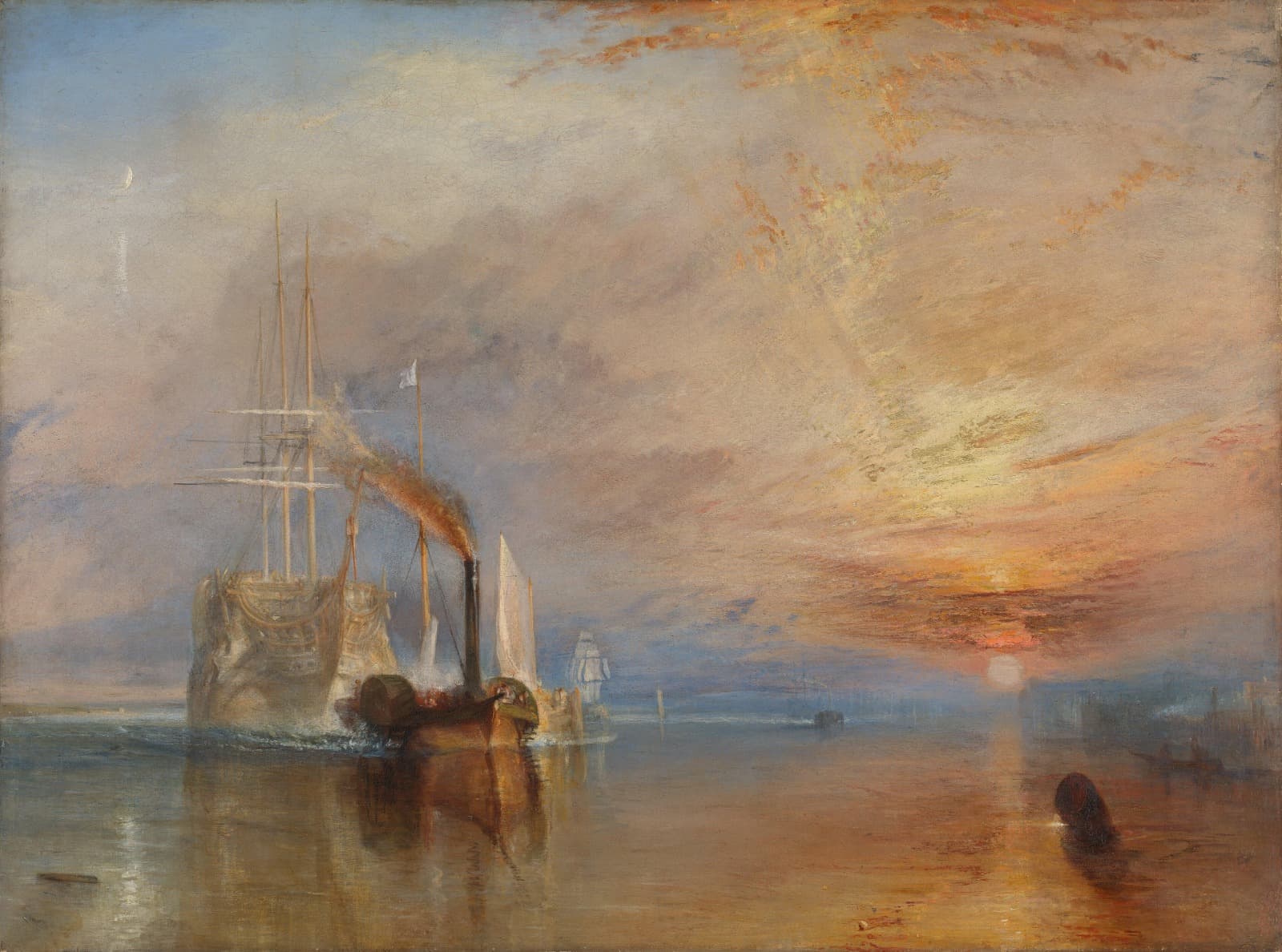
A steam tug hauls a Trafalgar warship off to be broken up. Turner refused to sell the picture and left it to the nation.
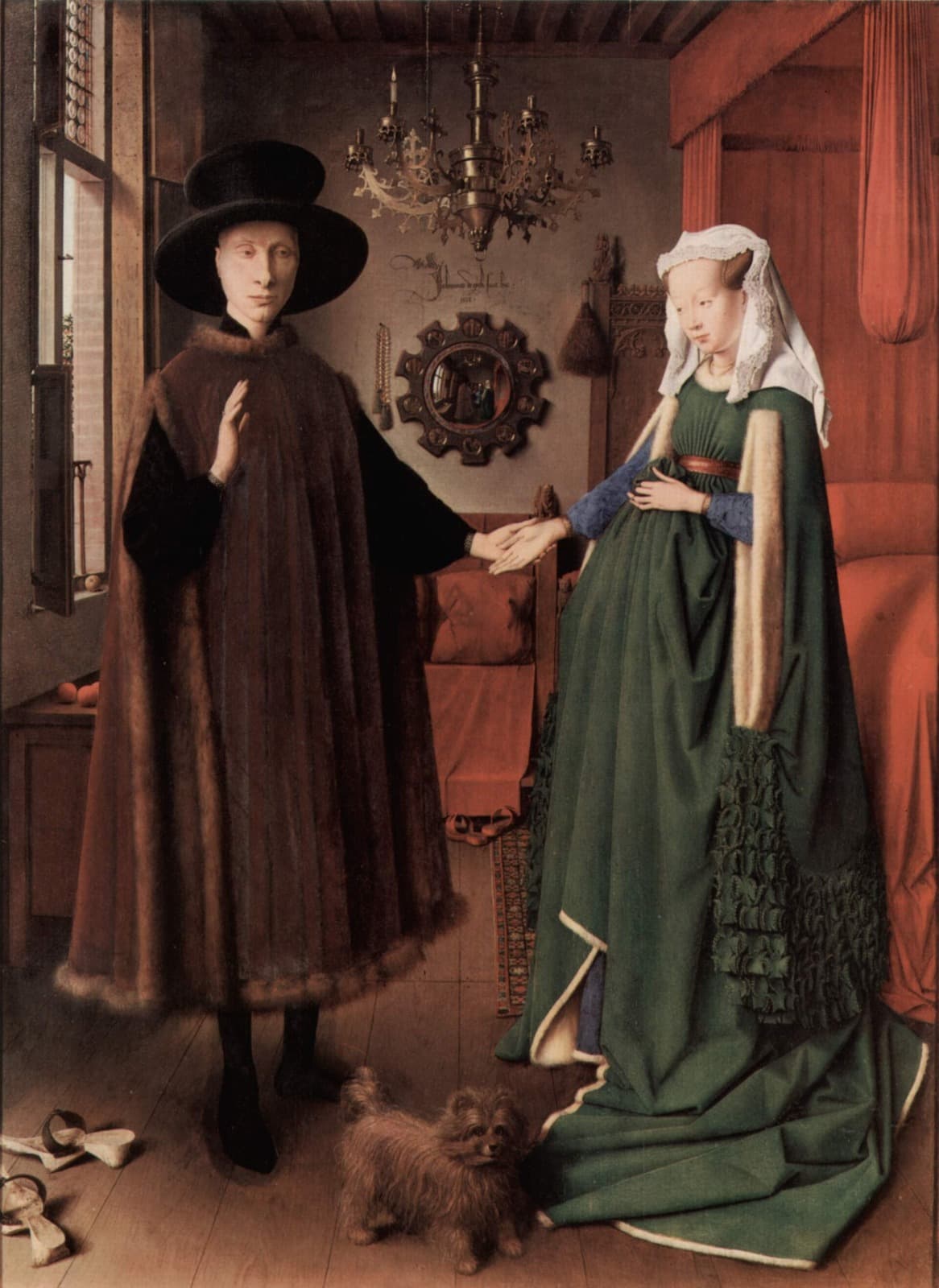
A couple joins hands in a Bruges bedroom, and the mirror behind them catches two visitors at the door. Van Eyck signed the wall above it.

Manet worked from a real barmaid named Suzon and put her reflection in the wrong place, which people have been arguing about ever since.
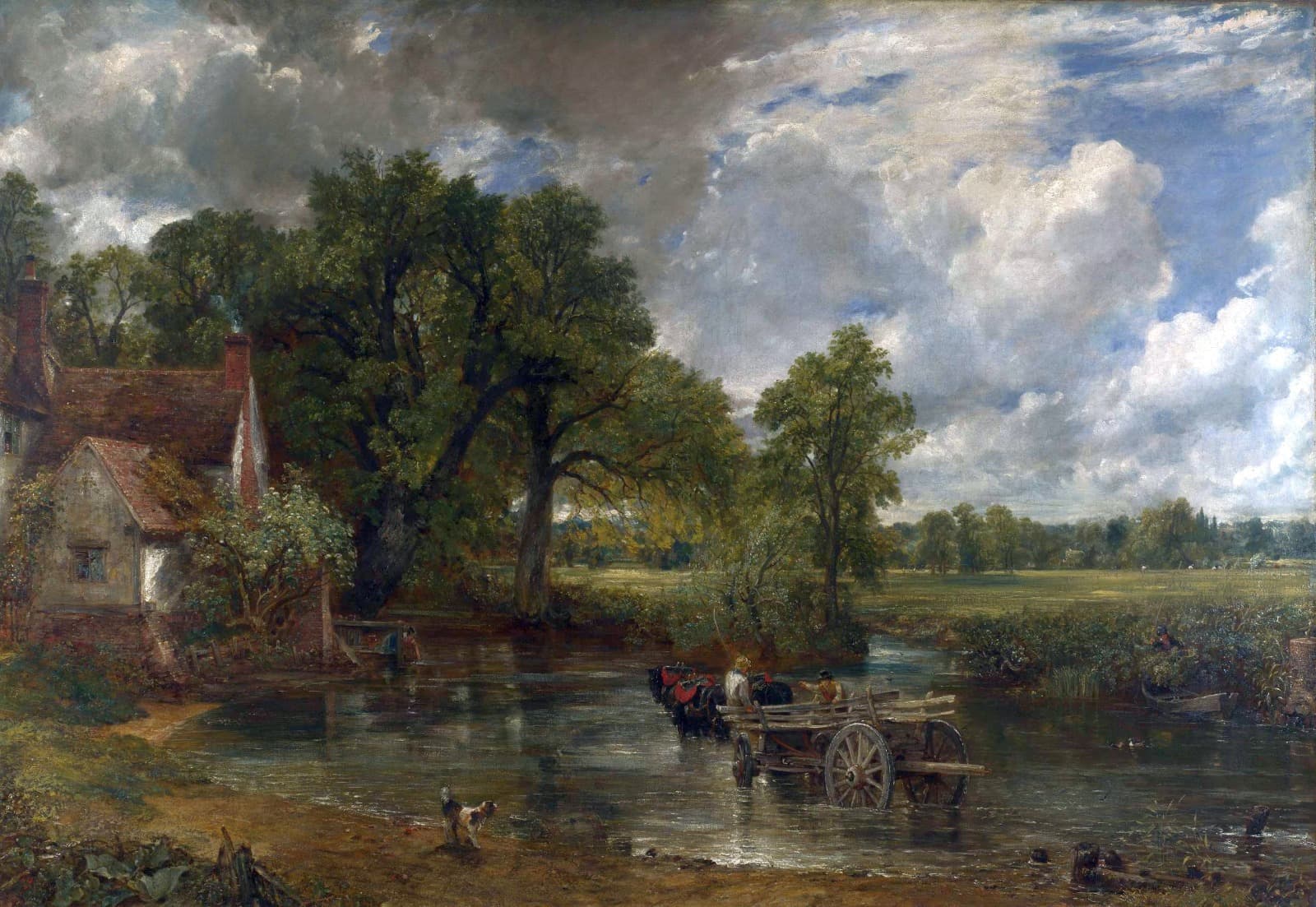
England ignored it, but the Paris Salon awarded it a gold medal in 1824 and sent Delacroix back to rework his own canvases.
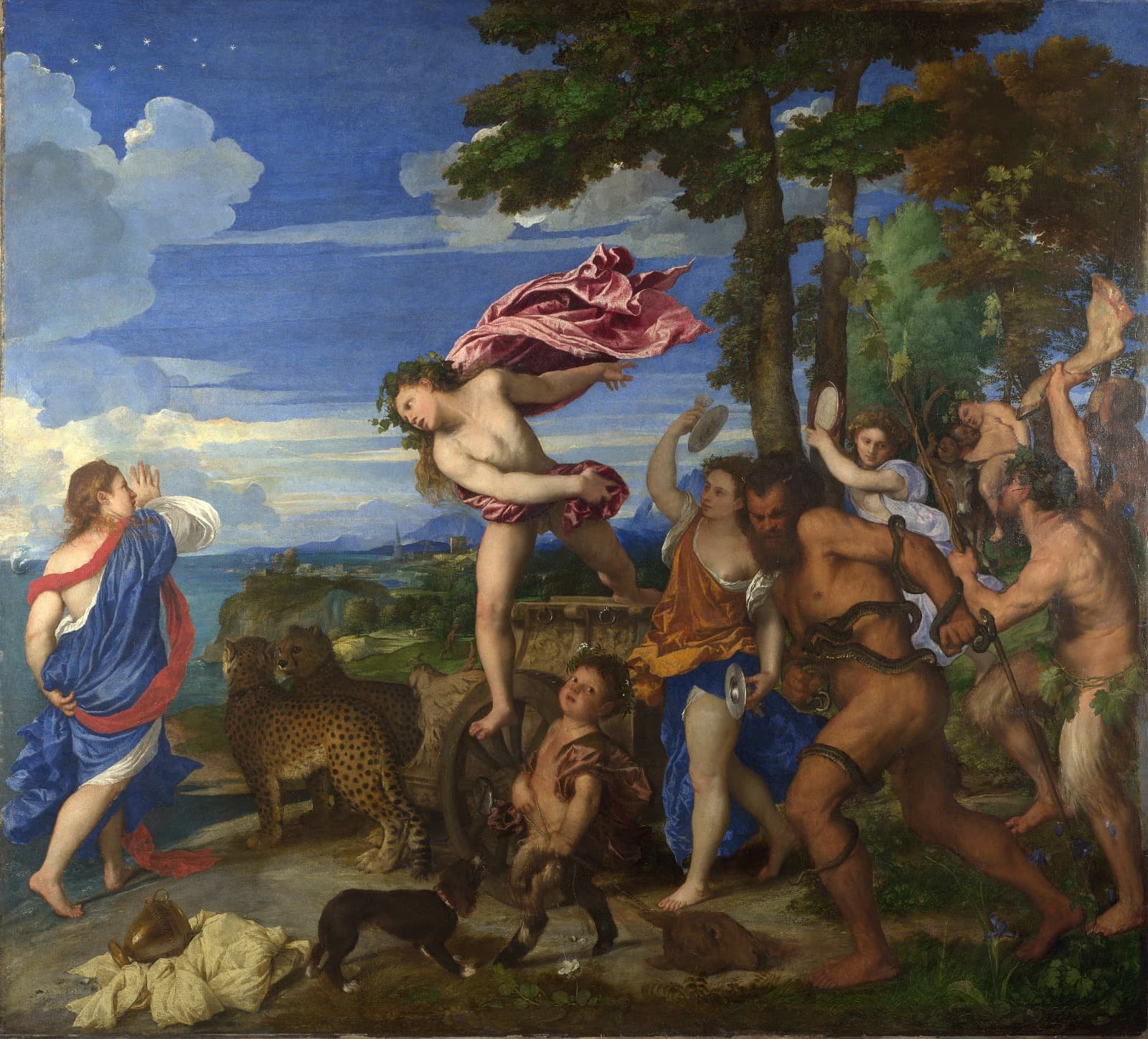
Bacchus leaps from his chariot toward Ariadne while Theseus's ship slips off the horizon, painted for a duke's private chamber in Ferrara.

A court lady steps between a lunging bear and the emperor. What survives is a later copy, crowded with the seals of everyone who owned it.
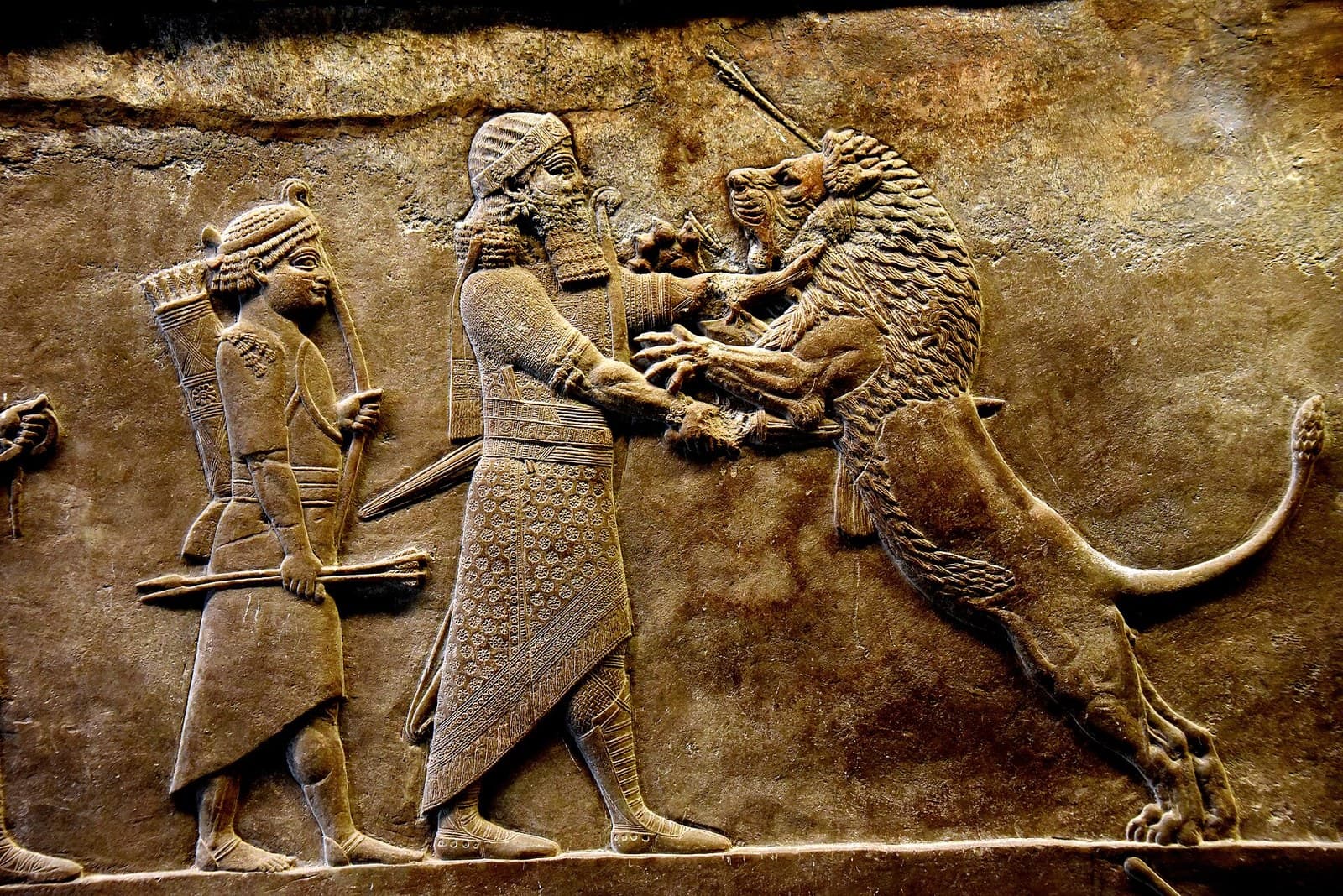
The king kills lions released into an arena to prove he can protect his people, and the dying animals are carved with startling tenderness.

Two men pose with globes, sundials and a lute with a broken string, and a smear on the floor turns into a skull from the side.

Over ten meters long and tied from perhaps twenty-six million knots, woven for a shrine and inscribed with a longing line of Hafiz.
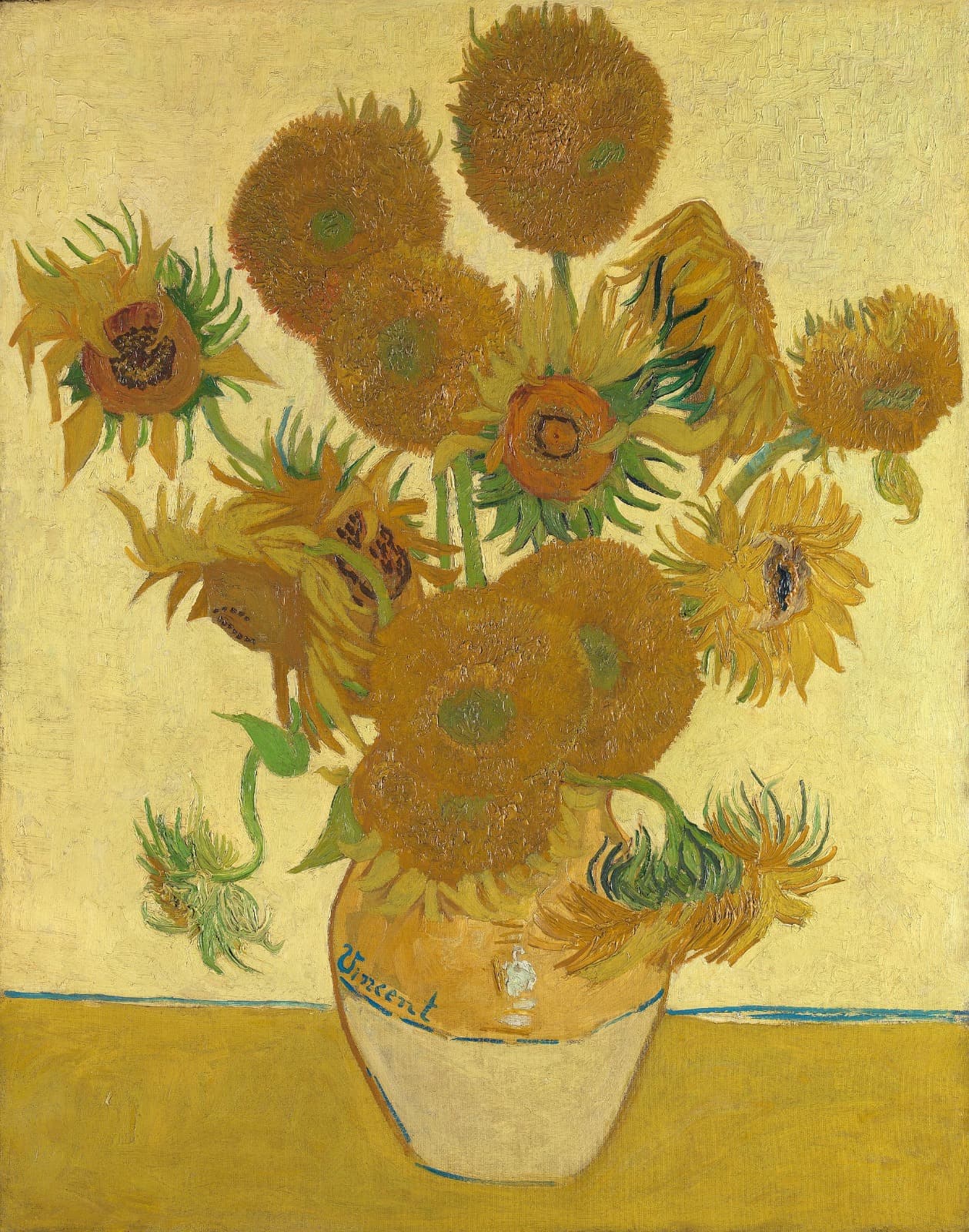
Some blooms burst with petals and others have gone to seed, all yellow on yellow, painted to decorate the house where Gauguin was to come.
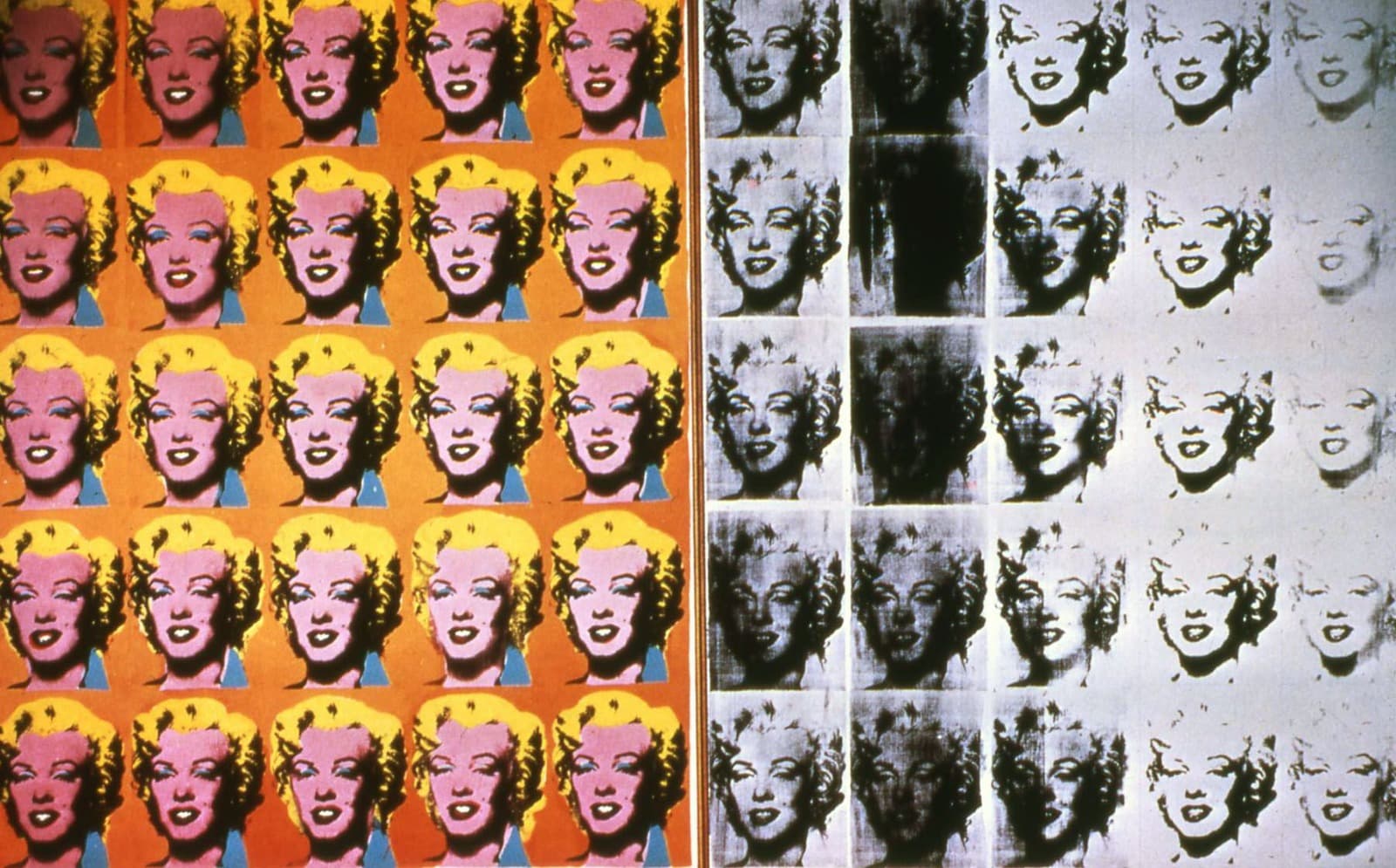
Warhol silkscreened a publicity photo fifty times just after Monroe died, bright on one half and smudging away to nothing on the other.
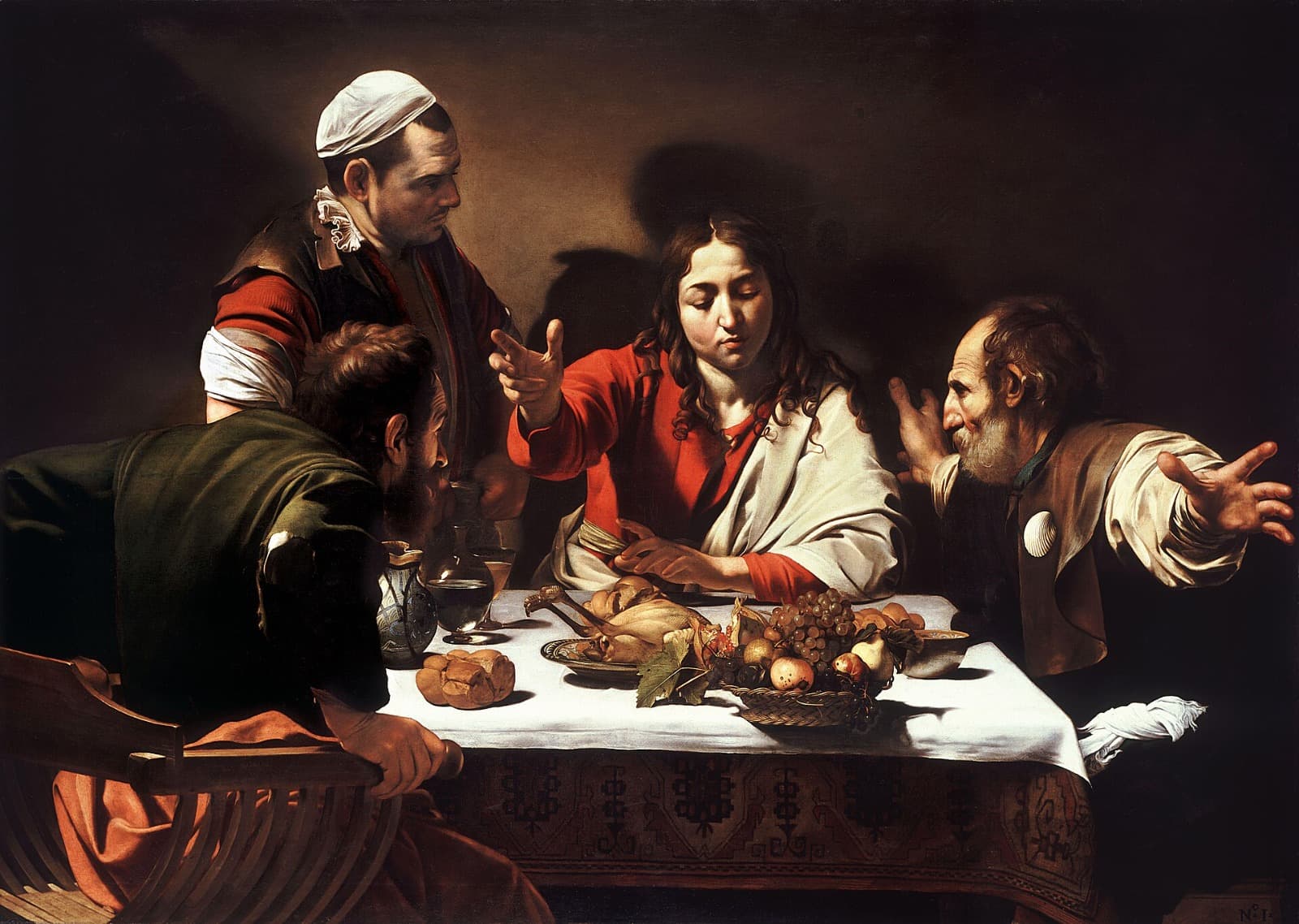
One disciple grips his chair to stand and the other throws his arms wide, while a fruit basket teeters off the edge toward us.

Three flayed creatures crane and scream on orange grounds. Shown as the war ended in 1945, they made Bacon's reputation overnight.
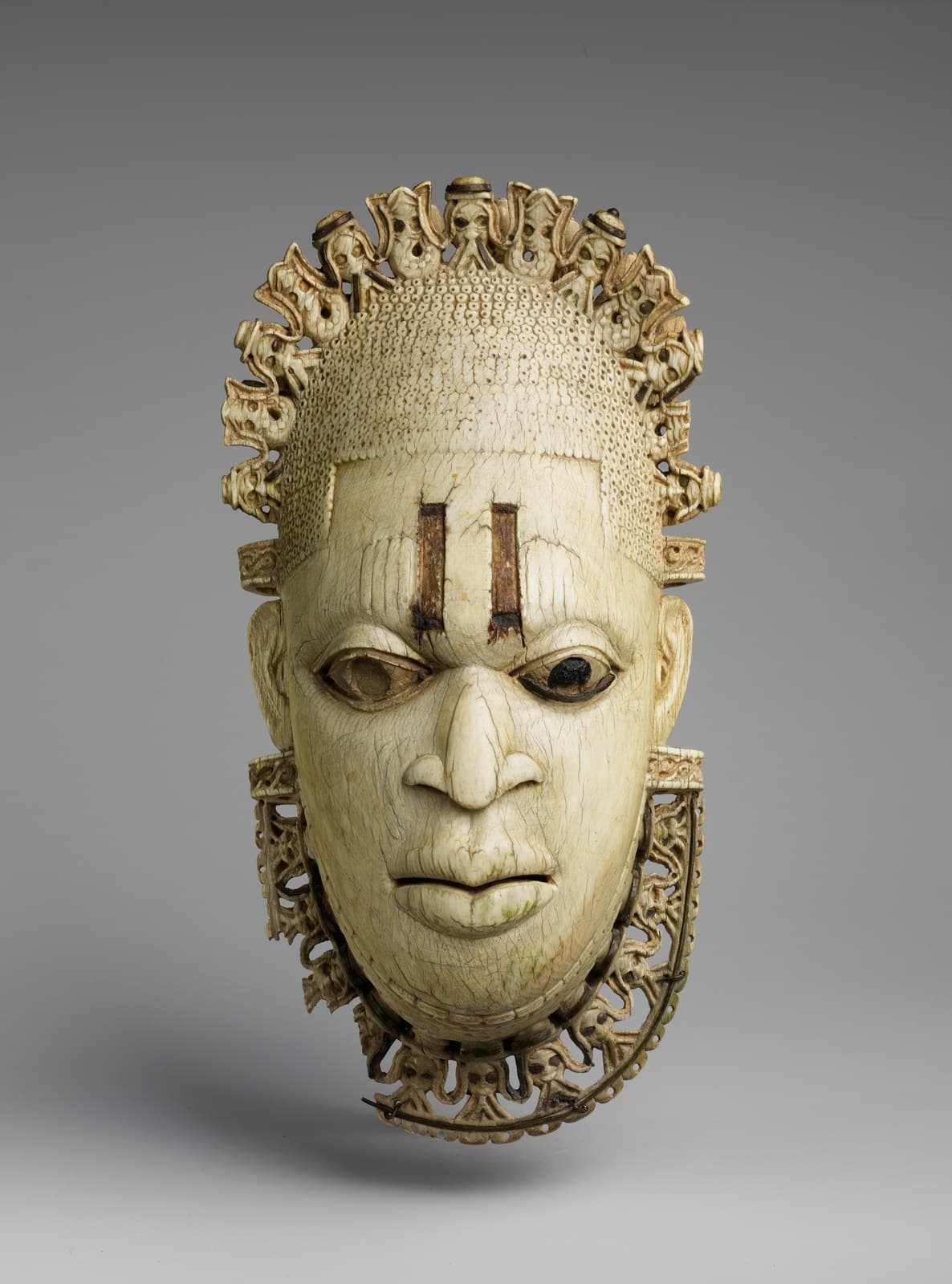
The oba wore it at his hip, its crown made of tiny Portuguese heads. A British expedition looted it from Benin in 1897.
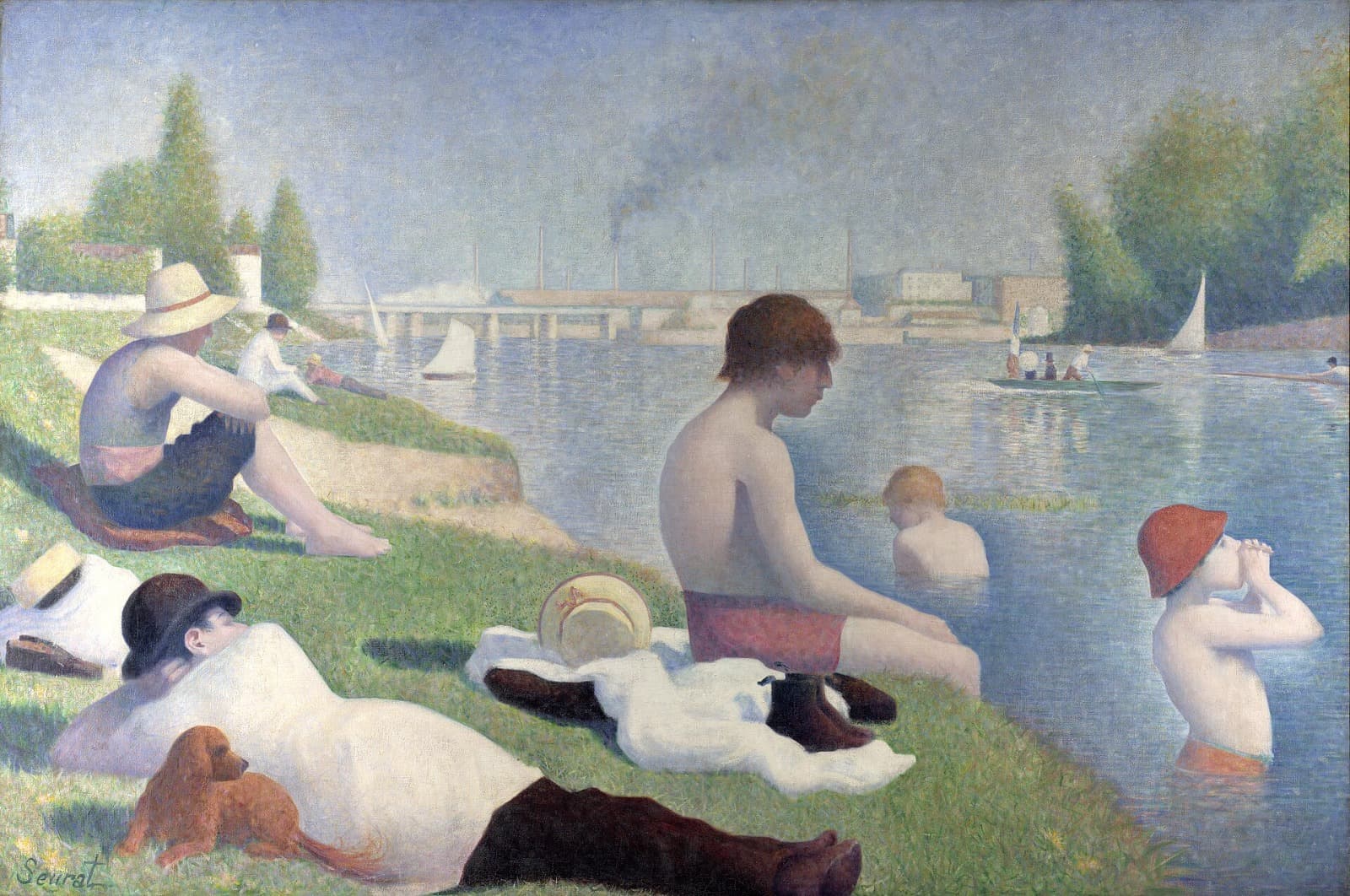
Working men bathe on the bank while factory chimneys smoke across the river, the figures given the weight of a classical frieze.
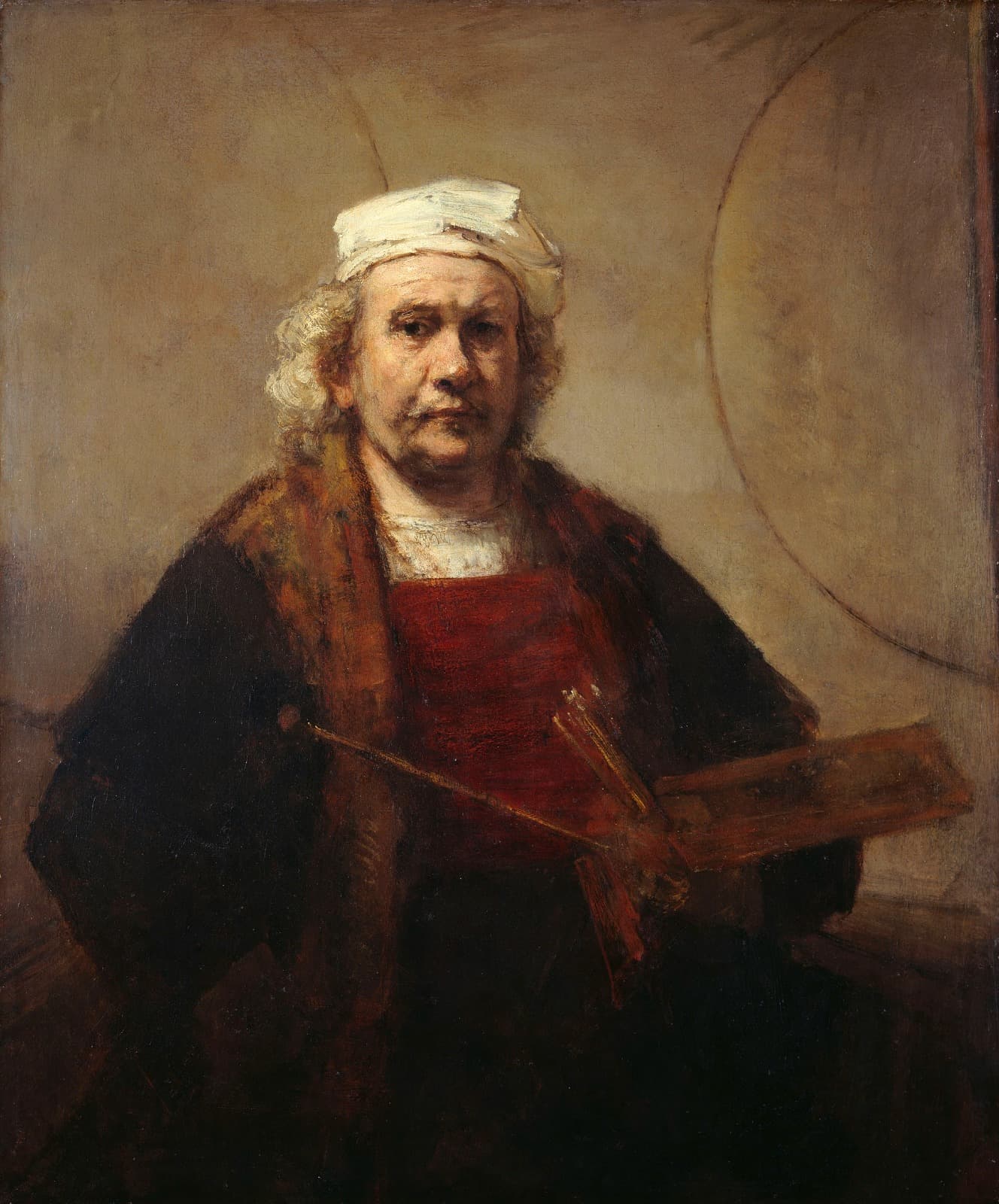
The old painter holds his brushes and palette, and behind him two large arcs are drawn on the wall that nobody has explained.

A girl with a reptile's body offers a honeycomb and Time pulls back a curtain. The cold puzzle was probably a gift for the French king.

The wary, straight-on gaze is what a painter sees in a mirror, which is why this is probably van Eyck looking at himself.
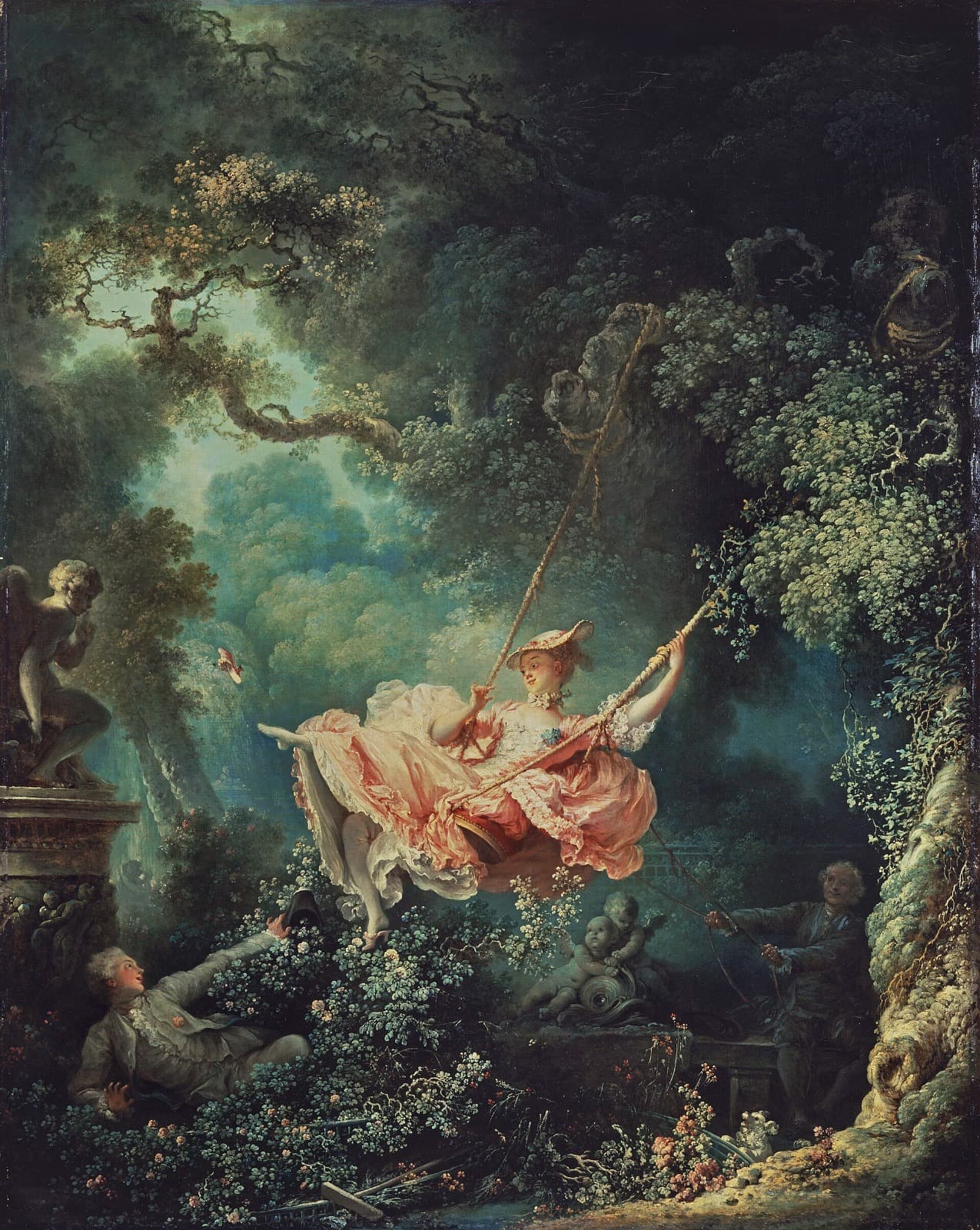
An old man works the ropes without knowing the young man in the bushes is looking straight up her skirts. A slipper flies off.