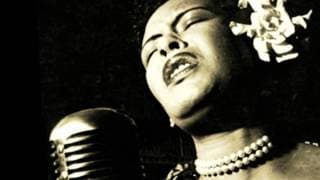
Strange Fruit
1939
A Bronx schoolteacher's poem about lynching, sung in a single spotlight, still the bravest three minutes on record.
★ 9.6
 skopia
A Bronx schoolteacher's poem about lynching, sung in a single spotlight, still the bravest three minutes on record.
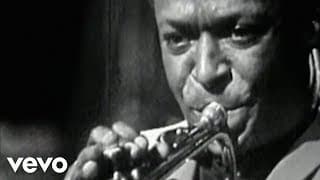
Two chords and all the space in the world, Davis proving that less was the most radical idea in jazz.
Armstrong's twelve-second opening cadenza announced that jazz had a soloist, and everything since has been the answer.
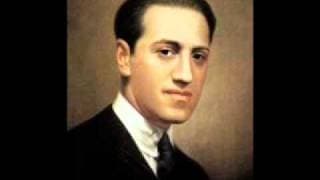
Ross Gorman slurred the opening clarinet as a joke in rehearsal, and Gershwin kept the wail for Aeolian Hall.
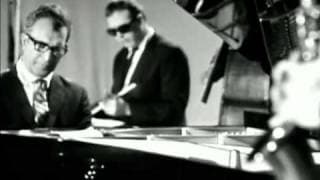
Morello kept soloing in five, so the quartet built him a tune in 5/4; Desmond wrote the theme.
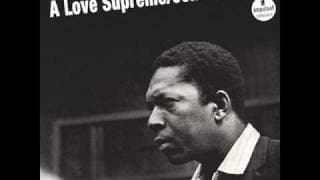
Garrison's four notes, then Coltrane overdubbing the chant nineteen times, one December day at Van Gelder's.
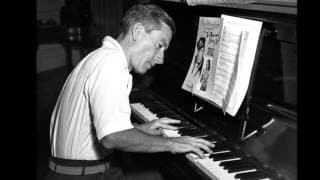
Carmichael whistled the tune to his band at Gennett and cut it fast; Parish added the lyric two years later.
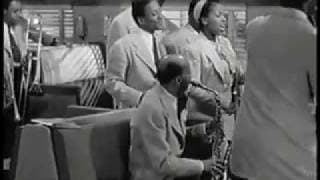
Strayhorn turned Ellington's subway directions into a theme song; Ray Nance's trumpet solo got copied note for note ever after.
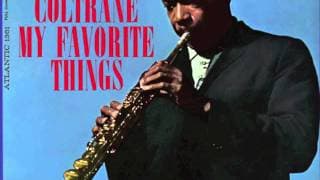
Coltrane picked up the soprano saxophone Miles gave him and stretched a Rodgers and Hammerstein waltz past thirteen minutes.
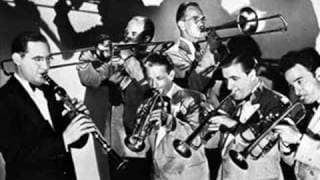
Louis Prima's tune, Krupa's tom-toms, and a performance long enough to fill both sides of a twelve-inch 78.
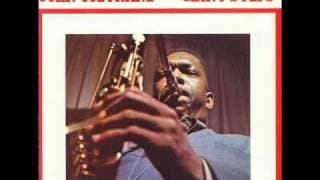
Recorded May 5, 1959, with the band reading it cold, and those third-related key changes remain jazz's hardest exam.
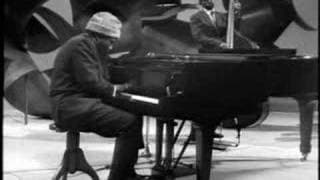
Monk wrote it around 1940, cutting it for Blue Note in 1947; no jazz composer's tune is recorded more.
Never a professional singer, Gilberto sang at the 1963 session because she spoke English; Record of the Year followed.
A quarrel with her mother over money, by Holiday's own account, gave the song its title line and its steel.
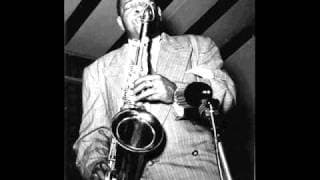
Hawkins barely states the melody, improvises two choruses instead, and the 1939 Bluebird side pointed jazz toward bebop.
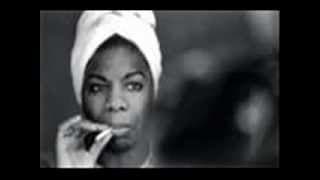
Written for a Newley and Bricusse musical, it opens with nothing but her voice before Hal Mooney's horns land.
Written at a Kelly's Stables piano in 1942 under the title Interlude, with a bass line that refuses to walk.
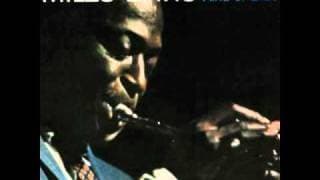
A twelve-bar blues in 6/8, take two the only complete one, and Paul Chambers' bass figure underneath everything.
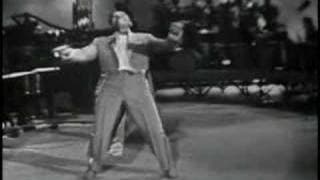
Calloway forgot the words on a Cotton Club broadcast, by his account, and the hi-de-ho call and response was born.
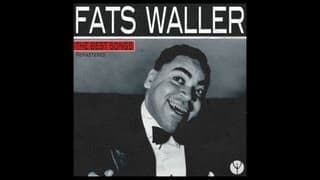
Waller sold every song in Hot Chocolates for five hundred dollars, then cut this one alone for Victor.
No vocal, the melody withheld until the final chorus, and Beiderbecke's cornet solo transcribed note-for-note by Fletcher Henderson's orchestra.
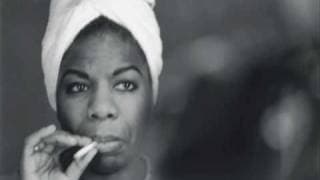
Simone learned it at her mother's revival meetings and stretched it past ten minutes of piano vamp and handclaps.
Lester Young died two months before the session, and Mingus answered with a slow blues named for his hat.
Richard Wess's arrangement climbs a semitone verse after verse, and Darin rides the tension to his only number one.
Ellington inverted the horns, trombone high and clarinet low, and the overtones invent a fourth instrument that is not there.

Miley's growl trumpet, Nanton's plunger-muted trombone, and a Chopin funeral march closing out the 1927 Victor side.
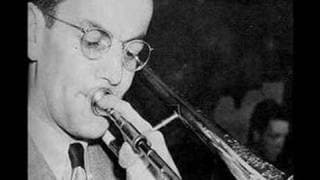
Composed under Joseph Schillinger's tuition, and the band was playing it as a theme before it had a title.
RCA called it "a complete waste of time", hid it on a B-side, and Shaw's clarinet sold six million anyway.
A head arrangement built section by section, Lester Young and Herschel Evans trading solos, Basie's theme song ever after.
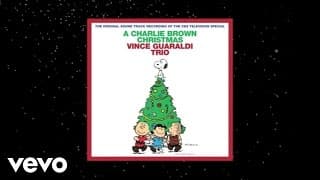
A piano vamp, Budwig's bass, Bailey's drums, taped in San Francisco in 1964 and welded to Peanuts ever since.
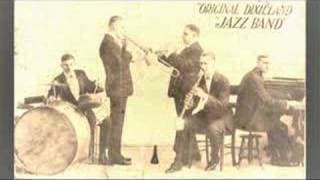
Barnyard imitations from clarinet, cornet and trombone, waxed for Victor in February 1917: the first jazz record commercially released.
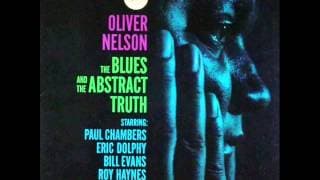
A sixteen-bar theme, twelve-bar minor blues solos, and Dolphy, Hubbard and Bill Evans in Van Gelder's room.
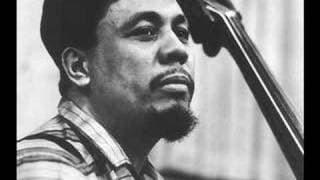
Pepper Adams' extended baritone solo, and a whole blues album Mingus cut in one February 1959 session.
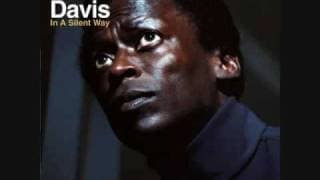
Three electric pianos over a single February 1969 session, and Macero's edit brings the opening back to close it.
Zawinul named it for the club where he heard Basie, Ellington and Miles, then made an instrumental a hit.
Twelve guitar parts and twelve vocals, by Paul's own count, layered in a Queens apartment studio; nine weeks at number one.
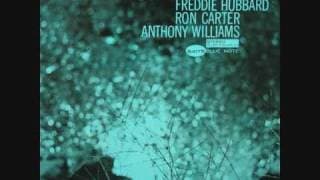
Hubbard on cornet, Van Gelder engineering, June 1964; Us3 later looped Hancock's vamp into the Top 10.
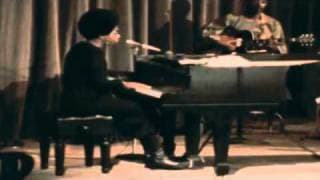
Sharp and Karpeles collected this Scottish ballad in the Appalachians in 1916; Simone slows it to near-stillness at Town Hall.
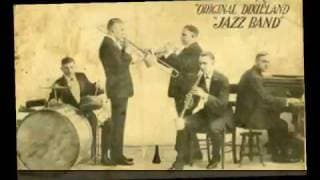
Cut for Victor in March 1918, over 136 versions by 1942, and New Orleans still argues over who wrote it.
Cut for Victor in July 1918 by the singer billed as Queen of the Blues; jazz kept it.
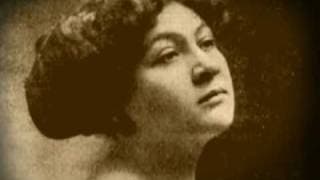
Tucker's maid pressed Shelton Brooks's song on her in 1910, and it stayed her signature for the rest of her career.