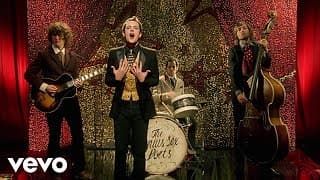
Mr. Brightside
2004 · From Hot Fuss
Flowers wrote it after a bad night at a Vegas bar; Britain has kept it charting past 500 weeks.
★ 7.6
 skopia
Flowers wrote it after a bad night at a Vegas bar; Britain has kept it charting past 500 weeks.
Gonzalez built that shrieking hook from his own distorted voice, then let James King's saxophone close the record.
A stomping riff, a desert studio in Joshua Tree, and the band's first single to reach the Billboard Hot 100.
Two songs welded together, the tempo dropping a minute in, and a sniper film lending Kapranos his double-edged title.
A wordless chorus half of indie rock then copied, and Bowie sang it onstage with the band in 2005.
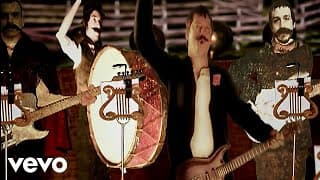
Brock wrote it in the final days of tracking, fed up with darkness, and built indie rock's warmest chorus.
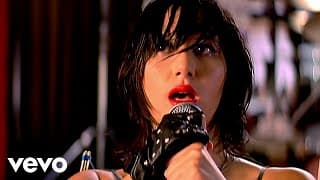
Zinner's looped riff, twenty minutes of writing from Karen O, and a video where the tears are real.
Reprise rejected the album, Wilco streamed it free, and a sister Warner label put out these swooning strings instead.
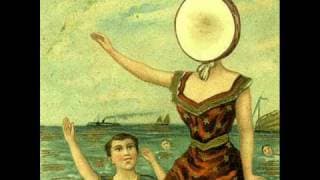
Julian Koster's singing saw over double-tracked acoustics, cut in Denver with Robert Schneider, and a chorus that faces death smiling.
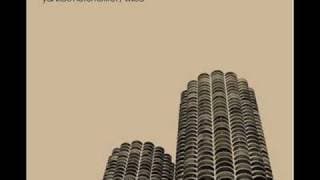
O'Rourke mixed this one song as an audition, won the whole album, and Wilco made it the opening track.
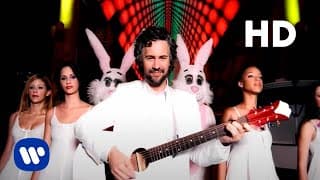
Coyne wrote it during Drozd's recovery, a plain statement about mortality that Oklahoma voted its official state rock song.
Sub Pop pressed it as a one-off single in 2001; three years later Garden State made it a generational password.
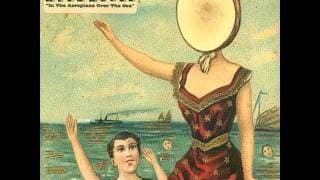
Every instrument distorted at Schneider's Denver studio, and Mangum turns an elegy for Anne Frank into pure forward momentum.
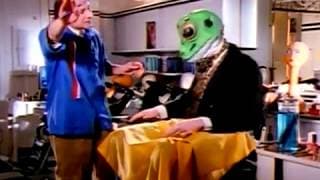
Malkmus turned a fake band advert into a hook, and Pavement's snipe at image became their biggest hit.
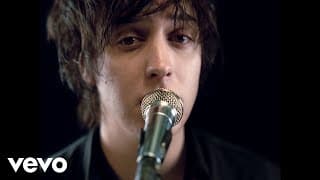
Nigel Godrich's sessions got scrapped, Gordon Raphael came back, and the descending twin-guitar riff turned everything into a sprint.
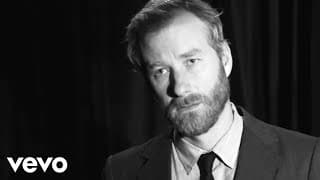
Cut in Aaron Dessner's Brooklyn garage, a horn part stripped out late, leaving that rolling drum pattern and Berninger's baritone.
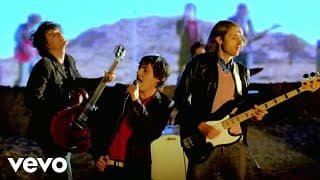
Flowers called it the story of trying to meet someone in a club; Keuning's hook does the flirting.
Chris Bear started the piano line on a Cape Cod weekend; Victoria Legrand's stacked harmonies make the rest glow.
Pecknold rebuilt a piano soul demo with Phil Ek at Bear Creek, and the harmonies own the second half.
A fantasy of Belle Epoque Paris, handed out free online, that then spent thirty-one weeks climbing to alternative number one.
Rostam's harpsichord reharmonizes a melody that traveled from Bread through Grover Washington Jr. to Souls of Mischief, then here.
Four feet of air between hi-hat and snare mic, and a drum machine sketch reborn as live New York rock.
Coyne named his karate warrior after Boredoms drummer Yoshimi P-We, then cast the heroine's disease as pink robots.
Daniel wrote it late for Gimme Fiction, cut it first, and sang in a Prince falsetto over Eno's hi-hat.
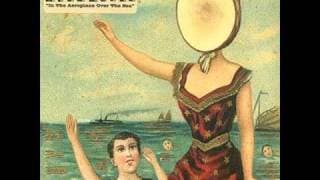
Schneider got the fuzz from tube preamps and compression, not pedals, and Mangum sings childhood into two minutes flat.
Jon Brion produced this track and no other on the album, adding mariachi-style horns and handclaps to Britt Daniel's warning.
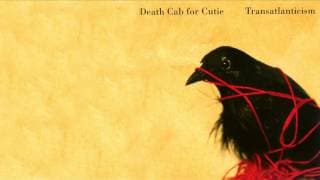
Gibbard watched goodbyes at Heathrow; the band used Weezer's Only in Dreams as the map for that closing climb.
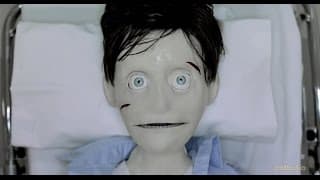
Charlie White's video put an animatronic puppet through a real emergency room, six puppeteers digitally erased; fans named it Norman.
A rolling piano, Butler's boyhood in The Woodlands outside Houston, and an album he called a letter from the suburbs.
Granduciel spent two years second-guessing these sessions, and the song still turns on one yelp before the chorus.
Yttling whistled a placeholder melody, ran it through tape delay, and kept it; Bergsman answers line for line.
Koenig named it for a Columbia classmate from his Buddhism class, and the final minute cracks wide open.
Five hours in a Los Angeles jingle studio, the demo kept as the master, its subject hidden in plain sight.
Snowed into a Prince Edward Island farmhouse, Rankin wrote a proposal song; VanGaalen cut it in Calgary.
Six minutes that drift, then lift; the track Rob plays in High Fidelity to sell five copies on the spot.
Guitars pushed to sound like synthesizers, and a Roman Coppola video that borrows its neon from Tron.
Haines wrote it on piano in Buenos Aires as a ballad; the tempo went up and panic became a hook.
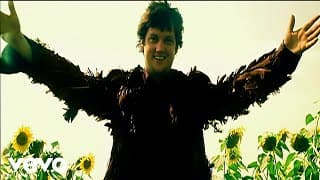
Recorded at Sweet Tea in Oxford, Mississippi, and it turns a hard look at mortality into something close to serene.
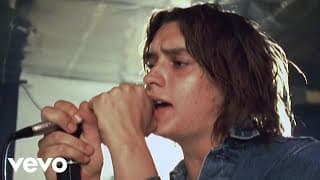
Moretti woke to hear Casablancas inventing the melody in the bathroom, and it became the warmest song on Is This It.
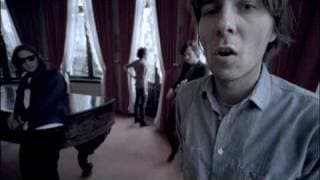
Heine coined the word for Liszt's swooning fans, and Philippe Zdar gave these guitars their chrome shine.