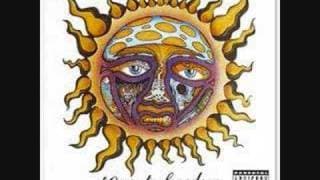
Smoke Two Joints
1992 · From 40oz. to Freedom
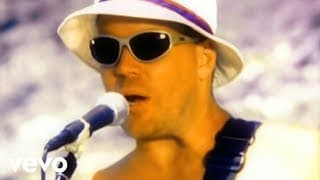
Two brothers wrote it in Waikiki in 1982; Sublime's 1992 cover buried the original and got misfiled under Bob Marley.
★ 3.0
 skopia
Two brothers wrote it in Waikiki in 1982; Sublime's 1992 cover buried the original and got misfiled under Bob Marley.
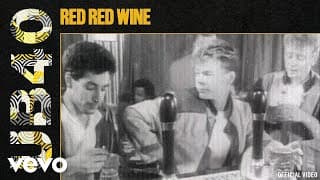
UB40 knew only Tony Tribe's reggae cover, saw "N Diamond" on the label, and guessed a Jamaican singer.
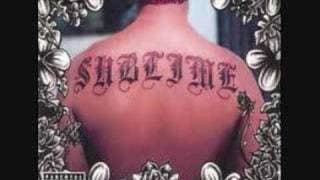
Nowell sings the wrong date, April 26, and the band kept the take anyway; he died before the album arrived.
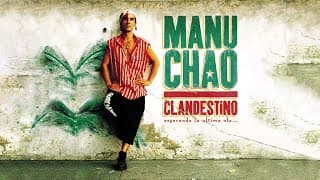
A Mano Negra tune remade over a Black Uhuru groove, and the same melody resurfaces twice more on Clandestino.
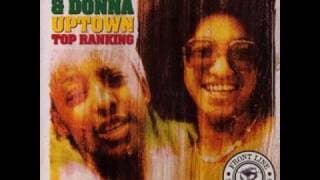
Two Jamaican teenagers, seventeen and eighteen, answering Trinity over Alton Ellis's riddim, number one in Britain within months.
Sly and Robbie cut it over the Bam Bam riddim, and Omarion, Pitbull and Jason Derulo all borrowed it later.
A Paragons rocksteady tune from 1967, Jimmie Haskell's horns and strings on top, and Harry strolling to number one.
Self-produced by the Wailers, and the track that opened the Lyceum nights Island taped in July 1975.
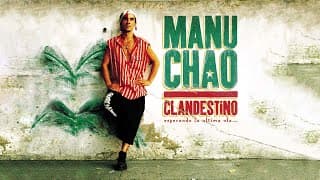
Recorded on portable gear while Chao roamed Latin America, an undocumented migrant's lament carried by the lightest guitar.
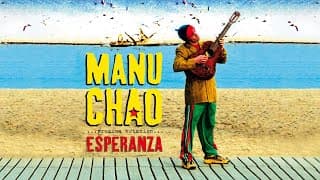
Three guitar chords, spoken city names saluting Havana's Radio Reloj, and a list of small pleasures that lands on you.
Kaya's warmest track went top ten in Britain, and its London video gave a young Naomi Campbell her debut.
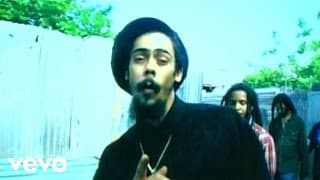
An Ini Kamoze sample under it, Stephen Marley at the desk, and verses answering the postcard version of Jamaica.
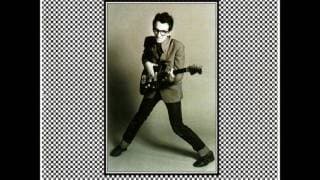
Costello wrote it after a night with the first Clash album; Nieve's piano stalks it like Bernard Herrmann.
Hibbert's prison number for a title, eighteen months served on a charge he disputed, Leslie Kong producing.
Fifteen minutes on foot to a New York studio was all the writing time, and Blackwell approved it instantly.
Marley swapped police for sheriff to avoid a government fuss, and Clapton's 1974 cover became his only American number one.
Reportedly inspired by canaries at his Hope Road windowsill, cut in London, and the gentlest reassurance in reggae.
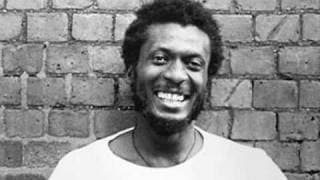
Cliff coined the phrase on set, Henzell made it the film's title, and the Dynamic Sounds session was filmed.
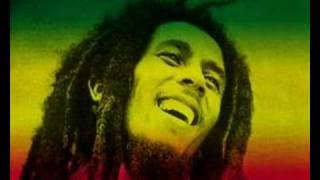
Written with Tosh after Marley toured Haiti, and the last song he ever sang onstage, Pittsburgh, September 1980.
A 1965 Studio One ska tune rebuilt for Exodus, with Mayfield credited to keep the borrowing legal.
A single voice and acoustic guitar close Uprising, with a line lifted from Marcus Garvey and Marley already ill.
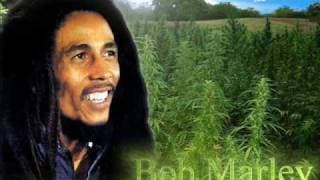
Marley credited it to Tata Ford, whose Trenchtown soup kitchen the royalties kept running; the title means woman, don't cry.