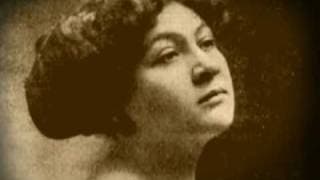
Some of These Days
1911
Tucker's maid pressed Shelton Brooks's song on her in 1910, and it stayed her signature for the rest of her career.
★ 3.7
 skopia
Tucker's maid pressed Shelton Brooks's song on her in 1910, and it stayed her signature for the rest of her career.
Cut for Victor in July 1918 by the singer billed as Queen of the Blues; jazz kept it.

Cut for Victor in March 1918, over 136 versions by 1942, and New Orleans still argues over who wrote it.
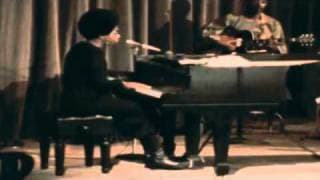
Sharp and Karpeles collected this Scottish ballad in the Appalachians in 1916; Simone slows it to near-stillness at Town Hall.
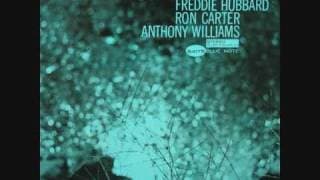
Hubbard on cornet, Van Gelder engineering, June 1964; Us3 later looped Hancock's vamp into the Top 10.
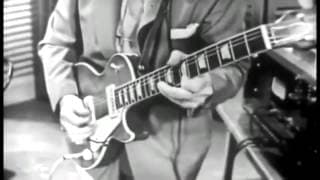
Twelve guitar parts and twelve vocals, by Paul's own count, layered in a Queens apartment studio; nine weeks at number one.

Zawinul named it for the club where he heard Basie, Ellington and Miles, then made an instrumental a hit.
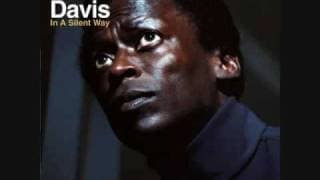
Three electric pianos over a single February 1969 session, and Macero's edit brings the opening back to close it.
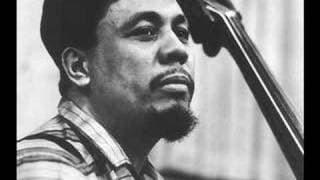
Pepper Adams' extended baritone solo, and a whole blues album Mingus cut in one February 1959 session.
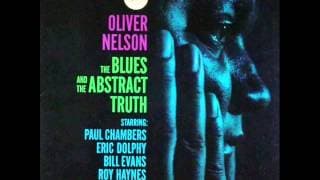
A sixteen-bar theme, twelve-bar minor blues solos, and Dolphy, Hubbard and Bill Evans in Van Gelder's room.
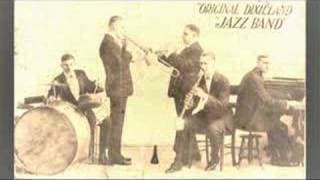
Barnyard imitations from clarinet, cornet and trombone, waxed for Victor in February 1917: the first jazz record commercially released.

A piano vamp, Budwig's bass, Bailey's drums, taped in San Francisco in 1964 and welded to Peanuts ever since.
A head arrangement built section by section, Lester Young and Herschel Evans trading solos, Basie's theme song ever after.
RCA called it "a complete waste of time", hid it on a B-side, and Shaw's clarinet sold six million anyway.
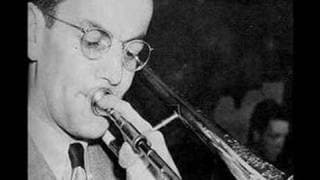
Composed under Joseph Schillinger's tuition, and the band was playing it as a theme before it had a title.

Miley's growl trumpet, Nanton's plunger-muted trombone, and a Chopin funeral march closing out the 1927 Victor side.
Ellington inverted the horns, trombone high and clarinet low, and the overtones invent a fourth instrument that is not there.
Richard Wess's arrangement climbs a semitone verse after verse, and Darin rides the tension to his only number one.
Lester Young died two months before the session, and Mingus answered with a slow blues named for his hat.
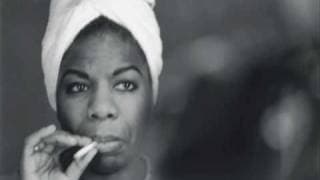
Simone learned it at her mother's revival meetings and stretched it past ten minutes of piano vamp and handclaps.