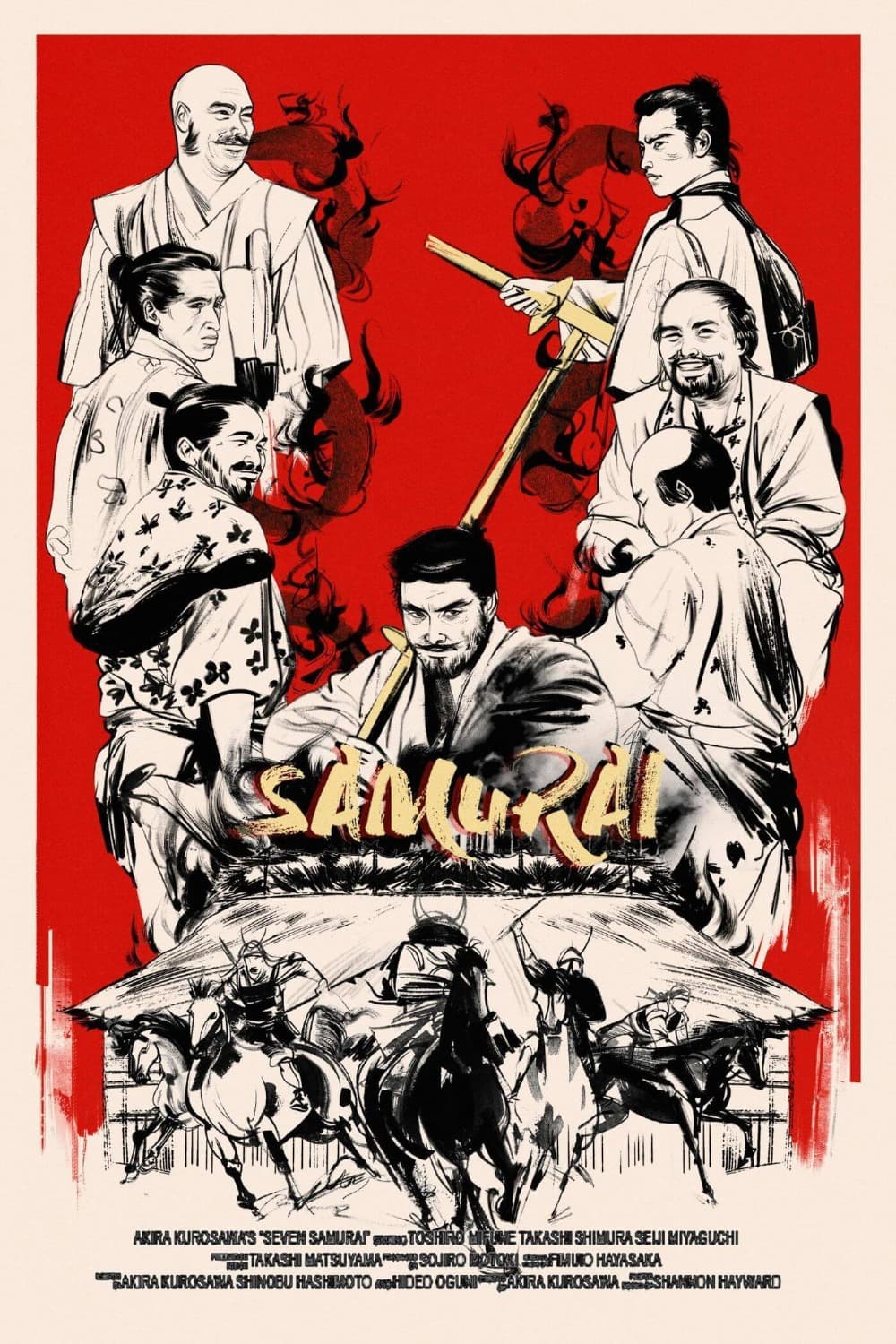
Seven Samurai
Directed by Akira Kurosawa
1954 · Japan
Every film about assembling a team for one last job descends from this one: Kurosawa makes seven men matter, then stages a battle in the mud nobody has equaled.
★ 9.9
 skopia
Every film about assembling a team for one last job descends from this one: Kurosawa makes seven men matter, then stages a battle in the mud nobody has equaled.
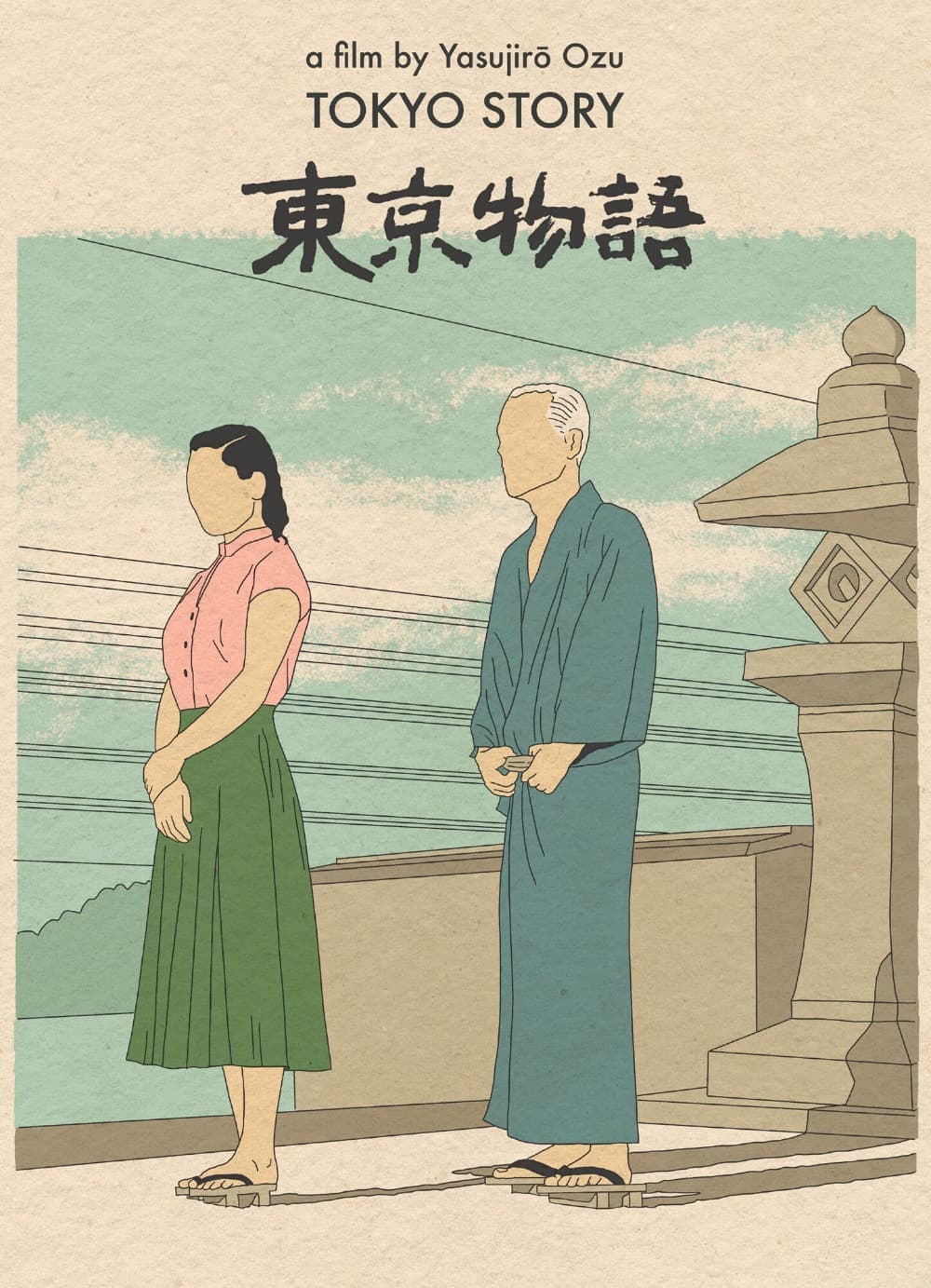
The quiet masterpiece of ordinary life: Ozu finds the ache of a whole century in parents visiting children who have no time for them, and it will find you too.
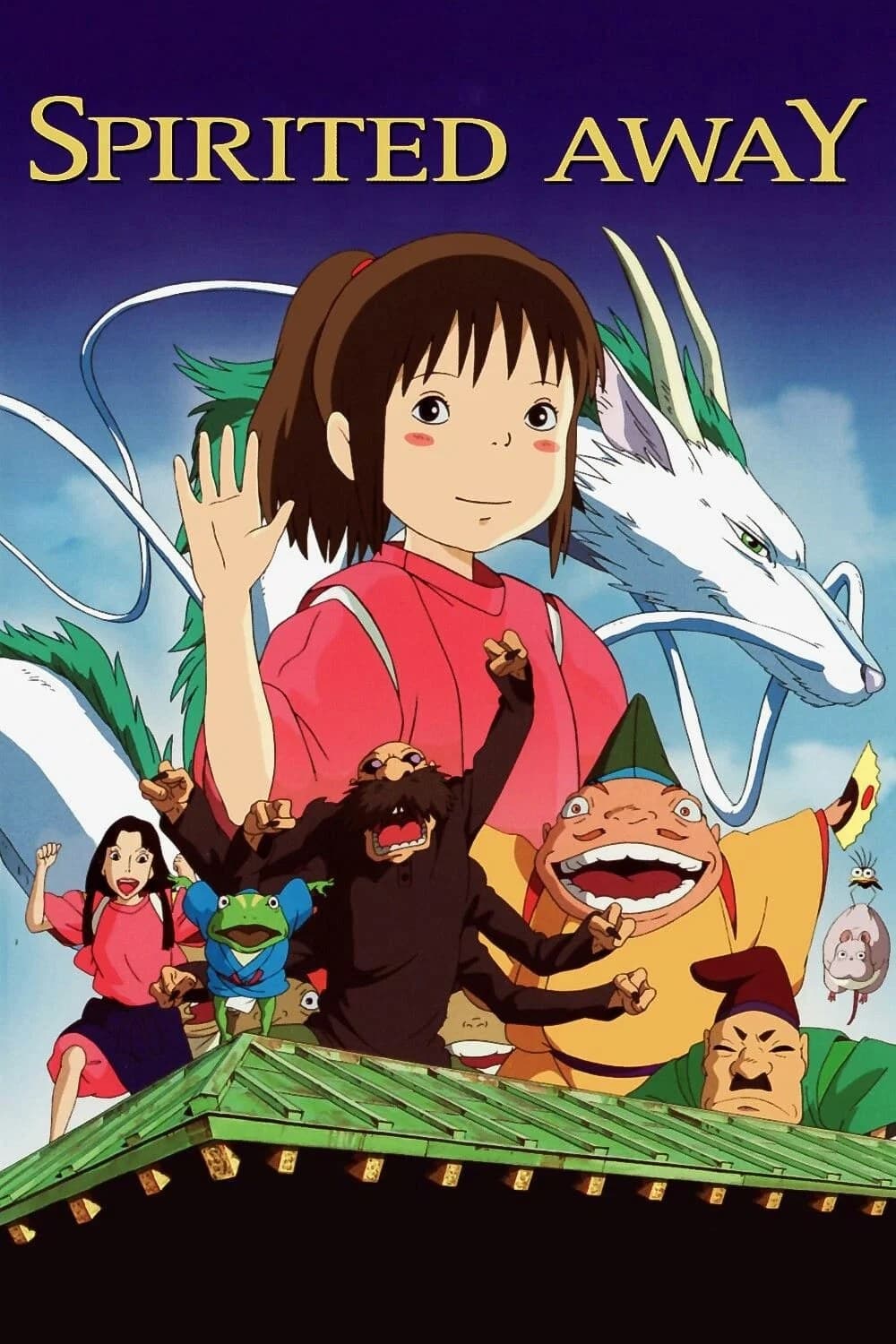
The high point of hand-drawn animation: Miyazaki invented a spirit world so dense and so unexplained that it took the Animated Feature Oscar away from every American studio.
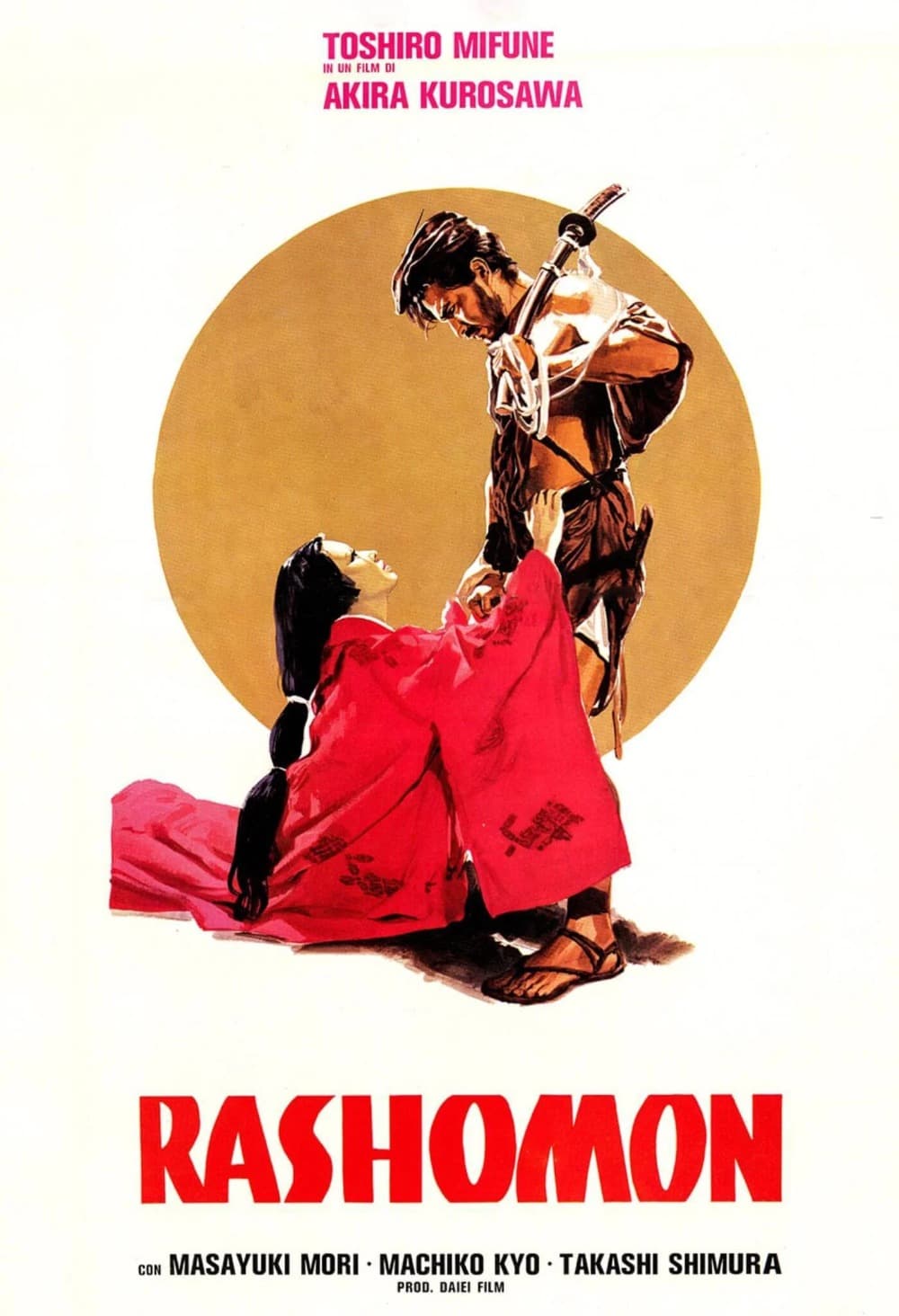
Kurosawa gave the language a word for irreconcilable testimony and opened Japanese cinema to the world: four accounts of one killing, none of which can be squared with another.
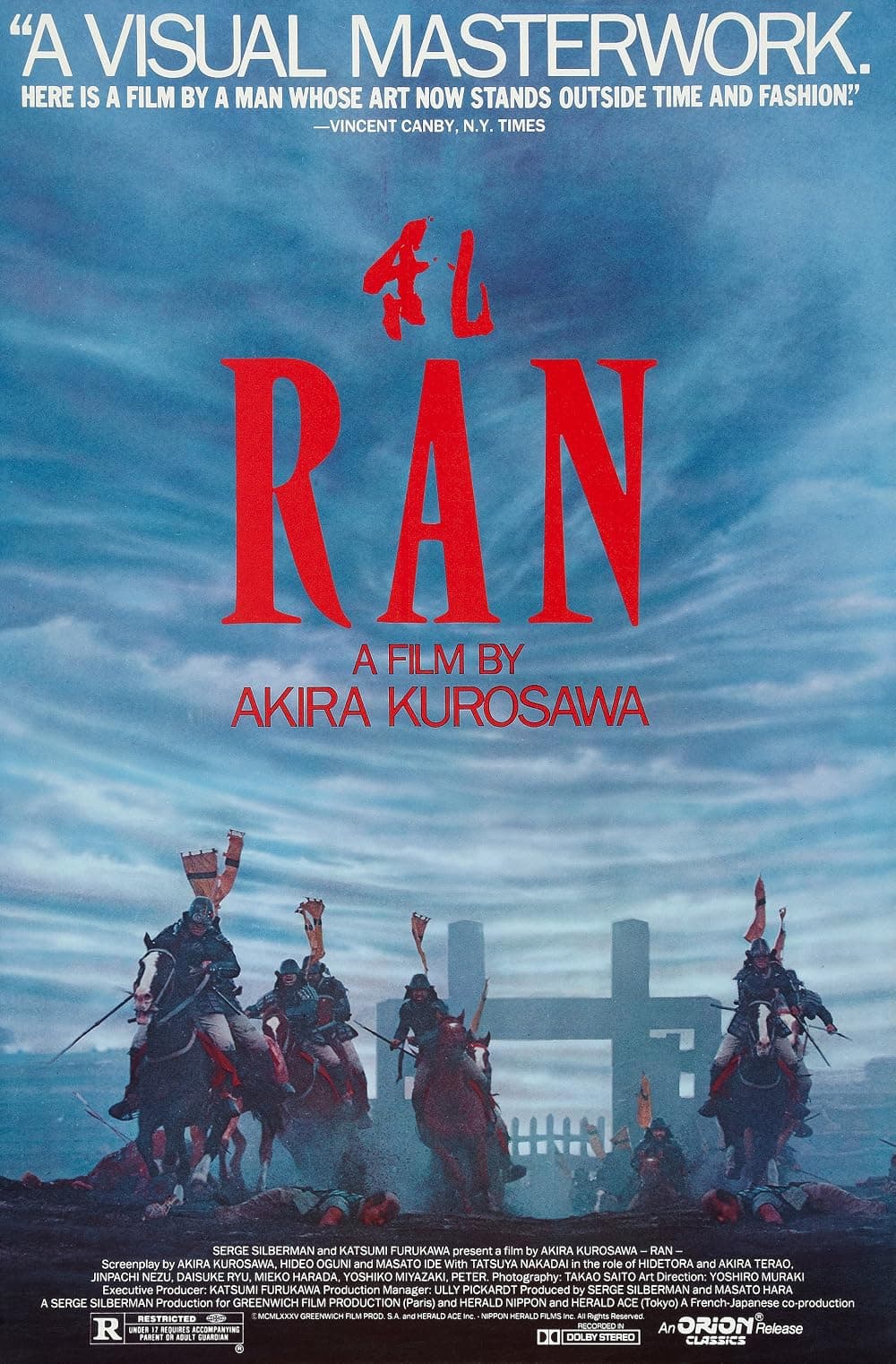
Kurosawa was seventy-five and his eyesight was failing when he made it: King Lear moved to feudal Japan, with a great battle that plays to music and nothing else.
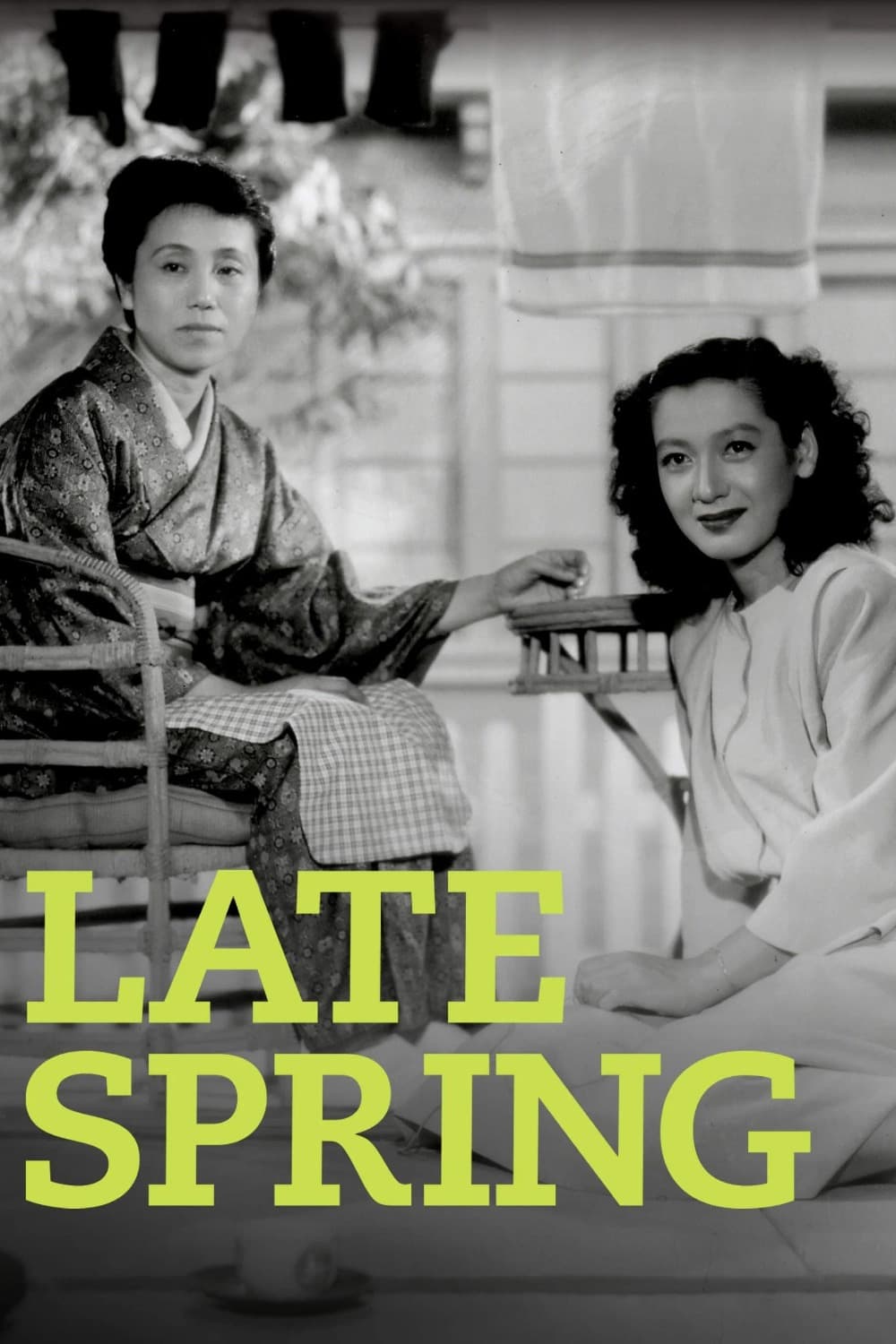
Ozu made the same film over and over and this is the most perfect version: a daughter who will not marry, a father who will not say what he wants, and one vase.
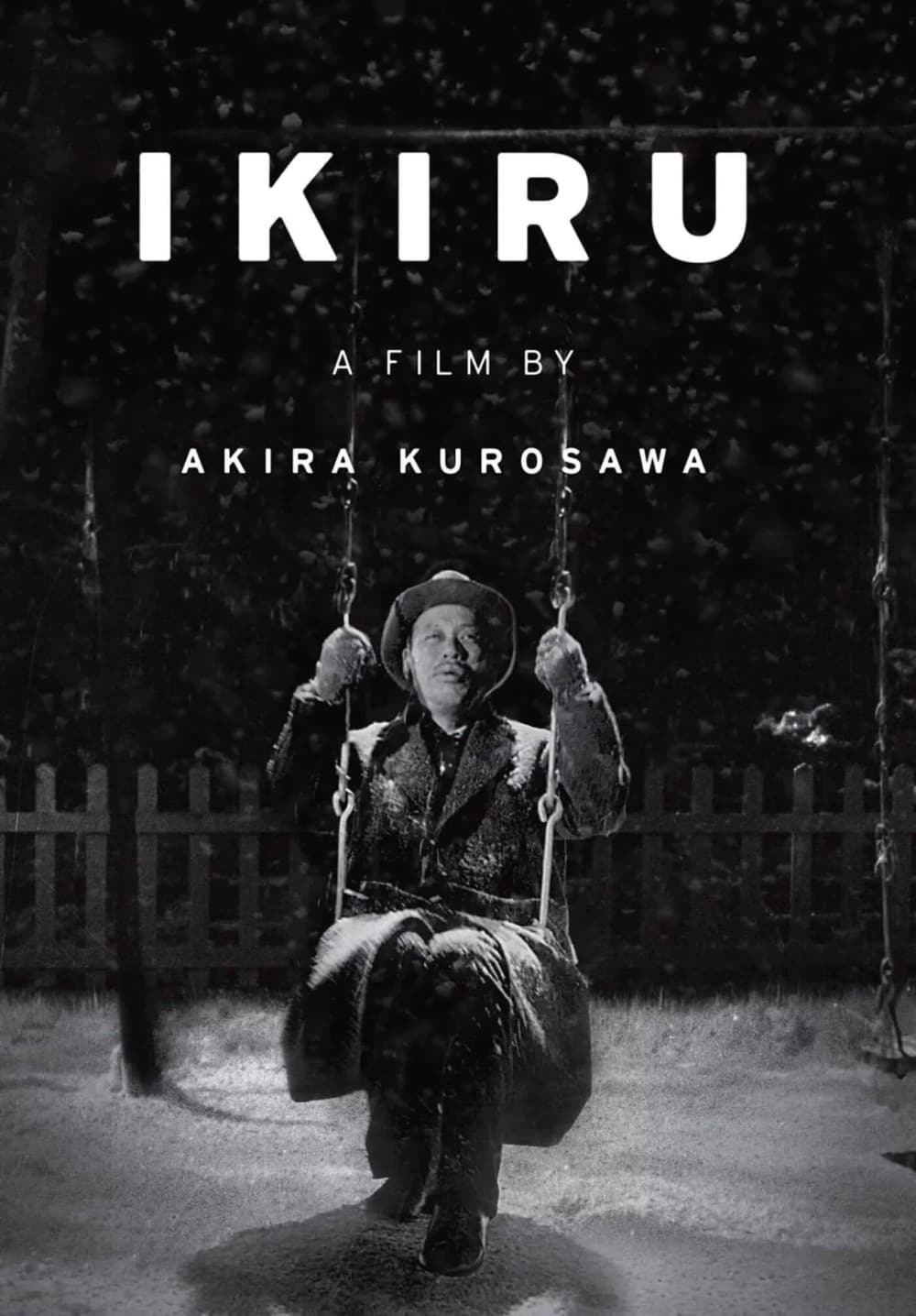
Kurosawa's answer to how a life should be spent: a bureaucrat gets one piece of terrible news and starts spending what is left deliberately, which will change how you see your job.
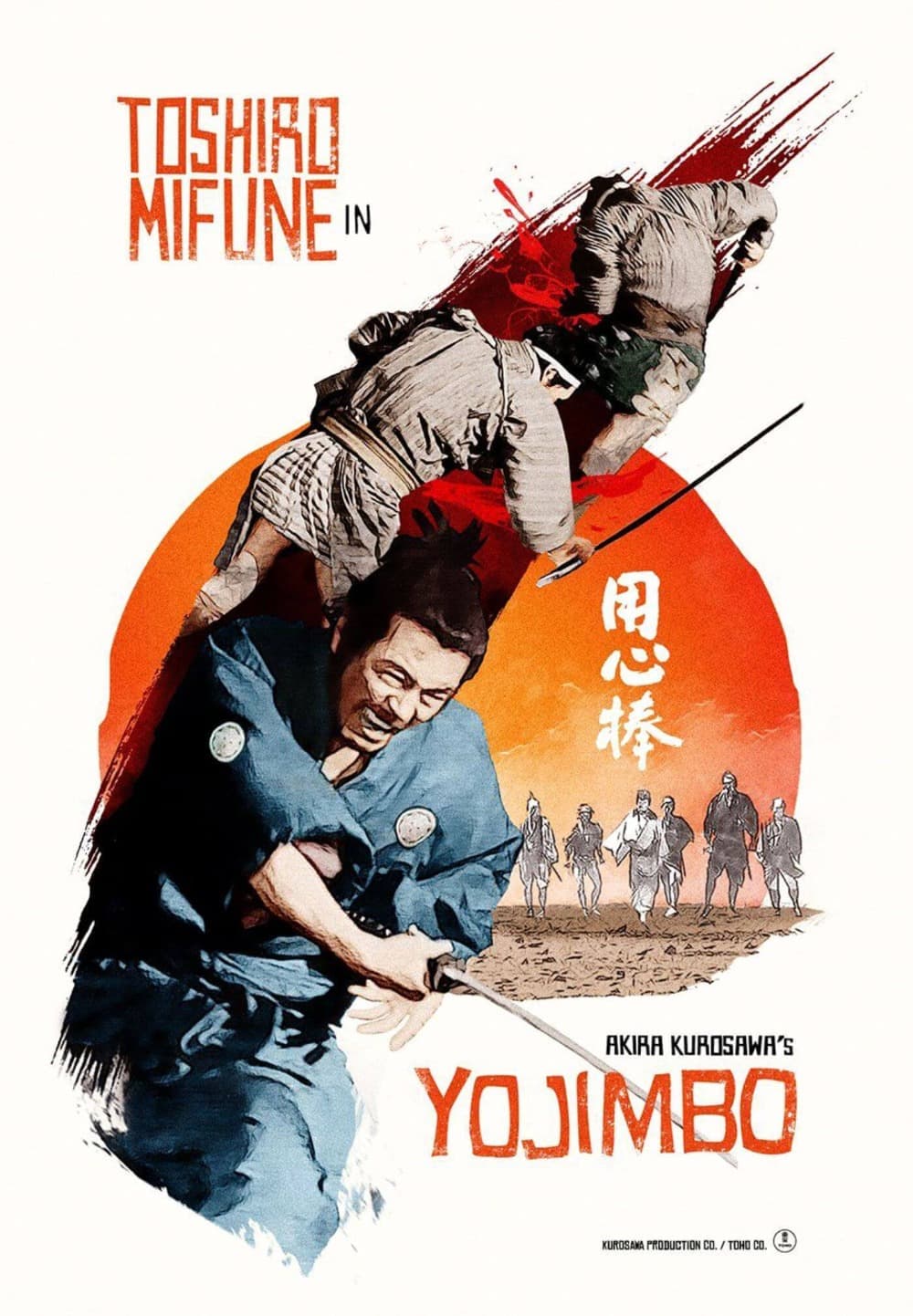
Leone took it wholesale for A Fistful of Dollars and Toho forced a settlement out of court: Kurosawa's samurai playing two gangs against each other is the template everyone still uses.
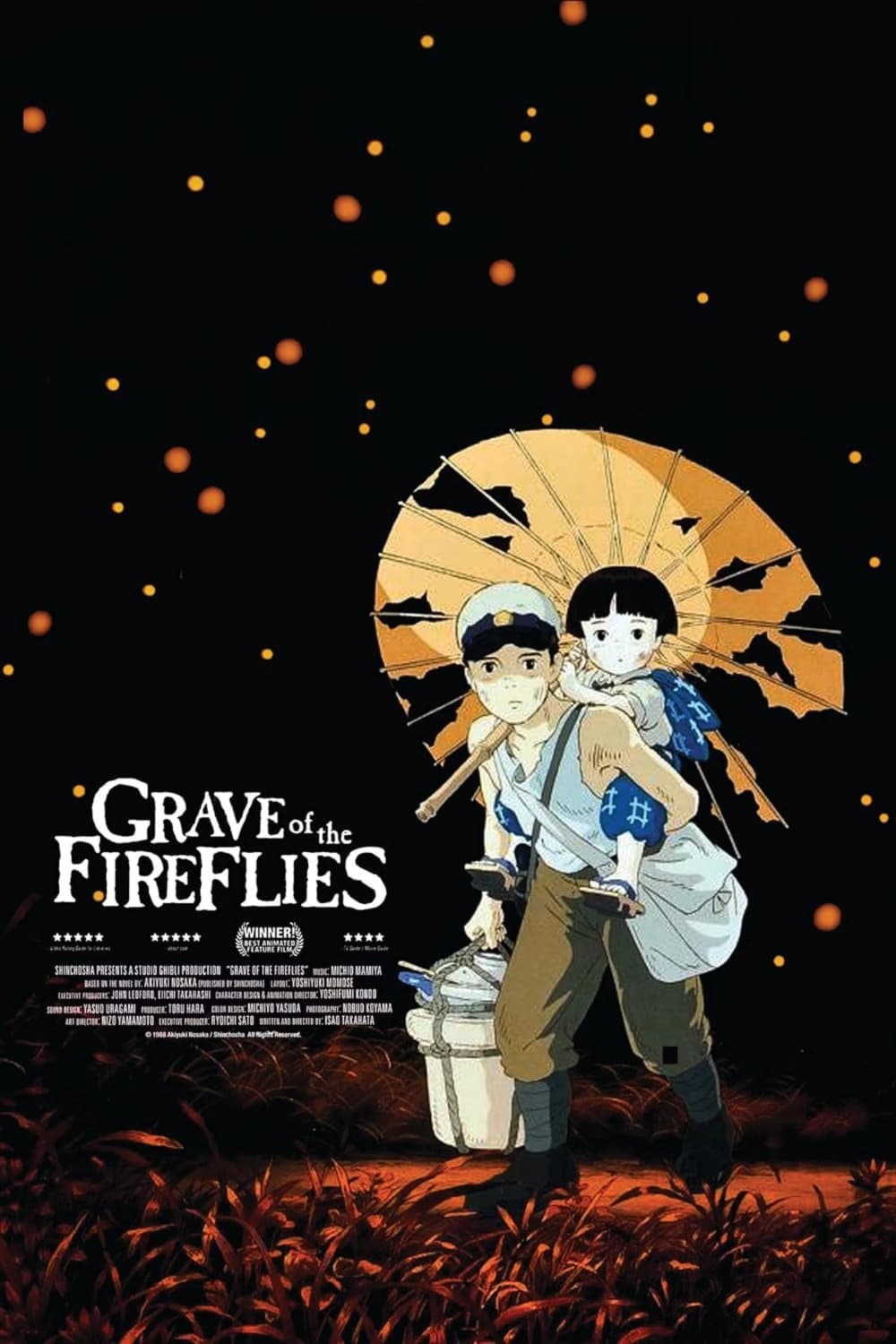
Nobody recommends this one lightly: Takahata put two children through the last months of the war in Japan, and being animated makes it harder to bear, not easier.
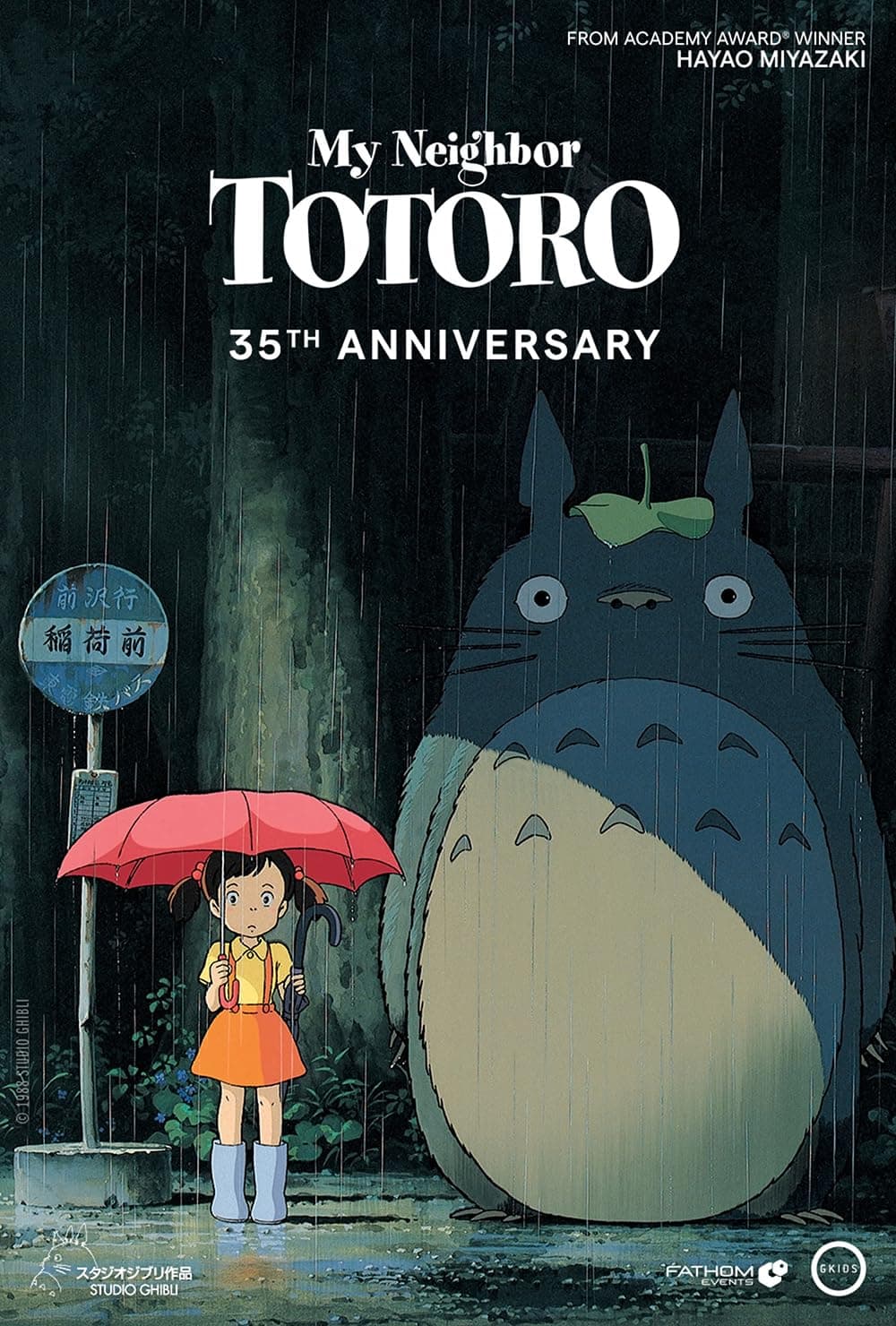
Children's films almost never dare to have no villain: Miyazaki made eighty minutes of pure safety out of two sisters and a forest spirit, and it became Ghibli's emblem.
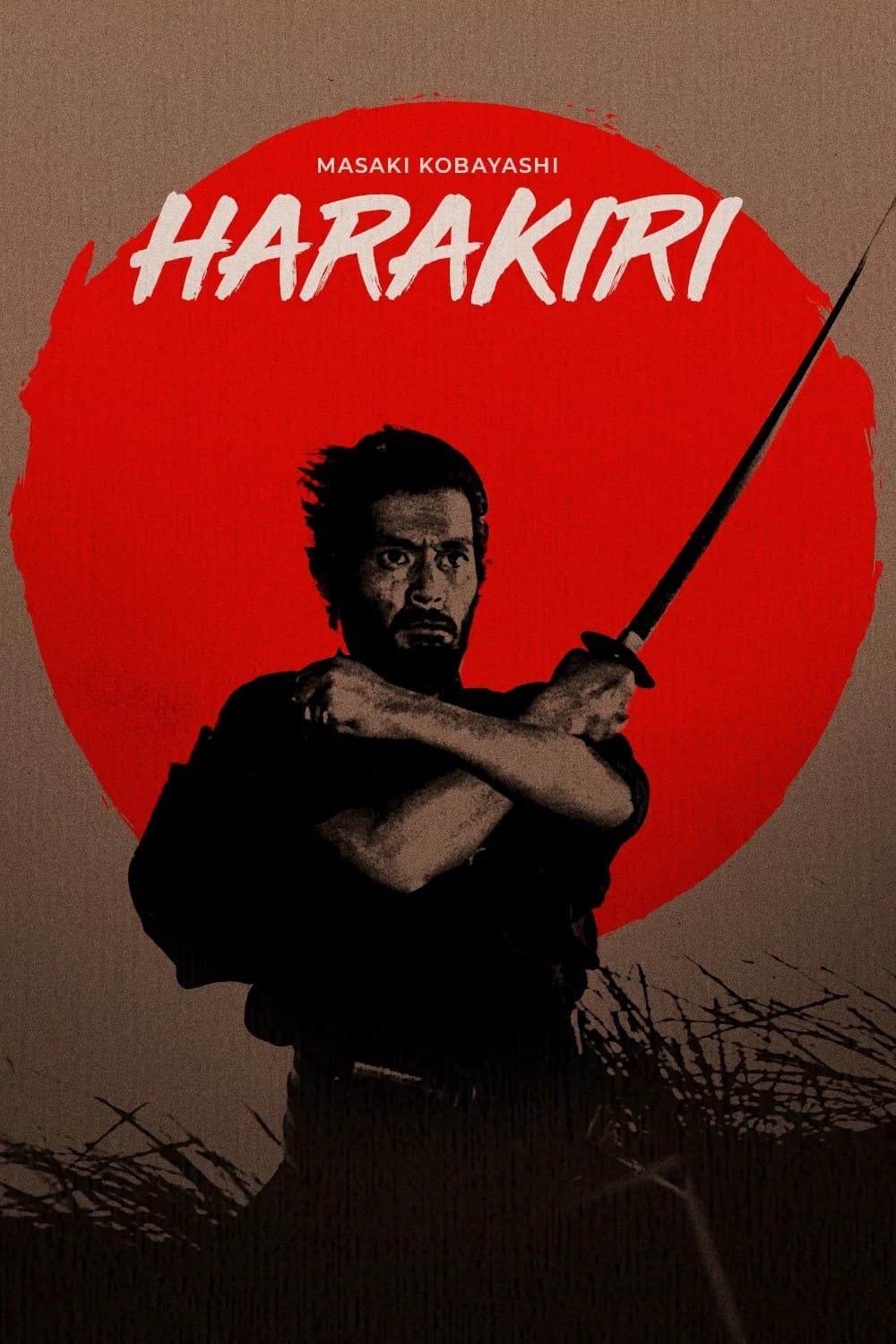
Kobayashi took the samurai film apart from the inside: an old warrior asks to die in a lord's courtyard, and what he says first dismantles the entire code of honor.
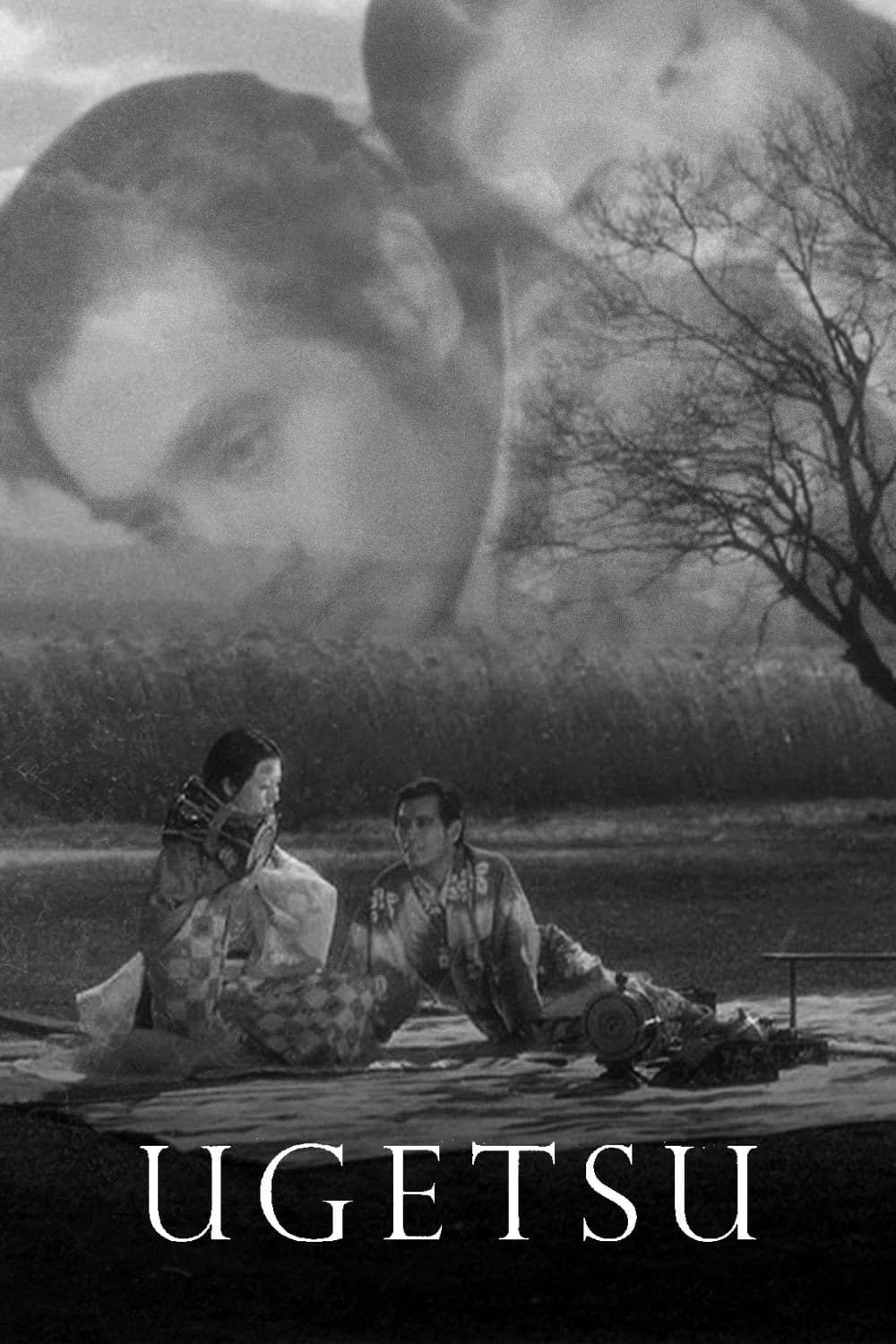
Mizoguchi's ghost story is the one other directors mention when asked what changed them: two peasants chase money through a civil war, and the crossing through fog is unearthly.
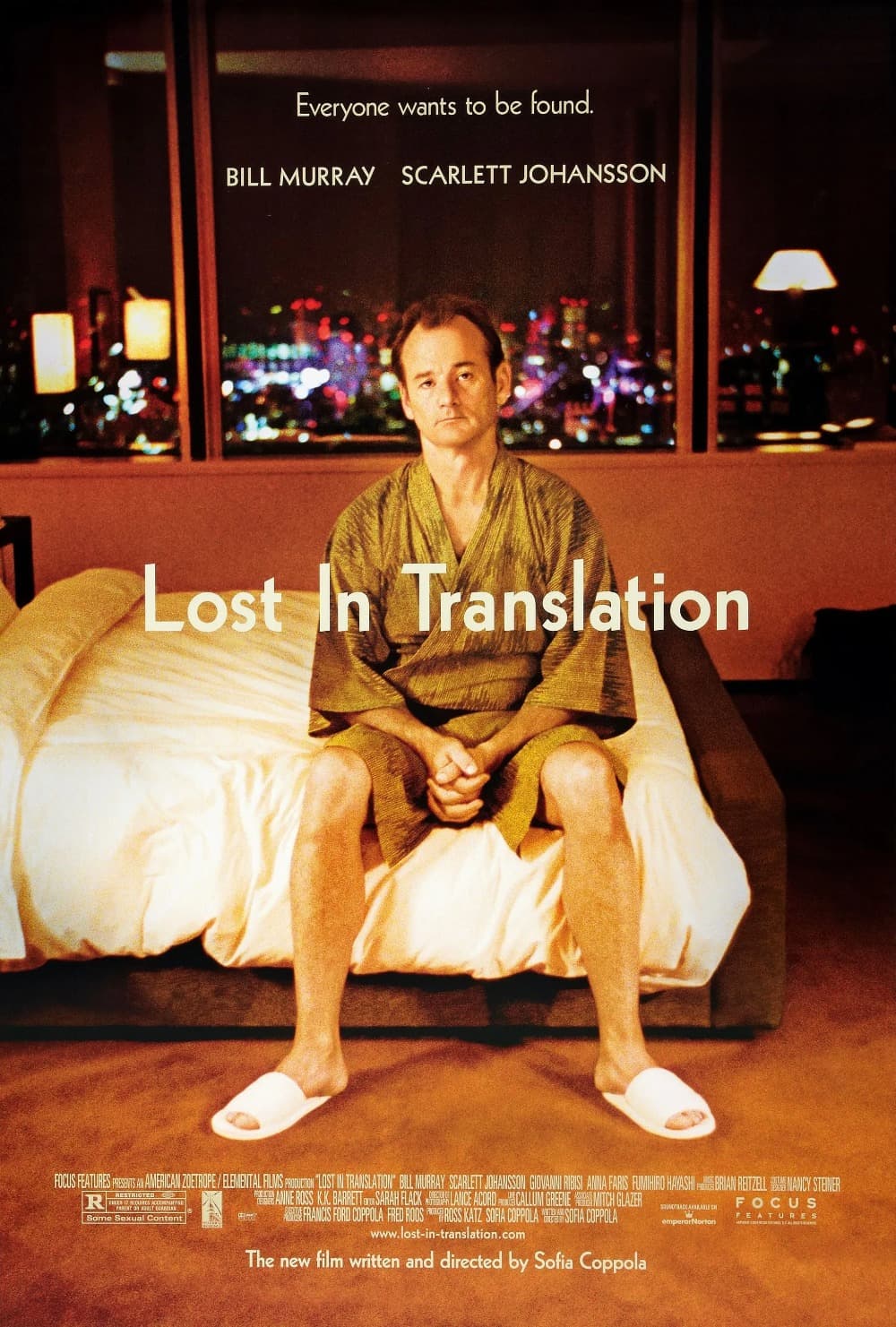
Almost nothing happens and it stays with people for years: jet lag, neon, a Tokyo hotel bar, and two people awake at the wrong hours keeping each other company.
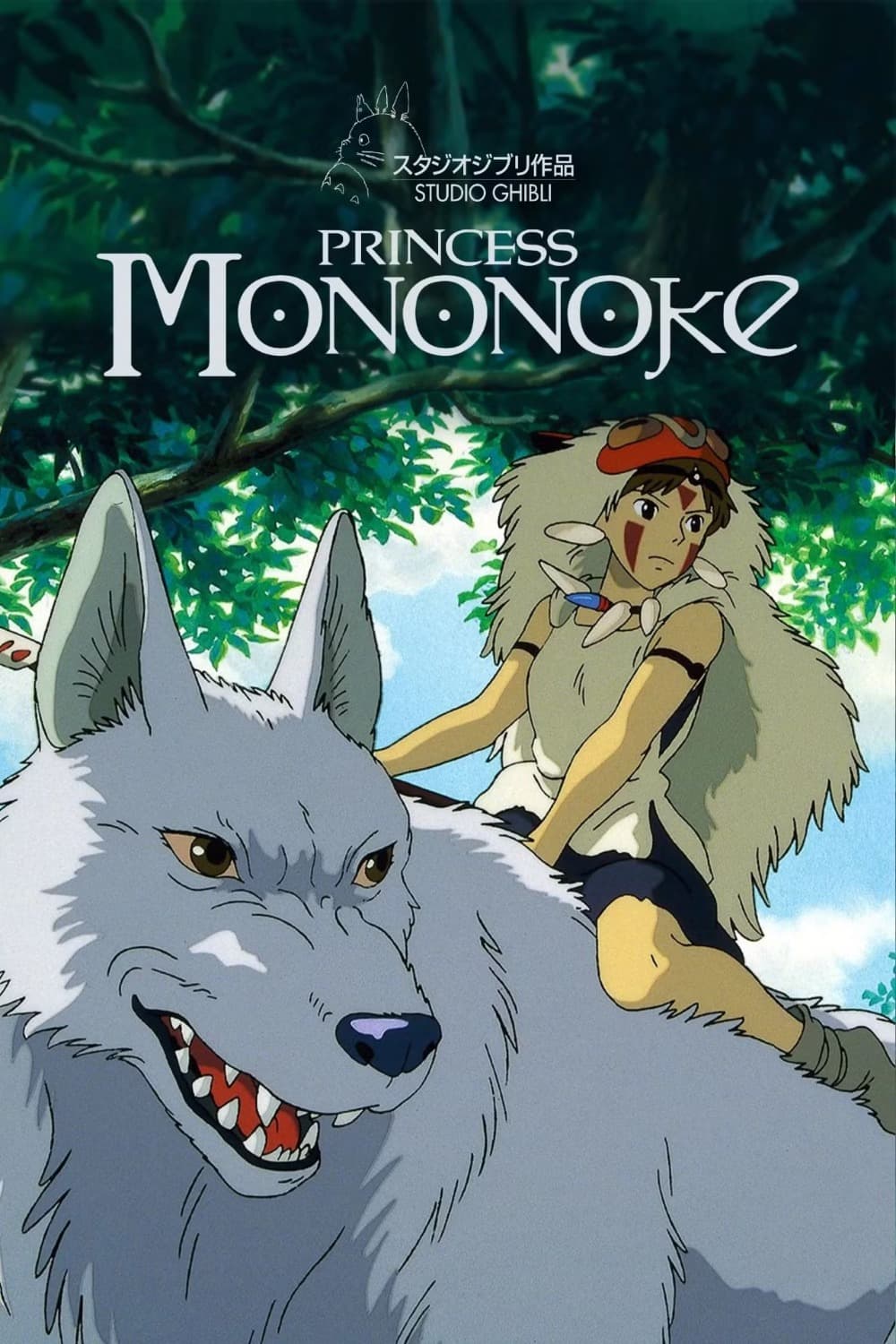
It held the Japanese box office record until Titanic arrived: Miyazaki staged a war between an iron town and the forest gods and refused to name a villain.
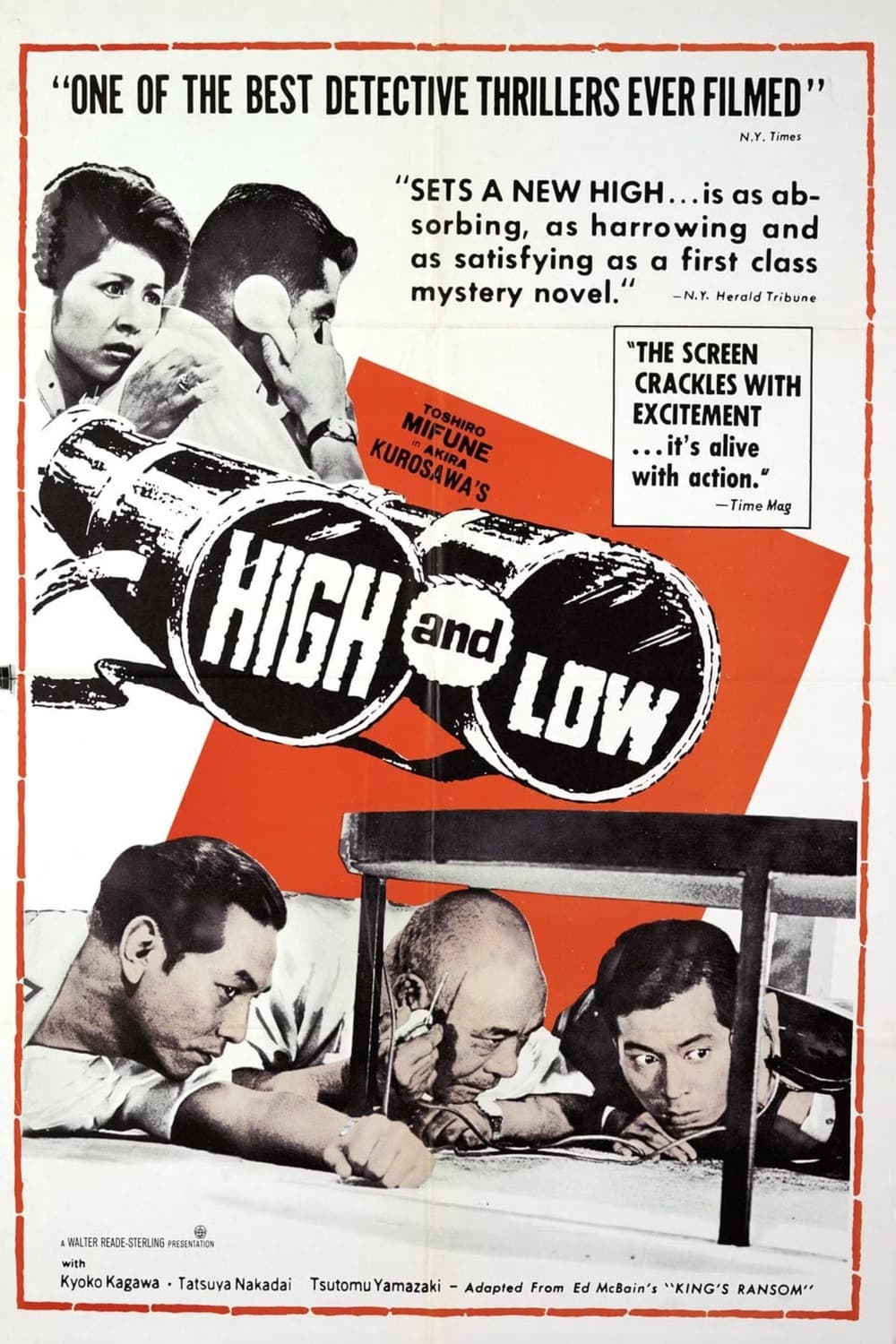
Kurosawa spends the entire first hour inside one house and it is unbearable: a rich man learns the kidnappers took the wrong child and still want his money.
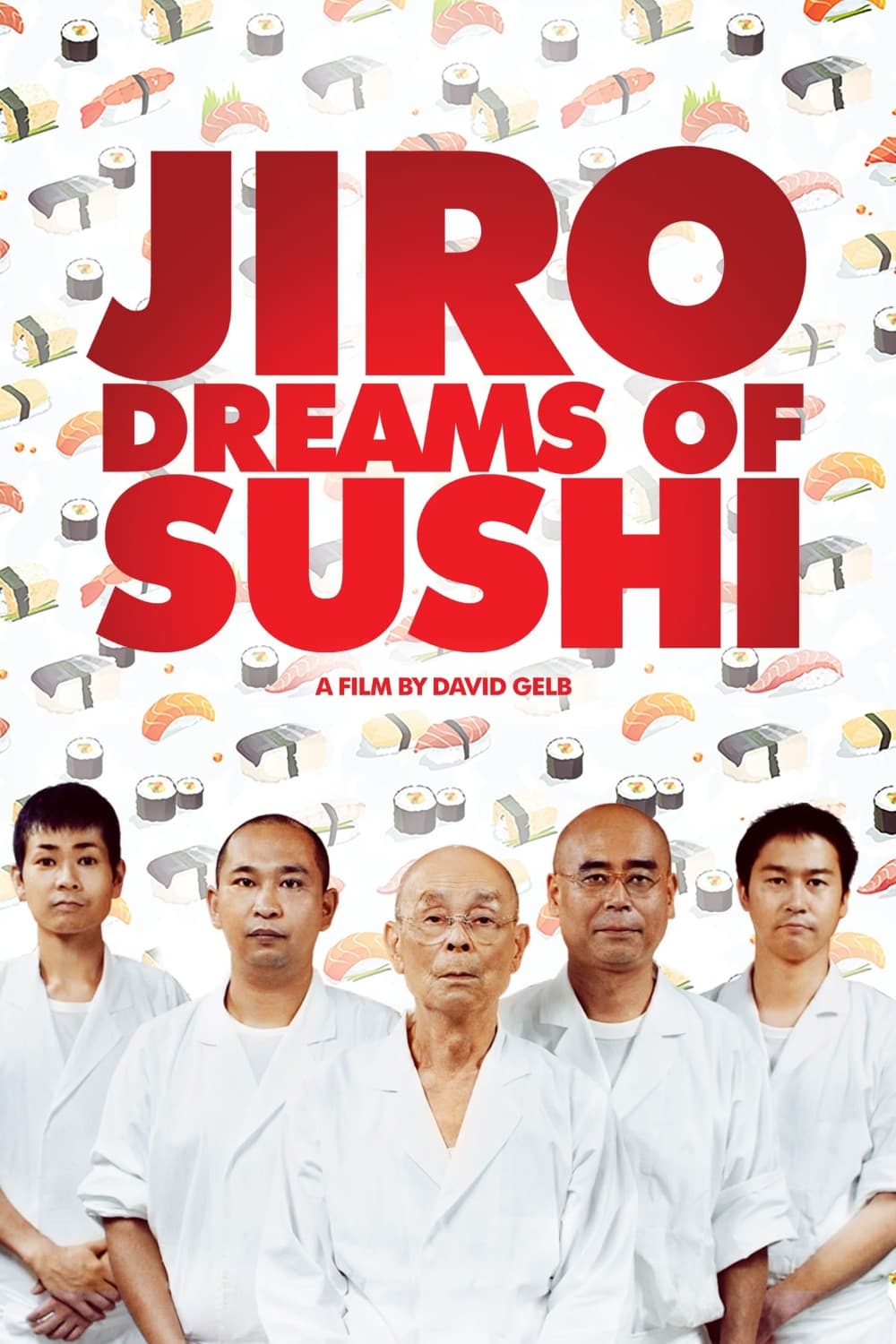
It will alter how you think about doing one thing for an entire lifetime: an eighty-five-year-old sushi master in a Tokyo subway station, still not satisfied with himself.
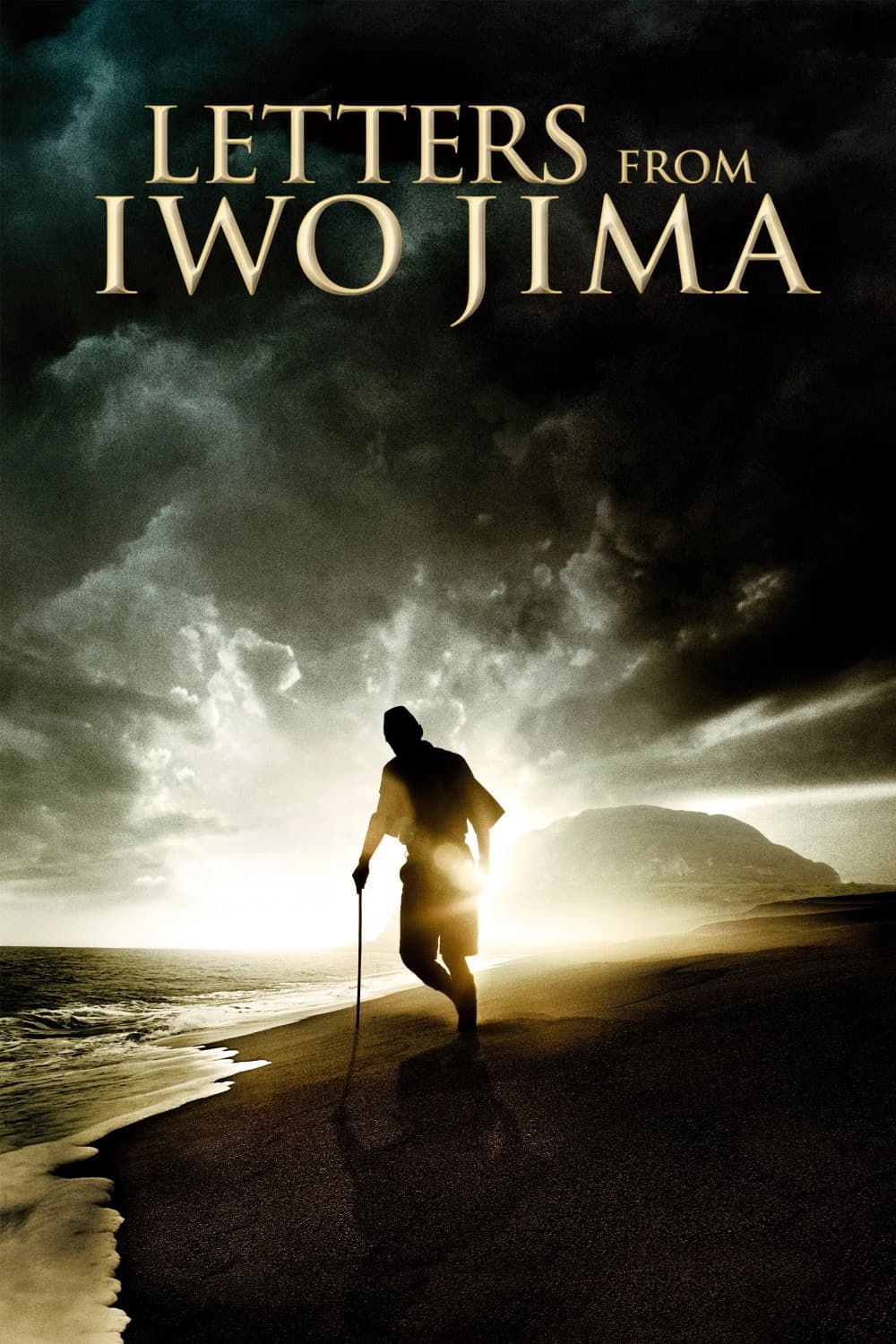
Eastwood made two films about the same battle, and the Japanese one is the better: shot almost entirely in Japanese, with a general nobody in America had heard of.
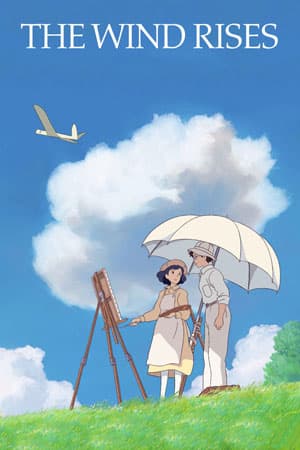
Miyazaki announced his retirement with it, a retirement he later took back: a young man designs beautiful aircraft that become weapons, and nothing about that is resolved.
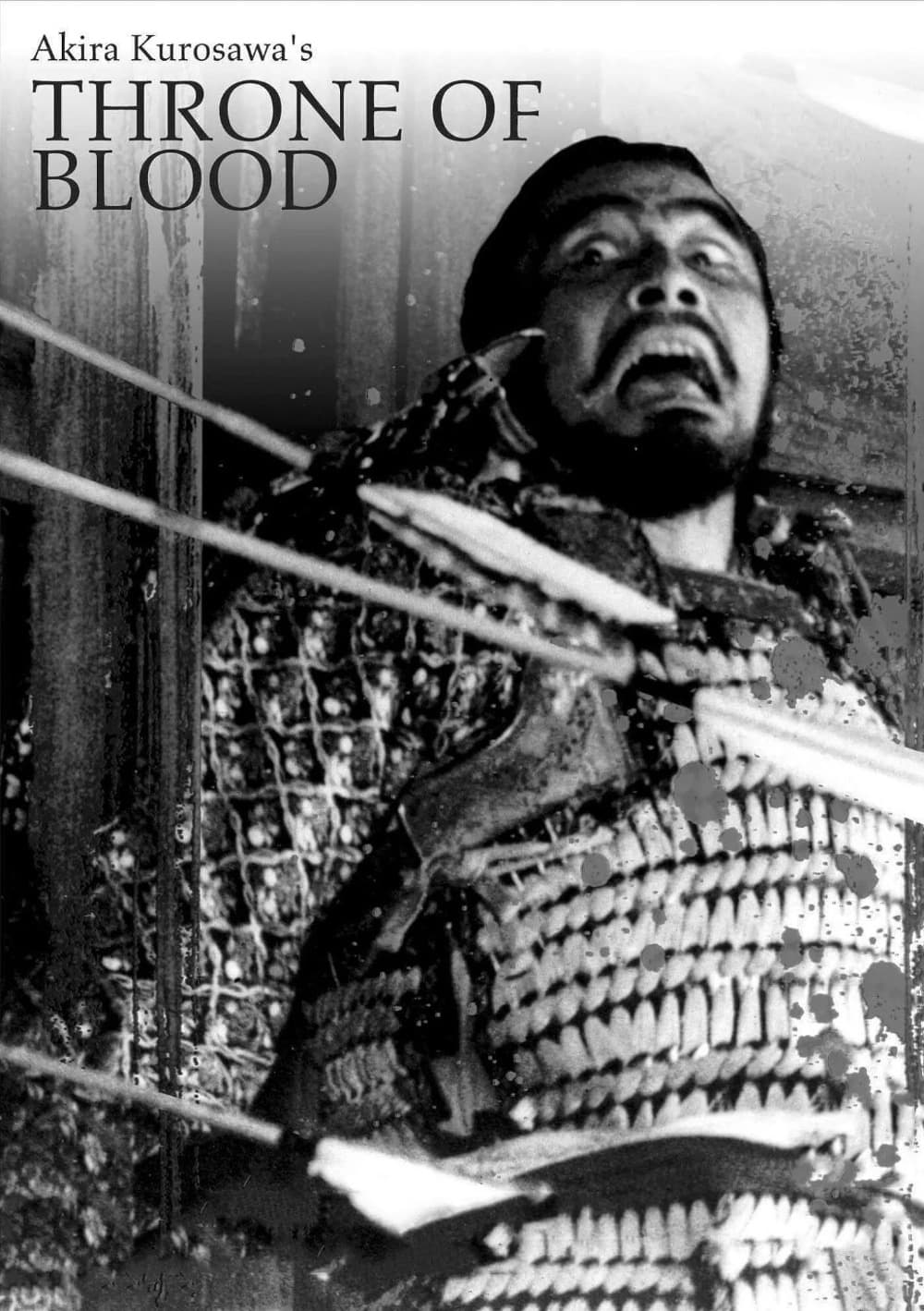
Shakespeare's Macbeth moved to sixteenth-century Japan with every line of the poetry gone: Kurosawa substitutes fog, Noh masks worn as faces, and a forest that seems to be watching the castle.
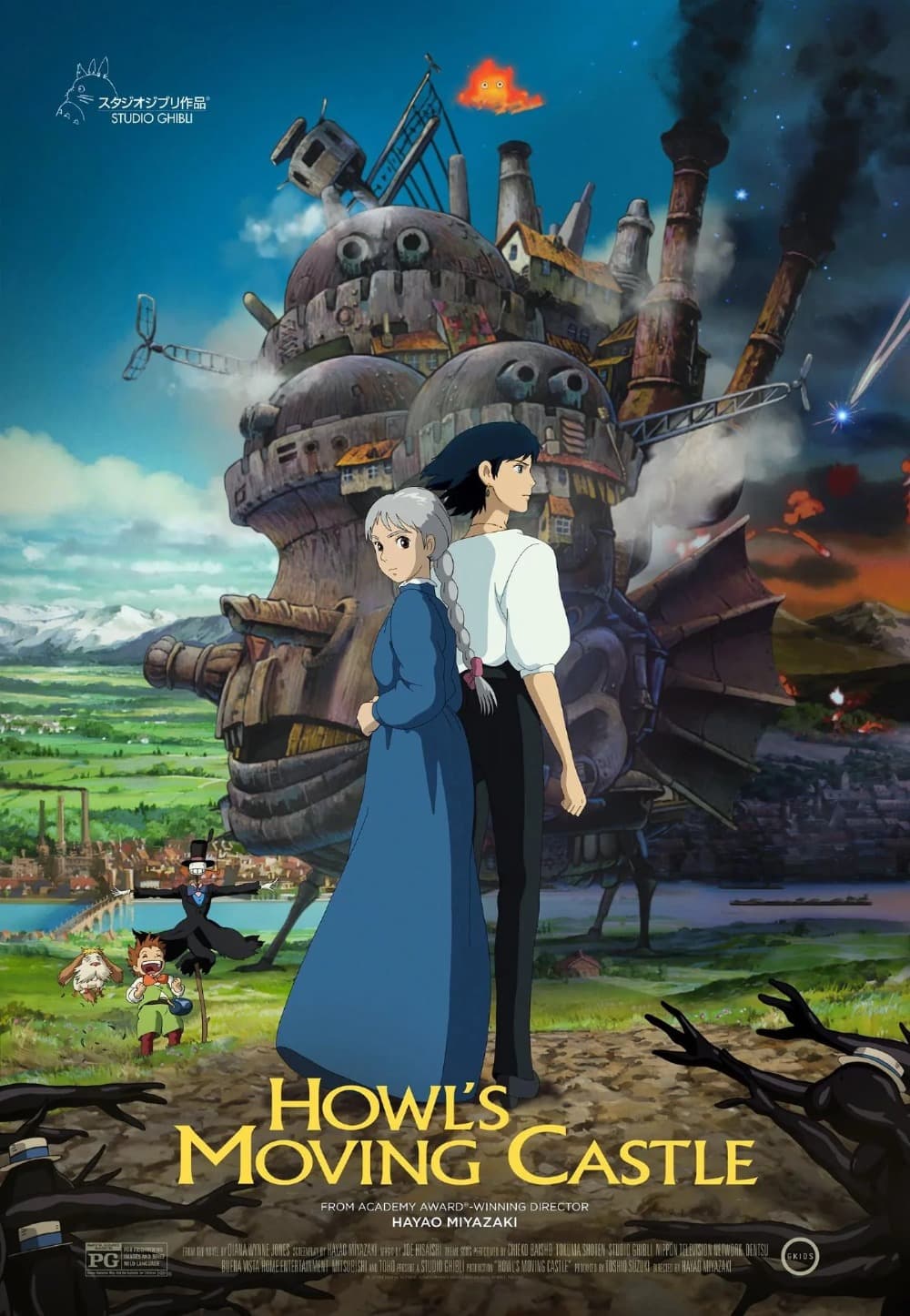
Miyazaki's most beautiful machine is a walking house held together by magic and bad temper: underneath the wonder is an angry anti-war film, made while he watched the invasion of Iraq.