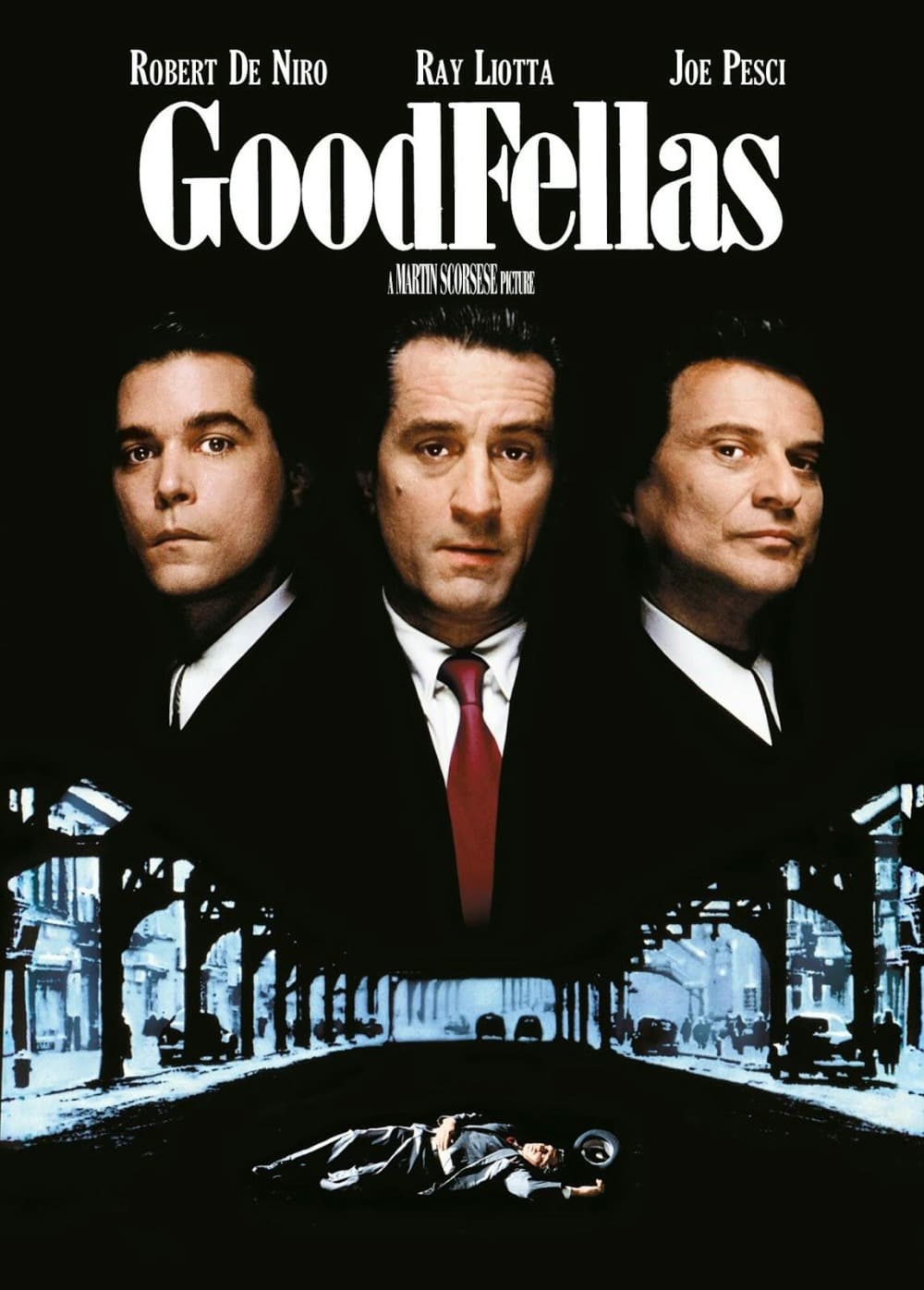
Goodfellas
Directed by Martin Scorsese
1990
Every gangster film of the last thirty years is arguing with this one: Scorsese made the life so intoxicating for an hour that the comedown lands like a physical event.
★ 9.6
 skopia
Every gangster film of the last thirty years is arguing with this one: Scorsese made the life so intoxicating for an hour that the comedown lands like a physical event.
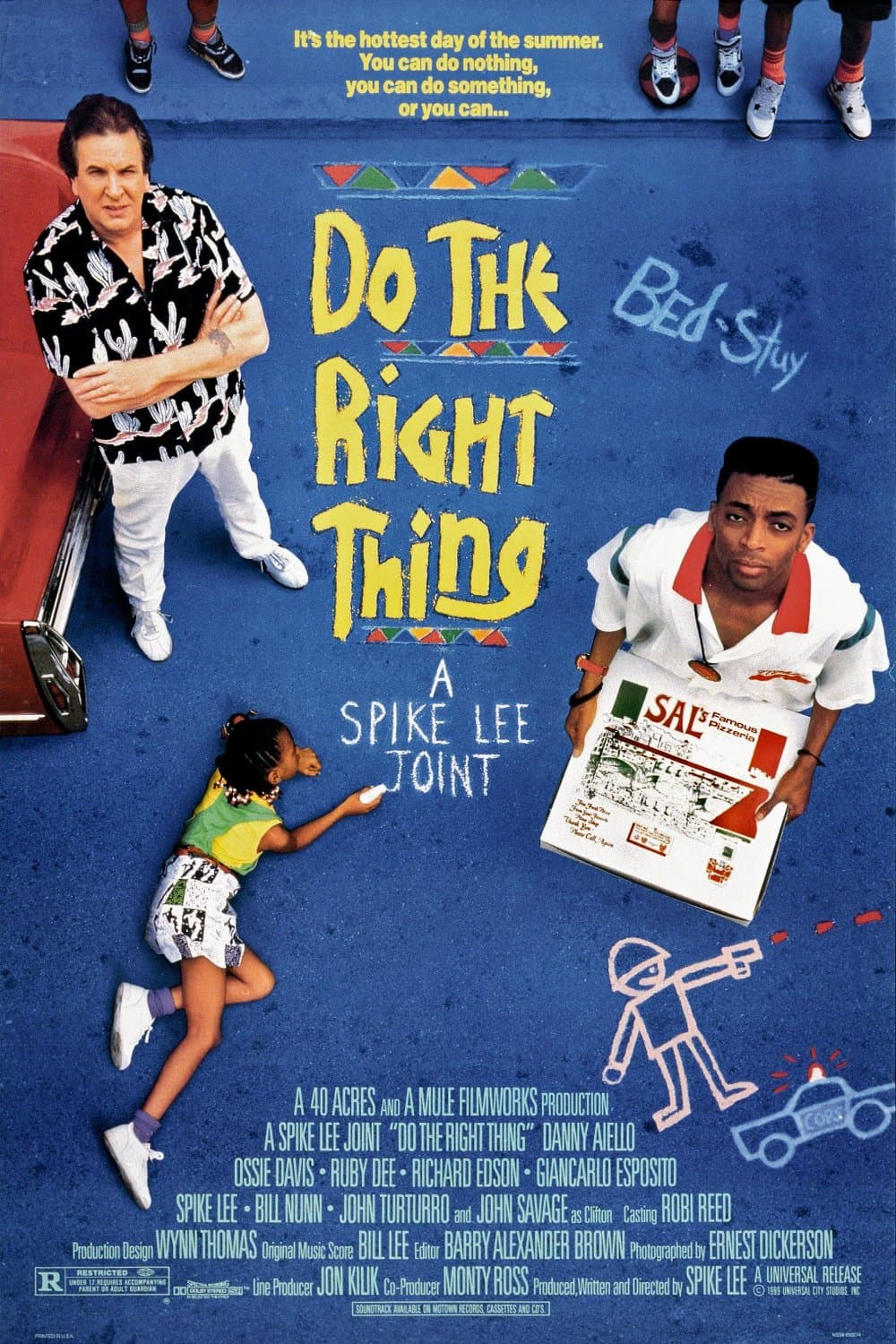
No American film has been braver about refusing to resolve: one Brooklyn block on the hottest day of the year, and Lee will not tell you who was right.
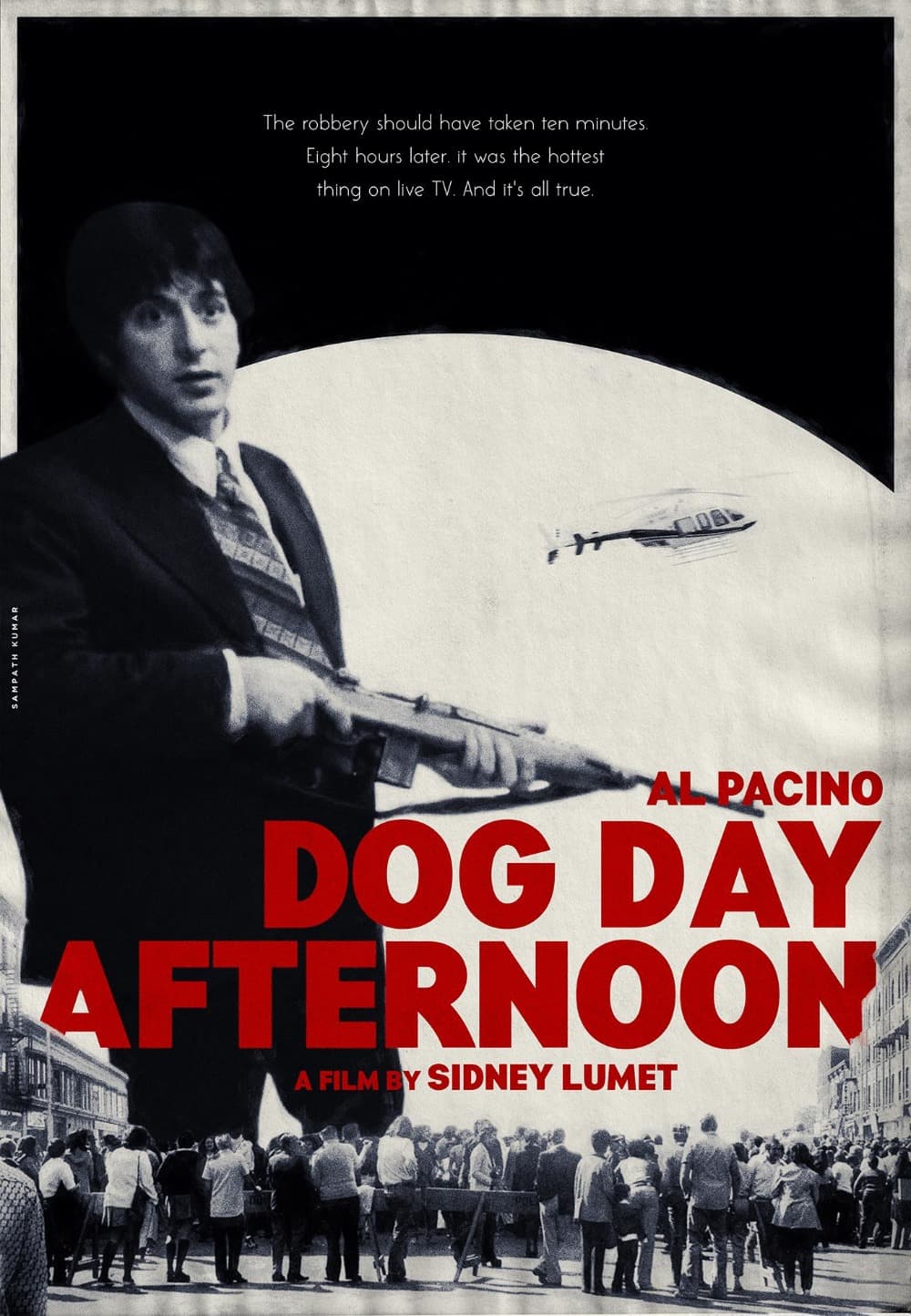
Pacino turned a real 1972 Brooklyn robbery into the most electric performance of the seventies: a bank job collapses in ten minutes and becomes a street carnival.

American distributors cut ninety minutes out of it and destroyed the reviews: restored to full length, Leone's fifty-year gangster elegy drifts between decades like an opium dream.
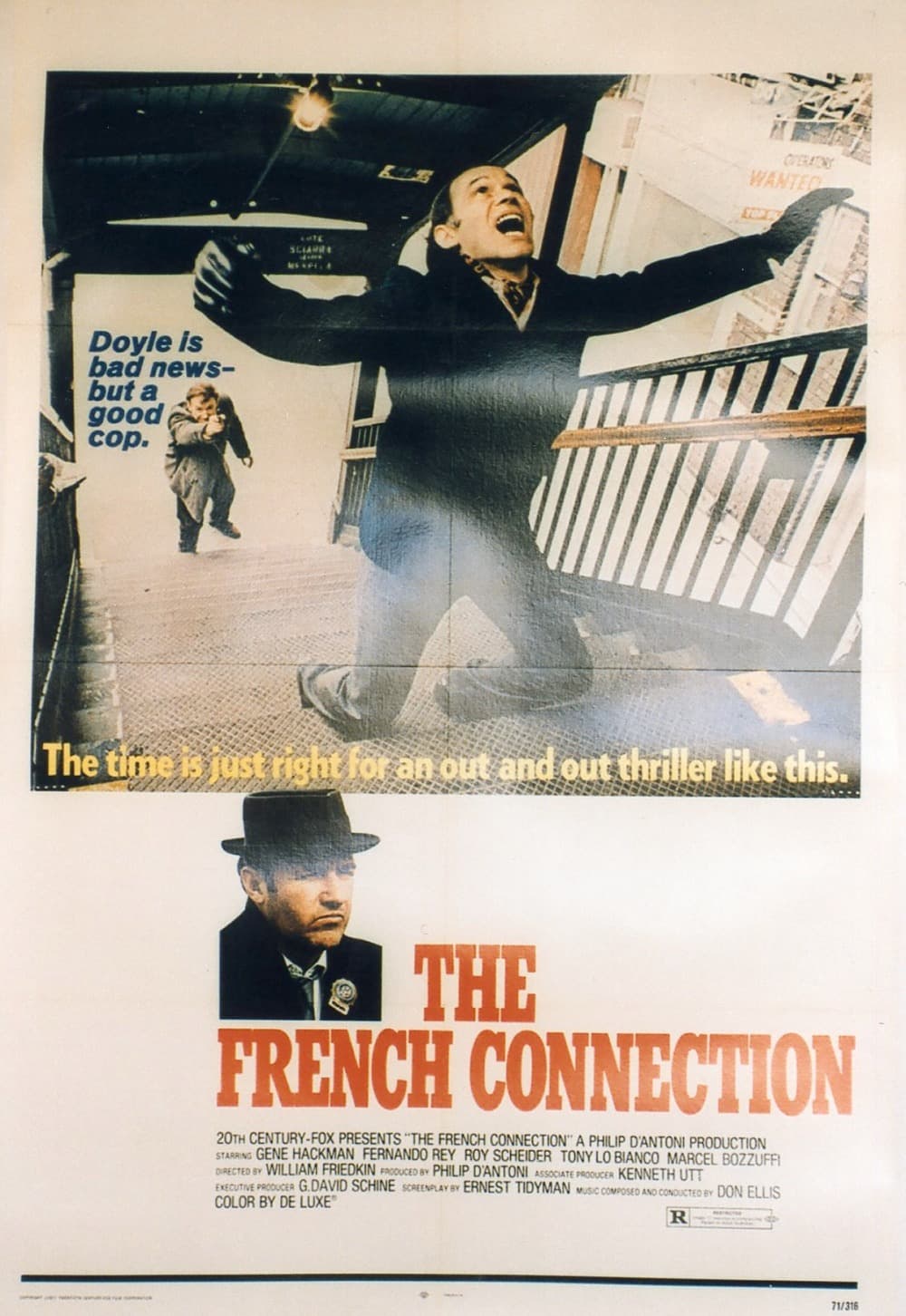
It made the car chase in Bullitt look choreographed: this one was shot without permits, at ninety miles an hour, through real Brooklyn traffic that nobody had cleared.
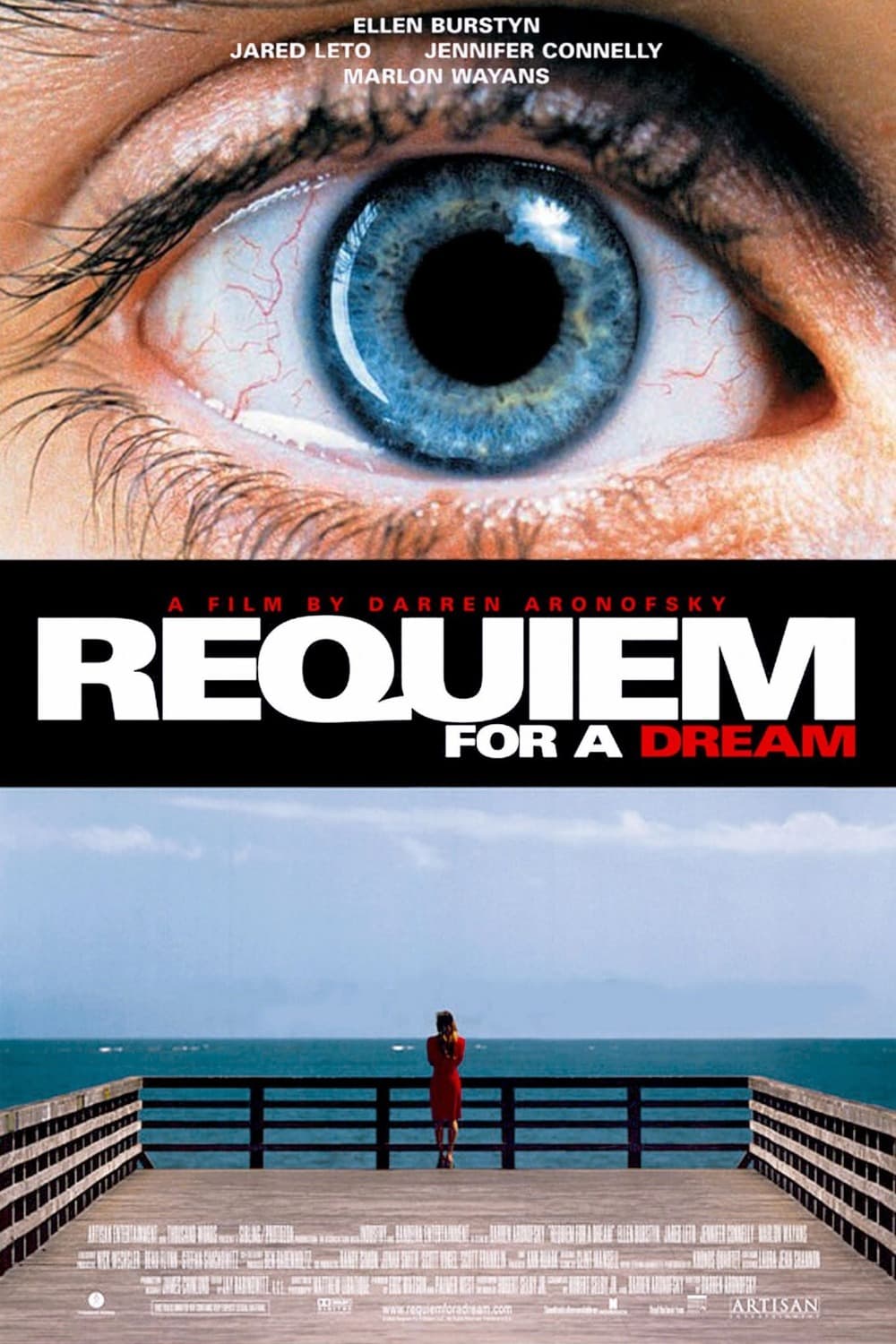
Nobody who has seen the last twenty minutes forgets them: Aronofsky films four people chasing different highs around Coney Island in split screen and body-mounted cameras, with Clint Mansell's string theme underneath.
Meryl Streep learned Polish and German for it and delivers most of her performance in accented English she built from scratch: Brooklyn in 1947, and a survivor who will not talk about it.
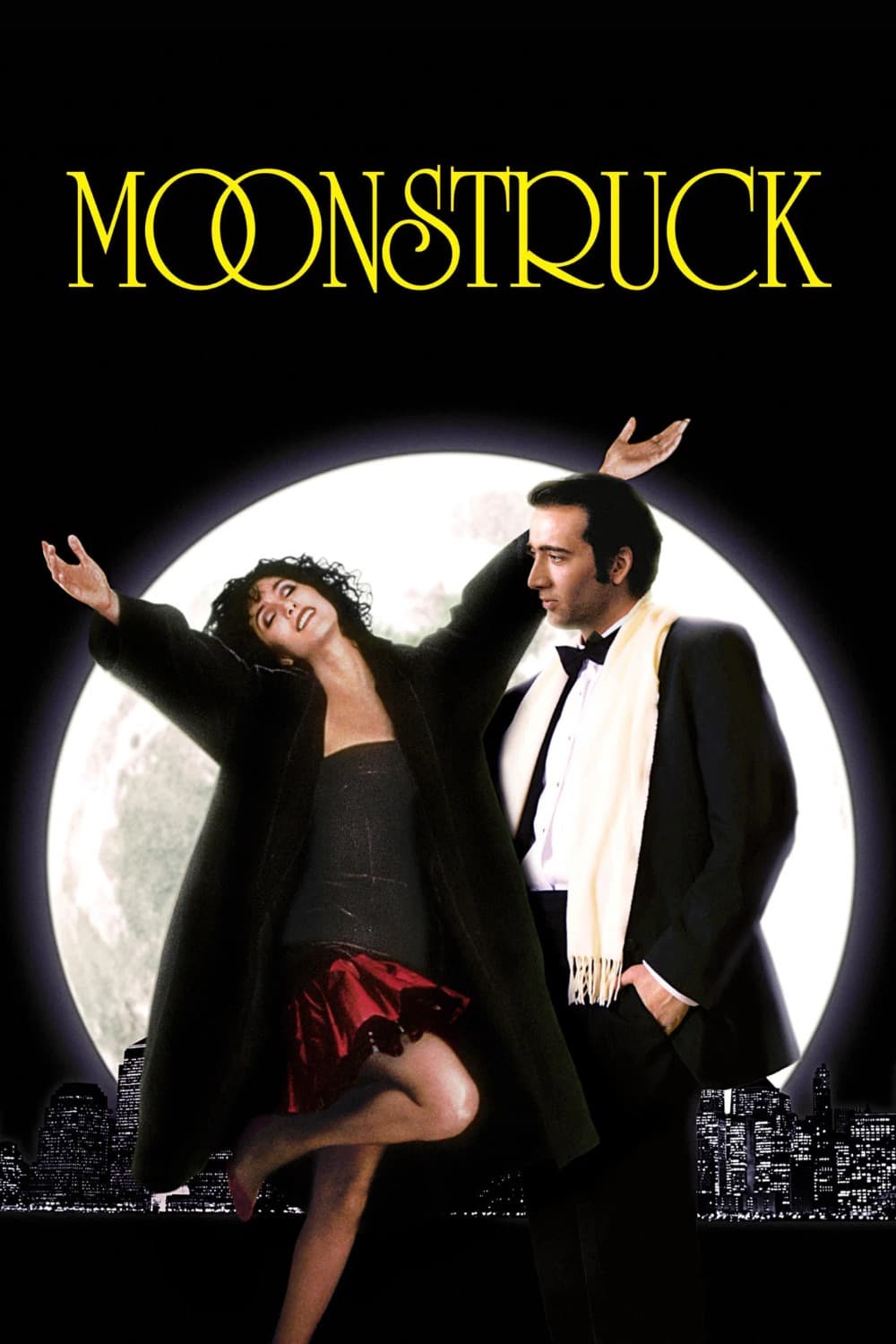
Cher and Olympia Dukakis both took Oscars from it, and the screenplay took a third: John Patrick Shanley wrote a Brooklyn Italian family who argue at operatic volume and mean every word.
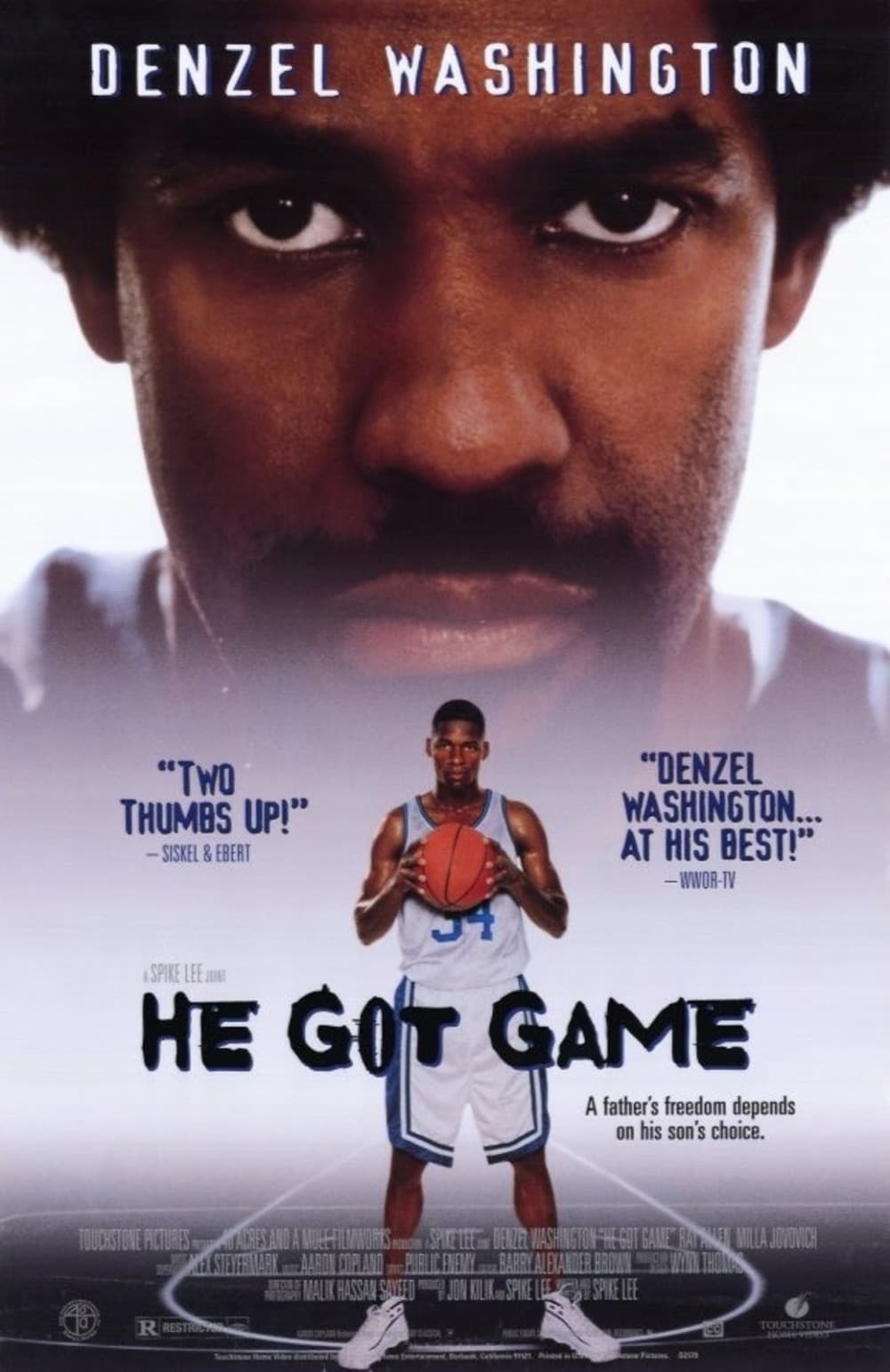
Spike Lee scored a basketball film with Aaron Copland and cast an NBA guard in the lead: a father is released from prison for a week to talk his son into a school.